In this article:
- Geography and Deep History
- The Quirks of Daily Life
- Food: Standards and Taboos
- Mega-Cities and Precision
- What to Know Before You Go
- Facts About Japan: Common Questions
Geography and Deep History
Japan is older and stranger than its neon image suggests. Before you get to the vending machines and the bullet trains, it helps to understand that this is a country with one of the longest continuous cultural histories on earth, spread across far more land than most visitors picture.
A Nation of Thousands of Islands
Most travelers think of four main islands, and spend their whole trip on one of them, Honshu. But Japan is an archipelago of several thousand islands by the traditional count — long held at 6,852, with a recent government recount putting the number far higher once tiny islets are included. Honshu is the large central “mainland” where Tokyo, Kyoto, and Osaka sit, but the country stretches from the snows of Hokkaido in the north to the subtropical beaches of Okinawa, a span as varied as a continent.
The World’s Oldest Monarchy
Japan’s imperial line is generally regarded as the oldest continuous hereditary monarchy in the world, traced through a long line of emperors over many centuries. The throne has held largely ceremonial power for most of recorded history, while real authority passed through regents, shoguns, and, in the modern era, an elected government. The continuity is the remarkable part: a single unbroken institution running, by tradition, for well over a thousand years.
From Thousands of Castles to Twelve
Japan once bristled with castles — thousands of them, in the warring centuries before the country was unified. Most were dismantled, burned, or lost to war and modernisation. Today only twelve retain their original wooden keeps, surviving from the feudal era rather than rebuilt in concrete. Himeji is the most celebrated. When you visit a castle in Japan, it is worth knowing whether you are looking at one of the twelve originals or a faithful modern reconstruction — both are common.
One of the Oldest Living Theatre Traditions
Noh, the masked, slow, intensely stylised classical theatre of Japan, is among the oldest continuously performed dramatic traditions anywhere, dating back more than six centuries. Its pace and conventions can baffle a first-time viewer, but seeing even a short performance connects you to a living art form older than almost any in the Western canon. It is the deep root from which much of Japanese performing arts grew.
The Quirks of Daily Life
The everyday texture of Japan is where most visitors fall in love with the place. A handful of these quirks will affect your own days here, so they are worth knowing before they surprise you.
The Bowing Deer of Nara
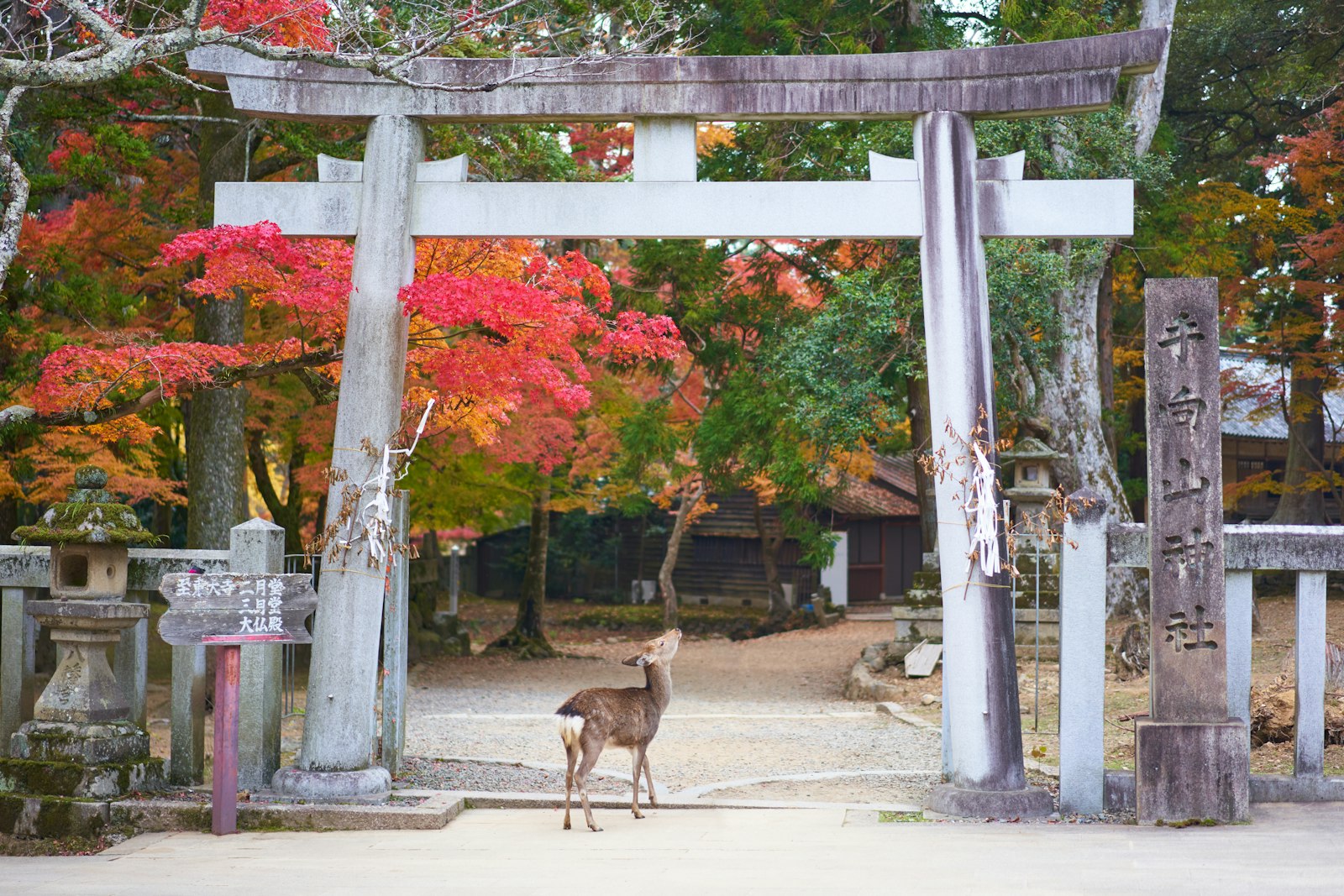
In Nara Park, more than a thousand wild deer roam freely, and many have learned to bow their heads to visitors in exchange for the special crackers sold nearby. It looks like impeccable manners; it is in fact a trained transaction for food, and the deer can become pushy once they know you are holding crackers. Bow back if you like — but keep your snacks out of sight until you are ready, or you will be mobbed.
A Slipper for Every Surface
Japan runs on an elaborate, unspoken system of footwear. You remove your shoes at the entrance to homes, many traditional restaurants, temples, and inns, and switch to indoor slippers. Then there are separate slippers reserved solely for the toilet, which you change into on entering and — crucially — must remember to change out of when you leave. Walking back into the living room in the toilet slippers is the classic foreign mistake. Watch what your hosts do and follow.
No Bins, Yet Spotless Streets
One of the first things visitors notice is the near-total absence of public rubbish bins, a situation that dates in part to security concerns in the mid-1990s. The second thing they notice is that the streets are immaculate anyway. The norm is simple: you carry your rubbish with you until you find a bin — often by a vending machine or in a convenience store — or until you get back to your accommodation. Pack a small bag for the day’s wrappers and you will fit right in.
A Vending Machine on Every Corner
Japan has an astonishing density of vending machines — on the order of millions nationwide — selling far more than drinks. Hot coffee in a can in winter, cold tea in summer, and, depending on the machine, everything from ice cream to ramen to fresh eggs. They are reliable, everywhere, and a small daily pleasure of travelling here. They are also, given the missing bins, where you will often find a recycling slot for the can you just emptied.
Remarkably Low Crime
Japan has one of the lowest crime rates of any major country, and the everyday honesty can be startling. Lost wallets are routinely handed in to police boxes with the cash intact; people leave bags on café tables to reserve seats. This does not mean caution is pointless, but it does mean you can move through the country with a level of ease that surprises visitors from larger cities. The small neighbourhood police box, the koban, is a quietly reassuring fixture.
Expert Tip
The lost-property culture genuinely works: if you leave something on a train or in a restaurant in Japan, there is a very good chance it will be handed in and recoverable. Note the train line and time, and ask staff or a koban — items are logged and held. Travelers who would write off a forgotten umbrella or phone at home are often reunited with it here. It is worth asking before you give up.
Food: Standards and Taboos
Japanese food culture comes with its own set of rules, some about safety and some about manners. A few are worth knowing so you can eat with confidence and avoid the small gestures that read as rude.
The Chopstick Rules
Two chopstick habits to avoid above all: never stand your chopsticks upright in a bowl of rice, and never pass food directly from your chopsticks to someone else’s. Both mirror rituals performed at funerals and carry a strong association with death. Rest your chopsticks on the holder or across your bowl instead, and move shared food to a plate before picking it up. Beyond that, most table manners here are intuitive.
Why Washoku Is a World Heritage
Traditional Japanese cuisine, washoku, is recognised by UNESCO as intangible cultural heritage — not for any single dish, but for the whole philosophy behind it: seasonality, balance, respect for the natural form of ingredients, and a deep connection to annual ritual. Once you understand that the goal is to express the season rather than to overwhelm with flavour, a lot of Japanese food that can seem subtle at first starts to make sense.
Food Safety You Can Trust
Japan’s food-safety standards are strict enough that things you would avoid at home are routine here. Raw egg is served freely — cracked over hot rice, or as a dip for sukiyaki — because the supply chain is built around it. Some restaurants serve carefully prepared raw chicken. This is possible because of rigorous handling, not bravado, and the safety record is strong. Eat what is offered in a reputable restaurant with more confidence than your instincts may suggest.
The Licensed Danger of Fugu
Fugu, the pufferfish whose organs contain a potent toxin, is a celebrated delicacy precisely because preparing it safely is so difficult. Chefs must train for years and pass a rigorous licensing examination before they are permitted to serve it. Eaten at a licensed restaurant, it is safe; the thrill is mostly in the reputation. It is a vivid example of how seriously Japan treats culinary craft and the licensing behind it.
Mega-Cities and Precision
Japan’s cities operate at a scale and a level of precision that genuinely have to be experienced to be believed. The numbers behind daily life here are part of what makes the country feel like the future running on impeccable timekeeping.
The World’s Largest Urban Area
Greater Tokyo is the most populous metropolitan area on the planet, home to well over thirty million people once the surrounding prefectures are counted. What is remarkable is not the size but the smoothness: a region larger than many countries that moves, feeds, and houses its people with extraordinary order. Standing in Shinjuku at rush hour, you are inside the largest human machine ever assembled, and it works.
The Capital of Fine Dining
Tokyo consistently holds more Michelin-starred restaurants than any other city in the world, by a wide margin. The depth runs from temples of high cuisine to tiny counters serving a single dish to perfection. You do not need a starred restaurant to eat brilliantly here — some of the best food is in unremarkable basements and railway arches — but the concentration of formal excellence is unmatched anywhere.
The Busiest Crossings on Earth
Shinjuku Station is the busiest railway station in the world, moving millions of passengers a day through a labyrinth of exits that defeats almost everyone at first. Nearby, the Shibuya scramble crossing sends huge waves of pedestrians across from all directions at once each time the lights change. Both are free spectacles, and both are a lesson in how Japan manages density without apparent chaos.
Trains Measured in Seconds
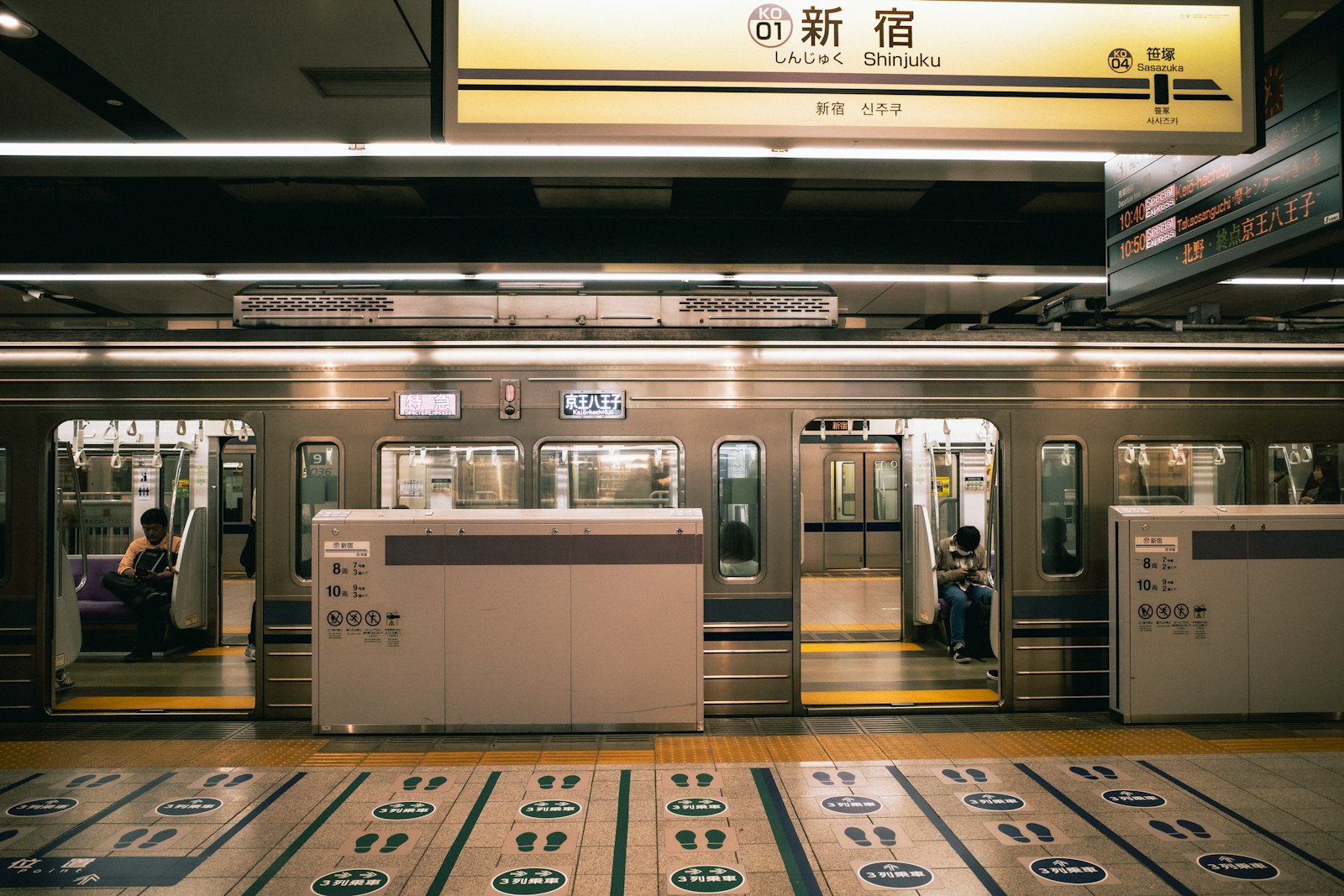
Japanese rail punctuality is measured against a standard most countries would find absurd. Average delays on major lines are counted in seconds, and operators have publicly apologised when a train departed mere seconds ahead of schedule. The bullet trains run to the minute across hundreds of kilometres. This obsession with precise timekeeping is not a stereotype; it is something you can set your watch by, and plan a tight itinerary around with confidence.
What to Know Before You Go
A few facts are less about wonder and more about not getting caught out. These are the practical ones that can genuinely affect your trip, so read them before you pack.
Eating While Walking Is Frowned Upon
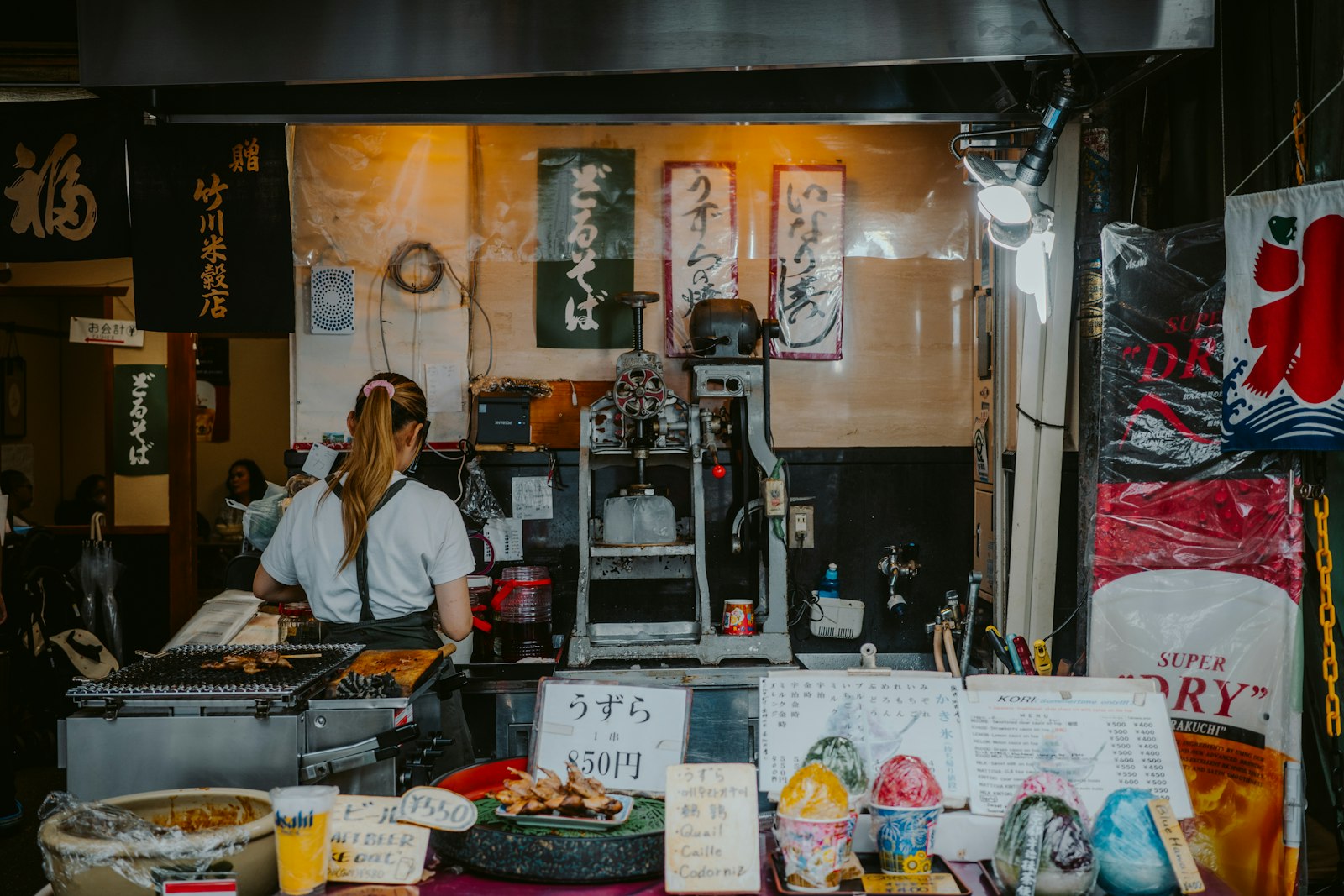
In much of Japan, walking down the street eating is considered slightly impolite — a habit tied to keeping public spaces clean and to a general norm of not doing two things at once carelessly. The convention is to eat at or beside the stall you bought from, then move on. It is not a law, and no one will stop you, but doing as locals do, especially in crowded food streets and markets, is appreciated.
Some Common Medicines Are Banned
This one is serious. A number of medications sold freely over the counter in Western countries are restricted or outright banned in Japan, including some common cold and allergy remedies containing stimulants like pseudoephedrine, and certain stronger painkillers. Bringing them in can cause real trouble at customs. Check Japan’s rules on any medication you intend to carry before you fly, and bring documentation for prescriptions. Do not assume that “available at any pharmacy at home” means “allowed in Japan.”
Don’t Tip
Tipping is not part of Japanese culture and can cause confusion or even mild offence. Good service is the standard, not something you pay extra for, and a server may chase you down the street to return money you “forgot.” The way to express thanks is verbally — a sincere arigatou gozaimasu — or, at a ryokan, occasionally through a more formal custom. As a visitor, the simple rule is: do not tip, and do not feel you are being rude by not doing so.
Each Region Has Its Own Character
Japan is far from uniform, and locals will tell you so with feeling. Tokyo has a reputation for reserve and formality; Osaka for humour, bluntness, and a love of food; Kyoto for a refined, sometimes guarded traditionalism; Okinawa for a warmth and pace all its own. Travelling between regions, you will hear different dialects and feel genuinely different social temperatures. Treating “Japan” as one personality misses much of the pleasure of moving around it.
Facts About Japan: Common Questions
Can I really only enter the Imperial Palace grounds twice a year? The inner grounds of Tokyo’s Imperial Palace, where the imperial family resides, are opened to the general public only on a small number of special occasions each year, traditionally around New Year and the Emperor’s birthday. The rest of the year you can visit the surrounding East Gardens and view the palace from the famous bridge, but the innermost areas stay closed. Plan accordingly if standing in the inner grounds matters to you.
How do vegetarians cope when dashi is in everything? With care and a few set phrases. Dashi, the foundational stock, is usually made with bonito (fish) and appears in a huge range of savoury dishes, including many that look plant-based. Strict vegetarians and vegans should learn to ask whether dashi is used, seek out the growing number of vegan and Buddhist shojin-ryori restaurants, and lean on tofu, vegetable, and temple cuisine. It is manageable, but it requires being proactive rather than assuming.
Do vending machines really sell hot food and beer? Many do. Beyond hot and cold drinks, vending machines around the country dispense hot canned soup, ramen, ice cream, and other foods, and some sell alcohol, including beer, often with an age-verification step. Availability varies by location and machine, and alcohol machines have become less common than they once were, but the variety still astonishes first-time visitors.
Related Tours
Conclusion
The most interesting facts about Japan are the ones that change how you move through it: carry your rubbish, skip the tip, mind which medicines you pack, and watch what locals do with their slippers and their chopsticks. The trivia is fun, but the practical knowledge is what turns a smooth trip into an effortless one.
Plan Your Japan Trip with Local Experts
Our team has guided 40,000+ travelers across Japan. Tell us about your trip and we’ll get back to you within 24 hours.