In this article:
- Drugstore Beauty
- Electronics Worth Buying
- Fashion and Footwear
- Snacks and Confectionery
- Stationery
- Best Purchases in Japan: Frequently Asked Questions
Introduction
The exchange rate has made Japan cheap for most Western visitors, and that produces a specific failure mode: buying a lot of things that seemed like value at the time.
The genuinely worthwhile purchases fall into a narrow band. Either the product does not exist outside Japan, or it exists but costs substantially more, or the domestic version is better made than the export one. Everything else is just shopping.
What follows sticks to that band, with the practical details — voltage, sizing, tax-free thresholds — that determine whether a purchase actually works when you get home.
Drugstore Beauty
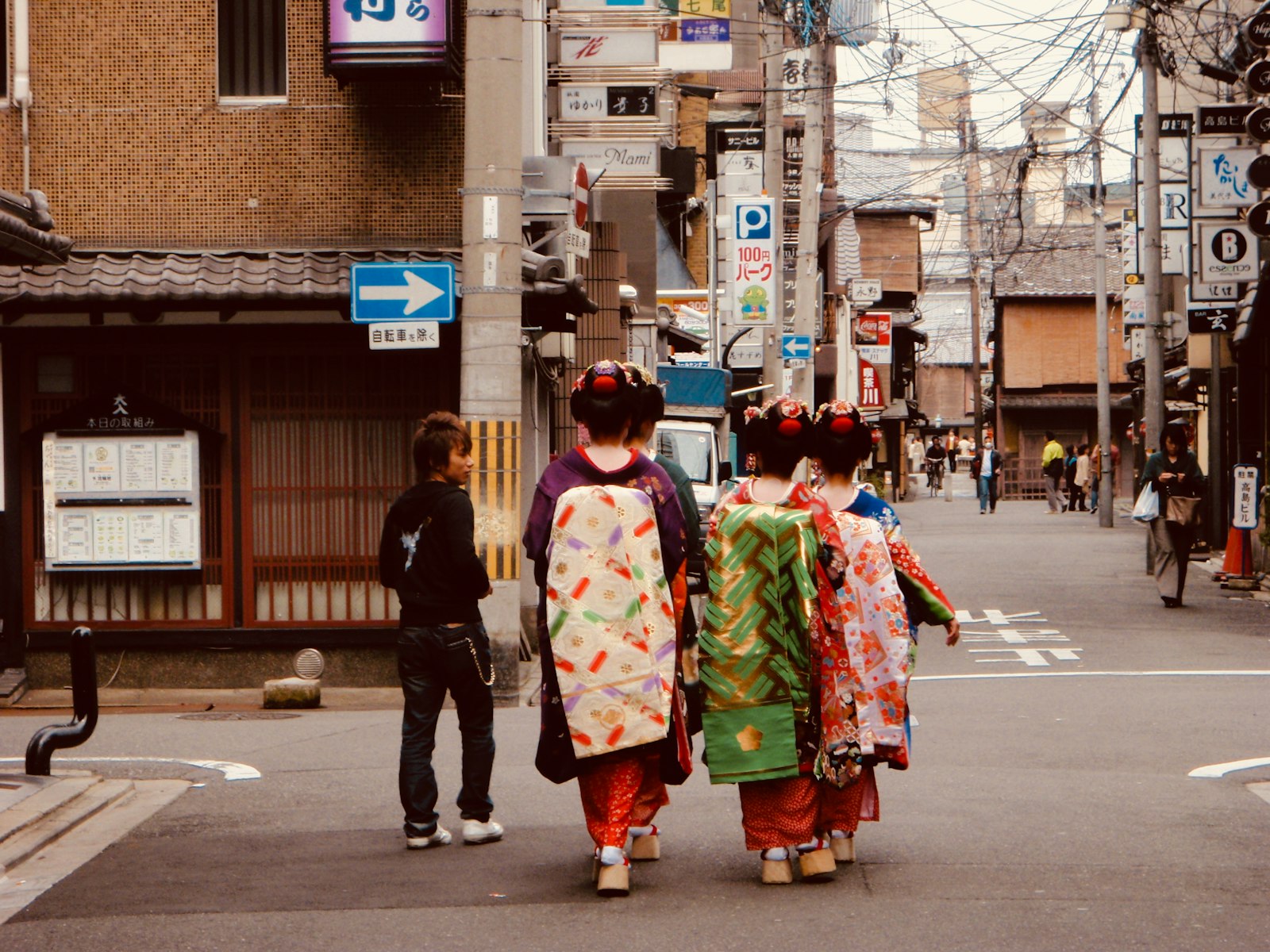
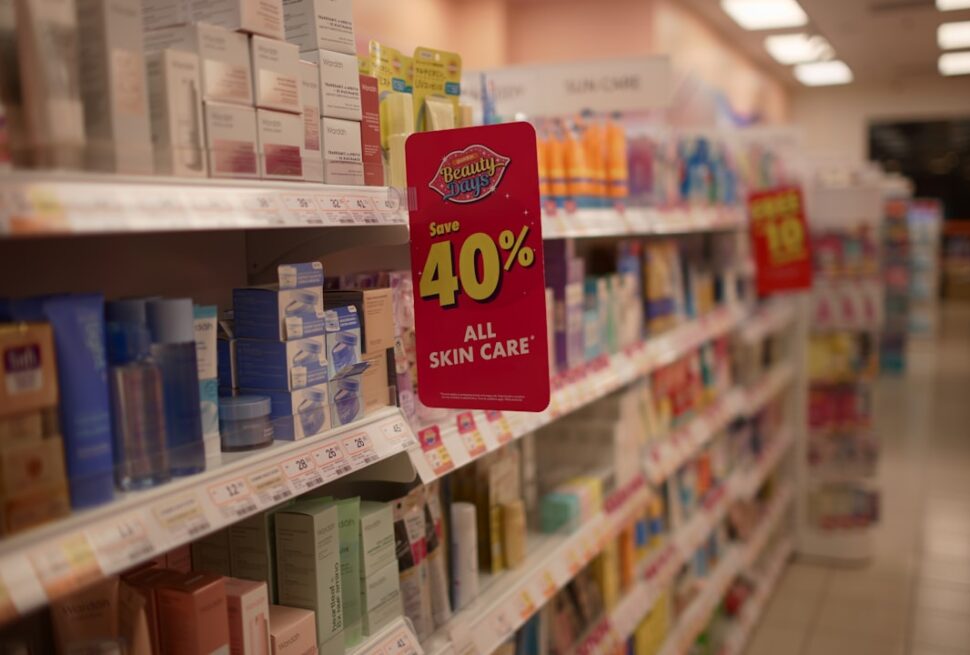
This is the strongest category, and the reason is regulatory rather than commercial.
Sunscreen
Japan approves UV filters that the United States does not, which allows formulations that are genuinely weightless at SPF50. American sunscreens at the same protection level are thicker because the available chemistry is older.
Shiseido Anessa and Kao’s Biore UV Aqua Rich are the two most bought. Both run 1,000 to 3,000 yen against considerably more when exported. Buy several; they are the single best-value thing in any Japanese drugstore.
Cleansers
Cure Natural Aqua Gel is a water-based exfoliating gel that has sold in the tens of millions of units in Japan and is barely known abroad. Senka Perfect Whip is a foaming cleanser that costs a few hundred yen and outperforms products at ten times the price.
Neither is exotic. They are ordinary Japanese products that happen to be very good and very cheap, which is the definition of what to buy here.
Eye Drops
Rohto and Sante market eye drops with a cooling sensation graded on a scale, running from mild to genuinely startling at the highest level.
Note that some Japanese eye drops contain ingredients restricted in the EU and Australia. Check your destination’s rules if you are buying more than personal quantities, and keep them in original packaging.
Expert Tip
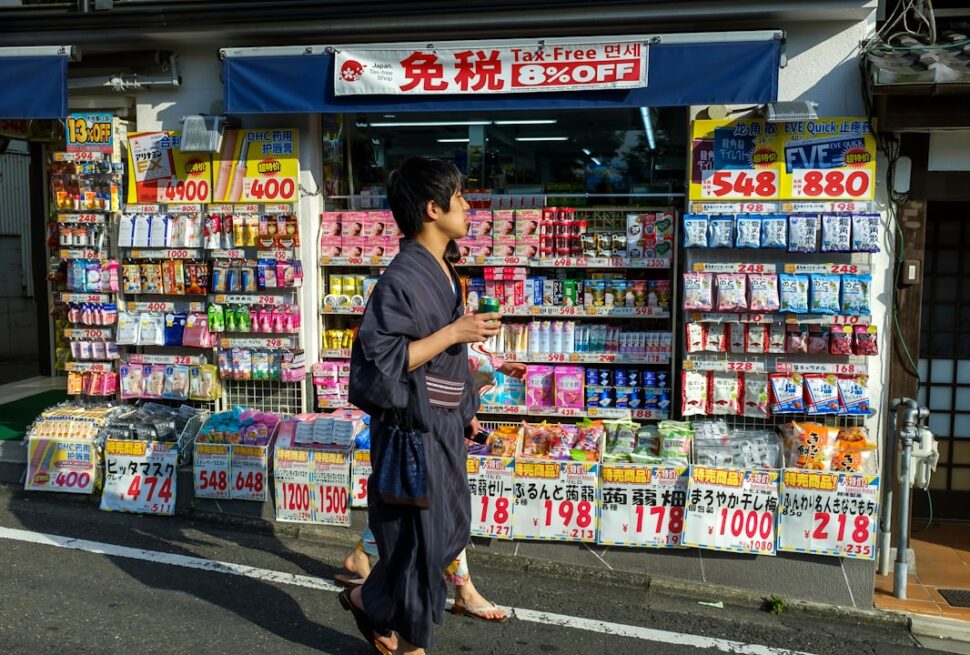
Drugstore prices vary more than people expect. Don Quijote and Matsumoto Kiyoshi discount heavily on volume, while airport and hotel-district branches charge close to list. The same Anessa bottle can differ by 800 yen between a Shinjuku drugstore and Narita departures. Buy in the city, not at the gate.
Electronics Worth Buying
Electronics are less of a bargain than they were, and the voltage question decides most of it.
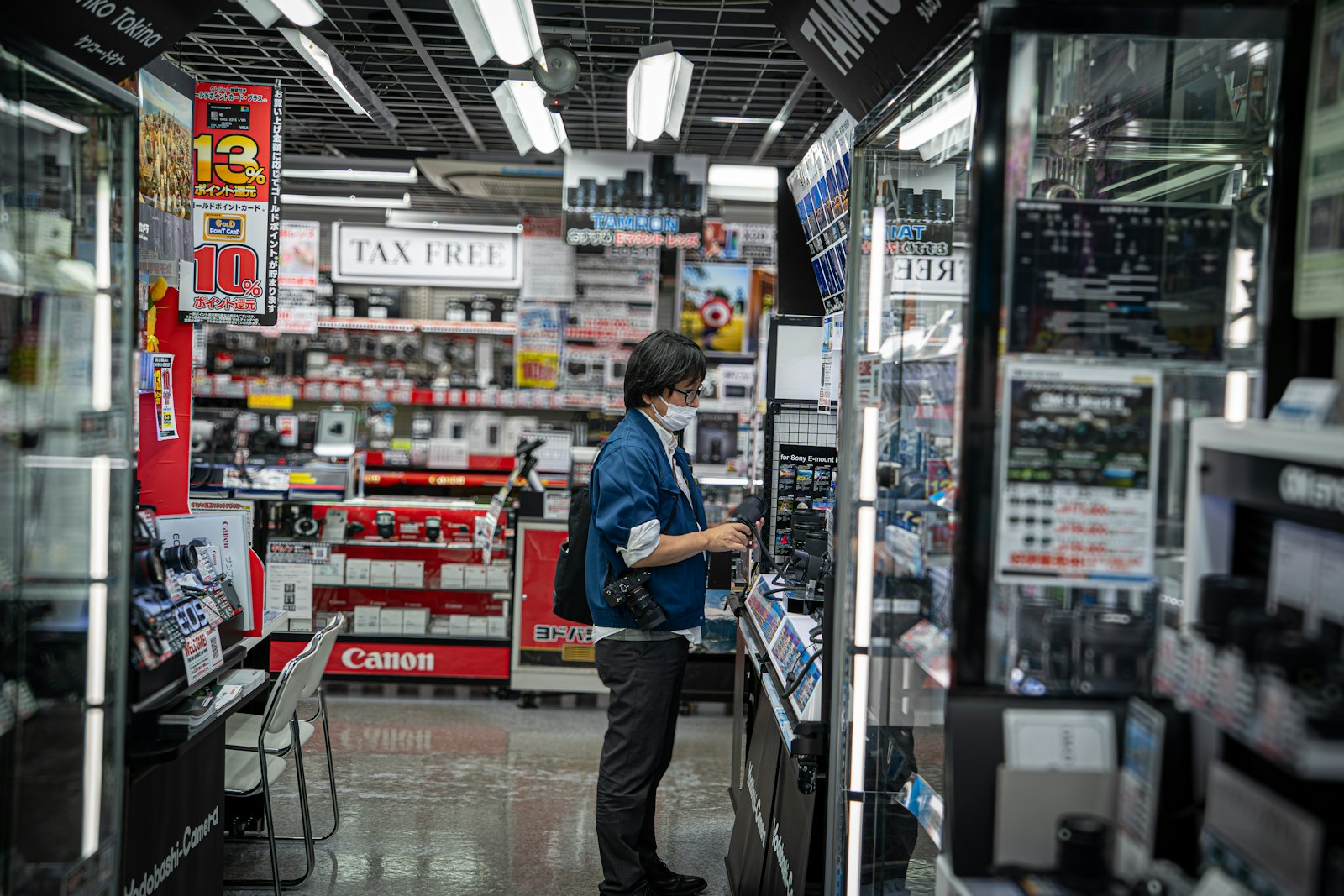
Cameras and Audio
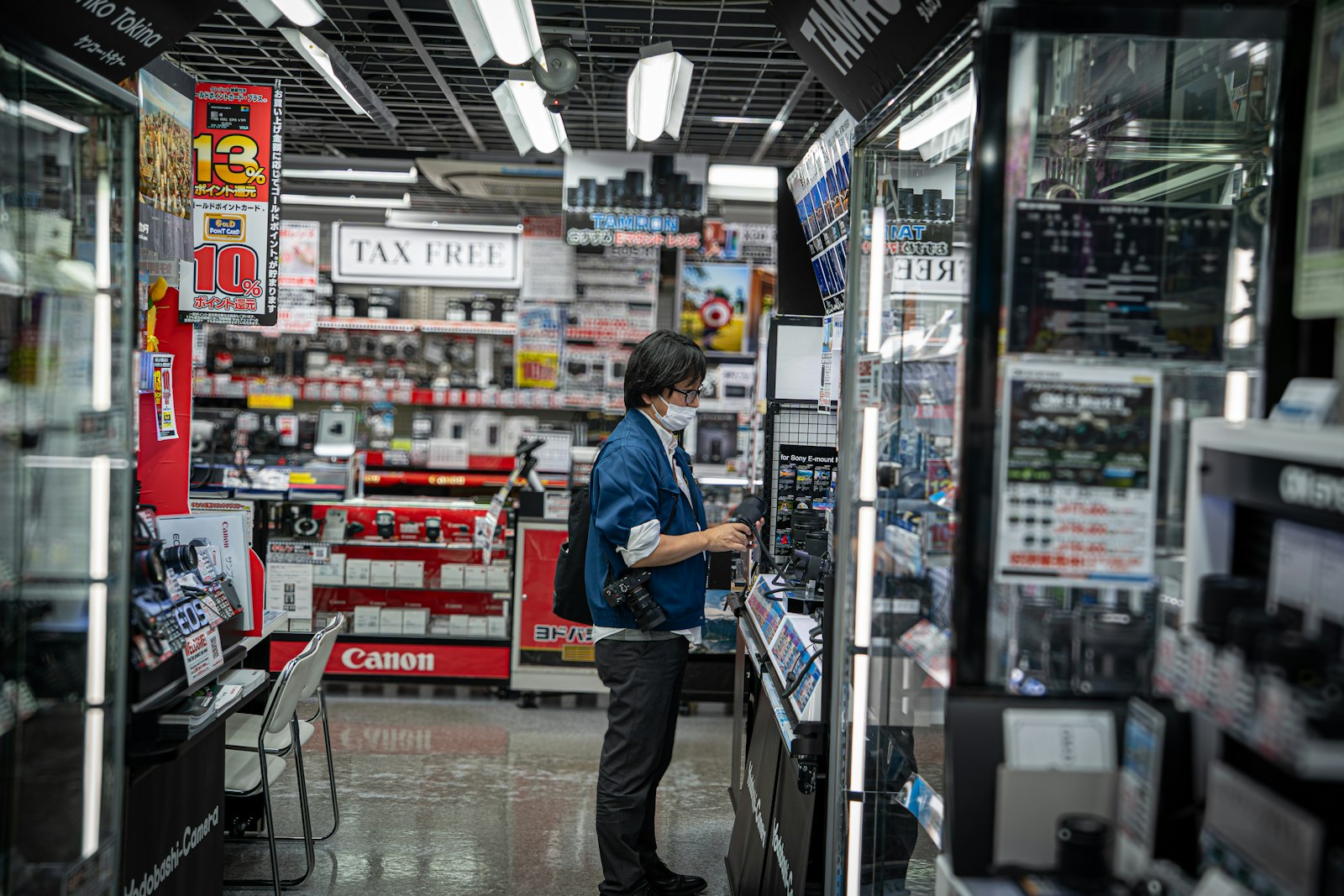
Bic Camera and Yodobashi carry the full domestic range of mirrorless cameras, lenses, and noise-cancelling headphones, with tax-free counters and English-speaking staff.
Prices are competitive rather than dramatically low, and the real advantage is availability — Japan-market variants and colours that never ship abroad. Check warranty terms; domestic warranties often do not apply internationally.
Rice Cookers
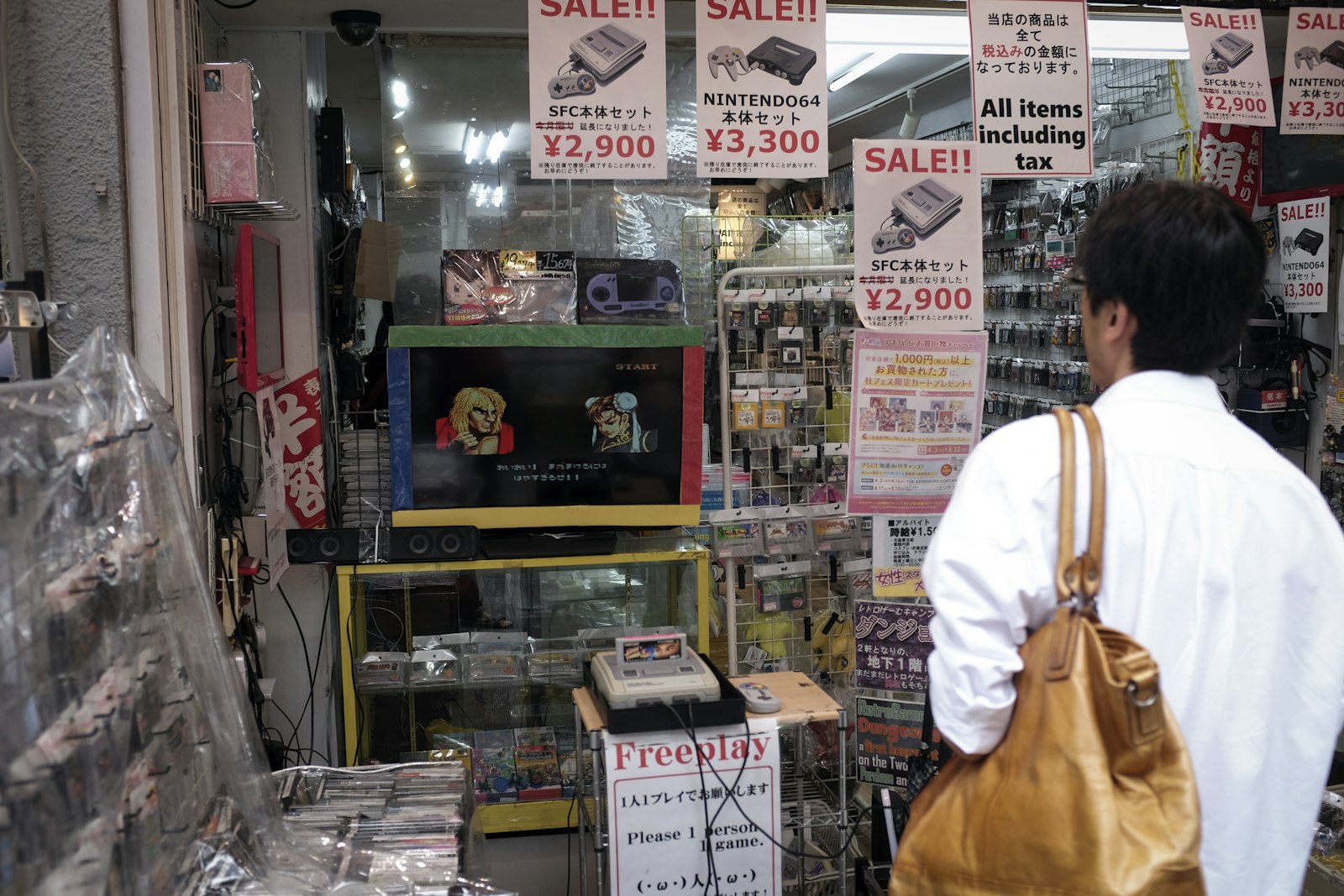
Zojirushi and Tiger induction-heating rice cookers are the classic Japan purchase, and the domestic models genuinely outperform the export ones.
The catch is that domestic models run on 100V and will not work on 220-240V supply. Both brands sell overseas-specification models at major electronics stores, marked as such, and those are the ones to buy. A transformer is a poor substitute for a heating appliance.
The Voltage Rule
Japan runs on 100V. Laptops, phone chargers, and most modern electronics accept 100-240V and are fine anywhere. Anything with a heating element or a motor — kettles, hair dryers, rice cookers, shavers — usually is not.
Read the label on the plug or the base of the device. If it says 100V only, either buy the overseas model or do not buy it.
Fashion and Footwear
Japanese manufacturing quality is the argument here, not price.
Onitsuka Tiger
The Nippon Made line is produced domestically in leather, in colourways that mostly stay in Japan, and it sits well above the standard international range in construction.
The flagship stores in Ginza and Harajuku carry the full line. Expect to pay considerably more than for the mass-market models, and expect the shoes to last accordingly.
Selvedge Denim
Japan has produced the world’s most respected selvedge denim since American mills abandoned shuttle looms in the 1980s. Kojima in Okayama is the centre of it, and the town has a street of denim workshops selling directly.
In Tokyo, the Harajuku and Nakameguro shops carry the main labels. Raw denim needs breaking in over months and should be bought slightly tight; the shop staff will size you correctly if you say it is raw.
Shimokitazawa Vintage
Shimokitazawa has several dozen second-hand shops within a few streets, ranging from cheap bulk racks to curated American vintage at collector prices.
Japanese second-hand grading is unusually honest — a garment described as good condition will be in good condition. This applies across the whole second-hand market here and is why Japanese vintage sells at a premium internationally.
Snacks and Confectionery
The edible category is the easiest to overbuy and the easiest to get right.
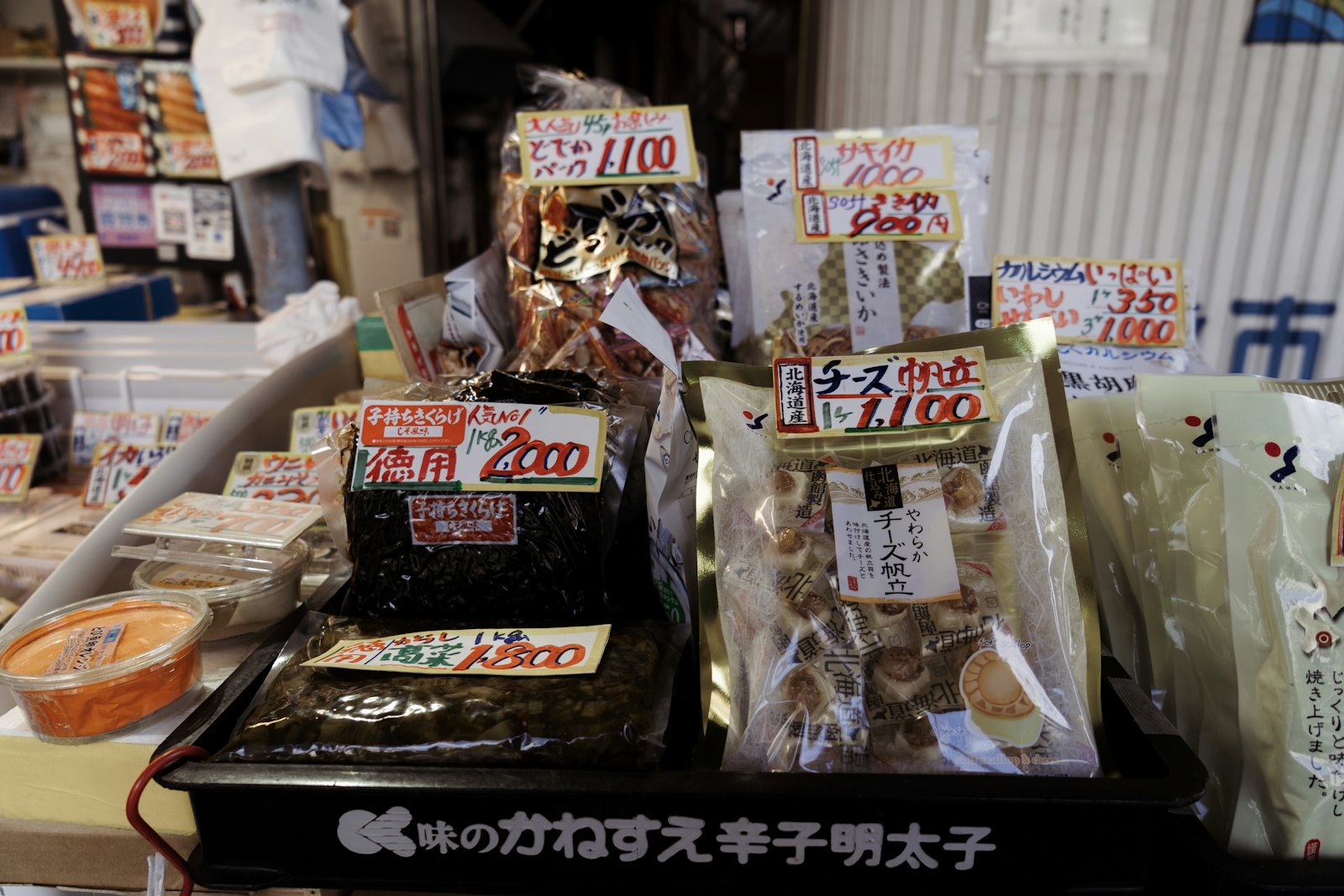
Regional KitKat
Several hundred flavours have been produced, with regional exclusives tied to specific prefectures — Shinshu apple, Uji matcha, Hokkaido melon, sake.
Supermarkets sell these at roughly half the price of tourist shops and airport concessions. The dedicated KitKat Chocolatory outlets carry premium versions that genuinely differ in quality rather than just flavour.
Royce and Hokkaido Confectionery
Royce’ potato chip chocolate — salted crisps half-dipped in chocolate — sounds wrong and is one of the more successful Japanese confections of the last thirty years.
Royce’ products require refrigeration and have short shelf lives. Buy them on the last day, ask for an ice pack, which is standard and free, and check whether your flight duration is realistic.
Depachika Sweets
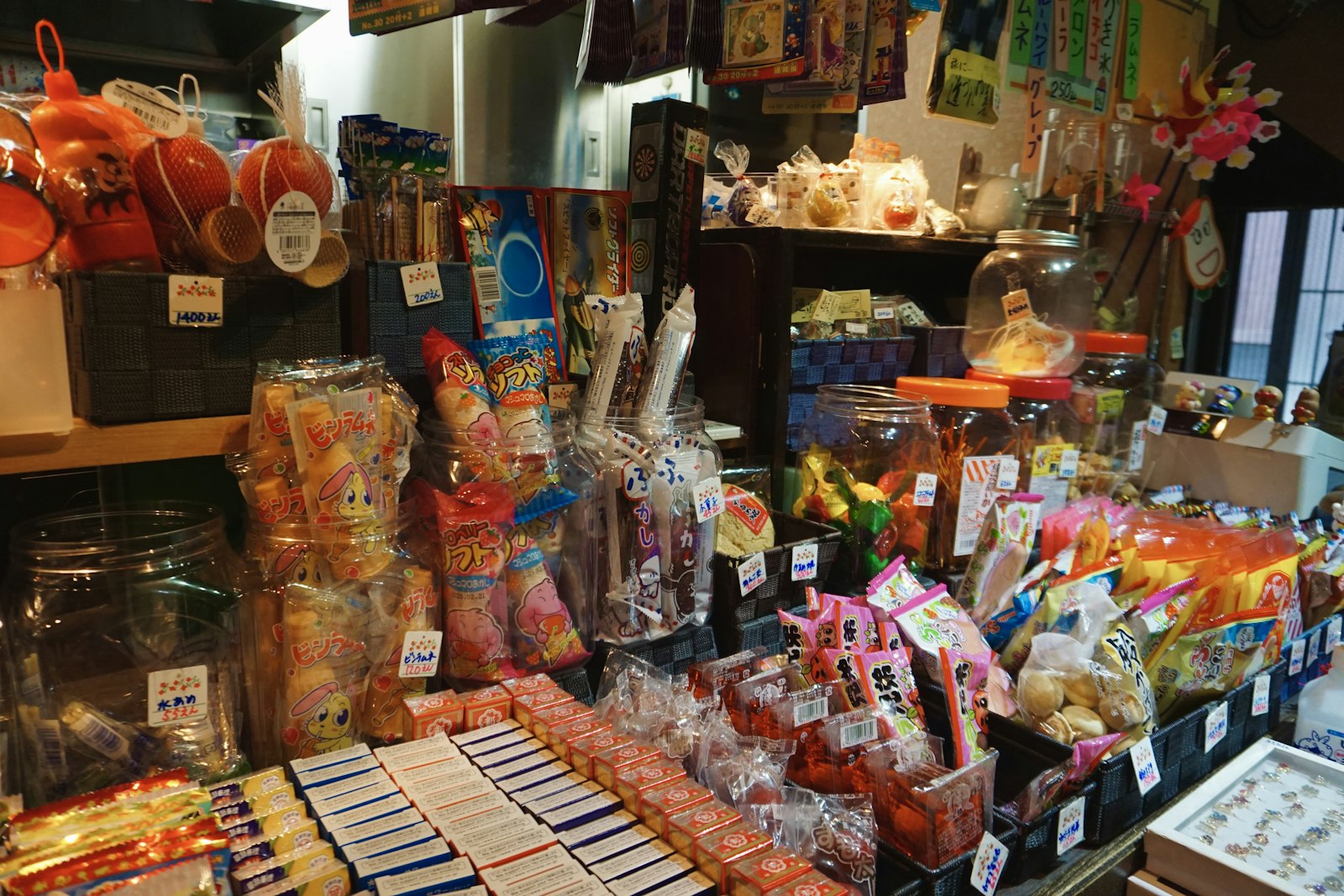
Department store food halls carry boxed cookies, castella, and confectionery from long-established makers at prices well below what the same brands fetch abroad.
This is where to buy a serious gift. The packaging alone is at a level that does not exist in Western retail, and staff will wrap for travel if you ask.
Stationery
Japanese stationery has no real international competition, and it is light, cheap, and packs flat.
Hobonichi Techo
The Hobonichi planner uses Tomoe River paper — extremely thin, yet resistant to fountain pen bleed-through — with one page per day and a different quotation on each.
Itoya in Ginza carries the full range including covers. The English edition exists but the Japanese version has better layouts, and the dates are numerals either way.
Pens
Pilot, Uni, Zebra, and Sakura produce gel pens at 0.28mm and finer that simply are not sold in most markets. The Uni-ball Signature and Pilot Juice ranges run to dozens of colours.
They cost 100 to 300 yen each. A handful of these is the cheapest genuinely appreciated gift available in Japan.
Washi Tape
Mt. is the main brand, producing hundreds of decorative paper tape designs including regional and museum collaborations.
Loft and Tokyu Hands carry the widest selection, and the mt factory outlets run limited editions. They weigh nothing and cost a few hundred yen a roll.
Expert Tip
Loft, Tokyu Hands, and Itoya cover almost everything in this guide except electronics and food — cosmetics, stationery, kitchen goods, and craft items under one roof with tax-free counters. If your time is short, one of these plus a depachika basement is a complete shopping trip in about three hours.
Best Purchases in Japan: Frequently Asked Questions
How does tax-free shopping work? Show your physical passport at a tax-free register, spend at least 5,000 yen at that shop on that day, and the 10 percent consumption tax is deducted. Consumables are sealed in a bag that must stay unopened until you leave Japan. General goods have no such restriction. The threshold is per shop per day, not cumulative across shops.
Is Japanese skincare cheaper here than online? Substantially, yes — typically half to a third of export prices, before the tax-free deduction. The other advantage is authenticity; counterfeit Japanese cosmetics are a real problem on international marketplaces and not one you face buying in a Japanese drugstore.
What sizing differences should I expect? Japanese clothing runs roughly one to two sizes smaller than European and American equivalents, and cuts are narrower through the shoulder and hip. Shoes are sized in centimetres of foot length. Try things on rather than converting; many shops do not accept returns on sale items.
Related Tours

Conclusion
Prioritise the things that do not exist at home: the sunscreen, the fine-tip pens, the domestic-only colourways. Those are the purchases that still feel justified six months later.
Leave the electronics unless you have checked the voltage and the warranty. It is the one category here where a bad decision is expensive rather than merely unnecessary.
Plan Your Japan Trip with Local Experts
Our team has guided 40,000+ travelers across Japan. Tell us about your trip and we’ll get back to you within 24 hours.