In this article:
- The culture of hanami and the allure of yozakura
- Best cherry blossom spots in Tokyo
- Japan’s best nighttime sakura illuminations
- Food, drinks, and festivals during blossom season
- Practical tips for a better sakura experience
- Frequently asked questions
Introduction
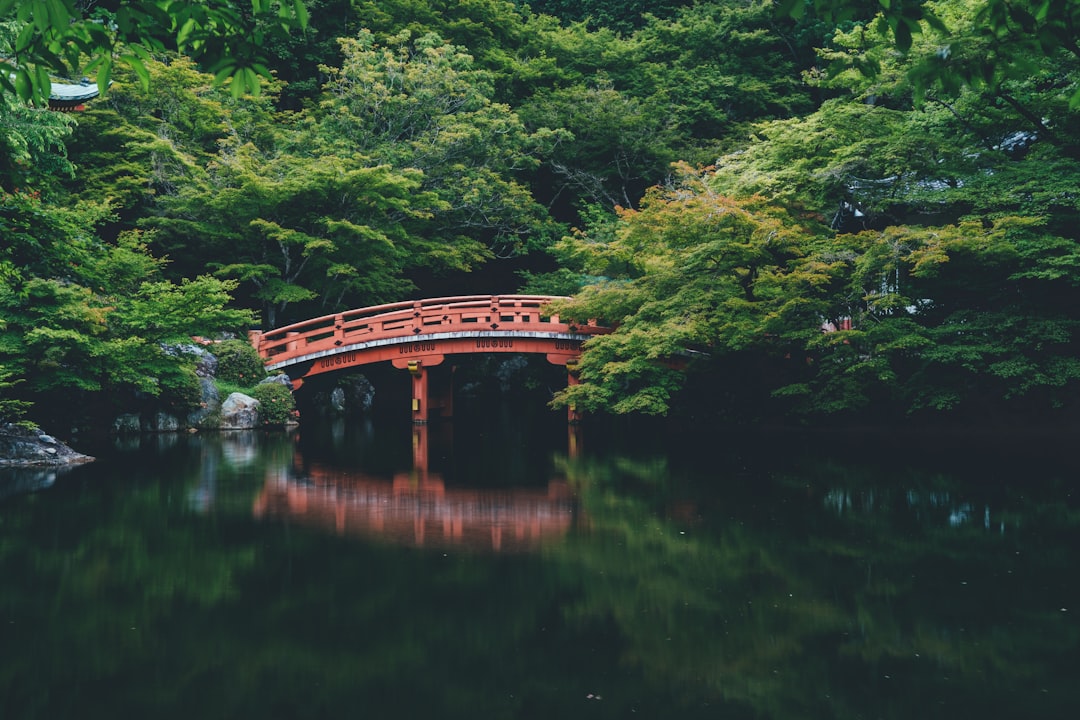
Sakura season in Japan is real, and the photographs are accurate. The specific combination of Japanese flowering cherry varieties — most planted trees in Japan are Somei Yoshino, a cultivar that produces a pale pink bloom before any leaves appear — against the bare-branched canopy produces an effect that is difficult to recreate. When a large stand of Somei Yoshino is at full bloom (mankai) and the light is soft, the result is as striking as anything Japan offers.
The challenge is that everyone knows this. Peak sakura in Tokyo happens in a window of roughly five to seven days, and the most famous viewing spots — Chidorigafuchi moat, Ueno Park, Meguro River — are genuinely crowded during that window. Crowded in the Japanese sense means organized crowds that are pleasant to be part of; it’s not chaotic. But solitary contemplation of cherry blossoms at Shinjuku Gyoen on a April Saturday is not on offer.
The strategies that produce the best experience are the same as for most popular Japanese attractions: timing (morning, not noon), weekday over weekend, and knowing which specific spots are worth the crowd and which aren’t.
The Culture of Hanami and the Magic of Yozakura
What Makes Night Cherry Blossoms (Yozakura) Special
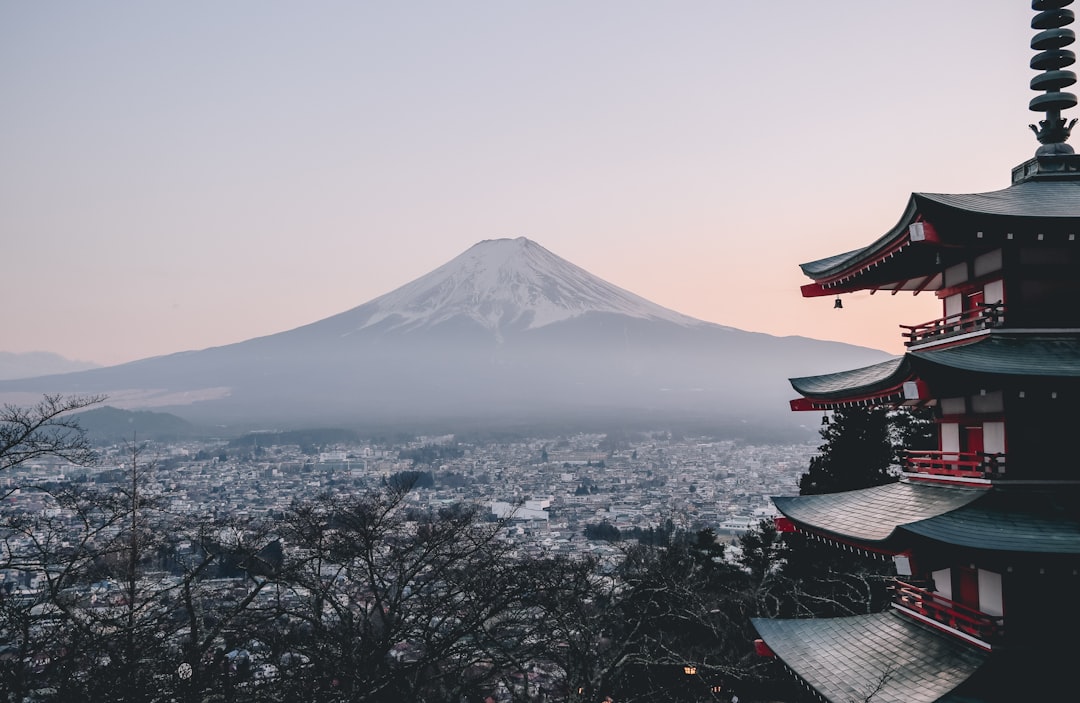
Hanami — literally “flower viewing” — is one of Japan’s oldest seasonal practices, with written records dating to the Nara period (8th century). The practice of gathering under cherry trees with food and drink has remained essentially unchanged across more than a millennium. What has changed is yozakura — night viewing, enabled by artificial illumination — which began appearing at major parks in the Meiji period and has become a significant part of modern hanami culture.
Yozakura transforms the experience. Where daytime hanami is social and celebratory — parks full of groups on blue tarps with convenience store sushi and canned beer — evening illumination produces something more intimate. The trees are lit from below or within; the background goes dark; the blossoms appear to glow. At the best yozakura locations, the effect is closer to art installation than nature.
Understanding Peak Bloom and Hana-Fubuki
The sakura forecast uses specific stages: beginning of bloom (kaika), 50% open, full bloom (mankai), and peak petal fall. Most visitors target mankai — 100% open. The less-visited but often more beautiful moment is hana-fubuki (flower blizzard): the days just after peak when petals fall in the wind, covering the ground and waterways in pink. Parks with reflecting ponds become extraordinary during hana-fubuki. The crowd pressure has also generally eased by this point.
Best Cherry Blossom Spots in Tokyo
Meguro River: The Lantern-Lit Canal
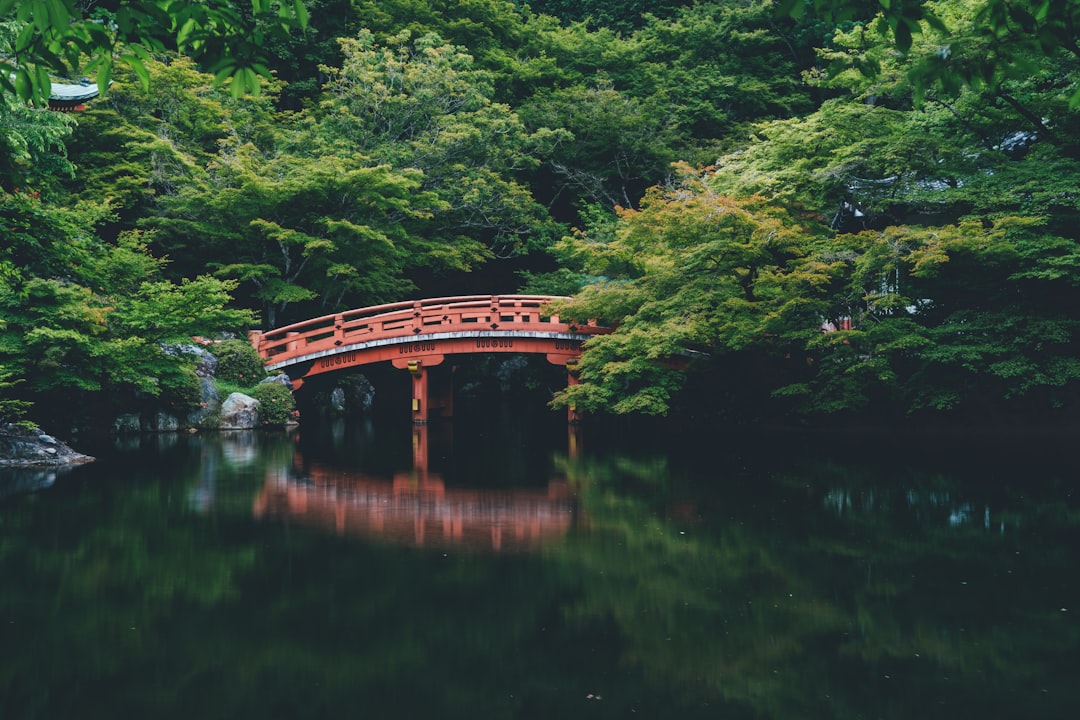
Meguro River (目黒川) is a 4km canal lined with approximately 800 cherry trees, elevated so the branches arch over the water below. Walking the riverbank at peak bloom, when the tunnel of blossoms overhead is reflected in the river, is the quintessential Tokyo sakura experience. Paper lanterns hung by local businesses add warm light in the evenings.
The section between Nakameguro Station and Meguro Station is the most dense and the most crowded. If you’re going on a weekend evening, accept the crowd as part of the experience rather than try to avoid it — it’s genuinely atmospheric. Weekday mornings before 9am are comparatively empty and the light is better.
Shinjuku Gyoen: Space and Variety
Shinjuku Gyoen’s 58 hectares hold around 1,000 trees of 65 different varieties — which means the overall season at the garden runs longer than at single-variety spots. Early bloomers (kawazu-zakura) start in late February; late varieties (kanzan) run into late April. The garden is large enough that you can find a quiet section on peak weekends. The English landscape section in the south has open lawn views; the Japanese garden section in the east is more enclosed.
The Starbucks inside the garden — yes, this is a real attraction for a reason — has floor-to-ceiling windows overlooking the garden’s most famous cherry tree grove. Book a table in advance or arrive when it opens.
Chidorigafuchi Moat: Rowboats Under the Blossoms
Chidorigafuchi (千鳥ヶ淵) is a moat that runs along the northern edge of the Imperial Palace grounds, lined on both banks with cherry trees that form a near-continuous canopy over the water. The rental rowboat operation (open from 9am, ¥800 for 30 minutes) fills up quickly — queue before opening on peak days. The experience of drifting under cherry branches at water level, petals falling on the boat, is one of the most specifically Tokyo things it’s possible to do during sakura season. The moat is also good to walk — the path between Hanzomon and Kudanshita stations offers elevated views from the bank.
Ueno Park: Tokyo’s Most Traditional Hanami
Ueno Park (上野公園) is where classic Tokyo hanami happens. Approximately 1,000 trees line the main path through the park; on peak weekends, every patch of ground is occupied by groups on blue tarps, yatai (food stalls) are running at full capacity, and the atmosphere is festive in a way that’s specific to Japan’s seasonal celebration culture. This is not a contemplative experience — it’s a participation experience. Go in the early evening with good food and an open attitude toward being part of a crowd of 50,000 people.
Sumida Park: Skytree Framing
Sumida Park (隅田公園) on the banks of the Sumida River offers the most photographed composition of sakura season: cherry blossoms in the foreground with Tokyo Skytree rising 634m behind them. The angle is specific — the best view is from the east bank looking northwest, between the Azumabashi and Komagatabashi bridges. At night, with the Skytree lit and the blossoms illuminated, the photograph practically takes itself.
Japan’s Best Yozakura: Night Cherry Blossom Illuminations
Rikugien Garden, Tokyo: The Weeping Cherry
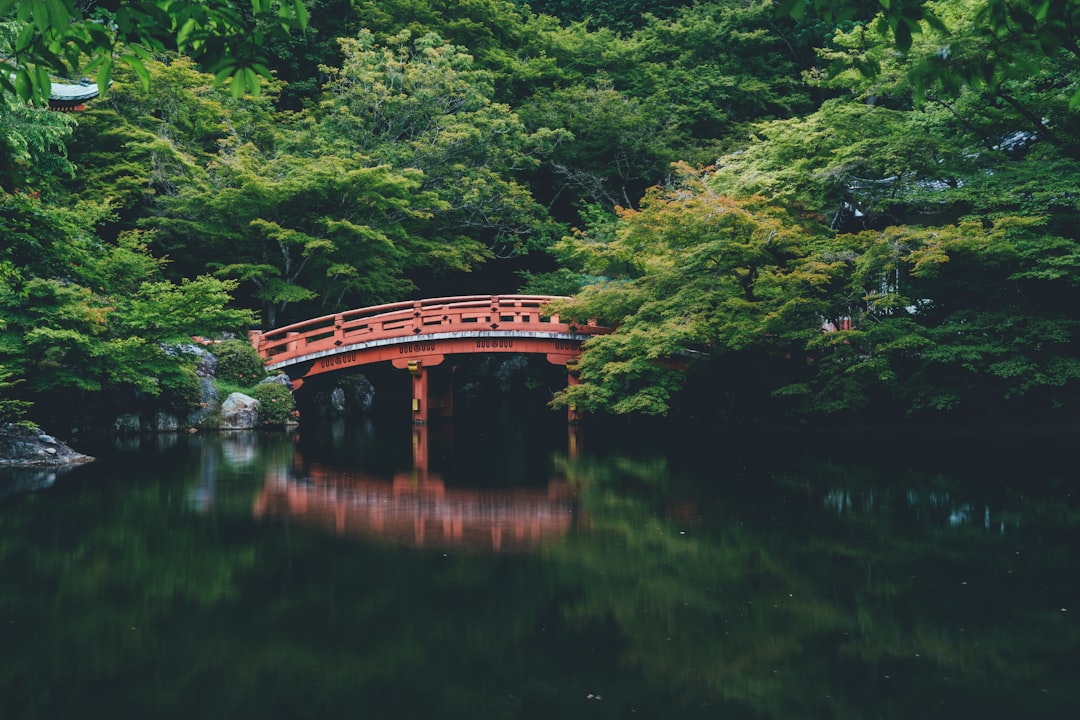
Rikugien’s autumn foliage illumination draws large crowds; its spring cherry blossom illumination is arguably the single best yozakura event in Tokyo. The subject is one large weeping cherry tree (shidarezakura) — not a grove, not a canal, one tree — lit from below against the dark garden. The concentration of visual effect on a single subject, combined with the Edo-period garden setting, produces something more composed than most sakura viewing. Advance tickets recommended; evening admission ¥1,000.
Toji Temple and Kodai-ji, Kyoto
Toji’s five-story pagoda (the tallest wooden pagoda in Japan at 55m) illuminated at night against a blooming cherry tree in its courtyard is one of the iconic compositions of Kyoto’s spring season. The weeping cherry tree in the courtyard, planted centuries ago, typically peaks slightly ahead of the Somei Yoshino elsewhere in the city. Kodai-ji’s night illumination adds a rock garden and moss garden to the palette — more contemplative, less dramatic than Toji.
Takada Castle Site Park, Niigata
Takada Castle Site Park (高田公園) in Joetsu city, Niigata, hosts what is ranked among Japan’s three great yozakura events. The castle site’s moat is surrounded by approximately 4,000 cherry trees, all illuminated at night, with the restored castle tower visible across the water. This is not on most international tourists’ radar — which is partly the point. Niigata is accessible by Shinkansen from Tokyo in two hours.
Hirosaki Park, Aomori
Hirosaki Park is the most highly regarded sakura destination in Tohoku. The castle grounds hold 2,600 trees, some over 300 years old, with wide canopies developed over centuries that produce a different character from the slender Somei Yoshino of city parks. The castle’s reflection in the moat, covered in fallen petals (hanaikada — petal raft), is one of the most reproduced sakura images in Japan. Peak occurs in late April to early May, running later than Tokyo due to latitude.
Food, Drinks, and Festivals During Cherry Blossom Season
Street Food (Yatai) at Hanami Parks
Major hanami parks — Ueno, Shinjuku Gyoen, Maruyama Park in Kyoto — have yatai (outdoor food stalls) operating at peak. Standard offerings: yakitori (grilled chicken skewers), takoyaki (octopus balls), karaage (fried chicken), and yakisoba (fried noodles). Quality varies; the atmosphere is uniformly good. Budget ¥1,500–3,000 per person for a full yatai meal.
Seasonal Sakura Foods
Hanami dango — three-coloured rice cake dumplings on a skewer (green, white, pink), sold at wagashi shops throughout the season — are the most traditional sakura snack. Sakura mochi (pink rice cake wrapped in a preserved cherry leaf) is a slightly more refined version; the leaf is edible and adds a light floral brine. During sakura season, every konbini in Japan releases limited-edition sakura-flavoured items: drinks, sweets, breads. Most are good.
Expert Tip
For hanami picnics, the convenience store strategy beats yatai in value and quality: 7-Eleven, Lawson, and FamilyMart all stock excellent prepared foods, and their sakura-season limited editions are worth buying. Arrive at the park early with konbini supplies and establish your spot before the crowds arrive. A small plastic sheet (sold at any 100-yen store) is essential; sitting on grass in Japan is not done without one.
Practical Tips for a Better Sakura Experience
Timing: Weekday Mornings
The most consistent advice for cherry blossom season: arrive early, leave before noon. Most Japanese families and tour groups arrive between 10am and 2pm. At Chidorigafuchi, Meguro River, and Shinjuku Gyoen, the difference between 8am and 11am on a peak weekend is significant — not just crowd numbers, but light quality and the availability of the most photographed spots.
Weather Reality: Evening Cold
April in Tokyo is unpredictable. Daytime temperatures can reach 20°C; evenings drop to 8°C. For yozakura — night viewing — a warm layer is not optional. Rain during peak bloom is also possible and produces its own kind of beauty: petals on wet pavement and puddle reflections. Pack accordingly.
Park Rules and Etiquette
In Tokyo, alcohol is permitted in most hanami parks; this is an established part of the tradition. In some parks — notably Shinjuku Gyoen — alcohol is prohibited and bags are checked at the entrance. In Kyoto’s parks, alcohol is sometimes restricted during peak season in response to overtourism concerns; check current rules before going. Regarding spot-saving: arriving early to lay a tarp is universally practiced and accepted. Saving spots for more than a couple of hours is frowned upon.
Frequently Asked Questions
Do I need to pay or book tickets for night illumination events? Rikugien in Tokyo requires evening tickets (available online; sell out before peak). Toji and Kodai-ji in Kyoto charge standard temple admission plus a small surcharge for illumination events. Ueno Park, Meguro River, and Chidorigafuchi are free public spaces. Hirosaki Park charges a small garden admission.
Can I drink alcohol at all sakura spots? In Tokyo’s public parks (Ueno, Yoyogi, Sumida), yes. Shinjuku Gyoen: no — bags are checked. In Kyoto: varies by location and year; check current rules. Alcohol is generally part of the hanami tradition and entirely normalized in appropriate locations.
What should I do if my travel dates fall after the blossoms have gone? Check for late-blooming varieties. Shinjuku Gyoen’s late varieties (kanzan, ukon) bloom one to two weeks after Somei Yoshino — sometimes well into late April. Hirosaki’s peak can run into early May. Hokkaido cherry blossoms peak in late April to early May. A trip planned around Somei Yoshino peak that misses can often be salvaged by moving north.
Related Tours
Conclusion
Sakura season rewards the traveler who has done the work in advance — tracked the forecast, identified two or three key spots, and given themselves enough days to be where the bloom is rather than where they planned to be. The experience is genuinely exceptional. Getting the timing right is the only real challenge, and it’s entirely manageable with current forecasting tools. Go early in the morning, accept that peak bloom will be shared with a large number of people, and consider the petal fall days as an extension of the season rather than the end of it.