In this article:
- What is Kabukicho? History and character
- Must-see attractions and landmarks
- Golden Gai and Omoide Yokocho
- How to navigate Kabukicho safely
- Practical tips for international visitors
- Frequently asked questions
Introduction
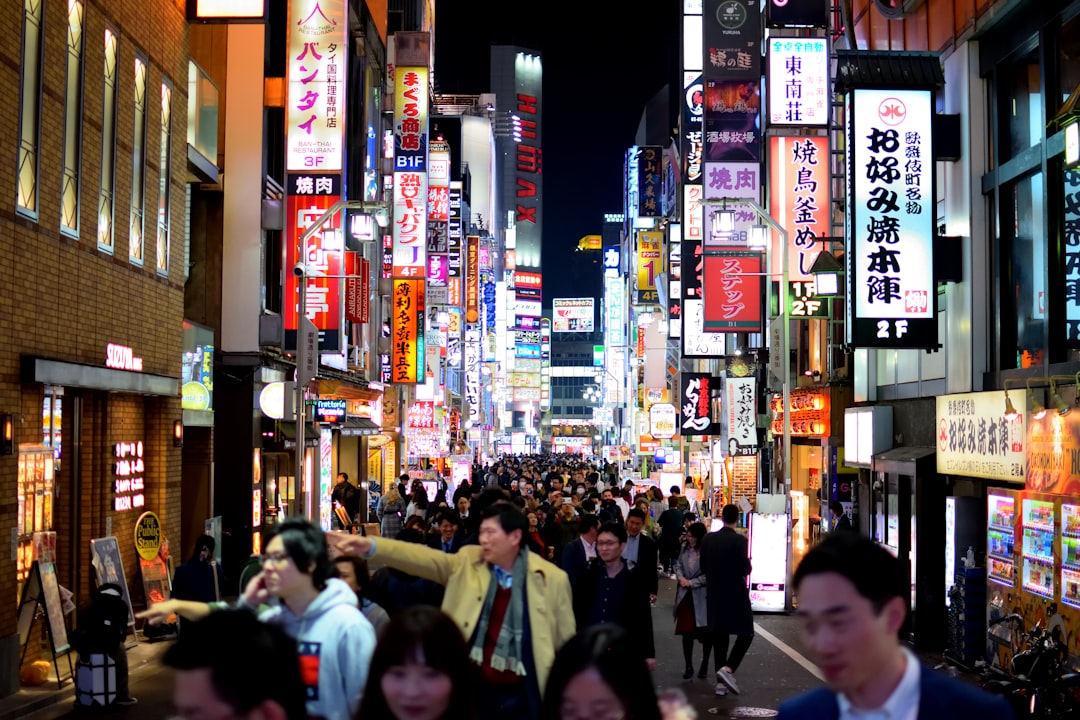
Kabukicho is not subtle. It is a 1km² district in Shinjuku packed with entertainment venues of every category — cinemas, arcades, game centers, karaoke, izakayas, clubs, restaurants — illuminated by more square metres of neon than any other area in Tokyo. At night, walking its main thoroughfare, the density of light and signage produces a sensory experience that has no real equivalent.
The district’s reputation as a nightlife zone somewhat undersells what it is: a complete entertainment ecosystem that runs from noon to 5am and serves everything from family-appropriate gaming to late-night ramen to the full range of adult entertainment that earns it its other reputation. For international visitors, the interesting parts are accessible and safe. The parts to avoid require actively following strangers into establishments — a behavior that’s easy not to do.
Most visitors come for the atmosphere, the Godzilla head, a few drinks in Golden Gai, and yakitori in Omoide Yokocho. That’s a very good evening.
What is Kabukicho? History and Character
From Post-War Theater District to Tokyo’s Entertainment Hub
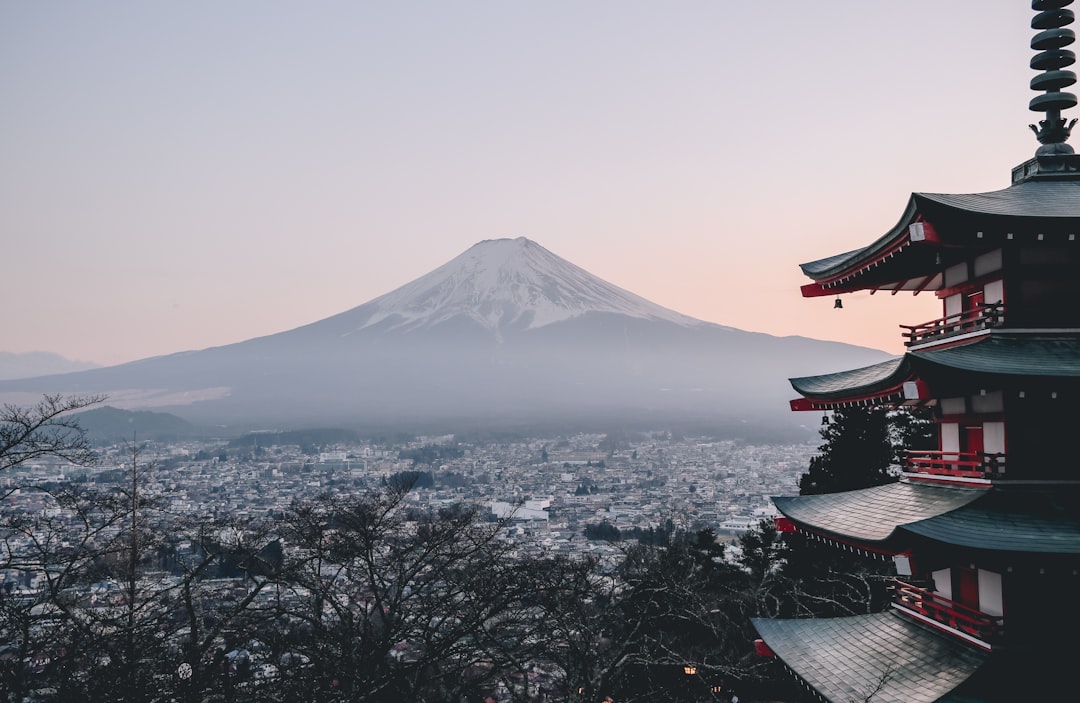
Kabukicho takes its name from a post-war redevelopment plan to build a kabuki theater on the site — a plan that was never realized, but the name stuck. The area was rebuilt rapidly after World War II into a commercial entertainment zone that grew, over the following decades, into Asia’s largest entertainment district by concentration and variety.
The district’s character reflects this layered growth: Showa-era izakaya alleys (Omoide Yokocho dates to the late 1940s) exist alongside Heisei-era host clubs and Reiwa-era multi-story entertainment complexes. It is not a historically preserved area — it’s a working entertainment district that has continuously rebuilt itself to match what people want from it at any given decade.
The Visual Spectacle: Neon and Energy
Walking from Shinjuku Station’s east exit toward Kabukicho at night is a gradual intensification. The commercial streets around the station have ordinary retail signage; by the time you reach the Kabukicho ichiban-gai gate (the large red gate marking the district entrance), the environment has shifted completely. Building facades are covered top-to-bottom in illuminated signs; sound bleeds from multiple venues simultaneously; the street level is dense with people.
This is worth experiencing once on any Tokyo trip, if only to understand why photographs of Tokyo at night look the way they do. The reality is louder and more immersive than any image conveys.
Getting There: Shinjuku Station East Exit
From Shinjuku Station’s east exit (東口), Kabukicho is a 5-minute walk. Exit through the east exit turnstiles, turn left past the Shinjuku Mylord shopping complex, cross the intersection at Yasukuni-dori, and the Kabukicho gate is visible directly ahead. Shinjuku Station is served by JR lines (Yamanote, Chuo, Sobu), Tokyo Metro (Marunouchi Line), Keio, and Odakyu — it’s one of the most connected transit hubs in the world.
Must-See Attractions and Landmarks
The Godzilla Head: Shinjuku Toho Building
The Godzilla head atop the Shinjuku Toho Building is one of Tokyo’s more specific and enjoyable tourist draws: a full-scale recreation of the monster’s head at the roofline of an 8-story complex, visible from street level and illuminated at night. The head periodically “roars” with sound effects — the schedule is posted at the building and varies. The building itself houses a cinema complex and the Gracery Shinjuku hotel, which has a Godzilla-view room category that books out months in advance.
The Toho Building sits at the northeastern edge of Kabukicho’s main plaza — you can’t miss it.
Tokyu Kabukicho Tower
Tokyu Kabukicho Tower, which opened in 2023, brought a different category of venue to the district: a 48-floor mixed-use building with hotels (two separate hotel brands in the upper floors), live music venue, cinema, restaurants, and multiple levels of food and entertainment. The building’s design aesthetic is deliberately theatrical — the lobby resembles a stage set and the signage leans into Kabukicho’s entertainment identity.
For visitors, the most interesting floors are the middle entertainment levels: the live music and gaming venues are open to walk-ins, the restaurant floor has a range of options from ramen to craft cocktail bars, and the observation areas on upper floors have Shinjuku views.
Gaming, Arcades, and Entertainment
Kabukicho’s game centers range from multi-floor arcade operations (the Taito Station on Yasukuni-dori has eight floors) to specialty crane game centers dedicated entirely to anime merchandise. Karaoke boxes — private rooms rented by the hour — are available throughout the district at every price point; Big Echo and Joysound are the most reliably good chains. Internet cafes (manga-kissa) in Kabukicho offer private pods, unlimited manga, unlimited drinks, and shower facilities — popular with late-night travelers who miss the last train.
Golden Gai and Omoide Yokocho
Shinjuku Golden Gai: 200 Micro-Bars
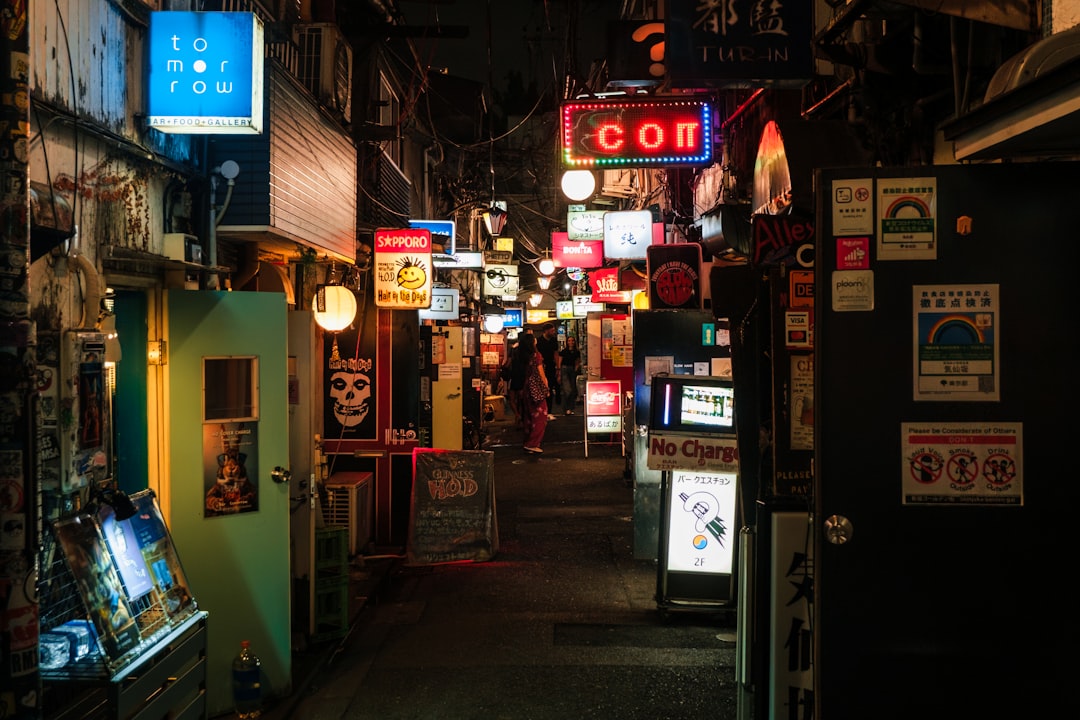
Golden Gai occupies a network of six narrow alleys immediately east of Kabukicho, containing approximately 200 bars in spaces that typically hold 8–15 people maximum. The alleys date to the postwar black market era and have survived every wave of Shinjuku’s redevelopment through a combination of owner determination and property law complexity. They’re now one of Tokyo’s most distinctive and increasingly internationally known nightlife destinations.
Each bar has its own identity: some are themed around film, music, or sport; some are run by the same owner for decades; some are explicitly international-friendly, some are regulars-only. The quality of drinks is generally high; the table charge (¥500–1,000, displayed at the entrance) is standard practice. To find the international-friendly bars, look for English text or photographs in the window, or simply walk in and see how you’re received.
Expert Tip
Golden Gai bar etiquette: check the table charge before sitting (it should be displayed); order within the first few minutes; don’t try to squeeze three people into a bar built for six without acknowledging the space; tipping is not done. The bars run roughly 8pm to 4am. Thursday through Saturday are busier; Sunday through Wednesday are quieter and often more conversational.
Omoide Yokocho: Yakitori Alley
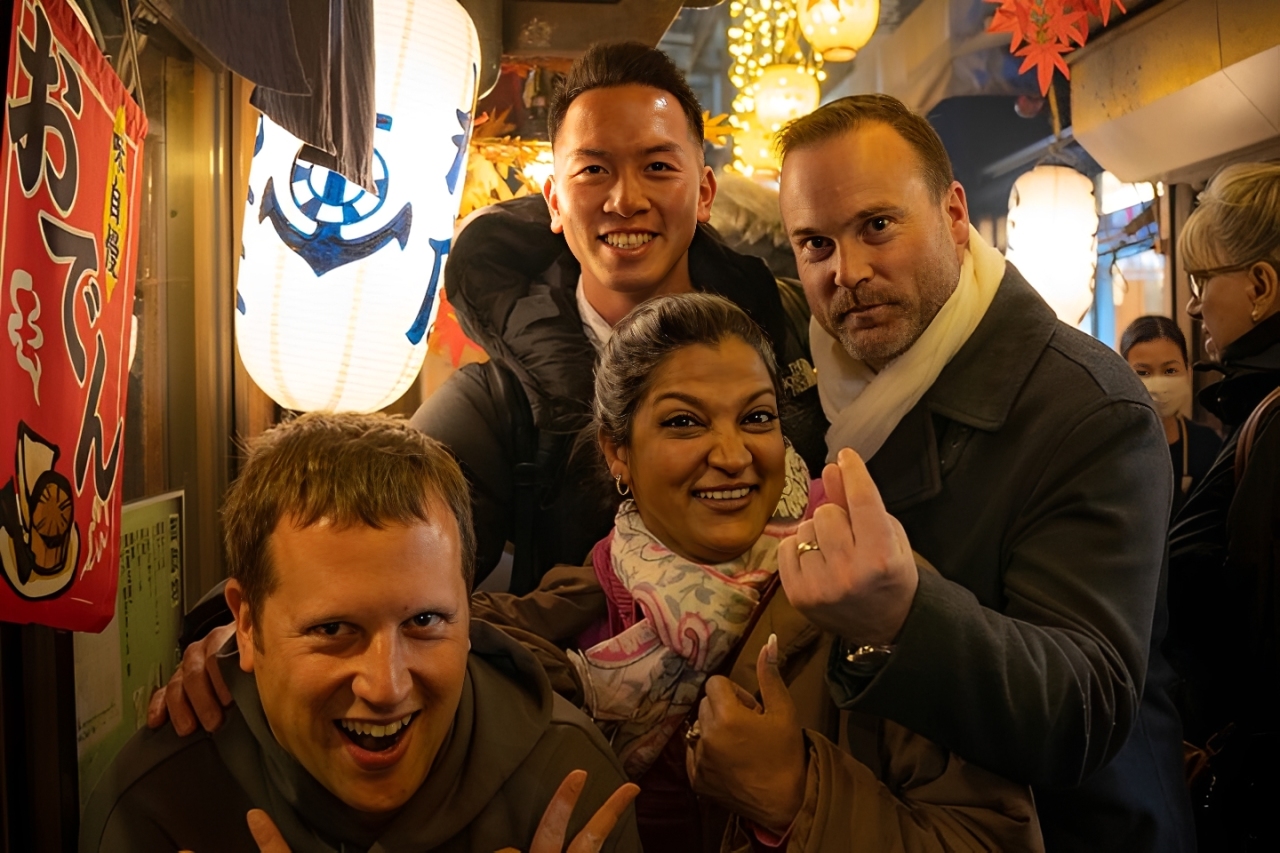
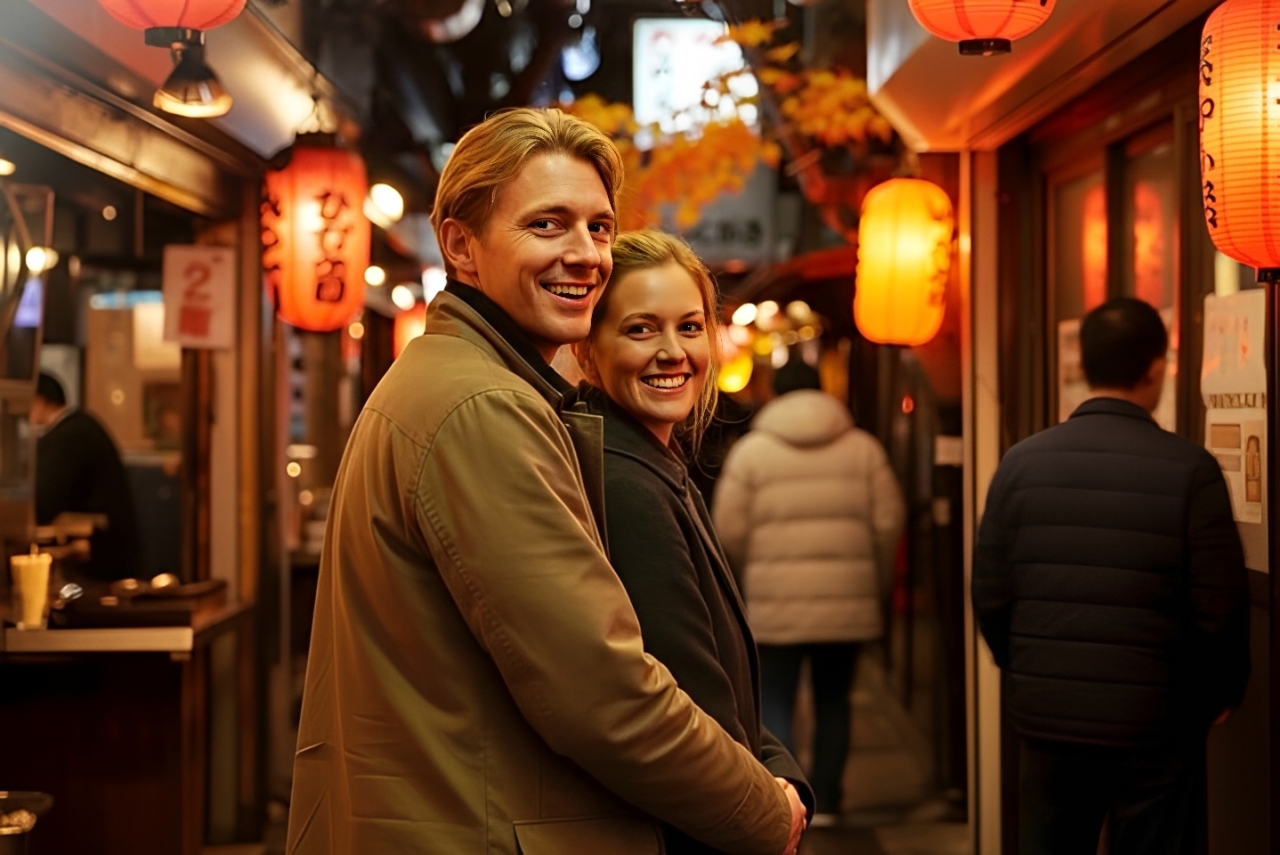
Omoide Yokocho (思い出横丁 — Memory Lane) runs along the west side of Shinjuku Station’s south exit — a narrow alley of some 20 yakitori stalls, most operating since the immediate postwar period. The smoke from charcoal grills hangs in the alley; the stalls are open to the alley; the seating is counter-only and intimate to the point of unavoidable conversation with neighbors.
The menu at most stalls covers yakitori (chicken skewers: thigh, skin, liver, wing, heart), beer, and shochu. Prices are modest: ¥150–250 per skewer, beer ¥600–800. The physical experience — sitting at a counter under a low roof, smoke in the air, skewers arriving one at a time — is one of the more specifically Tokyo things a visitor can do.
Late-Night Dining: Ramen and Izakayas
Kabukicho and Shinjuku generally have late-night dining that most cities can’t match. Ichiran (the solo ramen cubicle chain; Shinjuku branch is large and runs 24 hours), Fuunji (tsukemen — dipping ramen — with a regular queue that moves quickly), and the numerous izakayas on the streets around Yasukuni-dori all run past 2am. For post-midnight food that doesn’t involve fast food, Shinjuku is one of the best neighborhoods in the world.
How to Navigate Kabukicho Safely
Main Streets vs. Back Alleys
The main thoroughfares of Kabukicho — the central plaza area, Kabukicho ichiban-gai, and the streets running to Golden Gai — are safe to walk at any hour. The narrow back alleys east of the main plaza have a higher concentration of adult entertainment venues and their associated touts. You don’t need to avoid them, but you do need to walk with purpose and respond clearly to any unsolicited approaches.
Ignoring Street Touts (Kyakuhiki)
Kyakuhiki (客引き) — people soliciting customers for bars, clubs, or restaurants on the street — are present throughout Kabukicho. The establishments they represent often have undisclosed fees. The correct response to any approach: a clear “no thank you” or “kekko desu” and continued walking. Most touts accept a clear refusal immediately. Hesitation or engagement with the pitch extends the interaction.
This is the primary situation requiring awareness in Kabukicho. It’s not physical danger — it’s the financial risk of following someone into an establishment with undisclosed pricing.
Muryo Annai-jo: What They Actually Are
“Free information services” (無料案内所) appear throughout Kabukicho, sometimes with signage that superficially resembles tourist information. They are not tourist information services — they are recruitment operations for adult entertainment businesses. Decline any approach from these operations.
Practical Tips for International Visitors
Cash vs. Card in Golden Gai and Izakayas
Golden Gai bars are almost entirely cash-only. Bring yen in small denominations — ¥1,000 and ¥500 coins are useful. Omoide Yokocho is also predominantly cash. Larger izakayas and chain restaurants in Kabukicho increasingly accept cards and IC cards. For a Kabukicho evening, ¥5,000–10,000 in cash covers most scenarios comfortably.
The table charge (otoshi) in izakayas — a small mandatory cover charge that comes with a small appetizer — is standard practice across Japan, not a scam. It’s typically ¥300–700 per person and should be listed on the menu.
Police Presence and Safety Infrastructure
Shinjuku ward operates a dedicated police koban (交番) inside Kabukicho. Uniformed officers conduct regular patrols through the main entertainment zone during peak evening hours. The koban is available 24 hours for any issue — lost property, disputes, medical assistance, or if you’ve been taken into an establishment with undisclosed charges and need assistance.
Best Time to Visit
Daytime Kabukicho is interesting but not dramatic — the neon is less impactful in daylight and many evening venues aren’t yet running. The district comes into its own from around 6pm, when the lights activate and the evening crowds arrive. Omoide Yokocho is best from 7pm; Golden Gai from 8pm onward. The late-night ramen shops are at their best after midnight.
Frequently Asked Questions
Is it safe for solo travelers, including women, to walk through Kabukicho after midnight? Walking the main streets: yes. The risk is specifically from following strangers into venues, not from the streets themselves. Solo female travelers should apply the same general awareness as in any major city nightlife district: stick to well-lit main streets, decline unsolicited invitations into venues, and stay with a group if possible in areas further from the main thoroughfares.
Are Golden Gai bars welcoming to international tourists? Most are. Many Golden Gai bars specifically welcome foreign visitors and have English menus or English-speaking owners. Look for international flags, English text, or photographs in the window as indicators. Some bars are regulars-only (常連のみ, jouren nomi) — this will be indicated at the entrance. Respect this and move on to the next one.
Can I take photos and videos in Kabukicho? On public streets and in public spaces: yes. Inside bars without asking: generally no — the intimate scale of Golden Gai bars means photography without permission feels intrusive, and most bar owners prefer to ask. Respect any “no photography” signs.
Related Tours
Our Tokyo evening tours include curated bar and izakaya experiences in Shinjuku, guided by locals who know which corners of Golden Gai and which ramen shops are worth the queue.
Conclusion
Kabukicho is easier to enjoy than its reputation suggests. The Godzilla head is genuinely fun; Golden Gai’s bars are interesting; Omoide Yokocho is one of the most atmospheric places in Tokyo for an inexpensive meal. The safety rules are simple and don’t require significant vigilance — just choose your own venues and decline invitations from strangers on side streets. A couple of hours in Kabukicho, from late afternoon into the evening, shows you a version of Tokyo that exists nowhere else.