In this article:
- Why rural Japan rewards the effort
- The 10 best countryside destinations
- Cultural experiences only possible in the countryside
- Practical logistics for navigating rural Japan
- Travel tips and etiquette for respectful rural travel
- Frequently asked questions
Introduction
The Tokyo–Kyoto–Osaka corridor delivers everything Japan is famous for. But it’s a curated version — polished, efficient, and built to handle millions of visitors a year. The Japan that exists an hour beyond the bullet train routes is different in texture. The pace slows. English signage disappears. Accommodation is a farmhouse or a family-run ryokan rather than a business hotel. The food is what grows nearby.
This doesn’t mean difficult. Japan’s rural infrastructure — even with limited English — is among the most navigable in the world. Trains run on time even in remote Kyushu; Google Maps works; convenience stores appear in places that seem to have no other reason to exist. The logistics require more planning than a city trip, but they’re not beyond any reasonably organized traveler.
What rural Japan requires is time. A day trip to Shirakawa-go is possible; two nights there is a different experience entirely. The rhythm of the countryside doesn’t reveal itself in four hours.
The Rising Appeal of Rural Japan
Satoyama: The Space Between Nature and Local Life
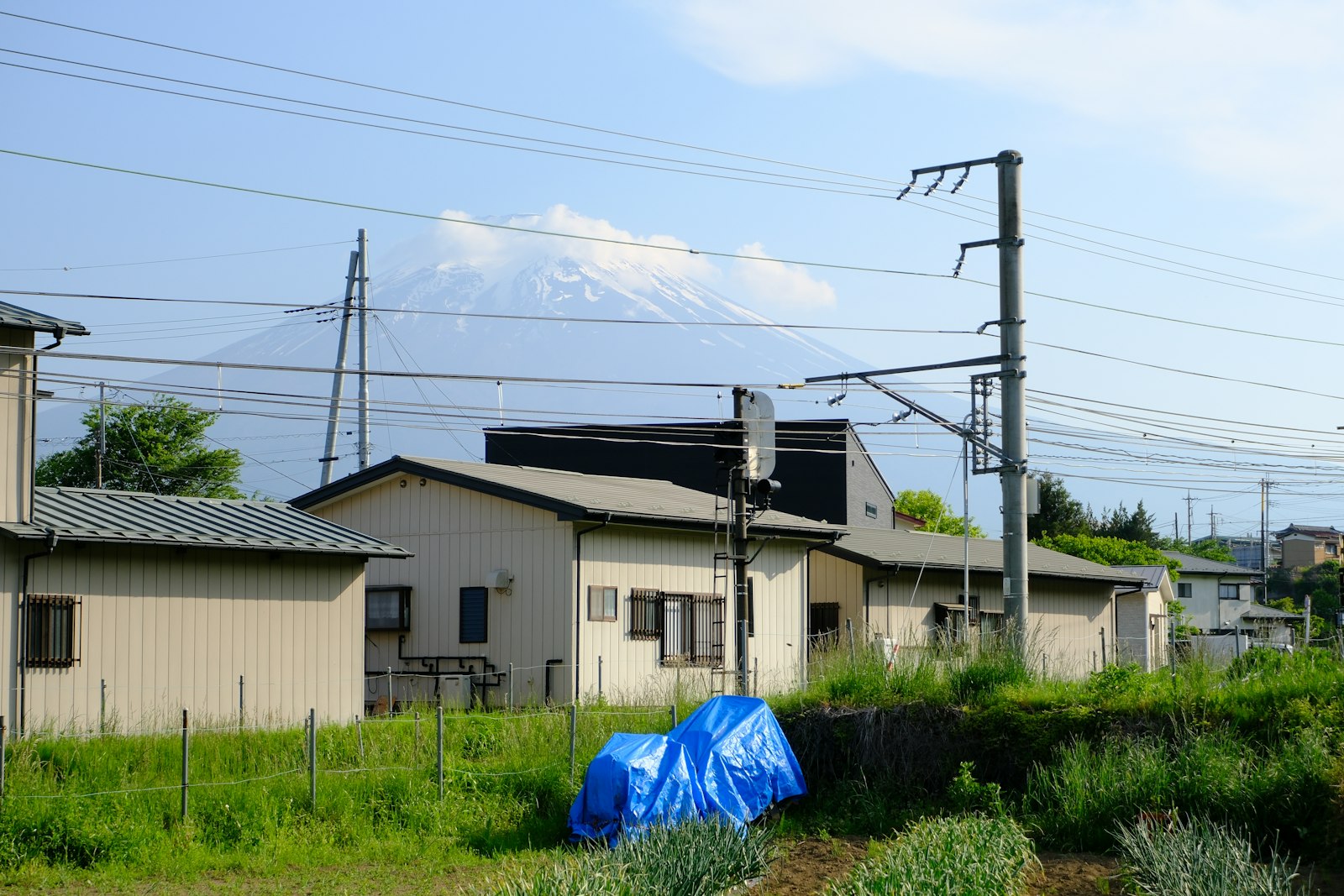
“Satoyama” (里山) describes the traditional Japanese landscape where human settlements and the natural environment meet — terraced rice fields, managed cedar forests, small rivers, and villages embedded in agricultural land. This kind of landscape is disappearing in many parts of Japan as rural populations age and decline, which is partly what makes visiting it now feel significant. The satoyama aesthetic — the specific look of a valley with rice paddies, farmhouses, and forested hillsides — is what most travelers are imagining when they picture “traditional Japan.”
The Real Japan: Local Interactions
In a city, contact with locals is transactional. In a small village, it’s less so. A farmhouse guesthouse (minshuku) where dinner is served communally, or a home-stay arrangement in a working farm, produces a different quality of interaction — partly because the host has genuine interest in why you’ve come so far, and partly because you have nowhere else to be that evening.
Sustainable Tourism: Supporting Small Communities
Overtourism is a documented problem in central Kyoto, Asakusa, and several other top-visited sites. The same tourism money spent in a rural area like Noto Peninsula or Iya Valley reaches communities with smaller tax bases and fewer economic alternatives. For travelers already committed to seeing Japan authentically, the rural option often aligns with values beyond tourism itself.
The 10 Best Countryside Destinations in Japan
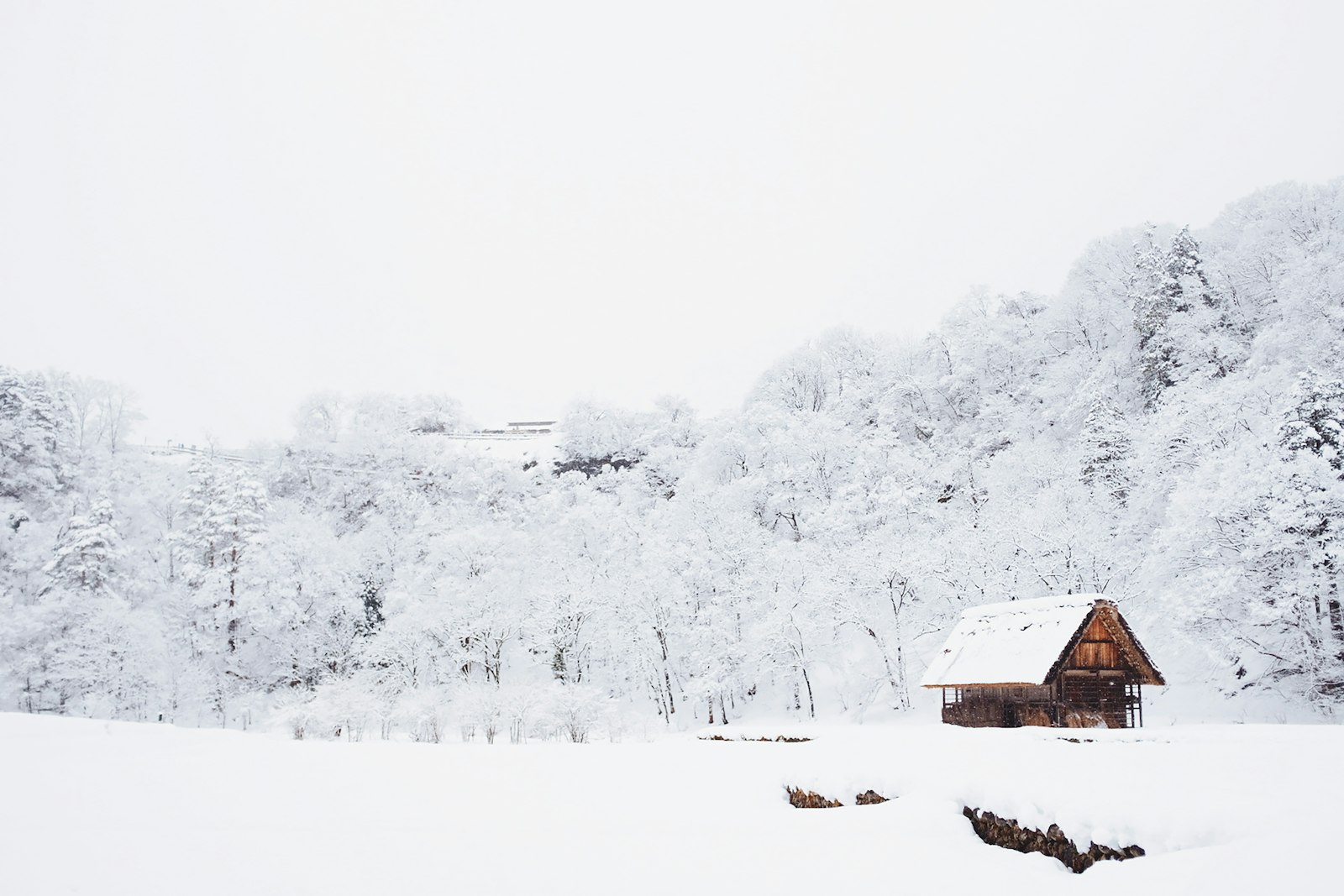
Shirakawa-go (Gifu) and Ouchi-juku (Fukushima)
Shirakawa-go’s gassho-zukuri farmhouses — massive A-frame structures with steep thatched roofs built to shed Gifu’s heavy winter snow — are among the most distinctive vernacular architecture in Japan. The village is UNESCO-listed and surprisingly uncrowded outside winter illumination weekends and Golden Week. Stay overnight; the day-tripper buses from Takayama arrive mid-morning and leave mid-afternoon, leaving evenings peaceful.
Ouchi-juku in Fukushima is less visited but equally atmospheric: a preserved Edo-period post town with thatched buildings lining a single main street, maintained by the 100-odd families who still live there.
The Nakasendo Way (Nagano/Gifu)
The Nakasendo was one of Japan’s historic mountain highways connecting Edo (Tokyo) to Kyoto. A section between Magome and Tsumago in the Kiso Valley remains mostly intact — an 8-kilometre walk through cedar forest and former post towns that looks, at its best, like Edo-period Japan preserved under glass. This is one of the most rewarding half-day walks in the country. It’s not remote or physically demanding; it simply requires leaving the Shinkansen for a local train.
Iya Valley (Tokushima) and Takachiho Gorge (Miyazaki)
Iya Valley occupies the interior of Shikoku island — a deep gorge system with vine bridges (kazurabashi) that were originally designed to be cut in case of attack, so remote that the valley was used as a refuge by defeated samurai clans in the 12th century. It remains genuinely isolated and requires a car or careful bus planning to access. Worth the effort entirely.
Takachiho Gorge in Miyazaki is where several rivers carved through volcanic basalt, creating dramatic columnar walls and a waterfall accessible by rowboat. The associated Shinto myth — this is where the sun goddess Amaterasu is said to have hidden — gives the place a weight beyond scenery.
Kamikochi (Nagano) and Shimanami Kaido (Hiroshima/Ehime)
Kamikochi is an alpine valley in the Northern Japan Alps accessible only by bus (private vehicles are banned). The Azusa River, glacier-carved and clear, runs through a flat valley floor flanked by peaks above 3,000m. In late spring, the valley floor is covered in wildflowers; in October, larches turn gold. This is serious mountain landscape — comparable to anything in the Swiss Alps, largely unknown to Western visitors.
Shimanami Kaido is a 70km cycling route connecting Honshu and Shikoku across six islands via a series of suspension bridges. The sea views, citrus groves, and unhurried pace of the Seto Inland Sea islands make this one of the best cycling experiences in Asia.
Ine Funaya (Kyoto) and Noto Peninsula (Ishikawa)
Ine, on the Japan Sea coast of northern Kyoto Prefecture, is a fishing village where the houses sit directly on the water — their garages opening to the sea so fishing boats can be stored under the living quarters. There is no parallel to this architecture elsewhere in Japan. The village is accessible by bus from Kyoto but requires an overnight to experience it at its best.
Noto Peninsula in Ishikawa has been rebuilding after the January 2024 earthquake. Some areas remain restricted; others are reopening. The peninsula’s coastline, seafood, and traditional Wajima lacquerware culture make it worth monitoring for future visits — check current guidelines before planning.
Expert Tip
For Shirakawa-go specifically: the winter illumination events (usually two weekends in January and February) are photographed obsessively online and booked out instantly when announced. If you want the village experience without the illumination crowds, visit on a midweek day in November or early December when snow has started but the illumination events haven’t begun. The village is quieter and the atmosphere is the same.
Cultural Experiences Only Possible in the Countryside
Staying in a Kominka (Traditional Folk House)
Kominka — old farmhouses, sake warehouses, and machiya townhouses restored as guesthouses — represent one of the more interesting accommodation trends in Japan. Often operated by the owner who undertook the restoration, they tend to be small (2–5 rooms), atmospheric, and expensive in a way that reflects the cost of maintaining century-old structures. Staying in a kominka in the Iya Valley or Kiso Valley puts you inside a building type that’s disappearing from Japan at an accelerating rate.
Minshuku (family guesthouses) are the more accessible version — typically a room in a family home, with home-cooked dinner and breakfast included. Less aesthetic drama, more genuine household contact.
Farm-to-Table Gastronomy
The connection between what grows locally and what appears at the table is most direct in rural Japan. Sansai (wild mountain vegetables — fiddleheads, bamboo shoots, warabi fern) are seasonal and highly regional; you’ll encounter varieties in Tohoku that don’t exist in Kyoto. Mountain village kaiseki in areas like Kiso or Iya uses entirely different ingredients from Kyoto kaiseki. Local sake breweries, often still family-operated, produce varieties that never leave the prefecture.
Hidden Onsen Towns
Onsen towns in Japan span from the internationally famous (Hakone, Beppu, Kusatsu) to the almost entirely unknown. Nyuto Onsen in Akita — seven small ryokan in a cedar forest, each with its own spring — is accessible by bus from Tazawako Station. Yunomine Onsen in Wakayama, a UNESCO-listed spring where water emerges at 90°C, is the oldest onsen in Japan still in use. These places are not convenient to reach. That is, in part, the point.
Practical Logistics for Rural Japan
Train and Bus Realities
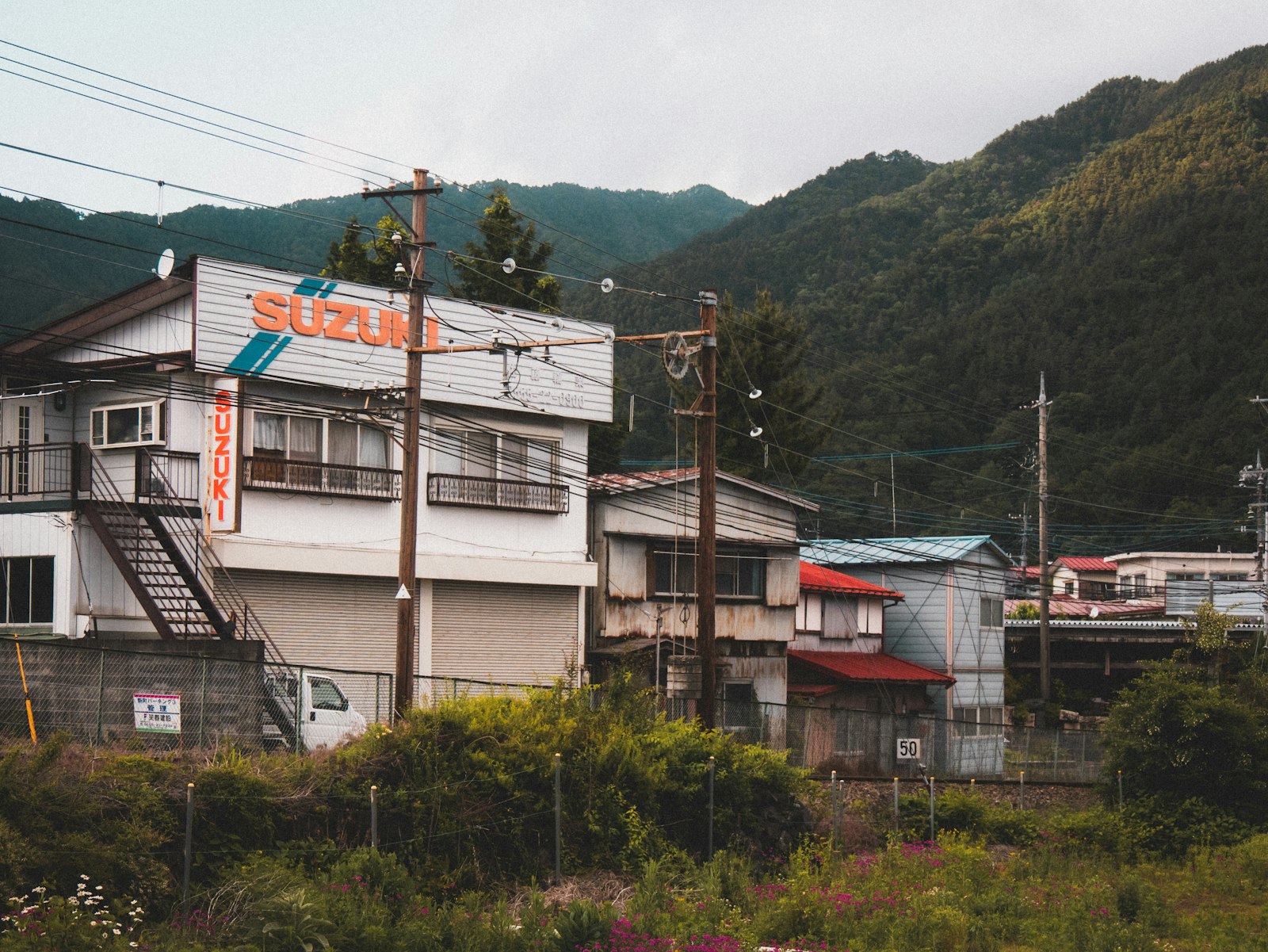
Rural Japan is served by trains and buses, but frequency drops sharply outside major routes. A bus that runs every two hours in a remote valley will be on time — but if you miss it, you wait two hours. The Japan Rail Pass covers JR trains including most limited express rural services; it does not cover private railways, buses, or the new Hokuriku Shinkansen extensions.
Research bus timetables before you go, not when you arrive. Hyperdia and Google Maps both show rural bus schedules, though Google Maps occasionally omits some smaller rural routes. Download offline maps.
The Freedom of Driving
A rental car transforms rural Japan. Many of the most interesting countryside destinations — Iya Valley, Noto Peninsula, Ouchi-juku, inland Kyushu — are genuinely inaccessible by public transit at any reasonable pace. International driving licenses are accepted (bring the official Japanese translation from your home country’s automobile association). Driving is on the left; roads in mountain areas are narrow. Japanese GPS units available with rental cars are generally reliable.
Expert Tip
Luggage forwarding (takkyubin) is one of the most underused services in Japan for rural travelers. For around ¥1,500–2,000 per bag, any major convenience store, hotel, or post office will ship your luggage to your next accommodation — arriving the next day or the day after. Walking the Nakasendo or hiking in the Japan Alps without a large pack is a fundamentally different experience.
Luggage Forwarding (Takkyubin)
Send bags ahead from your hotel the evening before you travel. Specify a delivery date 1–2 days out. Your next hotel or ryokan will hold the bags until you arrive. This service costs ¥1,500–2,500 per bag depending on size and distance, works via Yamato Transport (the black cat logo) or Sagawa, and is available at any konbini or hotel front desk.
Travel Tips and Etiquette for Rural Exploration
Cash Dependencies
Credit card and IC card acceptance in rural Japan is improving but still patchy. Many rural ryokan, small restaurants, and local bus systems remain cash-only. Carry ¥20,000–30,000 in cash before leaving a city for a rural area. ATMs at 7-Eleven convenience stores accept international cards reliably; rural post office ATMs also work for international Visa/Mastercard.
Overcoming the Language Barrier
Google Translate’s camera mode handles most signage and menus. The Japan Official Travel App has offline maps and a basic translation function. In rural areas where English is limited, people are often more helpful, not less — the encounter with a foreign visitor is rarer and the effort to communicate is met with genuine interest. Simple written Japanese numerals go a long way.
Photography Etiquette
In living villages like Iya or Shirakawa-go, residents’ homes and yards are not photo sets. Stick to public spaces and paths. Some areas — particularly in Gion, Kyoto, and certain rural machiya streets — have posted photography restriction signs; observe them. In working agricultural areas, asking permission before photographing people (a gesture toward your camera and a questioning expression works across language barriers) is consistently better received than shooting first.
Frequently Asked Questions
Is it safe for solo travelers, including women, to visit remote areas? Japan’s rural areas are among the safest places in the world for solo travel. Crime rates in rural Japan are extremely low. The practical challenges are logistical — transport, communication — not safety-related.
Can I find vegetarian or vegan food in the Japanese countryside? With difficulty. Rural Japanese cuisine is centered on fish, pork, and dashi (fish stock). Buddhist temple lodging (shukubo) near pilgrimage sites offers vegetarian meals by tradition. For other dietary restrictions, carrying written Japanese notes specifying your restrictions, and eating at hotel dining rooms where the kitchen can be consulted in advance, is the most reliable approach.
What is the best season for rural Japan? Spring and autumn for scenery and weather. Winter for Shirakawa-go’s snow and onsen culture. Summer for green mountain landscapes and festivals in areas like Tohoku.
Related Tours


Conclusion
Rural Japan rewards the traveler who is willing to slow down and accept that the destination may require two bus connections and a week of advance planning. What it returns is a version of Japan that doesn’t feel managed for tourism — places where the architecture, food, and rhythm of daily life have their own logic, separate from what the guidebooks need them to be.
Plan Your Japan Trip with Local Experts
Our team has guided 40,000+ travelers across Japan. Tell us about your trip and we’ll get back to you within 24 hours.