In this article:
- How the Seto Inland Sea Became an Art Destination
- Naoshima: Museums and Outdoor Art
- Naoshima’s Villages and Art Houses
- Teshima and Inujima
- Getting There and Planning the Logistics
- Visiting the Art Islands: Common Questions
How the Seto Inland Sea Became an Art Destination
The Seto Inland Sea, the stretch of calm water between Japan’s main islands of Honshu and Shikoku, is dotted with small islands that were, until recently, quietly emptying out — ageing populations, shrinking fishing and industry, the familiar story of rural Japan. Then, over the past few decades, a sustained art project transformed several of them into a destination that draws people from around the world specifically to look at contemporary art.
What makes these islands extraordinary is not just the art but the way it sits in the landscape. Major works are housed in buildings designed by some of the world’s leading architects, half-buried in hillsides or opened to the sea and sky, and scattered through working villages and along the shore. The result is a place where nature, architecture, and art are genuinely inseparable. You do not visit a gallery here; you walk an island that has become one.
From Industry to Art
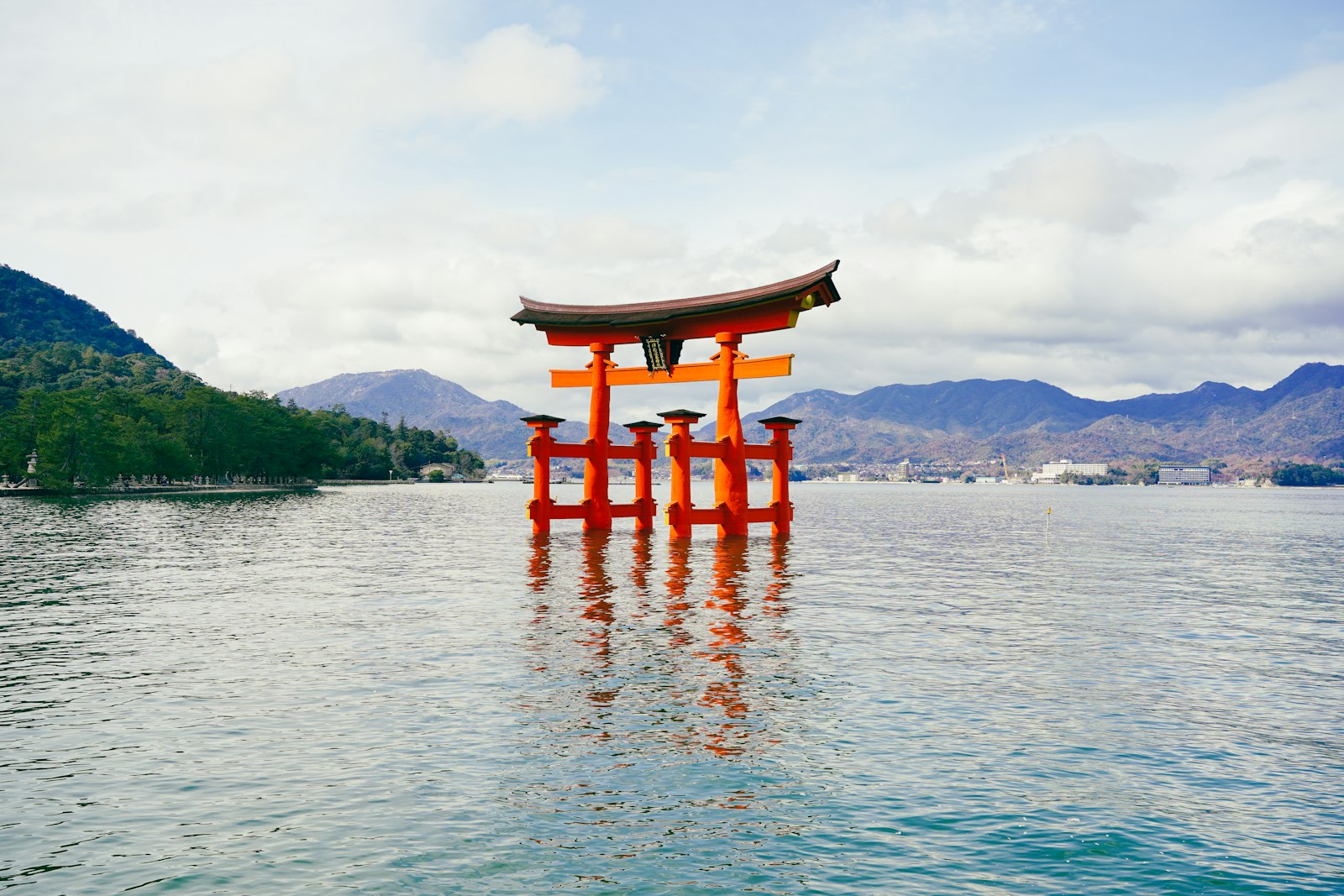
Naoshima, the central island, carried a heavy industrial past — a metal smelter operated on its northern end for much of the twentieth century, and parts of the island were scarred by it. The art project, backed by the Benesse corporation and the vision of its chairman, began in the late 1980s and slowly reversed the island’s decline. Inujima’s story is similar: its art museum is built within the ruins of a former copper refinery. The transformation from heavy industry to contemporary art is part of the meaning of the place, not just its history.
Art, Architecture, and Landscape Together
The defining figure on the architectural side is Tadao Ando, whose poured-concrete buildings — austere, geometric, full of carefully channelled natural light — house much of the major work. The genius of the islands is the pairing: a Monet placed in a room lit only by changing daylight, a James Turrell light space you enter in near-total darkness, a museum dug into a hill so it barely disturbs the ridgeline. The buildings are works in their own right, and seeing them is half the reason to come.
The Setouchi Triennale
Every three years, the islands host the Setouchi Triennale, a roughly hundred-day contemporary art festival spread across the region in three seasonal sessions. During a Triennale year, far more temporary works appear across many more islands, and the whole area buzzes. It also means heavier crowds and harder bookings. Check whether your trip falls in a Triennale year — it changes both how much there is to see and how far ahead you need to plan.
Expert Tip
The single biggest mistake travelers make here is treating the art islands as a day trip. The ferries are infrequent, the major museums each take real time, and the islands close different sites on different days. To see Naoshima properly, and to have any chance of adding Teshima, you want at least one overnight on or near the islands. A rushed day trip from Okayama leaves you watching ferry timetables instead of art.
Naoshima: Museums and Outdoor Art
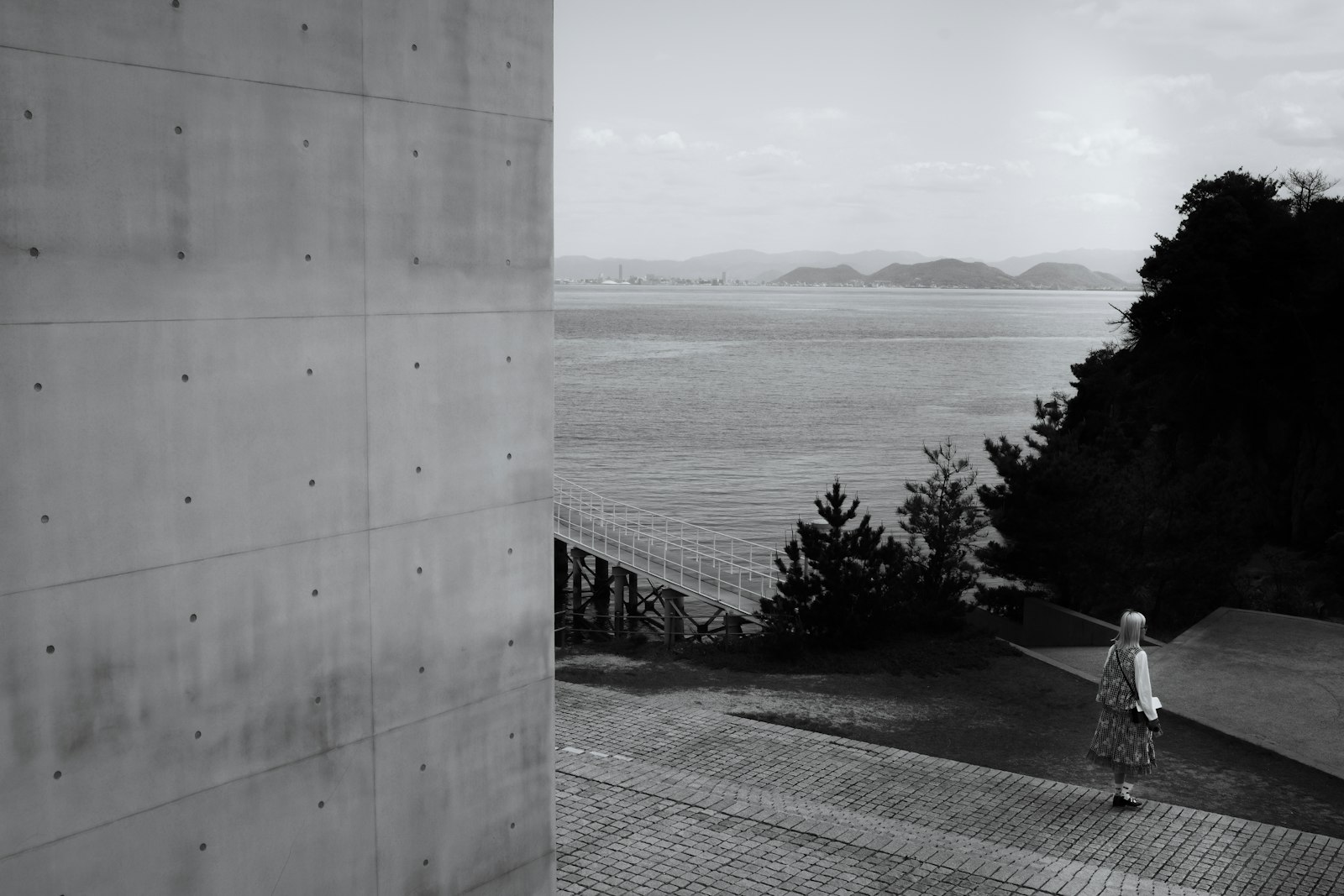
Naoshima is the place most people mean when they say “the art islands,” and it holds the heaviest concentration of major work. A full day here is the minimum; an overnight is better.
Chichu Art Museum
The Chichu Art Museum is the centrepiece, and the one to book first. Built almost entirely underground into a hillside by Tadao Ando, it is lit largely by natural light channelled down through the structure. Its core is a room holding several of Monet’s Water Lilies, displayed in a white space lit only by the sky — so the paintings shift through the day as the daylight changes. Alongside are immersive installations by James Turrell and Walter De Maria. Entry is by timed ticket, and it sells out; reserve well ahead.
Benesse House Museum
Benesse House is a combined art museum and hotel on a hill above the sea, again designed by Ando. Guests can wander the galleries after the day visitors have gone, which is one of the genuine luxuries of staying on the island. Works spill out of the building onto the surrounding grounds and shoreline, so the line between museum and landscape dissolves as you walk down toward the water.
The Lee Ufan Museum and Beyond
Between the headline sites sit quieter, equally rewarding ones. The Lee Ufan Museum, another Ando building, is devoted to the spare, meditative work of the Mono-ha artist Lee Ufan — stone, steel, and empty space used with great restraint. The Valley Gallery and other smaller venues round out the network. These are the places where, away from the crowds at Chichu, the islands’ sense of calm is strongest.
The Newest Addition
The island’s collection continues to grow. A new museum of contemporary art opened recently on Naoshima, adding gallery space dedicated to contemporary artists from across Asia in a multi-storey building. If you visited the island years ago, there is now more to see than there was — another reason to confirm current openings and tickets when you plan, rather than relying on an old itinerary.
The Outdoor Icons
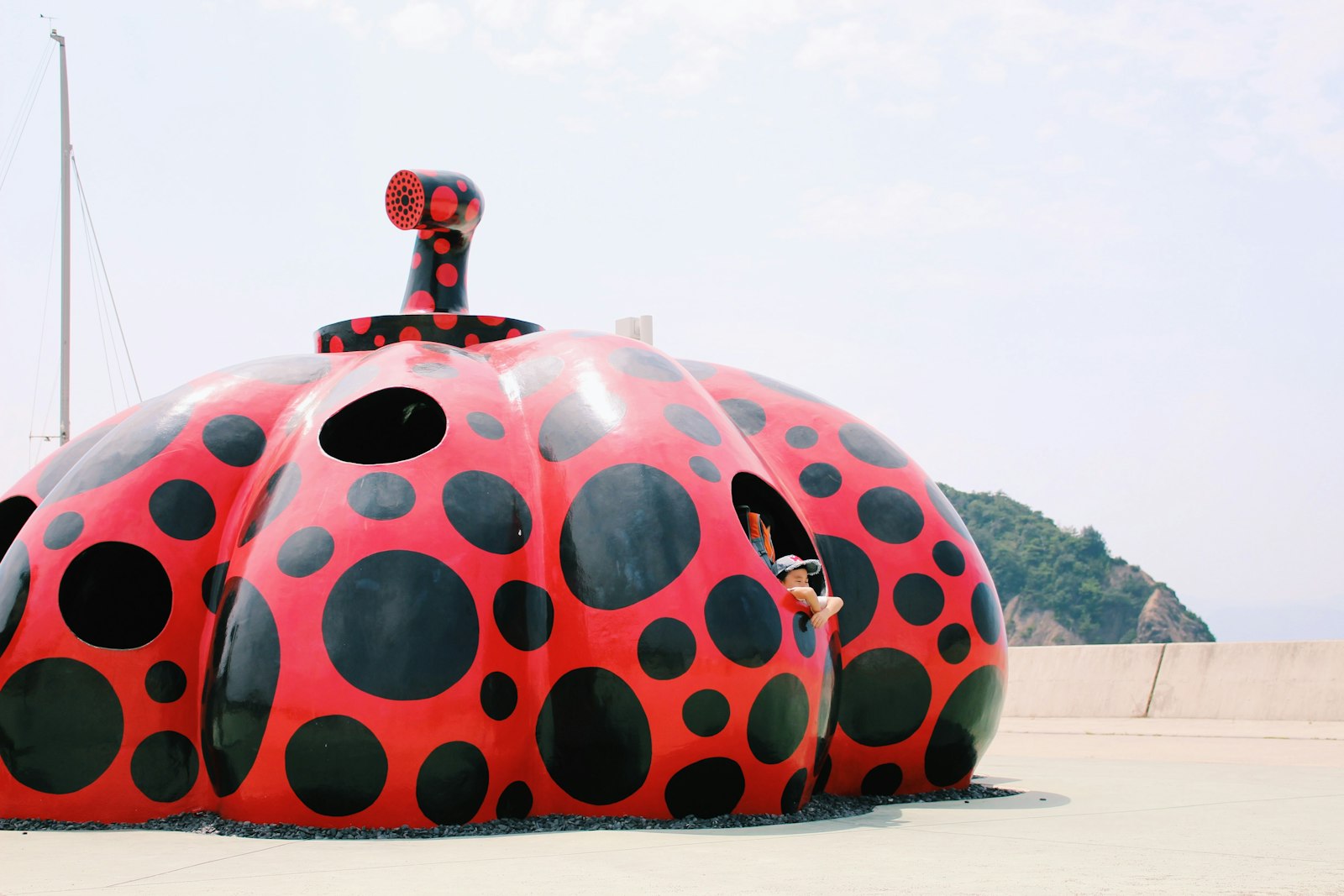
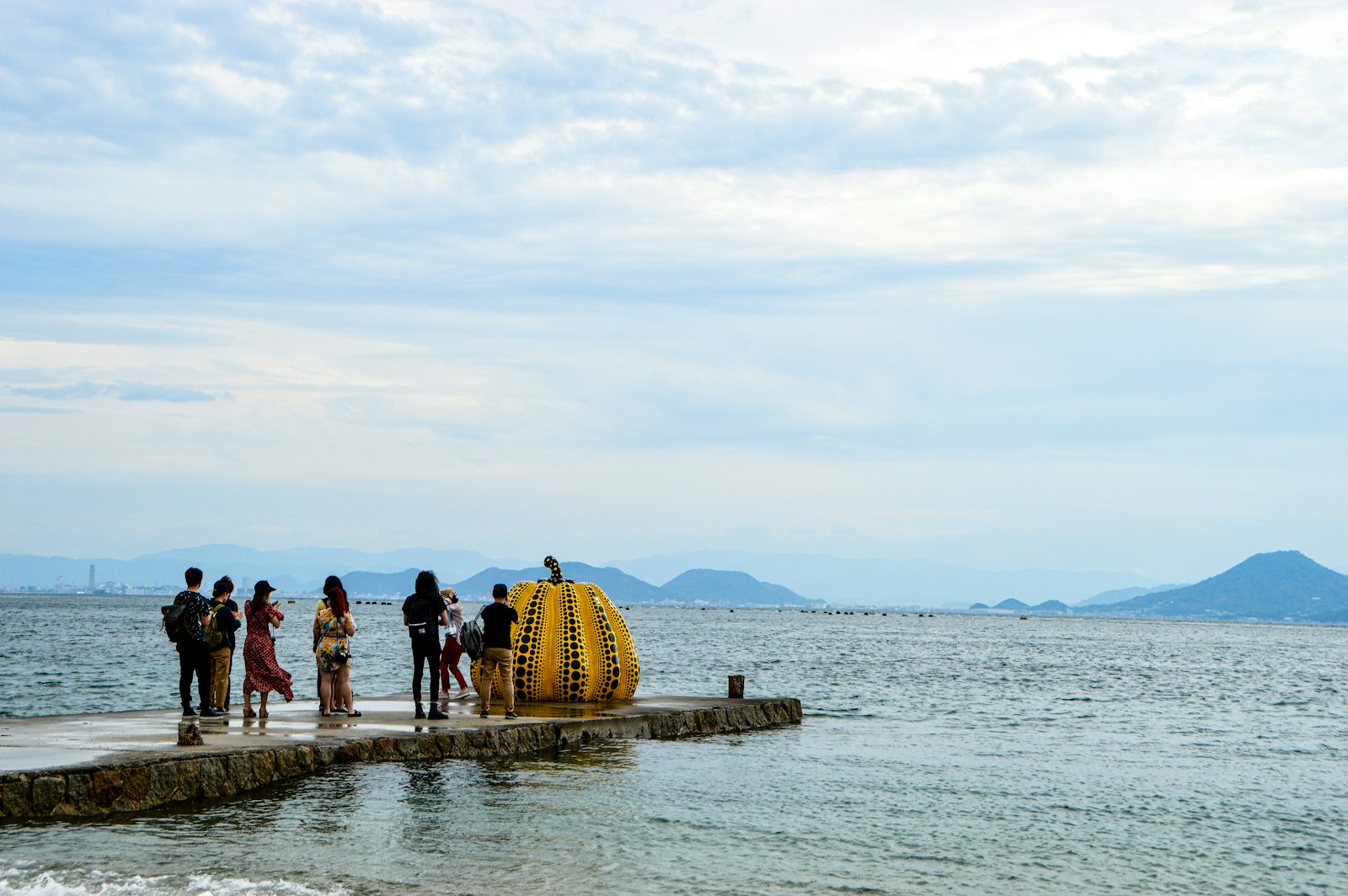
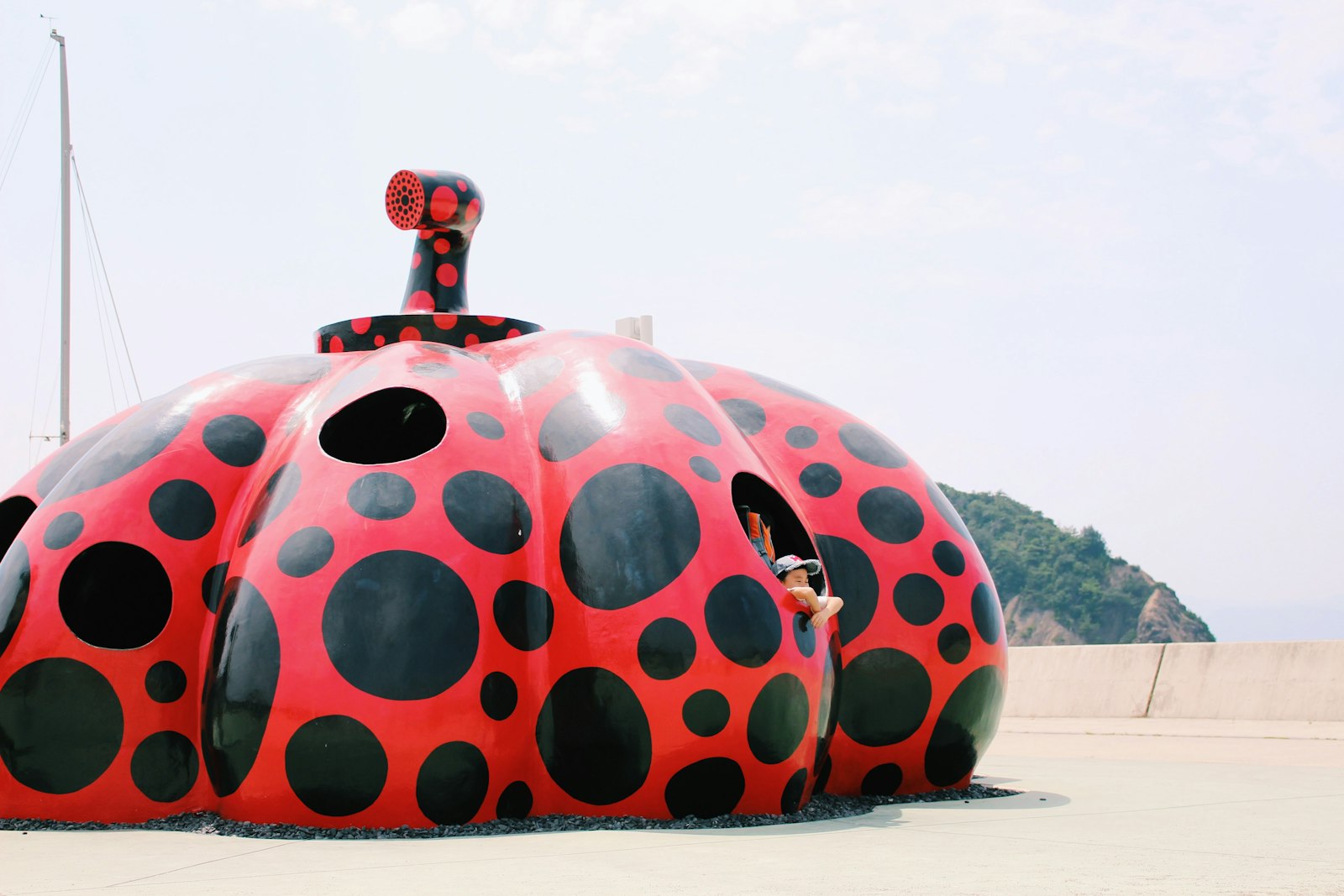
Not everything requires a ticket. Yayoi Kusama’s yellow Pumpkin, perched on a pier jutting into the sea, is the island’s signature image, and standing in front of it — with the inland sea behind — is free and unforgettable. A red Kusama pumpkin sits near the main port, and other outdoor works and pavilions are scattered along the coast. These are the photographs people come home with, and they cost nothing but the walk.
Naoshima’s Villages and Art Houses
Beyond the formal museums, Naoshima’s old village of Honmura holds some of its most intimate art, woven directly into the fabric of the community. This is where the islands feel least like a destination and most like a place where people live.
The Art House Project
In Honmura, the Art House Project has turned abandoned and traditional houses into individual artworks you enter one by one. Each is different: one is a darkened space you sit in until your eyes adjust to reveal a pool of light; another reworks an old house and garden entirely. Wandering the village lanes from one to the next, buying a combined ticket and finding each unmarked door, is a quieter and more personal experience than the big museums — and for many visitors the most memorable part of the island.
The Ando Museum
Tucked inside a century-old wooden house in the same village is the Ando Museum, a small space that hides the architect’s signature concrete and light inside a traditional folk exterior. The drama is in the contrast: stepping from an old wooden street into a sharp modern interior, all within one modest building. It is a compact lesson in everything Ando does across the island, and an easy stop while walking Honmura.
Naoshima Bath and the Cafés
The artist Shinro Ohtake turned a working public bathhouse into an artwork you can actually bathe in — “I Love Yu,” a riot of collage, tilework, and salvaged oddments, with a real onsen inside. Soaking here after a day on your feet is the island’s perfect closing ritual; bring a small towel and follow normal bathing etiquette. The island’s cafés, run by a mix of locals and urban transplants, are good places to slow down between sites and let the pace of the place take over.
Teshima and Inujima
Naoshima gets the attention, but the neighbouring islands hold some of the region’s best single works, and reaching them is part of the pleasure. If you have given yourself the time, Teshima in particular should not be skipped.
Teshima Art Museum
The Teshima Art Museum, designed by architect Ryue Nishizawa with artist Rei Naito, is for many visitors the most moving thing in the whole region. It is a single, vast, shell-like concrete shell, open to the sky and air, with no conventional art inside at all. Instead, water emerges from the floor in tiny droplets that move, gather, and run across the surface in patterns that never repeat. You lie or sit in near silence and watch. It sounds like nothing; it is unforgettable.
More of Teshima
The island holds other works worth the walk or the rental cycle: an installation built from the recorded heartbeats of people around the world, and the colourful Teshima Yokoo House, a collaboration between artist Tadanori Yokoo and an architect. Teshima is hillier and greener than Naoshima, and getting between its sites past terraced fields and sea views is a large part of why people love it.
Inujima
Smaller and quieter still is Inujima, where the Seirensho Art Museum is built into and around the preserved ruins of a copper refinery, using the old industrial structure itself as part of the work. A handful of art house projects are scattered through the tiny village. Inujima sees far fewer visitors than Naoshima, which is precisely its appeal for travelers who want the islands’ atmosphere without the crowds.
Getting There and Planning the Logistics
The art is the easy part. The logistics — ferries, bookings, and closing days — are what make or break a trip here, and they reward careful planning more than almost any destination in Japan.
The Ferry Routes
The islands are reached by ferry from two main mainland ports: Uno Port, in Okayama Prefecture to the north, and Takamatsu Port, in Kagawa Prefecture on Shikoku to the south. Both run boats to Naoshima’s ports of Miyanoura and Honmura, and there are inter-island connections between Naoshima, Teshima, and Inujima — though these can be infrequent. Ferry schedules are the backbone of any island itinerary; look them up first and build the day around them, not the other way round.
Getting Around the Islands
On the islands themselves, the main options are local loop buses and rental bicycles. Given the hills, an electric-assist bicycle is the sweet spot — it gives you freedom from the bus timetable without the sweat of pedalling up the inclines, especially on Teshima. Reserve a rental in advance in busy periods, as the island stocks are limited and sell out, particularly during a Triennale.
Book Tickets and Beds Early
This cannot be overstated: the major museums use timed entry tickets that sell out, and accommodation on Naoshima — Benesse House especially — books up months ahead. Reserve museum slots and island lodging as early as you reasonably can. Travelers who turn up hoping to sort it on arrival routinely find the headline sites full, and end up looking at the outside of the buildings they came for.
Mind the Closing Days
Each island and museum has its own closing day, and they do not align. Many Naoshima sites close on Mondays; Teshima’s key museum often closes on Tuesdays; individual venues vary further. Plan which island you visit on which day around these closures, or you risk crossing the sea to find the one thing you came for shut. A simple grid of what is open when, made before you go, saves the whole trip.
Visiting the Art Islands: Common Questions
Is a day trip enough, or should I stay overnight? Stay overnight if you possibly can. A day trip lets you see a slice of Naoshima and little else, with the day governed by ferry times. An overnight — on Naoshima itself, or in nearby Uno or Takamatsu — lets you see the major museums without rushing, catch the outdoor works at quieter hours, and add Teshima. The islands reward unhurried time more than almost anywhere.
Can I cycle into the Benesse House grounds? Access rules around the Benesse area restrict bicycles and parking in parts of the grounds, and some stretches are walking-only. Plan to park your bike at designated points and continue on foot, and follow the posted signs, which exist to protect both the artworks and the walkers. Check current access details when you arrive, as the arrangements are managed closely.
What should I bring to the I Love Yu bathhouse? Treat it as a normal onsen visit with an artistic setting. Bring or rent a small towel, and follow standard bathing etiquette: wash thoroughly at the showers before entering the bath, keep your towel out of the water, and bathe nude as is customary. Note the usual onsen point about tattoos, which some bathing facilities restrict, and check ahead if that applies to you.
Related Tours

Conclusion
The art islands are one of the most rewarding things in Japan for travelers willing to plan, and one of the most frustrating for those who are not. The art is world-class, the architecture is extraordinary, and the setting — small islands on a calm sea, remade from industrial decline — gives the whole thing a meaning that a city museum cannot.
Plan Your Japan Trip with Local Experts
Our team has guided 40,000+ travelers across Japan. Tell us about your trip and we’ll get back to you within 24 hours.