In this article:
- The Core Costs of a Japan Trip
- Daily Budgets by Travel Style
- Money-Saving Hacks That Don’t Ruin the Trip
- Hidden Surcharges to Prepare For
- Seasonal Pricing and When to Go
- Japan Travel Budgeting: Frequently Asked Questions
The Core Costs of a Japan Trip
Every Japan budget breaks down into the same handful of categories, and understanding each one — where the money goes and how much it can swing — lets you build a realistic figure rather than guessing. The big three are accommodation, transport, and food.
Accommodation
Where you sleep varies more than anything else. A capsule hotel or hostel dorm bed can run a fraction of the cost of a business hotel, which in turn is a fraction of a high-end ryokan or luxury hotel. Business hotels — clean, compact, reliable — are the mid-range backbone of most trips. Booking well ahead matters, because good-value rooms in Tokyo and Kyoto sell out and prices climb steeply in peak seasons.
Transport
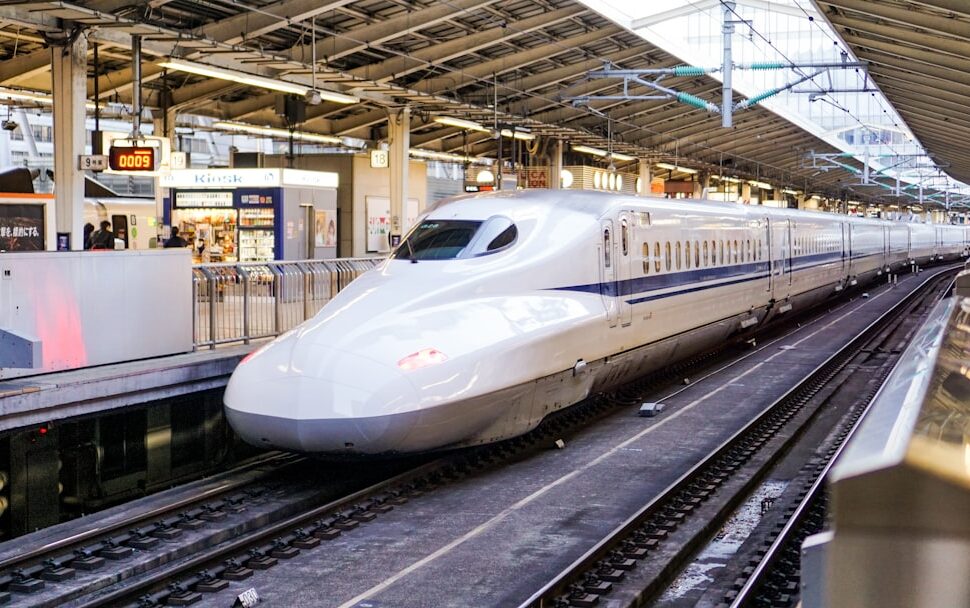
Getting around is the cost that surprises people. Bullet trains are excellent but not cheap, and since recent price rises the nationwide Japan Rail Pass no longer automatically saves money — for many routes, individual tickets or regional passes now work out cheaper, so do the maths for your specific itinerary. Local subways and buses are inexpensive, handled easily with an IC card. Budget transport as a major line item, not an afterthought.
Food
Food is where Japan is a genuine bargain relative to quality. You can eat extremely well for very little — a convenience store meal, a bowl of ramen, or a set-lunch teishoku costs a fraction of a comparable meal in the West, and it is delicious. At the other end, a high-end sushi or kaiseki dinner can cost as much as you like. The range means food can flex to almost any budget.
Daily Budgets by Travel Style
The clearest way to think about cost is per person, per day, excluding international flights. Three broad tiers cover most travellers, and knowing which one you are helps you set a realistic total.
The Backpacker Budget
Travelling lean — hostel dorms, convenience-store and street-food meals, mostly local transport with sparing use of bullet trains, and free sights like shrines and parks — Japan is very doable on a modest daily budget. It takes discipline, especially on intercity transport, but the country rewards it: some of the best food is cheap, and many of the finest experiences, from temple grounds to city wandering, cost nothing. Backpackers eat and see well here.
The Mid-Range Standard
Most visitors fall here: a private business-hotel room, a mix of casual restaurants and the occasional nicer meal, bullet trains between cities, and paid entry to major sights and experiences. This tier buys comfort and convenience without extravagance, and it is the level the classic Tokyo–Kyoto–Osaka trip is priced around. Budgeting realistically for the mid-range, and booking ahead, avoids most unpleasant surprises.
The Luxury Splurge
At the top, costs rise without limit — five-star hotels and exclusive ryokan with private baths, kaiseki and Michelin dining, private guides and chauffeured transport, and premium cultural bookings. This is the tier of a special-occasion or honeymoon trip, where the experience is curated end to end. There is no ceiling; the question is simply which of these upgrades matter most to you and where to concentrate the spend.
Money-Saving Hacks That Don’t Ruin the Trip
The best savings in Japan come from smart choices, not sacrifice — small moves that cut costs while leaving the experience intact. A few are worth building into any trip.
Eat Your Big Meal at Lunch
The single most effective food hack: eat your finest meal at lunch rather than dinner. Many excellent restaurants, including high-end sushi and kaiseki, serve a midday version of essentially the same food at a steep discount to the evening price. Swapping one splurge dinner for a splurge lunch can halve the cost of a memorable meal. Do this even once or twice and the savings are real.
Use an IC Card and Travel Smart
Load a Suica or Pasmo IC card onto your phone for tap-and-go travel on subways, buses, and even vending machines and convenience stores — it is convenient and avoids buying tickets each time. On intercity transport, decide between rail passes and individual tickets based on your actual route rather than assuming a pass is cheaper. These two habits quietly trim costs across the whole trip.
Cash, Cards, and Fees
Japan is more cash-reliant than many Western countries, though cards are increasingly accepted in cities. Withdraw cash from the ATMs at post offices and convenience stores, which reliably take foreign cards, and be mindful of your bank’s foreign-transaction fees on both withdrawals and card payments. Carrying a reasonable amount of cash avoids being caught out at the smaller restaurants, temples, and rural spots that still take only yen.
Hidden Surcharges to Prepare For
A realistic budget accounts for the costs that do not appear on the headline list but add up over a trip. Two categories catch people out.
Connectivity and Admissions
Plan for daily connectivity — a travel eSIM or pocket Wi-Fi — as a small but real running cost across the trip. Then there are admissions: major theme parks, observation decks, digital art museums, and special exhibitions each carry a fee, and a few of these in a trip add up quickly. Neither is huge alone, but budgeting for them upfront keeps the total honest.
Luggage and Incidentals
Smaller costs accumulate: coin lockers and luggage forwarding between cities, tipping (essentially absent in Japan, which helps), and the temptation of superb shopping and souvenirs, which is its own budget line if you are not careful. Leave a cushion in your budget for these incidentals rather than pricing the trip to the yen. A little slack prevents the small stuff from derailing the plan.
Seasonal Pricing and When to Go
When you travel affects what you pay as much as how you travel. Japan’s prices swing sharply with the calendar, and timing the trip can save a significant amount.
Avoiding the Peak Spikes
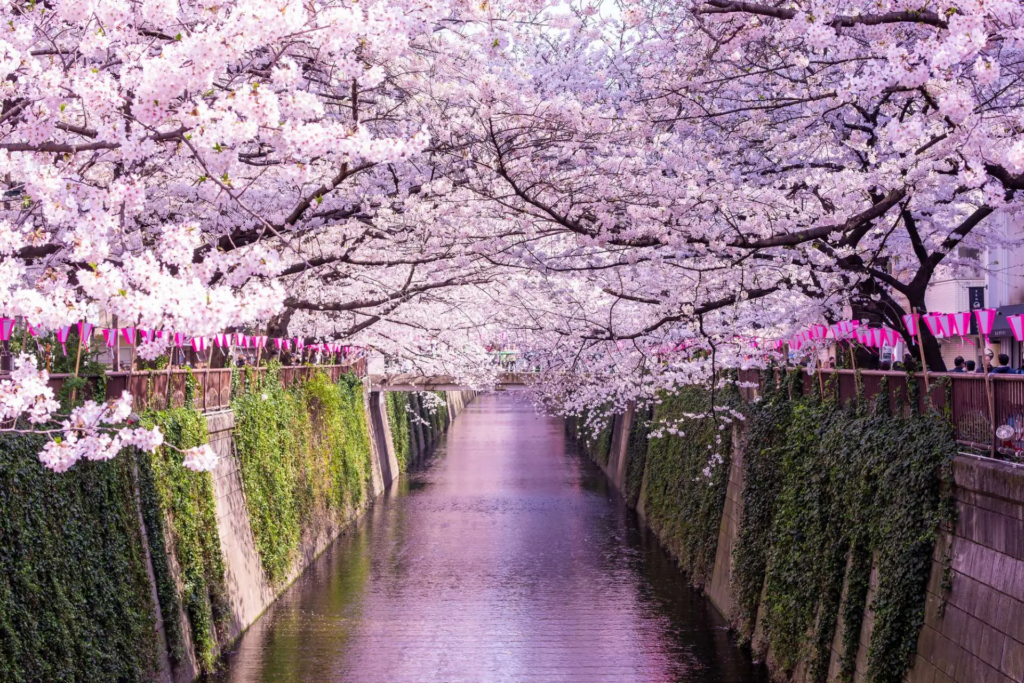
Prices and crowds peak hard during cherry-blossom season, the Golden Week holidays in late April and early May, and the August and New Year holidays, when accommodation costs soar and rooms vanish. If your dates are flexible, avoiding these windows saves money and sanity alike. Booking far ahead is essential if you must travel then.
The Off-Peak Advantage
The best value comes in the quieter windows — late autumn outside the peak foliage days, and the cold months of winter, when accommodation is cheaper and popular sights are calmer. Winter also brings its own draws: snow, onsen, and Hokkaido’s powder. Travelling off-peak means a cheaper, less crowded trip, and often a more relaxed one, without sacrificing much of what makes Japan special.
Expert Tip
The biggest single swing in a Japan budget is transport, and the most common money mistake is buying a nationwide Japan Rail Pass out of habit. Since the price rises, it only pays off for trips covering a lot of long-distance ground in a short time. For a standard Tokyo–Kyoto–Osaka route, add up the individual bullet-train fares first — they frequently come out cheaper than the pass, and regional passes cheaper still. Do this calculation before you buy anything.
Related Tours

Japan Travel Budgeting: Frequently Asked Questions (Q&A)
Is Japan still a cash-only society, or can I use cards? Japan is far more card-friendly than it once was, and in the cities you can pay by card and IC card in most hotels, chain restaurants, and shops. But cash still matters more than in the West — smaller restaurants, temples, markets, rural areas, and some ticket machines take only yen. Carry a reasonable amount of cash alongside your cards, and top up from convenience-store or post-office ATMs, which accept foreign cards.
How much cash should I withdraw on arrival? Enough to cover a few days of meals, local transport top-ups, and small purchases, rather than the whole trip at once — you can withdraw more as you go from widely available convenience-store ATMs. A moderate starting amount avoids both running short at cash-only spots and carrying large sums unnecessarily. Adjust to your style: cash-heavy if you plan lots of small local eateries and rural travel, less if you are sticking to cities.
Are taxes and service charges included in listed prices? Consumption tax is generally included in the displayed price by law, so the menu or tag price is usually what you pay, with no tipping expected or required anywhere in Japan. Some restaurants, particularly higher-end ones or izakaya in the evening, may add a service charge or a small seating charge (otoshi), so check if you are unsure. On the whole, the listed price is honest and the absence of tipping is a genuine saving.
Conclusion
The real answer to what a trip to Japan costs is that you largely decide — the same three weeks can be a frugal adventure or a lavish indulgence, and Japan does both well. The country’s genius is that its floor is high: even the budget version delivers superb food, spotless transport, and world-class sights, many of them free.
Plan Your Japan Trip with Local Experts
Our team has guided 40,000+ travelers across Japan. Tell us about your trip and we’ll get back to you within 24 hours.