In this article:
- Who Were the Samurai?
- The Bushido Code
- The Craft of Katana and Armor
- Where to Step Into the Samurai World
- The Samurai Legacy Today
- Japanese Samurai: Frequently Asked Questions
Introduction
The samurai loom large in the Western imagination, usually as sword-wielding warriors. The reality is richer and more interesting: a hereditary military class that rose to rule Japan, fought its civil wars, and then, through a long peace, became scholars and administrators. Their ethics, their swords, and their sense of design outlived them and still run through Japanese culture.
You can encounter that legacy directly, in preserved districts and museums across the country. First, it helps to know who the samurai actually were.
Who Were the Samurai?
The samurai were not a fixed thing; their role changed dramatically over the centuries.
From Retainers to Rulers
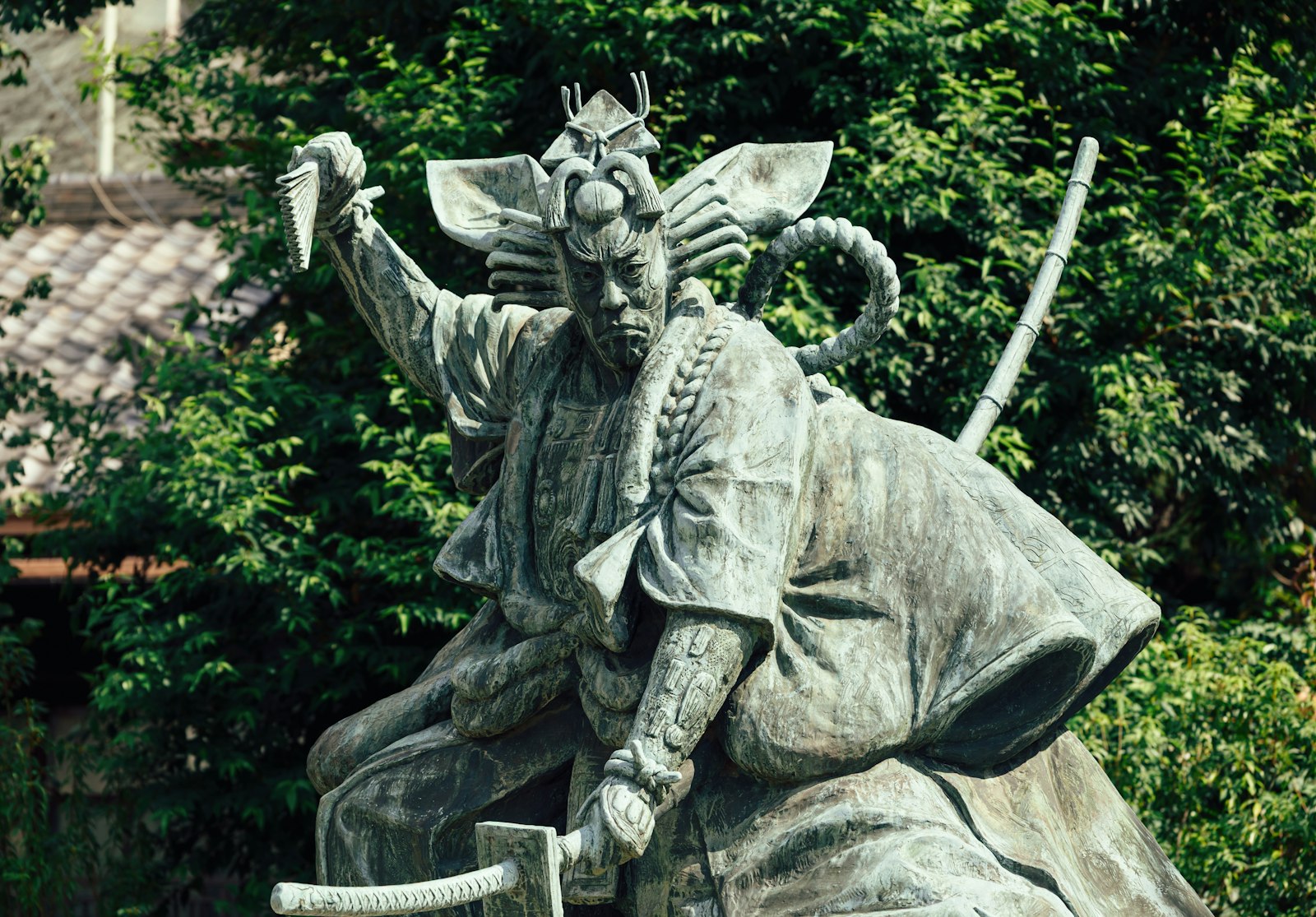
The samurai emerged as provincial warriors and grew into a dominant military class during the Kamakura period, when real power shifted from the imperial court to warrior leadership. Over time they went from serving the powerful to being the powerful.
The Rule of the Shogun
For much of Japanese history the country was governed by a shogun, a supreme military ruler, while the emperor remained a revered but largely symbolic figure. This division — a ceremonial emperor and a governing warrior class — defined Japanese politics for centuries.
Warriors Become Bureaucrats
During the long peace of the Edo period, with few wars to fight, samurai increasingly became administrators, scholars, and officials. The warrior class turned to governance, education, and the arts, and bushido shifted from a battlefield ethic toward a code for living.
The Bushido Code
The Virtues of the Warrior
Bushido, the “way of the warrior,” is often summarized as a set of virtues — rectitude, courage, benevolence, respect, honesty, honor, and loyalty. Whether or not every samurai lived up to them, these ideals defined the class’s self-image and its expectations of conduct.
Honor and Its Extremes
Honor was central, and its darkest expression was seppuku, ritual suicide undertaken to restore honor after failure or disgrace. It reflects how seriously the culture treated reputation and duty — an extreme that modern visitors find sobering rather than admirable, but important to understanding the ethic.
Bushido Today
Echoes of bushido persist in modern Japan, in ideas about loyalty, diligence, and self-discipline that shape everything from corporate culture to how athletes carry themselves. The code outlived the class that created it, absorbed into a broader national character.
The Craft of Katana and Armor
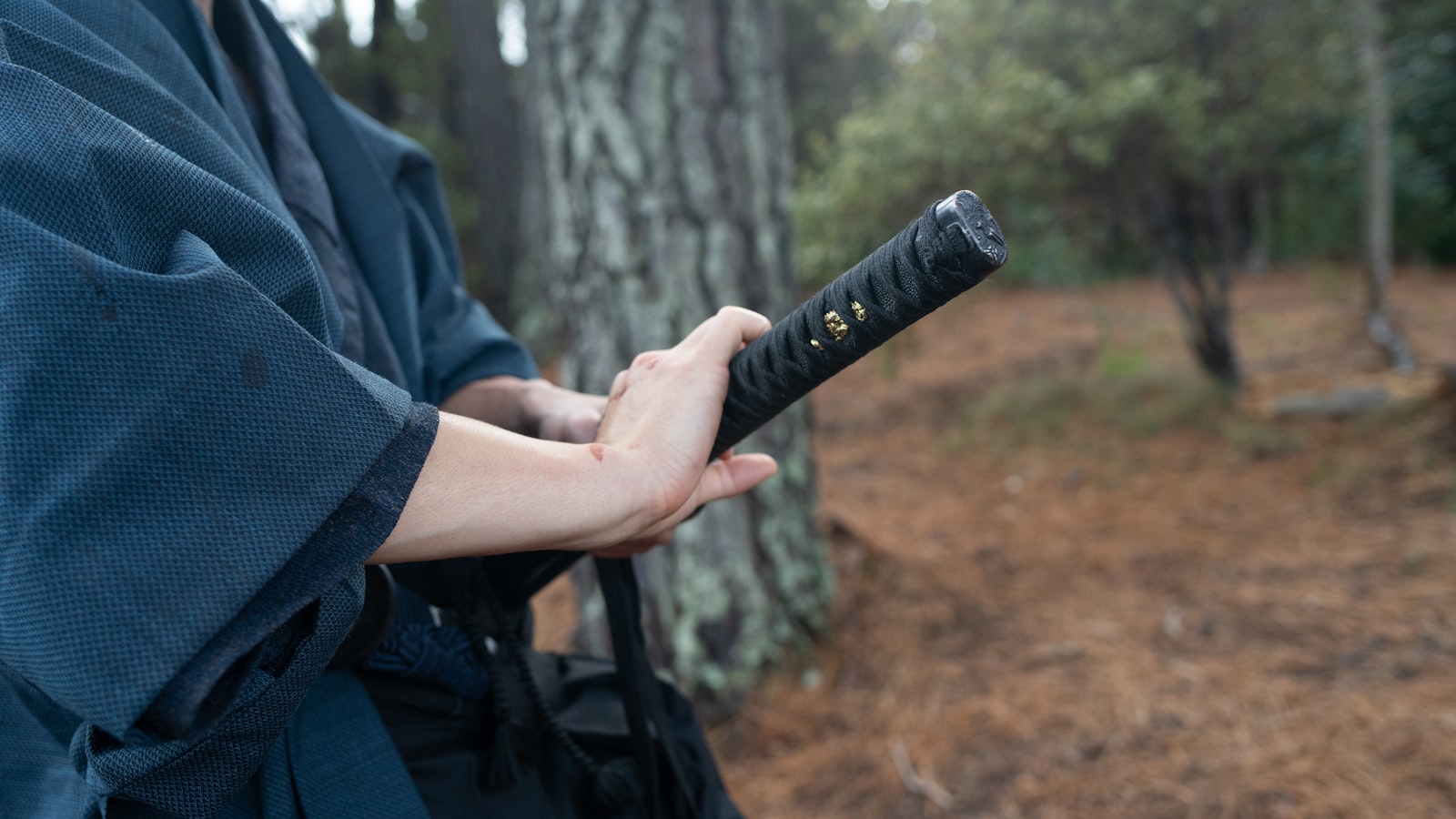
The Katana
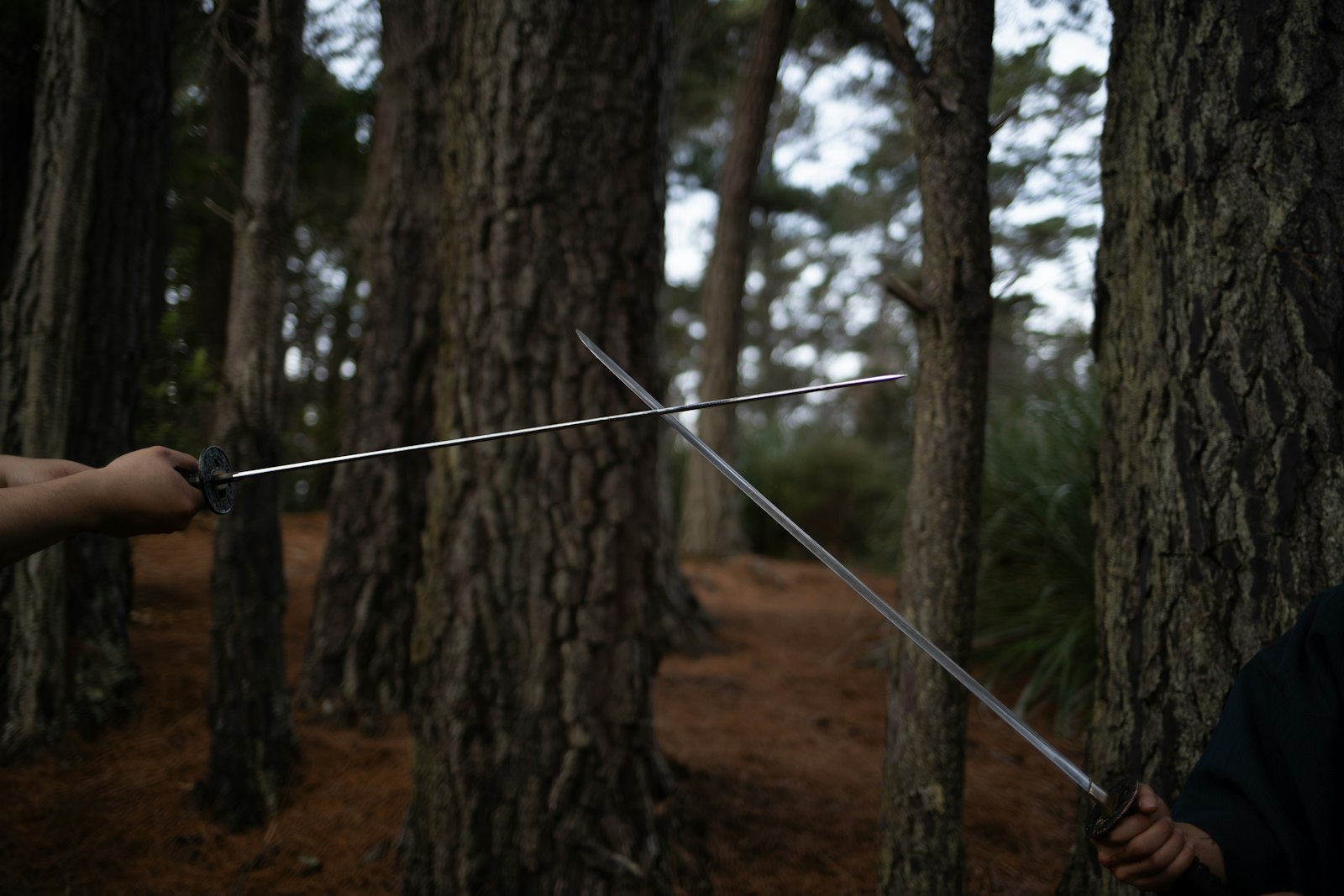
The katana, the curved sword forged from folded steel, was regarded as more than a weapon — it was said to hold the warrior’s soul. The craftsmanship of Japanese swordsmiths, layering and folding steel into a blade of great sharpness and beauty, remains one of the country’s most revered traditions.
Yoroi Armor
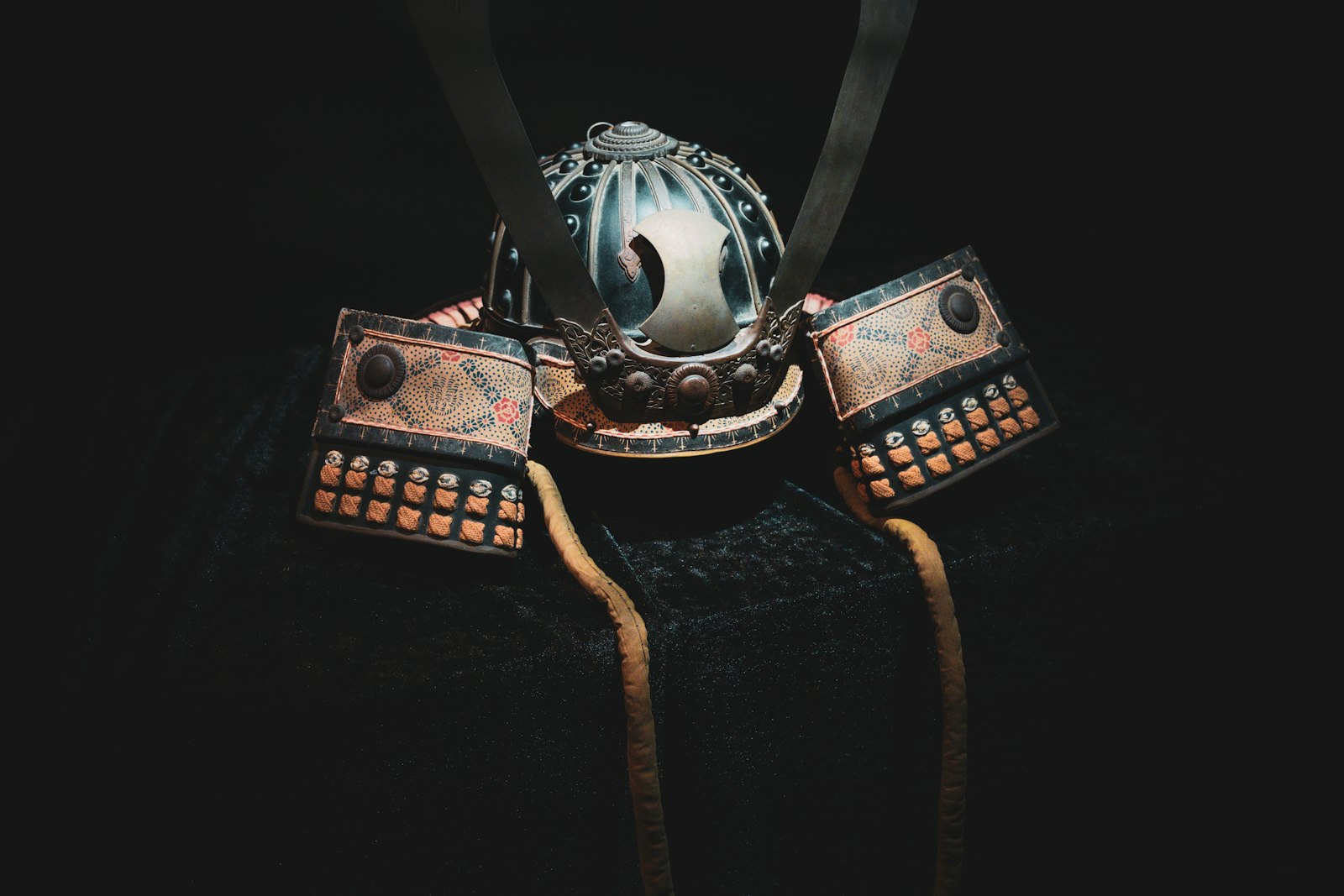
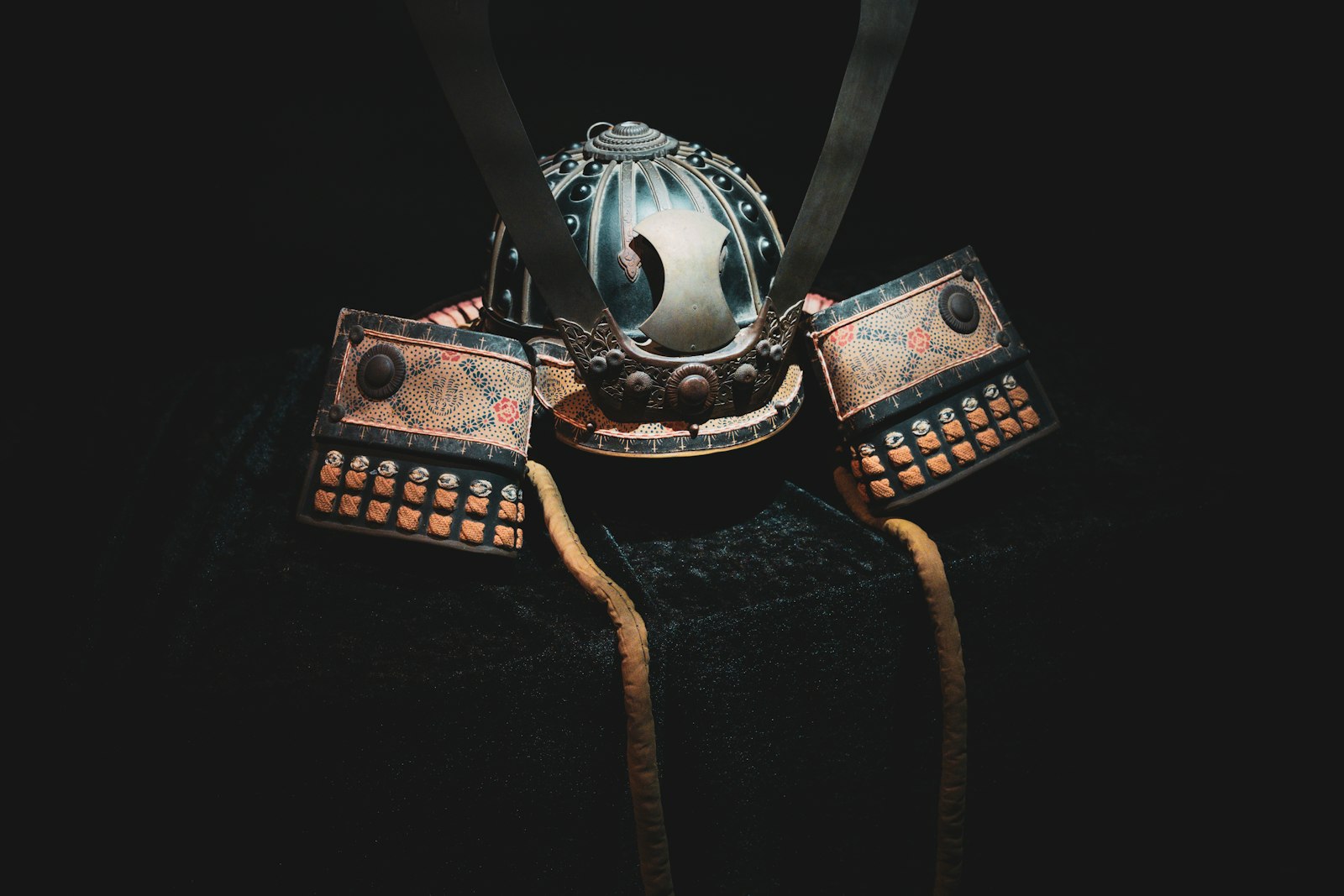
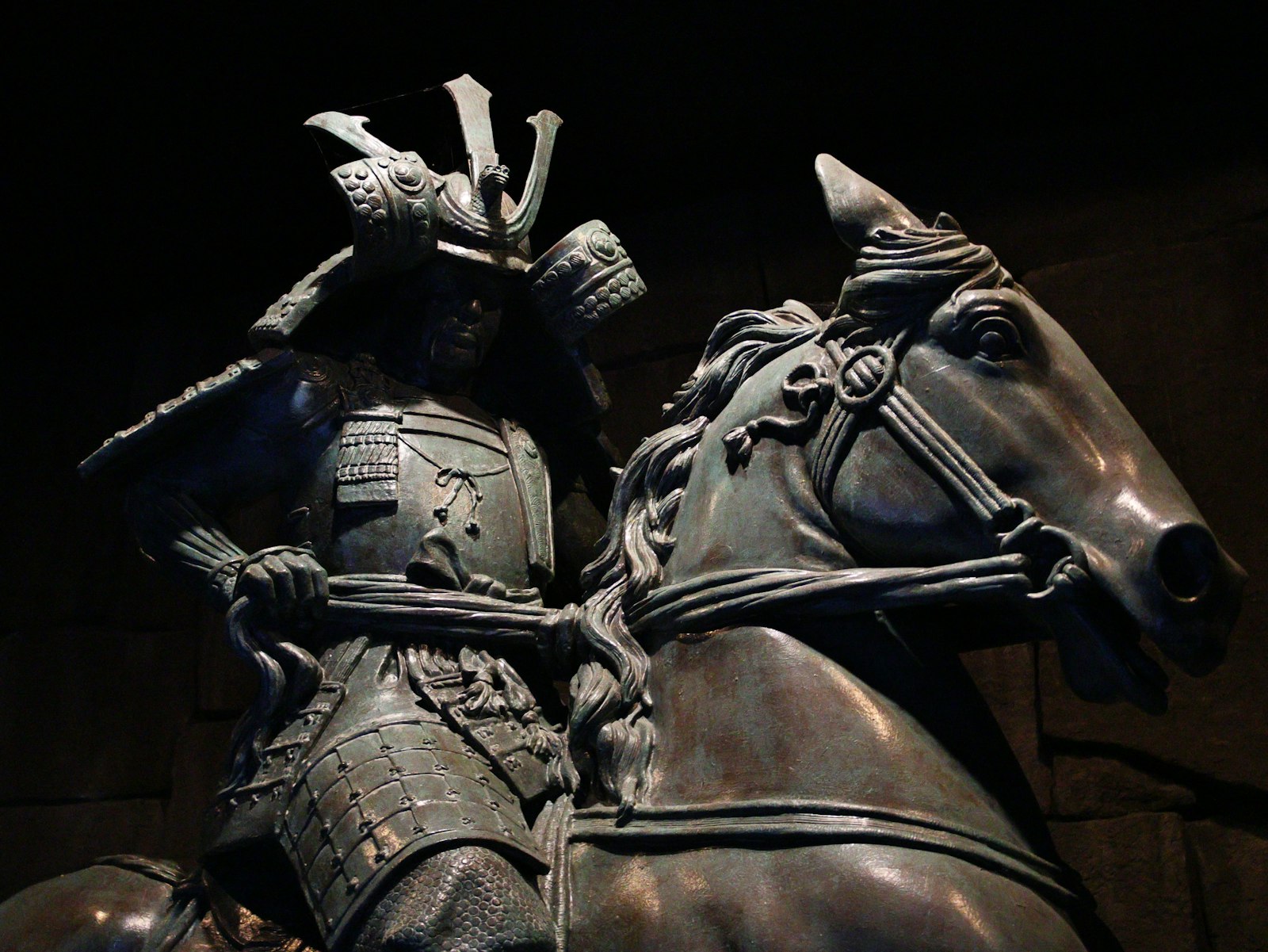
Samurai armor (yoroi) combined lacquered metal plates, leather, and silk lacing into suits that were protective, flexible, and strikingly beautiful. The finest surviving examples are works of art as much as war, and seeing one up close conveys the wealth and status of its owner.
The Kabuto Helmet

The kabuto helmet often bore an elaborate crest, which helped identify a commander amid the smoke and chaos of battle and displayed his lineage and rank. These crests range from the fearsome to the fantastical, and they are among the most memorable objects in any samurai collection.
Where to Step Into the Samurai World
Nagamachi, Kanazawa
Kanazawa’s Nagamachi district preserves earthen-walled lanes lined with former samurai residences, some open to visitors. Walking these quiet streets, past mud walls and gated homes, is one of the most atmospheric ways to feel the everyday world of the warrior class.
Kakunodate
Kakunodate in Akita is known for its well-preserved samurai quarter, with black-walled estates shaded by weeping cherry trees that turn the district spectacular in spring. Several homes are open to the public, offering a look inside samurai domestic life.
Museums in Tokyo and Kyoto
For arms and armor, museums and specialist collections in Tokyo and Kyoto hold historic swords, armor, and artifacts. Some venues also let visitors handle replicas or try on armor, bringing the objects to life beyond the display case.
Expert Tip
Pair a castle visit with a preserved samurai district in the same town for the full picture. The castle shows you the seat of power and the wars; the residential quarter — the earthen-walled lanes of Nagamachi in Kanazawa, or the black-walled homes of Kakunodate — shows you how the warrior class actually lived. Seeing both on one day turns an abstract idea of “samurai” into something concrete and human.
The Samurai Legacy Today
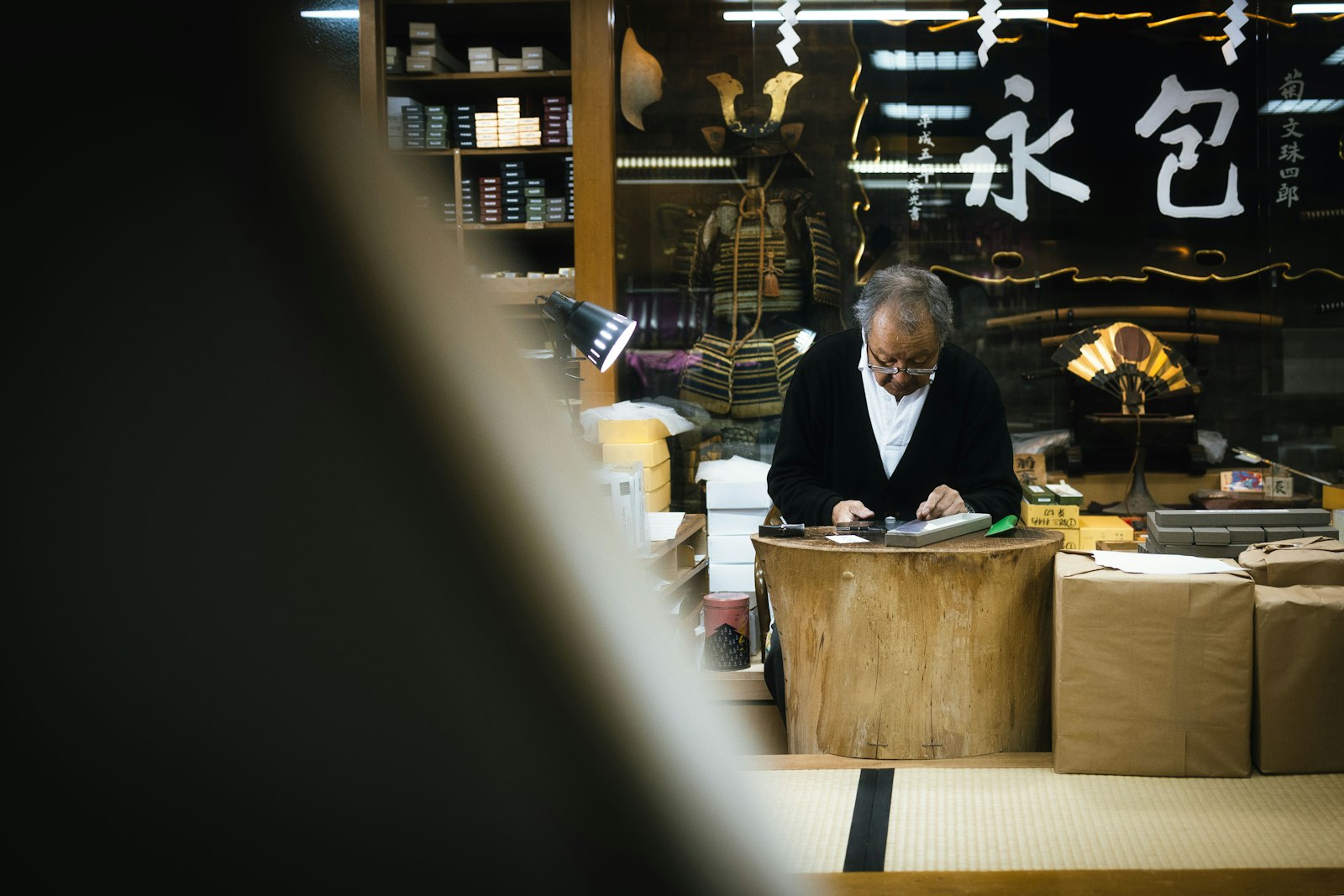
Kurosawa’s Cinema
The films of Akira Kurosawa, above all Seven Samurai, carried the samurai to the world and directly influenced Western cinema, including the American Western. Watching one before your trip is a fine way to arrive with the imagery in mind.
Living Martial Arts
The samurai disciplines survive as martial arts practiced across Japan today, notably kendo (the way of the sword) and kyudo (archery). These are living traditions, taught in schools and clubs, that carry the warrior ethic into the present.
Pop Culture
Samurai remain everywhere in modern Japanese anime, games, and film, their code and imagery reinterpreted for each generation. Spotting the samurai archetype in contemporary media is part of the fun once you know the history behind it.
Japanese Samurai: Frequently Asked Questions
Do samurai families still exist? Yes, many modern Japanese descend from samurai families, though the class itself was abolished in the 19th century. Some families preserve heirlooms, records, and traditions, but there is no functioning samurai class today.
Where can I try on armor or hold a real sword? Some museums and specialist experiences let visitors try on armor and handle swords or replicas under supervision. Look for dedicated samurai experiences in cities like Tokyo and Kyoto, and follow the venue’s safety rules with genuine blades.
How were ninja and samurai related? Ninja (shinobi) specialized in espionage and irregular tactics, often employed by the same lords the samurai served, but they occupied a different, lower social role. The two are distinct: samurai were the honored warrior class, ninja the covert operatives.
Related Tours

Conclusion
The samurai were warriors, yes, but also rulers, administrators, and artists, bound by a code that outlasted them. Understanding that fuller picture — the ethic of bushido, the craft of the katana, the long shift from battlefield to bureaucracy — deepens every castle and museum you visit.
Plan Your Japan Trip with Local Experts
Our team has guided 40,000+ travelers across Japan. Tell us about your trip and we’ll get back to you within 24 hours.