In this article:
- Practicing Two Religions at Once
- Shinto: Honoring the Kami
- Buddhism: The Imported Philosophy
- Festivals and Daily Customs
- Temples vs. Shrines
- Religion in Japan: Frequently Asked Questions
Introduction
Ask a Japanese person their religion and many will say they have none. Yet the same person may visit a shrine at New Year, marry in a Western-style chapel, and hold a Buddhist funeral. This is not a contradiction to be resolved — it is how religion works in Japan, less a matter of belief and belonging than of custom, occasion, and place.
Understanding this makes visiting Japan’s shrines and temples far richer. Here is how the two faiths coexist, what distinguishes them, and how to take part respectfully.
Practicing Two Religions at Once
The Japanese approach to faith is best understood as blended rather than exclusive.
Born Shinto, Die Buddhist
A common saying captures it: people in Japan are “born Shinto and die Buddhist.” Births and life celebrations tend toward Shinto shrines, while funerals and ancestral rites are almost always Buddhist. The two faiths divide life’s occasions between them rather than competing for followers.
A Fluid Approach
Most Japanese identify as non-religious in the Western sense, yet participate readily in the rites of both faiths. Religion here is woven into culture and season rather than declared as an identity, which is why the “non-religious” label and the crowded New Year shrines are not in conflict.
Two Altars at Home
Many traditional homes keep both a Shinto kamidana — a small shelf honoring the kami — and a Buddhist butsudan, an altar for ancestors. The two sit under one roof, each serving its own purpose, a domestic picture of the whole country’s blended practice.
Shinto: Honoring the Kami
An Indigenous Faith
Shinto is Japan’s native belief system, centered on kami — spirits or gods present in nature and in remarkable things. A great tree, a mountain, a waterfall, or a striking rock may be revered as the dwelling of a kami. It is a faith rooted in place and the natural world rather than in scripture.
Purity and Purification
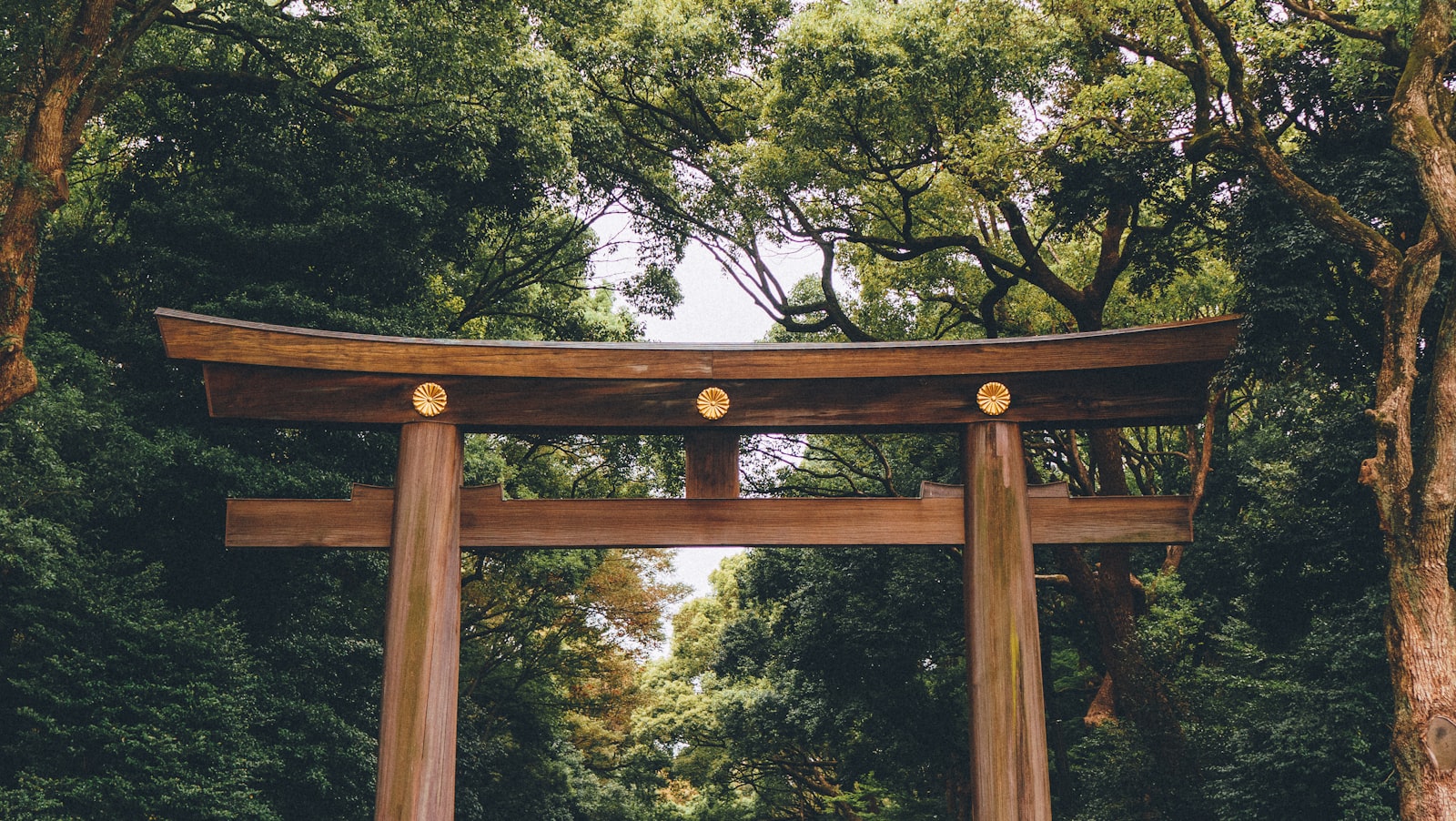
Cleanliness and purification are central to Shinto. Rituals of washing and cleansing, from rinsing your hands at a shrine to larger purification rites, reflect a belief that physical and spiritual purity are linked. This emphasis on purity runs deep in Japanese culture generally.
The World of the Kami
The kami include great deities such as the sun goddess Amaterasu, storm and sea gods, and countless local and ancestral spirits. There is no single all-powerful god but a vast, populated spiritual world, which is why shrines across Japan honor so many different kami.
Buddhism: The Imported Philosophy
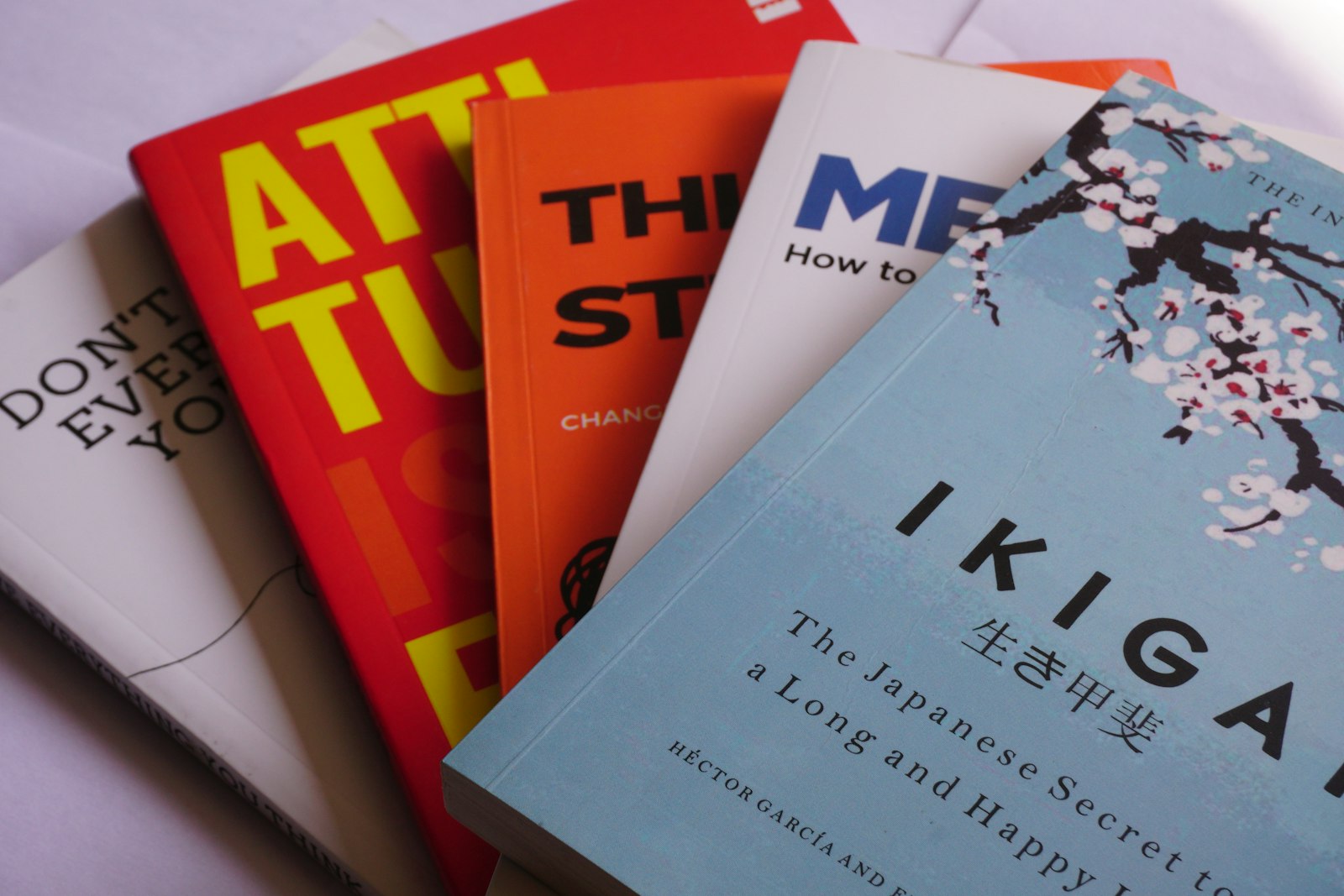
Arrival from the Mainland
Buddhism reached Japan from India by way of China and Korea more than a thousand years ago, bringing with it not only religious teaching but art, architecture, gardens, and writing. It integrated deeply into Japanese culture rather than replacing what came before, coexisting with Shinto from early on.
Zen and Its Influence
Among Buddhism’s schools, Zen has had an outsized influence on Japanese aesthetics. Its emphasis on meditation and mindfulness shaped the rock garden, the tea ceremony, and a whole sensibility of restraint and presence that visitors still feel in Japan’s temples and design.
Buddhism and Funerals
Most funerary rites in Japan are conducted according to Buddhist tradition, by Buddhist priests, which is why the faith is associated with death and ancestral memory. Caring for the spirits of ancestors is one of Buddhism’s central roles in Japanese life.
Festivals and Daily Customs
Hatsumode at New Year
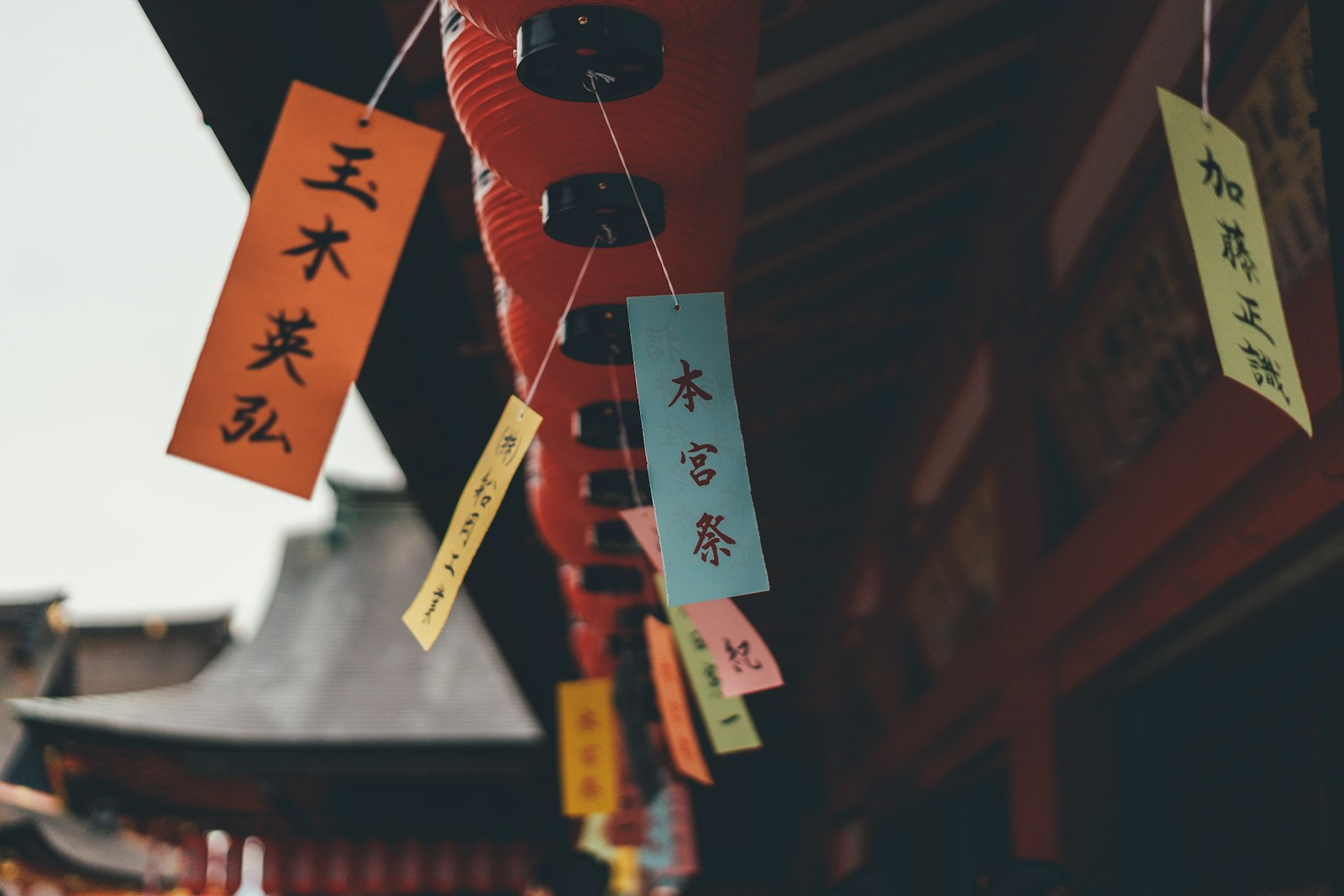
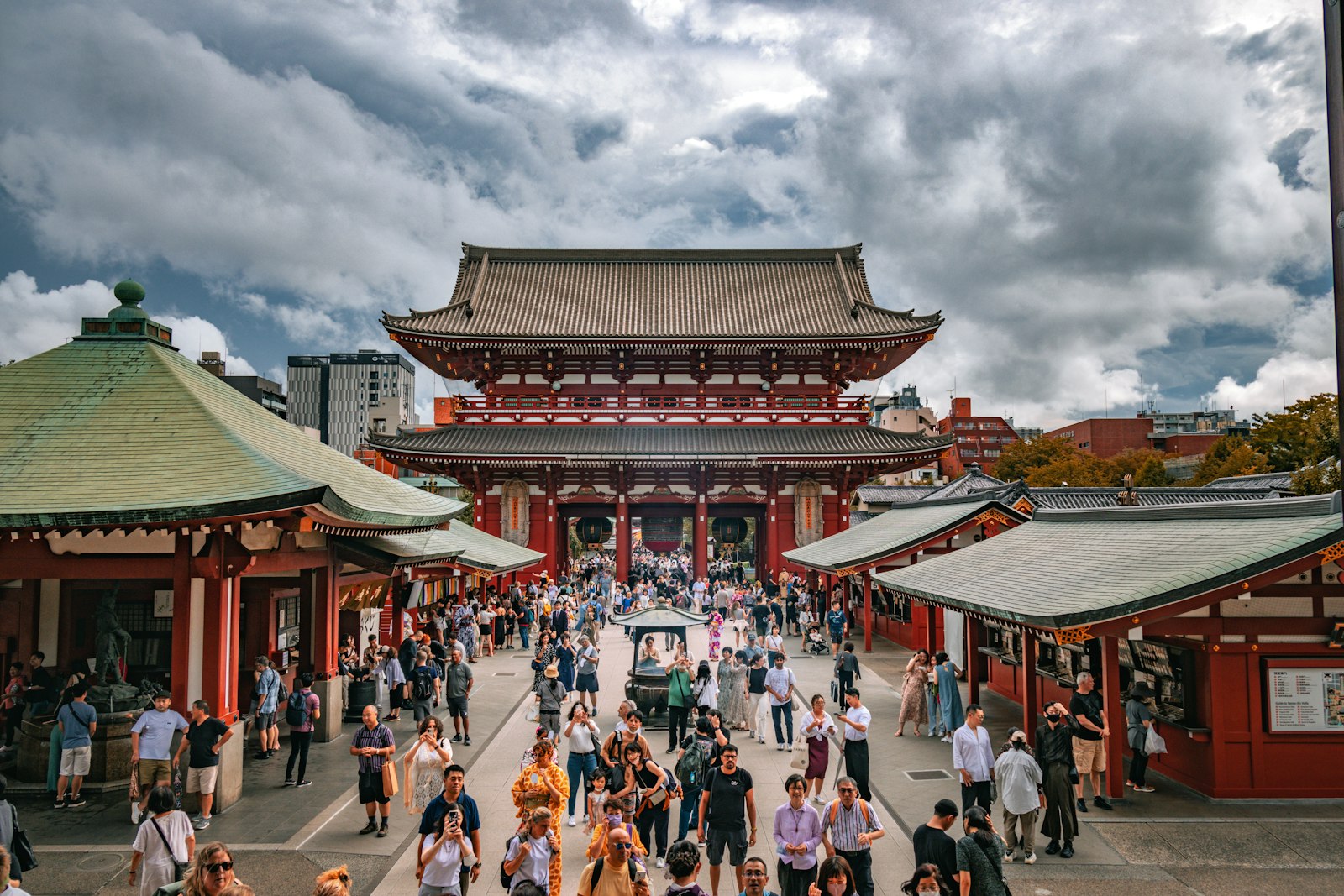
At New Year, millions of people make hatsumode, the year’s first shrine visit, to pray for good fortune. Shrines fill with crowds in the first days of January, one of the clearest signs of how Shinto custom shapes the calendar even for the non-religious.
Obon in Summer
Obon, in summer, honors ancestral spirits believed to return home during the period. Families clean graves, light lanterns to guide the spirits, and gather for traditional dances. It is one of the year’s most important observances, blending remembrance with festival.
Life Milestones
Shinto rites mark life’s stages: omiyamairi brings newborns to a shrine, and shichi-go-san celebrates children at ages three, five, and seven with a visit in traditional dress. These joyful customs keep the shrines woven into ordinary family life.
Expert Tip
Learn the shrine-visit etiquette once and you can participate respectfully anywhere. At a shrine, purify your hands and mouth at the water basin, then at the offering hall the common pattern is: bow twice, clap twice, make your wish or prayer in silence, then bow once more. At a Buddhist temple you do not clap — press your palms together quietly instead. Following the local rhythm is welcomed, not intrusive.
Temples vs. Shrines
Recognizing a Shinto Shrine
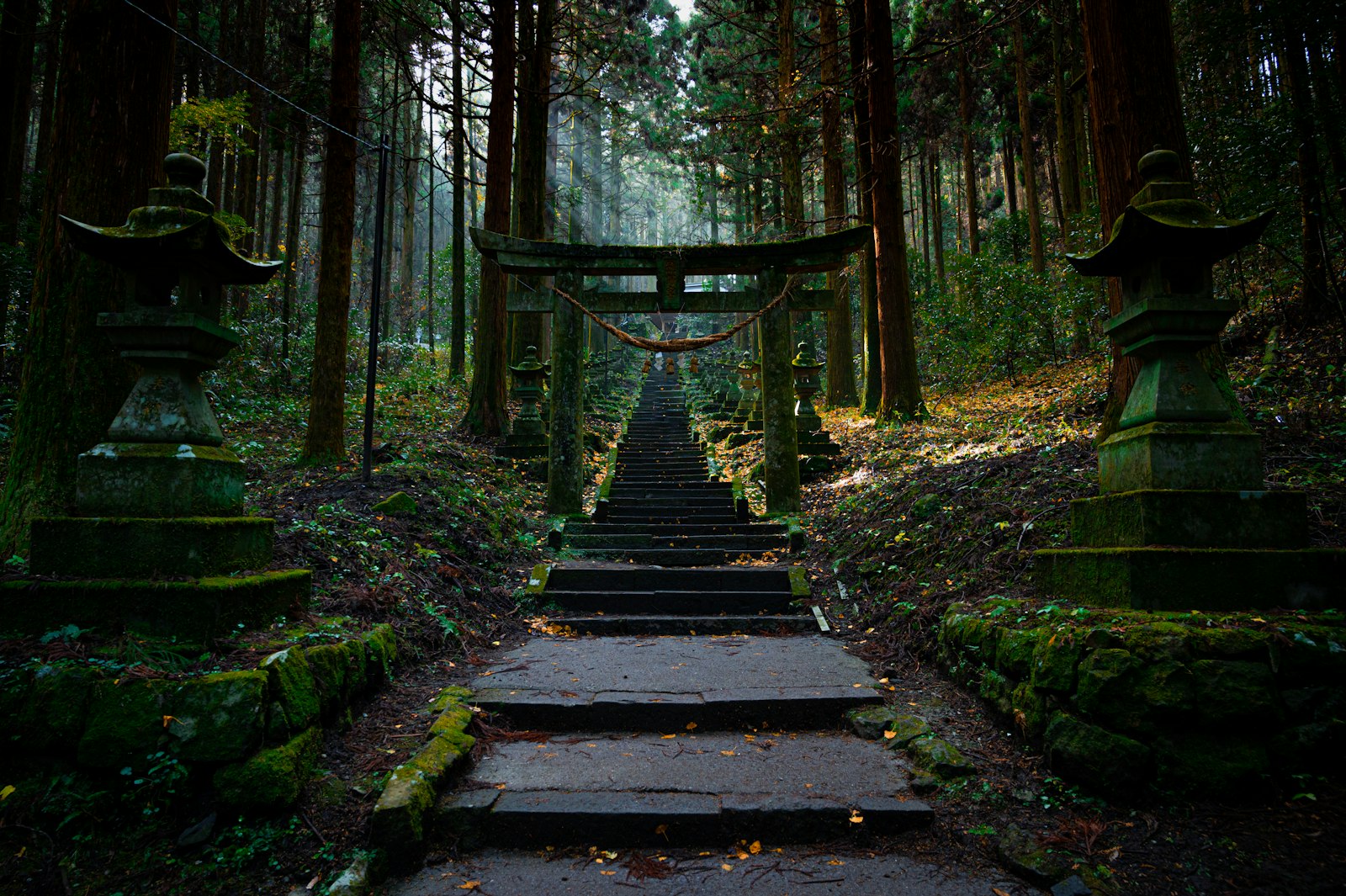
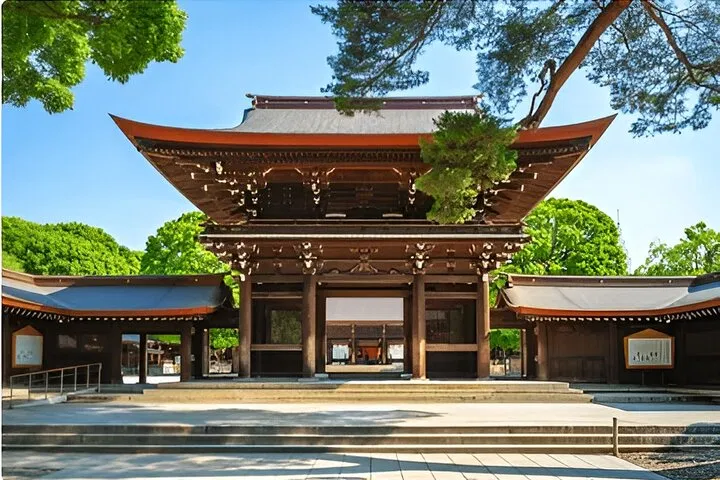
Shinto shrines (jinja) are marked by the torii gate — the simple, often vermilion gateway that signals you are entering sacred ground — and by shimenawa, the twisted straw ropes hung to denote purity and the presence of kami. Spot a torii and you are at a shrine.
Recognizing a Buddhist Temple
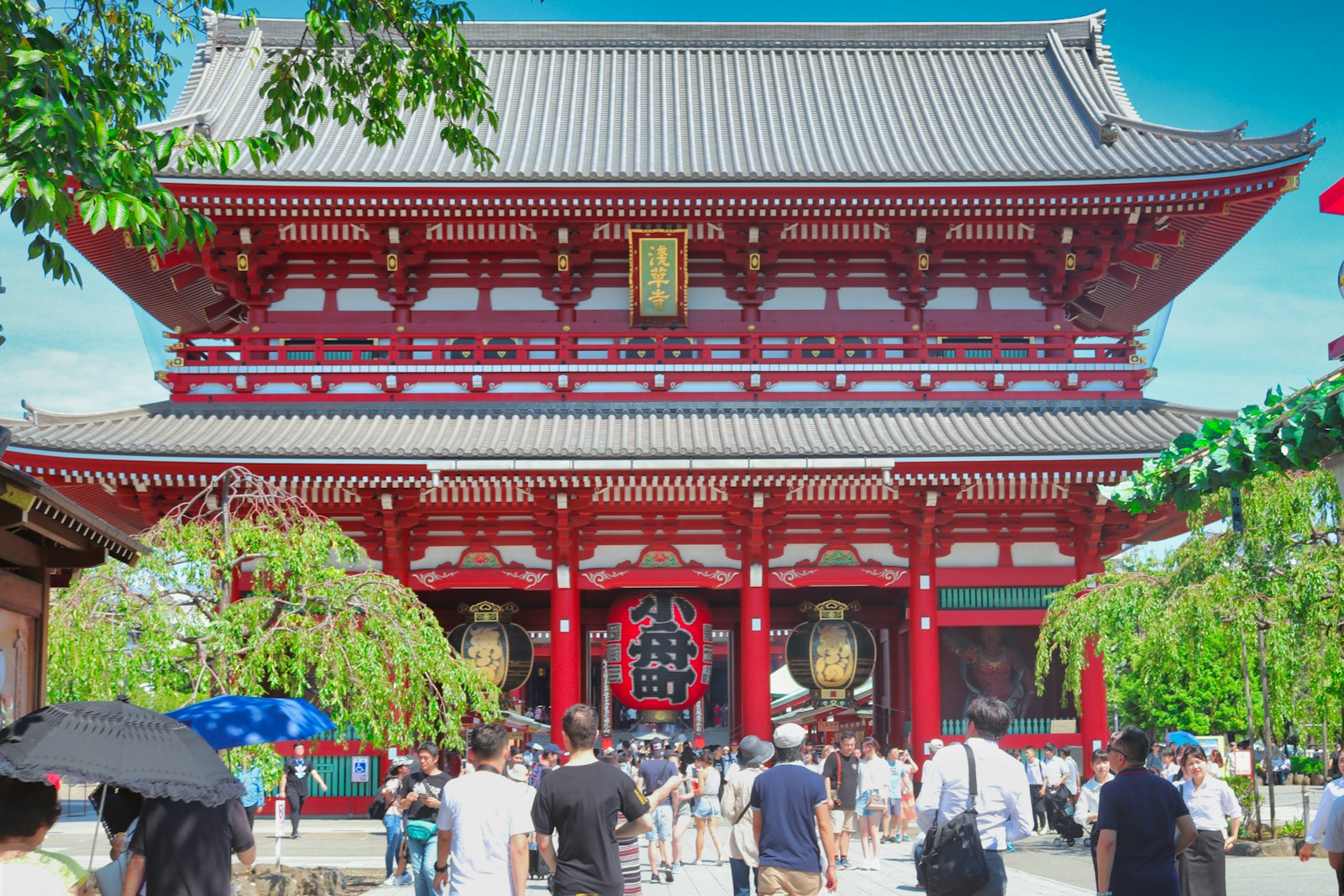
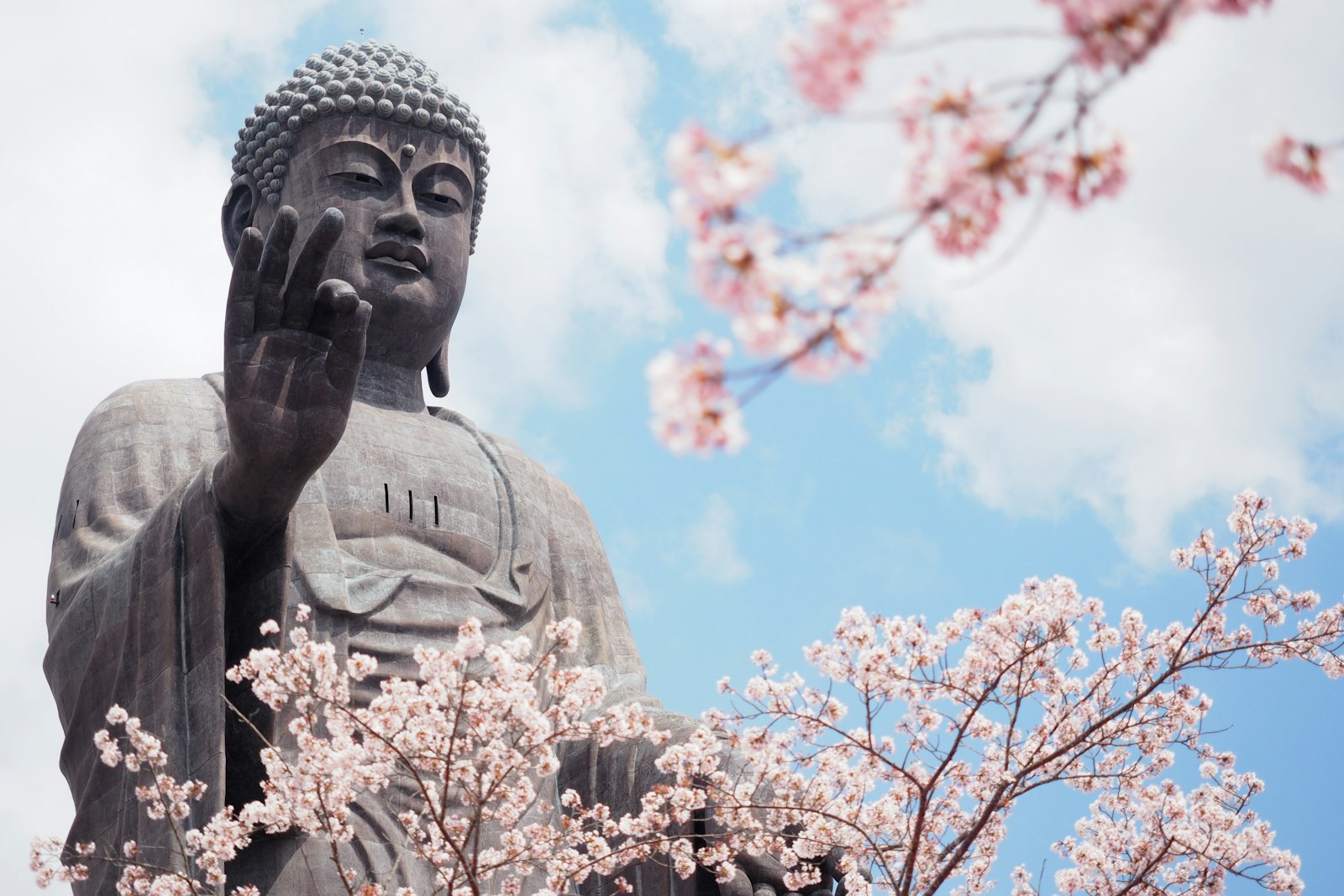
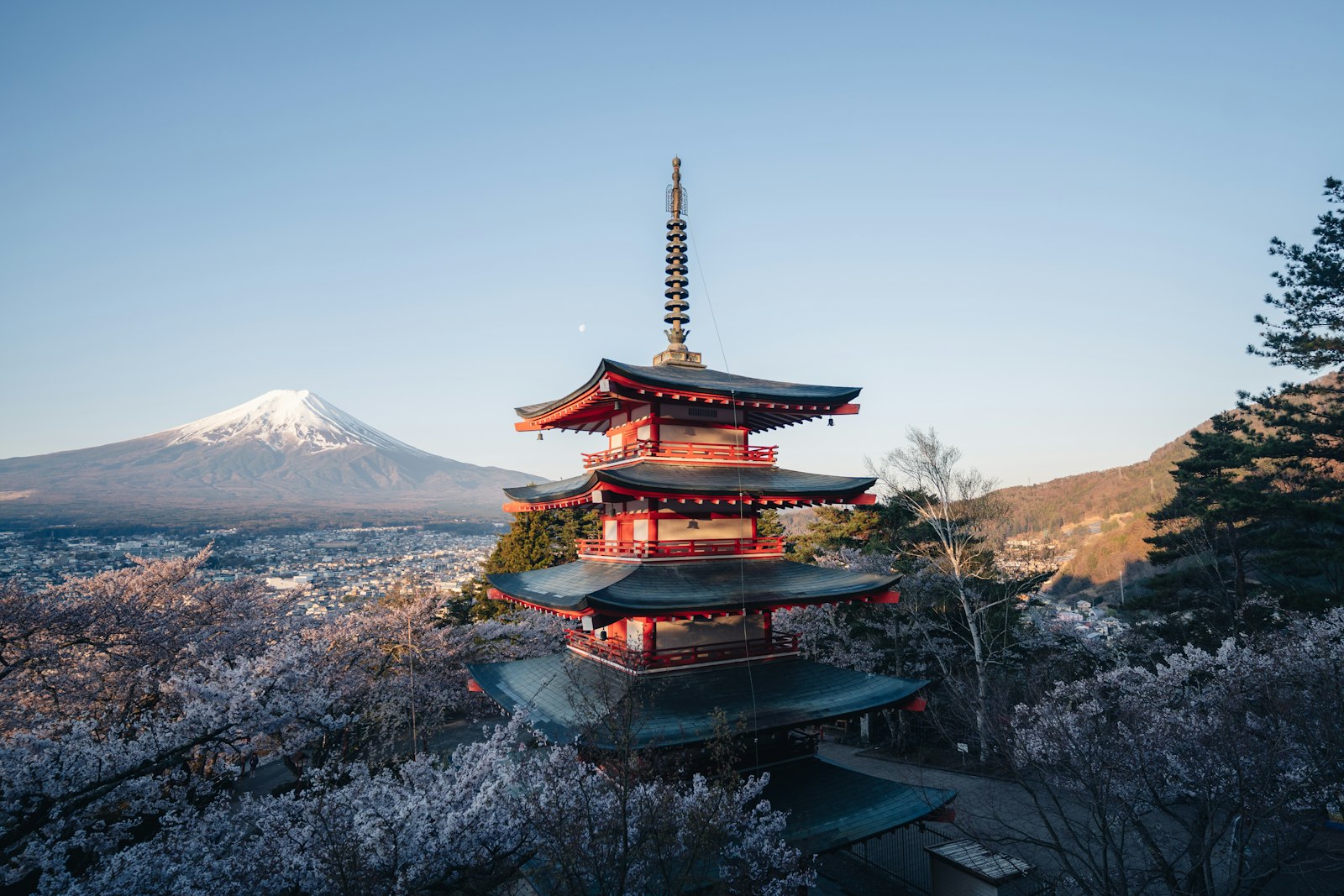
Buddhist temples (tera) are identified by pagodas, large incense burners whose smoke visitors waft over themselves, and statues of the Buddha and bodhisattvas. A temple has a distinctly different feel and iconography from a shrine once you know what to look for.
The Purification Basin
Both, but especially shrines, have a temizuya, a water basin for purification at the entrance. The custom is to ladle water over your left hand, then your right, then rinse your mouth from your cupped hand, and let the water run down the handle to clean it. It takes a moment and marks your entry respectfully.
Religion in Japan: Frequently Asked Questions
Can visitors of any faith take part in shrine prayers? Yes. Shinto and Buddhist sites welcome respectful visitors of any background, and there is no requirement to believe anything to purify your hands, make an offering, or observe the etiquette. Participation is a gesture of respect, not a religious commitment.
Why are weddings often Western-style but funerals Buddhist? Christian-style chapel weddings became a popular aesthetic choice in modern Japan, separate from religious belief, while funerals remain rooted in Buddhist tradition. It reflects the same blended, occasion-based approach to religion described above.
Is there a weekly worship day like Sunday church? No. Shinto and Buddhism do not have a fixed weekly congregation like a Sunday service. Worship is tied to festivals, life events, personal visits, and seasonal customs rather than a set day each week.
Related Tours
Conclusion
Religion in Japan is not a matter of choosing a side but of holding two traditions together — Shinto for the living world and its celebrations, Buddhism for reflection and remembrance. Most people would not call themselves believers, yet both faiths quietly shape the year, the home, and the landscape.
Plan Your Japan Trip with Local Experts
Our team has guided 40,000+ travelers across Japan. Tell us about your trip and we’ll get back to you within 24 hours.