In this article:
- The Historical Reality of the Shinobi
- The Ninja Arsenal
- The Great Ninja Clans: Iga and Koga
- Ninja Houses and Their Tricks
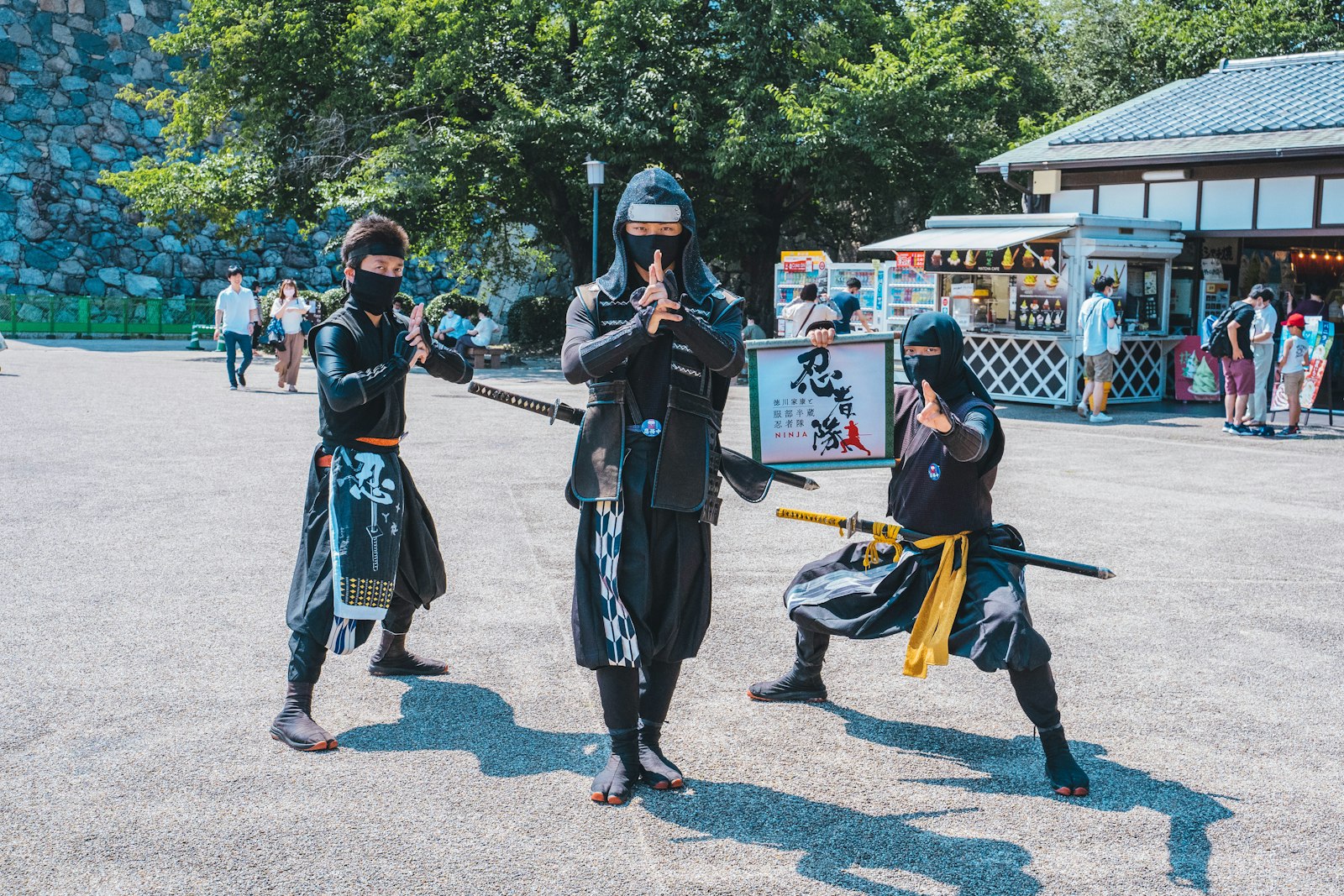
- Modern Ninja Experiences
- Ninja in Japan: Frequently Asked Questions
Introduction
The ninja everyone pictures — a figure in black leaping across rooftops with mystical powers — is largely a creation of later theater and film. The real shinobi were something quieter and, in their way, more impressive: professional agents of espionage who survived by blending in, gathering information, and avoiding a fight rather than seeking one.
The genuine history is a great story, and Japan preserves it well, from the mountain provinces where the ninja clans operated to interactive museums where you can throw a shuriken yourself. Here is the reality behind the legend, and where to find it.
The Historical Reality of the Shinobi
Strip away the myth and the shinobi become more human and more interesting.
Spies, Not Superheroes
Real ninja were primarily agents of espionage, employed to gather intelligence, scout, and carry out covert tasks. Survival and information mattered more than combat; a shinobi who fought openly had usually already failed. Their skills were those of the spy — patience, observation, and secrecy — not the swordsman.
The Art of Disguise
Their most valuable technique was blending in. A shinobi might pose as a monk, a merchant, or a farmer to move through checkpoints and past castle gates unnoticed. The famous all-black outfit is largely theatrical; the true “disguise” was looking utterly ordinary.
Moving in Silence
Ninja trained in silent movement, including specialized ways of walking (shinobi-aruki) to cross floors and approach targets without a sound. Stealth was a discipline, learned and practiced, rather than a magical gift — and all the more remarkable for it.
The Ninja Arsenal
The Shuriken
The shuriken, or throwing star, is the ninja’s most famous tool, but it was used more to distract, delay, or wound a pursuer than as a primary killing weapon. It was one item in a practical kit, not the centerpiece of ninja combat that films suggest.
Kunai and Climbing Tools
Much of the real arsenal was multi-purpose and utilitarian: the kunai, a simple blade that doubled as a digging and prying tool, and climbing aids like the shuko, hand claws used to scale walls and trees. These were the tools of infiltration, valued for versatility over flash.
The Shinobi Outfit
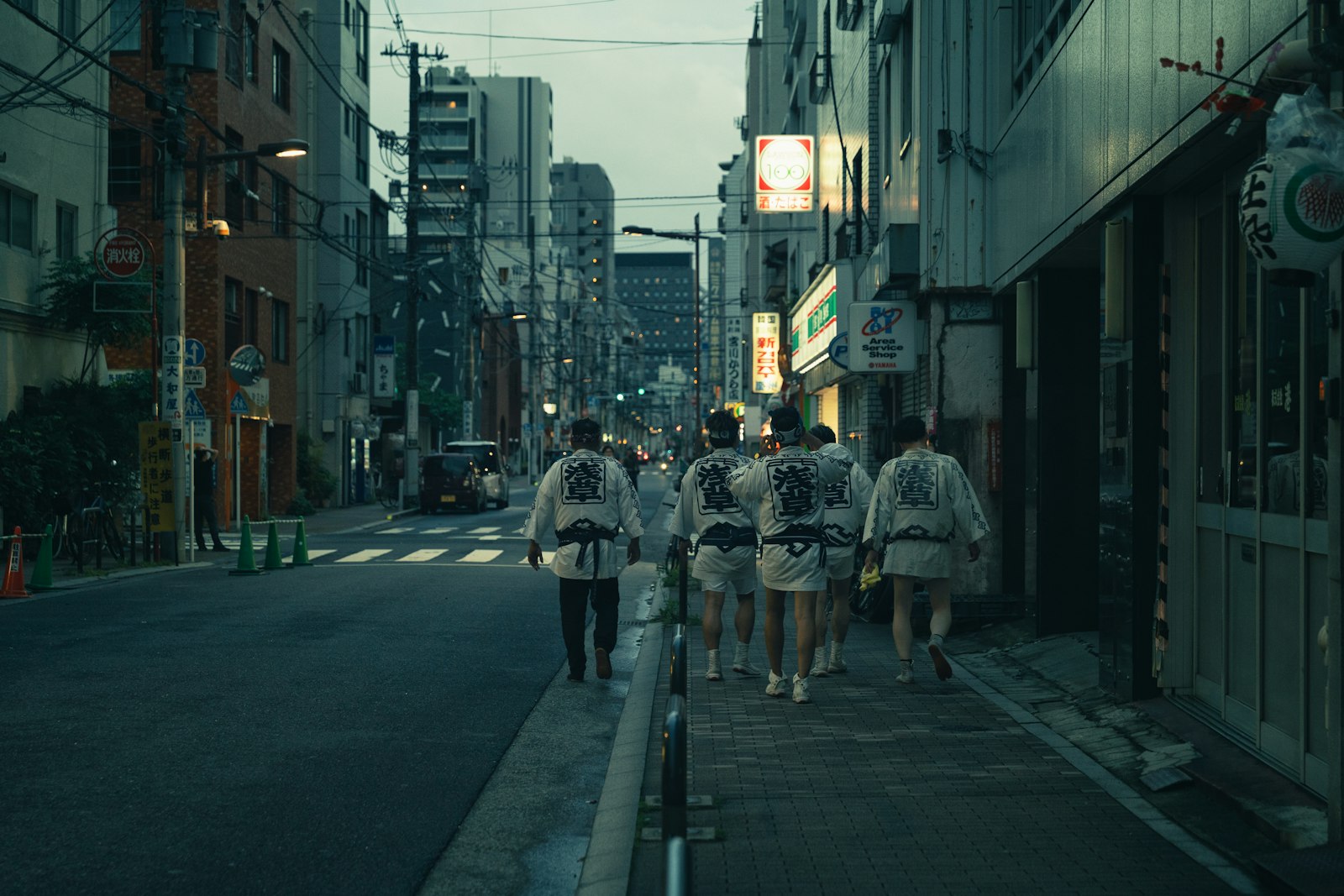
When concealment at night was needed, shinobi favored dark navy and grey rather than pure black, which stands out under moonlight. More often, though, the effective “uniform” was whatever let the agent pass as an ordinary local in daylight.
The Great Ninja Clans: Iga and Koga
Iga
The Iga region, in present-day Mie Prefecture, was one of the two great homes of ninjutsu, its mountainous terrain fostering schools of espionage whose specialists were hired by lords across Japan. Iga remains the spiritual home of the ninja and the center of much of what survives today.
Koga
Neighboring Koga, in present-day Shiga Prefecture, was the other great center, its networks known for skills including the use of gunpowder and herbal medicine. The Iga and Koga traditions developed in parallel, sometimes as rivals, sometimes cooperating.
Shaped by War
The clans’ fortunes rose and fell with Japan’s regional wars, which created demand for their intelligence work and, at times, brought devastation to their home provinces. Their legacy is inseparable from the turbulent era that made covert specialists so valuable.
Ninja Houses and Their Tricks
Hidden Passages
Preserved ninja houses reveal the era’s ingenuity: concealed hatches, folding staircases, and hidden compartments built to confound intruders and provide escape routes. Touring one, you see how everyday architecture doubled as a defensive system.
Revolving Doors
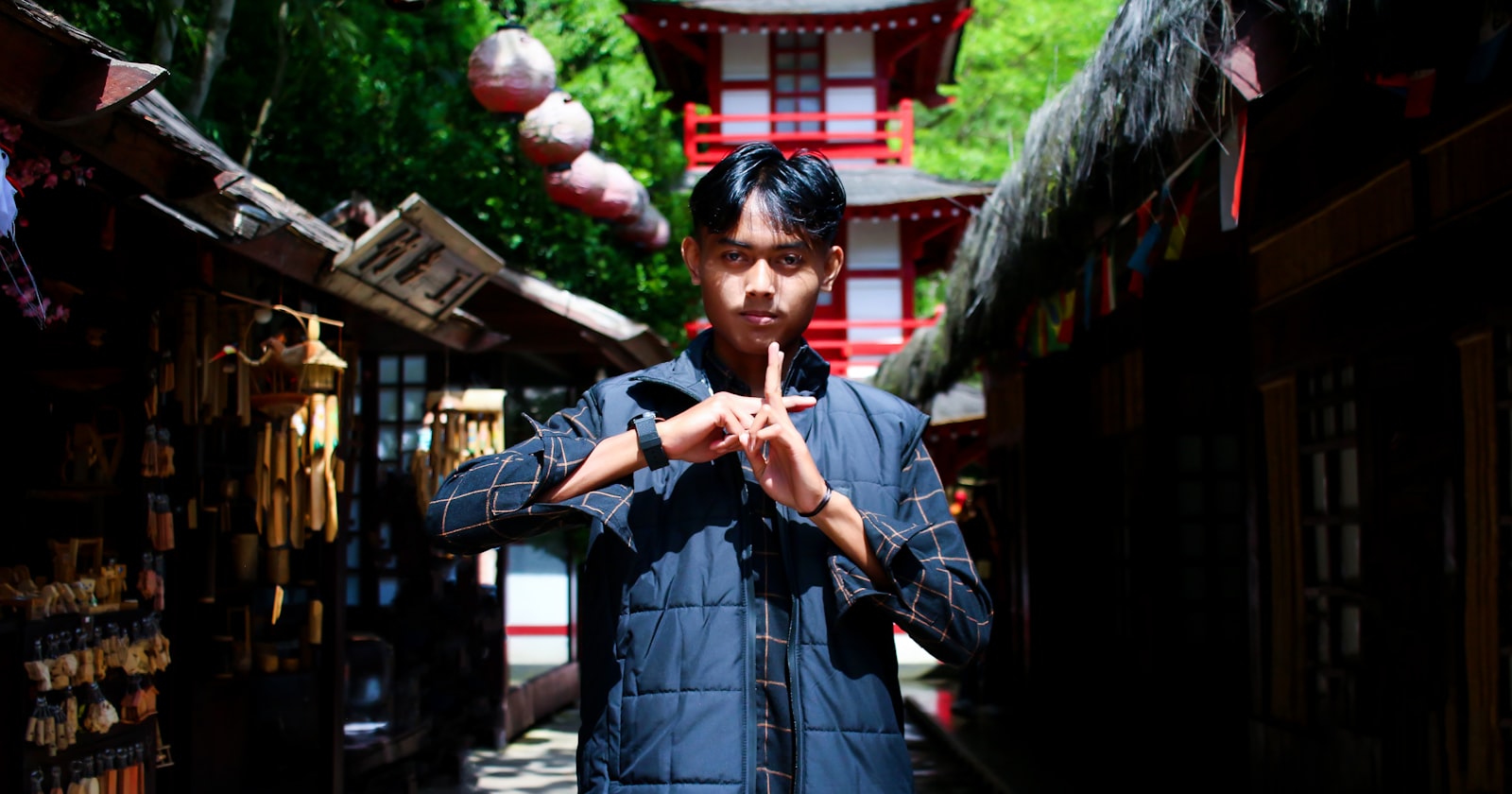
The donden-gaeshi, a revolving panel or wall, let a defender vanish through what looked like solid wall. These clever mechanisms are a highlight of ninja-house tours, and many museums let visitors operate reproductions.
Nightingale Floors
Some buildings used uguisu-bari, “nightingale floors,” constructed to chirp when walked upon so that no intruder could cross them silently. It is a beautiful, ironic counter to ninja stealth — architecture designed specifically to defeat the silent walker.
Expert Tip
If you have children or a fascination with the real history, base a ninja day around Iga (in Mie) or Koga (in Shiga) rather than a city ninja cafe. The regional museums sit where the shinobi actually operated, combine genuine artifacts with hands-on shuriken throwing and trick-house demonstrations, and give the whole thing historical grounding. City experiences are fun, but the home provinces make it real.
Modern Ninja Experiences
Shuriken Throwing
Many ninja museums and themed venues let you throw real metal shuriken at targets under supervision. It is harder than it looks and genuinely satisfying, and it is a hit with kids and adults alike. These sessions are the most popular hands-on activity.
Learning the Techniques
Some experiences teach elements of ninja practice, from hand-seal focus rituals (kuji-kiri) to basic movement, with local instructors. They are more about atmosphere and fun than authentic training, but they add a memorable interactive layer.
Ninja Attractions for Families
Ninja-themed attractions, museums, and play experiences operate in Kyoto, Mie, and elsewhere, designed for immersive family fun. They combine costumes, trick houses, and activities into an easy, entertaining outing for children.
Ninja in Japan: Frequently Asked Questions

Did ninja really wear all black and have magical powers? No. The all-black costume and supernatural abilities come from later theater, fiction, and film. Real shinobi relied on disguise, stealth, and intelligence work, and often looked like ordinary townspeople rather than costumed warriors.
Where are the best family-friendly ninja sites? The Iga region in Mie and the Koga area in Shiga host the most authentic ninja museums with hands-on activities, and there are ninja-themed attractions in Kyoto as well. These combine real history with interactive fun for children.
Can tourists take real ninja training? You can take introductory, hands-on sessions — shuriken throwing, basic techniques, trick-house tours — at museums and specialist venues. These are accessible experiences rather than serious martial training, and they welcome visitors of all ages.
Related Tours


Conclusion
The true ninja — patient, disguised, gathering secrets in the shadows of Japan’s wars — is a better story than the myth that replaced them. Understanding the shinobi as spies rather than superheroes makes the trick houses, the shuriken, and the old provinces of Iga and Koga far more compelling.
Plan Your Japan Trip with Local Experts
Our team has guided 40,000+ travelers across Japan. Tell us about your trip and we’ll get back to you within 24 hours.