In this article:
- The UNESCO Village of Shirakawa-go
- The Architecture of Gassho-Zukuri
- Village Highlights and Views
- The Winter Light-Up
- Transit and Overnight Stays
- Visiting Shirakawa-go: Frequently Asked Questions
Introduction
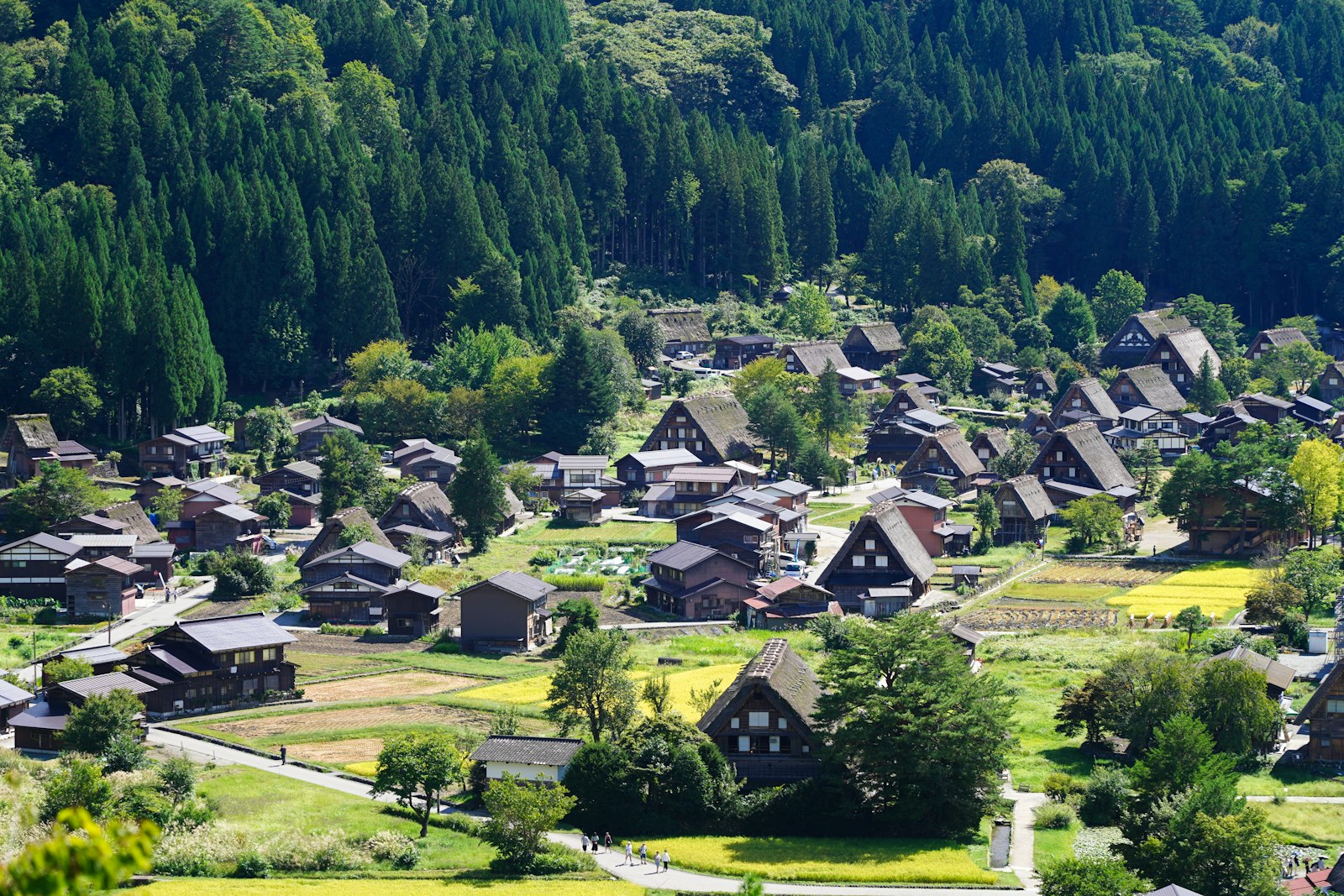
Some places look staged for a photograph; Shirakawa-go simply looks like this. Its steep thatched farmhouses, clustered in a mountain valley and buried in snow through winter, are among the most photographed sights in rural Japan — and, unlike an open-air museum, the village is genuinely inhabited and working.
Reaching it takes effort, and the famous winter light-up now requires advance planning. Here is how to visit well and, ideally, stay the night.
The UNESCO Village of Shirakawa-go
Understanding what you are looking at deepens the visit considerably.
Ogimachi Village
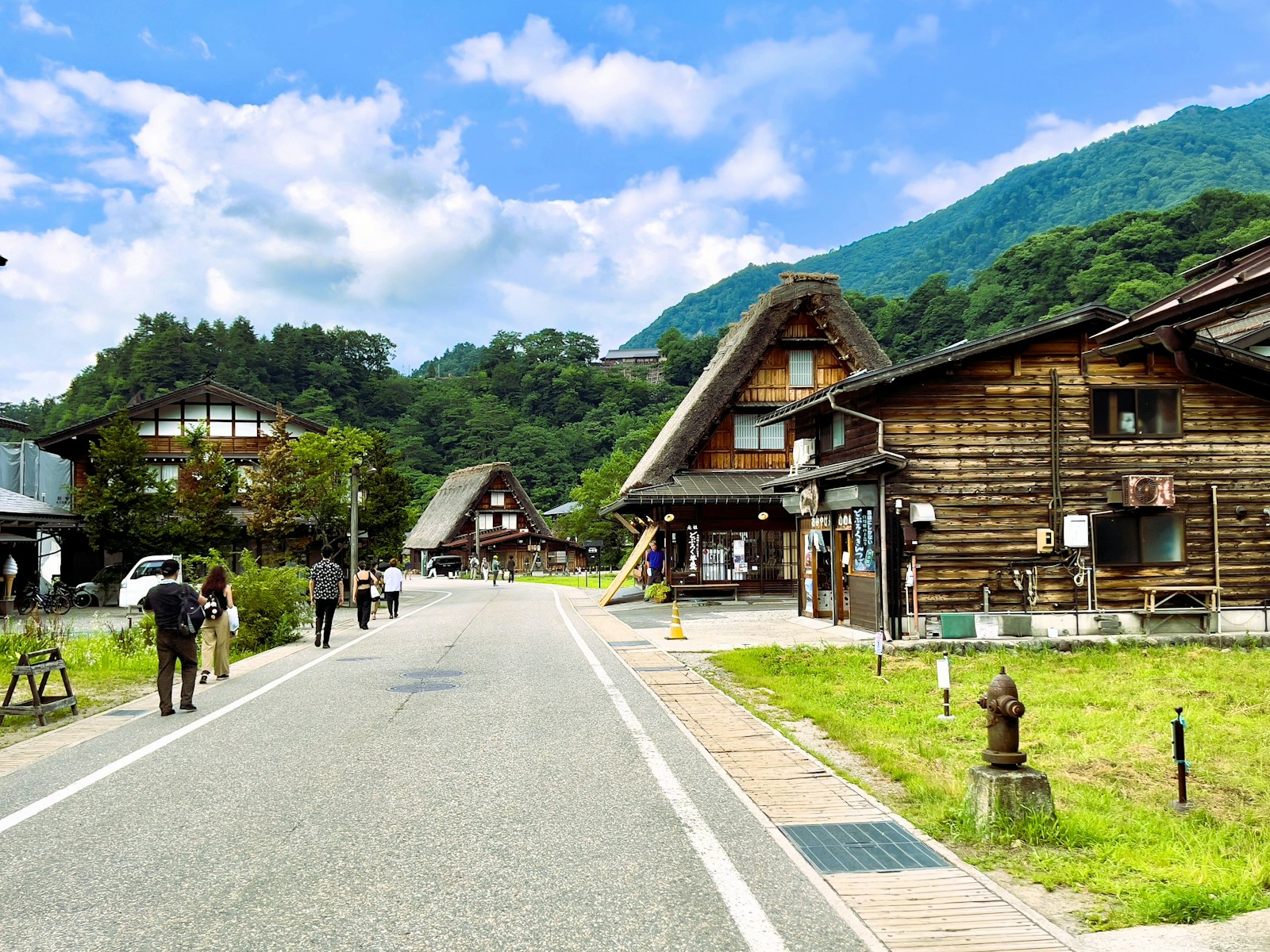
The main village, Ogimachi, holds over a hundred traditional thatched-roof farmhouses, protected as a UNESCO World Heritage Site. Wandering its lanes between the great steep roofs, especially in snow, is the heart of the experience.
A Living Village
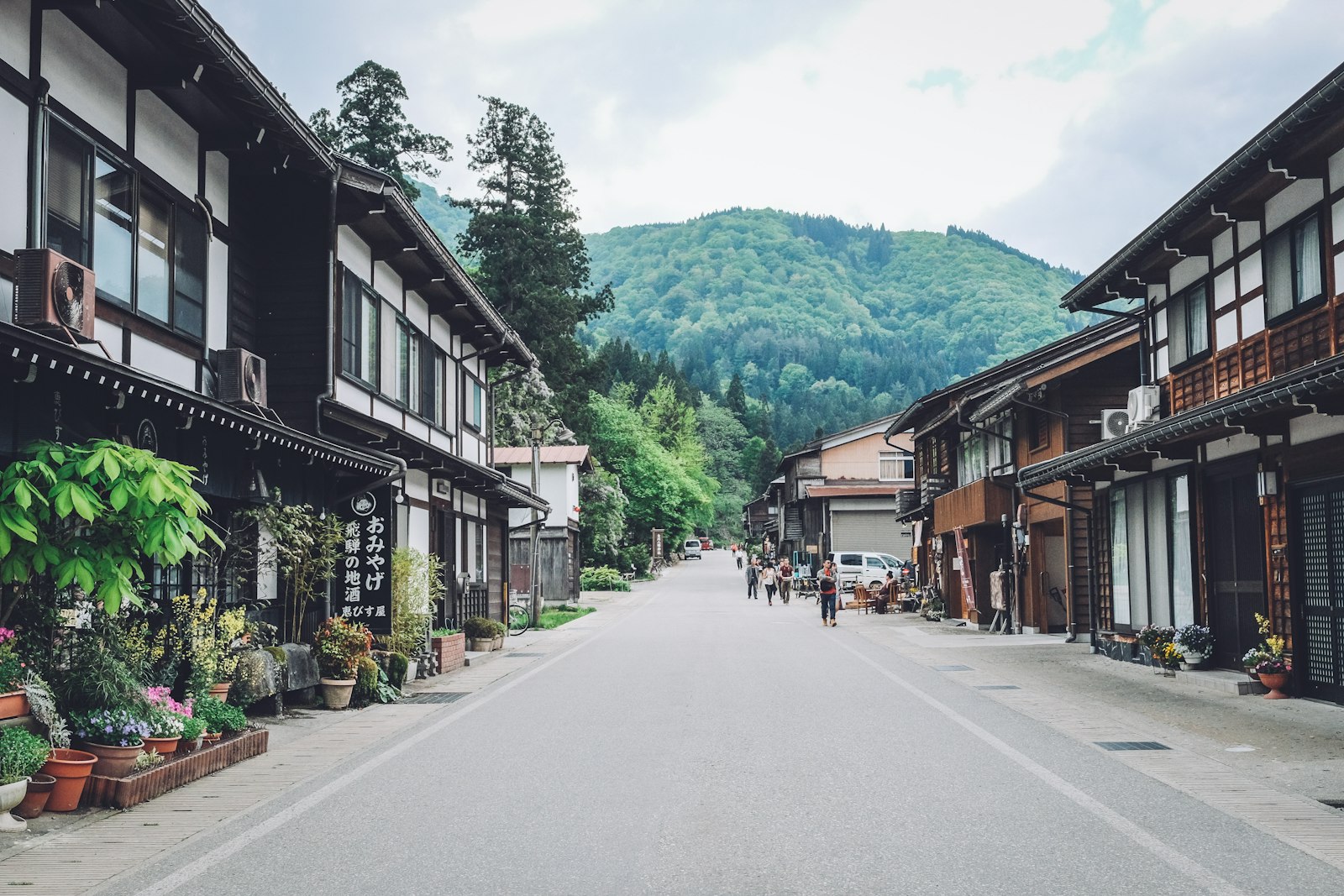
Crucially, Shirakawa-go is not a museum but a living community — residents inhabit and maintain the houses, farming the surrounding land. That means treating it with the respect you would any neighborhood: stay on public paths and do not intrude on private homes and gardens.
Every Season Transforms It
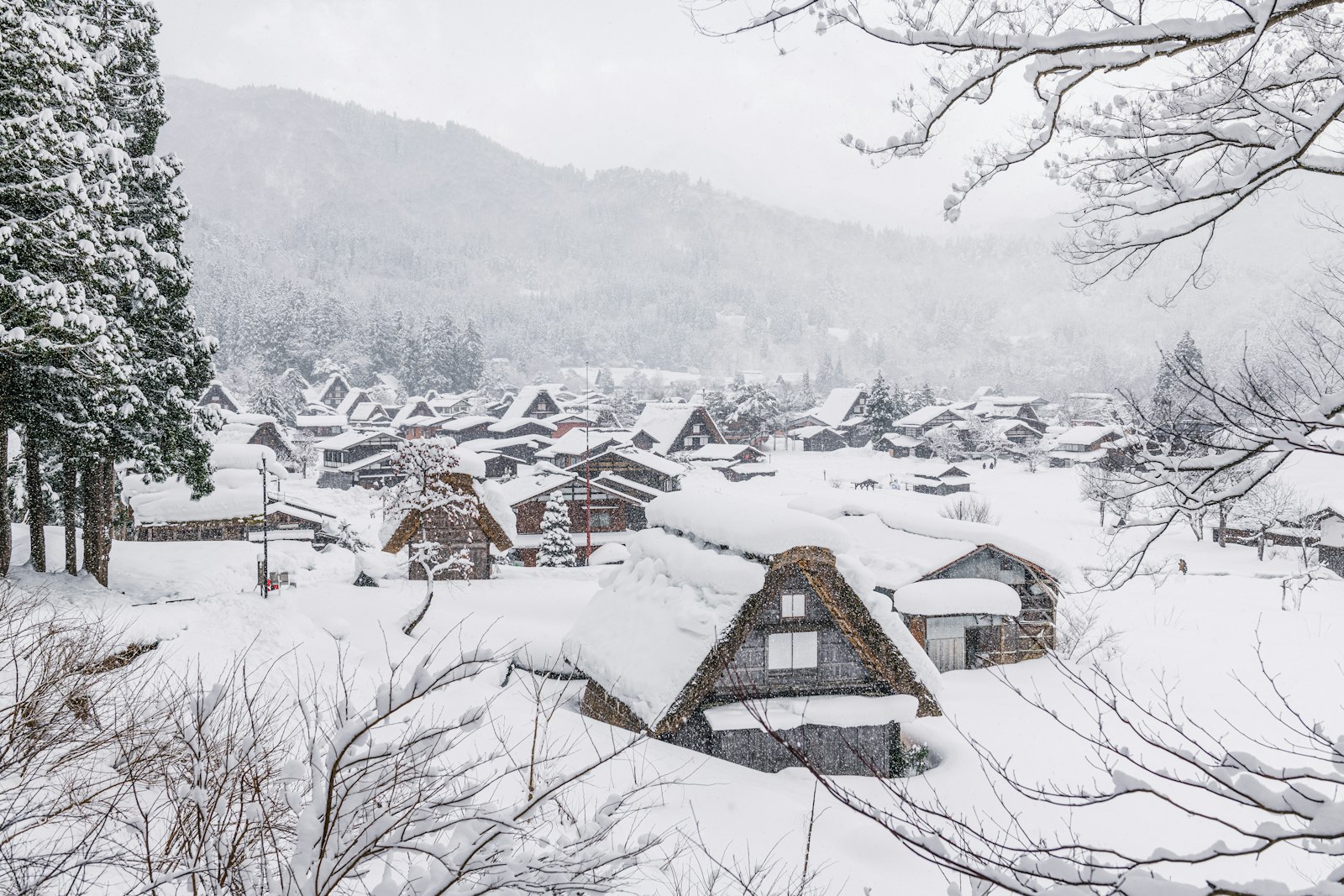
Winter’s deep snow is the iconic image, but Shirakawa-go changes beautifully through the year — green rice paddies in summer, gold in autumn. Winter is the most dramatic and the busiest; the other seasons offer the same architecture in calmer, gentler settings.
The Architecture of Gassho-Zukuri
Hands Joined in Prayer
Gassho-zukuri means “hands joined in prayer,” describing the steep, triangular thatched roofs whose pitch resembles two hands pressed together. That sharp angle, around 60 degrees, sheds the region’s heavy snow rather than letting it accumulate and crush the structure. Form follows a very practical function.
Built Without Nails
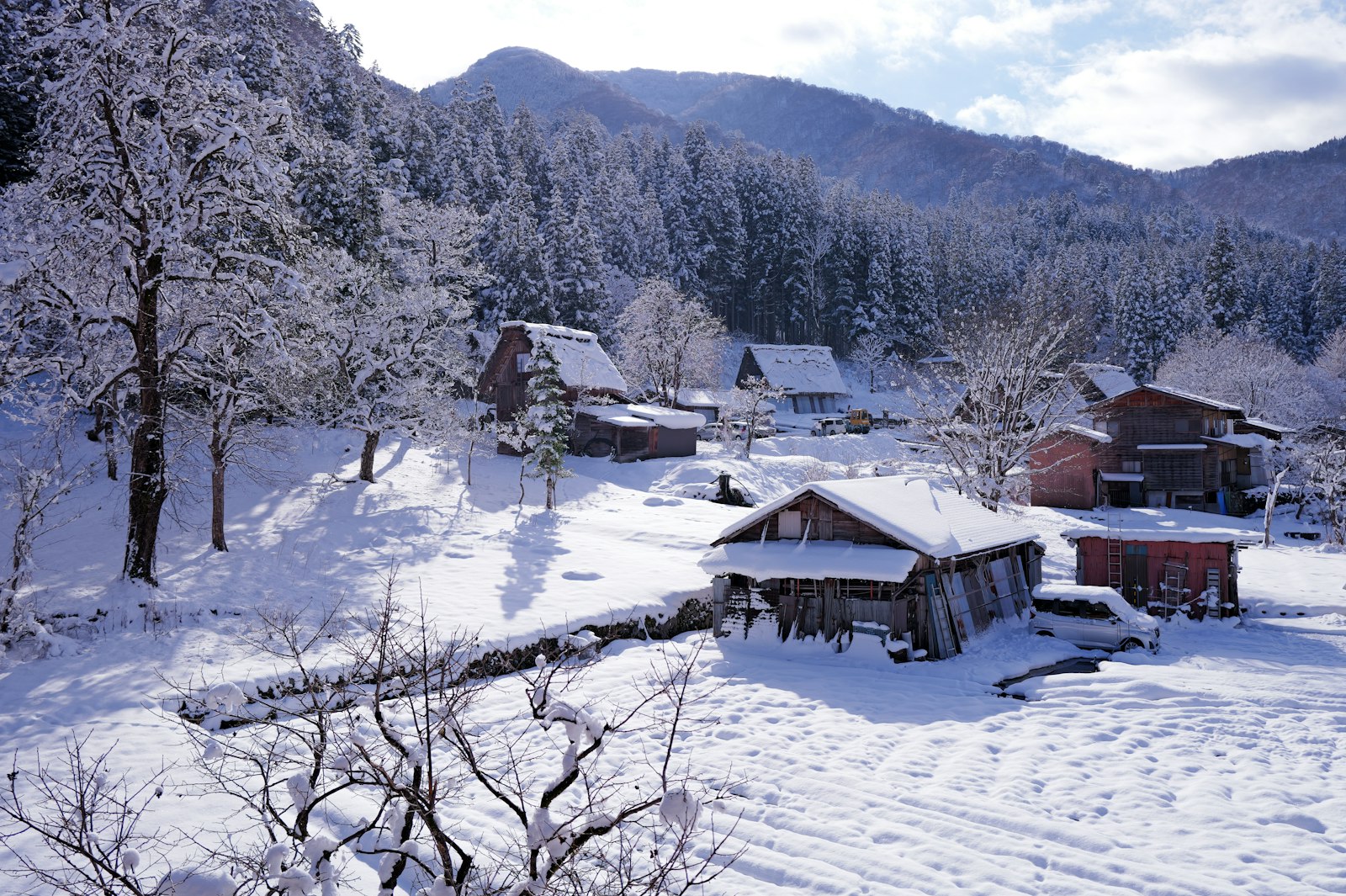
The houses are timber frames bound with rope and joinery rather than nails, a flexible construction that flexes under snow load and wind instead of snapping. This ingenious engineering, passed down over generations, is why the buildings have survived so long in such a harsh climate.
Silk in the Attic
The large attic spaces beneath those soaring roofs were historically used for raising silkworms, a key local industry. Several open houses let you climb up to see these multi-level interiors, revealing how the buildings supported the village’s livelihood as well as its shelter.
Village Highlights and Views
The Historic Houses
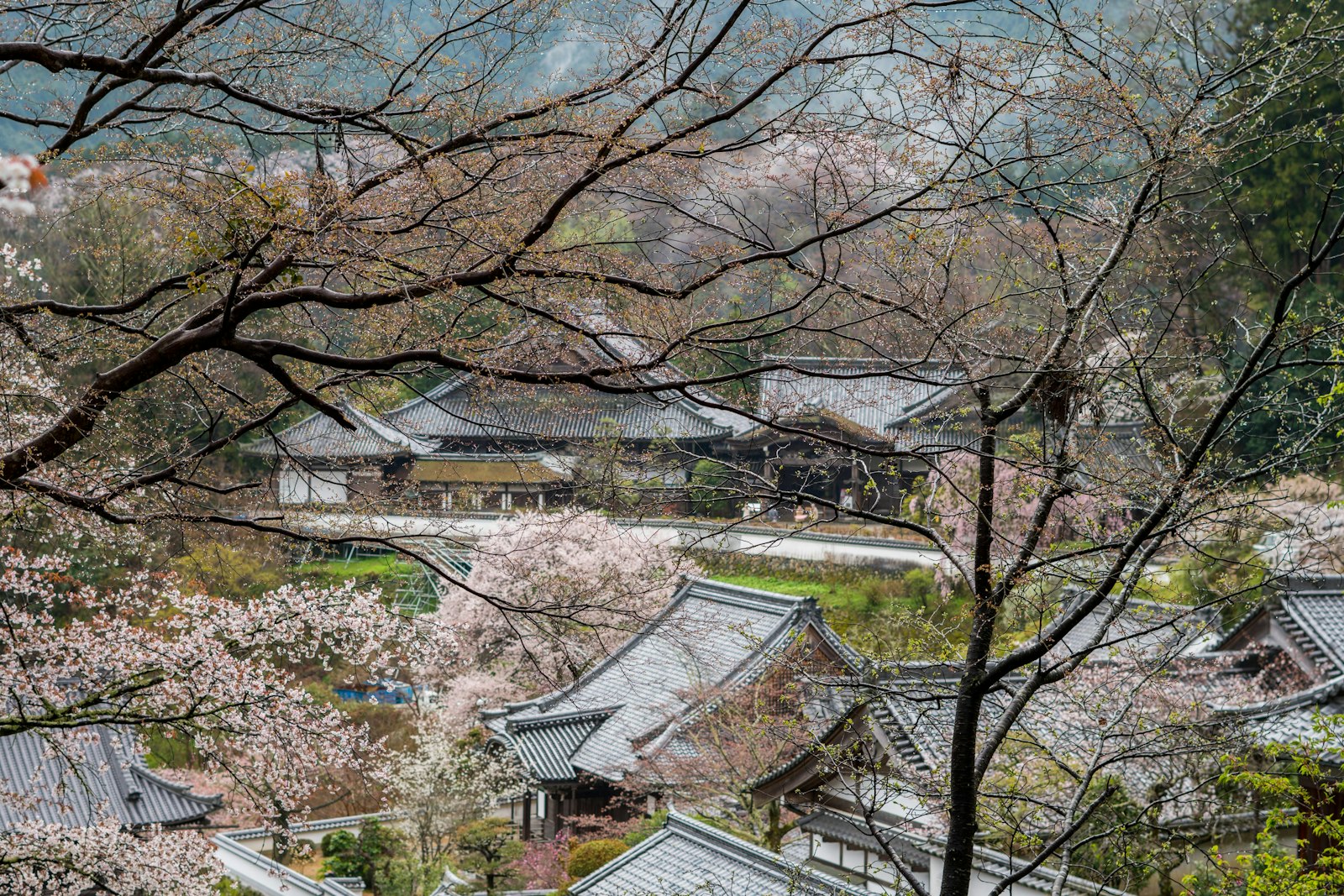
Preserved family estates such as the Wada House and Kanda House are open to visitors, letting you step inside a working gassho-zukuri home, see the irori hearth, and climb to the attic floors. They are the best way to understand daily life within these remarkable buildings.
The Shiroyama Viewpoint
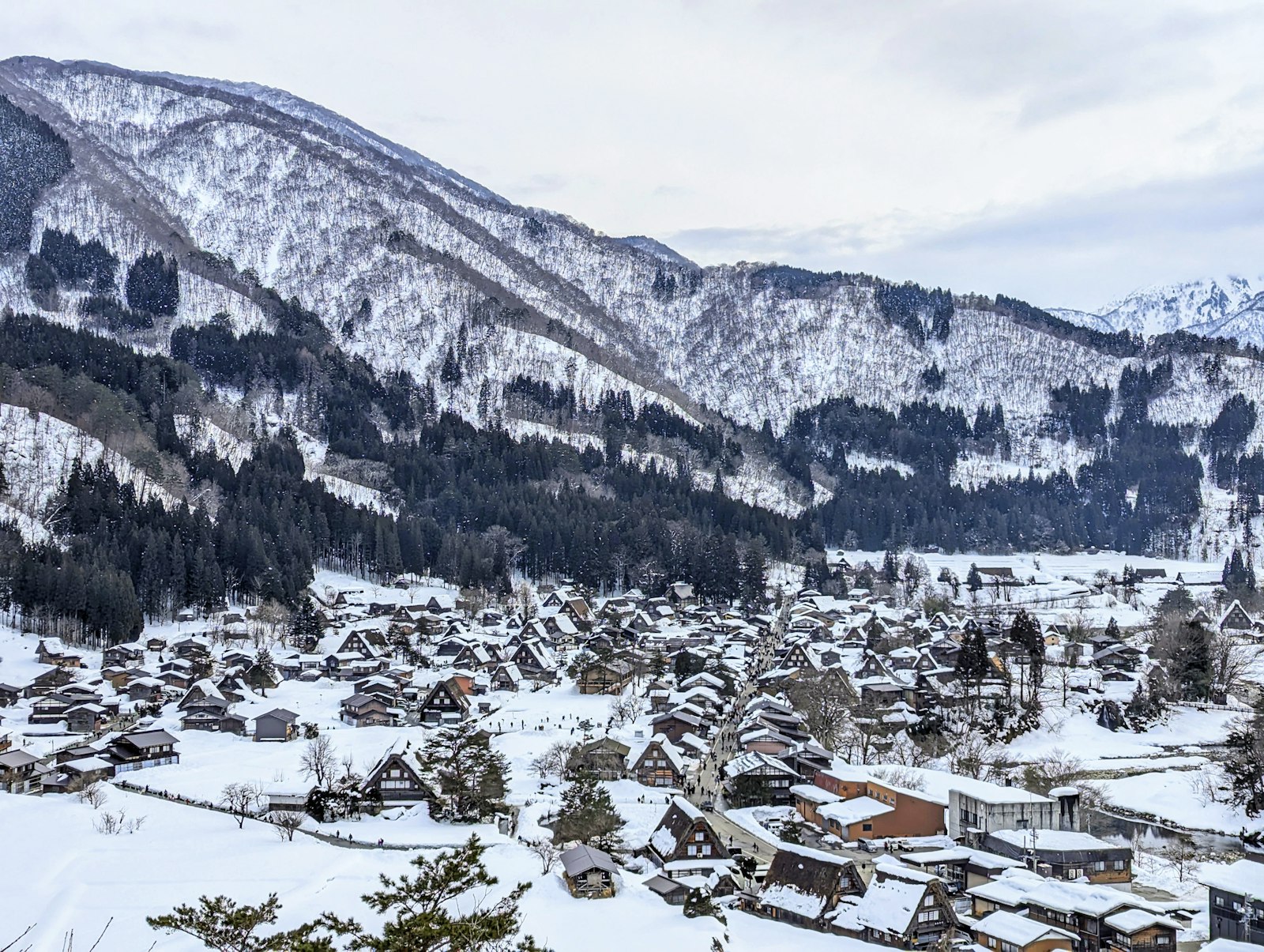
For the classic panorama of the whole village nestled in its valley, head up to the Shiroyama viewpoint, reachable on foot or by shuttle. It is the vantage point behind the famous overview photos, and unmissable in snow.
The Deai Bridge
The Deai-bashi suspension footbridge crosses the river into the village precinct, a scenic entrance that sets the tone as you arrive. Crossing it, with the roofs ahead and the mountains around, is a fitting first step into Shirakawa-go.
The Winter Light-Up
Advance Passes Required
The winter light-up, when the snow-laden roofs are illuminated on select evenings, has become so popular that entry is now controlled by advance lottery and pre-booked passes — you cannot simply turn up. If you want to see it, research the current year’s application process well ahead and book through official channels.
Illuminated Snow
On light-up evenings, spotlights make the thatched roofs glow above deep snowdrifts, creating the storybook scene that draws photographers from around the world. It is a genuinely magical sight, and the strict access rules exist precisely because so many want to see it.
Authorized Night Tours
One reliable way to attend is via authorized night-bus tour packages from Kanazawa or Takayama, which include entry. For visitors without a car or a pre-booked pass, these organized tours are often the most practical route to the light-up.
Transit and Overnight Stays
Buses from Takayama and Kanazawa
Shirakawa-go is reached by highway bus, principally the Nohi Bus services from Takayama and Kanazawa. There is no train to the village, so the bus is the standard route; book ahead in peak periods, as seats fill. It pairs naturally with a visit to either city.
Staying in a Minshuku
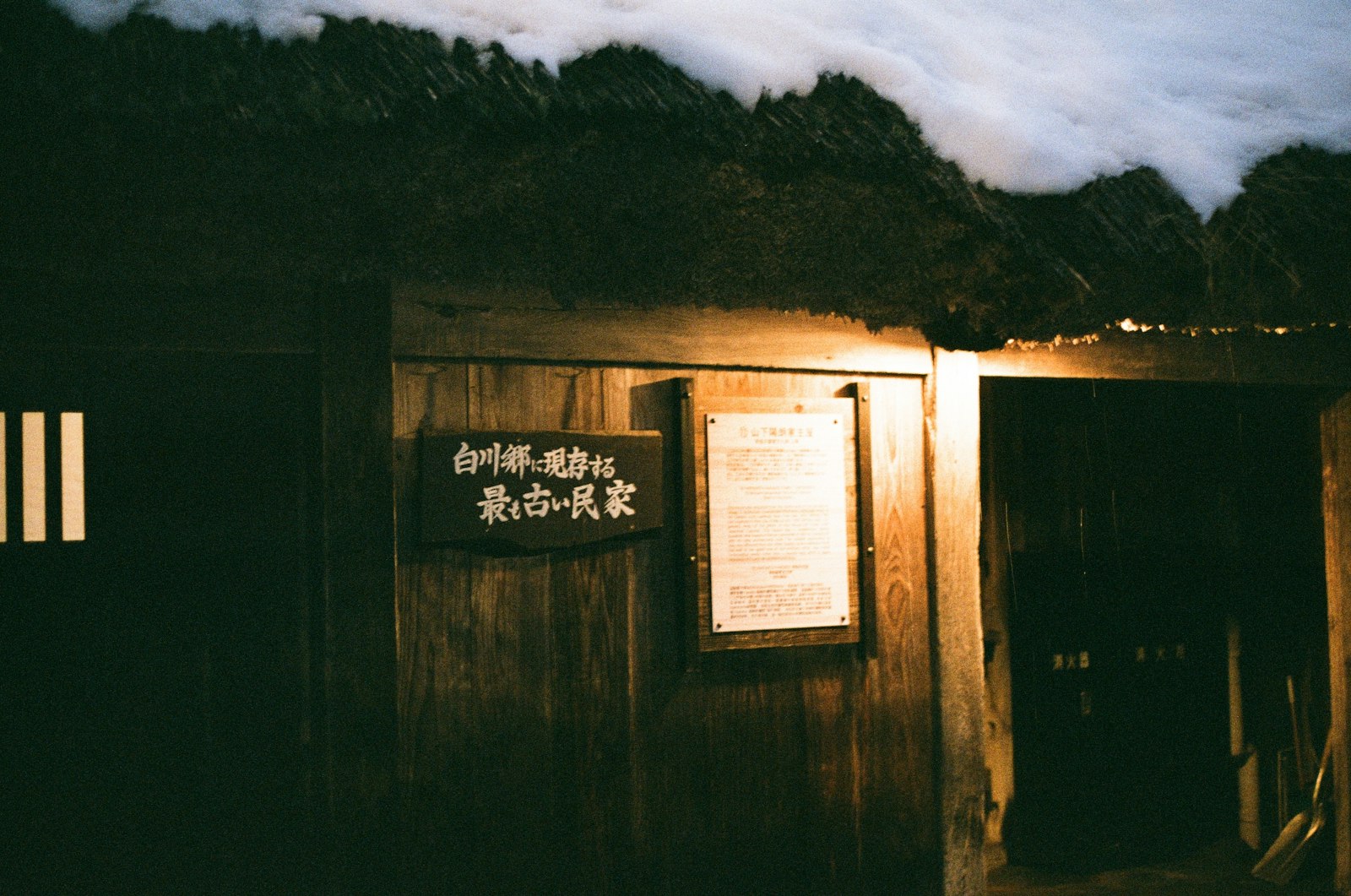
The most rewarding way to experience Shirakawa-go is to stay overnight in a gassho-zukuri minshuku — a family guesthouse inside one of the historic houses. Sleeping on tatami and dining on local Hida beef around an irori hearth, after the day-trippers leave, is unforgettable. Rooms are very limited, so book far ahead.
Luggage Storage
The village lanes are best explored unburdened, and in winter, walking with a suitcase through snow is miserable. Use the lockers or luggage storage at the bus terminal to leave large bags and explore lightly.
Expert Tip
Book a minshuku and stay the night if you possibly can. Shirakawa-go fills with day-trip coaches by late morning and empties again by late afternoon — the village in the quiet early morning and evening, with snow falling and lamps lit, is a completely different, far more magical place than the midday crowds suggest. Rooms in the historic houses are scarce and go months ahead, so decide early.
Visiting Shirakawa-go: Frequently Asked Questions
Is there an entrance fee for the village? Walking through Ogimachi village is free; you pay only to enter specific preserved houses and attractions. The winter light-up, however, requires a pre-booked pass obtained through the official process.
How long do I need for a day trip? A few hours covers the main village, a house or two, and the viewpoint at a comfortable pace. Half a day is ample for a day trip, though staying overnight rewards you with the quiet mornings and evenings.
What footwear do I need in winter? Waterproof, insulated boots with good grip are essential in peak winter, when paths are deep in snow and can be icy. Ordinary shoes will leave you cold and slipping. Dress warmly overall.
Related Tours

Conclusion
Shirakawa-go is one of rural Japan’s most beautiful places — steep thatched roofs, ingenious old engineering, and a valley that turns to a snow-globe scene each winter, all in a village people still call home. Step inside a historic house, climb to the viewpoint, and treat the community with the respect it deserves.
Plan Your Japan Trip with Local Experts
Our team has guided 40,000+ travelers across Japan. Tell us about your trip and we’ll get back to you within 24 hours.