In this article:
- Pillars of the Japanese Workplace
- Corporate Etiquette
- Nomikai: After-Work Drinks
- Work-Life Balance and Reform
- Remote Work and Foreign Professionals
- Japanese Work Culture: Frequently Asked Questions
Introduction
Japanese work culture carries a heavy reputation abroad — lifetime jobs, punishing hours, rigid hierarchy. Some of that is real, some outdated, and much is more nuanced than the stereotype. Understanding it matters whether you are here to do business, thinking of working in Japan, or simply trying to make sense of the country.
It is also changing, pushed by reform and a generation with different expectations. Here is the traditional picture and where it is shifting.
Pillars of the Japanese Workplace
A few long-standing ideas shape the traditional workplace.
Lifetime Employment and Seniority
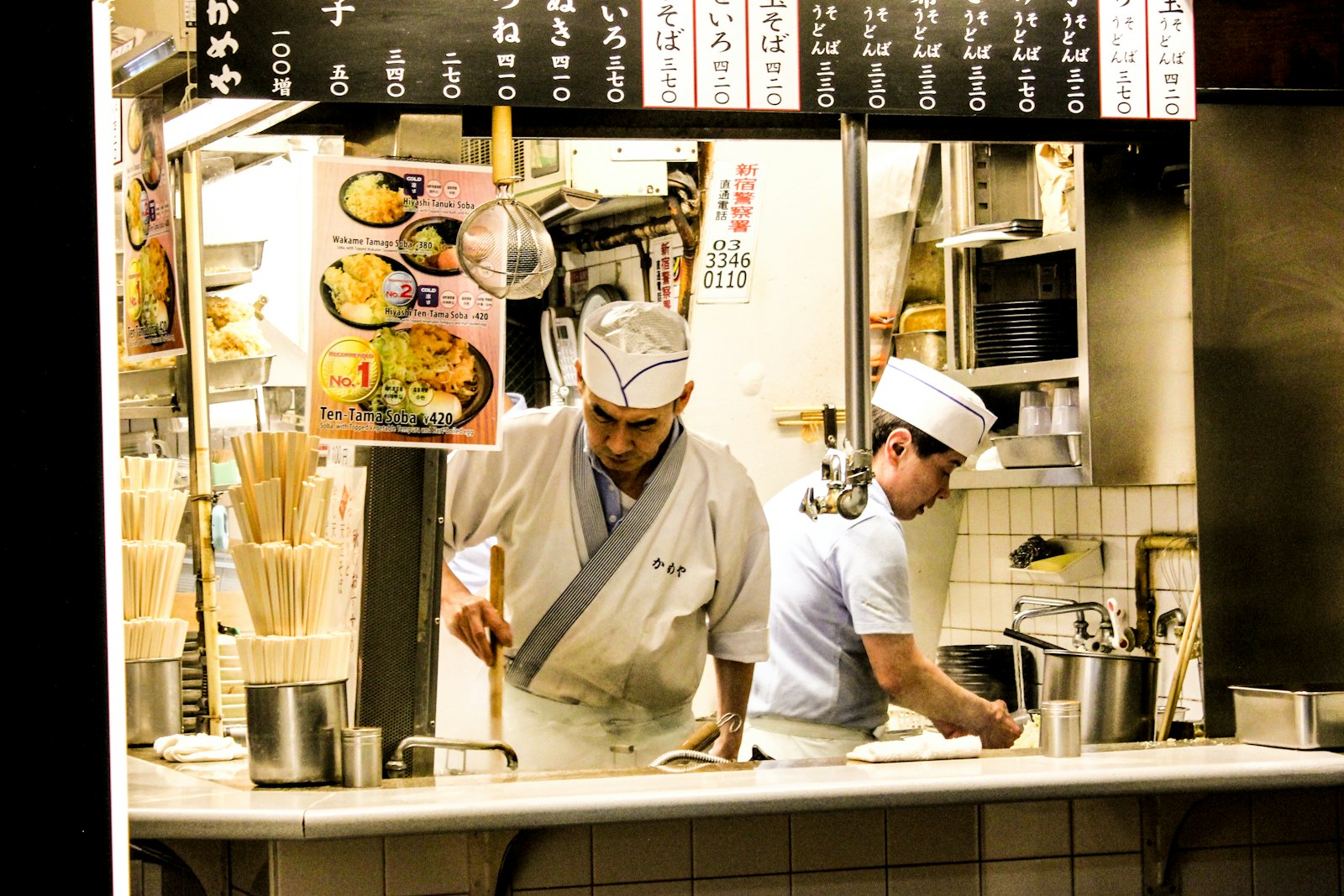
The classic model was shushin koyo — lifetime employment — paired with nenko joretsu, pay and promotion based on seniority. An employee joined a company and rose steadily with age and tenure. This is eroding in modern Japan, but its legacy still shapes expectations of loyalty and long service.
Hierarchy and Respect
Relationships follow the senpai-kohai (senior-junior) structure, with juniors deferring to and learning from seniors, and clear respect flowing upward. Navigating this hierarchy — knowing your place in it and honoring others’ — is fundamental to fitting into a Japanese workplace.
Group Harmony
The concept of wa, group harmony, prizes team consensus and smooth relations over individual assertion. Openly contradicting a superior or forcing a confrontation disrupts wa and is avoided. Decisions and disagreements are handled indirectly to preserve the harmony of the group.
Corporate Etiquette
Exchanging Business Cards
The exchange of business cards (meishi) is a small ceremony: offer and receive with both hands, read the card you are given carefully, and treat it with respect rather than pocketing it casually. The meishi represents the person and their company, and handling it well signals that you understand Japanese business courtesy.
Bowing
The bow (ojigi) is calibrated to context, with deeper bows conveying greater respect or apology. As a visitor you are not expected to master every nuance, but a sincere, appropriately timed bow is always well received. Matching the depth of the bow you are given is a safe guide.
Seating Order
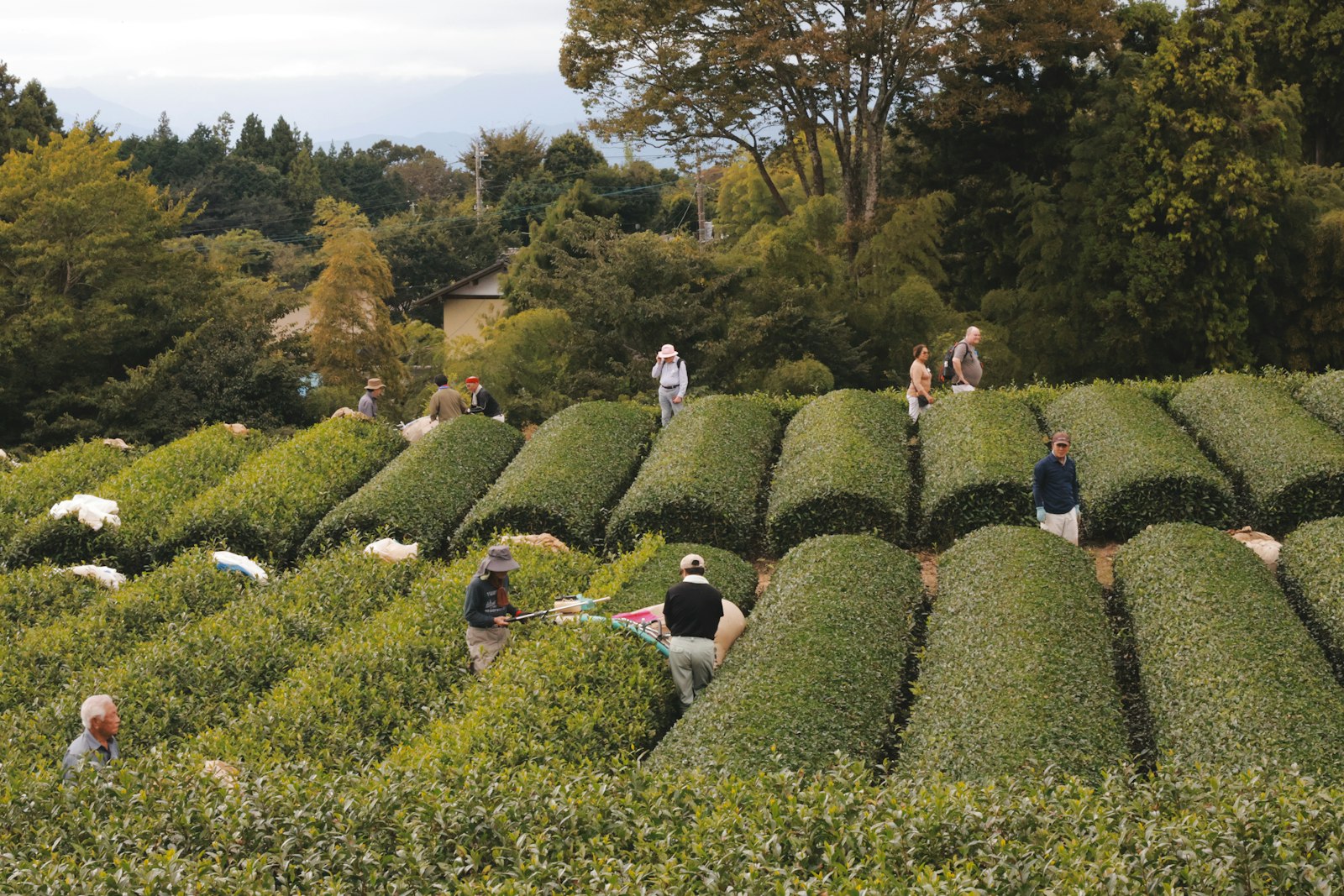
Seating follows hierarchy, with the seat of honor (kamiza), typically furthest from the door, reserved for the most senior person, and the lower seat (shimoza) nearest the door for juniors. This applies in meeting rooms and even taxis. Letting the senior person take the honored seat is expected courtesy.
Nomikai: After-Work Drinks
Bonding Over Drinks
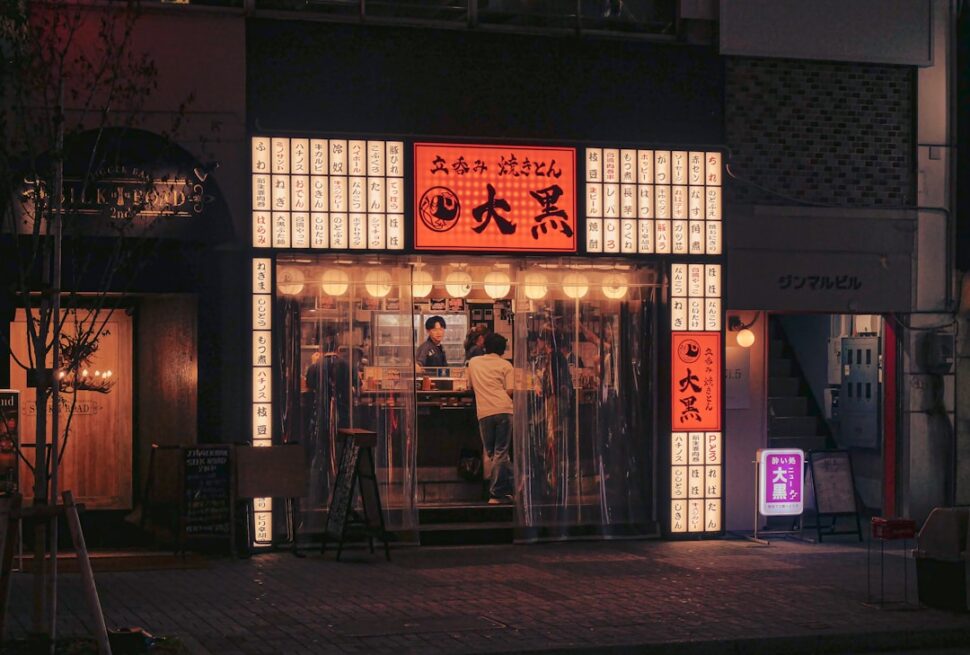
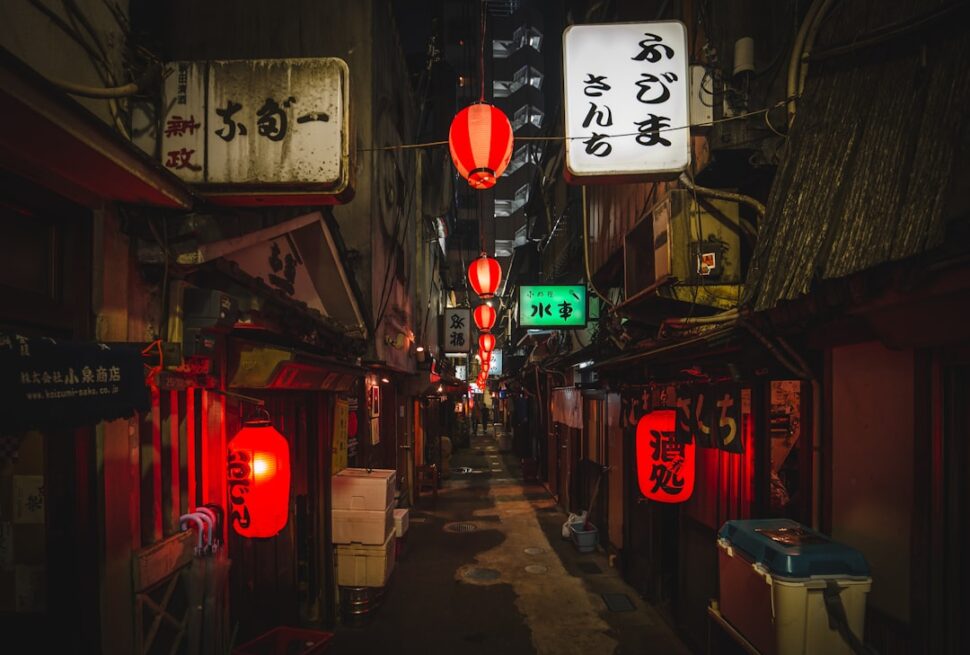
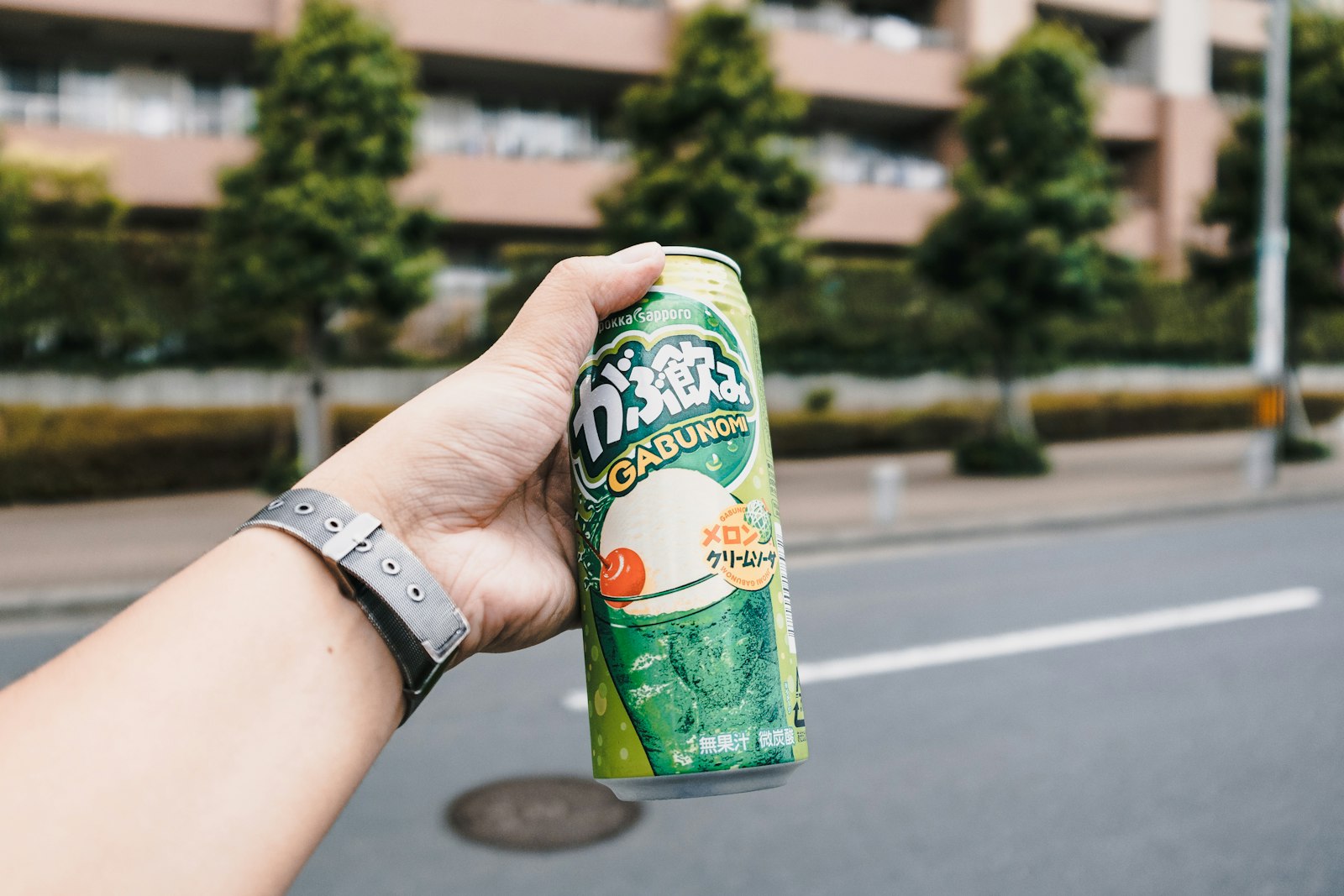
The after-work drinking party (nomikai) is a pillar of Japanese work life, a setting where colleagues relax, build bonds, and smooth over office frictions outside the formal hierarchy. Much relationship-building, and some real communication, happens over these drinks rather than at desks.
Pouring Etiquette
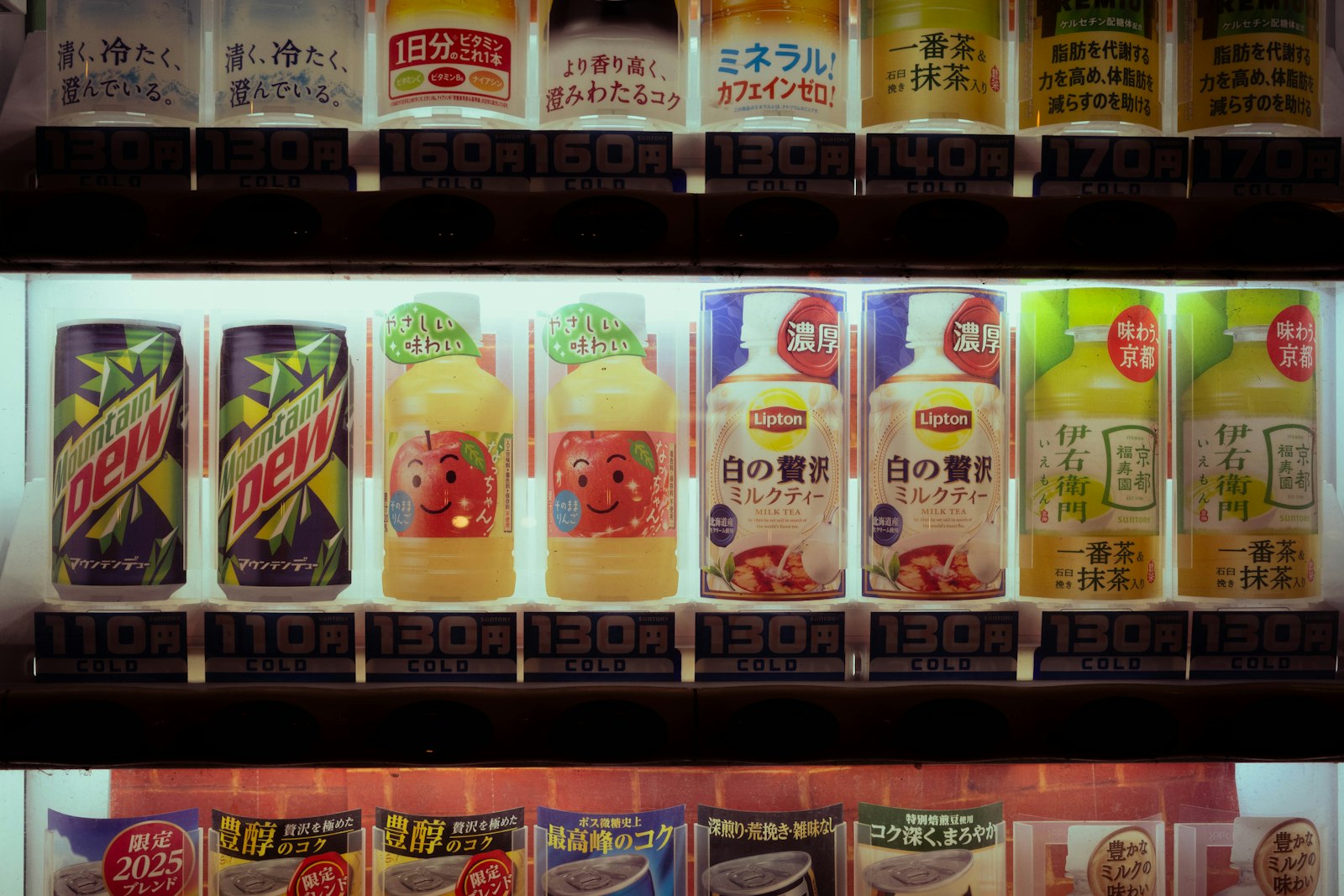
At a nomikai, you pour for others rather than yourself, keep your colleagues’ glasses topped up, and begin together with a shared “kanpai.” Attending to others’ drinks is a courtesy that carries real social weight. Watch and follow the group’s lead.
The Unspoken Free Pass
There is a degree of forgiveness for things said or done while drinking, an unofficial understanding that nomikai candor and minor missteps are left behind once back in the office. This release valve is part of why the ritual matters, allowing a franker exchange than the formal workplace permits.
Work-Life Balance and Reform
Overtime Pressure
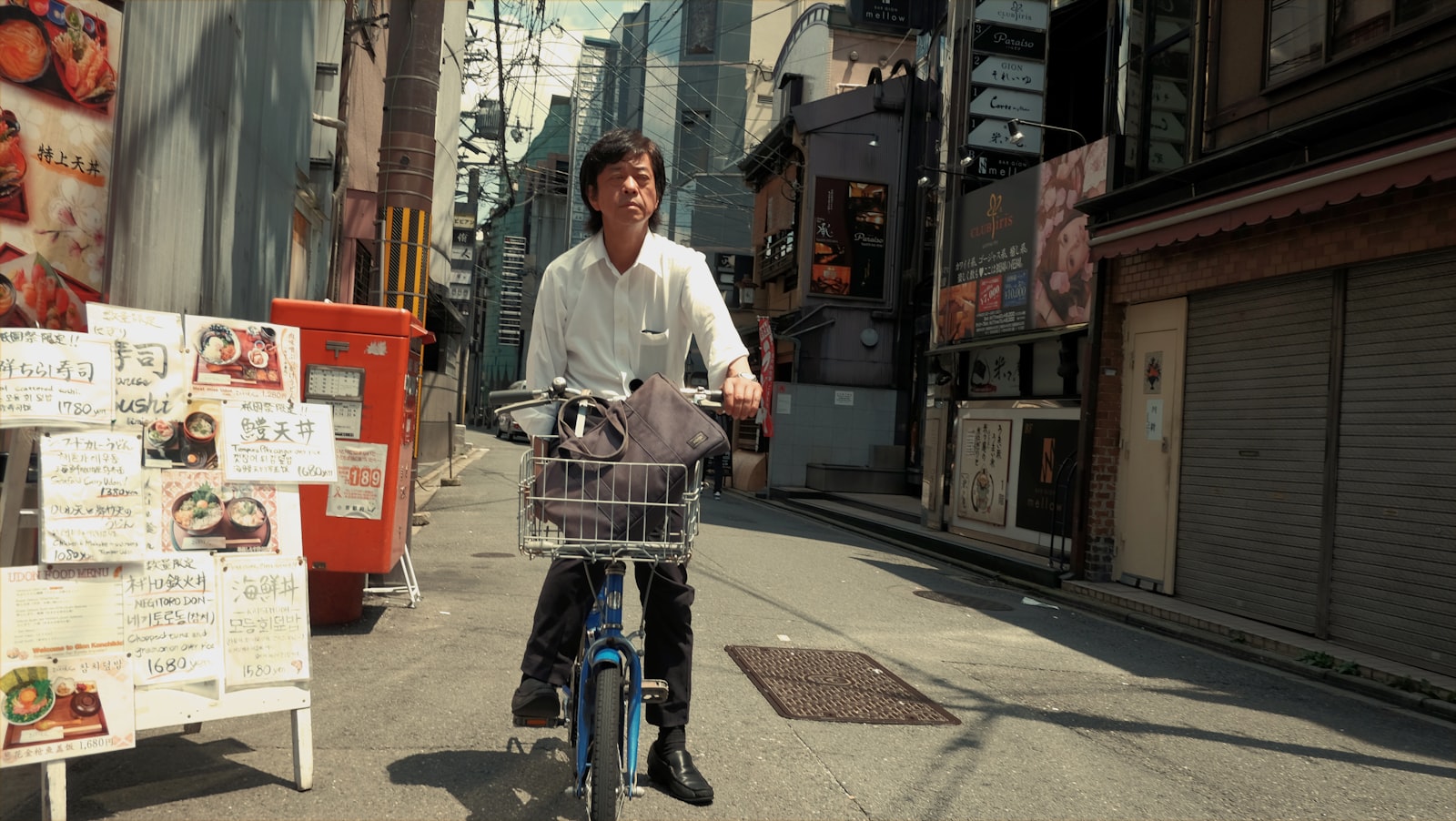
Long overtime (zangyo) and social pressure not to leave before one’s boss have been persistent features of Japanese work life. The expectation of visible dedication, sometimes over actual productivity, has drawn criticism at home and abroad, and is a central target of reform.
Tackling Overwork
Concern over karoshi — death from overwork — spurred government “work style reform” measures, including caps on overtime and pushes to ensure employees take paid leave. These reforms aim to change entrenched habits, and progress is real if uneven. The culture is genuinely shifting.
Family Leave
Efforts to encourage men to take paternity leave, historically rare, are part of a broader move toward better work-life balance. Uptake remains modest but is growing, reflecting changing attitudes among younger workers and policy encouragement.
Remote Work and Foreign Professionals
The Shift to Remote
The pandemic accelerated remote and hybrid work in Japan, blending office attendance with telework in ways once resisted. While many firms have pulled back toward the office, the experience loosened some rigid attendance norms and opened a conversation about flexibility.
Working as a Foreigner
Foreign professionals in Japan adapt to consensus-driven decision-making, including the ringi system in which proposals circulate for collective approval. Decisions can feel slow to outsiders used to top-down speed, but the consensus, once reached, tends to be firmly supported. Patience and relationship-building matter.
Startups and Change
Japan’s growing startup and tech scene often operates with flatter, more global cultures than the traditional salaryman world, attracting younger workers and foreigners. These companies are helping shift expectations, offering an alternative to the classic corporate model.
Expert Tip
If you are doing business in Japan, invest in the relationship before the transaction. Western instincts to push for a quick decision or to debate openly in the room can backfire, since decisions are built through consensus (nemawashi and ringi) behind the scenes, and harmony is preserved in meetings. Present carefully, follow up individually, and accept the nomikai invitation — much of the real progress happens in those informal settings, not across the negotiating table.
Japanese Work Culture: Frequently Asked Questions
Is attending nomikai mandatory? Officially no, but there can be real social pressure to attend, and skipping every one may affect relationships. Attitudes are relaxing, especially among younger workers and at modern companies, and occasional polite declining is increasingly accepted.
Do foreign workers face the same overtime pressure? It varies by company. Traditional firms may extend the same expectations, while international companies and startups often have more balanced cultures. Researching a specific employer’s culture before joining is wise.
What is the ringi system? Ringi is a consensus decision-making process in which a proposal document circulates among stakeholders for review and approval before a decision is finalized. It builds broad buy-in but can make decisions slower than in top-down organizations.
Related Tours
Conclusion
Japanese work culture is a system of hierarchy, harmony, and dedication, expressed in everything from the two-handed business card to the after-work nomikai — and it is genuinely evolving under reform and a new generation’s expectations. The stereotype of endless overtime is real in places but no longer the whole story.
Plan Your Japan Trip with Local Experts
Our team has guided 40,000+ travelers across Japan. Tell us about your trip and we’ll get back to you within 24 hours.