In this article:
- Soy Sauce and the Wheat Problem
- Allergy Cards and Communication
- Naturally Gluten-Free Dishes
- Dedicated Gluten-Free Restaurants
- Supermarkets and Labels
- Gluten Free in Japan: Frequently Asked Questions
Introduction
Rice is the staple, the food is famously clean, and there is no bread on the table. Japan reads as an easy gluten-free destination, and travelers with coeliac disease regularly arrive expecting it to be.
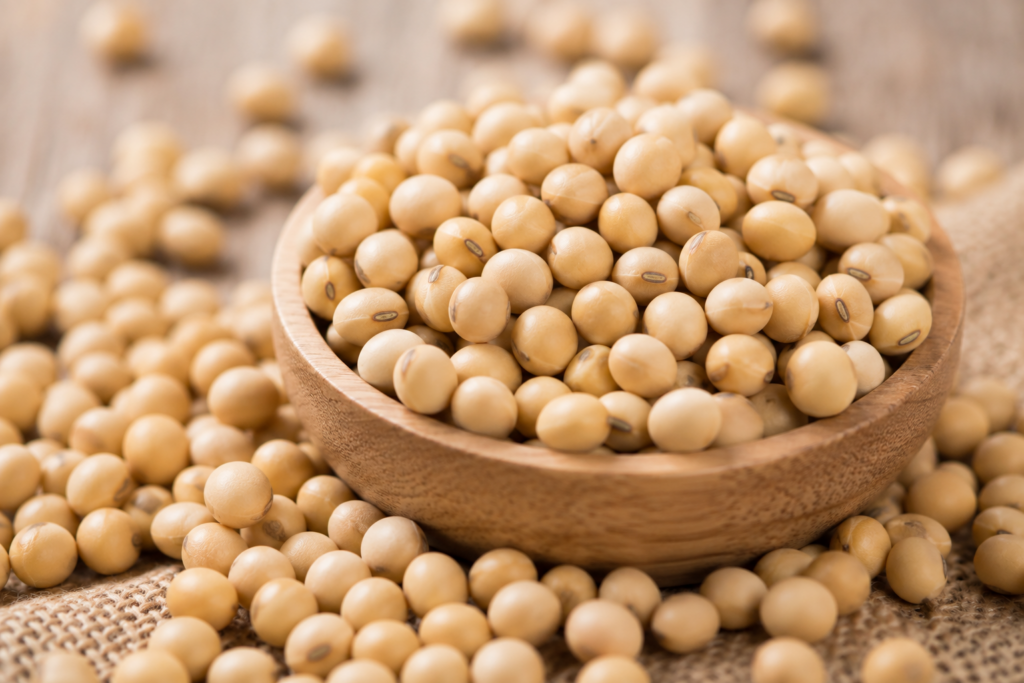
It is not. Ordinary Japanese soy sauce is brewed from soybeans and roughly equal quantities of wheat, and soy sauce is in almost everything — teriyaki, ramen broth, dipping sauces, simmered dishes, the marinade on grilled fish. Most soba noodles contain wheat flour. Curry roux is thickened with wheat.
Awareness of coeliac disease is also low. Japan’s allergen labelling law covers wheat, so packaged food is readable, but the concept of cross-contamination is not widely understood in restaurants. This is navigable with preparation and difficult without it.
Soy Sauce and the Wheat Problem
Three categories account for nearly all the risk.
Soy Sauce
Standard shoyu is brewed with wheat as a co-equal ingredient with soybeans. It is not a trace; it is a base ingredient.
Tamari is the wheat-free alternative, traditionally a byproduct of miso production, and it tastes close enough to substitute directly. Not all tamari is wheat-free, so the label still needs checking, but the wheat-free versions are clearly marked.
Hidden Wheat
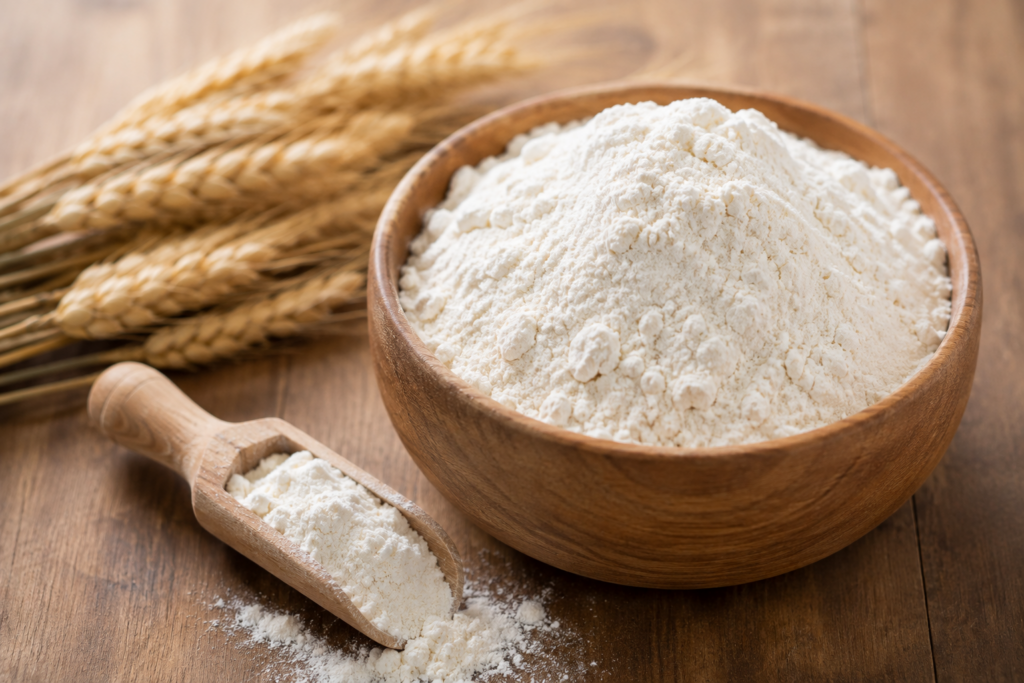
Curry roux is a wheat-flour base. Tempura batter is wheat. Most soba noodles are cut with wheat flour — commonly 80 percent buckwheat to 20 percent wheat. Miso is sometimes made with barley. Dashi granules and stock powders frequently contain wheat derivatives.
Imitation crab, fish cakes, and processed products often use wheat starch as a binder. Anything with a sauce should be assumed to contain soy sauce unless confirmed otherwise.
Cross-Contamination
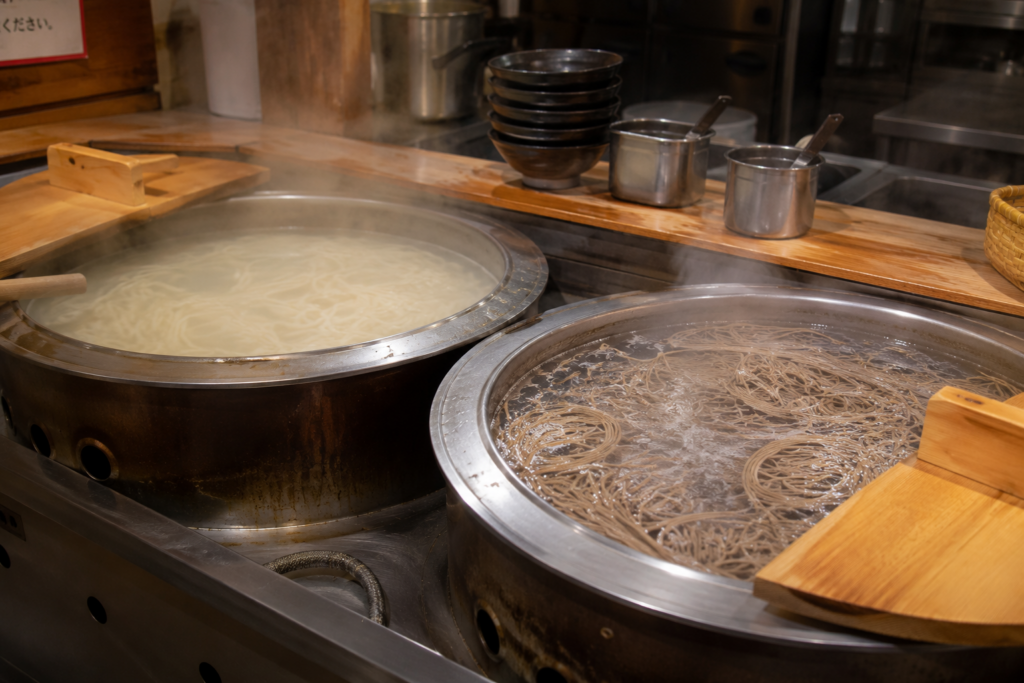
Tempura and other fried items usually share a fryer. Soba shops boil wheat udon in the same water. Yakitori grills handle both salted and sauce-glazed skewers over the same fire.
For coeliac travelers this is the real difficulty rather than ingredient identification. Restaurants generally will not have considered it, and asking requires explaining the concept rather than just the requirement.
Expert Tip
Carry your own small bottle of wheat-free tamari. It is the single most effective adjustment a gluten-free traveler can make in Japan, because it converts a large category of otherwise-forbidden food — sashimi, plain rice, grilled fish, cold tofu — into complete meals. Small travel bottles are sold in Japanese supermarkets and natural food shops.
Allergy Cards and Communication
Written Japanese is far more reliable than spoken English here.
Dietary Cards
A printed card explaining, in Japanese, that you cannot eat wheat including soy sauce, and why, is essential. Several coeliac organisations publish free Japanese-language versions.
The critical element is naming soy sauce explicitly. A card that says only “no wheat” will often produce a dish with soy sauce in it, because staff do not associate the two.
Explaining Coeliac Disease
Coeliac disease is rare in Japan and poorly known. Framing the requirement as a serious medical allergy — arerugi — is more effective than describing an intolerance, because allergy protocols are well understood and taken seriously.
Include a line about cooking surfaces and shared oil. Without it, staff will address ingredients and not preparation.
When to Tell Them
Raise it before you are seated. Many restaurants will say they cannot accommodate you, and that answer is far more useful at the door than after you have ordered.
This is not rudeness on either side. Japanese restaurants are frequently single-dish specialists with no flexibility in the kitchen, and a clear refusal is a form of honesty.
Naturally Gluten-Free Dishes
A useful amount of Japanese food is safe once you know what to look for.
Towari Soba
Juwari or towari soba is 100 percent buckwheat with no wheat binder, and specialist shops advertise it. Buckwheat is unrelated to wheat despite the name.
The caveat is the kitchen: many soba shops also serve udon and use the same boiling water. Ask whether the pot is shared. Some dedicated juwari shops serve nothing else, and those are the safe ones.
Sashimi and Shio Yakitori
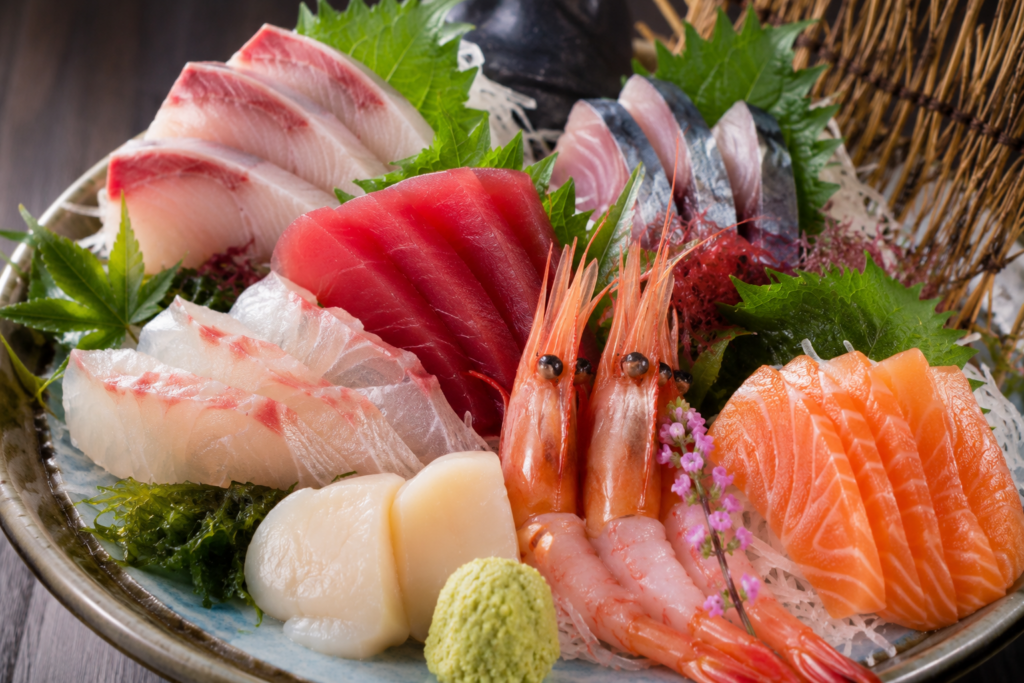
Sashimi is raw fish and rice with nothing added — safe, provided you use your own tamari rather than the table soy sauce.
Yakitori comes two ways: shio (salt) and tare (sauce). Shio is safe on ingredients; the grill is shared with tare skewers, which matters for coeliacs. Ask for shio and, if you can, ask them to grill it on a clean section.
Rice and Grilled Dishes
Plain rice, onigiri with salt or umeboshi, grilled fish without marinade, cold tofu, edamame, and most pickles are straightforward.
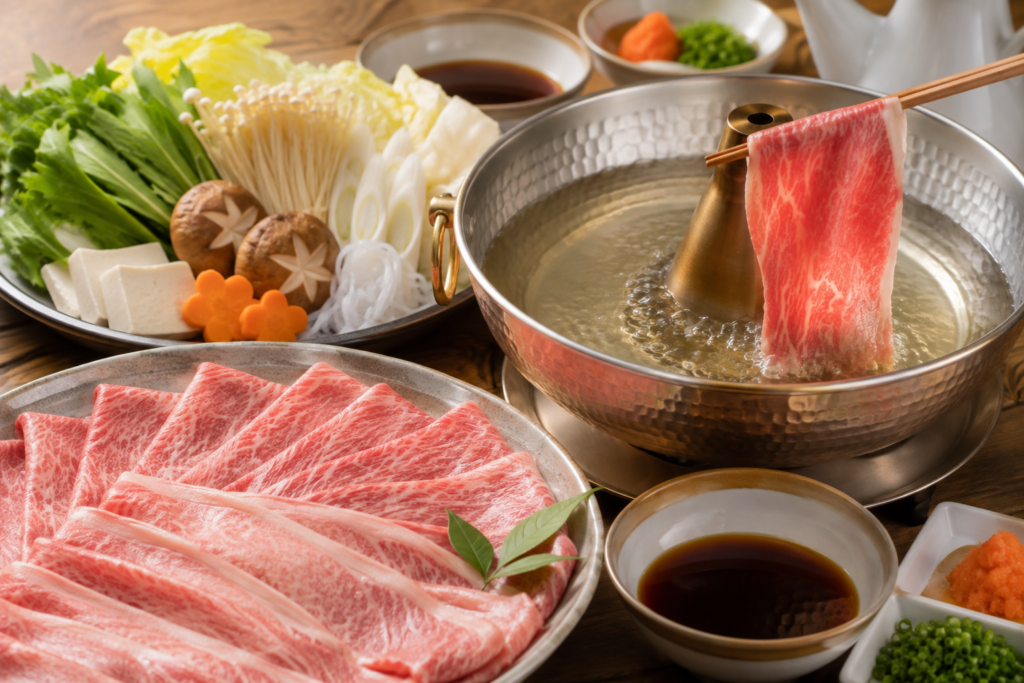
Shabu-shabu and sukiyaki are borderline — the broth and dipping sauces usually contain soy sauce, but a plain kombu broth version with your own tamari works at many restaurants.
Dedicated Gluten-Free Restaurants
A small but genuine gluten-free scene has developed in the major cities.
Gluten-Free Ramen
Several Tokyo and Kyoto shops now serve ramen with rice-flour noodles and gluten-free seasoning. Soranoiro in Tokyo offers a gluten-free option and is one of the better-known ramen shops to do so.
Kyoto has a small number of fully gluten-free ramen operations. These change over time, so check current listings rather than relying on a name from an older article.
Rice Flour Bakeries
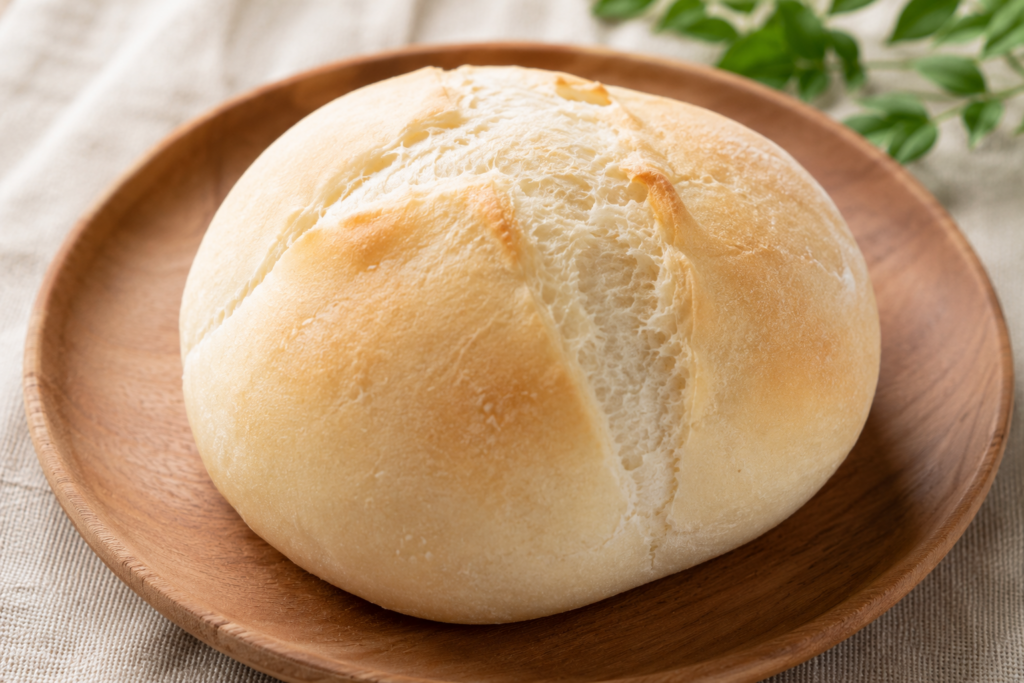
Komeko — rice flour — bakeries exist in most large Japanese cities, producing bread, pastries, and cakes without wheat.
Some are fully dedicated gluten-free kitchens and some produce both, so ask. Japan’s rice flour baking is technically good and the results are better than most Western gluten-free equivalents.
Finding Them
The Gluten-Free Japan community resources and Find Me Gluten Free both carry listings, and Tokyo and Kyoto have dedicated cafes in the Harajuku, Nakameguro, and Gion areas.
Coverage outside the major cities is very thin. For regional travel, plan around supermarkets and self-catering.
Expert Tip
Japanese allergen labelling law requires the seven major allergens, wheat among them, to be declared on packaged food. This makes supermarket shopping substantially more reliable than restaurant eating. For a gluten-free traveler, booking accommodation with a kitchen for part of the trip removes most of the daily stress and costs less than restaurant meals.
Supermarkets and Labels
Packaged food is the safest category in Japan and it is readable with one character.
Reading for Wheat
Komugi — 小麦 — is wheat, and it appears in the allergen box printed on packaged food, usually at the end of the ingredients list in a bordered panel.
Also watch for 大麦 (barley), 麦芽 (malt), and 醤油 (soy sauce). Learning to spot 小麦 alone catches the large majority of cases.
Convenience Store Picks
Salted onigiri, umeboshi onigiri, boiled eggs, nuts, fresh fruit, plain yoghurt, and edamame are all reliable.
Avoid anything fried, anything with sauce, and instant noodles. Sandwiches, obviously, but also many products that appear rice-based use wheat starch as a binder — check the panel.
Self-Catering
Supermarkets stock plain rice, fresh fish and meat, tofu, vegetables, rice noodles, and wheat-free tamari. Rice paper and rice flour are widely available.
Larger stores and natural food shops such as Natural House carry dedicated gluten-free products. An apartment with a rice cooker covers a lot of ground.
Gluten Free in Japan: Frequently Asked Questions
Can coeliacs eat sushi safely? The fish and rice are fine, but sushi rice is seasoned with vinegar that sometimes contains additives, and imitation crab, tamagoyaki, and eel sauce all contain wheat. Conveyor-belt restaurants pose the greatest cross-contamination risk. A counter sushi restaurant where you can speak to the chef and use your own tamari is the safer option.
Is towari soba guaranteed safe? The noodles themselves are 100 percent buckwheat, but most soba shops also serve wheat udon and often use shared boiling water. Ask specifically about the pot. Dedicated juwari soba shops that serve nothing else are the reliable choice.
Is tamari easy to buy in Japan? Yes, in supermarkets and natural food shops, though it is less common than ordinary shoyu and not every tamari is wheat-free — check for 小麦 in the allergen panel. Buy a small travel bottle early in your trip and carry it.
Related Tours
Conclusion
Carry tamari, carry a Japanese card that names soy sauce explicitly, and learn to recognise 小麦 on a label. Those three things handle most of Japan.
For coeliac travelers specifically, book at least a few nights with a kitchen. Japanese supermarkets are excellent, the labelling is legally mandated and reliable, and cooking for yourself removes the cross-contamination question entirely on the days you need a break from asking.
Plan Your Japan Trip with Local Experts
Our team has guided 40,000+ travelers across Japan. Tell us about your trip and we’ll get back to you within 24 hours.