In this article:
- The Entry Position
- Travel Vaccines Worth Discussing
- Routine Immunisations
- Seasonal Health
- Getting Medical Help in Japan
- Japan Vaccination Requirements: Frequently Asked Questions
Introduction
There are no mandatory vaccinations to enter Japan. Nobody will ask for a certificate at immigration and there is no health document to obtain.
That answer covers the overwhelming majority of the people who search for this. Japan is a high-income country with excellent sanitation, safe tap water, one of the world’s best public health systems, and no endemic tropical disease of consequence to a short-term visitor.
The questions that are genuinely worth asking a doctor are narrower: whether your routine immunisations are current, whether you are travelling into rural areas in summer for an extended period, and what to do about pollen if you are coming in March. This article is about those.
Nothing here is medical advice. Take it to a travel clinic or your own doctor, and check the CDC, the NHS, or your national equivalent for current recommendations, which change.
The Entry Position
The process is straightforward, and the rules have remained stable since Japan lifted its pandemic border measures in 2023.
No Required Vaccinations
Japan does not require proof of any vaccination for entry, including yellow fever and cholera. It is not a yellow fever transmission area and it does not impose a certificate requirement.
This applies to tourists, business visitors, and long-stay visa holders alike. Vaccination requirements can appear at short notice during an outbreak anywhere in the world, so confirm with the Japanese embassy in your country before travelling, but the standing position is that there are none.
Visit Japan Web
Travelers complete immigration and customs declarations online through Visit Japan Web before arrival, and the system generates QR codes for them to scan at the airport.
It is not a health screening system in itself and it does not ask for vaccination records. It saves time at the airport and is worth doing.

At the Airport
Japanese airports maintain quarantine stations with thermal screening as standard public health infrastructure, and this has been in place for decades independently of any specific outbreak.
You walk past it. If you appear visibly unwell, airport staff may ask you a few questions. That is the extent of it for a healthy arriving passenger.
Expert Tip
Japan is one of a small number of countries considered free of rabies in terrestrial animals, with no domestically acquired human case since the 1950s. Rabies vaccination is not routinely recommended for travel to Japan by the major public health bodies, which is a meaningful difference from most of Asia. If a travel clinic quotes you a full rabies course for a trip to Tokyo, ask them specifically why — the answer may be reasonable if you are handling animals or spending months in remote areas, and otherwise it is worth questioning.
Travel Vaccines Worth Discussing
Three come up, and the honest answer for most travelers is that none of them are necessary.
Japanese Encephalitis
A mosquito-borne viral infection, transmitted in rural rice-growing areas where pigs and wading birds act as hosts, with a transmission season that peaks in summer and early autumn.
Risk to a visitor is very low. Cases in Japan number in the single figures nationally in most years, and they occur in rural western Japan among people with prolonged outdoor exposure.
Public health guidance generally suggests considering the vaccine for travelers spending a month or more in rural areas during the transmission season, or with extensive outdoor exposure. For a two-week itinerary through Tokyo, Kyoto, and Osaka, travelers do not need it.
The name is misleading. Japan does not uniquely have this disease; it occurs across a large part of Asia and takes its name from the place where researchers first identified it.
Hepatitis A and B
Contaminated food and water transmit hepatitis A, while Japan maintains some of the highest food safety standards in the world. Risk is low.
Health authorities nevertheless commonly recommend vaccination for travelers in general, and frequent travelers would benefit from completing the course regardless of destination.
Hepatitis B is relevant if you might receive medical or dental treatment, get a tattoo or piercing, or have new sexual partners. Again, a general travel recommendation rather than a Japan-specific one.
Rabies
As above: Japan is regarded as rabies-free in domestic animals and there is no ongoing terrestrial transmission.
The general precaution about not handling wild animals applies here as anywhere. Japan has deer at Nara and Miyajima, monkeys at several sites, and wild boar in rural areas, and none of them should be approached — for reasons of injury rather than rabies.
If you are bitten by any animal, clean the wound thoroughly and see a doctor. That is standard practice, not a rabies-specific concern.
Routine Immunisations
This is where the actual value lies for a trip to Japan.
Measles
The one worth checking. Japan has experienced measles outbreaks in recent years, often seeded by imported cases and spread in dense urban environments, and airports and crowded transit are exactly where transmission occurs.
Two documented doses of MMR, or evidence of immunity, is the standard. A large cohort of adults worldwide has incomplete measles coverage as a result of historical vaccination schedules.
If you check one thing before travelling to Japan, check this.
Tetanus
A tetanus-containing booster within the last ten years is standard travel advice everywhere, and it applies here.
Relevant if you are hiking the Kumano Kodo, cycling the Shimanami Kaido, or doing anything that involves outdoor injuries and soil.
The Rest
Varicella, polio, and the other childhood schedule vaccines should be current as a matter of general health rather than because of anything specific to Japan.
Older travelers should discuss pneumococcal and shingles vaccination with their own doctor, again as general practice.
Seasonal Health
These affect far more visitors than any of the vaccines above.
Influenza
Japanese flu season runs roughly December to March and can be substantial. If you are travelling in winter and are eligible for a flu vaccination at home, have it before you go.
Getting one in Japan as a short-term visitor is possible at travel and international clinics but is more trouble than doing it at home.
Cedar Pollen
This is the seasonal health issue nobody warns visitors about, and it affects a large number of them.
From roughly February to April, cedar and cypress pollen — kafun — is released across large parts of Japan in quantities that produce severe hay fever in around a quarter to a third of the Japanese population. Postwar cedar planting programmes created the conditions.
People with no history of hay fever develop symptoms here. If you are travelling in March, take antihistamines with you and expect to need them.
Japanese pharmacies sell excellent antihistamines, eye drops, and nasal sprays, and the pollen forecast is broadcast alongside the weather. Masks and wraparound glasses are what locals use.
Masks
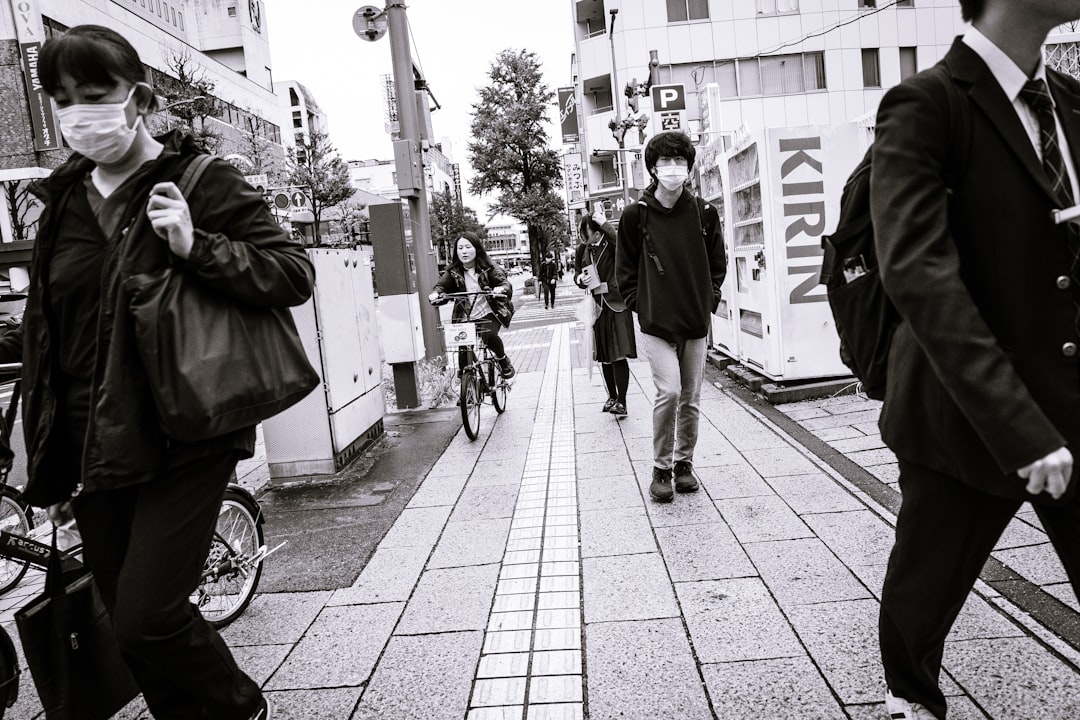
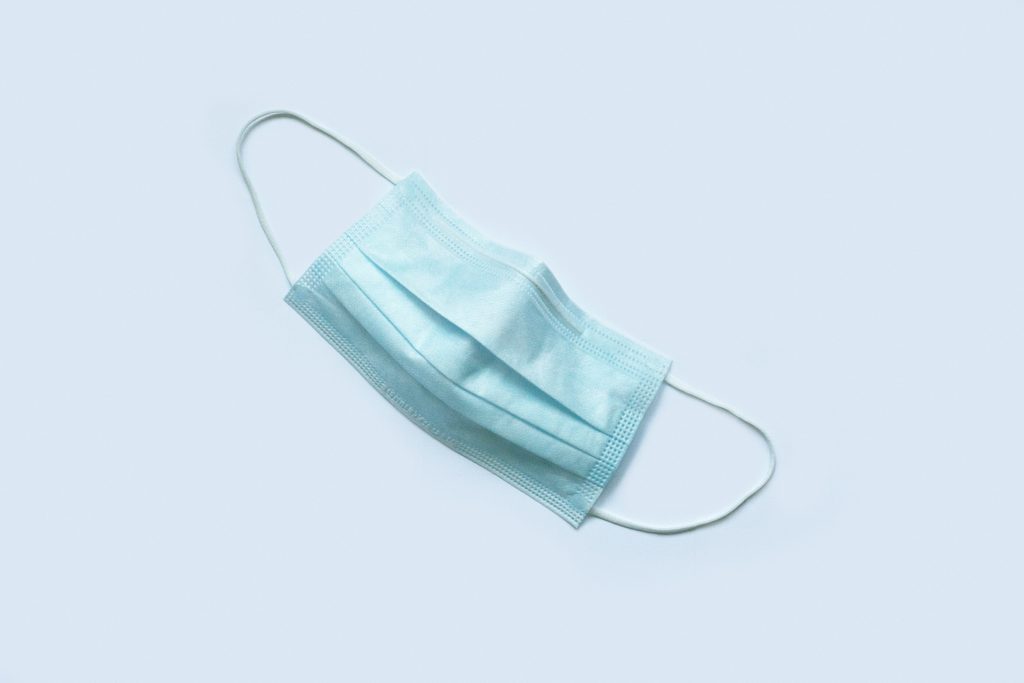
Mask wearing in Japan is a long-standing norm that predates the pandemic by decades, driven by hay fever and by the convention that someone with a cold wears one to avoid infecting others.
There is no requirement now, and usage has fallen from its peak, but it remains common and entirely unremarkable. Wearing one if you are ill is the expected courtesy.
Heat
Japanese summer is genuinely dangerous — high thirties with high humidity, and heatstroke cases in the tens of thousands nationally each year.
This is a more realistic health risk to a visitor than anything requiring a vaccine. Drink continuously, use the isotonic drinks sold in every vending machine, plan indoor activities for the middle of the day, and take the cooling sheets and portable fans sold everywhere seriously.
Expert Tip
Pack a small supply of the antihistamine you use at home if you are travelling between February and April. Japanese pharmacies stock excellent hay fever medication, but the strongest options are prescription-only, over-the-counter doses are milder than Western equivalents, and the first day of a severe cedar pollen reaction is not when you want to be reading Japanese packaging. Bring what works for you and buy the eye drops and nasal spray here.
Getting Medical Help in Japan
Straightforward, and cheaper than most visitors expect.
Travel and International Clinics
Tokyo, Osaka, and the other major cities have clinics oriented toward foreign patients, with English-speaking doctors and familiarity with international vaccination schedules.
They handle travel vaccinations, routine consultations, and prescriptions, and they are used to dealing with visitors. They cost more than a neighbourhood clinic and are considerably easier to use.
JNTO maintains a searchable directory of medical institutions accepting foreign patients, filterable by language and speciality. That is the tool to use.

Ordinary Clinics
Walk-in clinics are everywhere, waits are short, and a consultation as an uninsured foreign patient typically costs a few thousand yen plus medication.
Language is the constraint rather than access or cost. Your hotel will call ahead, and translation apps handle the rest.
If You Are Exposed to Something
For a significant animal bite, a deep wound, or a needlestick, go to a hospital rather than a clinic and go the same day.
Post-exposure treatment for tetanus is straightforward and widely available. For anything involving blood exposure, an emergency department is the right destination.
Call your travel insurer’s assistance line early — they arrange the hospital and the translator, which is the part that is hard to do yourself.
The Cost Question
Foreign visitors pay one hundred percent of medical costs in Japan, with no reciprocal arrangement for most countries. A clinic visit is cheap; a hospital admission is not.
Travel insurance with proper medical cover is the answer, and it is a separate subject worth reading on its own before you travel.
Japan Vaccination Requirements: Frequently Asked Questions
Do I need proof of yellow fever or cholera vaccination?
No. Japan does not require a yellow fever certificate for entry, and it does not require cholera vaccination. It is not a yellow fever transmission area and there is no certificate requirement for arrivals from anywhere. Requirements of this kind can be introduced during an outbreak, so check with the Japanese embassy in your own country if you are arriving from a region with an active epidemic, but the standing position is that no vaccination is required to enter Japan.
Do I need the Japanese encephalitis vaccine for a ten-day trip?
Almost certainly not. Public health guidance recommends considering it for travelers spending extended periods — typically a month or more — in rural agricultural areas during the summer transmission season, with substantial outdoor exposure. A ten-day itinerary through Tokyo, Kyoto, and Osaka does not meet that description. The virus circulates in rural rice-growing regions with pig and wading bird populations, and human cases in Japan number in the single figures nationally in most years. Discuss it with a travel clinic if your trip involves long rural stays in summer; otherwise it is not indicated.
Where can a visitor get a flu shot or see a doctor in Tokyo?
International and travel clinics in central Tokyo offer both, with English-speaking staff and no requirement for Japanese health insurance — you pay the full cost, which for a consultation is typically a few thousand yen. JNTO’s directory of medical institutions accepting foreign patients is searchable by language and speciality and is the best starting point. The JNTO visitor hotline on 050-3816-2720 operates around the clock in English and will help you find one. For a flu shot specifically, availability follows the Japanese vaccination season from roughly October, and having it done before you travel is simpler.
Related Tours
Conclusion
Check your measles status and stop worrying about the rest. That is the honest summary for a normal trip to Japan, and the travel clinic appointment most people book turns out to be a ten-minute conversation confirming it.
Then spend the attention you saved on the two things that will actually affect you: cedar pollen if you are coming in March, and heat if you are coming in August. Neither has a vaccine and both are entirely manageable if you know they are coming.
Plan Your Japan Trip with Local Experts
Our team has guided 40,000+ travelers across Japan. Tell us about your trip and we’ll get back to you within 24 hours.