In this article:
- Where Cards Work
- Where Cash Is Still Required
- The Conversion Trap
- Getting Cash
- IC Cards and Digital Wallets
- Can I Use My Credit Card in Japan: Frequently Asked Questions
Introduction
Japan’s reputation as a cash country is about ten years out of date and still partly true, which is an awkward thing to plan around.
Cashless payment has risen to around forty percent of consumer spending under a sustained government push, and in Tokyo you can go days without touching a note. Then you walk into a nine-seat soba shop that has been trading since 1954, and there is a small handwritten sign saying cash only, and no amount of national policy helps you.
The workable position is a card for everything that takes one, a transit IC card for small purchases, and ten to twenty thousand yen in your wallet at all times. That combination covers every situation in the country.

Where Cards Work
Reliably, and increasingly.
The Reliable Categories
Hotels of every tier. Department stores. Chain restaurants. Convenience stores, all of which take cards and contactless. Supermarkets and drugstores. Shinkansen and long-distance rail tickets. Major attractions and museums. Taxis in the large cities, essentially all of which now have terminals.
In these places a foreign Visa or Mastercard works without any thought, including contactless.
Card Brands
Visa and Mastercard are accepted anywhere cards are accepted. JCB is the Japanese domestic network and is universal here.
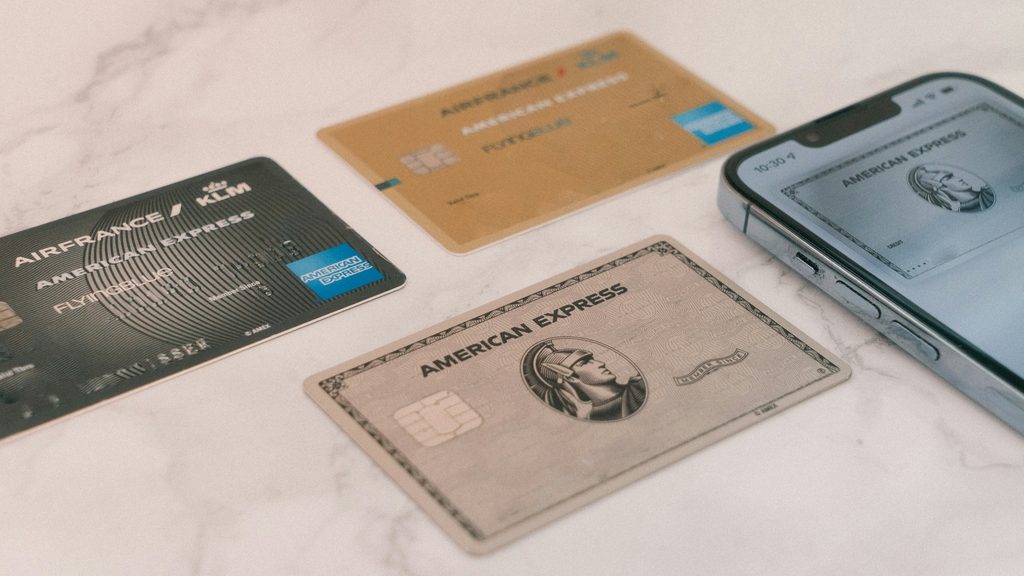
American Express works more widely than its reputation suggests — it has a partnership arrangement with JCB, which means it is accepted at a large number of JCB merchants. It is still the one most likely to be declined at a small merchant.
Discover and Diners run on the JCB network in Japan and generally work where JCB does.
Carry a Visa or Mastercard as the primary regardless.
Contactless
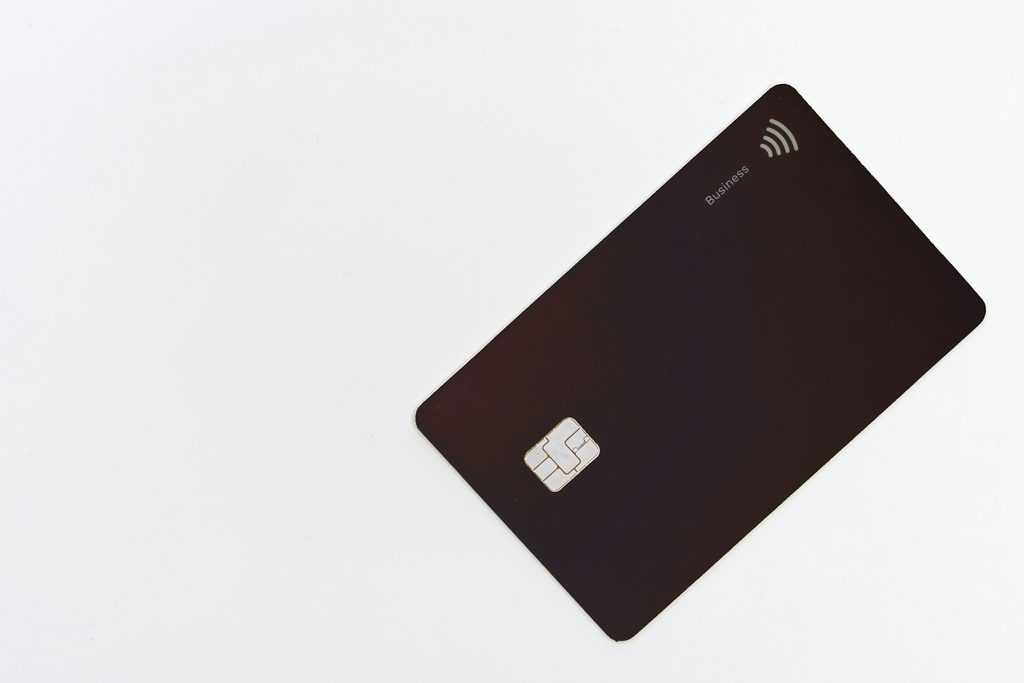
Contactless credit card acceptance has expanded quickly and terminals in cities routinely display the symbol.
Apple Pay and Google Pay work where contactless does. Note the distinction from transit IC cards, which use a different Japanese standard and are far more widely accepted — a shop may take Suica and not take a contactless Visa.
Signature and PIN
You may be asked for a signature rather than a PIN, which surprises visitors from countries where signature has disappeared.
Some terminals ask you to select a payment type on screen — the options are usually a single payment, instalments, or bonus payment. Choose the single payment option, which is ikkatsu, the first one.
Expert Tip
Carry two cards from different networks, and keep the second one somewhere other than your wallet. Foreign card declines in Japan happen for reasons that have nothing to do with your balance — a fraud algorithm reacting to an unusual country, a terminal that does not like your issuer, a merchant whose acquirer does not process your brand. A Visa and a Mastercard from different banks solves almost all of it, and the redundancy matters more here than in a country where you could simply use cash at a large purchase.
Where Cash Is Still Required
The categories are predictable and they include some of the best things in Japan.

Small Restaurants
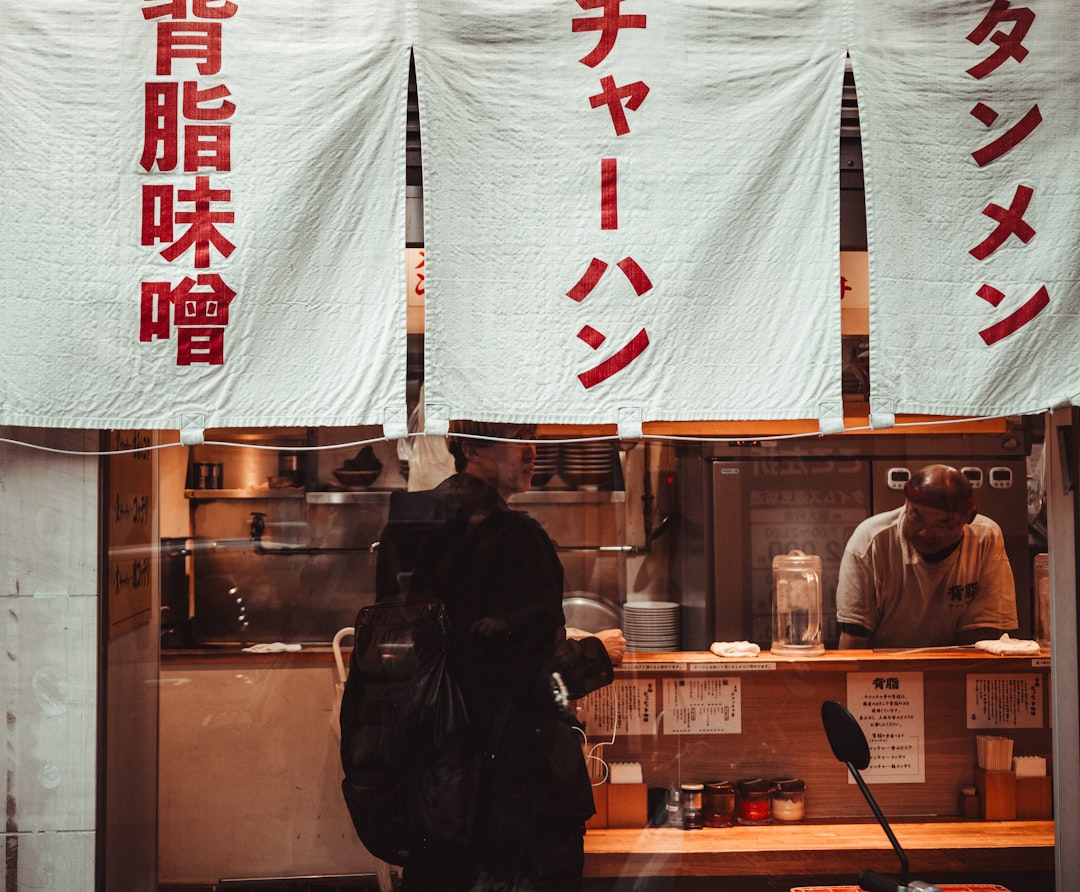
Independent ramen shops, soba counters, old izakaya, and family-run places generally. Many use a ticket vending machine at the entrance where you buy a meal ticket before sitting down, and a substantial number of those machines take cash only.
This is not a marginal category. It contains a large proportion of the best-value and most interesting eating in Japan.
Newer ticket machines increasingly accept IC cards and QR payments. Older ones do not, and you cannot tell from outside.
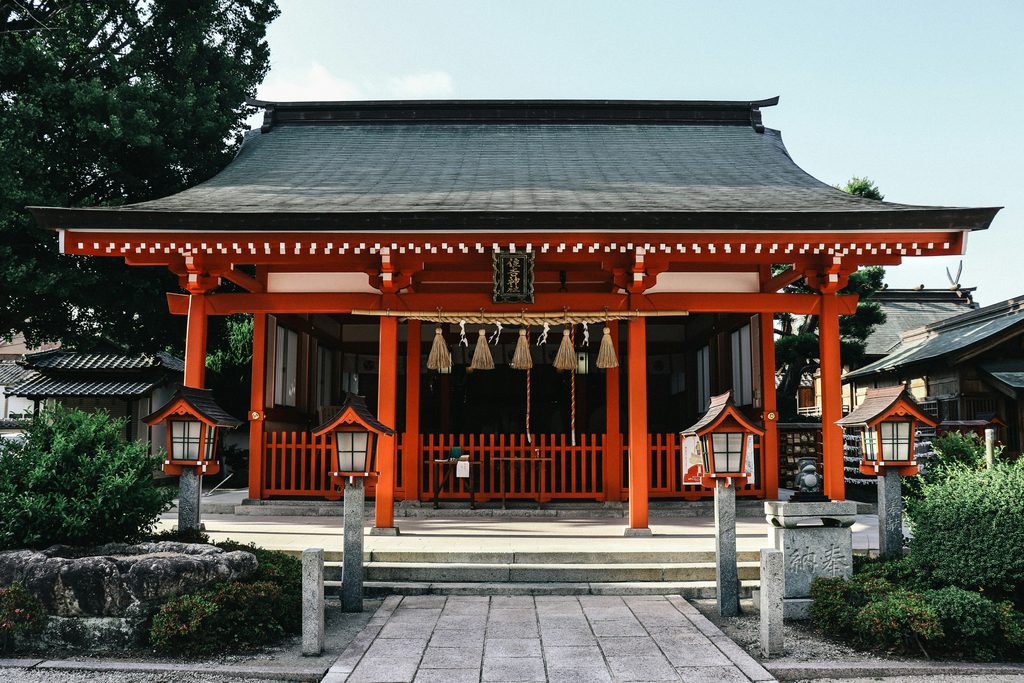
Temples and Shrines
Entry fees, offerings, amulets, and goshuin — the calligraphic seal stamps collected in a book — are cash transactions, and often coin transactions.
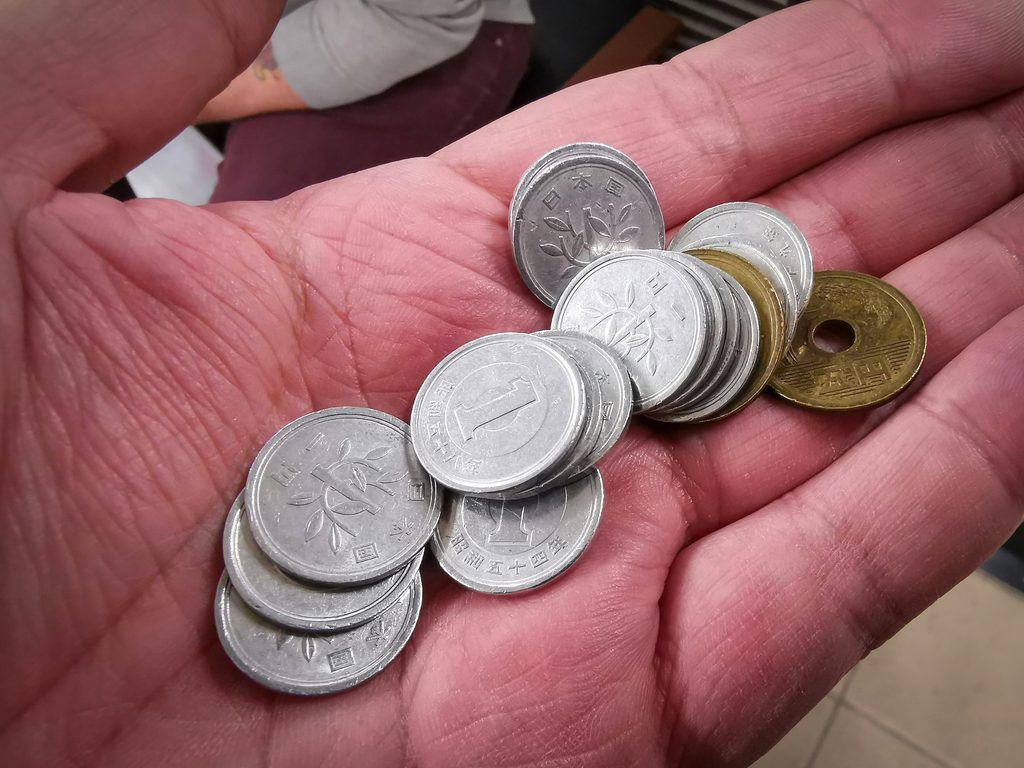
Keep ¥100 and ¥500 coins for this specifically. An offering box does not take a card and the amulet counter at a mountain temple certainly does not.
Rural Transport and Small Towns
Local buses outside major cities, small ferries, community transport, and taxis in rural areas are frequently cash-only. Bus fare boxes take notes up to ¥1,000 and give change.
Outside the cities generally, card acceptance drops sharply. A day trip into the countryside should start with cash in your pocket.
Markets, Festivals, and Small Shops
Street food stalls at festivals, market stalls, small craft shops, and a great deal of what you would actually want to buy from an artisan.
Some ryokan, particularly small family-run ones, are cash only or prefer cash. Check when booking.
The Conversion Trap
One decision at the terminal, worth three to five percent of everything you spend.
What Dynamic Currency Conversion Is
When you pay with a foreign card, the terminal may offer to charge you in your home currency instead of yen. The screen shows a total in dollars, pounds, or euros and asks you to confirm.
This is dynamic currency conversion, and the exchange rate applied is set by the payment processor rather than your bank. The markup is typically three to five percent and sometimes more.
Always Choose Yen
Choose the JPY option every time, without exception. Your own bank then converts at its rate, which will be close to the interbank rate.
Staff sometimes press the home-currency button on your behalf out of helpfulness. Watch the screen and say “yen, please” if needed.
The same applies at ATMs, which offer the same choice with the same markup.
Foreign Transaction Fees
Separately, your own card may charge a foreign transaction fee of two to three percent on every purchase abroad.
A card with no foreign transaction fee is the single most valuable piece of financial preparation for a trip to Japan. Several are available in most markets and applying takes a few weeks.
Over a two-week trip, the combination of avoiding DCC and holding a no-fee card can easily save several hundred dollars.
Getting Cash
Straightforward once you know which machines to use, and frustrating if you do not.
The Machines That Work
Seven Bank ATMs, found in every 7-Eleven and standing alone in stations and airports, are the standard answer. They accept foreign cards on all the major networks, operate around the clock, have a clear English interface, and are everywhere.
Japan Post Bank ATMs, in post offices and some stations, also accept foreign cards and have English menus. Hours are more limited outside cities.
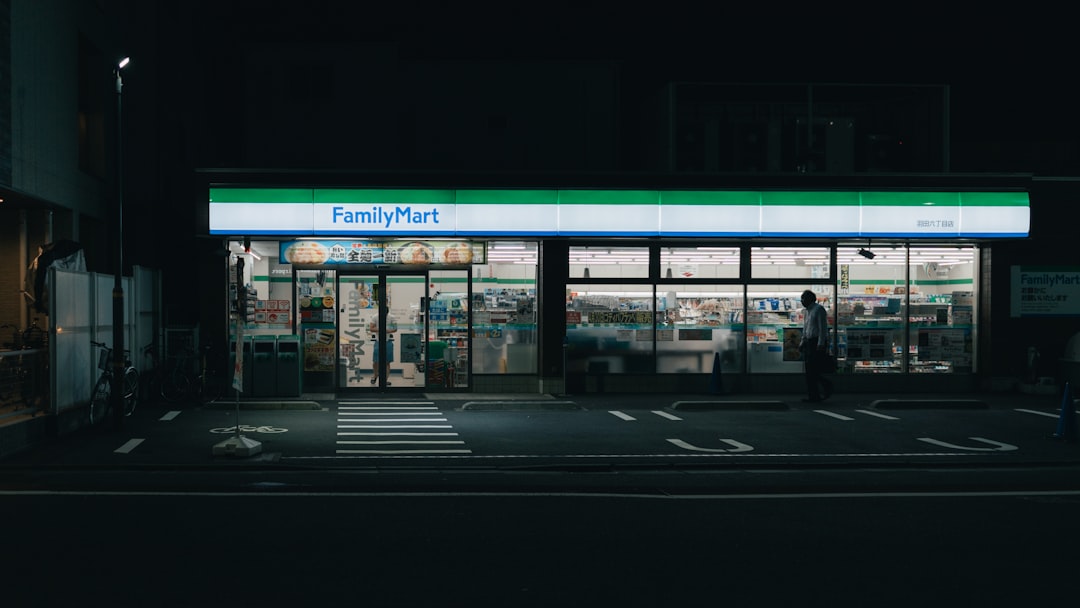
E-Net machines in FamilyMart and the Lawson ATM network generally accept foreign cards as well.
The Machines That Do Not
ATMs belonging to ordinary Japanese banks frequently do not accept foreign cards at all, and this is the source of most visitor confusion.
If a machine rejects your card, it is very likely the machine rather than the card. Walk to a 7-Eleven.
Fees and Limits
The machine charges a fee, typically ¥110 to ¥220 per withdrawal. Your own bank adds its own fee and possibly a foreign transaction charge.
Both are per transaction rather than per yen, which means fewer larger withdrawals cost less than many small ones.
Daily limits are set by your own bank. Raise them before you fly if you expect to need cash for a ryokan or a large purchase.
Where Not to Change Money
Airport currency exchange counters offer poor rates. So do hotels.
Withdrawing from an ATM on arrival is almost always better than changing cash brought from home, and Japan is safe enough that carrying a reasonable amount is not a concern.
Expert Tip
Set up a digital Suica or ICOCA in Apple Wallet before you fly, funded by a credit card. It works on ticket gates, in every convenience store, at most vending machines, at supermarket tills, and increasingly at restaurant ticket machines — a much wider acceptance footprint than a contactless foreign credit card. Note that Visa cards have historically had compatibility problems topping up Japanese transit cards, so add a Mastercard or Amex to Wallet as well before you leave home.
IC Cards and Digital Wallets
The Japanese cashless layer, which is not the same as the international one.
Transit IC Cards
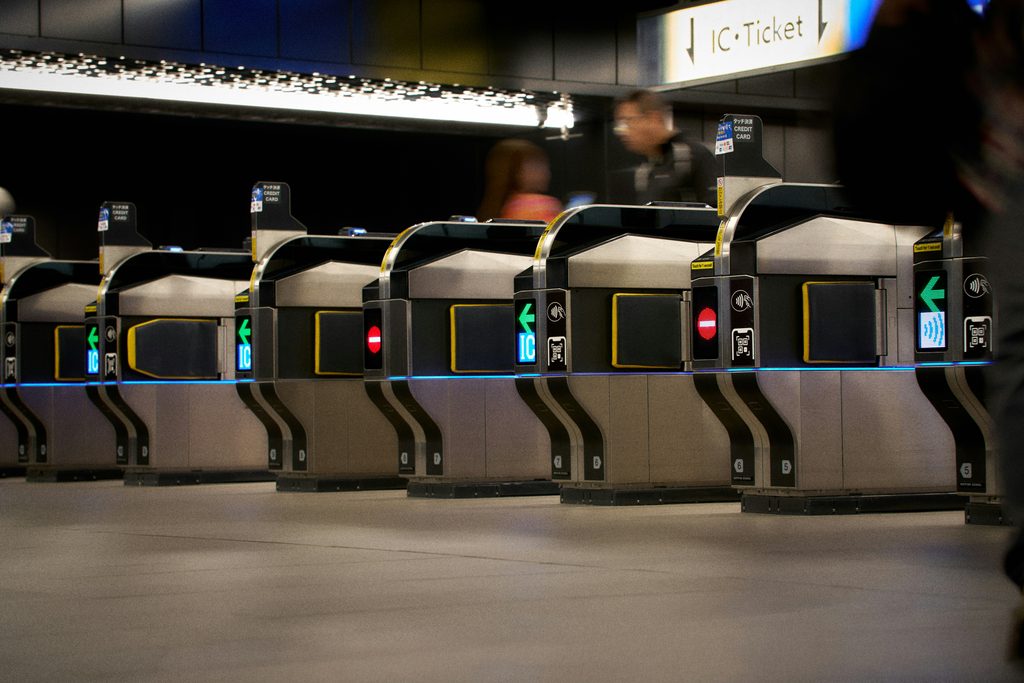
Suica, PASMO, ICOCA and the other mutually compatible cards are the most useful cashless instrument in Japan for a visitor.
They work on trains and buses nationwide, at convenience stores, vending machines, coin lockers, supermarkets, and a growing number of small restaurants and ticket machines.
The digital version in Apple Wallet is better than the physical card: it tops up from an overseas credit card at any moment, cannot be affected by card stock shortages, and does not need to be refunded at a specific regional counter at the end of the trip.
QR Payments
PayPay dominates the Japanese QR payment market and you will see its sticker on the counter of shops that take nothing else electronic.
For most visitors it is not usable. Registration generally requires a Japanese phone number and a Japanese bank account or card, and the workarounds are inconsistent.
Do not plan around it. Treat a PayPay-only shop as a cash shop.
How Much Cash to Carry
Ten to twenty thousand yen in a wallet, replenished when it drops. More on a day trip into the countryside, more if you are visiting temples, more if your accommodation is a small ryokan.
Japan is safe enough that carrying this is not a risk. The commoner problem is having none at eight in the evening in a town with one ATM that closed at six.
Keep coins separately. Japan uses coins for amounts up to ¥500 and you accumulate them fast; a small coin purse is what every Japanese person carries and it stops the problem.
Can I Use My Credit Card in Japan: Frequently Asked Questions
Can I buy subway tickets or top up a Suica with my credit card?
Shinkansen and long-distance JR tickets, yes — ticket offices and machines take foreign cards. Local subway and commuter tickets are a different matter: many station machines take cash only for ordinary fares, and topping up a physical Suica or ICOCA is a cash transaction almost everywhere, even where a card slot exists. The exception is a digital Suica or ICOCA in Apple Wallet, which tops up from an overseas credit card without difficulty. That is the strongest practical argument for setting one up before you arrive.
Is American Express widely accepted?
More widely than its global reputation suggests, because of an acceptance arrangement with JCB that covers a large number of Japanese merchants. Hotels, department stores, and chains take it without issue. It is still the card most likely to be refused at a small independent shop or restaurant, and it is not the one to rely on as your only card. Carry a Visa or Mastercard as the primary and use Amex where it is accepted.
Do I need to tell my bank before travelling?
Most banks no longer require a formal travel notification, and many have removed the facility entirely in favour of algorithmic fraud detection. It is still worth doing where the option exists, because a first transaction in Japan from a card that has never left its home country is exactly the pattern that triggers a block — and resolving one from a shop counter with a time difference between you and your bank is unpleasant. At minimum, make sure you can reach your bank from abroad: save the international number, and check that any two-factor authentication will reach you on a foreign network.
Related Tours
Conclusion
Bring two cards on different networks with no foreign transaction fee, set up a digital transit card in Apple Wallet before you leave, and always choose yen at the terminal. Those three decisions handle the great majority of payments in Japan and cost you nothing.
Then keep twenty thousand yen in your wallet and stop thinking about it. The cash is not for emergencies — it is for the nine-seat soba counter with a handwritten sign, which is very likely to be the best meal of your trip.
Plan Your Japan Trip with Local Experts
Our team has guided 40,000+ travelers across Japan. Tell us about your trip and we’ll get back to you within 24 hours.