In this article:
- The Four Main Types of Ramen: Shoyu, Shio, Miso, Tonkotsu
- Regional Ramen Styles Across Japan
- Beyond the Bowl of Soup: Tsukemen, Tantanmen, and Cold Noodles
- Noodles, Toppings, and Ordering at a Ramen Shop
- Types of Ramen: Frequently Asked Questions
Introduction
Most people who ask us about the types of ramen have already eaten a lot of it. They know tonkotsu from a chain back home, they have a view on miso, and they suspect that what they have been eating is a rough sketch of the real thing.
They are right, though not in the way they expect. Ramen in Japan is less a single dish than a family of regional arguments. A bowl in Sapporo, a bowl in Fukuoka, and a bowl in a small Fukushima town famous for eating noodles at breakfast have almost nothing in common beyond the wheat and the steam. The labels on a menu tell you part of the story. Where you are standing tells you the rest.
This guide is written for travelers who want to eat ramen with some intention. We cover the four classic types, the regional styles that justify a detour, the dishes that sit next to ramen on the menu, and the practical business of ordering at a counter where nobody speaks English and the menu is a machine by the door.
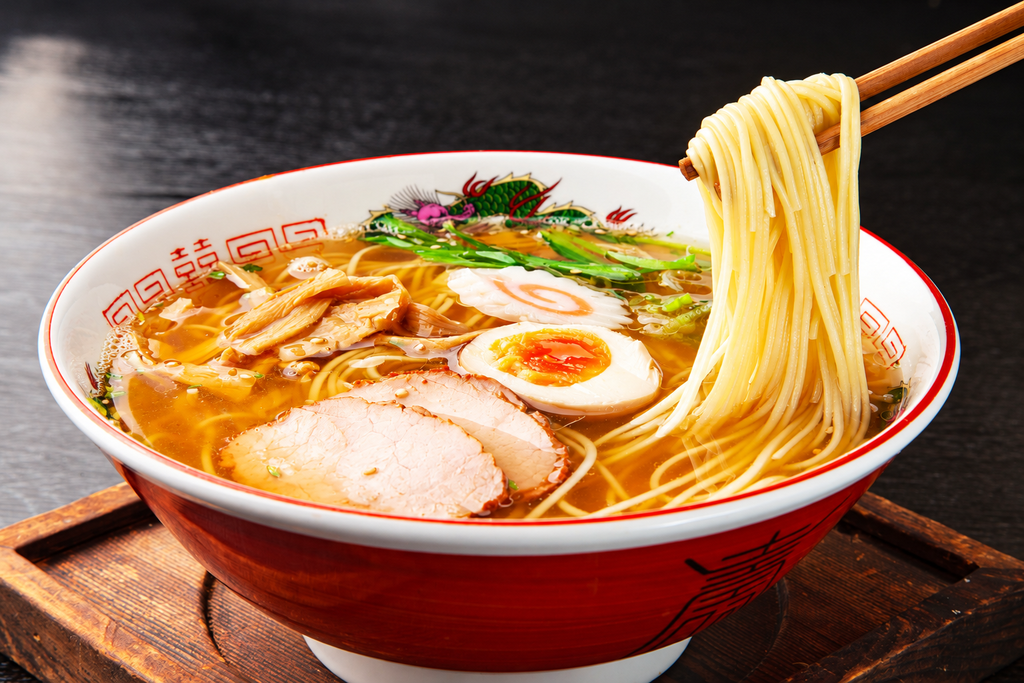
The Four Main Types of Ramen: Shoyu, Shio, Miso, Tonkotsu
Every English guide lists the same four types, and every one of them mixes up two different things.
Tare and Broth: The Two Parts of Every Bowl
A bowl of ramen is built from a concentrated seasoning called tare, which sits in the bottom of the bowl, and a broth that is poured over it. Shoyu, shio, and miso describe the tare. Tonkotsu describes the broth.
That is why the four categories overlap. A tonkotsu shoyu bowl is common, and so is a chicken broth seasoned with salt. Once you see the two layers separately, a ramen menu stops looking like a list of unrelated options and starts looking like a grid. In our experience this one idea does more to help travelers order well than any list of recommended shops.
Shoyu and Shio: The Clear Soups
Shoyu means soy sauce, and shoyu ramen is the style most Japanese people picture when they hear the word. The broth is usually chicken, sometimes with pork or dried fish, and the soup is brown, clear, and savory with a slight sharpness. Tokyo shoyu ramen, with its curly noodles and slices of roast pork, is the template the rest of the country grew from.
Shio means salt. Shio ramen has the palest, clearest soup of the four, often golden rather than brown, and the lightest seasoning. That lightness is the point. With nothing heavy to hide behind, the quality of the stock is fully exposed, which is why many serious ramen cooks consider shio the hardest bowl to make well. We think it is the most underrated order on any menu.
Miso and Tonkotsu: The Heavy Hitters
Miso ramen is seasoned with fermented soybean paste. The soup is opaque, rich, and slightly sweet, with a depth that comes from fermentation rather than long boiling. It is a cold-weather bowl, and it tastes like one.
Tonkotsu is pork bone broth, boiled hard for hours until the collagen and fat emulsify into a cloudy, almost milky soup. It is the style most visitors know from ramen shops abroad. In Japan it ranges from light and clean to thick enough to coat a spoon, and the differences between shops are much larger than the single word suggests.
Expert Tip
If a shop offers both a “kotteri” and an “assari” version, the words mean rich and light. First-timers tend to order kotteri because it sounds like the full experience, then struggle through the last third of the bowl. Start with assari at a new shop; the stock is easier to judge when it is not buried under fat.
Regional Ramen Styles Across Japan
The better way to think about the types of ramen is geographically. Japanese media often name three “great ramen” towns, Sapporo, Hakata, and Kitakata, and each built its identity around a single style.
Sapporo Miso: Built for Hokkaido Winters
Miso ramen came out of Sapporo in the 1950s, at a shop called Aji no Sanpei that still operates in the city. The style spread nationally once magazines picked it up, and Sapporo became shorthand for miso ramen across Japan.
A Sapporo bowl is designed for a place where the snow lies deep for months. Expect thick, wavy, yellow noodles, a surface slick with lard that keeps the soup hot, and toppings of bean sprouts, sweetcorn, and sometimes a pat of butter. It is heavy food. On a February evening after the Snow Festival, that is exactly what you want.
Hakata Tonkotsu: Thin Noodles and Kaedama
Hakata, the older half of Fukuoka city, is the home of tonkotsu. The bowls here pair a cloudy pork bone soup with very thin, straight noodles that soften quickly, so shops serve a modest portion and let you order a second helping of noodles, called kaedama, into the soup you have left.
You also choose how firm you want the noodles. The common scale runs from yawa, soft, through futsu, standard, to katame, barikata, and harigane, which translates roughly as wire. Locals usually go firmer than visitors expect. Our Fukuoka travel guide covers where to eat it, including the yatai food stalls along the river.
Kitakata Shoyu and Tokyo’s 1910 Original
Kitakata, a small city in Fukushima Prefecture, makes a shoyu ramen with wide, flat, curly noodles and a clear, gentle soup. The town is known for eating it in the morning, a habit locals call asa-ra. It is the least famous of the three abroad. You do not need to go to Fukushima to find it, either: a Kitakata-style shop sits in Shinjuku’s Omoide Yokocho, and its doorway is where our Shinjuku food tour meets before the evening moves into the smoke of the lane.
Tokyo shoyu has an origin story of its own. Rairaiken, which opened in Asakusa in 1910 with cooks recruited from Yokohama’s Chinatown, is generally credited as the first dedicated ramen shop in Japan. Its soy sauce soup, curly noodles, roast pork, and bamboo shoots set the pattern that Tokyo shops still follow.
Yokohama Iekei: Pork Bone Meets Soy Sauce
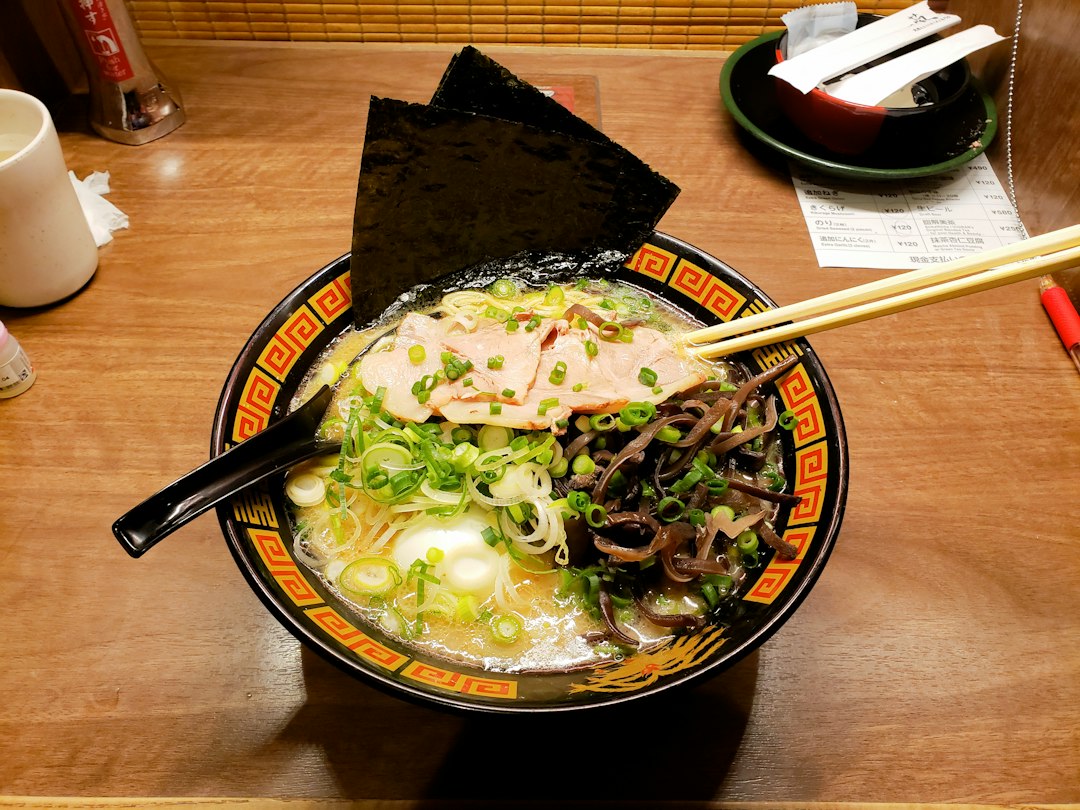
Iekei ramen began at a Yokohama shop called Yoshimuraya in 1974. It blends tonkotsu broth with a soy sauce tare and serves it with thick, straight noodles, spinach, and sheets of nori standing up at the back of the bowl.
The style has since spread across the Kanto region, and many iekei shops let you adjust the richness, oil, and noodle firmness when you order. It is loud, salty, and satisfying. We would not call it refined, and we do not think it is trying to be.
Beyond the Bowl of Soup: Tsukemen, Tantanmen, and Cold Noodles
A ramen shop menu rarely stops at soup. Three related dishes appear often enough that every traveler should be able to recognize them.
Tsukemen: Dipping Noodles from Ikebukuro
Tsukemen separates the noodles from the soup. The noodles arrive cold or at room temperature in one bowl, and a small, intensely seasoned dipping broth arrives in another. You dip, eat, and repeat.
The dish is credited to Kazuo Yamagishi, who put it on the menu at Taishoken in Higashi-Ikebukuro in 1961. Tsukemen noodles are thick and chewy because they have to stand up to a concentrated broth, and the portions are large. When you finish, many shops will thin the leftover broth with hot stock so you can drink it, a step called soup wari. Ask for it; the dish is not quite finished without it.
Tantanmen and the Spicy End of the Menu
Tantanmen is the Japanese adaptation of Sichuan dan dan noodles. Where the Chinese original is mostly dry, the Japanese version is usually a soup, rich with sesame paste and chili oil and topped with seasoned minced pork.
It is the easiest entry point for travelers who find standard ramen too salty. The sesame softens everything. Heat levels vary widely between shops, though, so treat the chili symbols on the ticket machine as a warning rather than decoration.
Hiyashi Chuka for Summer
Hiyashi chuka is a summer dish of chilled ramen noodles dressed in a sweet, sharp sauce of soy sauce, vinegar, and sesame oil, topped with strips of omelet, cucumber, and ham. Many shops put up a sign when they start serving it, usually as the weather turns hot.
It barely resembles ramen at all. On a humid Tokyo afternoon in August, however, it makes considerably more sense than a bowl of boiling pork broth.
Noodles, Toppings, and Ordering at a Ramen Shop
The broth gets the attention, but the noodles are what separate a good shop from an ordinary one.
Thin, Thick, Straight, Wavy
Ramen noodles are wheat noodles made with an alkaline mineral water called kansui, which gives them their springy texture and yellow tint. Beyond that, shops choose the noodle to suit the soup. Thin, straight noodles belong with light or very rich broths where they need to be eaten fast. Thick, wavy noodles hold onto heavier soups like miso.
Some shops make their own noodles in-house and say so on the sign. When a shop does, we order the simplest bowl on the menu, because the noodle is what they want you to taste.
The Standard Toppings
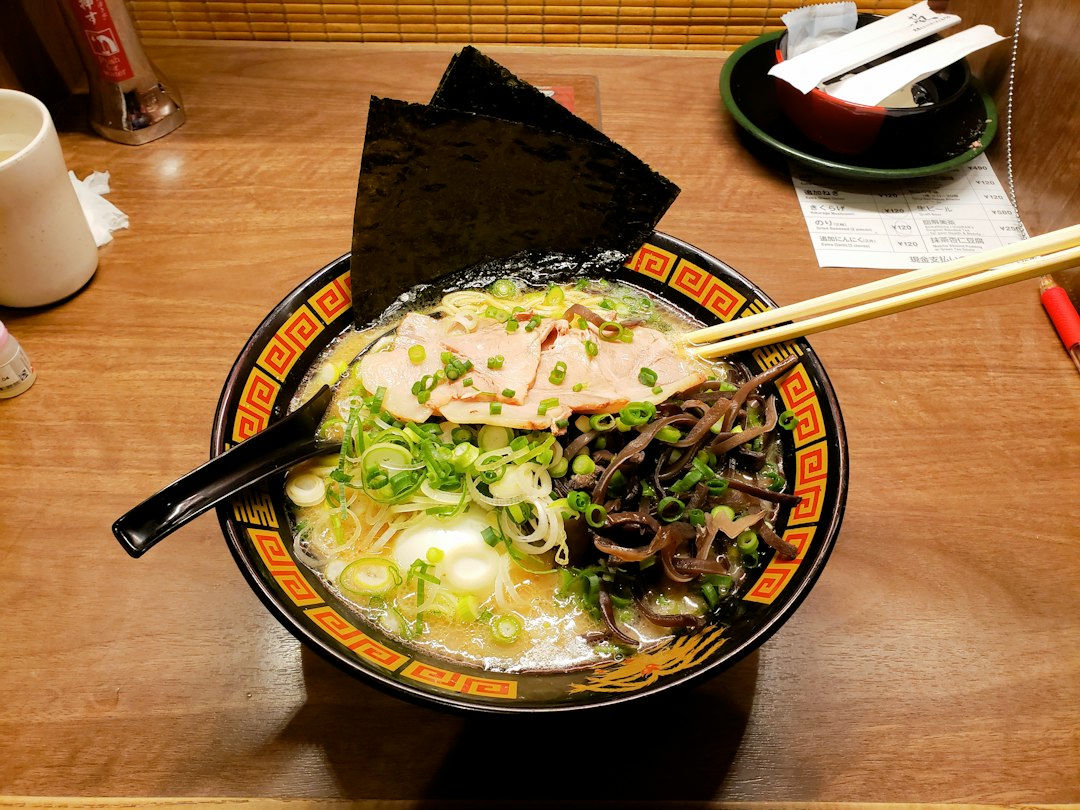
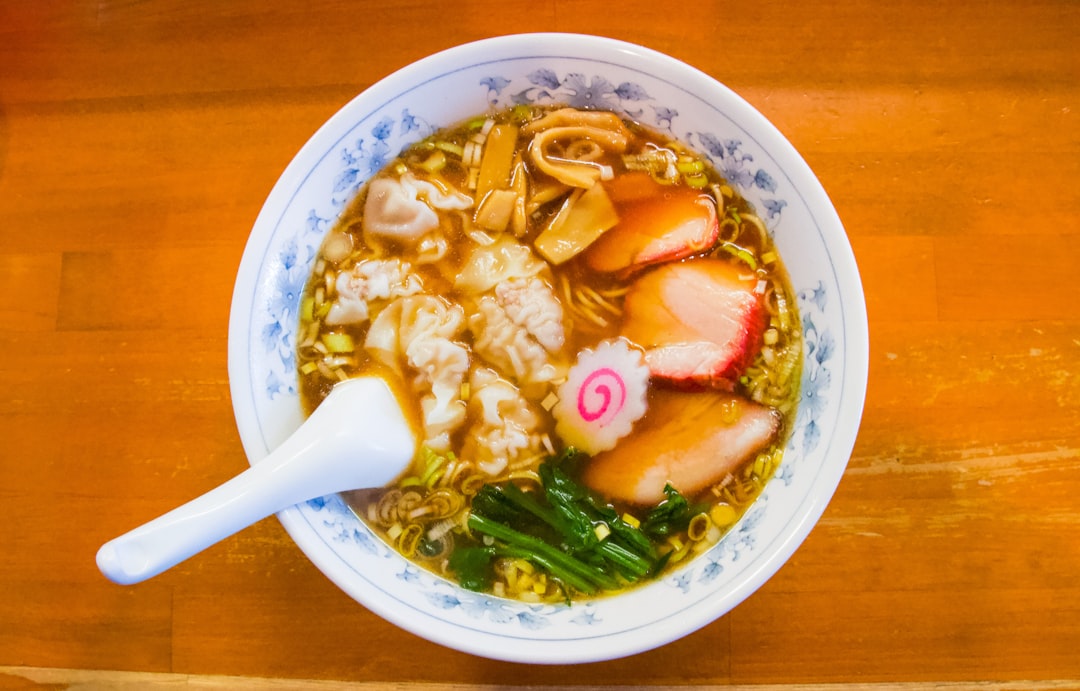
Most bowls come with some combination of chashu, braised or roasted pork belly; menma, fermented bamboo shoots; a soft-boiled egg marinated in soy, called ajitama; chopped green onion; and a sheet of nori. Extra toppings are usually separate buttons on the machine.
The egg is the one extra we would always add. A good ajitama has a yolk the texture of warm jam, and it tells you a lot about how carefully the kitchen works.
Ticket Machines, Slurping, and Counter Etiquette
Many ramen shops, particularly smaller ones, take orders through a ticket machine by the entrance. You insert cash, press the button for your bowl and any extras, and hand the printed ticket to the staff when you sit down. The top-left button is often the house standard, which is a reasonable default when there is no English. Our guide to ordering food in Japan covers the machines in more detail.
Slurping is normal. It cools the noodles on the way in and nobody at the counter will notice it. What does get noticed is lingering: small shops depend on turnover, and people waiting outside expect you to eat, pay, and leave. Twenty minutes is a comfortable pace for a bowl.
Expert Tip
Carry cash for ramen. Ticket machines at smaller shops often take only notes and coins, and some machines will not take ¥10,000 notes. A few ¥1,000 notes in your wallet will save you from standing at the machine while the queue builds behind you.
Types of Ramen: Frequently Asked Questions
Which type of ramen should a first-timer order?
Start with shoyu at a Tokyo shop. It is the historical core of Japanese ramen, it is balanced enough that you can taste the stock and the noodles separately, and it gives you a baseline for every other bowl you eat. Once you have that reference point, try shio for contrast and save tonkotsu and miso for the regions that made them famous.
Is there vegetarian ramen in Japan?
Some, but not much. Almost all standard ramen broths use pork, chicken, or fish, and even vegetable-looking bowls are often seasoned with fish-based stock. A small number of shops in Tokyo and Kyoto serve dedicated vegan ramen. Our guide to vegetarian food in Japan explains how to spot hidden dashi and which phrases help.
Is it rude to leave broth in the bowl?
No. Nobody expects you to drink a full bowl of salty soup, and many Japanese diners leave some behind. Finishing the broth is taken as a compliment to the cook, but leaving it is not an insult. Finishing the noodles is the part that matters.
Related Tours
Conclusion
Order by region rather than by menu photo. Miso in Sapporo, tonkotsu in Fukuoka, shoyu in Tokyo or Kitakata: the style tastes most like itself in the place that shaped it, and a single well-chosen bowl in the right city will teach you more than a week of chain-shop sampling.
In Tokyo, where every style is available, split the difference. Eat one clear bowl, shoyu or shio, and one heavy bowl, tonkotsu or miso, on different days, and pay attention to the noodles as much as the soup. Bring cash, choose from the top-left button when in doubt, and let the queue outside set your pace.
Plan Your Japan Trip with Local Experts
Our team has guided 40,000+ travelers across Japan. Tell us about your trip and we’ll get back to you within 24 hours.