In this article:
- What Makes Sapporo Ramen Different
- Where the Miso Bowl Came From
- Where to Eat Ramen in Sapporo
- How to Eat It Well
- Sapporo Ramen: Frequently Asked Questions
Introduction
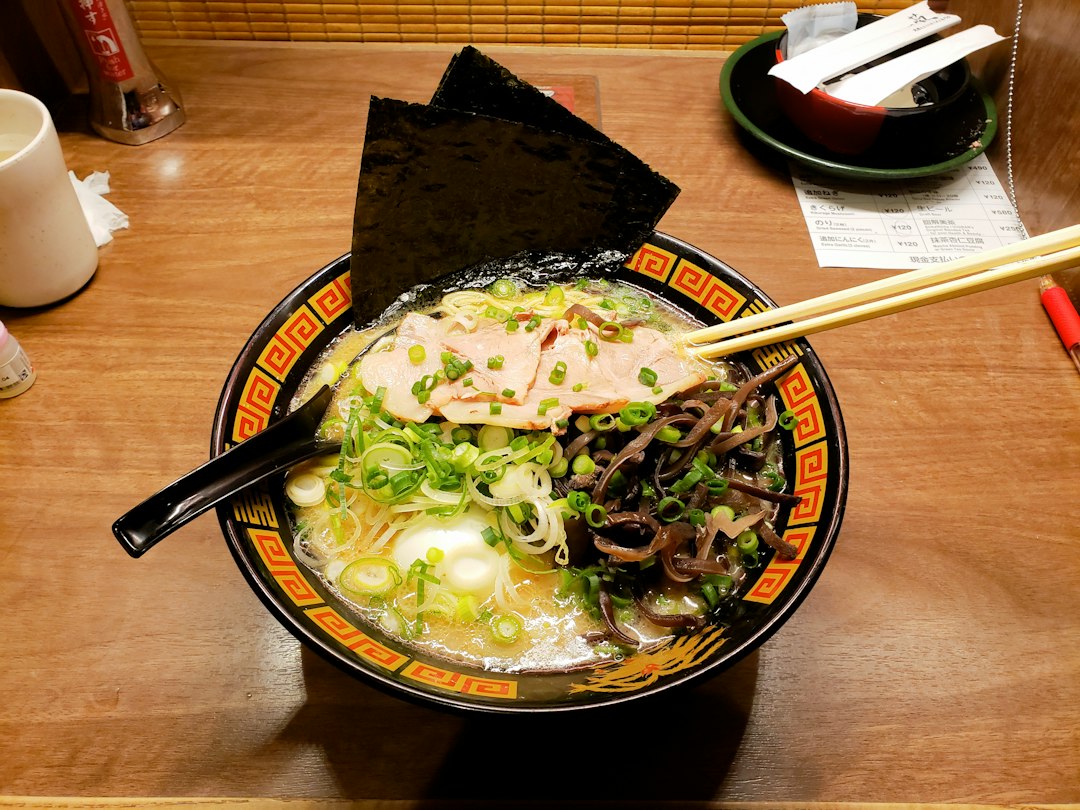
The first bowl of Sapporo ramen most visitors eat does not steam. It arrives at the counter looking almost calm, and the first spoonful burns the tongue, because a layer of melted lard is sitting on top of the miso broth and holding the heat in.
That detail explains the whole style. Sapporo sits at the same latitude as northern Spain but spends its winters under deep snow, and its ramen was built for people coming in from minus five degrees. The broth is heavier than in Tokyo, the noodles are thicker and springier, and the bowl is designed to stay hot for the whole meal.
We take travelers around Sapporo through every season, and ramen comes up on almost every tour. What follows is what we tell them: what the local style actually is, which shops matter and why, and how to eat it without wasting a meal on a queue or a lukewarm bowl.
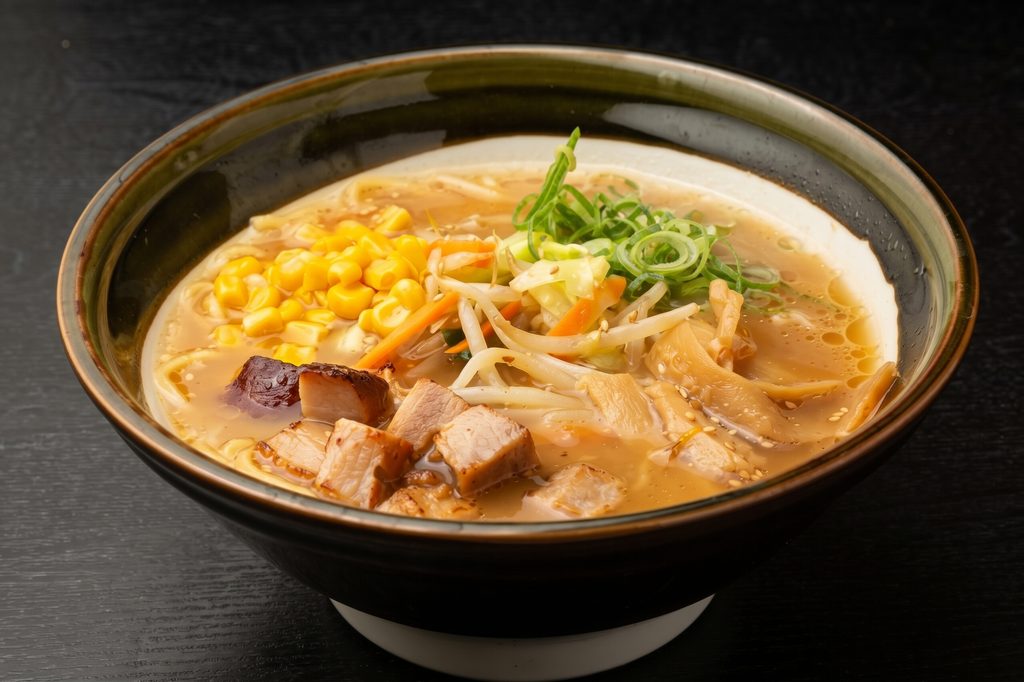
What Makes Sapporo Ramen Different
Japan has dozens of regional ramen styles, and most of them are defined by one thing. In Sapporo that thing is miso.
Miso, and Why It Took Hold Here
Miso ramen is a Sapporo invention. Before the 1950s, ramen across Japan was seasoned with soy sauce or salt, and the idea of blending fermented soybean paste into the broth came from a single shop in the city centre. It spread quickly, and within a couple of decades “Sapporo ramen” and “miso ramen” meant more or less the same thing to the rest of the country.
The flavour is deeper and rounder than soy-based ramen. A good Sapporo miso broth tastes of pork bone and vegetables, then garlic and ginger, then the faint sourness of fermented paste. Most shops blend several misos, and the blend is the thing each kitchen guards.
That said, not every bowl in the city is miso. Shops serve soy and salt versions alongside it, and some of the most interesting modern places build their broth around Hokkaido shrimp or crab. Still, if you eat one bowl in Sapporo, order miso.
The Lard Seal and the Wavy Noodle
Two other things separate a Sapporo bowl from the miso ramen you may have eaten at home. The first is the lard. Many of the classic shops finish the soup with a layer of pork fat that seals the surface, which is why the bowl looks still and tastes volcanic.
The second is the noodle. Sapporo noodles are medium-thick, yellow, and tightly crinkled, with a firm, bouncy bite. The waves catch the heavy broth, and the texture holds up for the time it takes to eat a large bowl. Stir-fried bean sprouts and onion, often cooked in a wok with the soup itself, usually sit on top along with slices of pork and a little ground meat.
Our advice for a first bowl is plain: eat slowly for the first two minutes. Visitors who treat it like a Tokyo shoyu bowl and slurp immediately tend to spend the rest of the meal regretting it.
Sapporo, Asahikawa, Hakodate: Hokkaido’s Three Bowls
Hokkaido is unusual in having three cities with their own recognised ramen. Sapporo has miso. Asahikawa, north of Sapporo in a cold inland basin, is known for soy sauce ramen made with a double broth of pork and seafood. Hakodate, in the far south, serves clear salt ramen with straight noodles and a light chicken and kelp stock.
If your itinerary crosses the island, eat all three. They taste like three different climates, which in a sense they are. For a wider view of how to route a trip across the island, our Hokkaido travel guide covers the distances and seasons.
Where the Miso Bowl Came From
Two shops shaped Sapporo ramen more than any others, and both are still open. Eating at them is less about finding the best bowl in the city and more about tasting the two poles of the style.
Aji no Sanpei, Above a Stationery Shop
Aji no Sanpei is where miso ramen began. Its founder, Morito Omiya, developed the miso broth in the 1950s, working with a local noodle maker on the wavy noodle that became the Sapporo standard. The shop sits on the fourth floor of Daimaru Fujii Central, a stationery and art supplies store a short walk south of Odori Park.
Finding a founding ramen shop between floors of pens and sketchbooks is part of the pleasure. The bowl itself is lighter and gentler than what most people now picture as Sapporo miso, with the sprouts and pork stir-fried together and the noodles firm. Tasting it corrects a common assumption, which is that the original must have been the heaviest.
The shop keeps daytime hours and closes in the early evening. Plan it as lunch rather than dinner.
Sumire and the Heavier Style
If Aji no Sanpei is the origin, Sumire is the version most of Japan now copies. The shop opened in 1964 in Nakanoshima, a residential district south of the centre, and served a much richer bowl: strong garlic, a thick miso broth, and the lard cap that keeps the soup too hot to steam.
That heavier style became the national image of Sapporo ramen. Many of the city’s most respected shops today descend from it in some form, directly or by imitation. We think eating at both Sanpei and Sumire is the clearest way to understand what the city means by its own dish.
Expert Tip
Sapporo addresses are coordinates. “Minami 5-jo Nishi 3-chome” means five blocks south and three blocks west of the city’s central axis near the TV Tower, so once you understand the grid you can find almost any ramen shop without a map. Ask your guide to explain it on your first morning and the rest of the trip gets easier.
Where to Eat Ramen in Sapporo
Sapporo has hundreds of ramen shops, but for a visitor they cluster in three useful places. Which one you use depends less on quality than on the time of day.
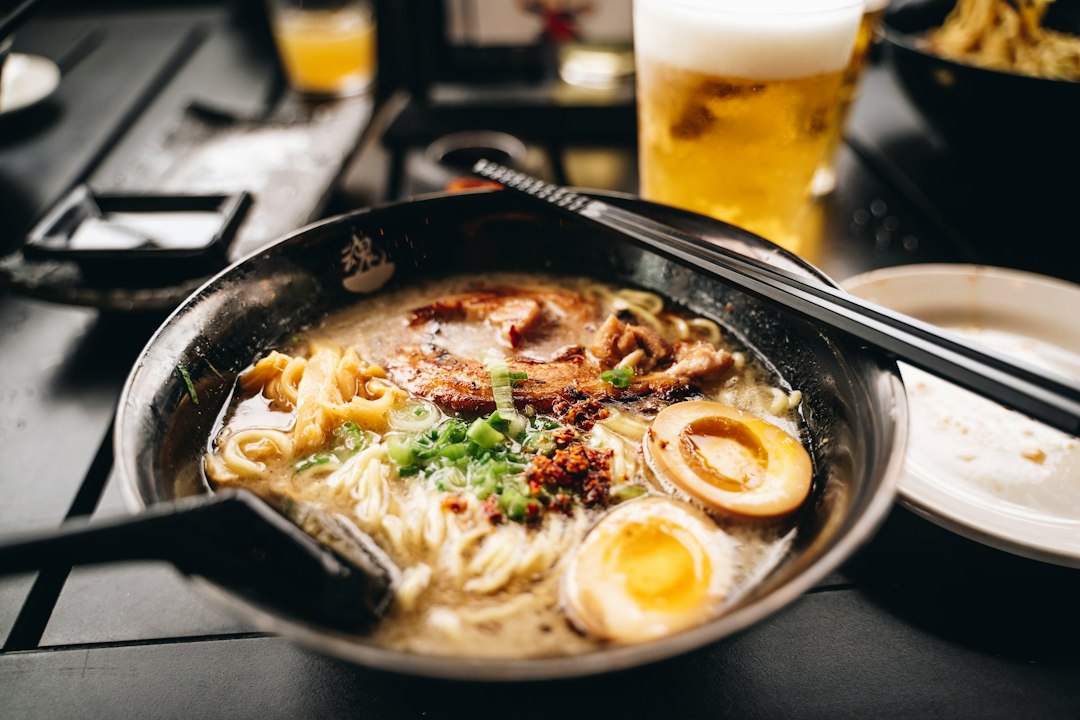
Ganso Ramen Yokocho in Susukino
The Ganso Ramen Yokocho is a narrow covered alley in Susukino, the city’s nightlife district, at Minami 5-jo Nishi 3-chome. It is about 42 metres long and packs seventeen small ramen shops along both sides. Most seat fewer than a dozen people at a counter, and the menus are posted outside with pictures.
Opinions divide on it. Some locals regard it as a tourist strip, and it is true that the most celebrated shops in the city are not here. Even so, the standard is decent, the choice is wide, and several shops stay open well past midnight. We use it as a reliable late option rather than as a destination.
A nearby alley, the Susukino Shin Ramen Yokocho, runs on the same principle with fewer visitors.
Downtown Near Odori
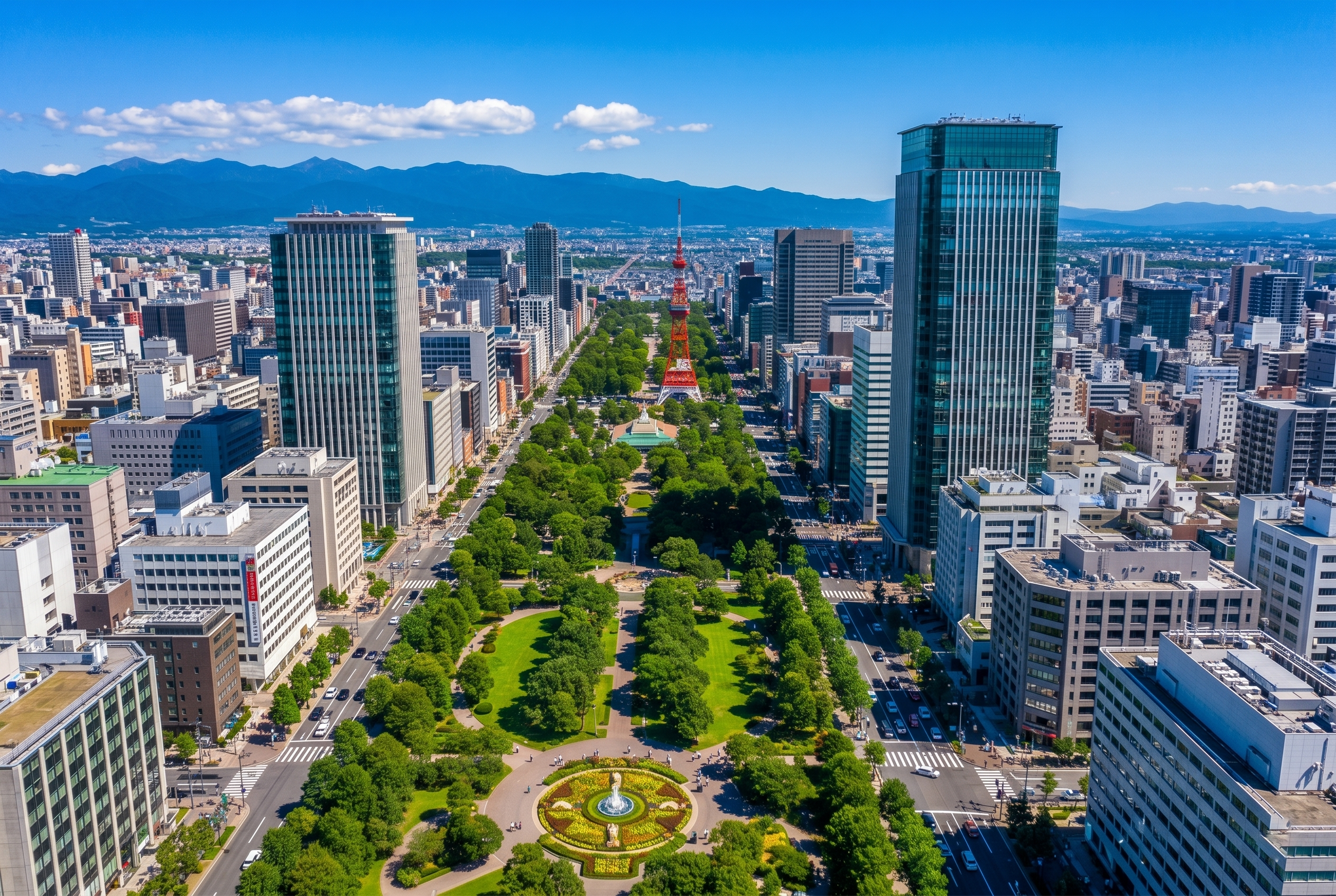
Odori Park and the Clock Tower are where most visitors spend their first day, and the central blocks around them are full of ramen at lunchtime. Aji no Sanpei is here, along with office-worker shops that fill between noon and one and empty by half past.
This is the easiest place to fit ramen into sightseeing. You walk the planned grid, you see the Clock Tower, and you eat within five minutes of either.
Going Out to the Neighborhood Shops
The shops with the longest reputations are often outside the centre. Sumire’s main shop in Nakanoshima is a subway ride from Susukino and sits on an ordinary residential street, which is the point. The queues are made of local families as much as travelers.
These trips are worth the half hour if ramen is a real interest. For a single bowl on a short stay, the centre is enough.
How to Eat It Well
Eating ramen in Sapporo follows the same basic pattern as anywhere in Japan. A few local habits make it better.
Ticket Machines, Firmness, and Toppings
Many shops sell meals through a ticket machine by the door. You buy a ticket for your bowl and any extras, hand it to the cook, and sit where you are shown. Some machines take only cash and older ones only take notes up to a certain size, so carry smaller notes. Our guide on how to order food in Japan walks through the machines step by step.
Butter and corn are the classic Hokkaido additions, and both come from the island’s dairy and farming. A pat of butter melting into miso broth sounds heavy. In practice it softens the salt and is worth trying once. Extra noodles, a seasoned egg, and more pork are the usual other options.
Eating Ramen in a Sapporo Winter
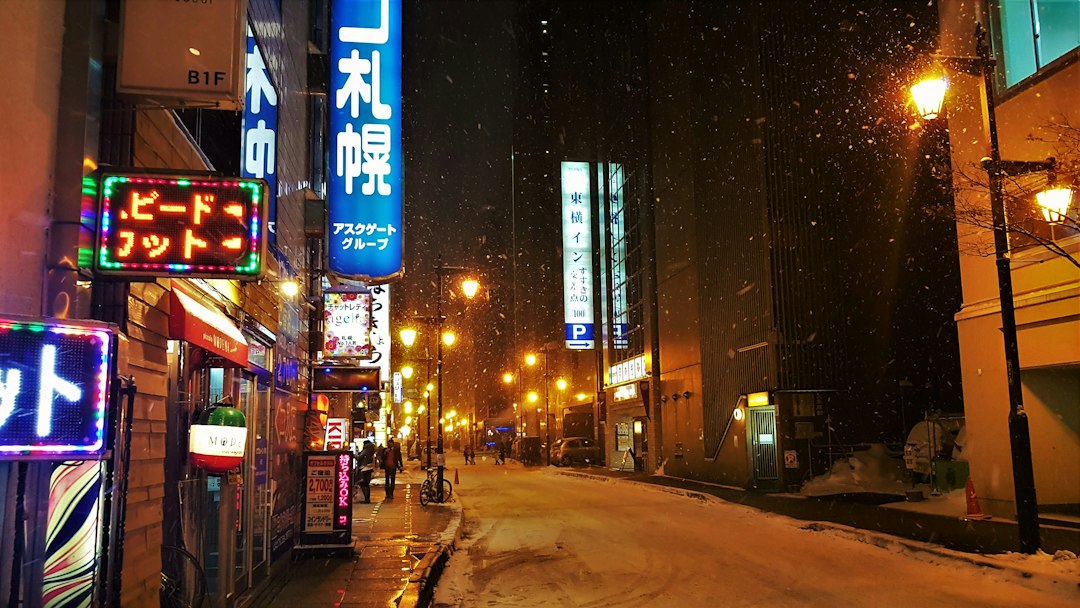
Sapporo in January is the city’s busiest season and its coldest. Pavements ice over from December to March, and the walk between shops becomes part of the meal. Boots with real grip matter more than any restaurant choice.
The payoff is that ramen makes more sense here in winter than anywhere else in Japan. You come in from snow, glasses fogging, and the lard-sealed bowl does exactly what it was designed to do. If you are visiting for the Sapporo Snow Festival in early February, expect queues at the famous shops to lengthen and plan to eat outside the usual lunch hour.
The Late Bowl in Susukino
Sapporo has a strong habit of finishing a night out with ramen. After drinks in Susukino, people walk to a ramen counter before heading home, and the late-opening shops stay busy well into the night.
We often plan private days around this rhythm. Mount Moiwa is best after dark, so a tour that ends with the cable car and the view over the city grid leaves travelers a short taxi from Susukino and a late bowl. On the day you visit the Sapporo Beer Museum and eat grilled lamb, skip ramen entirely. Both are heavy, and the city rewards pacing.
Expert Tip
Eat your famous-shop bowl at around 11am or mid-afternoon, not at noon or seven. Queues at the best-known Sapporo shops are driven by office lunch hours and dinner crowds, and in winter you do not want to spend forty minutes standing on ice. An early lunch also leaves room for a late bowl in Susukino.
Sapporo Ramen: Frequently Asked Questions
Is Ramen Yokocho worth visiting, or is it a tourist trap?
It is worth it for what it is: a convenient, late-opening cluster of small counters in the middle of Susukino. It is not where the city’s most celebrated bowls are made. If you want the reference points of Sapporo ramen, eat at Aji no Sanpei and Sumire, and use the Yokocho for the late bowl after dinner.
Is there vegetarian miso ramen in Sapporo?
It exists but is not common. Most Sapporo miso broths are built on pork or chicken stock, and the lard on top is pork fat, so an ordinary bowl is not vegetarian even if the toppings are. A small number of shops offer vegetable-based versions. If you have strict requirements, tell us when you book and your guide can plan around them rather than searching on the day.
Can I fit a ramen stop into a day of sightseeing in Sapporo?
Easily. The central grid is compact, and the Clock Tower, Odori Park and the downtown ramen shops are within a few minutes’ walk of each other. Lunch near Odori and a late bowl in Susukino after Mount Moiwa are the two combinations we use most.
Related Tours


Conclusion
Order miso first. Whatever else you try in Sapporo, the city’s own bowl is the reference point for everything else on the menu, and it is best eaten here, in winter, with snow on your coat.
After that, branch out. Try a shrimp broth, a salt bowl, or butter and corn on a second visit, and if your route takes you north to Asahikawa or south to Hakodate, eat their ramen too. Plan your bowls around the day: lunch near Odori, dinner somewhere else, and ramen again at midnight in Susukino if you have the appetite.
Plan Your Japan Trip with Local Experts
Our team has guided 40,000+ travelers across Japan. Tell us about your trip and we’ll get back to you within 24 hours.