In this article:
- Tokyo in January: Weather and What to Pack
- The First Three Days: Shogatsu in Tokyo
- Mid to Late January: Sumo, Sales, and a Quieter City
- Snow Within a Day: Nagano from Tokyo
- Tokyo in January: Frequently Asked Questions
Introduction
Tokyo in January is colder and quieter than most visitors expect. The air is sharper than at any other time of year. On a clear morning, you can stand at a high point in the city and see Mount Fuji sitting white on the horizon. This happens far less often in the humid months.
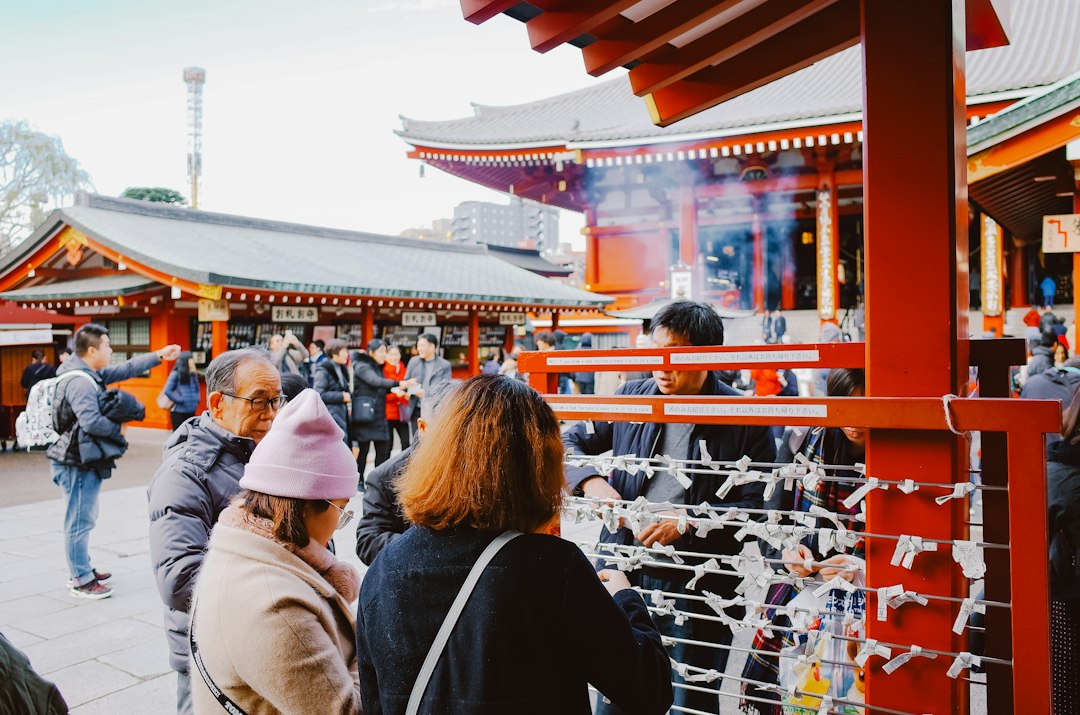
For the first three days, the country stops. Offices close and families travel home. A large share of Tokyo walks to a shrine or temple to pray for the year ahead. By the second week, the city is back at work. The holiday crowds have gone. Hotels and major sights are noticeably easier to visit than in spring or autumn.
Many of our travelers have already seen Japan in cherry blossom season. Now they want something calmer. We plan a lot of winter trips for them. Our view is that January rewards people who decide in advance which half of the month they want. This guide explains the difference, and what we would do with a week in each.
Tokyo in January: Weather and What to Pack
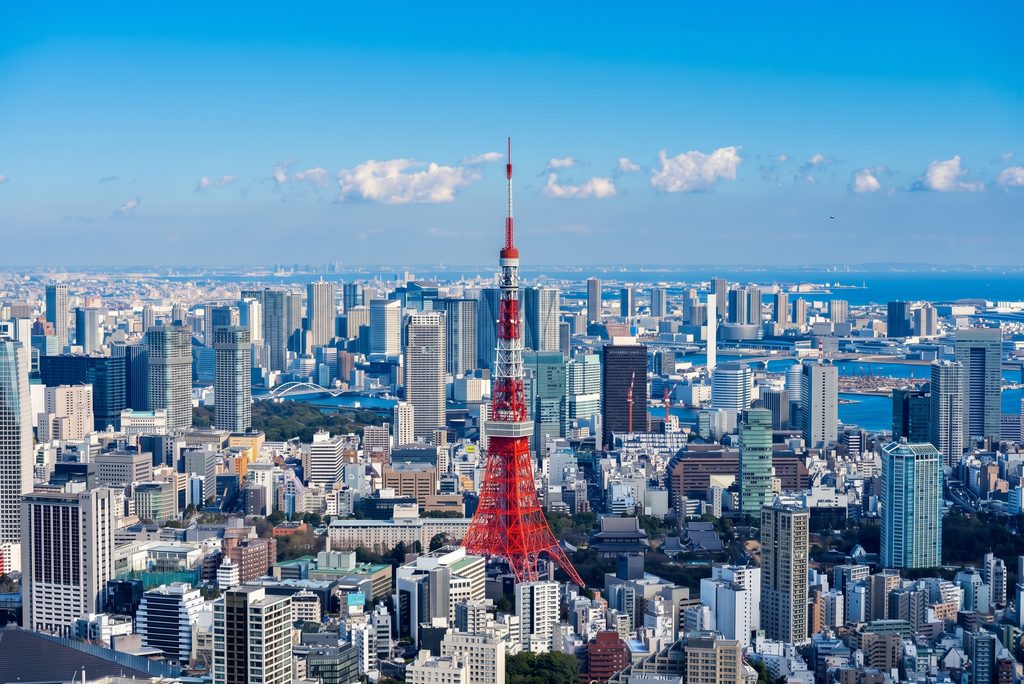
January is one of the driest and sunniest months in Tokyo. It is cold, but it is rarely grey.
Cold, Dry, and Reliably Clear
The official Tokyo tourism guide puts average daytime highs at around 11°C and lows at around 3°C. It also notes very little rain. In practice, that means crisp mornings near freezing. Middays are pleasant and sunny if you are walking. Once the sun drops, a real chill returns.
Snow in central Tokyo is uncommon. When snow falls, it usually lasts for only one or two days as wet flakes. The snow melts within a day or so. However, the rail network slows down noticeably when it happens. Do not plan a trip around seeing snow in the city itself.
The wind is the part visitors underestimate. A dry north wind blows between tall buildings in Shinjuku or along the waterfront at Odaiba. This wind makes 5°C feel considerably colder than the number suggests.
Short Days and How to Plan Around Them
The sun rises around 6:50 and sets at roughly 16:45 in early January, stretching to about 17:00 by the end of the month. That leaves a usable outdoor day of around nine hours.
We plan January days with outdoor sights in the morning and early afternoon. During these hours, the light is low and golden. The gardens are also at their best then. After dark, the plan moves indoors: museums with late openings, a department store food hall, a long dinner. Trying to see Meiji Jingu or the Hamarikyu gardens at 16:30 is a cold and slightly rushed experience.
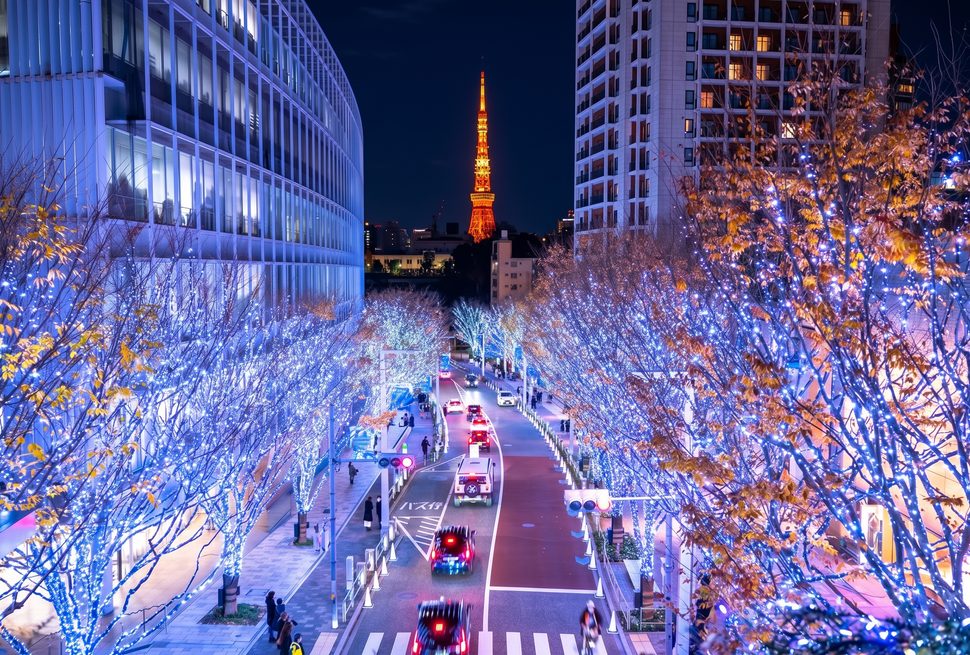
That said, winter evenings have their own appeal. Several of the city’s winter illuminations continue into January. In addition, the clear air makes views from observation decks sharper after dark than in summer.
What to Pack for Tokyo in January
Dress in layers rather than one heavy coat. Tokyo trains, shops, and restaurants are heated, often generously. You will be moving in and out of them all day.
A practical list for the city:
- A warm, windproof outer layer that you can take off easily
- A thin insulating layer such as merino or light down
- Scarf, gloves, and a hat for early mornings and evenings
- Comfortable shoes you can slip off quickly, since some temples, ryokan, and restaurants ask you to remove them
- Lip balm and moisturiser, because the air is very dry
If you are heading into the mountains for a day, add waterproof boots with real grip. City trainers are not enough on packed snow.
Expert Tip
Heat packs, sold as kairo at every convenience store, are the most useful thing a winter visitor can buy on arrival. They are inexpensive and stay warm for hours. The adhesive versions stick inside a coat or on a lower back and make an early shrine visit or a long wait at a sumo arena considerably more comfortable.
The First Three Days: Shogatsu in Tokyo
New Year, or Shogatsu, is the most important holiday in the Japanese calendar, and it is family-focused rather than festive in the Western sense. There is no big street party on the night of the 31st outside a few areas. The weight of the holiday sits on January 1 to 3.
For a visitor, this period is either a highlight or a frustration, depending entirely on whether you plan for it.
Hatsumode at Meiji Jingu and Senso-ji
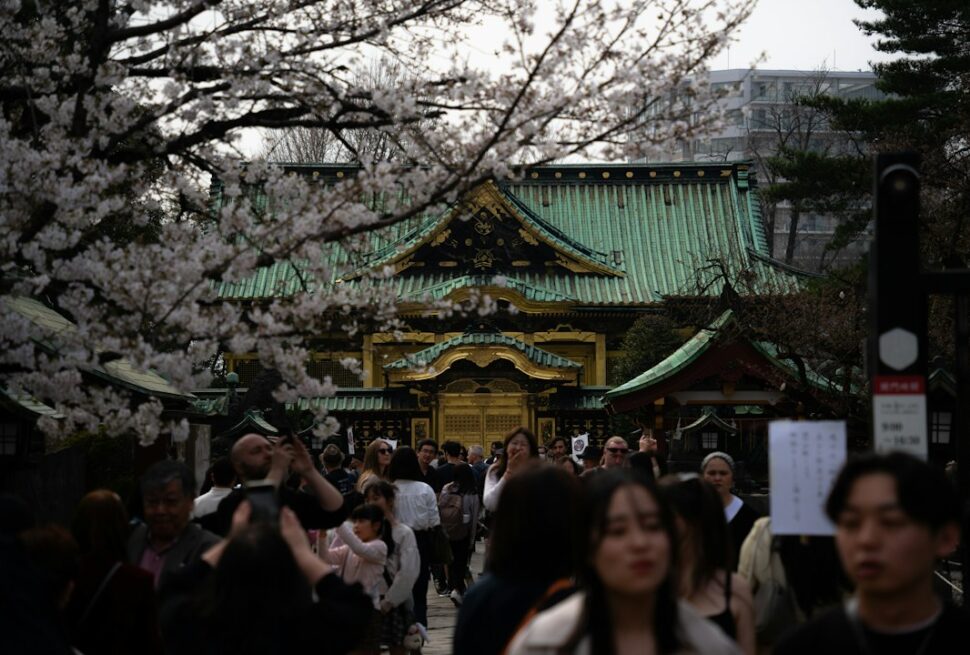
Hatsumode is the first shrine or temple visit of the year. Across the first three days, people queue to throw a coin into the offering box, bow, pray, buy a new omamori amulet, and draw an omikuji fortune. Meiji Jingu and Senso-ji are the two sites most associated with it in Tokyo, and both draw very large crowds.
Our honest advice is to go early or go smaller. On the afternoon of January 1 the approach to Meiji Jingu becomes a slow, managed column, and the experience is mostly waiting. A visit shortly after the gates open on the morning of the 2nd or 3rd is calmer. A neighbourhood shrine near your hotel on the 1st, with its food stalls and families in their best winter clothes, often gives travelers a better sense of the holiday than the famous sites do.
For the background on the customs themselves, from toshikoshi soba on New Year’s Eve to the fortunes, see our guide to New Year traditions in Japan.
The New Year Greeting at the Imperial Palace
On January 2 the inner grounds of the Imperial Palace open to the public for the New Year Greeting. Members of the Imperial Family appear on the balcony of the palace several times during the day and the Emperor gives a short greeting.
It is one of the few days in the year when ordinary visitors can stand in the East Court in front of the palace buildings. Expect security checks and long queues at the entrance. Times and procedures are announced by the Imperial Household Agency in advance, so check them close to your trip.
What Closes, and What Stays Open
Many restaurants, independent shops, museums, and some attractions close for the New Year holiday, typically from around December 29 to January 3. Small family-run places, which are often the ones travelers most want to eat at, are the most likely to be shut.
However, the city does not stop entirely. Convenience stores stay open, most chain restaurants and hotel restaurants operate, trains run, and department stores generally reopen on January 2 for their New Year sales. Shrines and temples are, of course, at their busiest.
We recommend that travelers arriving over New Year book their key dinners early and confirm opening dates directly with each restaurant. Treat the first three days as a time for shrines, walking, and hotel dining, and save the restaurant list for later in the week.
Mid to Late January: Sumo, Sales, and a Quieter City
Once the holiday ends, Tokyo becomes one of the easier major cities in the world to visit. Queues shorten, the air stays clear, and a few events give the month its own character.
The January Grand Sumo Tournament in Ryogoku
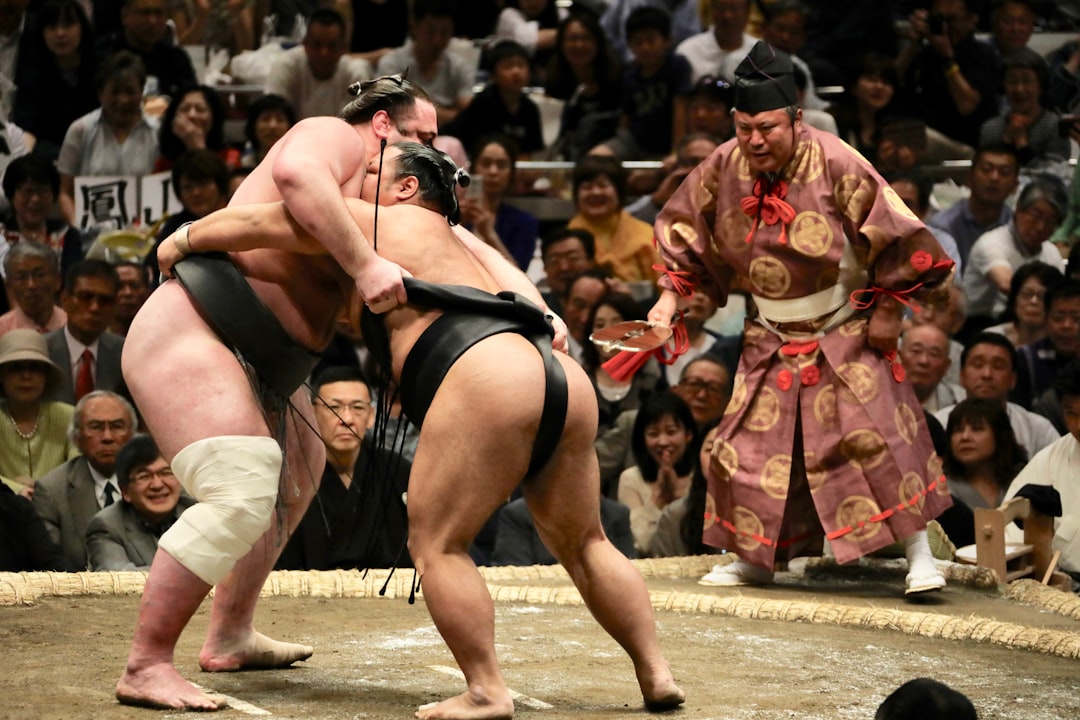
Sumo holds six grand tournaments a year, and three of them take place at the Ryogoku Kokugikan in Tokyo. The January tournament, known as Hatsu Basho, runs for fifteen days; in 2027 it is scheduled for January 10 to 24.
A day at the sumo is long. Lower-ranked wrestlers begin in the morning, and the arena fills through the afternoon toward the top division bouts at the end of the day. Most travelers arrive in the early afternoon, eat a bento or a bowl of chanko stew in the arena, and stay until the final bout.
Tickets go on sale in advance and the weekend days and final days sell out first. If you want box seats close to the ring, buy as soon as sales open. Upper-level chairs are easier to find and give a clear view of the whole ring.
Fukubukuro and the Winter Sales
From around January 2, Tokyo’s department stores and fashion brands hold their New Year sales. The best-known tradition is the fukubukuro, a sealed “lucky bag” sold at a fixed price with contents worth more than you pay.
The popular bags at flagship stores in Ginza and Shinjuku attract queues before opening on the first sale day. Some shoppers love the ritual. Others find it frantic. Beyond the lucky bags, winter clothing is discounted across the city for much of the month, which is useful if you have underpacked.
Why Late January Is the Better Half of the Month
If you have a choice, we suggest the second half of January over the first. Everything is open, hotel rates in Tokyo are generally lower than in peak seasons, and the major sights are at their quietest of the year.
This is the time to book the restaurants that are hard to get in spring, walk Yanaka and the older streets of Asakusa without crowds, and spend a slow morning at Meiji Jingu when the forest approach is almost empty. On the second Monday of January, Coming of Age Day, you may also see young people in formal kimono visiting shrines to mark turning adult.
Our private Tokyo day tours are built around this kind of pace. With a guide who knows which gardens catch the winter sun and which sites are quietest at which hour, a short January day goes considerably further.
Expert Tip
If your dates overlap with the sumo tournament, do not arrive for the final bouts only. Come by mid-afternoon so you see the ring-entering ceremony of the top division, when the wrestlers circle the ring in embroidered aprons, and the arena fills around you as the day builds. Buy your bento before you sit down, because the queues at the food counters grow sharply later on.
Snow Within a Day: Nagano from Tokyo
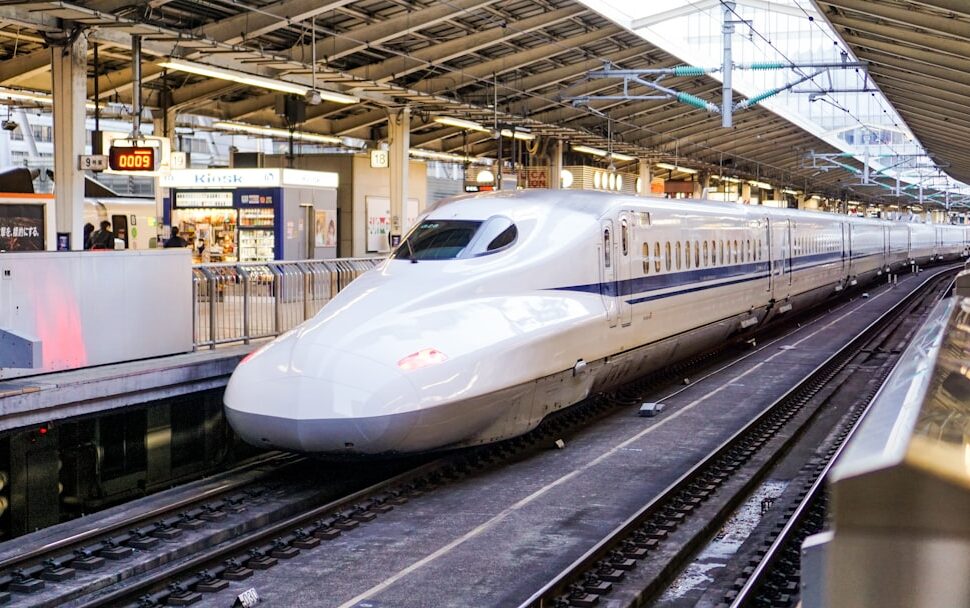
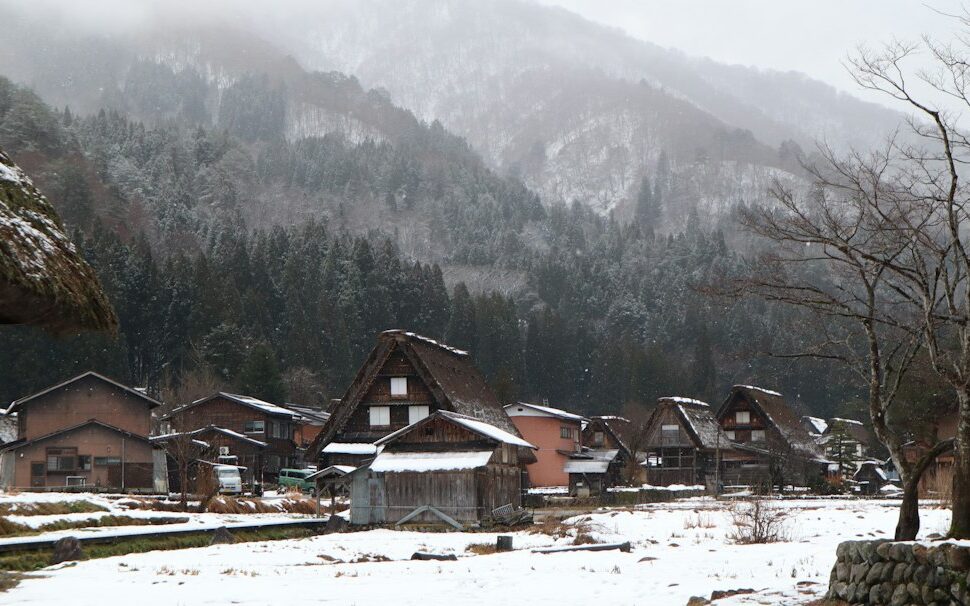
Tokyo rarely gives you snow, but it sits within easy reach of places that have a great deal of it. Nagano is around ninety minutes from Tokyo by shinkansen, and January is when its most famous sight looks the way it does in the photographs.
The Snow Monkeys at Jigokudani
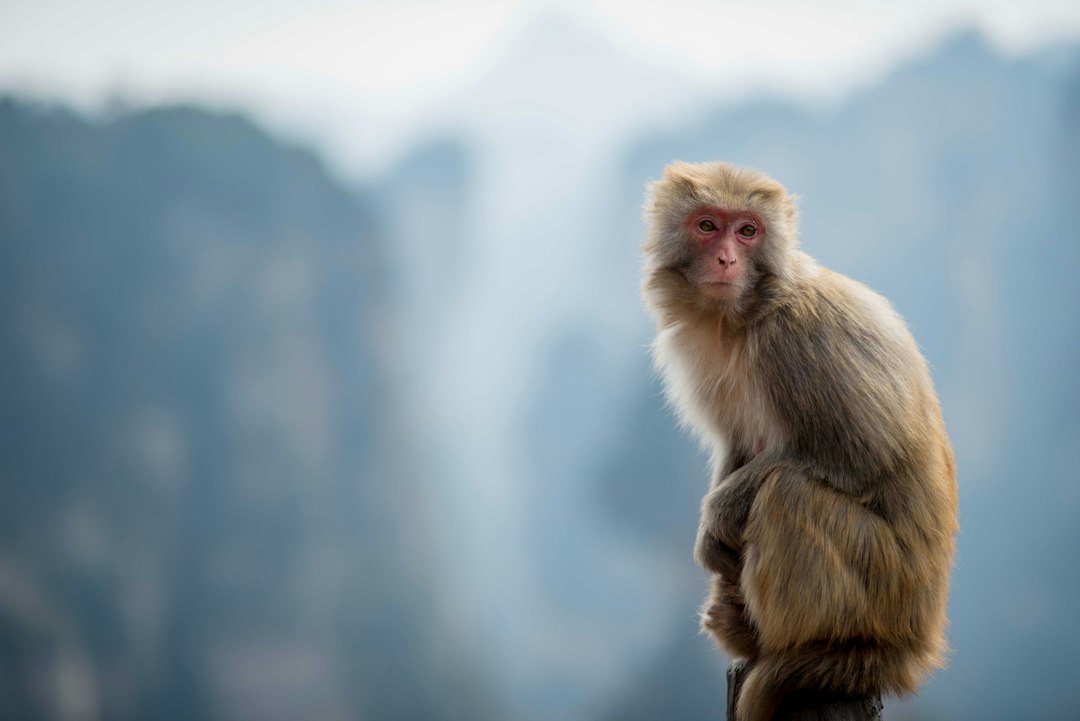
At Jigokudani Monkey Park, wild Japanese macaques sit in a hot spring pool while snow collects on their heads. The monkeys began using the spring in the 1960s, and they are not fenced or fed for visitors. You walk the path among them, and they pay very little attention to you.
The park is reached on foot along a wooded path of around 1.5 kilometres from the car park, uphill in places. It takes about half an hour each way. In January that path is packed snow, and boots with grip are essential. Our longer guide to visiting the Jigokudani snow monkeys covers the walk and park rules in detail.
A few rules apply to everyone. Do not touch the monkeys, do not feed them, and do not stare directly into their eyes. These are wild animals, and the calm atmosphere depends on visitors behaving predictably.
Zenko-ji and a Bowl of Soba
Most visitors pair the monkeys with Zenko-ji in Nagano city. Founded in the seventh century, it predates the division of Japanese Buddhism into sects and belongs to no single school, which is why it has always admitted everyone.
Beneath the main hall is a pitch-dark passage where visitors feel their way along the wall in search of a key. In January, with snow on the temple roofs and incense drifting across the courtyard, it feels like a very different Japan from central Tokyo. Nagano is also known for soba, and a hot bowl of buckwheat noodles after a cold morning at Jigokudani is one of the better lunches of a winter trip.
Planning the Day Around the Weather
This is a full day, not a half day. With the shinkansen, the onward bus or car, the walk in, lunch, and the temple, you leave Tokyo early and return in the evening.
Heavy snowfall can slow roads and occasionally affects access, so keep a spare day in your itinerary in case the weather on your chosen date is poor. Our Tokyo day trip to the snow monkeys and Zenko-ji uses a private guide who handles the trains, the walk in, and the timing, which removes most of the stress on a day when the weather may shift.
Tokyo in January: Frequently Asked Questions
Does it snow in Tokyo in January?
Occasionally, but not often. Central Tokyo sees snow on only a few days in a typical winter, and it rarely settles for long. If snow is part of what you want from the trip, plan a day in Nagano, or an overnight stay at a ski or onsen town in the mountains, rather than hoping for it in the city.
Is Tokyo crowded in January?
The first three days are very crowded at major shrines and temples, and transport around the New Year holiday is busy as people travel to and from their hometowns. After that, January is one of the quietest months of the year for tourism in Tokyo. The second half of the month, outside the sumo arena and the first sale days, is especially calm.
Are shops and restaurants closed over New Year?
Many are, typically from around December 29 to January 3, and small independent restaurants are the most likely to close. Convenience stores, most hotel restaurants, chains, and public transport keep running, and department stores usually reopen on January 2. Confirm opening dates directly with any restaurant you want to visit during that week.
Related Tours


Conclusion
The most useful decision you can make about Tokyo in January is which part of the month you want. Arrive for the first three days if you want to see the city at prayer and are content with hotel dinners and early shrine visits. Arrive after the 7th if you want everything open, the streets quiet, and the sumo in town.
Whichever you choose, keep the outdoor sightseeing to the morning, carry a light layer for the heated trains, and leave one flexible day in the plan for Nagano. For a broader look at the whole country this month, from Hokkaido powder to regional festivals, our guide to visiting Japan in January is the next thing to read.
Plan Your Japan Trip with Local Experts
Our team has guided 40,000+ travelers across Japan. Tell us about your trip and we’ll get back to you within 24 hours.