In this article:
- Baseball: Japan’s Most Popular Sport by Almost Any Measure
- Sumo: The National Sport That Is Not Officially One
- Football and the Other Contenders
- Baseball or Sumo? Choosing What to Watch on Your Trip
- Most Popular Sport in Japan: Frequently Asked Questions
Introduction
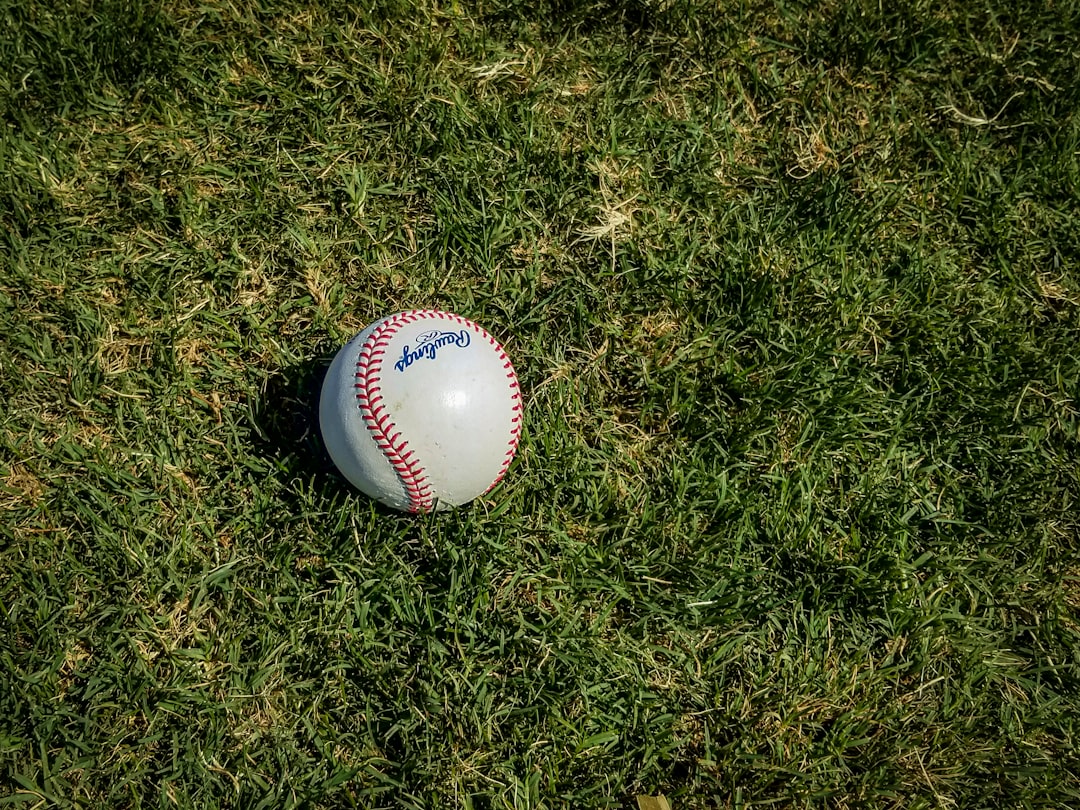
Ask what the most popular sport in Japan is and you will usually get one of two answers. Most people say baseball. A surprising number of visitors assume sumo. Both answers are defensible, and the difference between them says a good deal about how the country relates to sport.
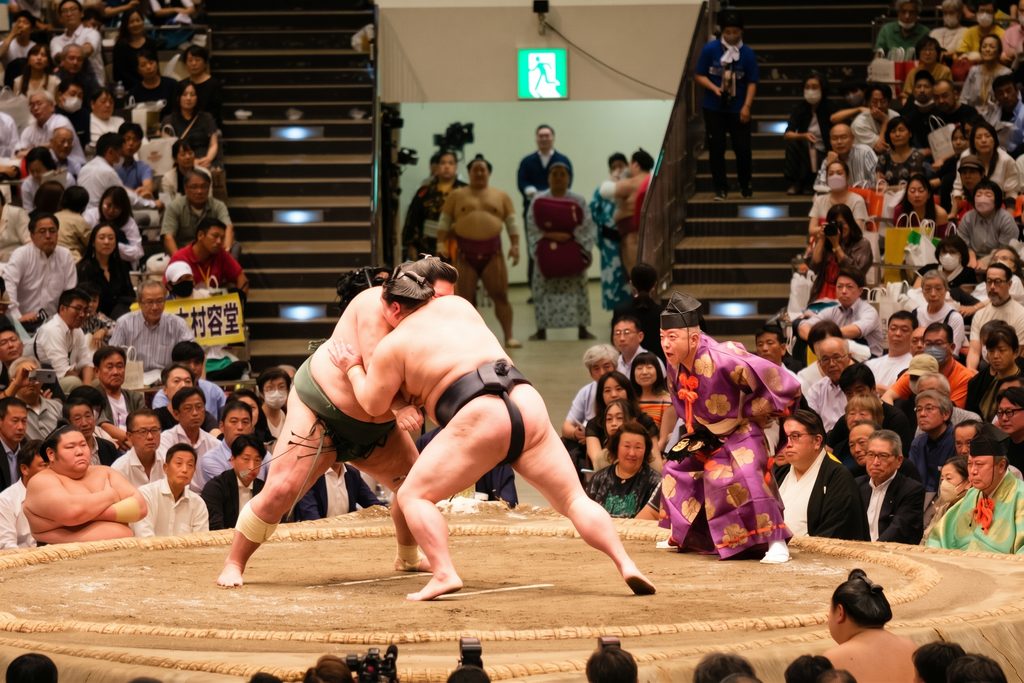
Baseball fills the stadiums. On a summer evening at Jingu Stadium in Tokyo, the outfield stands sing through every inning their team is batting. Salarymen still in office shirts drink beer poured from kegs carried on vendors’ backs. Sumo, by contrast, is the older, more ceremonial thing. Salt is thrown across a clay ring. Wrestlers wear topknots. The crowd falls quiet before each bout.
For the travelers we guide in Tokyo, the question is rarely academic. They want to know which one to see, and whether their dates allow it. What follows covers both properly. It also includes the sports that sit just behind them. This way, you can make that decision with your calendar open.
Baseball: Japan’s Most Popular Sport by Almost Any Measure
Baseball arrived in Japan in the 1870s, and the country has never really let go of it. Professional baseball has been Japan’s largest professional sports competition in terms of television ratings and spectators for decades. In our view, it is the clearest answer to the question.
How Popularity Is Measured: Watching Versus Playing
Much of the disagreement online comes from mixing up two different measures. If you count people who say which professional sport they like, baseball wins. Central Research Services, a Japanese polling organisation, conducts a long-running annual popular sports survey. In this survey, professional baseball is placed first, with football second and sumo third.
Count registered players instead, and the picture shifts. Football has the largest number of players registered with its national federation. Golf, basketball, and volleyball are also ahead of baseball on that measure. That makes sense. A school football team needs only a ball and a field. In contrast, baseball needs gloves, bats, and a great deal more space.
So the honest answer is this. Baseball is the sport Japan watches most. Football is the team sport more of its young people play.
NPB: Twelve Teams, Two Leagues, and Record Crowds
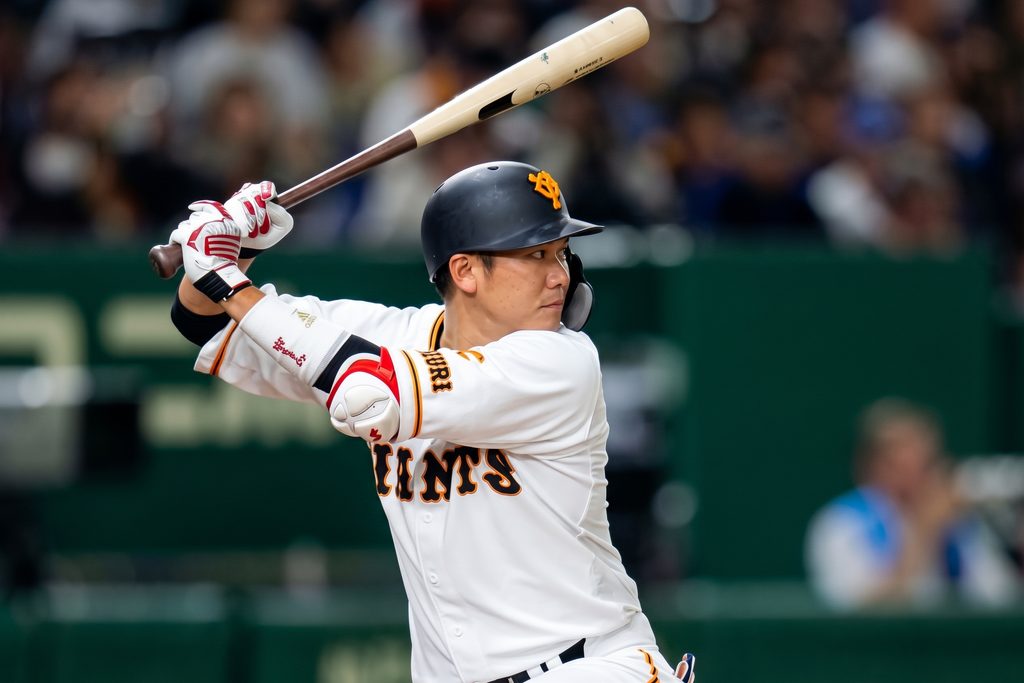
Nippon Professional Baseball, the top league, has twelve teams split between the Central League and the Pacific League, six in each. The regular season opens at the end of March and runs through the summer, with the Japan Series deciding the champion in late October or early November.
Attendance is at the highest point in the league’s history. In 2025, NPB games drew a record of more than 26 million spectators across the season. The Hanshin Tigers, who play at Koshien Stadium near Osaka, and the Yomiuri Giants, who play at the Tokyo Dome, drew the largest average crowds.
What surprises most visitors is the atmosphere. Each team has an organised cheering section in the outfield, with trumpets, drums, and a dedicated chant for every player in the lineup. The cheering stops when the other team comes to bat, and their fans take over from the opposite side of the outfield. We covered the practical side of going to a game in our guide to attending a Japanese baseball game.
Koshien: The High School Game the Whole Country Watches
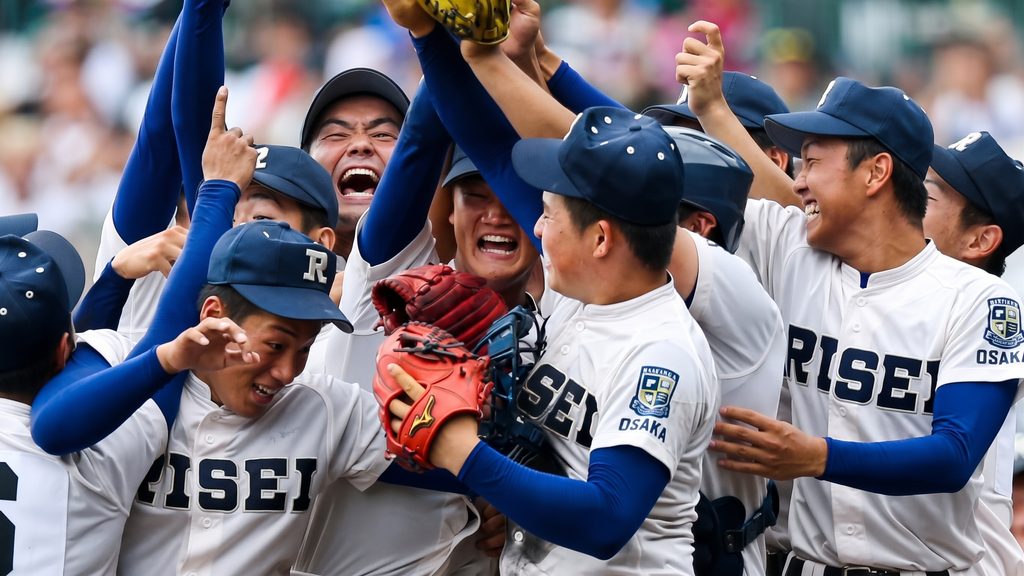
Professional baseball is not even the whole story. Every March and August, organizers hold national high school tournaments at Hanshin Koshien Stadium in Nishinomiya, between Osaka and Kobe, and people follow the summer tournament in particular nationally on television.
The appeal is hard to explain until you see it. Teams represent their prefectures, players are teenagers who may never play again after the final out, and the losing side traditionally scoops a little of the stadium’s dark soil into bags to take home. For many Japanese, this is the purest version of the game, and it is one reason the sport runs so deep here.
Expert Tip
If you only have one evening for baseball in Tokyo, we suggest Jingu Stadium over the Tokyo Dome in summer. It is an open-air ground in the Meiji Jingu Gaien area, the crowd is relaxed, and on a warm night with a beer in hand it feels closer to a neighbourhood gathering than a major league fixture. The Dome is the better choice when rain is forecast.
Sumo: The National Sport That Is Not Officially One
People often call sumo Japan’s national sport, and the phrase is everywhere, from guidebooks to the name of the Tokyo arena. However, there is no law or government decree that names an official national sport. The Japan Sumo Association describes sumo as the country’s traditional national sport, and that is where the label comes from.
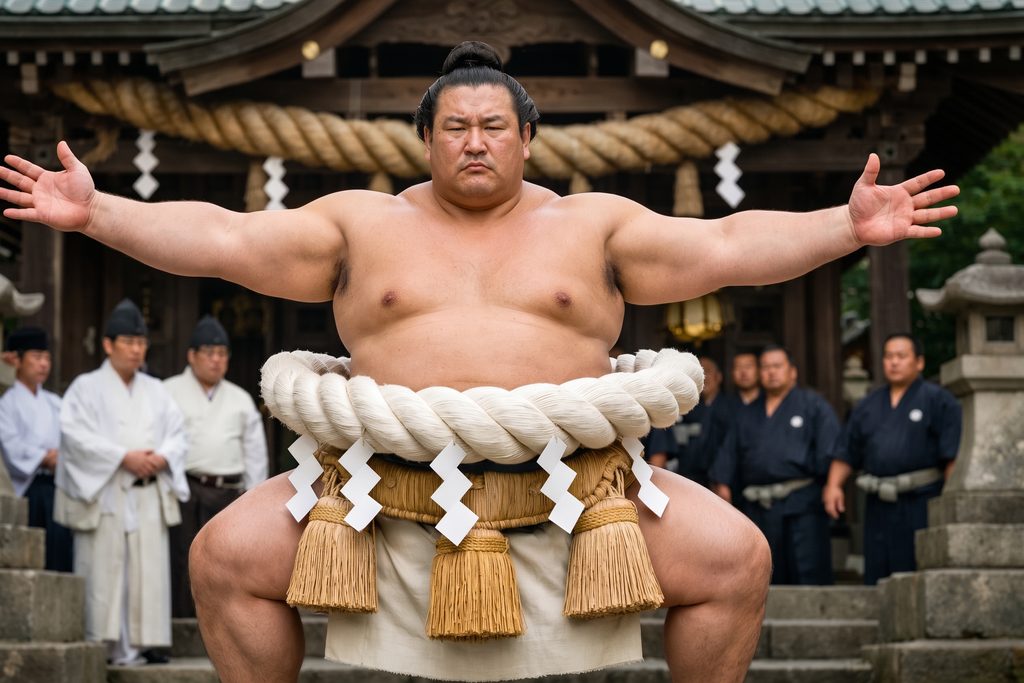
Label aside, its cultural weight is hard to overstate. Sumo has roots in Shinto ritual, and much of what you see in the ring is ceremony rather than sport: the purifying salt, the stamping, the referee’s robes. It ranks behind baseball and football in popularity surveys, yet no other sport is as closely identified with Japan abroad.
Six Tournaments a Year, Fifteen Days Each
The Japan Sumo Association organises professional sumo around six grand tournaments, known as honbasho, each lasting fifteen days. They hold three of these in Tokyo in January, May, and September. The others take place in Osaka in March, Nagoya in July, and Fukuoka in November.
Outside those six windows, there is no top-level competition to attend. This is the single most important fact for anyone planning a trip around sumo. If your dates fall in an even-numbered month, you will not see a tournament bout, although regional exhibition tours and morning practice sessions at the stables are still possible.
How a Day at the Kokugikan Unfolds
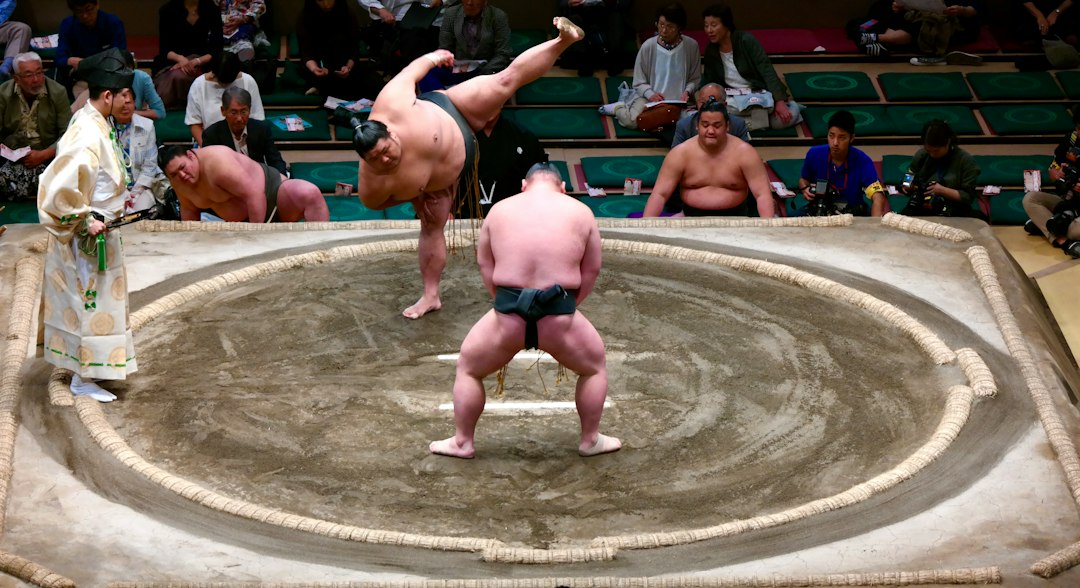
A tournament day is long. The lower divisions begin in the morning, when the arena is close to empty and seats near the ring are often unoccupied. As the afternoon goes on, the wrestlers get heavier, the crowd grows, and the atmosphere changes completely.
The top division enters the ring in the late afternoon with its ceremonial ring-entering procedure, wrestlers in embroidered aprons forming a circle. The final bouts, involving the highest-ranked wrestlers, come at the end of the day. Many of the bouts last only a few seconds, after a much longer ritual of staring, crouching, and throwing salt.
Our advice is to arrive in the early or middle part of the afternoon. You see the build-up, the ring-entering ceremony, and the top division without spending a full day on a cushion.
Ryogoku: Where Sumo Lives in Tokyo
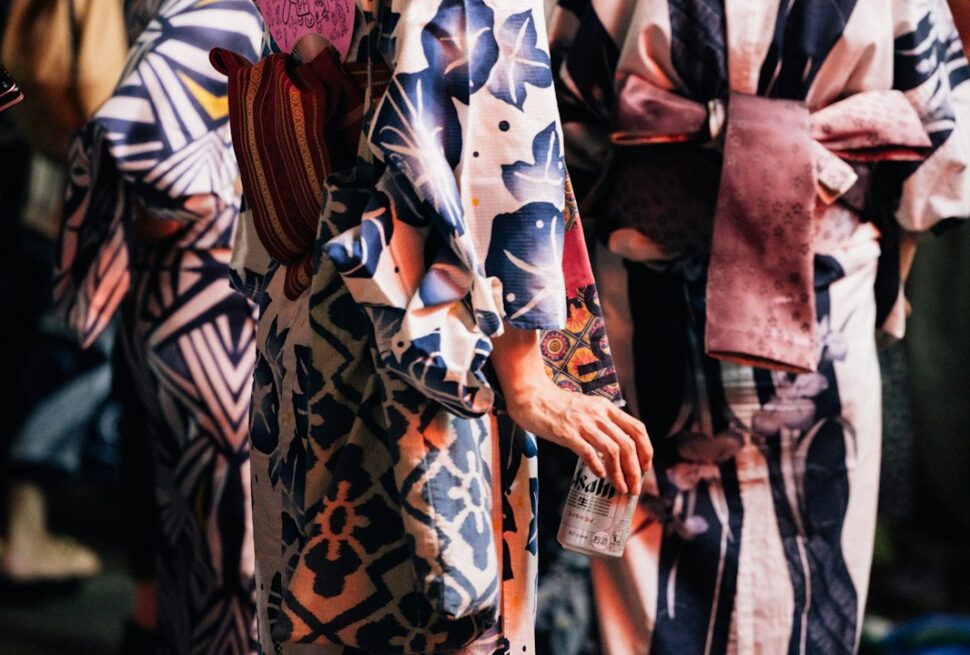
The Tokyo tournaments are held at the Ryogoku Kokugikan, beside Ryogoku Station on the east side of the Sumida River. Many of the sumo stables are in the surrounding streets, and outside tournament season you may see wrestlers in cotton yukata walking to the station.
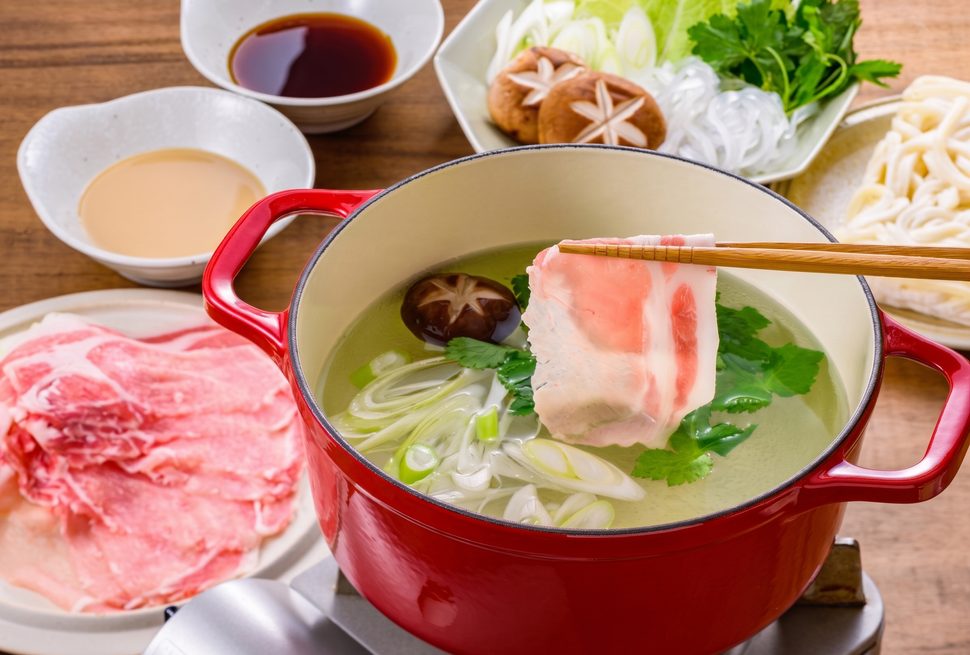
The neighbourhood is also known for chanko nabe, the hot pot associated with wrestlers’ diets, and several restaurants are run by former wrestlers. On our private Tokyo days, travelers who are curious about sumo sometimes build Ryogoku into the route, since there is no fixed itinerary to work around. For tickets and morning practice, our guide to sumo wrestling in Japan goes into detail.
Football and the Other Contenders
Baseball and sumo dominate the conversation, but they are not the only sports with a real following. Several others have grown quickly in the last three decades.
The J.League and Its New Calendar
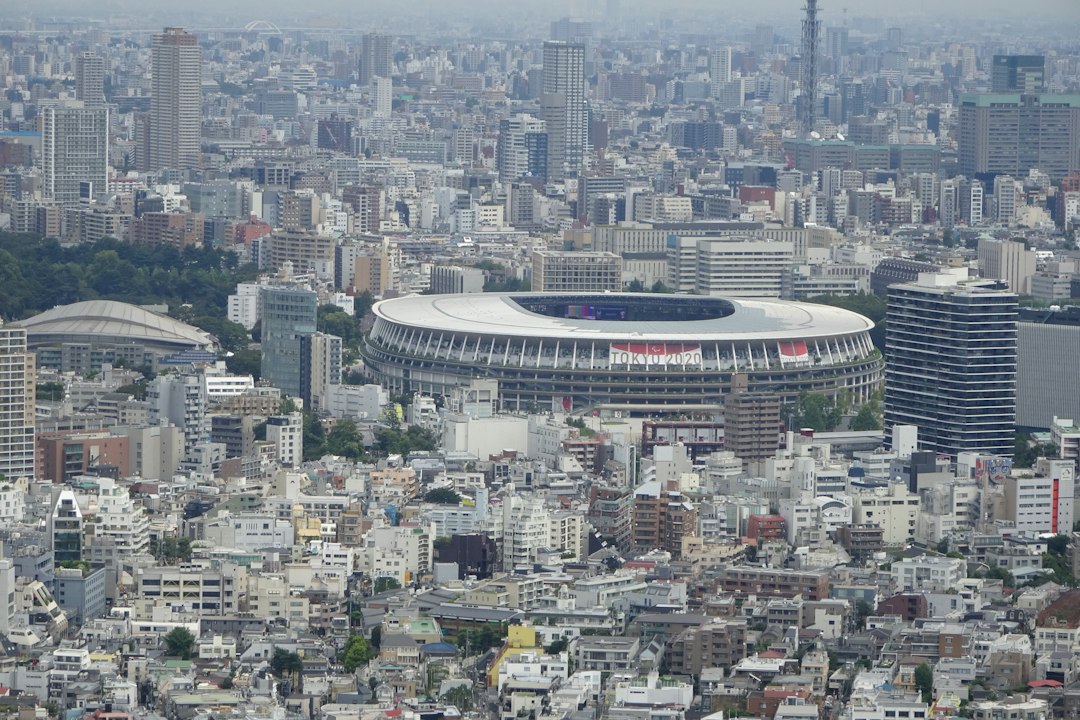
Professional football arrived relatively late. The J.League played its first season in 1993, and it now has three professional divisions, J1, J2, and J3, with twenty clubs in each. The men’s national team has qualified for every World Cup since 1998.
The league is also in the middle of a structural change. From the 2026/27 season, it moved from a calendar-year season to one that begins in August and ends the following May, with a winter break. For visitors, this means football is now played across autumn and spring, when baseball is either winding down or has not yet started.
In our experience, a J.League match is the most relaxed ticket of the three. The atmosphere in the supporters’ end is lively, and tickets are usually easier to find than for popular baseball fixtures.
Rugby, Basketball, and Volleyball
Rugby gained a much larger audience after Japan hosted the Rugby World Cup in 2019, when the national team reached the quarter-finals for the first time. The run was followed well beyond the usual rugby crowd, and it changed how the sport is seen in Japan.
Basketball has its own professional league, the B.League, formed in 2016. Volleyball has long been popular, particularly at school level and through the national teams. Neither will draw a visitor the way baseball or sumo does, although both are easy to watch if a game falls on a free evening.
Ekiden: The Relay Race Japan Watches on New Year’s Day
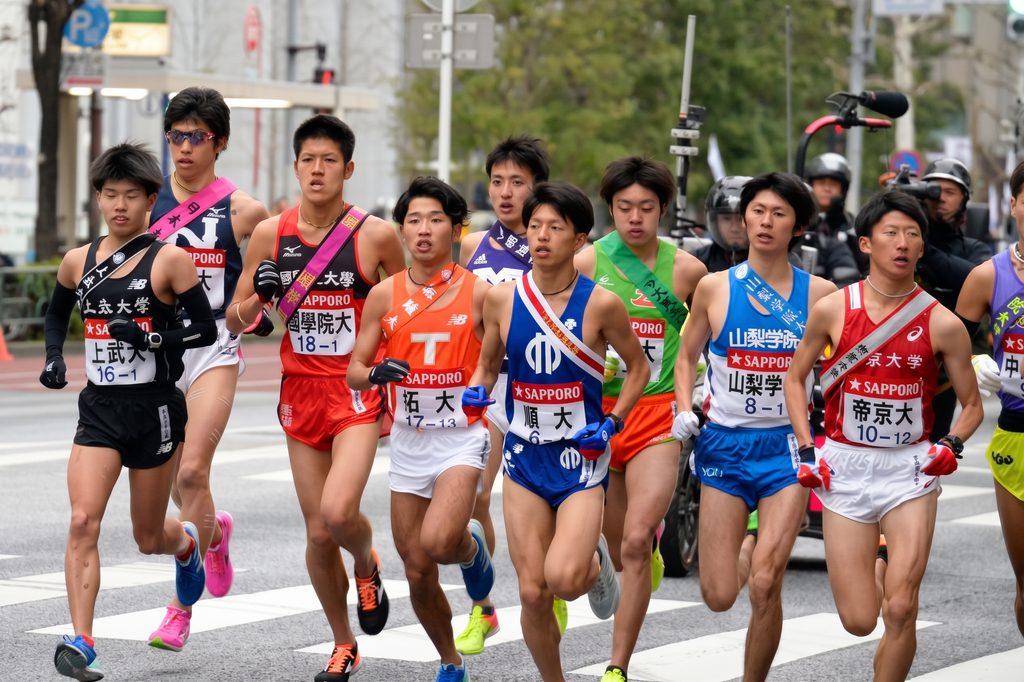
The sport that most surprises visitors is long-distance relay running. Ekiden races are followed closely on television, and the Hakone Ekiden, a two-day university relay between Tokyo and Hakone held on January 2 and 3, is part of the New Year holiday for a great many households.
If you are in Tokyo over the New Year, spectators line the route and it costs nothing to watch. It is one of the few sporting events you can walk up to without a ticket, and it pairs well with the other traditions covered in our guide to visiting Japan in January.
Baseball or Sumo? Choosing What to Watch on Your Trip
Most travelers have room for one sporting event, and the choice is usually made for them by the calendar. Still, when both are possible, we have a clear view on which suits whom.
Let Your Dates Decide
Sumo only happens in six fifteen-day windows, and only three of them are in Tokyo. Baseball runs almost every day from late March to early October, with teams in Tokyo, Yokohama, Osaka, Nagoya, Hiroshima, Fukuoka, Hokkaido, and elsewhere.
Check the sumo calendar first. If a tournament overlaps your trip, prioritise it, because it is the rarer opportunity. If it does not, baseball is almost always available, and in the Tokyo area alone there are several stadiums within easy reach by train.
Winter is the exception. Between the Japan Series and the new season in late March, there are no official league games, so the January tournament in Tokyo, the Hakone Ekiden, and football are your options.
What Each One Tells You About Japan
Sumo shows you ritual. The salt, the shrine-like roof suspended over the ring, and the rank-conscious ceremony connect directly to Shinto and to a much older Japan. It is quieter and slower than people expect, and the tension before a bout is part of the experience.
Baseball shows you everyday Japan at leisure. Office workers, families, and old friends in matching jerseys sing for three hours and then leave in orderly lines to the station. For travelers interested in how the country actually spends its evenings, a ballgame tells you more than almost any sightseeing stop.
If you have time for only one and your dates allow both, we recommend sumo for a first trip and baseball for a return visit.
Expert Tip
Both sports sell out quickly, but in different ways. Popular sumo tournament days and weekend games for the Tigers or Giants can be gone within hours of going on sale. Weekday baseball games for less-followed teams are usually much easier. Book sumo first, then fill in baseball once the rest of your itinerary is fixed.
Most Popular Sport in Japan: Frequently Asked Questions
Is sumo or baseball more popular in Japan?
Baseball. It draws far larger crowds and television audiences, and it ranks first in the annual popular sports survey, with sumo behind both baseball and football. Sumo’s reputation as the quintessential Japanese sport comes from its history and ritual rather than from numbers.
What is Japan’s national sport?
There is no officially designated national sport in law. Sumo is widely called the national sport, and the Japan Sumo Association describes it that way, which is why the Tokyo arena is called the Kokugikan. Baseball is the most popular sport in practice.
Can tourists buy tickets to baseball and sumo in Japan?
Yes. The Japan Sumo Association runs an official ticket service in English, and most professional baseball teams sell tickets online, although some sites are only in Japanese. For popular dates, buy as soon as tickets go on sale; for weekday baseball games, buying a few days ahead is usually enough.
Related Tours
Conclusion
Baseball is the most popular sport in Japan by the measures that count most, and sumo is the one the country is most closely identified with abroad. You do not need to choose between the two as ideas. You only need to choose between them as evenings.
Before you book anything else, check whether a sumo tournament overlaps your dates. If one does, buy tickets for that day early and plan the rest of your Tokyo stay around it. If none does, pick a weekday baseball game, sit in the outfield near the home team’s cheering section, and let the crowd teach you the chants.
Plan Your Japan Trip with Local Experts
Our team has guided 40,000+ travelers across Japan. Tell us about your trip and we’ll get back to you within 24 hours.