In this article:
- What Shabu Shabu Actually Is
- How to Eat It Without Ruining the Pot
- Where to Eat Shabu Shabu in Japan
- Booking, Price, and Dietary Reality
- Shabu Shabu Hot Pot: Frequently Asked Questions
Introduction
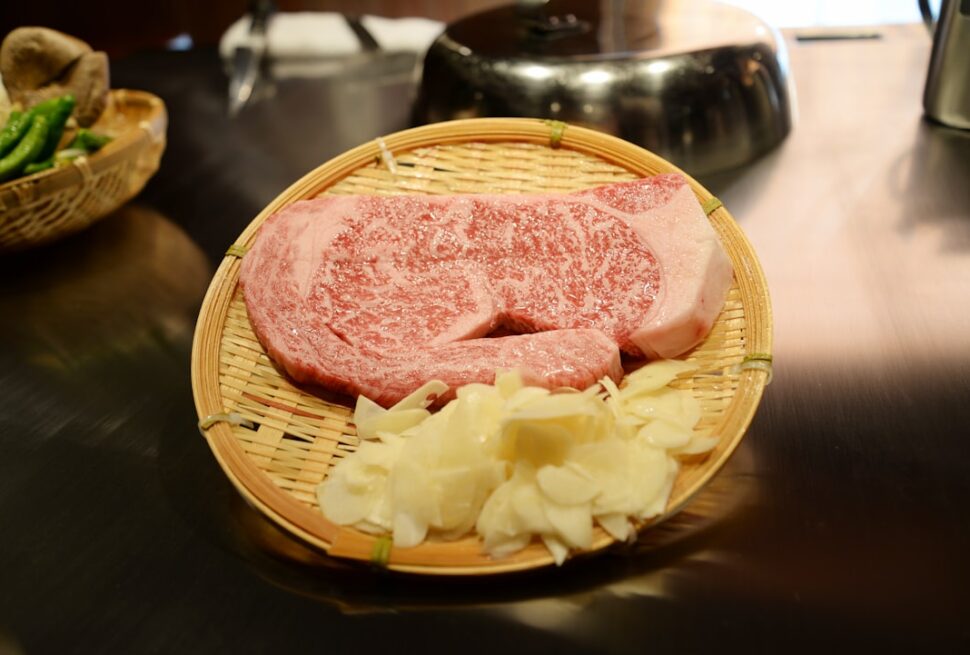
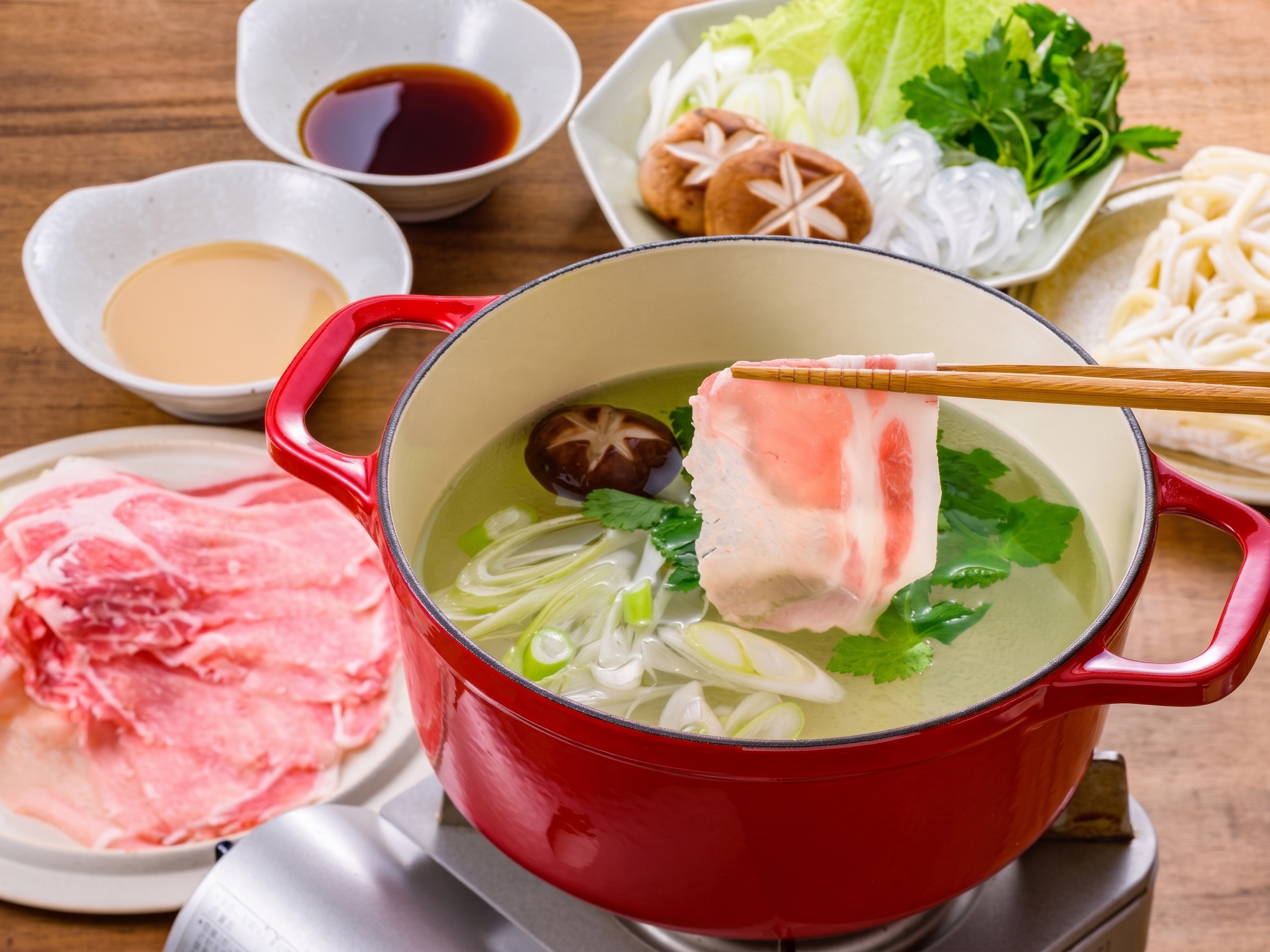
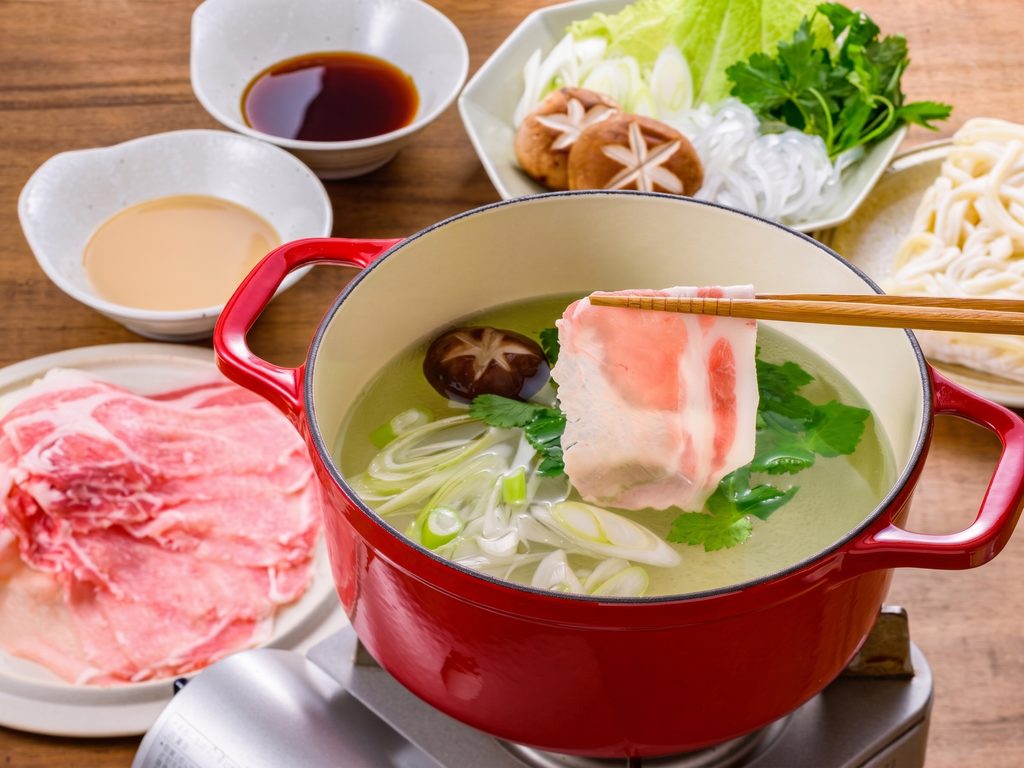
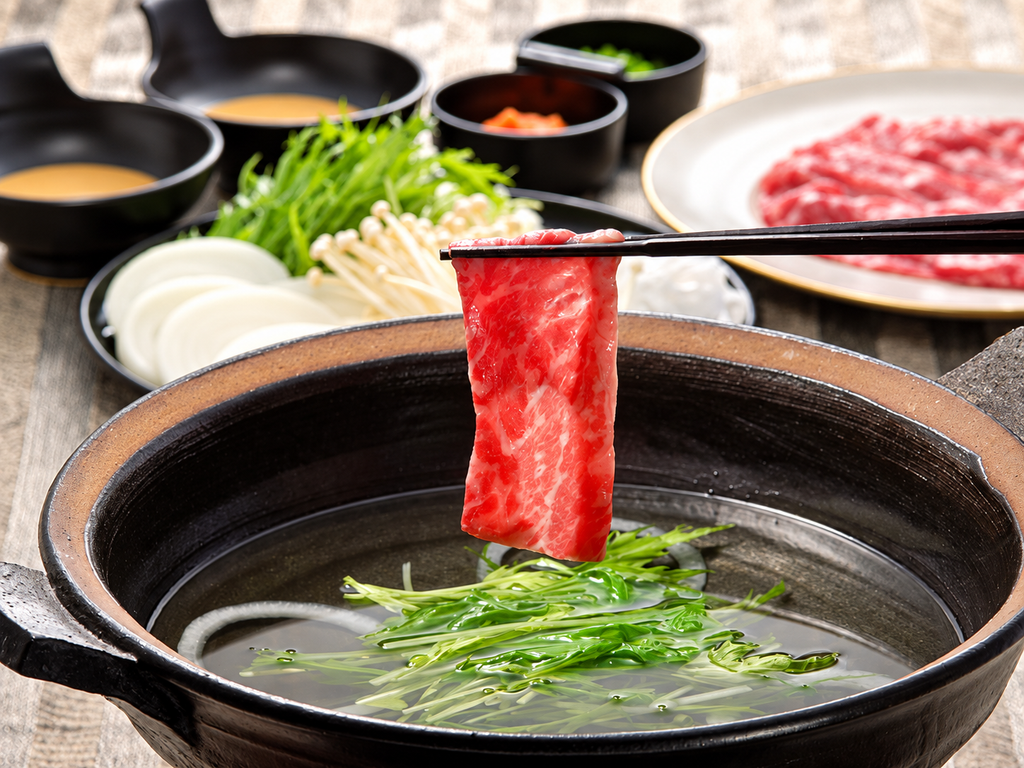
A shabu shabu hot pot arrives at the table looking like a mistake. There is a pot of clear liquid with a single sheet of kelp sitting at the bottom, a plate of raw beef sliced thin enough to read through, a bowl of cut vegetables, and two small dishes of sauce. Nothing is seasoned. Nothing smells of much.
Then the broth starts to move, the first slice goes in, and the logic becomes obvious within about four seconds.
Most Western travelers arrive at this dish carrying the wrong reference point. Hot pot, in Chengdu or in a Chinese restaurant in London, usually means a red broth loud with chili and Sichuan pepper, where the liquid is the flavor. Shabu shabu is the opposite argument. The broth is deliberately almost nothing so that the beef tastes of beef, and the seasoning happens after the cooking, in a dipping bowl you control. Among the travelers we work with, it is consistently one of the meals that surprises people most — not because it is elaborate, but because it is not.
What Shabu Shabu Actually Is
Shabu shabu belongs to the family of Japanese dishes called nabemono — anything cooked in a communal pot at the table. Within that family it sits at the light, restrained end, defined by paper-thin slices cooked one at a time rather than a stew everyone shares.
The Sound the Dish Is Named After
The name is onomatopoeia. Shabu shabu is the swishing sound of meat moving back and forth through hot liquid, which is also the instruction for how to eat it. Few dishes name themselves after their own cooking technique this precisely.
It is also a modern dish, which surprises people who assume every Japanese food tradition runs back centuries. Shabu shabu is generally credited to the Osaka restaurant Suehiro in the post-war years, adapted from the Chinese lamb hot pot shuan yang rou, with the name registered as a trademark in 1952. It reached Tokyo menus in the mid-1950s and spread from there.
That Osaka origin still shows up in how the city treats the dish. Osaka has never been precious about food, and its shabu shabu restaurants tend to be louder, cheaper per head, and more generous than their Tokyo equivalents.
Why the Broth Looks Like Nothing
The traditional broth is kombu dashi: water, a strip of kelp, and no more. It is not meant to be drunk at the start of the meal and it is not meant to taste of anything in particular. Its job is temperature and a faint background of the sea.
Flavor in shabu shabu comes from three places — the meat, the dipping sauce, and whatever the ingredients leave behind in the pot as the evening goes on. By the end, the liquid that started as plain water has become a proper stock. That transformation is the reason the last course matters so much, which we will come back to.
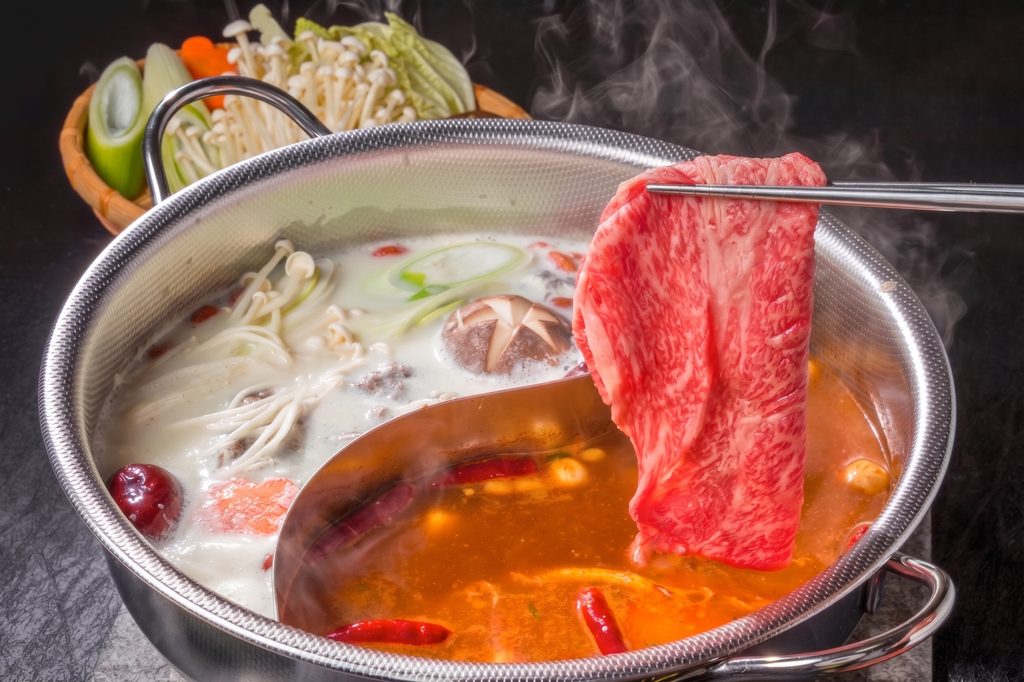
Many restaurants now serve a divided pot with kombu dashi on one side and a second broth on the other: soy milk, spicy miso, tomato, collagen. These are fine and popular with Japanese diners. Still, if it is your first time, order the plain side and taste what the dish was designed to do.
Shabu Shabu, Sukiyaki, and the Rest of Nabe
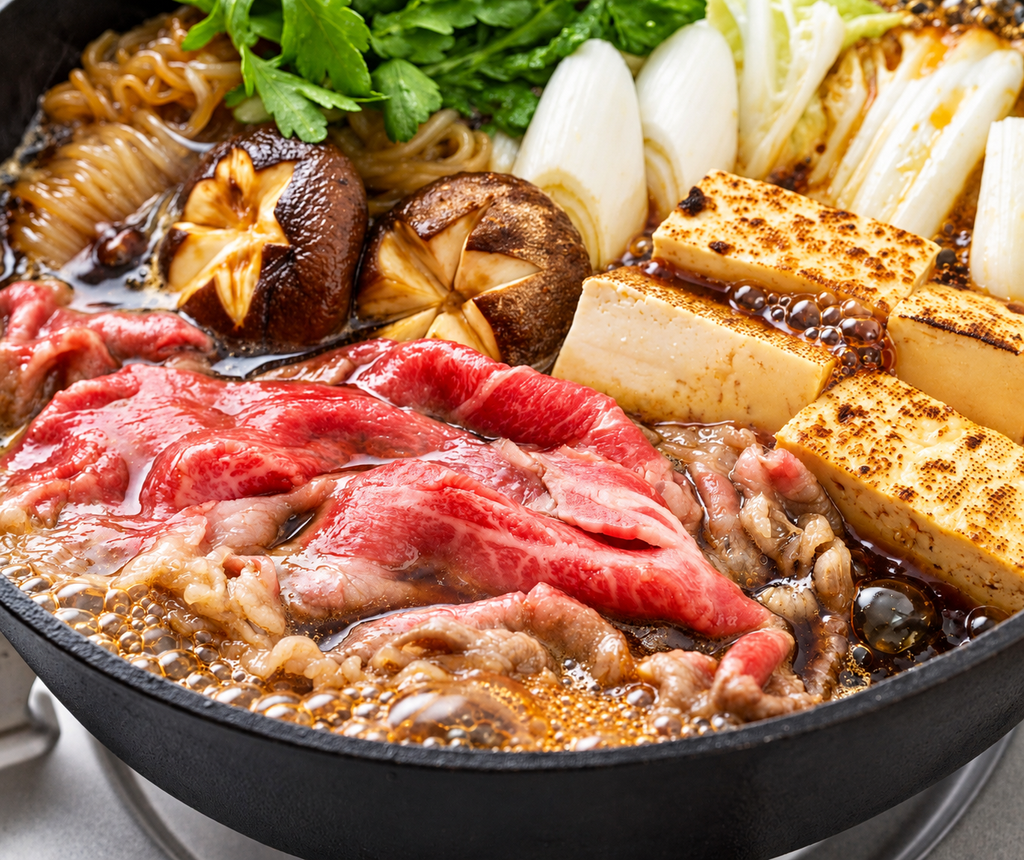
Sukiyaki is the dish shabu shabu gets confused with, and the two are genuinely different meals. Sukiyaki simmers beef and vegetables together in warishita — a sweet-savory mix of soy sauce, sugar, mirin, and sake — and the cooked pieces are dipped into a bowl of raw beaten egg before eating. It is rich, sweet, and closer to a braise.
Shabu shabu cooks each piece separately in unseasoned liquid and seasons it afterwards. Sukiyaki tastes of its sauce. Shabu shabu tastes of its beef.
If you are working out how to spend your beef budget across a two-week trip, it helps to think of these as three distinct experiences rather than three versions of one. Sukiyaki is the sweet one, shabu shabu is the clean one, and yakiniku is the smoky one. We would put shabu shabu first, because the absence of seasoning makes the quality of the meat impossible to hide.
Expert Tip
Order the plainest broth and the best grade of beef you are willing to pay for, rather than an elaborate broth and mid-grade meat. A rich soy-milk or spicy-miso pot will flatter cheap beef and mask expensive beef equally, which makes it the wrong place to spend money. The point of the clear kombu pot is that it tells you exactly what you bought.
How to Eat It Without Ruining the Pot
Nobody will correct you at a shabu shabu restaurant, which is precisely why so many visitors eat it badly. The failure mode is always the same: everything goes into the pot at once, the meat boils for a minute, and what arrives in your bowl is grey and tough.
The Order Things Go In
Start with the firm vegetables — carrot, daikon, thick mushroom stems, anything dense. They need several minutes and they build the stock while they sit there.
Meat goes in next, a slice or two at a time, and never as a stack. Leafy things and tofu come last, because napa cabbage collapses in under a minute and tofu only needs warming through.
The governing rule is that the pot is a cooking surface, not a storage container. Cook what you are about to eat, eat it, then cook the next piece. A crowded pot drops in temperature and stops swishing anything.
Three Seconds, Not Thirty
Hold the slice by one end with your chopsticks and move it through the broth in a slow figure of eight. The moment the red disappears, it is done. For properly thin beef that takes a handful of seconds.
Thicker cuts and pork need longer — pork should be cooked through, with no pink left. Beef sliced for shabu shabu does not.
If you find yourself waiting for the meat to look cooked the way a steak looks cooked, you have already overdone it. Trust the color change and pull it out.
Skim the foam. A mesh ladle usually sits beside the pot for exactly this, and the grey scum that rises after the first few rounds of meat is what turns a clear broth cloudy and bitter. Two seconds of skimming every few minutes protects the final course.
Ponzu or Goma-dare
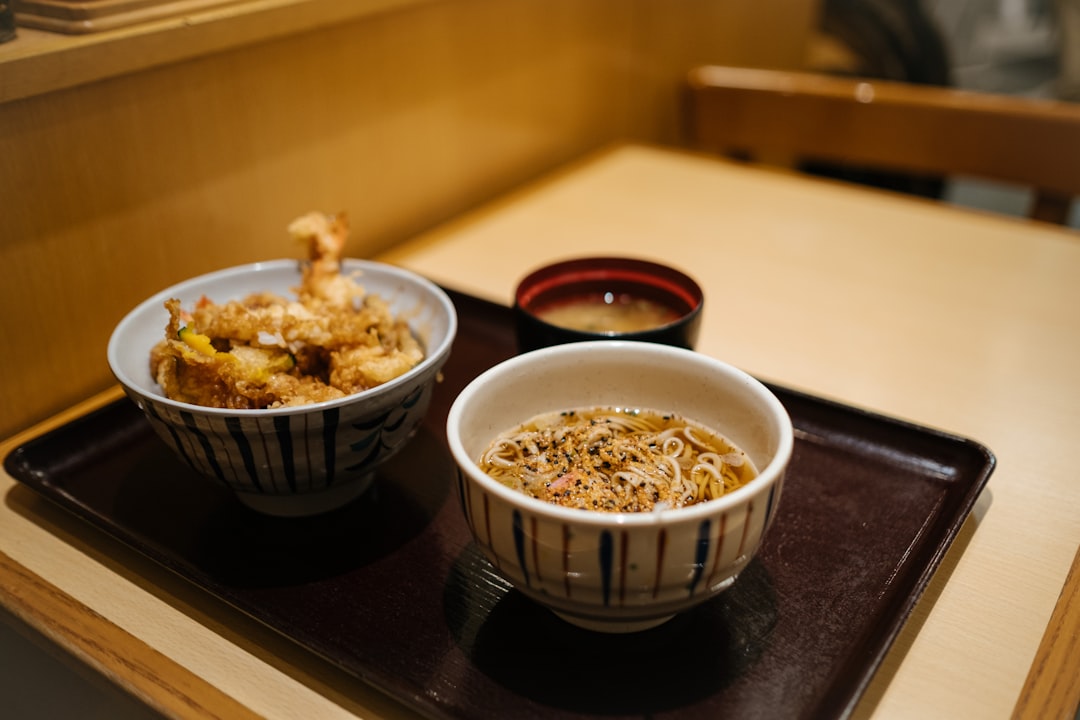
Two sauces arrive with almost every shabu shabu meal. Ponzu is citrus and soy, sharp and thin. Goma-dare is a sesame sauce, thick, nutty, and considerably richer.
The convention is to alternate rather than choose. Ponzu suits the vegetables and the leaner cuts because the acidity cuts through; goma-dare suits fatty beef because it has the body to stand up to it. In our experience most first-timers start on goma-dare, find it heavy by the twentieth slice, and end the meal on ponzu.
Condiments sit on the table to be added to the sauces: grated daikon, chopped spring onion, sometimes yuzu kosho or chili-daikon. Put them in the dipping bowl, not in the pot.
The Shime Is the Point
At the end of the meal, staff will ask whether you want udon, ramen, or rice in the remaining broth. Say yes. This closing course is called shime, and skipping it means walking away from the only part of the pot that has actually been seasoned — by everything you cooked in it over the previous hour.
Rice comes back as zosui, a loose porridge finished with beaten egg and spring onion. Udon goes in plain and picks up the stock. Between the two, we send people toward the zosui, which carries more of the accumulated flavor.
Order it before you are completely full. Portion your meat accordingly, because a lot of travelers reach this moment with no capacity left and genuinely regret it.
Where to Eat Shabu Shabu in Japan
Shabu shabu restaurants split cleanly into two categories, and the mistake is treating them as points on a single scale. They are different products.
All-You-Can-Eat Chains
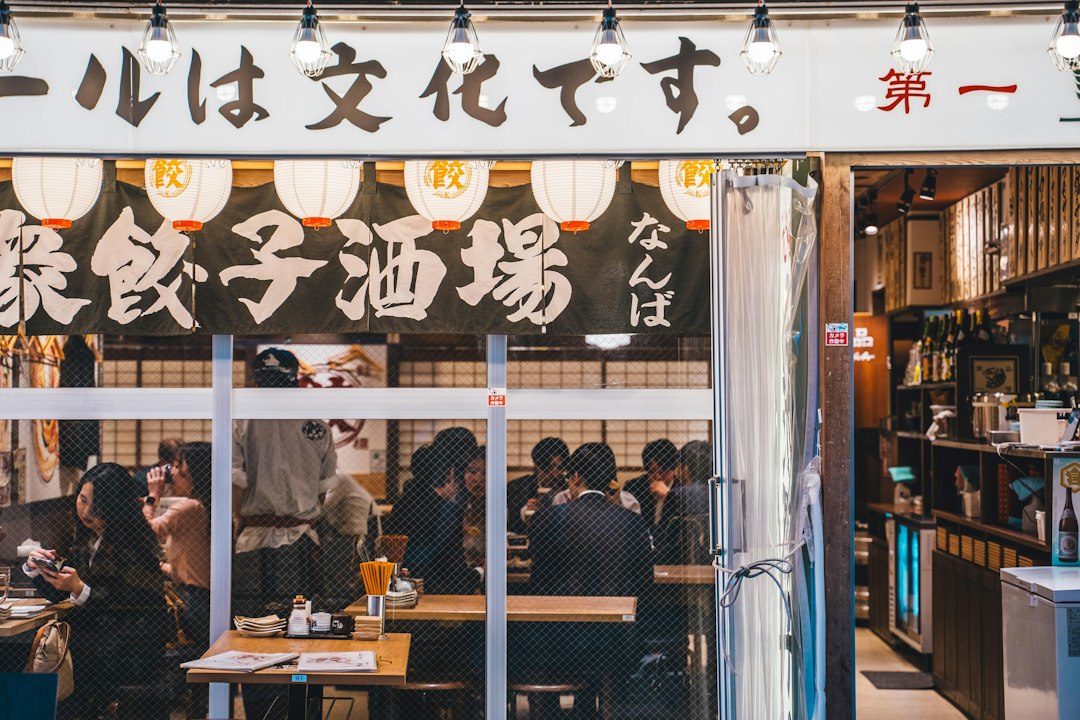
The tabehoudai chains are a genuinely good deal and an easy first attempt. Mo-Mo-Paradise, which opened in Shinjuku Kabukicho in 1993 and now runs branches across Tokyo, is the most visible of them; Nabezo and Shabu-Shabu Onyasai occupy similar ground with large numbers of branches in the major cities.
These places are built for volume. Courses run on a time limit, usually somewhere between ninety minutes and two hours, the meat is graded into tiers you pay up for, and vegetables typically come from a self-serve bar. English menus and tablet ordering are standard, which removes the language problem entirely.
What you lose is the meat. Chain beef at the base tier is fine rather than memorable, and the clear broth makes that obvious. Pay up a tier if the option exists.
Specialist Counters and Wagyu
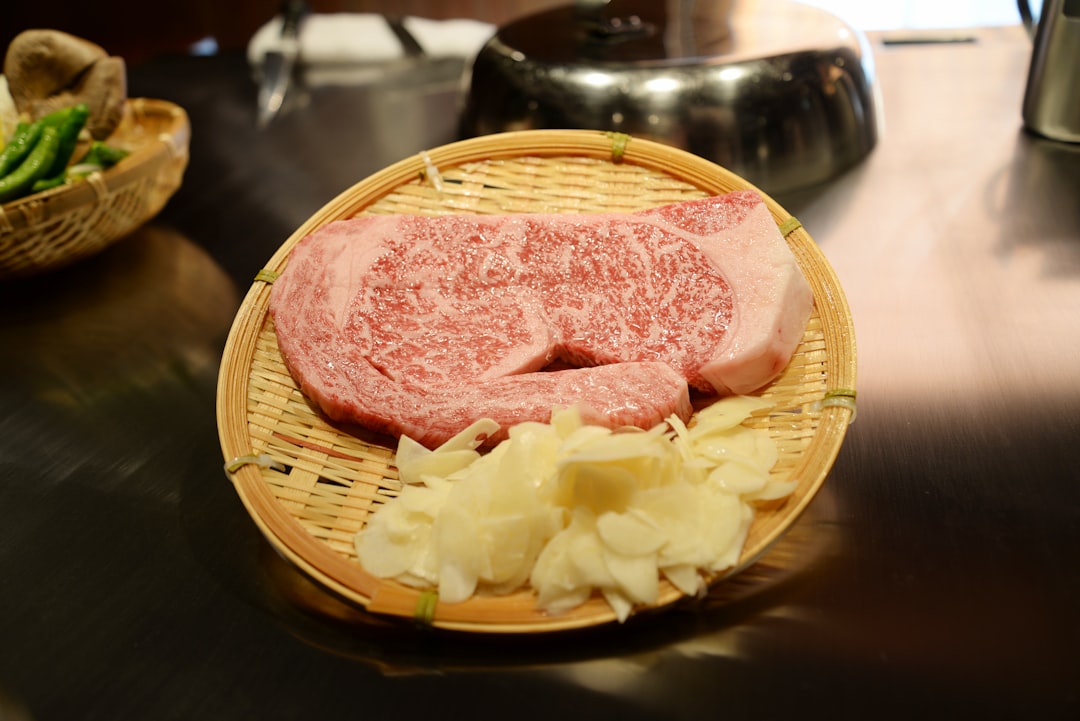
The other category is the shabu shabu specialist, where the beef is the entire proposition. Expect named wagyu — kuroge, Matsusaka, Omi — sliced to order and laid out on the plate with some care, and expect the price to reflect it.
An increasing number of these restaurants give each diner their own small pot rather than a shared one. This is better, and not only for hygiene: an individual pot means you control the timing of every slice rather than negotiating a shared surface with three other people.
These are the meals worth booking. A good wagyu shabu shabu dinner does something a steakhouse cannot, because the thinness of the slice and the few seconds in broth render the fat without ever browning it.
Beyond Beef
Pork shabu shabu — butashabu — is common, cheaper, and better than its reputation, especially with ponzu. It is also the version most Japanese households actually cook at home.
Regional seafood versions are worth planning around if the season lines up. Buri-shabu uses yellowtail and belongs to the Toyama and Hokuriku winter. Hamo-shabu, with pike conger, is a Kansai summer dish. Crab shabu shabu appears wherever crab does, which in practice means Hokkaido and the Sea of Japan coast in winter.
Fitting It Into an Evening
One practical point about Tokyo and Osaka: shabu shabu is a sit-down commitment of two hours or more, and it does not combine with anything else in the same evening.
Our Shinjuku food tour runs three hours through four eateries around Omoide Yokocho and Kabukicho, fifteen dishes across the evening, and guests ask about hot pot on almost every one of them. The honest answer is that they are different nights. A food tour shows you the range of how a district eats — Shinjuku alone covers ramen counters, yakitori lanes, and basement izakaya — while shabu shabu is one table, one pot, and one ingredient examined closely.
Plan them on separate evenings. The same applies in Osaka, where our Dotombori tour spends part of its time standing at a tachinomiya in the Uranamba backstreets, which is about as far from a two-hour hot pot dinner as eating gets.
Booking, Price, and Dietary Reality
Three things determine whether a shabu shabu dinner goes smoothly, and all of them are settled before you arrive.
What It Costs
Price in shabu shabu is set almost entirely by the grade of the beef, not by the room. Chain all-you-can-eat courses sit at the affordable end, with lunch cheaper than dinner and each step up in meat grade adding to the bill. Specialist wagyu counters run several times higher per person.
Check the current course pricing on the restaurant’s own site before booking, because these menus change seasonally and tiers get reshuffled. Treat any price you read in a travel article, including this one, as a rough shape rather than a quote.
Time limits apply at the all-you-can-eat places and are enforced. Ninety minutes is enough if you order promptly and do not spend the first twenty at the vegetable bar.
Reservations and Group Size
Book specialist restaurants in advance, particularly between November and February, when nabe season puts every hot pot restaurant in Japan under pressure. Chains take walk-ins more readily, though Friday and Saturday evenings in Shinjuku or Namba will involve a wait.
Solo diners should check before turning up. Plenty of shabu shabu restaurants are built around shared pots and effectively assume two people minimum, while the newer one-pot-per-person places handle single diners without any difficulty. Counter seating is the signal to look for.
Vegetarian, Halal, and Allergy Constraints
Shabu shabu looks accommodating and often is not. The kombu broth itself is usually plant-based, but ponzu is commonly made with katsuo dashi from dried bonito, and goma-dare frequently contains dashi as well. A meal that appears vegetarian on the surface has fish in both sauces.
The shared pot is the second problem. Where one pot serves the table, meat and vegetables cook in the same liquid, which rules it out for strict vegetarian, halal, and severe-allergy requirements regardless of what you personally put in. Restaurants with individual pots solve this cleanly.
Call ahead rather than improvising at the table — our guide to dashi and vegetarian dining in Japan covers the phrasing that gets a useful answer. We apply the same rule on our own food tours: strict dietary requirements are far easier to build around with notice than to solve on the night.
Expert Tip
If you are eating shabu shabu as a couple or a pair, ask whether the restaurant can give you two separate pots even when the table is set for a shared one. Many specialist places will, and some charge nothing for it. Two pots means two people cooking at their own speed instead of competing over the same patch of broth, and it neatly solves the problem when one of you does not eat meat.
Shabu Shabu Hot Pot: Frequently Asked Questions
Is shabu shabu the same as Chinese hot pot?
They share an ancestor and very little else. Shabu shabu was adapted in post-war Japan from the Chinese lamb hot pot shuan yang rou, but the Japanese version stripped the broth back to kelp and water and moved all the seasoning into dipping sauces. Chinese hot pot generally puts the flavor in the liquid itself, often with chili and Sichuan pepper, and simmers ingredients for longer. If you order shabu shabu expecting a spicy broth, you will be surprised.
Do I cook the meat myself, or does the restaurant do it?
You cook it. Staff bring raw ingredients, set the pot boiling, and leave the table to you, which is the whole format. At higher-end restaurants a server may cook the first few slices to demonstrate the timing before handing over, and at some very formal places staff cook throughout. Assume you are doing it yourself unless someone indicates otherwise, and remember that thin beef needs seconds rather than minutes.
Can I eat shabu shabu alone in Japan?
Yes, but choose the restaurant deliberately. A growing number of shabu shabu places in Tokyo and Osaka are built around one pot per person with counter seating, and those are straightforward for solo diners. Traditional restaurants with shared pots and table seating often assume a minimum of two. Check the seating layout in photos before you book, or pick one of the all-you-can-eat chains, where individual induction hobs are standard.
Related Tours
Conclusion
Shabu shabu rewards restraint in a way that almost nothing else on a Japanese menu does. There is no sauce hiding the ingredient, no char, no reduction — just beef, hot water, and a few seconds of judgment. Getting it right requires you to do less than you think, which is why travelers used to cooking at the table often overshoot on their first attempt.
If you are only eating it once, spend the money at a specialist rather than a chain, ask for an individual pot, and order the plain kombu broth. The difference between a base-tier chain plate and properly sliced kuroge wagyu is larger here than in almost any other beef dish in Japan, because there is nothing else in the bowl to distract from it.
And when the staff come round at the end to ask about udon or rice, take the rice. Sixty minutes of cooking went into that broth. Walking out and leaving it in the pot is the one genuine mistake you can make at a shabu shabu table.
Plan Your Japan Trip with Local Experts
Our team has guided 40,000+ travelers across Japan. Tell us about your trip and we’ll get back to you within 24 hours.