In this article:
- What Actually Counts as the Most Expensive Meat
- How Japan Grades Beef, and What the Letters and Numbers Mean
- Brand Beef: Kobe, Matsusaka, and the Rarity Tier
- What the Most Expensive Meat Actually Costs in Japan
- Most Expensive Meat: Frequently Asked Questions
Introduction
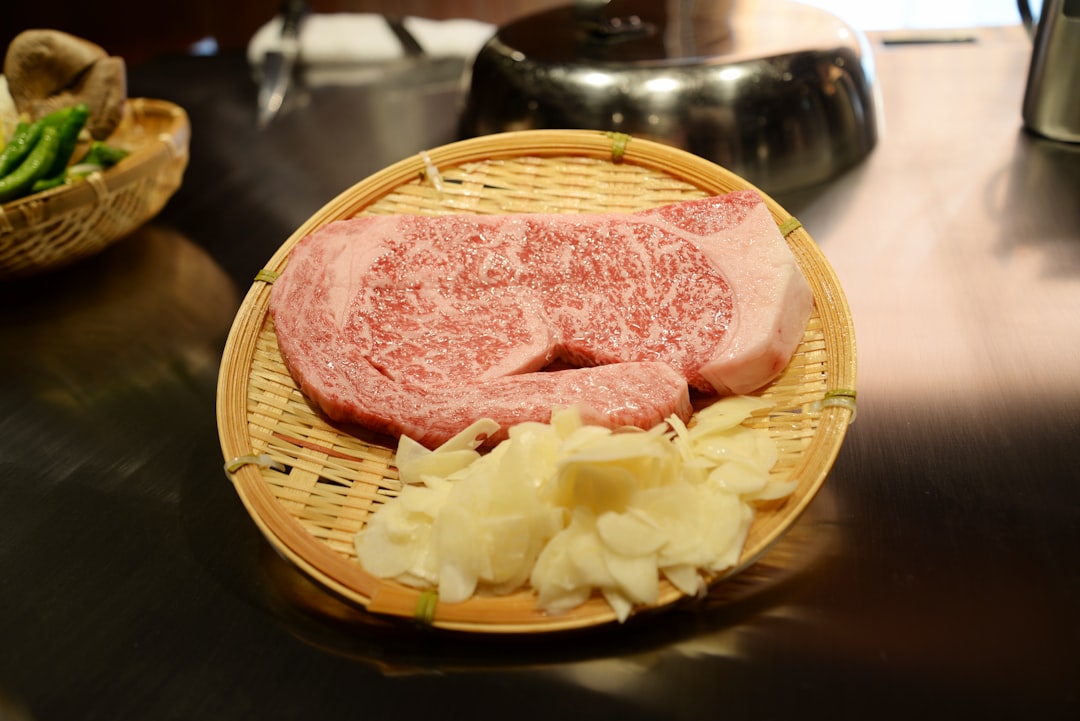
Ask what the most expensive meat in the world is and the answer will almost always be Japanese beef. That answer is roughly correct. However, it is almost entirely unhelpful. The price range hiding inside the phrase “wagyu” is huge. It runs from a ¥1,500 lunch set to a ¥46,200 dinner course at a Ginza steak counter.
The gap is not a scam. It is a grading system and a set of regional certification rules. It is also a portion-size convention. Nobody explains this to visitors before they sit down. Travelers arrive knowing the letter A and the number 5. They order the thing with those characters on it. Then they eat 200 grams of fat they did not enjoy.
We book a lot of beef dinners for travelers in Tokyo. The ones that go well tend to involve less meat and more information. What follows is that information. It explains what the grades measure. It shows which brands are legally defined and which are marketing. Finally, it clarifies what the numbers on a Tokyo menu actually correspond to.
What Actually Counts as the Most Expensive Meat
Genuinely scarce products and one-off auction theatre build rankings of expensive meat. Separating the two is the first useful step.
The Global Shortlist
The usual contenders outside Japan are luxury ingredients. They include jamón ibérico de bellota from acorn-fed black Iberian pigs. Other examples are foie gras, wild abalone, and bluefin tuna. Each is expensive for a specific structural reason. This might be a three-year curing cycle or a labour-intensive production method. Other reasons include a wild harvest that people cannot scale or a fishery that authorities place under quota.
Beef is different. It is the only category on the list with two unique features. First, a country built a national grading bureaucracy specifically to price marbling. Second, it attached legally protected regional brands on top of that system. That combination is why Japanese beef, not Spanish ham, ends up at the head of almost every list.
Ayam Cemani chickens and dry-aged novelty steaks also appear in these rankings. They are real. However, they are sold in very small numbers. Because of this, the price tells you about the seller rather than about the market.
Why Japanese Beef Dominates the Conversation
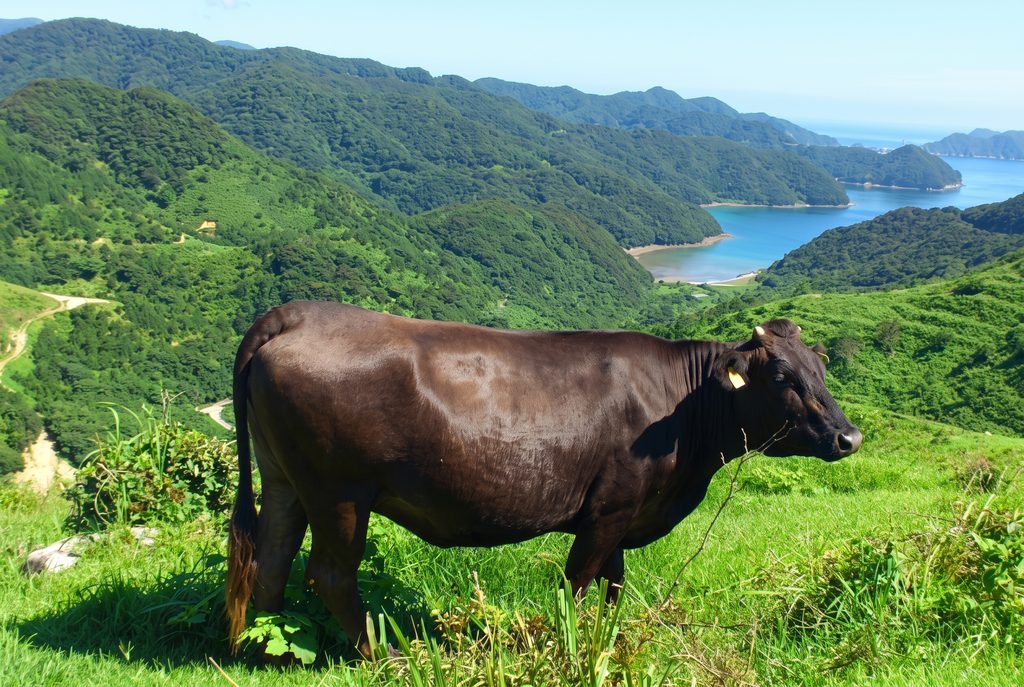
Wagyu is not one breed. The term covers four Japanese cattle breeds: Japanese Black, Japanese Brown, Japanese Shorthorn, and Japanese Polled. Among these, the Japanese Black accounts for the overwhelming majority. It represents most of what reaches a restaurant table.
That breed deposits fat inside the muscle rather than around it. The result is meat that renders at a lower temperature than beef fat elsewhere. This low melting point is the entire basis of the texture. It is exactly what people pay for. It also means a large portion is physically difficult to finish, a point we will come back to.
Feeding one of these animals takes roughly two and a half to three years. This is compared to a much shorter cycle for commodity beef. Long feeding, small herds, and a grading system that rewards the most fat-heavy outcome produce the price.
Auction Records Are Not Retail Prices
The headline numbers attached to Japanese meat almost always come from ceremonial auctions. A 278-kilogram bluefin tuna sold for ¥333.6 million at Toyosu market’s first auction of 2019. It was bought by the operator of the Sushi Zanmai chain. A champion animal at the Matsusaka beef competition reportedly reached ¥50 million in 2002.
Those are prestige purchases with an advertising budget behind them, not the market rate. In exchange, national television covers the buyer. The buyer then serves the fish or the beef at ordinary prices.
Treat any per-pound figure you read in a listicle the same way. The useful number is what a restaurant in Japan charges you for a course, and that number is published and checkable.
Expert Tip
The word “wagyu” on a menu outside Japan may mean nothing about origin. Many countries permit crossbred cattle raised domestically to be labelled wagyu, and the American “Kobe-style” label has no relationship to Kobe. Inside Japan the protections are real, which makes Japan the only place where the premium you pay maps reliably onto a verifiable standard.
How Japan Grades Beef, and What the Letters and Numbers Mean
Every carcass in Japan is assessed by the Japan Meat Grading Association, on a cut surface taken between the sixth and seventh rib. The grade has two parts, and most visitors misread both.
The Letter: Yield Grade A, B, or C
A, B, and C describe yield — how much saleable meat came off the frame, estimated from rib eye area, fat thickness, and carcass weight. A means an above-average yield.
The letter says nothing about how the beef tastes. It is an economic measure aimed at the wholesaler, and a B-grade carcass can carry marbling identical to an A. Restaurants quote it anyway because customers have learned to look for the A.
The Number: Quality Grade 1 to 5
The number is the quality score, and it runs from 1 to 5 across four separate traits: marbling, meat colour and brightness, firmness and texture, and fat colour and brightness.
Here is the part that matters. The final number is the lowest of the four scores, not an average. A carcass with spectacular marbling and slightly off-colour fat drops to a 4, which is why some A4 beef eats better than some A5.
BMS 1 to 12: The Score That Sets the Price
Marbling is scored separately on the Beef Marbling Standard, a twelve-point scale. Quality grade 5 requires a BMS of 8 or above, which means every score from 8 to 12 collapses into the same “A5” on the menu.
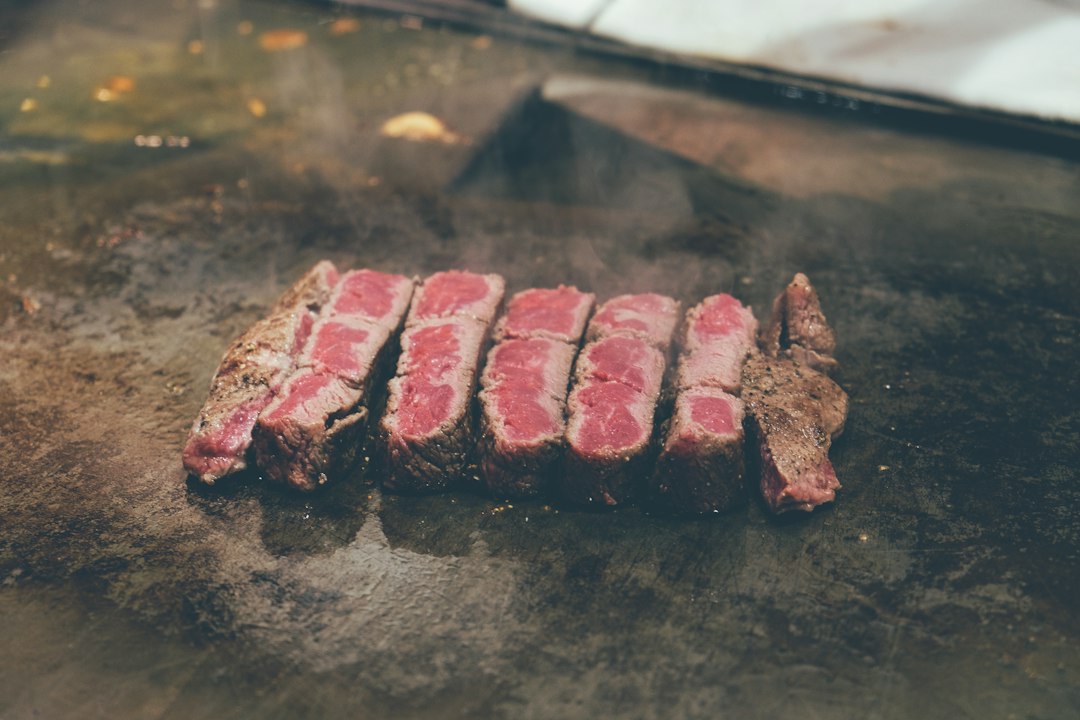
That band is wide. A BMS 8 sirloin and a BMS 12 sirloin are visually different products at meaningfully different wholesale prices, and both are honestly described as A5. When a Tokyo restaurant advertises “BMS 11 and above”, it is telling you something the grade alone cannot.
For scale, USDA Prime — the top American grade — corresponds to roughly BMS 4 to 5. The entry point of Japanese A5 is around double the marbling of the best steak most American travelers have eaten.
Brand Beef: Kobe, Matsusaka, and the Rarity Tier
Grades are national. Brands are regional, and the good ones are defined by published criteria rather than by reputation.
What Kobe Beef Legally Requires
Kobe beef is Tajima-lineage Japanese Black cattle, born and raised and slaughtered in Hyogo Prefecture, and it must clear a specific set of thresholds: BMS 6 or higher, yield grade A or B, and a gross carcass weight of 499.9 kilograms or less. Only heifers and steers qualify.
The Kobe Beef Marketing and Distribution Promotion Association puts around 7,000 Tajima-gyu through market each year, of which roughly 5,500 are certified as Kobe beef. That is the total global supply, which is worth holding in mind next time you see Kobe beef on a menu in a city with no relationship to Japan.
The BMS 6 floor is lower than most people assume. Kobe is a guarantee of provenance and process, not automatically the most marbled beef in the room — a Kagoshima or Miyazaki A5 can out-marble it and cost less.
Matsusaka, Omi, and the Regional Brands
Matsusaka beef from Mie Prefecture is built on a different rule: the top tier comes from virgin female cattle, fed for an unusually long period. Omi beef from Shiga claims the longest documented history of the three famous names. Beyond them sit Yonezawa, Hida, Sendai, Kagoshima, Miyazaki, and dozens more.
Our honest view is that the brand matters less than the individual carcass and the restaurant’s buying. A good buyer working with an unglamorous prefecture will beat a mediocre buyer waving a famous name, and the price difference between the two often runs the other way.
If you are heading into the Japanese Alps, Hida beef in Takayama is the clearest example of this. The town sells it at street stalls and in small restaurants at prices that would be impossible for the same grade in Ginza.
Olive Wagyu and the Rarity Tier
Above the famous brands sits a tier sold on scarcity rather than on grade. Olive wagyu from Kagawa Prefecture is the best-known: Japanese Black cattle finished on toasted pulp left over from olive oil pressing, produced by a small group of licensed farmers.
Published herd figures are small enough that supply is measured in dozens of animals a month rather than thousands a year. Whether it tastes proportionally better than a good A5 from anywhere else is arguable. What it definitely is, is hard to get.
We mention it because travelers ask, and because it illustrates the structure of this market. Past a certain point you are paying for scarcity, and scarcity is not a flavour.
Expert Tip
Order by cut before you order by grade. Sirloin and chateaubriand sit at the top of every menu, but lean cuts — momo, shinshin, ichibo — are cheaper, and most Western travelers we work with finish them happily and leave half a sirloin. If you have never eaten A5 before, a 100-gram portion is a serving, not a starter.
What the Most Expensive Meat Actually Costs in Japan
Published menu prices are the only figure in this conversation you can act on. Here is what the range looks like in Tokyo.
Steak House Course Prices in Tokyo
At Kobe Beef Steak Ishida in Ginza, a lunch course built on 100 grams of Kobe lean beef is ¥9,350, a 100-gram Kobe sirloin lunch is ¥17,600, and the dinner course selected at BMS 10 to 12 runs from ¥38,500 to ¥46,200 depending on the cut and the weight. Their non-Kobe Japanese Black courses sit several thousand yen below the equivalent Kobe ones.
Those figures are representative of the upper end of the certified-Kobe teppanyaki category in central Tokyo. The structure is consistent across the sector: lunch is roughly half of dinner for a comparable cut, and the jump from lean to sirloin is larger than the jump from 100 grams to 130.
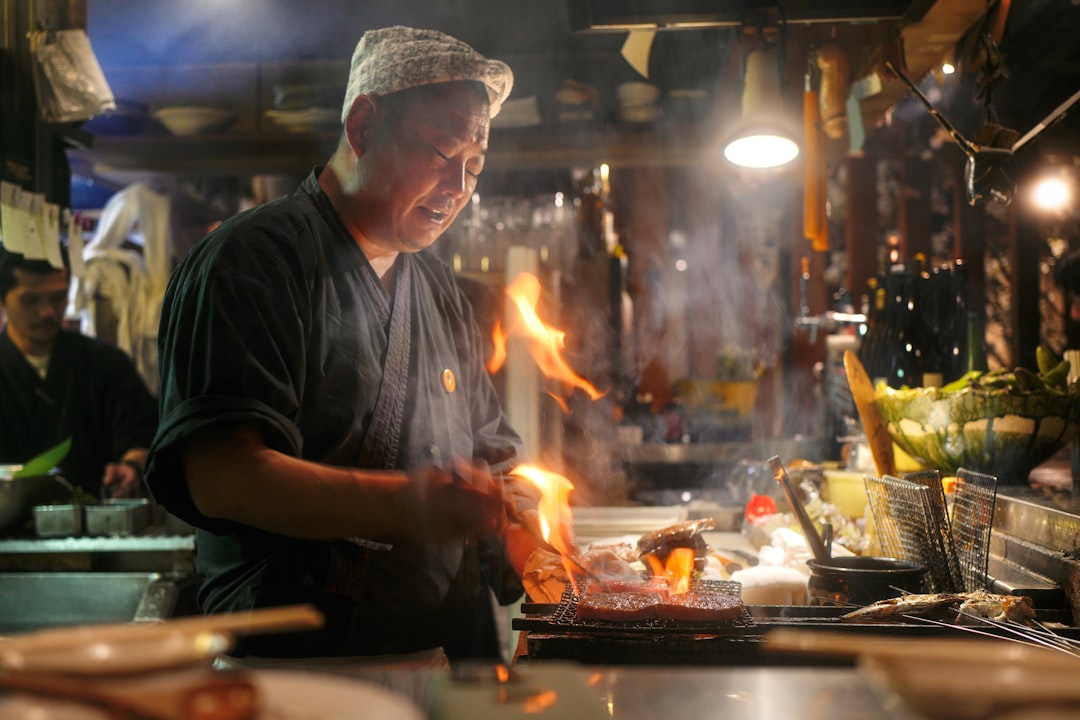
The format matters as much as the beef. A teppanyaki counter puts a chef in front of you for two hours and prices accordingly; the same grade cooked over charcoal at a yakiniku table costs considerably less.
The Cheaper Routes
Yakiniku is where most Japanese people actually eat wagyu. You order by cut, in small quantities, and grill it yourself, which removes the labour cost that steak houses charge for. A table of four can taste five or six cuts of A5 for what one Ginza sirloin course costs one person — our yakiniku guide covers how to order.
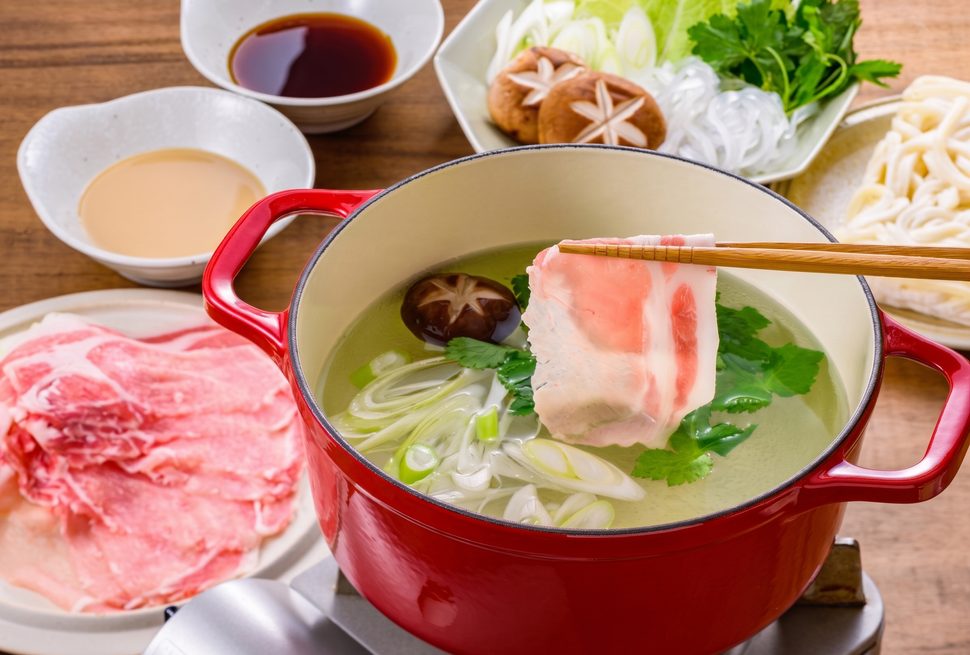
Sukiyaki and shabu-shabu are the other route. Both use thin slices, which means 80 to 100 grams of high-grade beef goes further and the fat is cut by broth, egg, or ponzu.
The third option is to buy it. Department store food halls in Tokyo — the basement floors at Isetan Shinjuku, Mitsukoshi, Takashimaya — sell graded wagyu by the 100-gram pack over a counter, with the grade and prefecture labelled. Even if you have nowhere to cook it, the counter is the fastest way to see what the grades look like side by side.
Checking You Got What You Paid For
Japan runs a mandatory beef traceability system. Every animal receives a ten-digit individual identification number at birth, and that number follows the meat through slaughter, wholesale, and retail.
Restaurants and butchers serving certified brand beef display the number, usually on a certificate on the wall or printed on the package. You can enter it in the National Livestock Breeding Center’s public database to see the animal’s birth date, breed, and where it was raised.
For Kobe specifically, the association also maintains a list of registered shops and a certification mark. If a restaurant claims Kobe beef and can produce neither the number nor the registration, that is your answer.
Most Expensive Meat: Frequently Asked Questions
Is A5 wagyu always better than A4?
No. The quality grade is set by the lowest of four separate scores, so a carcass can fall to A4 on fat colour alone while carrying marbling equal to an A5. A4 is also frequently the better eating experience for anyone not accustomed to this much intramuscular fat, because the ratio of beef flavour to richness is higher. Restaurants that buy well often serve A4 deliberately.
Can I take Kobe beef home from Japan?
Generally no. Most destinations — including the United States, the United Kingdom, Australia, and the EU — prohibit travelers from carrying raw beef in luggage, and customs seizures at arrival are routine. Confirm your own country’s rules before buying anything at the airport. Shelf-stable products such as beef jerky and retort curry made with brand beef are a different question and are still subject to import rules, so check rather than assume.
How much wagyu should one person actually order?
For a first encounter with A5, 100 to 130 grams is a full portion, which is why Tokyo steak courses are built at exactly those weights. At a yakiniku table, order two or three cuts for the table and add more if you want them, rather than ordering a set. The most common mistake we see is a group ordering by the standards of a Western steakhouse and leaving a third of it on the plate.
Related Tours
Conclusion
The most expensive meat in the world is real, gradable, and buyable, and the system behind it is more transparent than almost any other luxury food category. Learn what the letter and the number measure, ask for the cut rather than the grade, and the premium stops being mysterious.
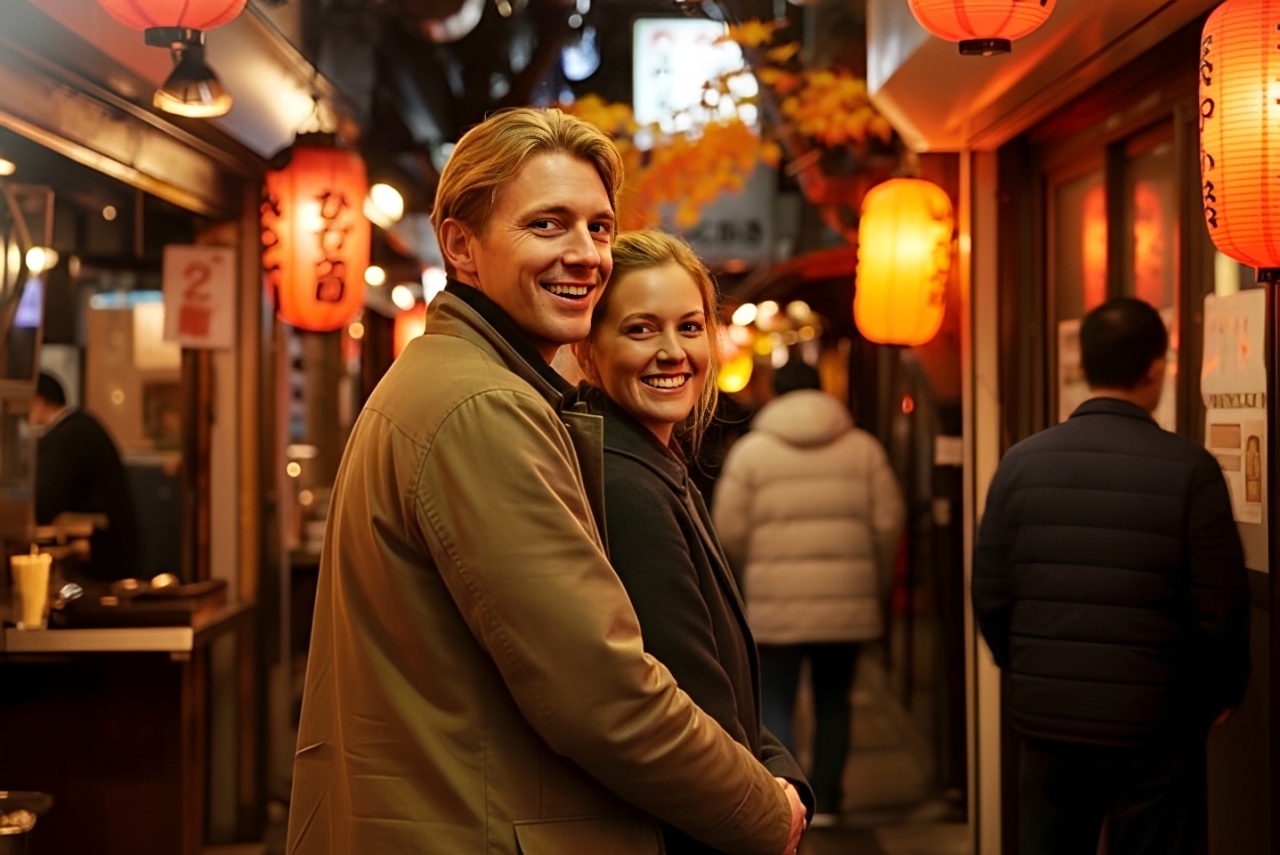
Our practical advice is to do it once, properly, in a small portion, and spend the rest of your eating budget on range. A single 100-gram Kobe sirloin course in Ginza costs more than an entire evening on our three-hour Shinjuku food route, where fifteen dishes across four counters in Omoide Yokocho and Kabukicho run from ¥16,000 with two drinks included. One of those tells you what the top of the grading scale tastes like. The other tells you how the city actually eats.
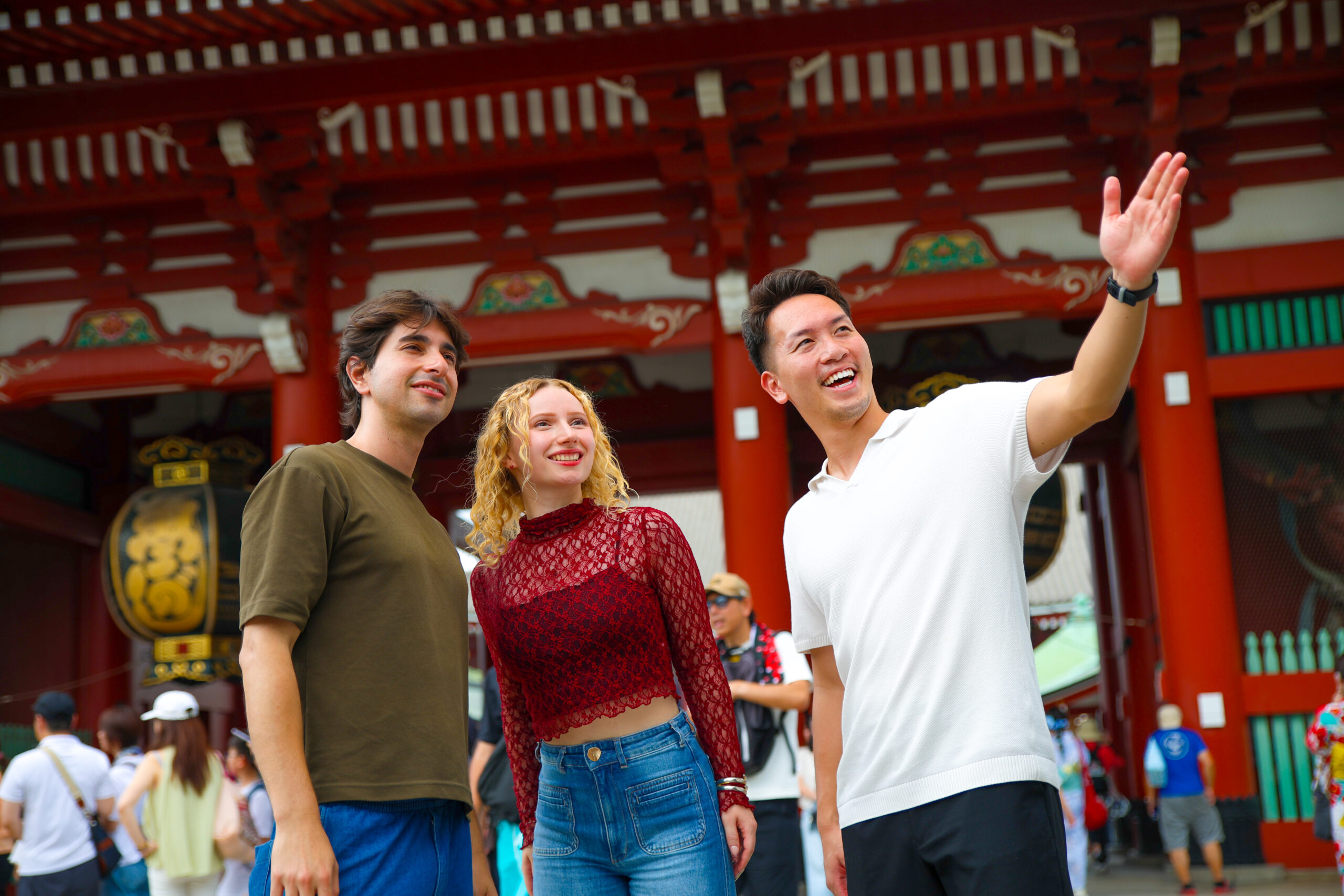
If you want both in the same trip, book the steak house for a weekday lunch, when the same beef and the same kitchen cost roughly half of dinner. On a private day tour our guides handle the reservation and the ordering, which is the part that defeats most visitors at a counter with no English menu.
Plan Your Japan Trip with Local Experts
Our team has guided 40,000+ travelers across Japan. Tell us about your trip and we’ll get back to you within 24 hours.