In this article:
- What Old Tokyo Actually Means
- Asakusa: The Entertainment District Edo Built
- The Shogun’s Ground: Edo Castle and Nihonbashi
- Yanesen: The Neighborhoods the Fires Missed
- Old Tokyo: Frequently Asked Questions
Introduction
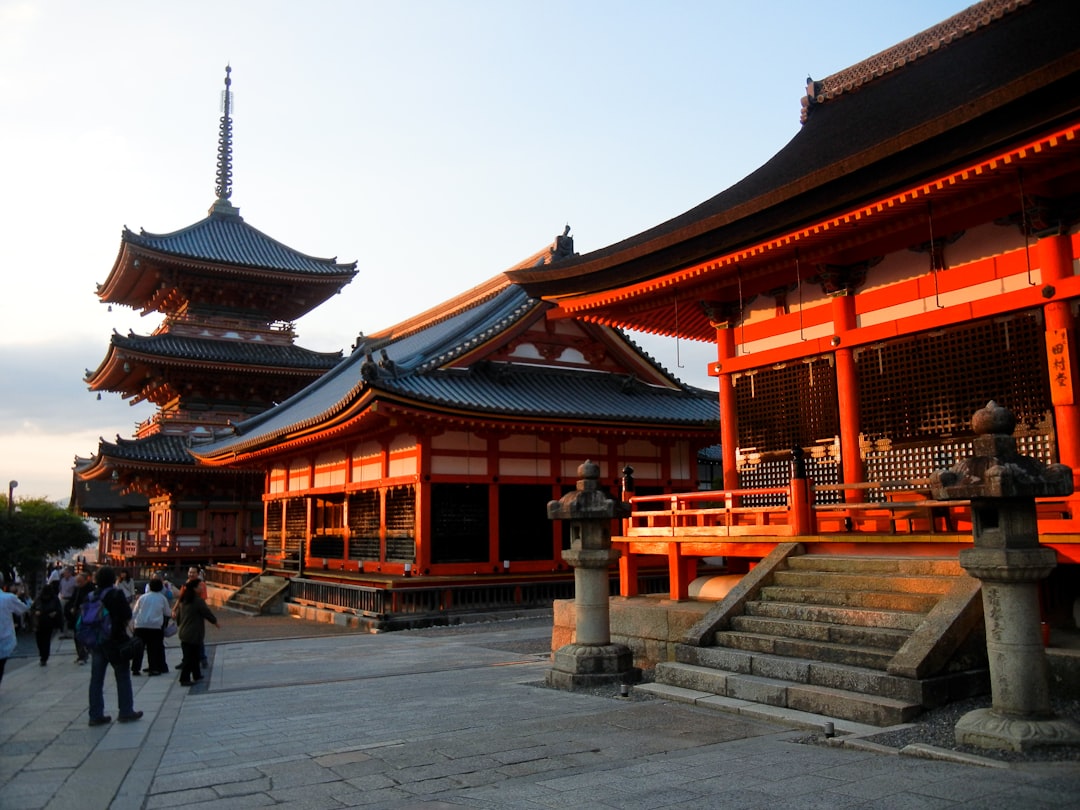
Old Tokyo is a phrase that covers three different things, and most travel writing treats them as one.
Some of it is genuinely Edo — stone, water, and a handful of wooden buildings that have stood since the shogunate. Some of it is careful twentieth-century reconstruction of buildings that burned. And a large share of what visitors photograph as “old” is actually Showa. These are narrow postwar shopping streets built in the 1950s. They are worth seeing, but are no older than a London tower block.
We raise this because the distinction determines where you spend a morning. A traveler who wants to stand on ground the shogun stood on should go to one place. And a traveler may want the texture of a residential neighborhood with wooden houses. They might also hope to see a cat on a wall. However, they should go somewhere else entirely. Both are fine answers. Being told they are the same thing is how people end up disappointed in Asakusa.
What Old Tokyo Actually Means
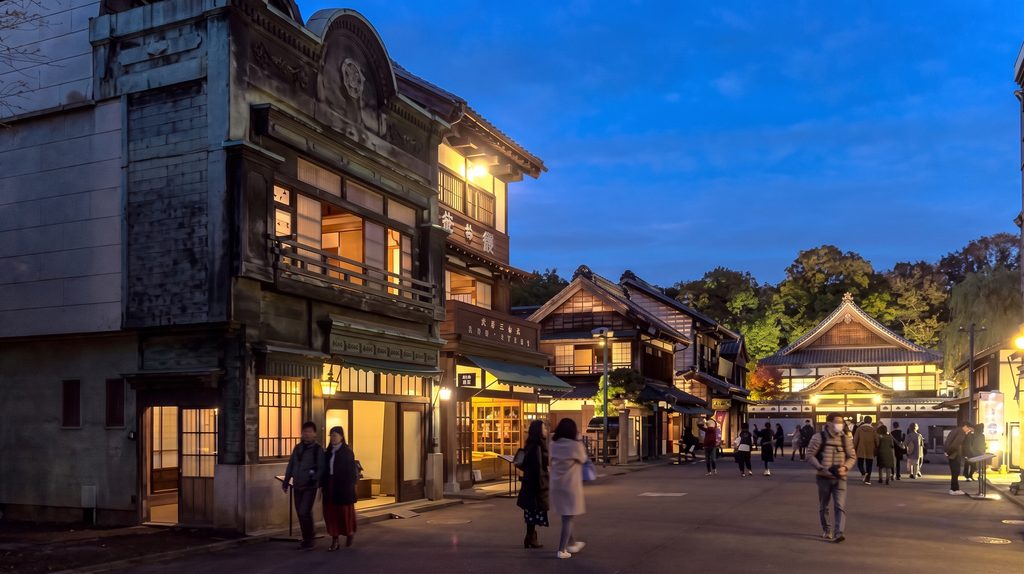
Edo was not one city. It was two, stacked on the same terrain, and the split still explains the character of Tokyo’s neighborhoods today.
Shitamachi and Yamanote: The Original Split
The samurai and the daimyo lived on the high ground west of the castle. This area was called the yamanote. Merchants, craftsmen, and everyone else lived on the flat, reclaimed land to the east. The Sumida River packed them tight.That was the shitamachi, the low city.
Shitamachi is what people mean by old Tokyo almost every time they use the phrase. Asakusa, Ueno, Nihonbashi, Ryogoku, Fukagawa: all low city, all dense, all built around commerce rather than rank.
The yamanote side produced something different and less visible. Its legacy is gardens. These were the private grounds of daimyo estates. Later, they were absorbed by the city. That is why Tokyo’s finest classical gardens sit in districts that look otherwise unremarkable.
Two Disasters That Decided What Survived
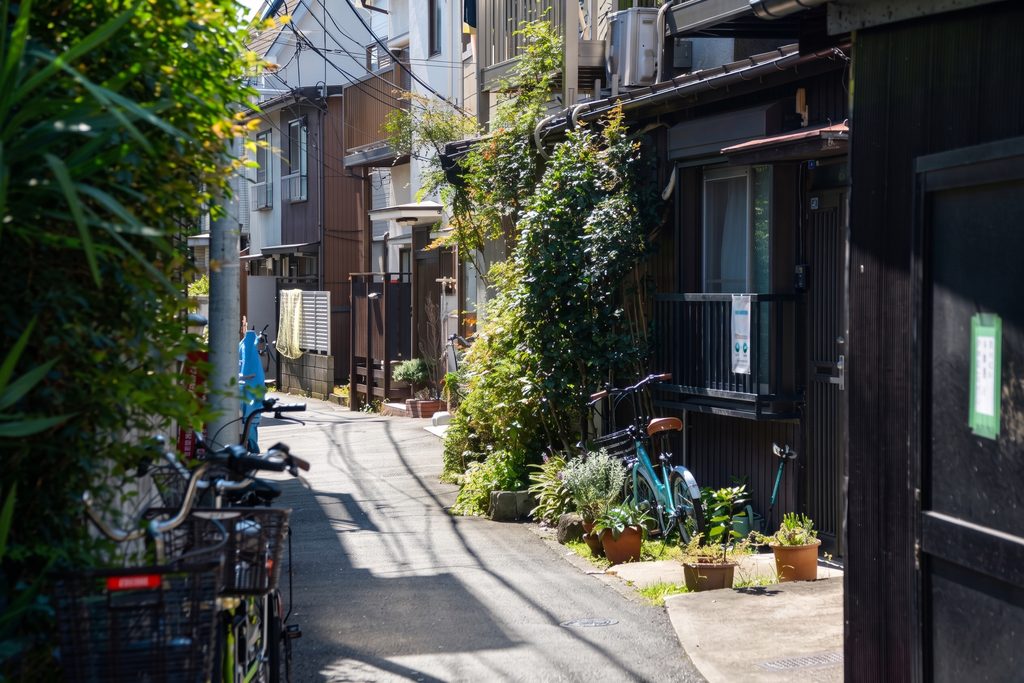
Tokyo burned twice in living memory. The Great Kanto Earthquake of 1923 and the firebombing of March 1945 each destroyed large parts of the city. Between them, they erased most of the wooden fabric of the low city.
This is the single fact that makes sense of the map. People missed the neighborhoods that feel old today, with very few exceptions. They missed Yanaka. Most of Asakusa was not.
What survived elsewhere survived because it was not flammable. Stone walls, moats, earthworks, and the foundations of buildings still remain. That is why so much of genuinely old Tokyo is horizontal rather than vertical.
Where to Get the Context: Ryogoku
Ryogoku sits across the Sumida River from the center. It is the practical place to start if you want the history before the walking. The Tokyo Metropolitan Edo-Tokyo Museum reopened there on 31 March 2026 after roughly four years of renovation. It features a permanent exhibition. The exhibition runs from a full-scale section of the old Nihonbashi bridge through to the twentieth-century city. Adult admission to the permanent exhibition is ¥800.
Ryogoku is also the sumo district. If your dates happen to overlap with a Tokyo tournament, the two fit together neatly in a day. The sport is one of the few Edo-period institutions still running on something close to its original terms. We have written separately about how to get sumo tickets and watch morning practice.
Go here first if you are the kind of traveler who likes knowing what you are looking at. Skip it if you are not; the neighborhoods hold up without it.
Expert Tip
If you only have one morning, do not try to combine Asakusa with the Imperial Palace grounds. They are twenty minutes apart on the Ginza line but they are opposite halves of the same city — merchant Edo and samurai Edo — and each one reads better with a clear head. Two separate mornings is the right shape, and it also lets you take Asakusa early, before the coaches arrive.
Asakusa: The Entertainment District Edo Built
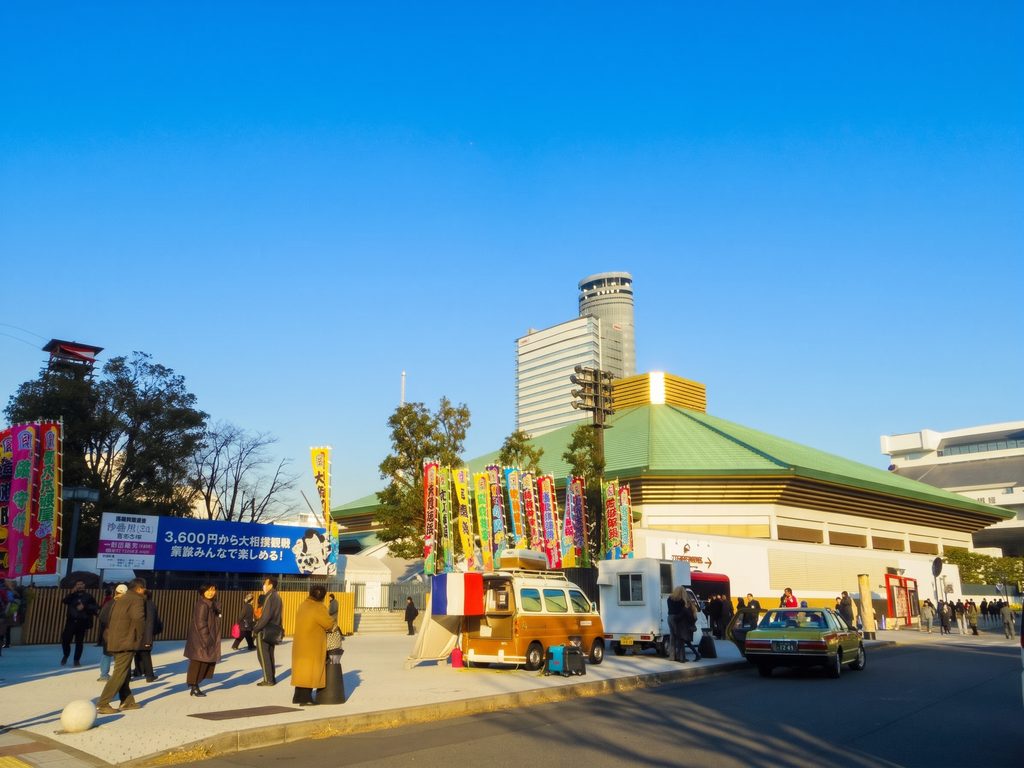
Asakusa was the entertainment quarter of the low city — theatres, storytellers, vendors, and a temple at the center of all of it. That function has not changed as much as the buildings have.
Senso-ji Is a Reconstruction, and That Is Not the Problem
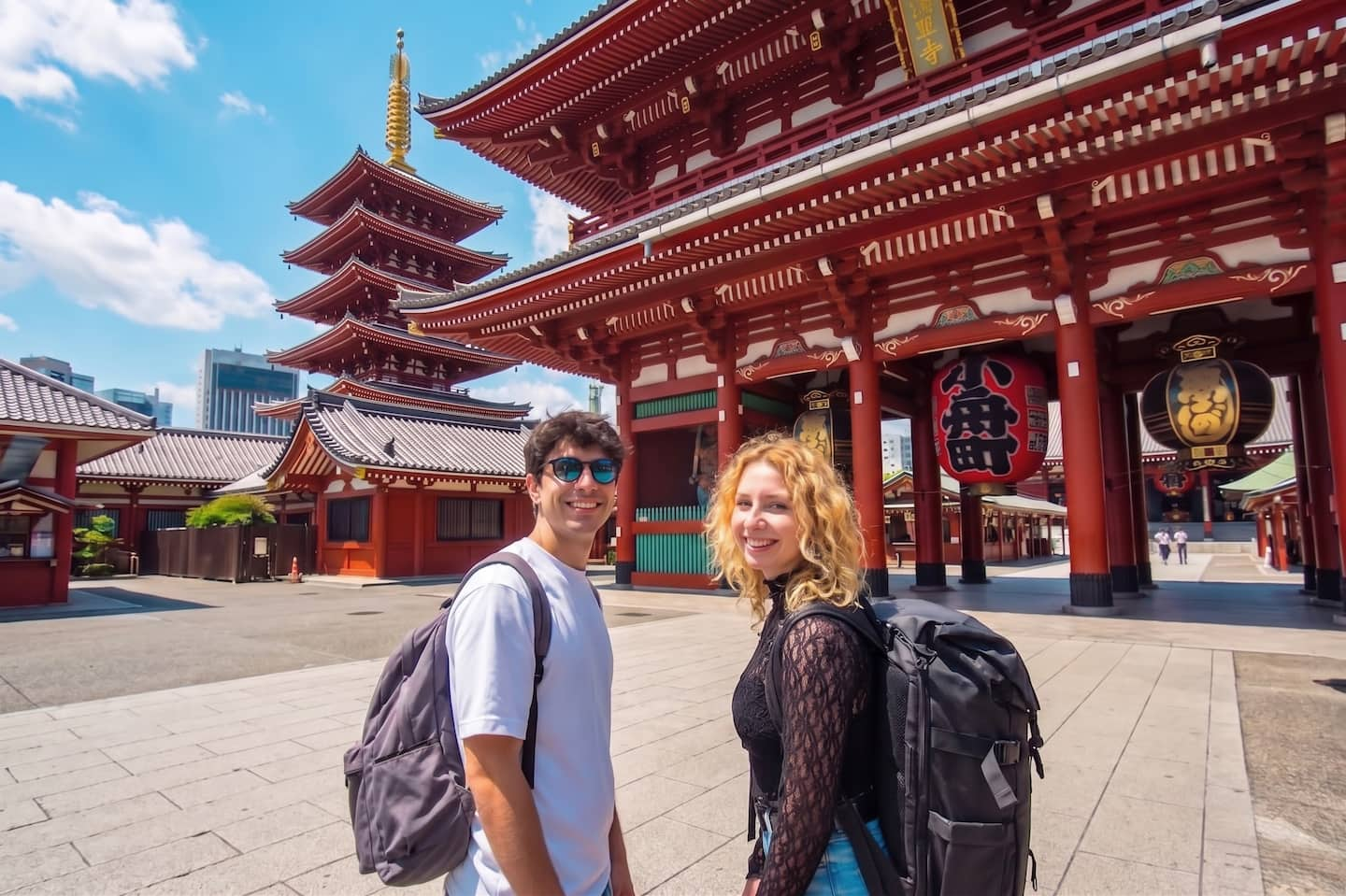
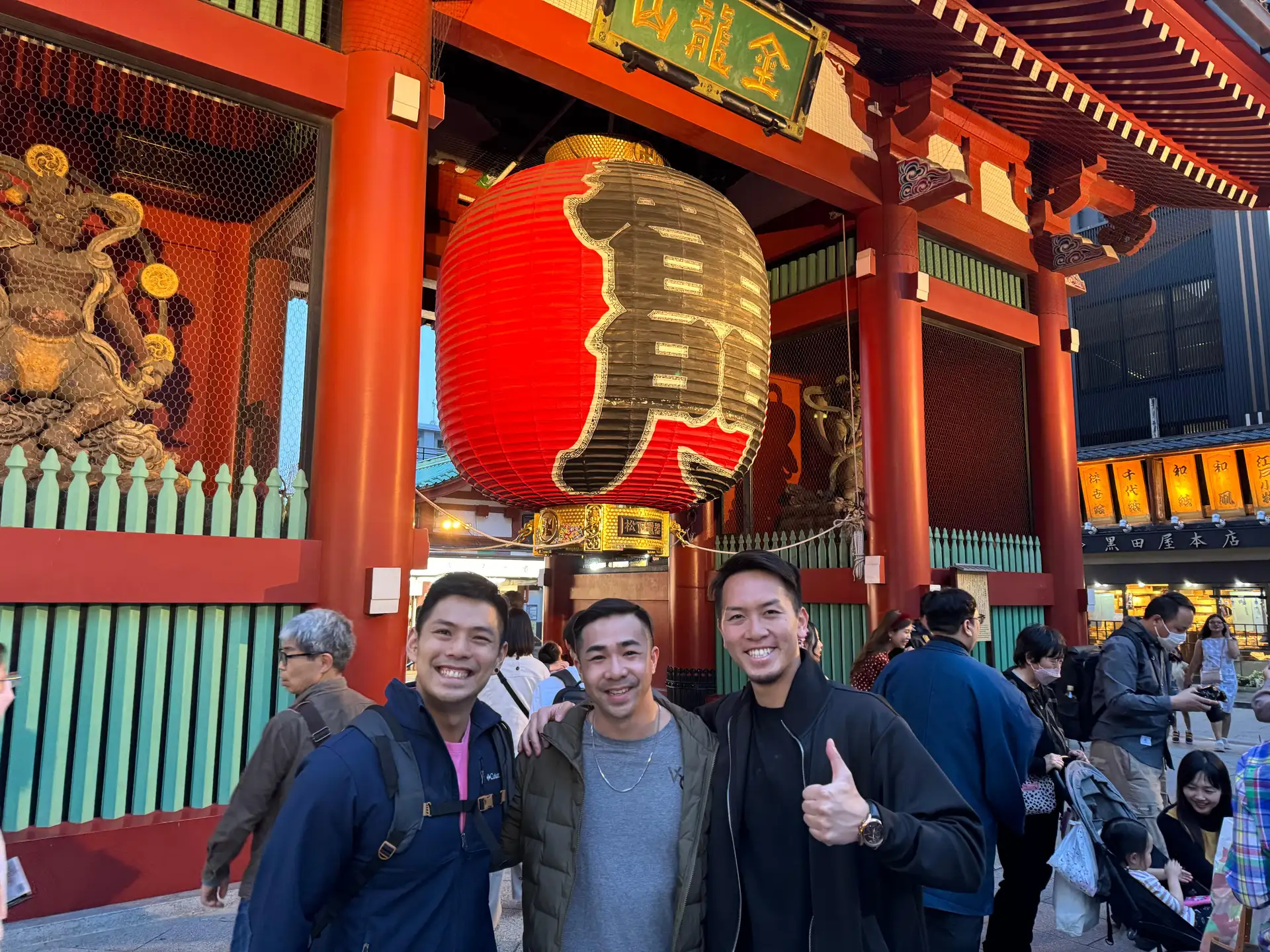
Senso-ji traces its founding to 628, which makes it the oldest temple in the city by a wide margin. The buildings you walk through are much younger. The main hall was rebuilt in reinforced concrete in 1958 after wartime destruction, and the Kaminarimon gate with its famous lantern was rebuilt in 1960, funded by Konosuke Matsushita, the founder of Panasonic.
Visitors sometimes hear this and feel cheated. They should not. Reconstruction after fire is how Japanese religious architecture has always worked, and the site — the approach, the layout, the ritual sequence — is the continuous thing, not the timber.
What is worth adjusting is your expectation of quiet. Senso-ji draws enormous numbers, and the main approach is dense from mid-morning onward.
Nakamise, and the Lanes Behind It
Nakamise, the shopping street running from the gate to the temple, is one of the oldest shopping streets in the country and now sells largely to visitors. It is worth walking once, and it is not where the neighborhood lives.
The lanes one and two blocks off Nakamise are. Older shopfronts, families who have traded on the same corner for generations, and shops whose customers are people from Asakusa rather than people passing through. This contrast is a large part of what our guides spend the Asakusa walking tour on — the two-hour route deliberately moves between the famous approach and the streets behind it, because the second only makes sense against the first.
Carvings on the gates, the markings on the lanterns, and the small shrines wedged between buildings are the other half of it. Almost nobody stops for them unaided.
The Hour That Changes the Visit
The temple grounds are open around the clock, and the main hall opens early — well before the shops on Nakamise raise their shutters. Arriving before 8:00 puts you there with people who are actually praying rather than photographing.
By 10:00 the Kaminarimon approach is shoulder to shoulder. By late afternoon it thins again, and the lit lantern after dark is a genuinely different photograph from the daytime one.
Our standing advice for a first day in Tokyo is early Asakusa, then the river. The Sumida walk north toward the Skytree clears your head after the crowd, and it costs nothing. For a deeper route through the neighborhood, see our guide to what most visitors miss in Asakusa.
The Shogun’s Ground: Edo Castle and Nihonbashi
The largest surviving piece of old Tokyo sits in the middle of the financial district, and most visitors walk past the edge of it on the way to Tokyo Station without registering what it is.
What Is Left of Edo Castle
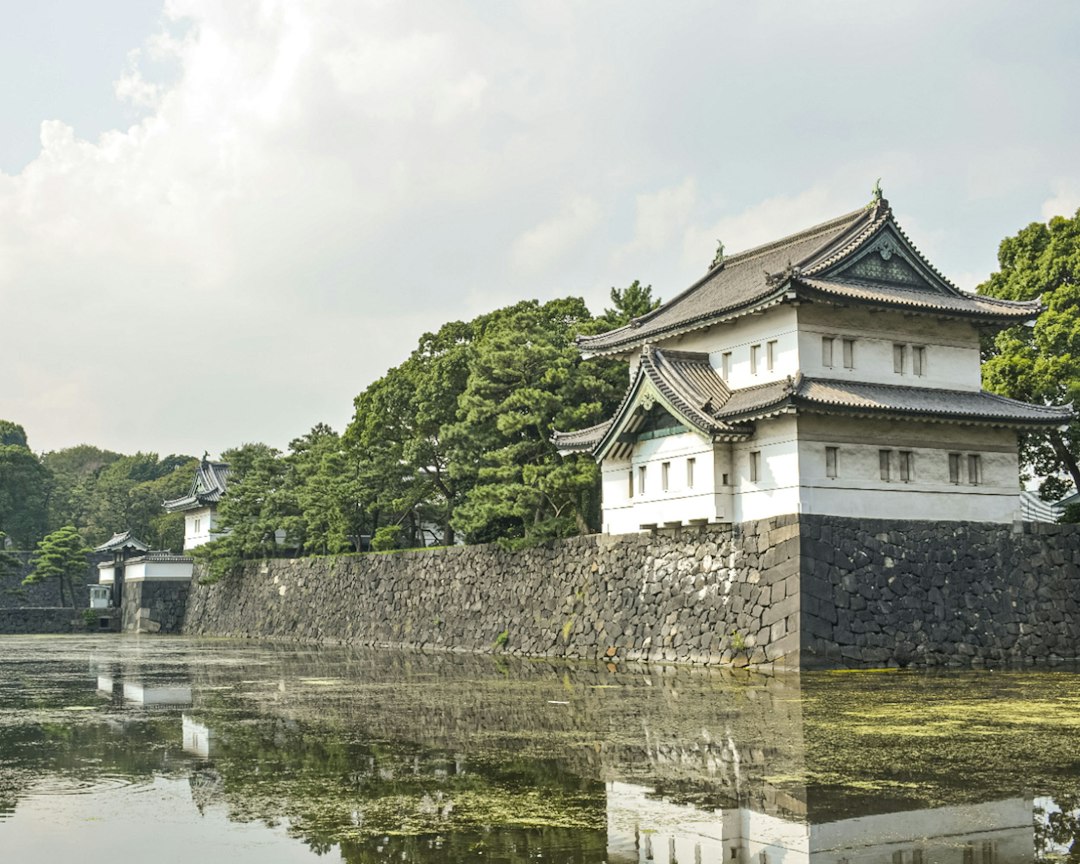
Edo Castle was the seat of the Tokugawa shogunate for more than two and a half centuries. The keep burned in the seventeenth century and was never rebuilt, which is why the usual verdict is that there is nothing to see.
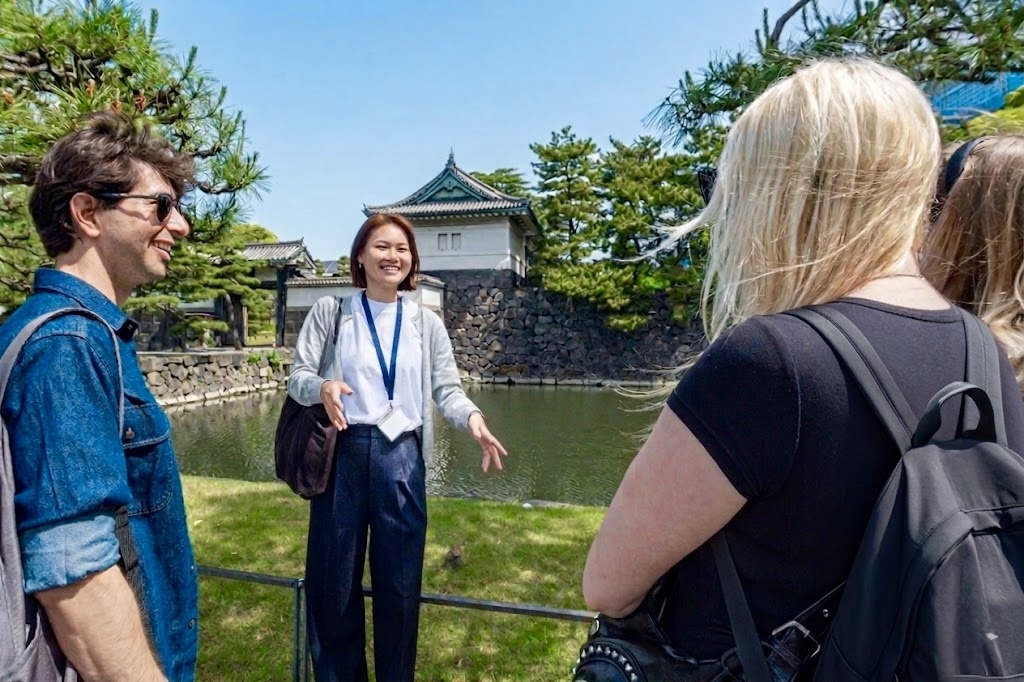
The verdict is wrong. The stone walls, the moats, and the gates remain in their original positions, and the scale of them is the point — once you have walked the base of the keep and understood how far the defences extended, the office towers around them stop being the foreground. The East Gardens sit inside the palace grounds and are open to the public with no ticket and no reservation.
Two practical constraints. The gardens are closed on Mondays and Fridays, plus the New Year period, and closing times shift by season, so check before you build a morning around them. The palace itself is a residence and is not open; what you are visiting is the castle, not the emperor’s house.
Walking it with a guide changes the ratio of stone to story. Our Imperial Palace and Shogun Castle walking tour covers around three kilometres of flat ground in two hours, from the outer moats through the East Garden to Nijubashi, which is roughly the distance at which the layout stops being abstract. The route is open with little shade, so in August bring water.
Nihonbashi Under the Expressway
Nihonbashi was the commercial heart of Edo and the point from which every distance in Japan was measured. Road distances to Tokyo are still calculated from it.
The current bridge is a stone double arch completed in 1911, and since 1963 — built in the run-up to the Tokyo Olympics — an elevated expressway has run directly over it. The effect is strange rather than ruined: an ornate Meiji-era bridge with bronze lions and kirin, sitting in permanent shadow under a motorway deck.
That is being undone. The expressway is being relocated underground, with the replacement tunnel expected around 2035 and removal of the elevated section planned for 2040. Anyone reading this will be visiting a version of Nihonbashi that will not exist in twenty years, which is its own reason to stand on it.
Yanesen: The Neighborhoods the Fires Missed
Yanaka, Nezu, and Sendagi — collectively Yanesen — form the area most often handed to visitors as old Tokyo, and they earn it for a reason that has nothing to do with intention. The area came through both 1923 and 1945 largely intact.
Nezu Shrine, Genuinely 1706
Nezu Shrine is the strongest single answer to the question of whether anything Edo actually survives above ground in Tokyo. The shrine was moved to its present site in 1706 by Tokugawa Tsunayoshi, the fifth shogun, and seven of its structures — the main hall, the offering hall, the prayer hall, the gates and the fences — are intact and designated National Important Cultural Properties.
Standing under the Romon gate, the thing to notice is the paint. Gongen-zukuri architecture of this period was colored and carved, not the restrained brown timber that most people associate with Japanese shrines. This is what Edo religious building actually looked like.
The azalea garden draws a crowd in April and a small fee applies during the festival. The rest of the year the precinct is quiet on a weekday, which we consider the better visit.
Yanaka Ginza Is Showa, Not Edo
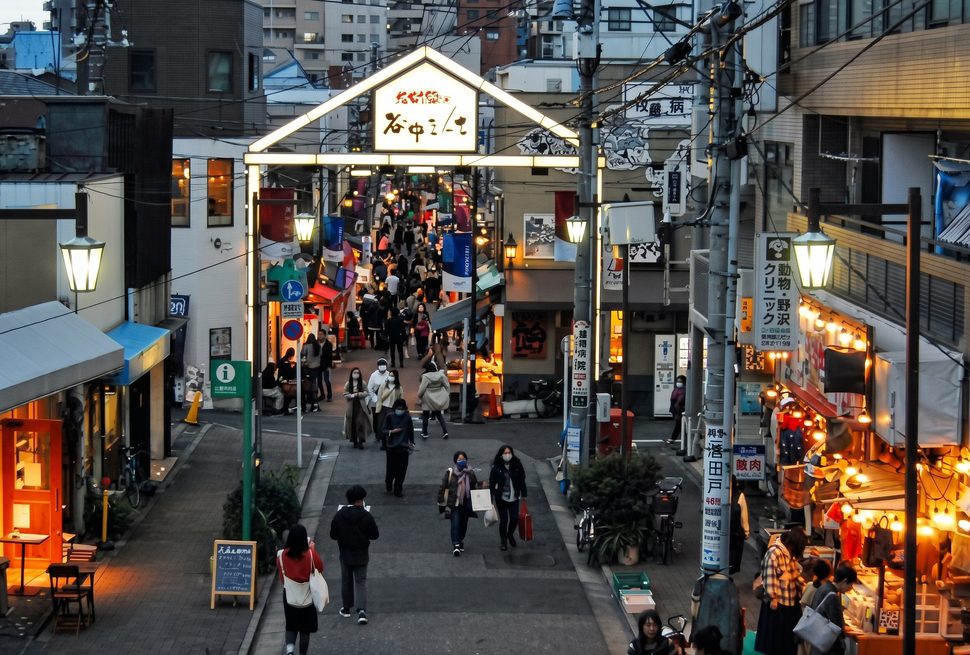
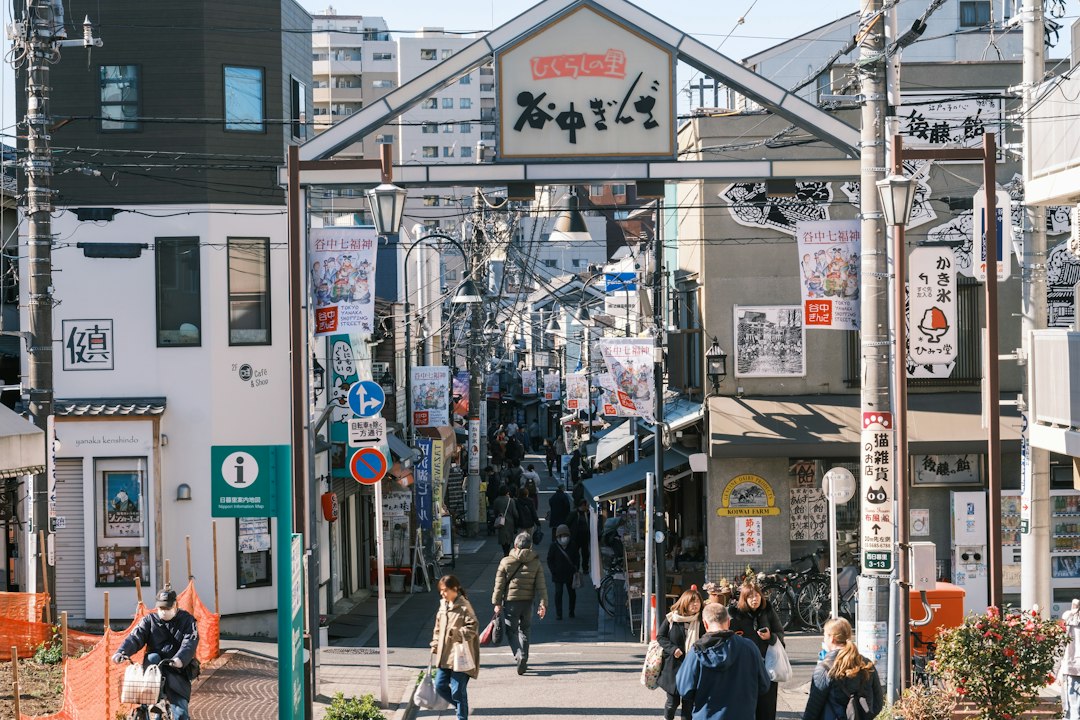
Yanaka Ginza is the photograph everyone takes: a 170-metre lantern-lined shopping street of roughly sixty small shops, approached down a flight of steps called Yuyake Dandan, the sunset steps.
It is also a postwar street. The shopping district formed around 1945, which makes the mood Showa-era rather than Edo. We are not saying skip it — croquettes eaten standing up at the top of those steps at 4pm is one of the better twenty minutes available in north Tokyo. We are saying know what you are looking at, because a lot of guides will tell you it is centuries old.
The genuinely old layer in Yanaka is the temple district around it. More than a hundred temples sit in the surrounding streets, and Yanaka Cemetery, where the last shogun is buried, is the reason the fires broke here — open ground and temple precincts acted as firebreaks.
Rikugien and the Gardens Nobody Queues For
A short walk north brings you to Rikugien, a daimyo garden completed in 1702 by Yanagisawa Yoshiyasu on land granted by the same shogun who moved Nezu Shrine. It is a stroll garden built around a pond, with the landscape composed as a set of references to classical Japanese poetry.
Admission is ¥300 and it opens at 9:00. For a garden of this rank, that is close to free, and on a weekday morning you will share it with a handful of people.
Koishikawa Korakuen, further south near Tokyo Dome, is the other survivor of the daimyo garden tradition and is older still. Between them they preserve more continuous Edo landscape than anything in Asakusa, and almost nobody puts them on an old Tokyo itinerary.
Expert Tip
Etiquette is the thing that most changes how these places feel, and it is learnable in five minutes. At a temple you pass the incense burner and the water basin before the hall; at a shrine the sequence and the bow count differ. Get shown it once, properly, on your first morning — at Senso-ji is ideal, since you will use it at every shrine and temple for the rest of the trip. Guessing from behind someone in a queue does not work, because half the people in that queue are also guessing.
Old Tokyo: Frequently Asked Questions
Which neighborhood is the most genuinely old part of Tokyo?
For intact pre-war streets and residential texture, Yanaka. For actual Edo-period structures, Nezu Shrine and the Imperial Palace East Gardens, which are the two places where you are standing among original fabric rather than reconstruction. Asakusa has the oldest history and the youngest buildings, which is a distinction worth holding in your head while you are there.
Is anything in Tokyo actually standing from the Edo period?
Yes, though less than visitors expect. The seven Important Cultural Property structures at Nezu Shrine date from 1706, the stone walls and moats of Edo Castle are original in position, and the daimyo gardens at Rikugien and Koishikawa Korakuen preserve Edo-period landscape design. Beyond that, almost everything wooden in central Tokyo is a reconstruction — the consequence of 1923 and 1945 rather than of neglect.
How many days do I need to see old Tokyo properly?
Two full days covers it comfortably. One for the merchant side — Asakusa early, then Ryogoku across the river — and one for the samurai side, meaning the Imperial Palace grounds and then Yanesen with Rikugien in the afternoon. If you have a third day and want more of the same, Kawagoe, about an hour north in Saitama, preserves a street of Edo-style merchant warehouses that central Tokyo lost.
Related Tours
Conclusion
Pick which old Tokyo you are after before you set an alarm. If it is the shogunate — power, stone, scale — the Imperial Palace grounds and Nihonbashi are the morning, and they reward knowing the history in advance. If it is daily life, the low city, the smell of a grill in a back lane, then Asakusa at dawn and Yanaka in the late afternoon is a better day than any list of sights will give you.
The mistake we see most often is treating these as interchangeable stops on one route. They are not. They were built by different people, for different purposes, on opposite sides of a castle, and the only reason they sit in the same guidebook chapter is that the city grew over both.
Whatever you choose, go early. Senso-ji before 8:00 and the East Gardens at opening are the two decisions that separate a good day in old Tokyo from a slow shuffle behind a tour flag, and neither one costs anything.
Plan Your Japan Trip with Local Experts
Our team has guided 40,000+ travelers across Japan. Tell us about your trip and we’ll get back to you within 24 hours.