In this article:
- What Yanaka Ginza Actually Is
- Getting There, and Which End You Walk In From
- Eating Your Way Along the Street, and How to Do It Politely
- The Half Day Around It: Yanaka, Nezu, Sendagi
- Yanaka Ginza: Frequently Asked Questions
Introduction
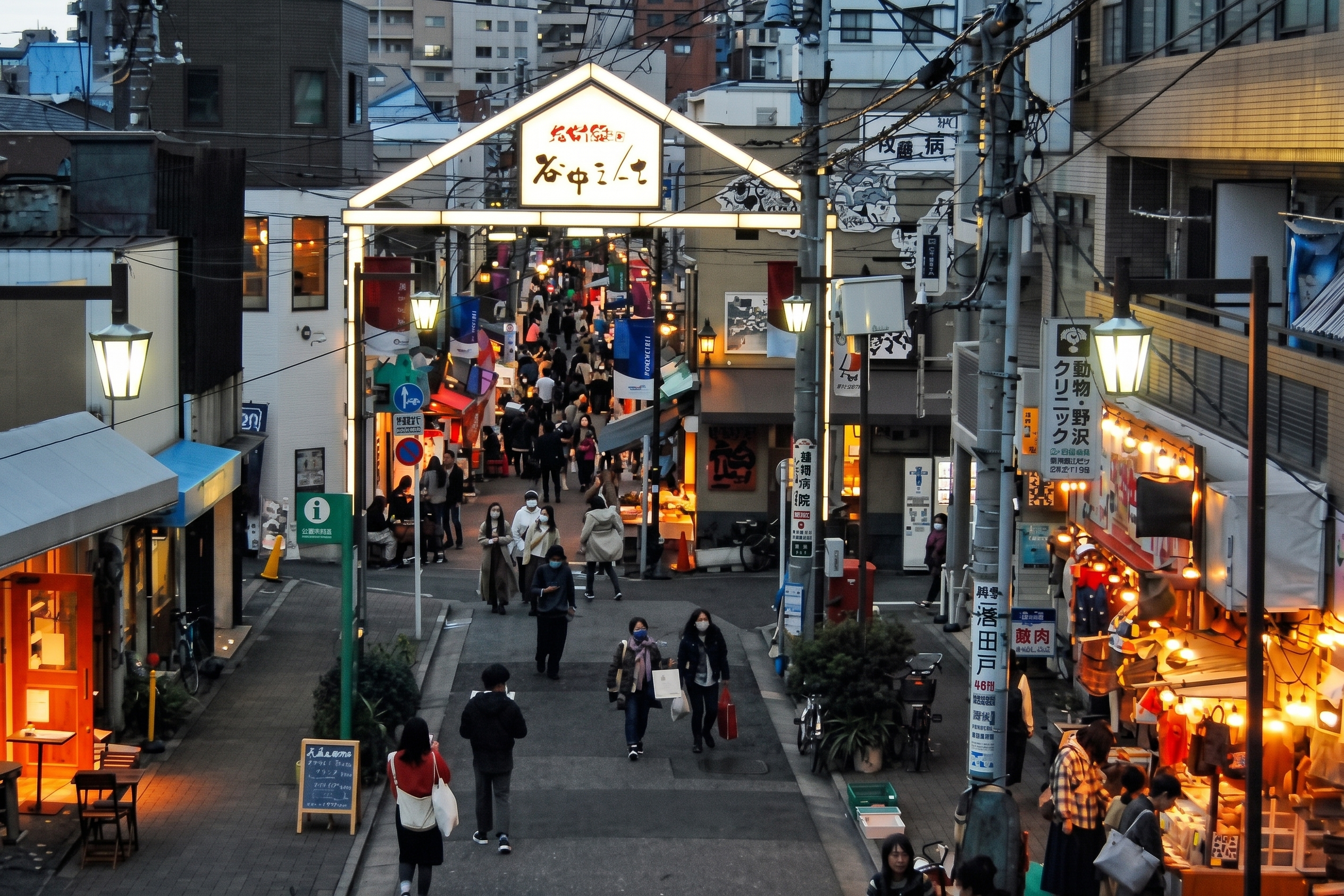
Yanaka Ginza takes about four minutes to walk end to end. People spend two hours there.
The reason is not the length of the street. It is what happens along it. An elderly woman buys two hundred grams of pork from a butcher who knows what she made last week. A man carries a cardboard tray of croquettes out of a shop the size of a garage. Somebody’s cat sits on a shuttered awning and declines to move. None of this is arranged for anyone’s benefit, which is precisely why it reads the way it does.
Tokyo has thousands of shotengai — covered or open shopping streets that served a neighbourhood before supermarkets arrived. Most are struggling, half-shuttered, or gone. This one is full. We send travelers here when they have done Senso-ji and Shibuya and want to understand what the city looked like before either of those became a photograph.
What Yanaka Ginza Actually Is
A single straight lane, about 170 metres long, running roughly east to west between Nippori and Sendagi. No roof, no arcade, no gate at either end beyond a modest sign. Around sixty shops face each other across a street barely wide enough for a delivery van.
One Street, Sixty Shops, No Chains
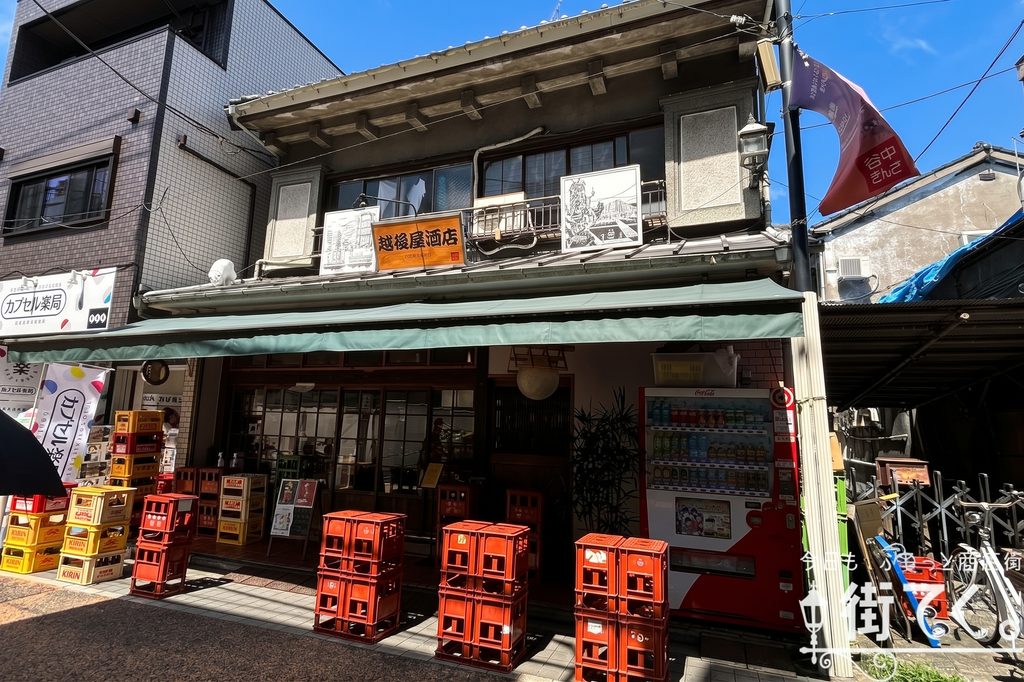
The composition is what makes it unusual. A butcher next to a tea seller next to a shop that does nothing but rice crackers. A greengrocer with the produce stacked out onto the pavement. A dry cleaner. A place selling nothing but cat-themed ceramics, two doors from a place selling dried fish.
Almost none of it is a chain. That is rare in Tokyo now. It is the difference you feel without being able to name it. The shopfronts are all different heights. The signage is inconsistent. The lighting is uneven. Commercial streets designed in one go do not look like this.
Shops are generally open from around 10:00 to 18:00, with some running to 19:00. Hours vary shop by shop, because each one is somebody’s own business rather than a tenant on a landlord’s schedule.
Why This Shotengai Survived
Yanaka came through the 1923 Great Kanto Earthquake and the 1945 air raids with far less damage. This was compared to most of eastern Tokyo. The street layout was never rebuilt on a grid, the lots stayed small, and the buildings stayed low. The street as a market took its present form in the years just after the war.
Density did the rest. The surrounding streets are packed with low-rise housing. There are very few large supermarkets. As a result, a functioning food street still has customers. They arrive on foot with a shopping bag. Tourism arrived later and sat on top of a business that was already working.
Our view is that this is the whole point, and it is worth protecting your own experience of it. If you go at 11:00 on a Wednesday you are walking through a neighbourhood. If you go at 15:00 on a Saturday in October you are walking through a queue.
The Cat Thing, Explained
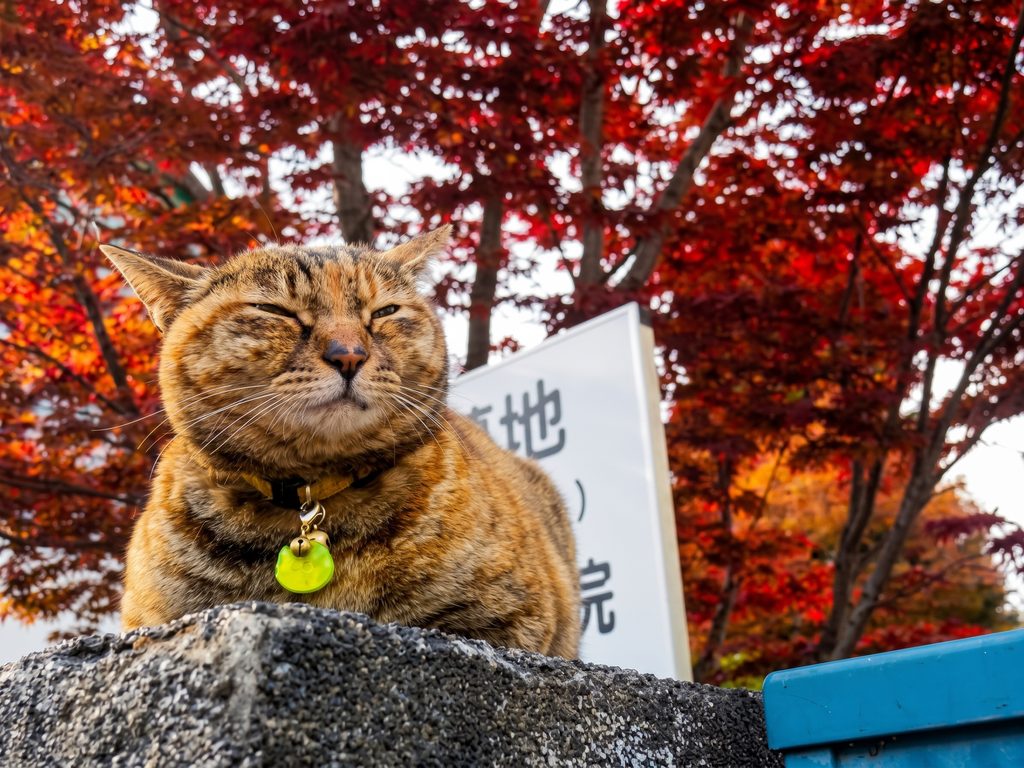
Yanaka is known in Tokyo as a cat neighbourhood. The practical origin is unglamorous. An old district of wooden houses, narrow alleys, temple grounds, and a large cemetery is good habitat. As a result, the area has long had a resident population of free-roaming and shop-kept cats.
The shops leaned into it. You will find cat-shaped baked goods, cat ceramics, and cat-print tenugui cloths. You will also find seven small carved wooden cats. They are placed on awnings and rooflines along the street for people to find. Look up rather than ahead and you will spot several.
Whether you see a live cat is luck. Fewer sit out than the internet suggests. They are neighbourhood animals rather than an attraction. Therefore, nobody feeds them on cue. If the guaranteed version is what you want, that is a different kind of outing. We have written separately about Tokyo’s cat cafes and the welfare questions around them.
Expert Tip
The seven carved cats are above eye level, on shop awnings and roof edges, and they are not signposted. Walk the street once at normal pace looking straight ahead, then walk back looking up. The second pass takes four minutes and changes what you notice about the buildings themselves — the tiled roofs, the hand-painted signs, the tangle of wiring that nobody has bothered to bury.
Getting There, and Which End You Walk In From
The street has two entrances, and they produce two different first impressions. Choose deliberately rather than by accident of train line.
From Nippori, Down the Yuyake Dandan Steps
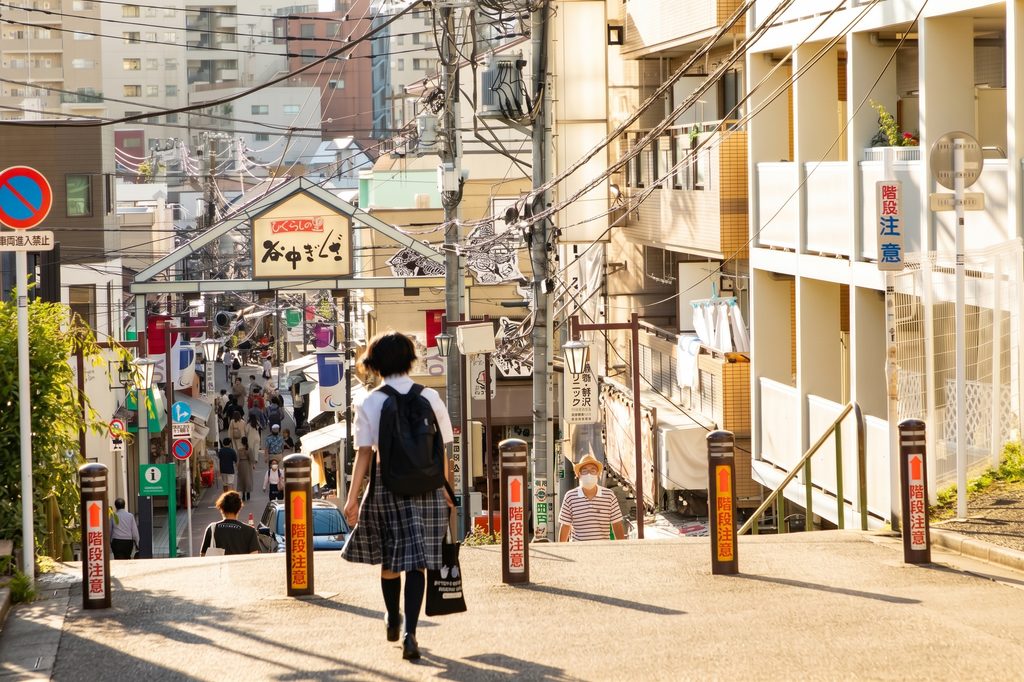
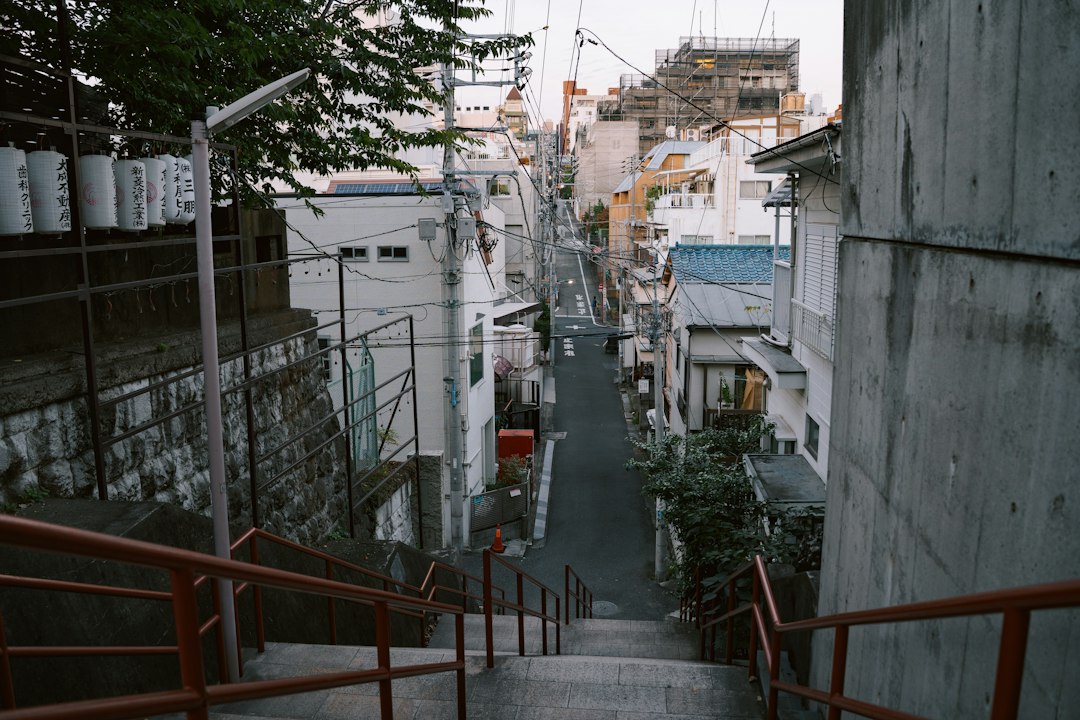
Nippori Station sits on the JR Yamanote Line, the Keihin-Tohoku Line, and the Keisei Line from Narita Airport. From the west exit, it is roughly a five-minute walk to the top of a flight of stone steps. These steps are called Yuyake Dandan. The name translates as “sunset steps.”
This is the postcard approach. You stand at the top. The whole street drops away below you. The roofline and signs compress into one frame. The name is literal. The steps face west. In the late afternoon, the light runs straight down the lane. The name itself came out of a local naming competition in 1990. This tells you something about how the neighbourhood sees the view.
Two practical notes. The steps are stairs with no lift alternative, and the top of them is the single most crowded spot in the area because everyone stops to photograph. Take the picture, then move down and out of the way.
From Sendagi, the Flat Way In
Sendagi Station on the Tokyo Metro Chiyoda Line is about three minutes from the western end of the street, on flat ground. For anyone with a stick, a pram, a wheelchair, or simply a long day already behind them, this is the better arrival.
It also reverses the experience usefully. Entering from Sendagi you walk into the street at pavement level, among people shopping, and the steps appear at the far end as a destination rather than an overlook. We often route it this way on purpose.
What Time to Arrive, and the Monday Problem
Many shops close on Mondays, and when a national holiday falls on a Monday the closures tend to shift to the Tuesday. A Monday visit is not empty, but a meaningful share of the food counters will be shuttered, which removes most of the reason to come.
Mornings from around 10:00 to 11:30 are the quiet, functional version: deliveries, shopkeepers sweeping, actual customers. Late afternoon from 16:00 is the busy, photogenic version, and the only one that gives you the sunset off the steps. They are different visits. We prefer the morning and think most travelers, told honestly, would too.
Eating Your Way Along the Street, and How to Do It Politely
Eating is the main activity here, and the format is specific: small portions, bought at a counter that opens onto the street, eaten standing near the shop that sold them. Nothing costs much. Nothing takes long.
The Fried Counters
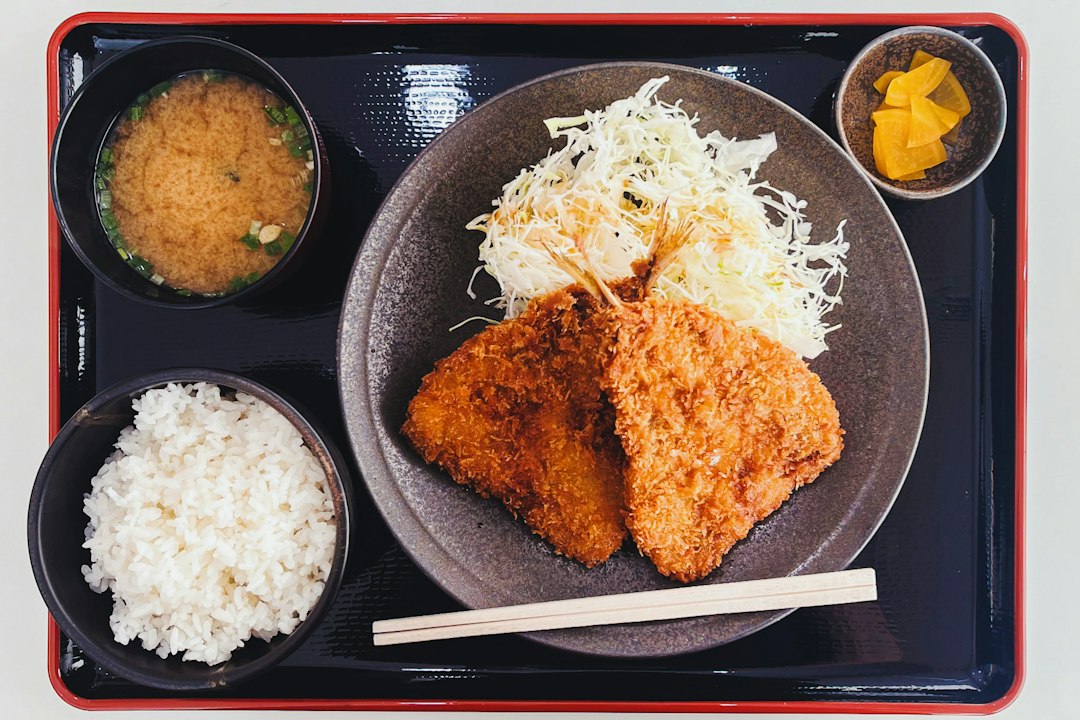
Menchi-katsu — minced beef and onion, breadcrumbed and deep-fried — is the item most associated with the street, and Niku no Suzuki is the butcher that made it so. You will recognise the shop by the line and by the smell, which reaches you several shopfronts away.
Croquettes are the other staple, sold hot from the same kind of counter at several butchers along the lane. A potato croquette in Japan is a humble thing and a good one is a small argument for the whole category. Buy it, stand aside, eat it while the outside is still loud.
Pace yourself. There are more fried counters than any one stomach should attempt, and the sit-down options in the surrounding lanes are better than the ones on the street itself.
Sweet Things and the Cat-Tail Doughnuts
Yanaka Shippoya sells small baked doughnuts shaped like cat tails, in a rotating set of flavours and patterns. It is a souvenir as much as a snack, and it is genuinely good rather than merely photogenic, which is not always the case with novelty food.
Beyond that there are rice crackers sold by weight, dorayaki, wagashi, and seasonal sweets that change with what is in season. Hot grilled snacks appear in winter and disappear by May.
Shaved Ice, and the Queue Around the Corner
Himitsudo, a short walk off the street, serves hand-shaved kakigori with fruit syrups made in-house. In peak summer the wait is managed with numbered tickets rather than a physical line — you take a ticket, go away, and return at the time printed on it.
This is worth knowing before you arrive in July or August, because the shop is a fixture on every Yanaka list and travelers routinely turn up expecting to walk in. Opening hours and the ticket system change seasonally, so check on the day rather than trusting a blog post.
Expert Tip
Buy one thing, eat it, then buy the next. Carrying three open food items down a 170-metre street with no benches is the most common mistake we see travelers make here. Ordering needs no Japanese either — point at the item, hold up one finger, and have coins ready. Counters this small move fast, and the transaction is over before a language barrier has time to exist.
Where to Stand, and What to Do With the Wrapper
Yanaka Ginza is not a pedestrian mall built for tourism. It is a lane where people buy dinner, and delivery vehicles still use it, so the etiquette here matters more than it would on Nakamise.
Eating while walking is broadly avoided in Japan, and on a street this narrow it is also impractical. The local pattern is to step out of the flow, stand near the shop you bought from, eat there, and hand the wrapper back to that same shop — most food counters keep a bin for their own packaging. Do not put one shop’s wrapper in another shop’s bin.
Cash, Cameras, and the People Who Live Here
Many of these shops are one-person operations and a meaningful number take cash only. Small denominations are better — handing a ¥10,000 note to a counter selling a single croquette is awkward for everyone. Card and IC card acceptance has improved but remains inconsistent shop to shop, which is true across older shopping streets generally; we cover the wider picture in our guide to using a credit card in Japan and the cash you still need.
Photographing the street is fine and expected. Photographing into a shop, or a shopkeeper at work, without a word first is not. A gesture toward the camera and a questioning look gets you an answer in any language, and in our experience the answer here is usually yes — often with the shopkeeper rearranging something to improve the shot.
The one place to be actively careful is the top of the Yuyake Dandan steps, where photographers cluster while residents are trying to get down to the shops.
The Half Day Around It: Yanaka, Nezu, Sendagi
The street alone is not a half day. The district around it is, and locals refer to the three neighbourhoods together as Yanesen — Yanaka, Nezu, Sendagi. Everything below is within a twenty-minute walk.
Yanaka Cemetery and the Last Shogun
Yanaka Cemetery is a large, quiet, tree-filled burial ground a few minutes east of the street, and walking through it is an ordinary local activity rather than an intrusion. Tokugawa Yoshinobu, the last shogun, is buried here.
The central avenue is lined with cherry trees and is a locally known viewing spot in spring — busier than usual then, and still calmer than Ueno Park a kilometre south. Tennoji Temple sits at the Nippori end with a large seated bronze Buddha in its grounds.
Nezu Shrine and the Azalea Garden
Nezu Shrine, about fifteen minutes southwest, has a tunnel of vermilion torii gates on a slope behind the main hall — smaller than Kyoto’s famous one and almost always walkable without queueing.
Its azalea garden is the draw in April, when thousands of shrubs flower and the shrine runs a festival. Entry to the azalea garden is charged during the festival period; the rest of the shrine is free, and the garden is worth the fee only near peak bloom. Outside April the shrine is quiet and takes twenty minutes.
The Back Lanes, and Where to Sit Down
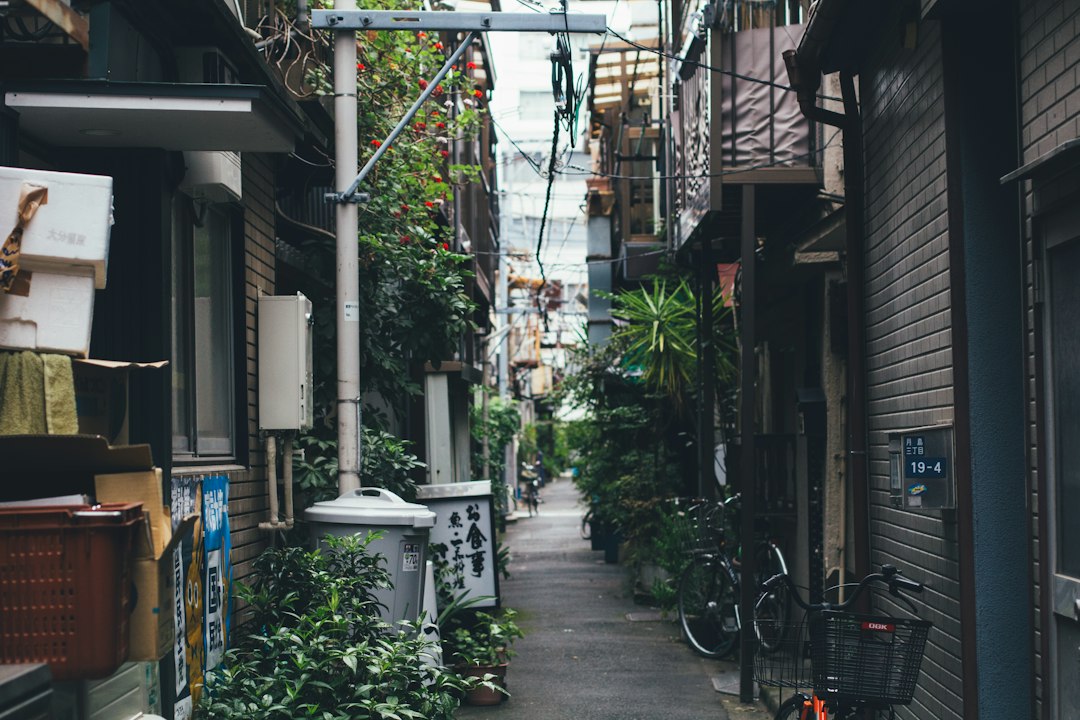
The lanes between Yanaka Ginza and the cemetery are where the neighbourhood actually lives: wooden houses, potted plants crowding the pavement, small galleries and craft studios in converted buildings, and a winding lane locally called Hebi-michi, the snake road.
Kayaba Coffee, a kissaten in a machiya-style building on the Ueno side of the cemetery, has been serving coffee since 1938 in a structure older than that. It is the natural place to stop when you have eaten too much fried food and want to sit in a wooden room for forty minutes.
Yanaka Ginza: Frequently Asked Questions
How long do I need at Yanaka Ginza?
Forty-five minutes covers the street itself, including stopping to eat two or three things. Three to four hours covers the street plus the cemetery, Nezu Shrine, the back lanes, and a sit-down coffee, which is the version we would recommend. Trying to do it in twenty minutes between two other sights is possible, but you will have walked past the reason to come.
Can I combine Yanaka Ginza and Asakusa in the same day?
Yes, and the pairing works well. They are both shitamachi districts and they are about twenty-five minutes apart by train or a short taxi ride, but the density and the audience are completely different — Asakusa is a major temple with a shopping street attached, Yanaka is a shopping street with temples around it. Doing Senso-ji in the morning and Yanaka in the afternoon gives you the contrast in one day. If you are planning that route, our Asakusa walking guide covers the first half in detail.
Is Yanaka Ginza worth visiting if I have already seen Asakusa?
It is, and arguably more so. Asakusa shows you a monument; Yanaka shows you a neighbourhood that was never turned into one. Travelers who have already done the famous version of old Tokyo tend to respond more strongly to Yanaka than first-timers do, because they have something to compare it against.
Related Tours
Conclusion
Go on a weekday, and go in the morning if you care more about the street than the photograph. The shops open around 10:00, the deliveries are still arriving, and for an hour you get the version of Yanaka Ginza that exists whether or not anyone is visiting. If the sunset off the steps is what you came for, arrive at 15:30 instead and accept the crowd as the price.
Either way, walk out the far end rather than turning back at the steps. The lanes on the Sendagi side hold most of what makes the district coherent — the wooden houses, the studios, the temple walls — and they are where the two hours actually go. The street is the entrance, not the destination.
Then sit down somewhere with a coffee and let the fried food settle. That, more than anything on a list, is how the neighbourhood is meant to be used.
Plan Your Japan Trip with Local Experts
Our team has guided 40,000+ travelers across Japan. Tell us about your trip and we’ll get back to you within 24 hours.