In this article:
- Meiji Shrine and Yoyogi Park: Start in the Forest
- Takeshita Street and the Backstreets
- Omotesando’s Architecture and the Small Museums
- Eating, Bathing, and Planning the Day
- Things to Do in Harajuku: Frequently Asked Questions
Introduction
Most lists of things to do in Harajuku start with rainbow candy floss and end with a crepe. That is part of the picture, but it misses the reason the neighbourhood rewards a half-day of real attention.
Step out of Harajuku Station and turn left. Within three minutes, you are walking on gravel under trees so tall the traffic noise drops away. urn right instead. You are immediately pressed shoulder to shoulder on Takeshita Street. Music blares from four shops at once. Walk ten minutes further and you reach Omotesando. Here, the buildings are the work of some of Japan’s most celebrated architects. The side streets also hide a museum of woodblock prints. You even enter it in your socks.
Very few places in Tokyo put that much contrast inside one walkable square kilometre. The travelers we guide here are usually surprised less by the fashion than by how quiet the quiet parts are. What follows is how we would spend the day, and in what order.
Meiji Shrine and Yoyogi Park: Start in the Forest
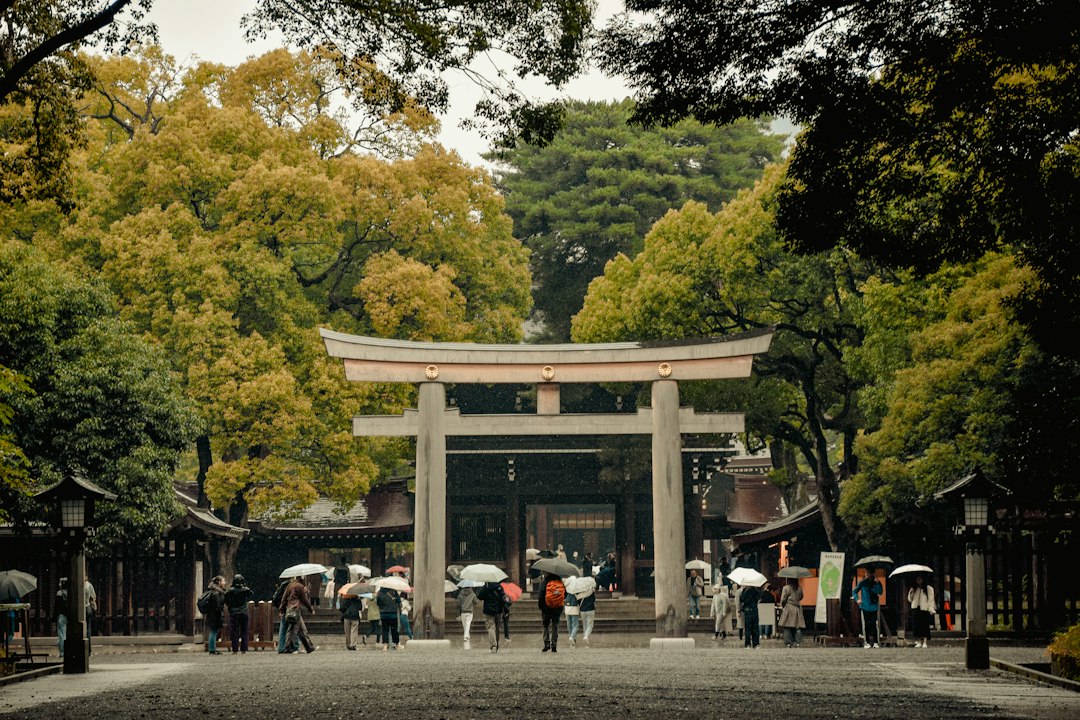
Meiji Shrine is the reason to arrive in Harajuku early. It opens at sunrise and closes at sunset every day of the year, entry is free, and in the first hour the approach belongs mostly to shrine staff sweeping the gravel and a few people on their way to work.
The shrine was dedicated in 1920 to Emperor Meiji and Empress Shoken, and the forest around it was planted by hand, with trees donated from across Japan. A century later it reads as ancient woodland. That is the point of starting here: it resets your sense of what Tokyo is before the busier half of the day begins.
The Approach from Jingu Bridge
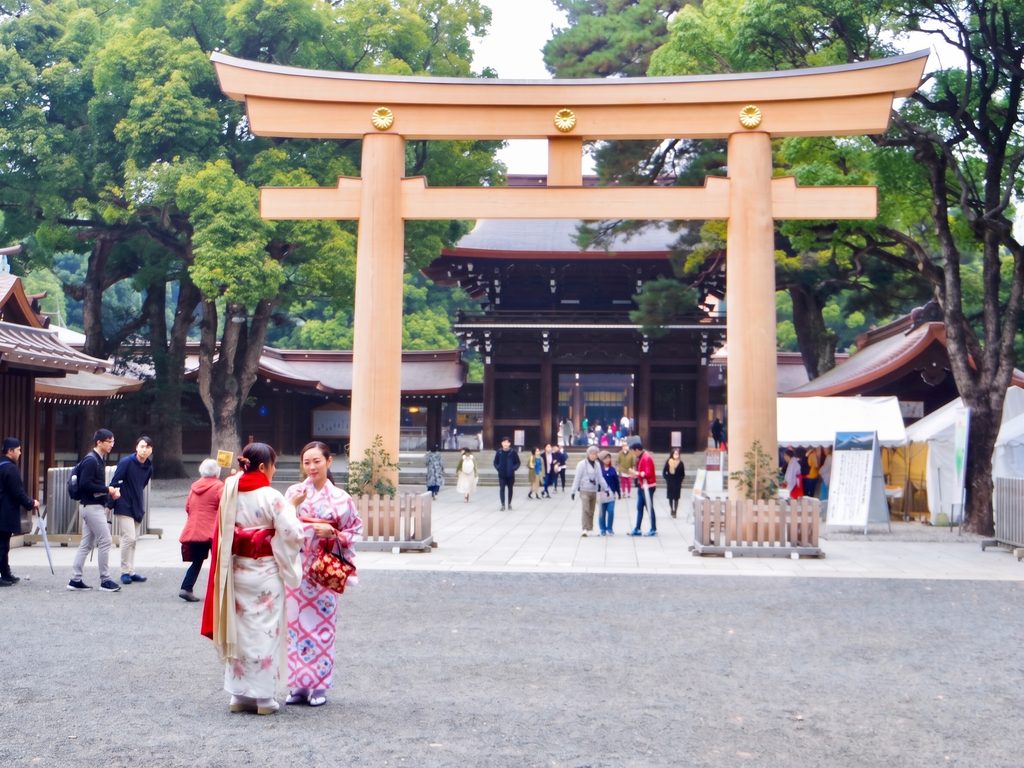
Since the new Harajuku Station opened in 2020, there has been a permanent exit facing the shrine, so you can cross Jingu Bridge and be at the first torii within a couple of minutes. The walk to the main hall takes around ten minutes at an unhurried pace.
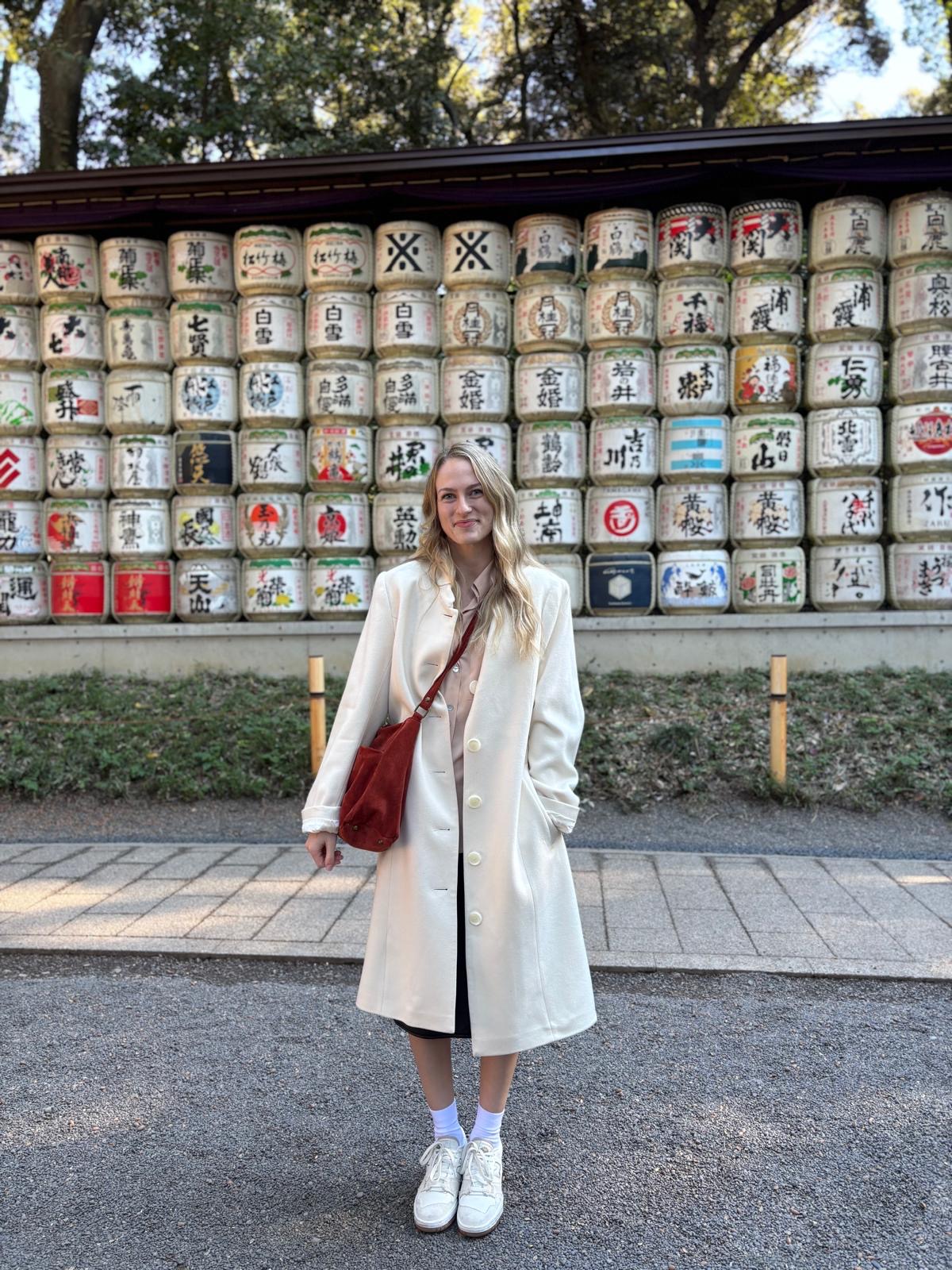
Along the way you pass a long wall of sake barrels on one side and French wine barrels on the other, both offerings to the shrine. At the main hall, rinse your hands and mouth at the purification basin before approaching, and bow once as you pass under each torii. Nobody will correct you if you get the sequence slightly wrong. Still, doing it at all changes how the staff and other visitors read you.
For the history, the architecture, and what to look for in the main hall, our Meiji Shrine walking guide goes into far more detail than we can here.
The Inner Garden and What the Fee Buys
Inside the shrine grounds is the Inner Garden, Meiji Jingu Gyoen, which charges a separate maintenance fee and keeps shorter hours than the shrine itself. Most visitors skip it. We think that is a mistake in June, when the iris beds are in flower, and a fair choice the rest of the year if time is short.
The garden’s well, Kiyomasa’s Well, draws a steady trickle of visitors who photograph it for luck. It is a small, still place. Go for the path through the trees rather than the well.
Yoyogi Park on a Sunday
Yoyogi Park sits directly next to the shrine forest, and it is where Tokyo goes to sit on the grass. On weekdays it is a pleasant, ordinary city park. On Sundays it changes: picnics, drummers, dance groups, and, near the Harajuku entrance, the rockabilly dancers in leather jackets and pompadours who have been a fixture here for decades.
If your trip includes a Sunday, put Harajuku on it. Weekends are busier on Takeshita Street too, but the park is where the extra people make the place better rather than worse.
Expert Tip
Arrive at Meiji Shrine by 8am and leave Takeshita Street until shortly after 11am, when most of its shops open. Doing it the other way round means walking a closed street early and a crowded shrine late. On our tours this single change does more for the day than any individual recommendation.
Takeshita Street and the Backstreets
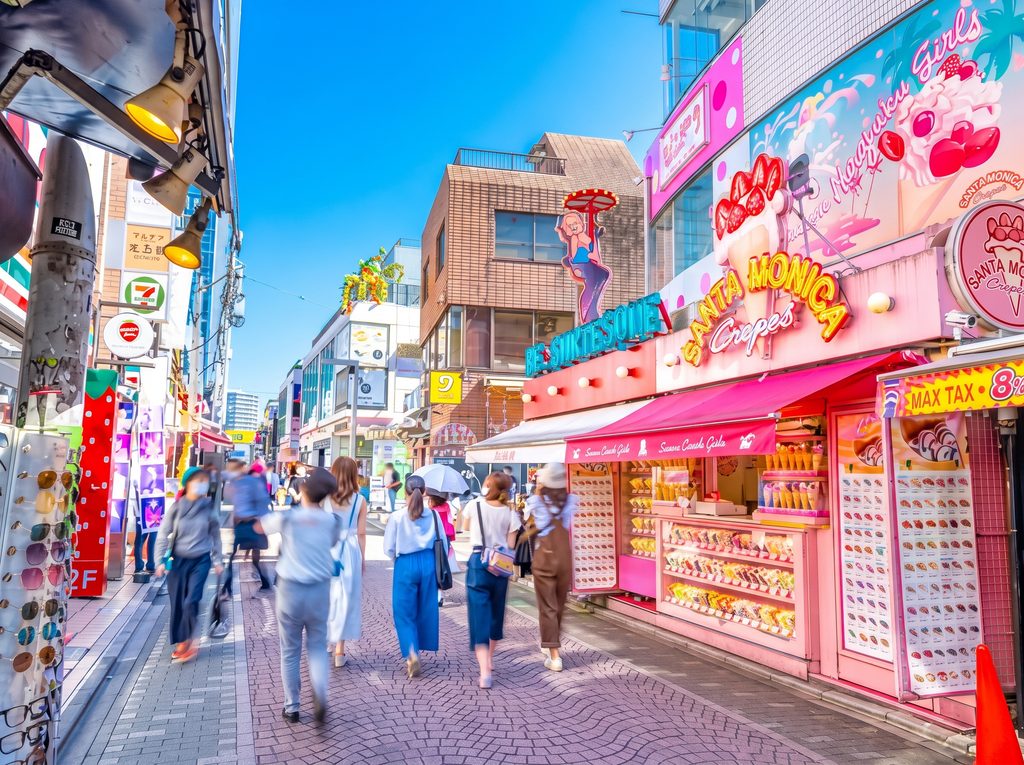
Takeshita Street is about 400 metres long and starts almost directly opposite the station’s main exit. It has been the centre of Japanese youth fashion for decades, and it still behaves like one: costume jewellery, platform shoes, idol merchandise, and a queue outside whatever dessert is popular this month.
We bring our bus tour groups here straight after Meiji Shrine, deliberately. The two places share a station and could not feel more different, and walking one immediately after the other is the quickest way to understand why people find Tokyo hard to summarise.
Takeshita Street Before It Fills
Most shops open around 11am. By early afternoon on a weekend the street moves at the speed of the slowest person in it, which is very slow. Thirty minutes here is enough for most adults. Go with the intention of watching rather than buying, and treat anything you find as a bonus.
Teenagers visiting with their parents tend to disagree with that timing. If that describes your group, give them an hour on their own and meet at the bottom of the street.
Cat Street and Ura-Harajuku
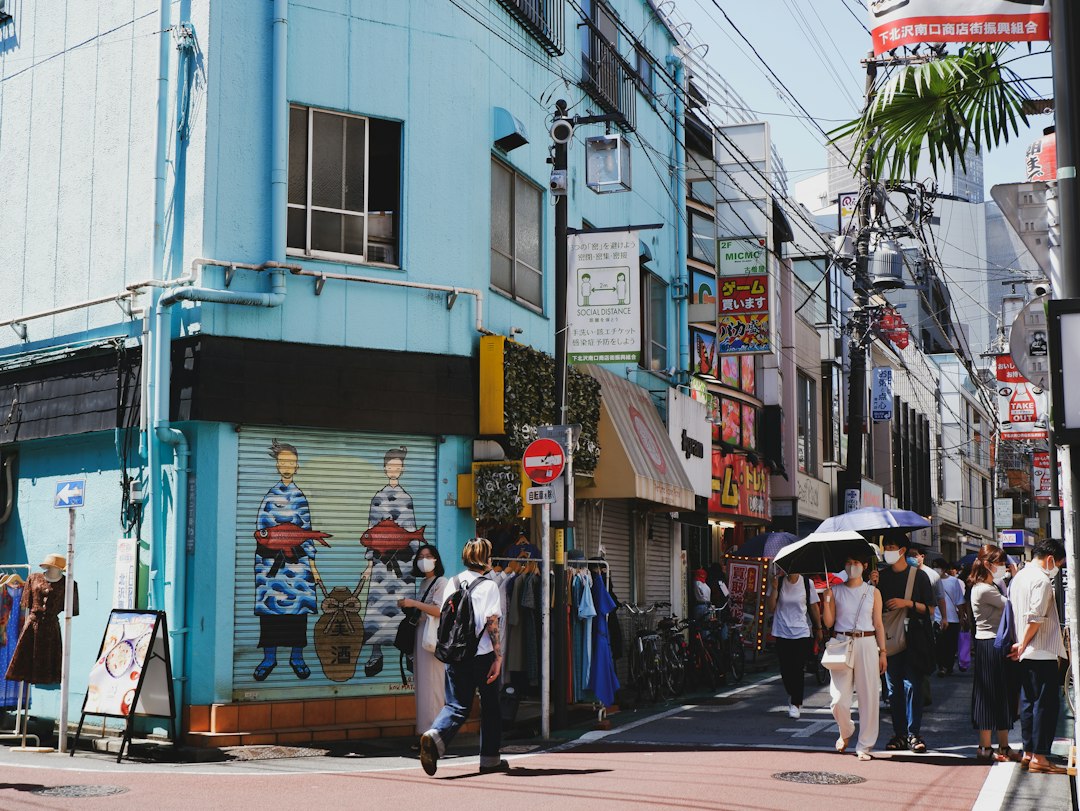
Cat Street runs south from Omotesando towards Shibuya along the course of a river that was covered over long ago. It is narrow, pedestrian-friendly, and lined with independent boutiques, vintage shops, and skate and streetwear labels. The pace is noticeably calmer than Takeshita Street.
The lanes branching off it are what Japanese fashion media call Ura-Harajuku, the back side of Harajuku. In our experience this is where travelers who care about clothing actually spend their money. We cover the specific shops, from vintage to Omotesando’s flagship stores, in our Harajuku shopping guide.
Kiddy Land and the Character Shops
Kiddy Land on Omotesando is a multi-floor toy and character shop, with whole sections given over to Sanrio, Studio Ghibli, and Snoopy. It is a reasonable stop if you are buying for children at home. Otherwise, it is the kind of place that takes forty minutes when you meant to spend ten.
Omotesando’s Architecture and the Small Museums
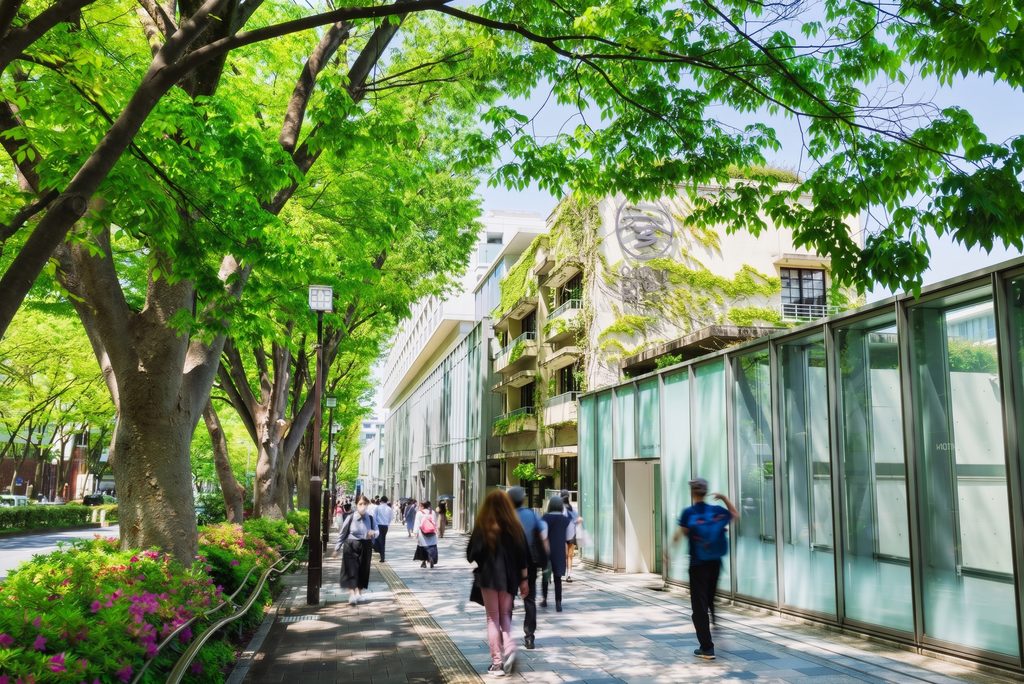
Omotesando is the broad, zelkova-lined avenue that runs about a kilometre from the shrine towards Aoyama. It was laid out as the formal approach to Meiji Shrine, which explains its width. Today it is Tokyo’s most concentrated stretch of luxury flagships, and the more interesting reason to walk it is the buildings rather than the shops inside them.
Reading the Avenue as an Architecture Walk
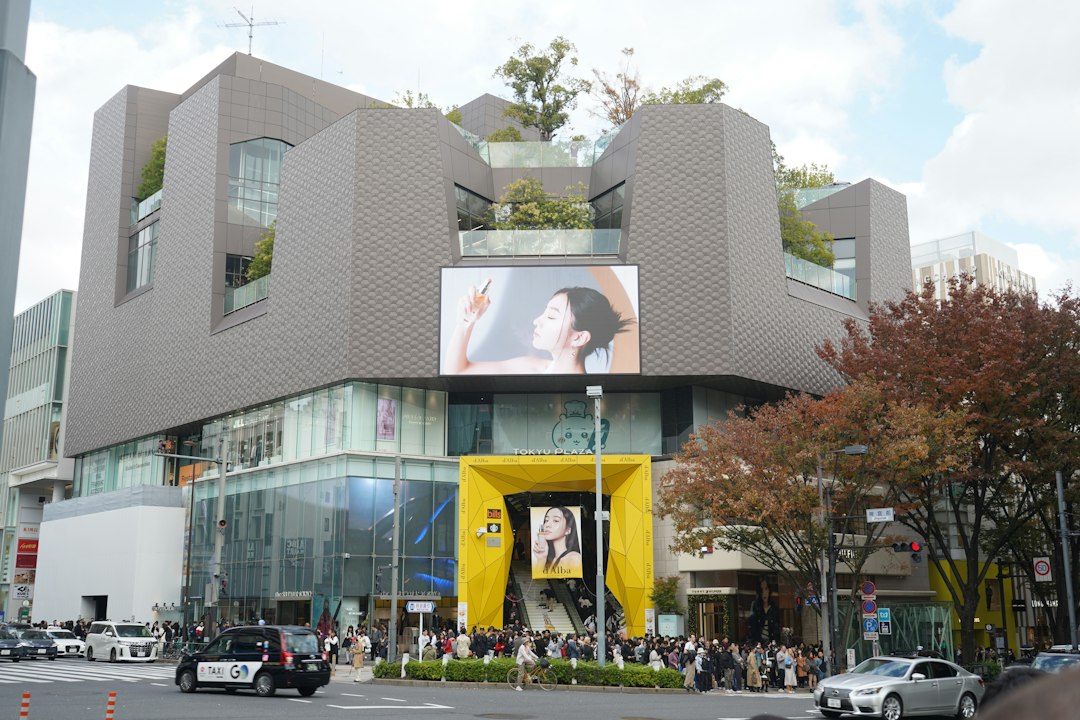
Several of the flagship stores here were commissioned from leading Japanese architects, and the avenue works as an outdoor gallery of their ideas. Omotesando Hills, by Tadao Ando, replaced a 1920s apartment complex and keeps one restored block of it at the eastern end. Toyo Ito’s building for Tod’s uses concrete shaped like the silhouettes of the zelkova trees outside.
At the Harajuku end, the mirrored, faceted entrance of Tokyu Plaza Omotesando is one of the most photographed doorways in the city. Across the intersection is Harakado, the newer Tokyu Plaza Harajuku, which opened in 2024 and has a planted rooftop open to the public. We suggest walking the avenue slowly and looking up more than in.
Ukiyo-e at the Ota Memorial Museum of Art
Two minutes from the noise of the crossing, on a side street behind Laforet Harajuku, is the Ota Memorial Museum of Art. It holds a large private collection of ukiyo-e woodblock prints and paintings and shows a rotating, themed selection each month. You remove your shoes at the entrance.
It is small, dim, and quiet, and that is precisely its value. Seeing a Hokusai or Hiroshige print a few minutes after Takeshita Street makes the case for Harajuku as a place where old and new Tokyo coexist far better than any explanation. It closes on Mondays and between exhibitions, so check the schedule before you plan around it.
The Nezu Museum Garden
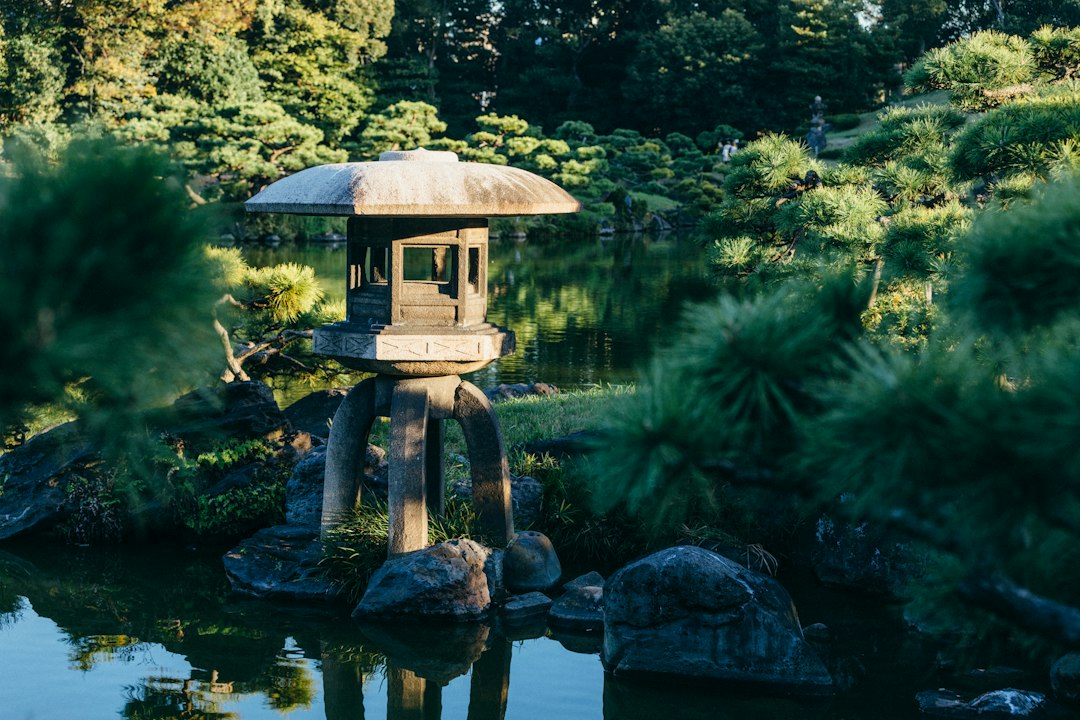
At the far end of Omotesando, past the Prada building in Aoyama, the Nezu Museum holds a collection of pre-modern Japanese and East Asian art in a building by Kengo Kuma. Behind it is a sloping garden of stone lanterns, tea houses, and ponds that feels much larger than it is.
The garden is open only to people who have bought museum admission, which keeps it calm. Tickets are sold online through the museum’s website, and we suggest buying ahead rather than turning up. Of everything in this article, it is the one we would least want a traveler with a free afternoon to miss.
Eating, Bathing, and Planning the Day
Harajuku is better for snacks and long lunches than for serious dinners. Plan to eat your best meal of the day somewhere else and treat this neighbourhood as grazing ground.
Crepes and Snacks
The Harajuku crepe, rolled into a paper cone and filled with cream, fruit, and sometimes a whole slice of cheesecake, is a Takeshita Street institution. Marion Crepes, which began as a food truck in 1976, still has a stand on the street. Eat it standing beside the stall rather than while walking the crowded lane; the shops expect it, and so does everyone behind you.
We compared the main stands, and what to order at each, in our guide to Harajuku crepes. For a proper sit-down lunch, the side streets between Omotesando and Cat Street have far better options than Takeshita Street itself.
A Public Bath Under a Shopping Mall
In the basement of Harakado is Kosugiyu Harajuku, a branch of a well-known neighbourhood sento from Koenji. It is a working public bath, not a spa, with an entry fee in the hundreds of yen and towels available to rent.
For a traveler who has never used a Japanese bath, this is one of the easiest places in Tokyo to try. It is clean, central, and used to first-timers. Wash fully at the seated showers before getting into the water.
A Half-Day Route That Works
The route we use most is simple. Meiji Shrine at opening or soon after, then Takeshita Street as the shops open, then lunch around Cat Street, then Omotesando in the afternoon with the Ota or Nezu museum as the anchor. That is four to five hours without hurrying.
On private tours we change this constantly. Your guide asks beforehand, over WhatsApp, what you are interested in and how much walking you want, and the day is built from there. A family with teenagers might spend two hours in Ura-Harajuku; a couple interested in design might skip Takeshita Street entirely and spend the afternoon on Omotesando’s buildings.
Expert Tip
Harajuku and Shibuya are about a twenty-minute walk apart, and Cat Street is the pleasant way to cover it. Rather than taking the train one stop on the Yamanote line, walk south down Cat Street in the late afternoon and finish at the Shibuya crossing as the lights come on. It turns two separate neighbourhood visits into one continuous walk.
Things to Do in Harajuku: Frequently Asked Questions
How much time do I need in Harajuku?
Half a day covers the essentials: Meiji Shrine, Takeshita Street, and a walk down Omotesando. Add a museum, a long lunch, or Yoyogi Park on a Sunday and it becomes a full day. If you only have two hours, spend them on the shrine and Omotesando and skip Takeshita Street.
Is Harajuku worth visiting if I am not interested in fashion?
Yes. Meiji Shrine alone justifies the trip, and the architecture on Omotesando, the Ota Memorial Museum of Art, and the Nezu Museum garden have nothing to do with clothing. Many of the travelers we guide spend under an hour on the shopping streets and the rest of the day on these.
What is the best day of the week to visit Harajuku?
It depends on what you want. Weekday mornings are best for Meiji Shrine and for walking Takeshita Street without being carried along by the crowd. Sundays are best for Yoyogi Park and for seeing the neighbourhood at its most social. If you can only go once, we lean towards a weekday morning.
Related Tours
Conclusion
Harajuku is not one place, and the most common mistake is visiting it as if it were. Treat the forest, the fashion lanes, and Omotesando as three different visits that happen to share a station, and give each the time of day that suits it.
In practice that means the shrine early, Takeshita Street at opening time, and Omotesando with a museum in the afternoon. Done in that order, the neighbourhood stops feeling like a crowd to be endured and starts to show the range that makes it one of the most interesting half-days in Tokyo.
Plan Your Japan Trip with Local Experts
Our team has guided 40,000+ travelers across Japan. Tell us about your trip and we’ll get back to you within 24 hours.