In this article:
- What Makes a Harajuku Crepe Different
- How the Crepe Came to Takeshita Street
- The Three Stands Worth Your Queue
- Ordering, Timing, and Eating Without Fuss
- Harajuku Crepes: Frequently Asked Questions
Introduction
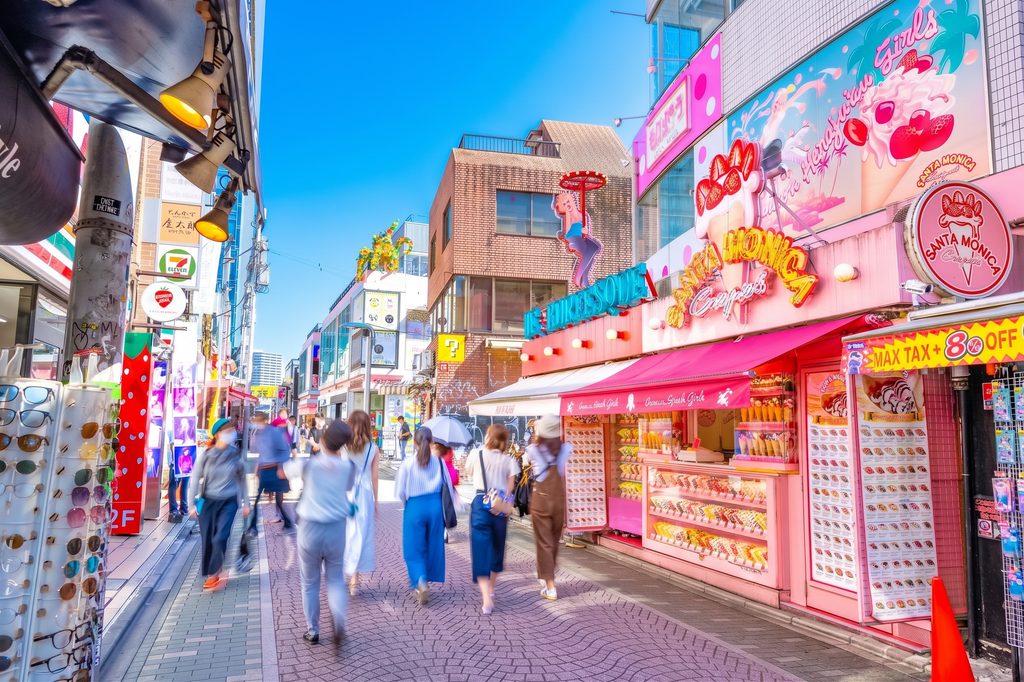
Harajuku crepes are the one food in Tokyo that almost every first-time visitor ends up eating, usually within ten minutes of stepping off the train. Walk out of the Takeshita exit of JR Harajuku Station, cross the road, and the smell reaches you before the shops do: warm batter on a hot griddle, sugar, and something faintly like vanilla custard.
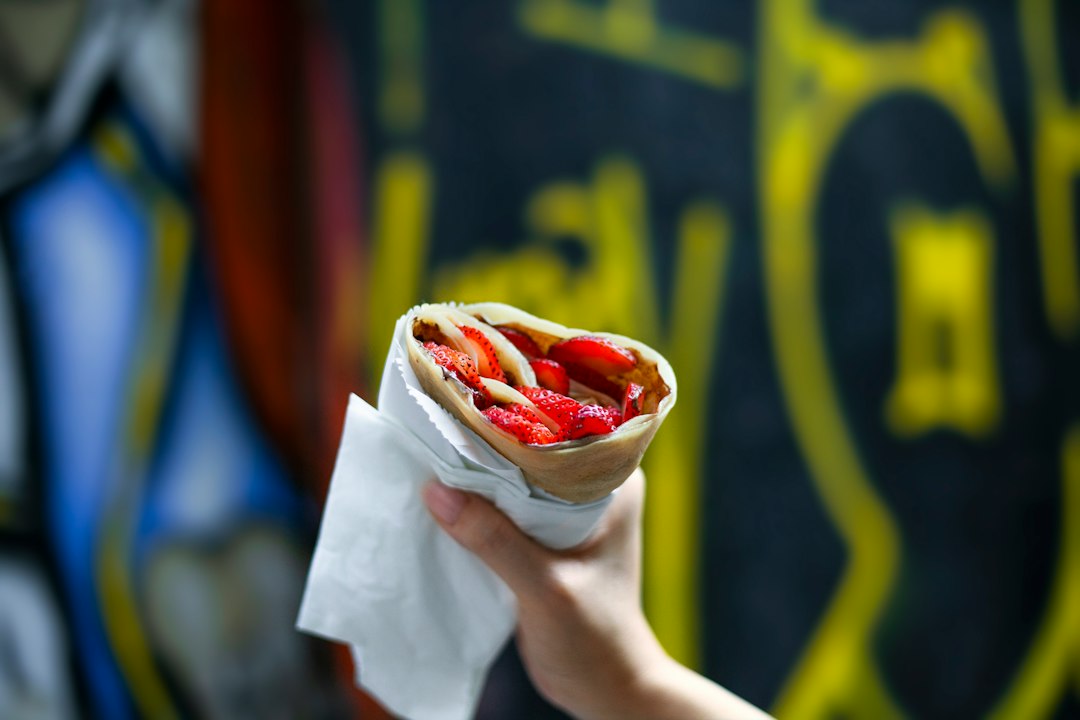
What arrives in your hand is not the delicate folded crepe of a Paris cafe. It is a cone of thin, slightly crisp pancake, wrapped in paper, packed with whipped cream and strawberries and often a scoop of ice cream, sometimes with a wedge of cheesecake or a brownie pushed in at an angle. It is sweet, generous, a little absurd, and very good.
We are fond of the Harajuku crepe for a specific reason. It is a small, cheap, easy win in a part of Tokyo that can otherwise feel like a crush of teenagers and phone screens, and choosing well makes the difference between a soggy tourist snack and one of the better things you eat that day. The sections below cover what it is, where it came from, where to buy one, and how to eat it the way Tokyo does.
What Makes a Harajuku Crepe Different
The Japanese crepe borrowed a French batter and then changed almost everything else about it.
A Cone, Not a Plate
A French crepe is folded into quarters and eaten with a knife and fork, or folded into a triangle and handed over in a napkin. The Harajuku version is rolled into a tight cone around its filling and wrapped in a paper sleeve, so it can be carried and eaten with one hand. That single design choice is the whole idea. It turned a sit-down dessert into street food.
The batter is spread very thin on a flat round griddle and cooked until the edges crisp. Some shops keep it soft and pliable; others take it further, so the outer layer shatters slightly when you bite. Neither is wrong. In our experience, the crisper style holds up better against cream and ice cream, which matters if there is a queue for photos before anyone eats.
Cream, Fruit, Ice Cream, and Sometimes Cake
The classic combination is fresh cream with strawberries or banana, finished with chocolate sauce. From there the menus escalate. Custard, vanilla or matcha ice cream, sweet red bean paste, brownie pieces, and slices of cheesecake all appear as fillings, and a single crepe can combine four or five of them.
The display case at each stand shows every option as a plastic model, and the number of choices can run into the dozens. That abundance is part of the appeal. Still, the best crepes on Takeshita Street tend to be the simpler ones, because fewer ingredients means the batter and the fruit are doing the work.
The Savory Side of the Menu
Almost every stand also sells savory crepes, and they are worth knowing about if you arrive hungry rather than in the mood for dessert. Tuna salad, ham, cheese, and egg are the usual fillings, served in the same paper cone.
They are not the reason to come. However, if you are traveling with someone who does not eat sweets, or you want something before the cream, a savory crepe is a sensible first order.
How the Crepe Came to Takeshita Street
The paper-wrapped crepe has a clear starting point, and it is only a few minutes’ walk from Harajuku.
A Wagon in a Shibuya Parking Lot, 1976
Marion Crepes began in 1976 as a small wagon selling crepes from the corner of a parking lot on Koen-dori in Shibuya. According to the company’s own history, it was the first shop in Japan to wrap crepes in paper for eating on the go. The following year, 1977, Marion opened on Takeshita Street, on the same site where its Harajuku shop stands today.
The early menu leaned French. Over time it shifted toward the cream, fruit, and ice cream combinations that now define the style, pitched at a younger crowd with a taste for sweetness and color. That shift is what made the crepe a Harajuku food rather than a Parisian import.
The Snack That Changed How Tokyo Eats on Foot
Japan has a long-standing reluctance about eating while walking, and in most neighborhoods it still reads as slightly careless. Takeshita Street is the notable exception. Its crepe shops were built for takeaway, the street filled with teenagers holding paper cones, and for many young Tokyo residents in the 1980s the Harajuku crepe became the food they associated with eating on the street.
That history explains the tolerance you will find there today. It does not mean anything goes. On a crowded weekend the lane is narrow enough that walking with a leaking cone of cream is a hazard to other people’s clothes, and locals generally stop to eat.
Stands Come and Go: The Angels Heart Closure
The street is not a museum. Cafe Crepe’s Angels Heart, one of the most familiar stands on Takeshita Street and in business since the 1980s, closed in early 2021 when its lease ended. Older guidebooks and blog posts still send readers there.
The lesson is practical. Harajuku’s food scene turns over quickly, and viral dessert shops open and close within a season. The three stands we recommend below have each lasted long enough that we are comfortable sending travelers to them, although checking a map before you go is always sensible.

The Three Stands Worth Your Queue
Takeshita Street takes only a few minutes to walk end to end, and there are more crepe stands along it than any one person needs. These are the three we point travelers toward, each for a different reason.
Marion Crepes: The Original
Marion is where the style began, and the Takeshita Street shop is a few minutes’ walk from the station, partway along the lane. The menu board is enormous, running well past seventy combinations, with seasonal and Harajuku-only specials rotating through the year.
If you only have one crepe in Harajuku, have it here, and keep it simple. The butter and sugar crepe is the purist’s order and tells you more about the batter than anything with cake in it. For something more indulgent, a strawberry and fresh cream crepe is the version most Tokyo residents picture when they hear the word.
Look at the seasonal board before the permanent menu. The limited crepes change through the year and are where the kitchen puts its newest ideas, such as the cherry blossom and strawberry mochi crepe that has appeared in spring. Some are excellent and some are novelties, but they are the part of the menu that repeat visitors from Tokyo come back for.
Marion now runs around a hundred shops across Japan, so you will see the logo elsewhere. The Takeshita Street branch is the one with the history.
Santa Monica Crepes: The Crisp Batter at the Far End
Santa Monica Crepes sits just off the far end of Takeshita Street, near Meiji-dori; turn right as you come out of the lane. Its batter is noticeably crisper than Marion’s, closer to a thin wafer at the edges, and many travelers prefer it for exactly that reason.
The menu is long, the portions generous, and prices for most items sit under ¥1,000. Because it is off the main lane rather than on it, the space in front is slightly easier to stand in while you eat. That alone makes it our choice on a busy Saturday.
Sweet Box: Fruit-First, Right by the Entrance
Sweet Box is just inside the station end of Takeshita Street, and it is the stand we suggest for travelers who care most about fruit. The shop says its fruit is delivered fresh each day from partner greengrocers, and its crepes are built around thick cream and a crisp, thin shell.
The fruit-heavy crepes here are the ones to order. Choose whatever is in season, which in winter and early spring usually means strawberries, and skip the chocolate sauce so the fruit is not buried.
Expert Tip
Pick one stand and commit to it rather than trying all three. A Harajuku crepe with ice cream is closer to a dessert course than a snack, and a second one fifteen minutes later is rarely as good as the first. If two of you want to compare, buy two different crepes at two stands and share them.
Ordering, Timing, and Eating Without Fuss
Buying a crepe in Harajuku takes about five minutes once you reach the counter. The time goes into the queue, and a little planning cuts that down.
Ordering From the Display Models
Every stand displays its crepes as plastic models in a window case, each with a number or name and a price. You do not need Japanese. Point at the model, say the number, and pay.
Some shops have an English menu at the counter; others do not, and the models make it unnecessary. Card acceptance varies from stand to stand. Santa Monica Crepes, for example, is listed as taking electronic money but not credit cards, so carry some cash or a transit IC card with a balance on it.
When to Go
Weekday mornings are the quiet time on Takeshita Street, and the crepe stands open in the mid-morning. Weekend afternoons and school holidays are the opposite: the lane fills shoulder to shoulder, and the queues at the better-known stands grow long.
We suggest pairing a crepe with a morning at Meiji Shrine, which is next to Harajuku Station. Walk the gravel approach through the forest first, while it is cool and hushed, then walk back past the station to Takeshita Street as the shops open. Our guide to visiting Meiji Shrine covers that half of the morning. The contrast between the two, a few minutes apart, is one of the more memorable sequences in Tokyo.
Season matters too. In the humid heat of a Tokyo July or August, ice cream inside a warm crepe starts to run within a minute or two, and the paper sleeve does not contain it for long. In summer we order cream and fruit without ice cream, and eat it immediately. In the cooler months, from late autumn to early spring, the richer combinations are far more manageable, and that is also when strawberries appear across the menus.
Where to Stand and What to Do With the Wrapper
Eat close to the stand where you bought the crepe, or step to the edge of the lane, rather than walking with it through the crowd. Crepe stands usually expect this, and the space around the counter is where most people stop. Our guide to everyday etiquette in Japan explains why eating on the move is treated differently here than at home.
Public rubbish bins are scarce in Tokyo, and Takeshita Street is no different. Hand your paper wrapper back to the shop or use its own bin, which most crepe stands keep by the counter. If you do walk off with it, fold it and keep it until you find a bin; a small bag in your day pack helps.
Harajuku Crepes: Frequently Asked Questions
How much does a Harajuku crepe cost?
Most crepes on Takeshita Street cost under ¥1,000. Simple combinations such as butter and sugar or banana and chocolate sit toward the lower end, while crepes with ice cream, cake, and several kinds of fruit cost more. Seasonal specials are usually priced at the top of a shop’s range.
Is it rude to eat a crepe while walking in Harajuku?
Takeshita Street is more relaxed about it than most of Tokyo, because crepes were sold there as takeaway food from the start. Even so, the lane is narrow and crowded, and the considerate approach is to stop near the stand or at the side of the street to eat. You will see most local customers doing the same.
Can I pay by credit card at the crepe stands?
Sometimes, but not reliably. Payment options differ by stand, and some accept electronic money such as a Suica or PASMO card but not credit cards. Carry a little cash, or a transit IC card with some balance, and you will be able to buy a crepe anywhere on the street.
Related Tours


Conclusion
A Harajuku crepe is a small thing, and that is why it works. It costs less than a coffee in most Western cities, takes minutes to buy, and connects you to fifty years of Tokyo youth culture on the street where it began. For more on what surrounds it, our Harajuku neighborhood guide covers the fashion, the backstreets, and the quieter avenue of Omotesando next door.
Go on a weekday morning, after Meiji Shrine rather than before it. Choose one stand, order something simple with seasonal fruit, and step to the side of the lane to eat it. Then hand the wrapper back across the counter and keep walking.
Plan Your Japan Trip with Local Experts
Our team has guided 40,000+ travelers across Japan. Tell us about your trip and we’ll get back to you within 24 hours.