In this article:
- What the “A” and the “5” Actually Measure
- Wagyu, A5, and Kobe Are Three Different Claims
- Why A5 Is Not Always the Best Order
- Eating Wagyu in Japan: Formats and Ordering
- A5 Wagyu: Frequently Asked Questions
Introduction
Most travelers ask us two questions: “What is A5 wagyu?” and “Is it worth it?” By then, they have usually seen it on a menu. It typically appears in large type next to the highest price on the page. The short answer is simple. A5 is a grade, not a breed or a place.It is the top score in Japan’s carcass evaluation system. This grade tells you two things about the animal. First, it shows how much usable meat the carcass yielded. Second, it reflects how good that meat looked to a trained grader.
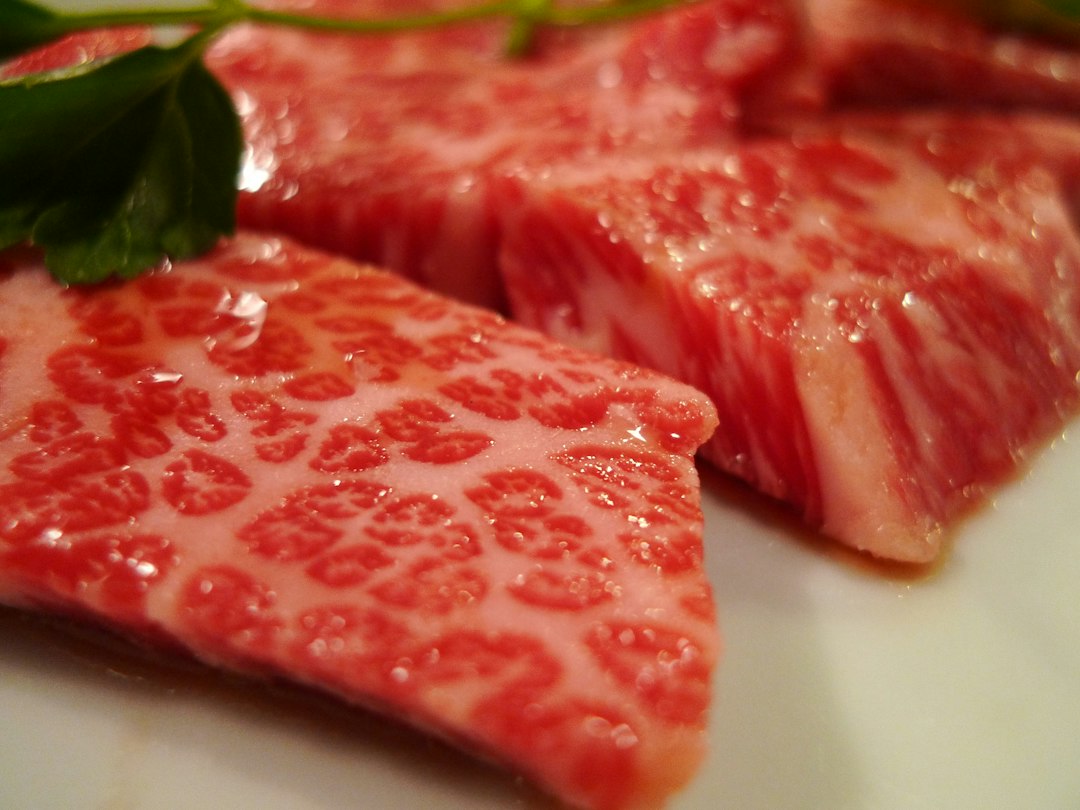
What it does not tell you is whether you will enjoy a 300-gram steak of it. Place a slice of A5 sirloin on a hot iron plate. Within seconds, the edges turn translucent. The fat begins to run even before the centre has warmed. Two or three pieces of that are memorable. Ten pieces can be too much.
The travelers we host in Tokyo are usually not short of good beef at home. What they want is to understand what they are paying for in Japan and to order with some confidence. That starts with reading the grade correctly.
What the “A” and the “5” Actually Measure
The grade comes from the Japan Meat Grading Association. It assesses carcasses at the cut surface between the sixth and seventh ribs. The system combines two separate scores into one label, and they measure very different things.
The Letter: Yield, Not Taste
The letter is the yield grade, and it runs from A to C. It estimates how much saleable meat the carcass will produce. To do this, it uses a formula built from four factors: the rib-eye area, the thickness of the rib, the carcass weight, and the depth of fat under the skin. A means the yield is above standard, B is standard, and C is below.
None of that describes flavour. A carcass graded B5 can have exactly the same marbling and texture as one graded A5. It just produced less meat for the farmer to sell. For a diner, the letter matters far less than people assume.
The Number: Four Scores, Lowest One Wins
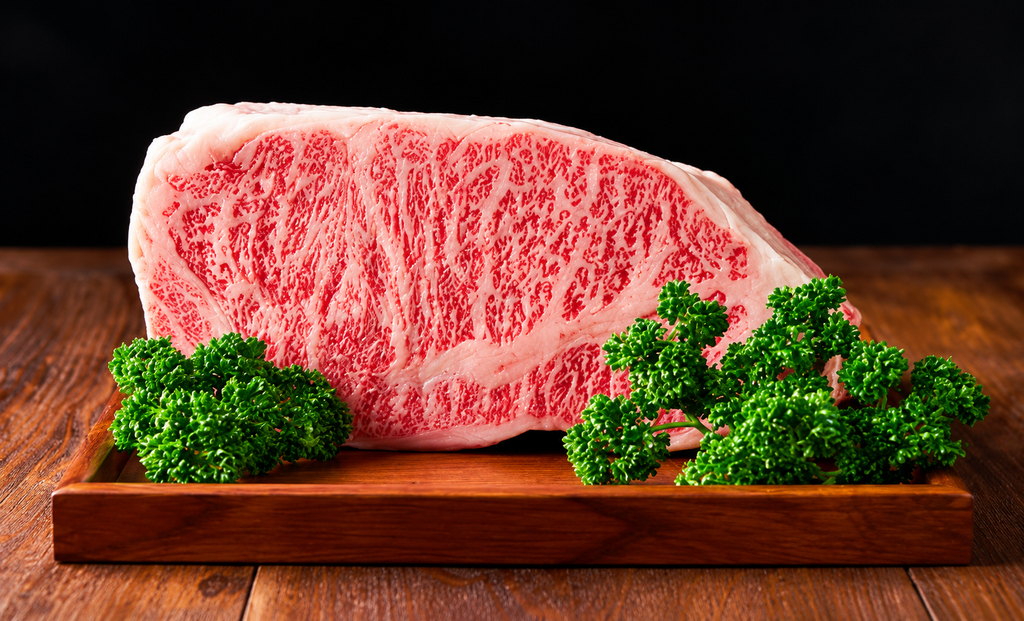
The number is the quality grade, from 1 to 5. Graders score four factors separately: the marbling, the colour and lustre of the lean meat, the firmness and grain of the meat, and the colour, lustre, and quality of the fat.
The final quality grade is the lowest of those four scores, not their average. Graders cap a carcass with superb marbling but slightly dull meat colour at the lower figure. That rule is the real reason a 5 is difficult to earn, and it is the part most explanations skip.
BMS and the 1-to-12 Marbling Scale
Graders score marbling separately on the Beef Marbling Standard, or BMS, which runs from No. 1 to No. 12. A quality grade of 5 requires BMS No. 8 or above. Grade 4 starts at No. 5, and grade 3 at No. 3.
In practice this means two pieces of A5 can be quite different. A BMS 8 sirloin and a BMS 12 sirloin carry the same label, yet the second is visibly paler, with fat threaded so finely that the lean almost disappears. Some restaurants print the BMS number on the menu. When they do, it is more useful than the grade itself.
Expert Tip
If a menu lists both the grade and the BMS number, read the BMS number first. Within A5, the jump from BMS 8 to BMS 11 or 12 changes the eating experience far more than the jump from A4 to A5 at the lower end. Ask the staff which BMS the day’s sirloin is; at serious beef restaurants they usually know.
Wagyu, A5, and Kobe Are Three Different Claims
Menus outside Japan tend to blur these terms together. They are separate claims, and a different rule checks each one.
What Counts as Wagyu
Wagyu means “Japanese cattle”. Japan’s Ministry of Agriculture, Forestry and Fisheries sets strict labelling guidelines. Under these rules, the ministry limits the word to four native breeds and their crosses: Japanese Black, Japanese Brown, Japanese Shorthorn, and Japanese Polled. Japanese Black accounts for the vast majority. In fact, it is the breed behind nearly all the heavily marbled beef visitors see.
The grade, by contrast, is not breed-specific. The same grading system applies to every beef carcass in Japan, including dairy breeds and crossbreeds. Wagyu breeds reach the top marbling scores far more often, which is why A5 and wagyu appear together so frequently.
Kobe, Matsusaka, Omi, and Other Regional Brands
Kobe beef is a regional brand with its own rules, set by the Kobe Beef Marketing and Distribution Promotion Association. The standards require farmers to raise a Tajima-strain Japanese Black cattle in Hyogo Prefecture as a heifer or steer, achieving a yield grade of A or B, a BMS of No. 6 or higher, and a carcass weight of no more than 499.9 kilograms.
Look at that BMS threshold again. Because grade 4 begins at BMS No. 5, a Kobe carcass at BMS 6 or 7 is graded A4 or B4, not A5. Kobe is not a synonym for A5, and A5 is not a synonym for Kobe. A BMS 11 carcass from Kagoshima or Miyazaki can outscore a certified Kobe carcass on marbling and still be sold under a different name.
People most often group Matsusaka in Mie and Omi in Shiga with Kobe, and regions such as Gifu have their own brands. Our guide to Hida beef in Takayama covers one of them in its home town. Each brand sets its own criteria, so the name tells you about origin and rules, while the grade tells you about the individual carcass.
The Ten-Digit Number on the Label
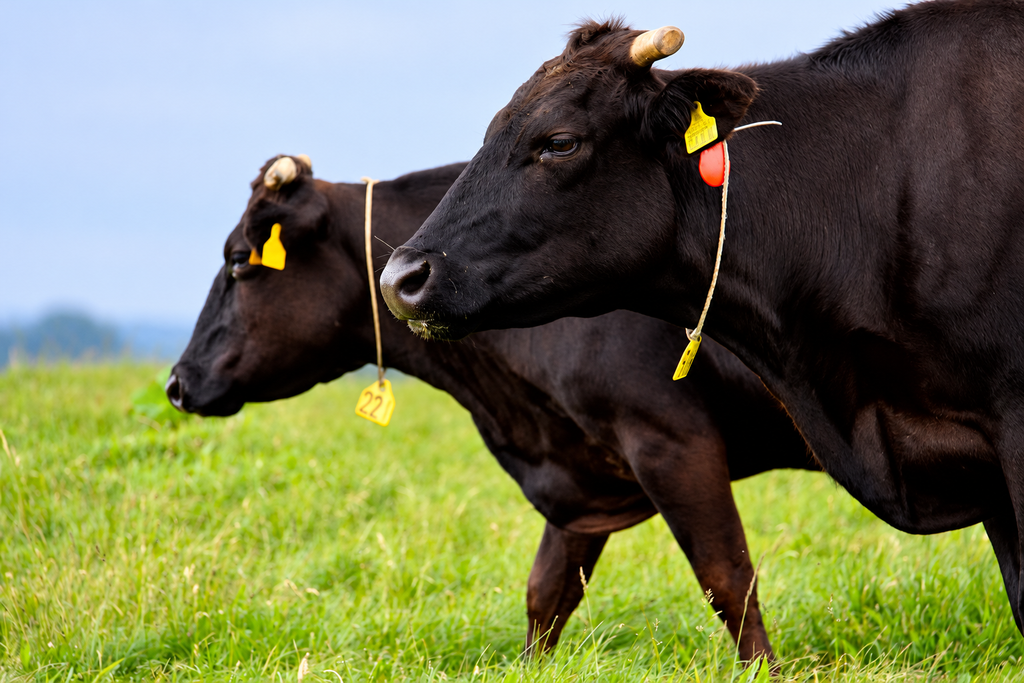
Every head of cattle in Japan carries a ten-digit individual identification number on an ear tag, a system introduced after the 2001 BSE case. The number follows the animal through slaughter and into retail, and consumers can look it up on the National Livestock Breeding Center’s public database.
Serious wagyu restaurants often display the certificate for the carcass they are serving, sometimes with a nose print for Kobe beef. If a restaurant claims Kobe or A5 and cannot show you anything, that is information too.
Why A5 Is Not Always the Best Order
Our honest view is that A5 is the right order less often than its reputation suggests. The grade rewards marbling, and marbling past a certain point stops adding pleasure and starts adding weight.
Richness Has a Ceiling
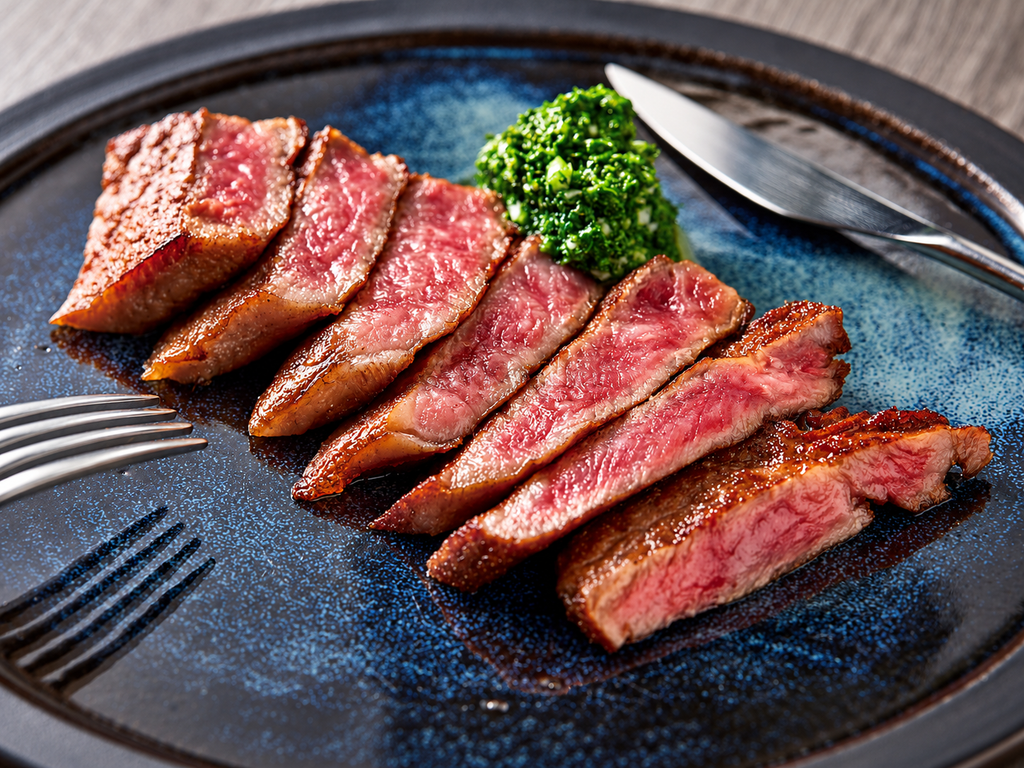
High-BMS fat in Japanese Black cattle melts at a low temperature, which is why it feels soft on the tongue and coats the mouth so quickly. That quality is the whole appeal. It is also why most people reach their limit sooner than they expect.
The first slice of A5 sirloin is extraordinary. By the fifth, many of our travelers are reaching for pickles, rice, or a glass of something acidic to reset. Japanese diners know this, and it is why high-grade wagyu is usually served in thin slices or small cubes rather than as a thick Western steak.
When We Steer Travelers Toward A4
For anyone planning a full meal of beef, we often suggest an A4 or a lower-BMS A5 instead of the highest marbling on the menu. There is more lean flavour, the meal stays enjoyable to the end, and the price difference can go toward a second cut.
Cut matters as much as grade. A5 sirloin or ribeye at BMS 11 is a few bites of intensity. A5 lean cuts from the round or the inside thigh carry the same grade but eat very differently, with more chew and beefier flavour. Ordering one of each is the most useful comparison a first-time visitor can make.
That said, if you only plan one wagyu meal in Japan and want to know what the fuss is about, order a small portion of the highest grade available. Just do not order a large one.
Expert Tip
Order one fatty cut and one lean cut at the same grade, a few slices each, before committing to a larger portion. Sirloin next to a leaner cut such as shintama from the round or ichibo from the rump shows in two bites what the marbling score is doing. Most yakiniku restaurants in Tokyo sell cuts in small plates, so this costs little extra.
Eating Wagyu in Japan: Formats and Ordering
How the beef is cooked changes how the grade feels on the plate, so choose the format before the grade.
Yakiniku, Sukiyaki, Teppanyaki, Shabu-Shabu
Yakiniku means grilling bite-sized pieces yourself over a tabletop grill, and it is the format where high marbling works best, because each piece is small and you control the heat. Our yakiniku guide covers cuts and dipping sauces in detail.
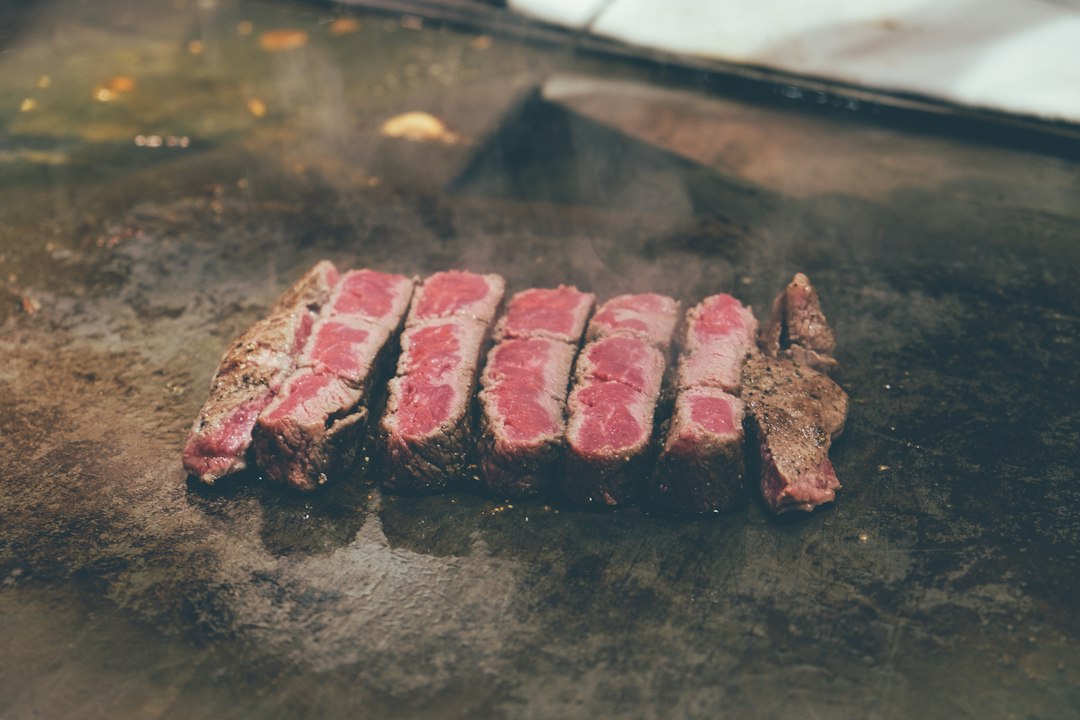
Sukiyaki simmers thin slices in a sweet soy broth, then dips them in beaten raw egg, which softens the richness. Shabu-shabu swishes slices through a light broth and suits lean or mid-grade beef better than the fattiest cuts. Teppanyaki is the most theatrical: a chef cooks in front of you on an iron plate, usually a sirloin or fillet, often finishing with garlic rice made in the beef fat.
If the goal is to taste A5 at its most characteristic, yakiniku or a small teppanyaki portion is the clearest way. For a long, relaxed dinner with a group, sukiyaki is easier on everyone.
Reading a Menu and Ordering by the Gram
Beef restaurants in Japan commonly price steaks and teppanyaki courses by weight, and the menu will show a price per 100 grams or a fixed weight per course. Look at the weight before the price. A course listing 150 grams of A5 sirloin is a generous serving of something very rich.
Lunch is the best value at many wagyu restaurants, with set menus that use the same beef as dinner in smaller portions. For travelers who want to try high-grade beef without committing to a long evening, a midday booking is usually the smarter choice. If the menu is only in Japanese, our guide on how to order food in Japan walks through the steps from entering to paying.
Wagyu Outside a Wagyu Restaurant
Some of the most enjoyable wagyu we eat in Tokyo is not at a dedicated beef restaurant at all. A few slices on rice at lunch, a skewer from a grill counter, or a small plate shared at an izakaya give you the flavour without the weight.
That sharing style is also how our Shinjuku food tour works. The fifteen dishes are izakaya portions spread across four eateries around Omoide Yokocho and Kabukicho, and your guide orders in Japanese, so the evening builds gradually rather than arriving all at once. Rich food is easier to appreciate that way.
On a private day in Tokyo, lunch is somewhere your guide rates, chosen around what you have told them you like. If wagyu is on your list, say so when you book and the day can be planned around it.
A5 Wagyu: Frequently Asked Questions
Is A5 wagyu the same as Kobe beef?
No. A5 is a carcass grade that any beef in Japan can receive, while Kobe is a regional brand limited to Tajima-strain cattle from Hyogo that meet the brand association’s criteria. Kobe beef can be graded A5, but it can also be graded A4 or B4, because its minimum marbling threshold sits inside grade 4.
Is A5 wagyu sold outside Japan the real thing?
It can be. Japanese wagyu is exported to many countries, and legitimate sellers can provide the carcass certificate and the ten-digit identification number. However, “wagyu” on a menu abroad often means beef from wagyu-cross cattle raised locally, which is not graded under the Japanese system at all. If a restaurant abroad says A5, ask for the certificate.
How much A5 wagyu should one person order?
Less than you think. For high-BMS sirloin or ribeye, we suggest around 100 grams per person as part of a larger meal, and rarely more than 150 grams. Lean cuts at the same grade can be ordered more generously. If in doubt, order a small portion and add a second cut afterwards.
Related Tours


Conclusion
Read the menu in this order: format, cut, weight, then grade. A small portion of high-BMS sirloin on a yakiniku grill and a full plate of lean A4 round for sukiyaki are both excellent meals, and they suit different appetites and different evenings.
If you see a BMS number, trust it more than the letter, and if a restaurant offers the carcass certificate, take a look. The grade is a useful piece of information, but it was designed for wholesale buyers rather than diners. Use it as one input, then order for the meal you actually want to eat.
Plan Your Japan Trip with Local Experts
Our team has guided 40,000+ travelers across Japan. Tell us about your trip and we’ll get back to you within 24 hours.