In this article:
- Where Shibuya Drinks: The Old Alleys and the Back Lanes
- The New Shibuya: Miyashita Park, Scramble Square, and the View From Above
- Maruyamacho After Midnight: Clubs and Late Bars
- How a Shibuya Night Actually Runs
- Shibuya Nightlife: Frequently Asked Questions
Introduction
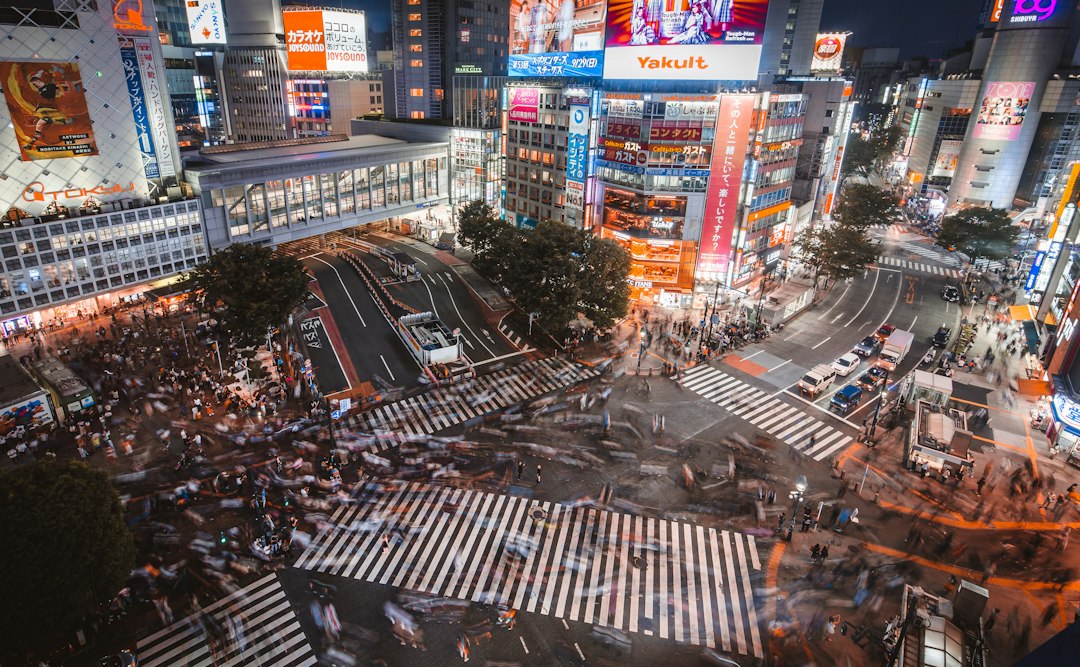
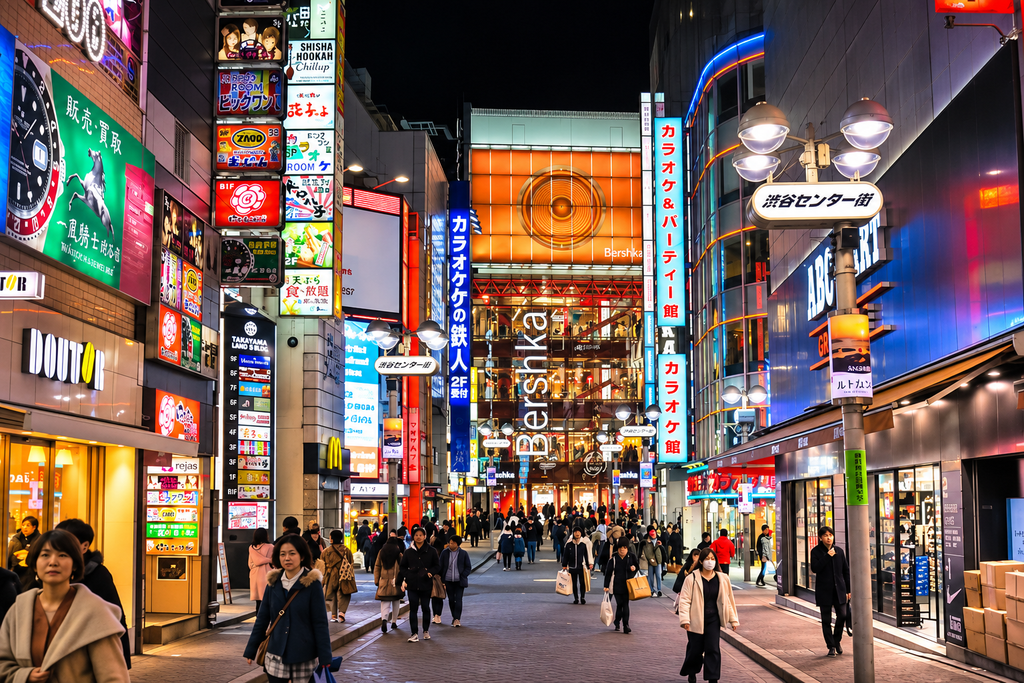
Most visitors experience Shibuya nightlife from the pavement. They cross the Scramble at nine in the evening. They film the screens. They walk up Center-gai past the arcades. Finally, they decide that Shibuya after dark is a crowd with nowhere in particular to go.
The district that Tokyo actually drinks in is a few steps to either side of that route. A strip of six-seat bars beside the Yamanote tracks. A slope of izakaya where office workers stand at counters with a highball and a plate of skewers. Lanes behind Center-gai where the owner pours and there is room for a dozen people. Further up the hill, past midnight, the clubs of Maruyamacho start filling just as the izakaya are closing.
We spend a good part of our week in these rooms with travelers. The pattern is consistent. The evenings people remember are the ones built around two or three small places rather than one large one. What follows is how the district is laid out. It also explains which areas suit which kind of evening. Finally, it outlines the handful of rules that decide whether the night runs smoothly.
Where Shibuya Drinks: The Old Alleys and the Back Lanes
Shibuya’s best drinking is small, old, and slightly hidden. The areas below are all within fifteen minutes on foot of the station. None of them looks like much from the main road.
Nonbei Yokocho: Six Seats and a Yakitori Grill
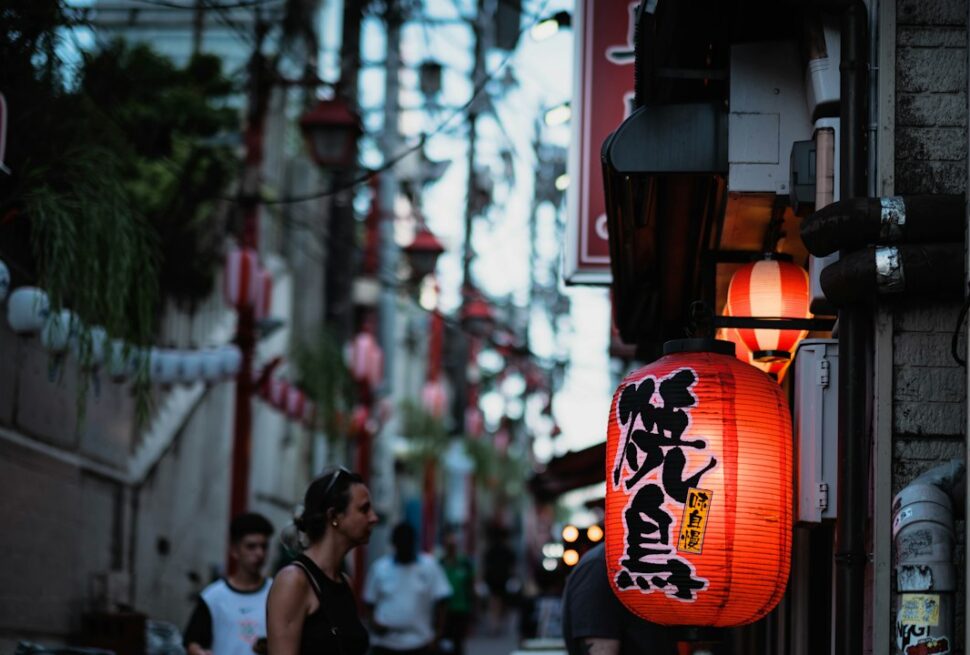
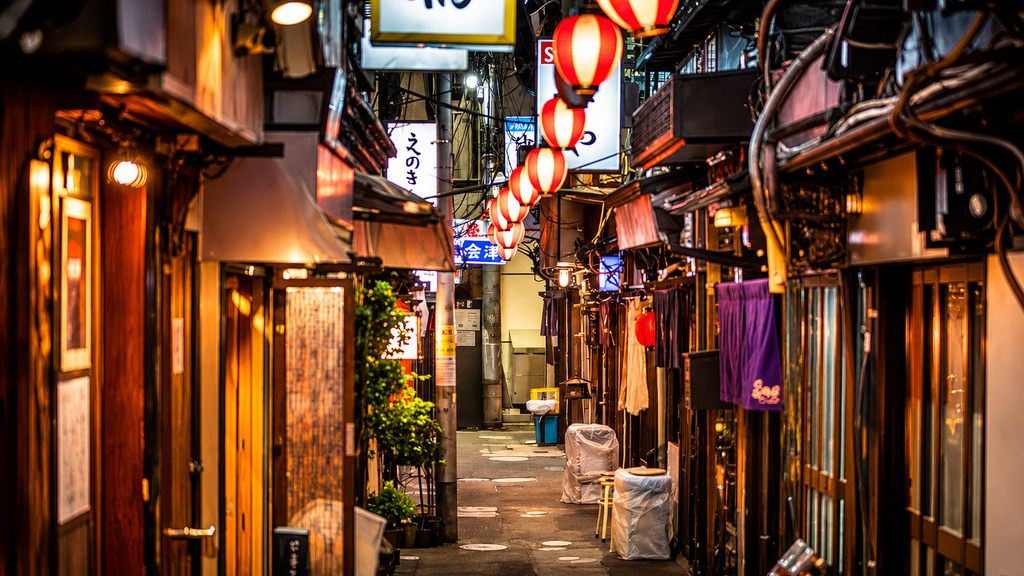
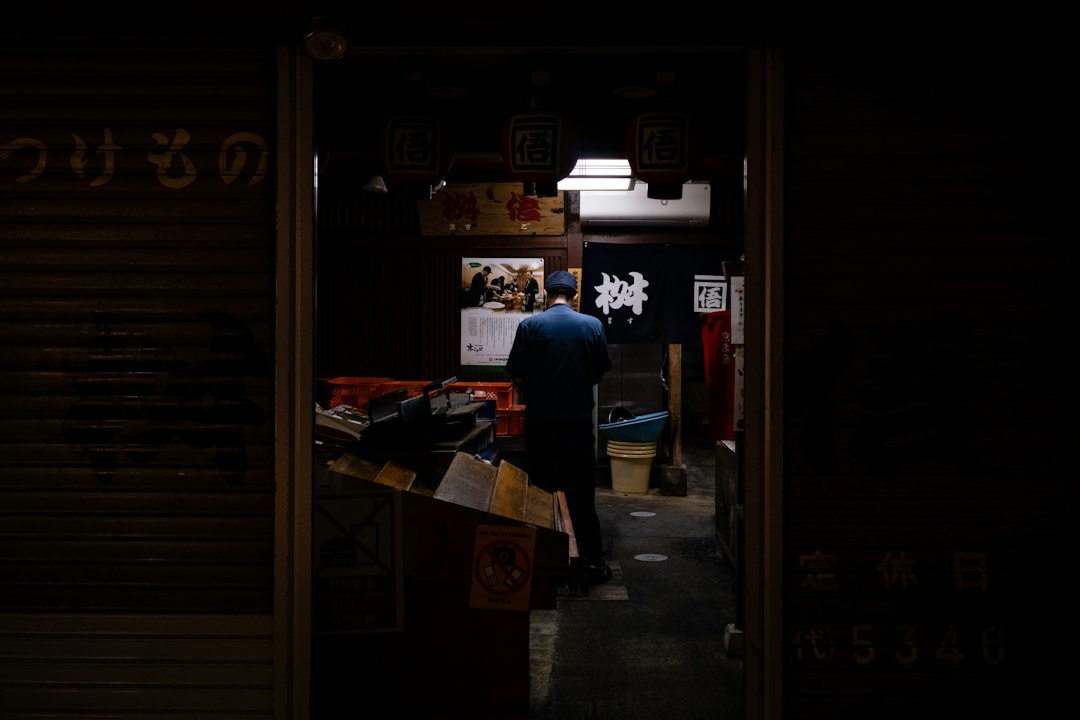
Nonbei Yokocho sits beside the JR tracks a few minutes from the Hachiko Exit. It consists of two narrow lanes of low wooden bars, lantern light, and the smell of a yakitori grill. It has been doing roughly the same thing since the early 1950s. Many of the counters seat fewer than ten people.
It is the right first stop on an evening, not the whole evening. Arrive around six or seven on a weekday. Visit one or two rooms. Move on before the regulars arrive in numbers. Groups larger than three or four will struggle to fit anywhere. Our full guide to Nonbei Yokocho covers how to walk into a room that small. It also explains what to order once you are inside.
Dogenzaka and Hyakkendana
Dogenzaka is the slope that climbs from the station past Shibuya 109. The main road features chain restaurants and karaoke. In contrast, the side streets hold standing bars, yakitori counters, and izakaya. These spots fill with office workers from about seven.
Near the top of the slope, Hyakkendana is an older pocket of the district. It consists of a few short, crooked streets off the main road. It is quieter and a little shabbier than the rest of Dogenzaka. That is the point. Meikyoku Kissa Lion, a classical music cafe where conversation is not allowed, still operates here. It is an odd, calm room to sit in between rounds.
Some of the lanes off Dogenzaka run into Maruyamacho’s love hotels and adult businesses. That is harmless, but it surprises families, and it is worth choosing your route if you are walking with children.
Behind Center-gai: Udagawacho’s Small Counters
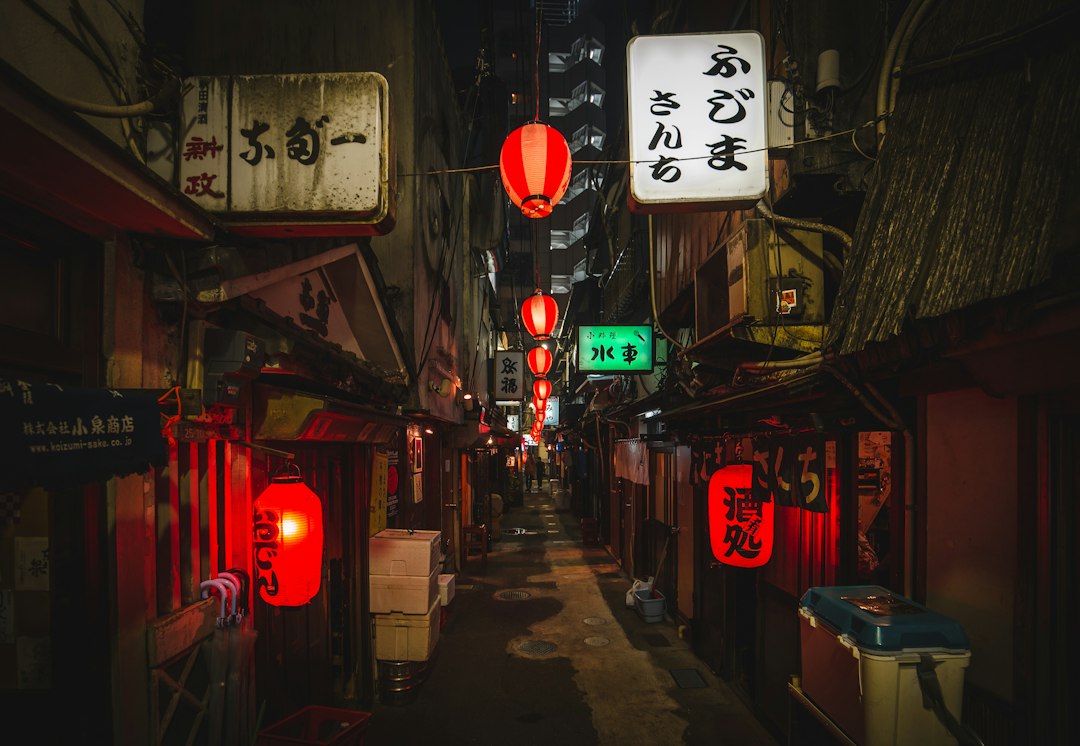
Center-gai is the Shibuya you have seen in films: arcades, fast food, and a teenage crowd. We rarely stop there. Instead, we leave it within a minute for the lanes of Udagawacho behind it, where record shops sit next to bars that hold a dozen people and the owner does the pouring.
On our Shibuya bar and izakaya crawl, this is the last stop of the evening, and it is usually where the conversation with the people on the next stool begins. The rooms are small enough that sitting quietly is harder than talking.
Expert Tip
Look up before you look along. In Shibuya, a large share of the good izakaya and bars are on the second, third, or fifth floor of narrow buildings, signposted only by a small lit panel at street level listing every tenant. If the panel shows a menu or a price and the stairwell is clean, it is usually a safe bet. If someone on the pavement is trying to lead you to it, keep walking.
The New Shibuya: Miyashita Park, Scramble Square, and the View From Above
The redevelopment of the last decade has given Shibuya a second nightlife, built into new buildings rather than old alleys. It is cleaner, easier to walk into, and less intimidating for a first night in Tokyo.
Shibuya Yokocho and the Miyashita Park Rooftop
Miyashita Park is a long, narrow shopping complex with a public park on its roof, running north from the station along the tracks. On the ground floor, Shibuya Yokocho is an indoor food alley of around twenty izakaya-style counters, each serving food from a different part of Japan — Hokkaido seafood next to Okinawan stir-fries next to Hakata-style gyoza.
It is loud, cheerful, and built for groups, which makes it the opposite of Nonbei Yokocho a short walk away. We think it suits the early part of an evening with friends, or a night when no one wants to negotiate a six-seat bar.
Upstairs, the bars along the rooftop park draw a younger, local crowd and very few visitors. On our crawl, this tends to be the part of the night where guests put their phones away and start talking to each other.
Shibuya Sky and the Crossing at Night
Shibuya Sky, the open-air deck on the roof of Shibuya Scramble Square, stays open until 22:30, with last entry at 21:20. Evening tickets cost more than daytime ones, and sunset slots sell out well ahead, so book online once your dates are fixed.
You do not need the deck to see the crossing from above. Scramble Square itself overlooks it, and the sight of as many as three thousand people moving at once is a good way to open an evening. We start our own crawls here for that reason: one look down, then into an izakaya of the kind Tokyo drinks in after work.
Maruyamacho After Midnight: Clubs and Late Bars
When the izakaya start closing around midnight, the centre of gravity shifts uphill. Maruyamacho, the area above Dogenzaka, is where Shibuya’s clubs and late-night music bars are concentrated.
Womb and the Club Hill
Womb, on a side street in Maruyamacho, is the best-known name: a multi-floor club built around techno and house, with a sound system that serious listeners travel for. Its schedule changes by night and by season, so check the event listing before you go rather than turning up on spec.
Smaller venues around it run hip-hop, J-pop nights, and live sets. Clubs here barely start before midnight and are at their fullest between one and three. If you are not planning to stay until the first trains, a club in Shibuya will feel half empty.
The area also has a good number of small music bars — vinyl on the shelves, a turntable behind the counter, and a bartender who chooses the records. For most of our travelers, one of these is a better late stop than a club.
Getting Through the Door
Japanese clubs check photo ID at the door, and for visitors that means carrying your passport. Entry fees vary by night, and many clubs charge on the door in cash.
Dress is smart casual. Shorts and flip-flops are a common reason for being turned away, and the door staff have the final word.
How a Shibuya Night Actually Runs
The practical side of a night in Shibuya is not complicated, but it is different from London or New York in ways that catch people out.
Timing: Early Counters, Late Clubs
Local evenings start early. The small izakaya and alley bars are fullest between seven and ten, and many of them close their kitchens well before midnight. Clubs run on the opposite schedule.
That gap shapes the evening. Eat and drink in the old alleys from six, move to a bar around ten, and only head to Maruyamacho if you intend to stay late. Trying to do the clubs first rarely works.
Cash, Cover Charges, and Smoke
Bring cash. Many small Shibuya bars do not take cards, and that includes some that look modern. A few thousand yen per person per stop is a sensible amount to carry.
Most izakaya add a small seating charge, often served as a dish you did not order called otoshi. It is normal, not a scam, and our guide to ordering in a Japanese izakaya and the otoshi charge explains how it works.
Smoking is still permitted in many Shibuya bars, particularly the small independent ones. If smoke matters to you, ask at the door before sitting down.
The Street Drinking Ban
Since October 2024, drinking on the street in central Shibuya has been banned every night of the year from 6pm to 5am. The zone covers the area around the station, including the crossing, Center-gai, and Miyashita Park.
There is no fine, but security staff patrol, and the rule is enforced most visibly around Halloween and New Year. In practice, it means the convenience-store beer on the crossing is off the table. Drink inside.
Last Trains and the Long Way Home
Tokyo’s trains stop around midnight, and the last services out of Shibuya leave between roughly midnight and one in the morning depending on the line. Check your own last train before the evening begins, not at the bar.
If you miss it, a taxi back to a hotel in central Tokyo is quicker than you might expect at that hour, though fares rise after 10pm. Shibuya’s taxi ranks have long queues on Friday and Saturday nights, so walking a few streets away from the station before hailing one often saves time.
Expert Tip
Plan around two or three rooms, not five. In Shibuya, the stop you enjoy most is usually the one where you stay an hour longer than planned, and an itinerary that moves every forty minutes leaves no room for it. If you are unsure where to finish, finish in the back lanes of Udagawacho, where nobody minds you lingering.
Shibuya Nightlife: Frequently Asked Questions
Is Shibuya or Shinjuku better for nightlife?
They suit different evenings. Shinjuku has the larger and more famous drinking alleys, Golden Gai and Omoide Yokocho, and a heavier tourist presence. Shibuya is younger, more spread out, and stronger for clubs and music bars. For a first night of izakaya and small bars, we lean slightly towards Shibuya because the rooms are less crowded with visitors.
Is Shibuya safe at night?
Yes, by the standards of most large cities. The risks are the same as elsewhere in Tokyo: touts who try to steer you into bars, and unclear pricing in places you have been led to. Walk into places yourself rather than following anyone from the street. Our Tokyo nightlife safety guide covers the details.
Can I enjoy Shibuya nightlife if I do not drink?
Yes. Izakaya are restaurants as much as bars, and almost every counter serves tea, soft drinks, or non-alcoholic beer. Shibuya Yokocho, Shibuya Sky, and the music bars of Maruyamacho all work well without alcohol. Many of our guests on the bar crawl do not drink, and they pay the same and see the same rooms.
Related Tours

Conclusion
Give the crossing ten minutes, then leave it. The Shibuya worth your evening starts a block away, in the alleys and upstairs rooms that most visitors walk past, and it runs on an earlier clock than its reputation suggests.
Pick one area for the early evening and one for later. Nonbei Yokocho or Dogenzaka from six, Miyashita Park or Udagawacho around ten, and Maruyamacho only if you plan to see the first trains. Carry cash, carry your passport if a club is on the cards, and check your last train before the first drink.
Plan Your Japan Trip with Local Experts
Our team has guided 40,000+ travelers across Japan. Tell us about your trip and we’ll get back to you within 24 hours.