In this article:
- Three Thousand Years and a White Egret
- Inside the Honkan
- The Other Two Bathhouses
- The Town and the Clock
- Matsuyama Castle and Onward
- Dogo Onsen: Frequently Asked Questions
Introduction
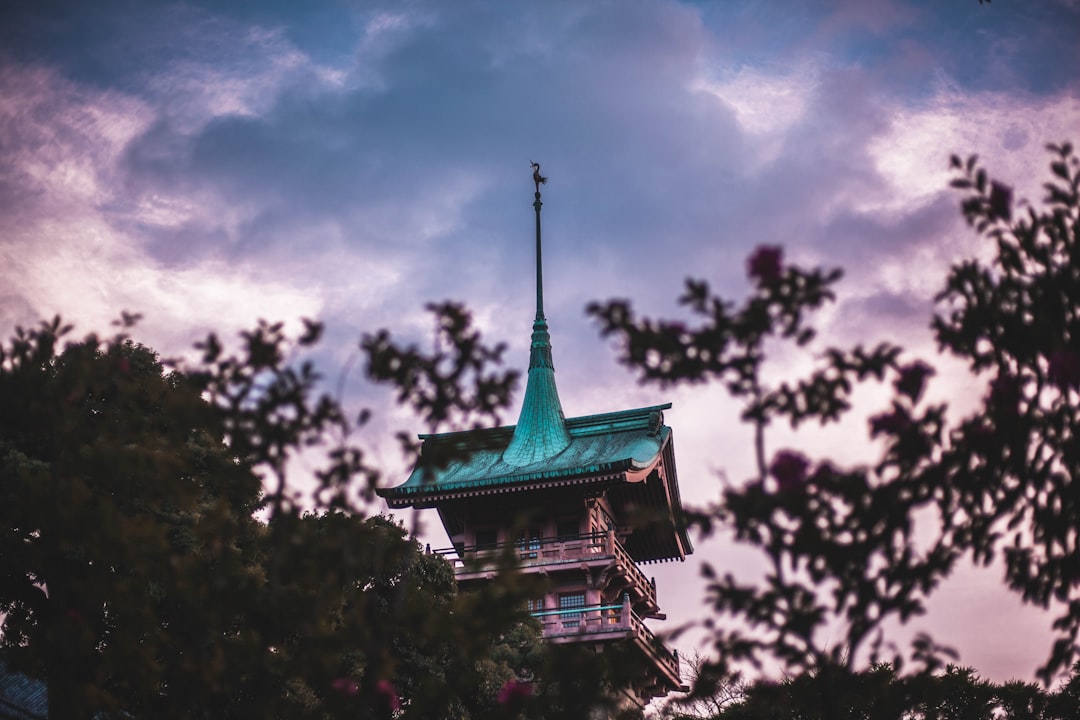
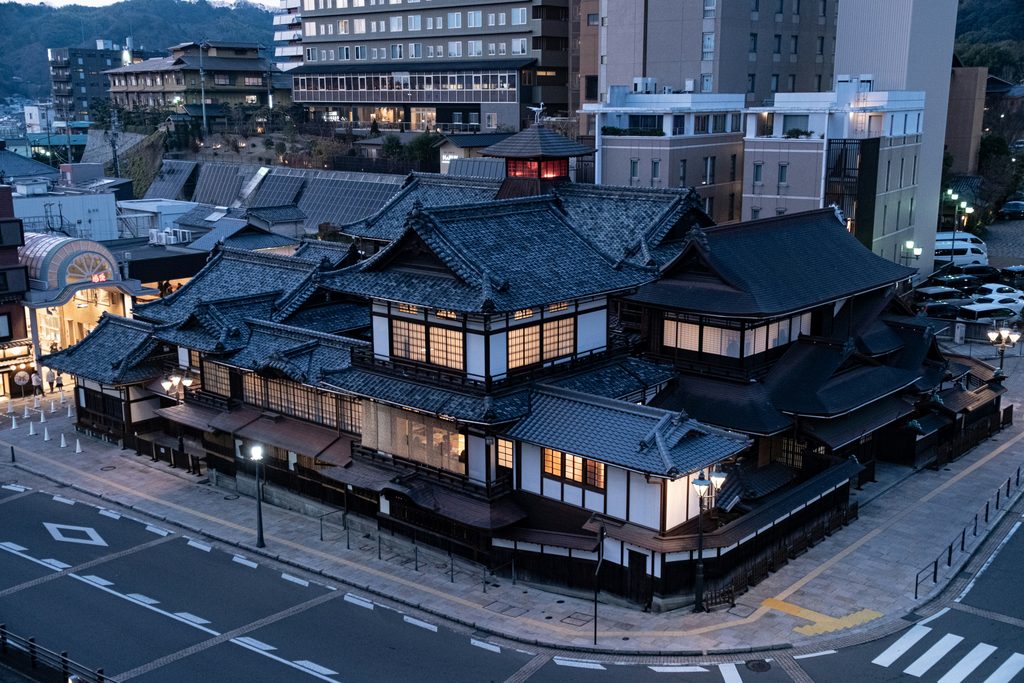
The Dogo Onsen Honkan is a three-storey wooden building from 1894 with a small tower on the roof, a heron on top of the tower, and a drum inside the tower that is beaten three times a day.
It is the single most recognisable bathhouse in Japan and it appears constantly in discussions of the bathhouse in Spirited Away — a connection frequently asserted and never confirmed by the studio, which has consistently declined to name a single model.
What is not in dispute is the age of the spring. Dogo appears in the Man’yoshu and in the eighth-century chronicles, making it one of the oldest documented hot springs in Japan alongside Arima. Prince Shotoku is recorded as visiting in 596.
Three Thousand Years and a White Egret
Matsuyama, on the island of Shikoku, and the spring at the centre of it.
The Egret
The founding legend is a white egret with an injured leg, seen dipping it repeatedly in a hot spring and eventually flying away healed. A stone said to mark the spot survives in the town.
The egret is on the roof of the Honkan and on a great deal of merchandise. It is the same shape of story as the stork at Kinosaki and the animal-heals-itself motif recurs across Japanese onsen origins.
Soseki and Botchan
Natsume Soseki, arguably the most important novelist in modern Japanese literature, taught in Matsuyama for a year in the 1890s and used the experience in Botchan, published in 1906.
The novel is a comic account of a Tokyo teacher’s exasperation with a provincial town, and it is required reading in Japanese schools. Its protagonist swims in the Dogo bath, which he is not supposed to do.
The Honkan has a preserved room named after him. The town has a train named after him. The clock, the ice cream, and roughly forty percent of the souvenirs are named after him. If you read the book before visiting, the town becomes considerably funnier.
The Water
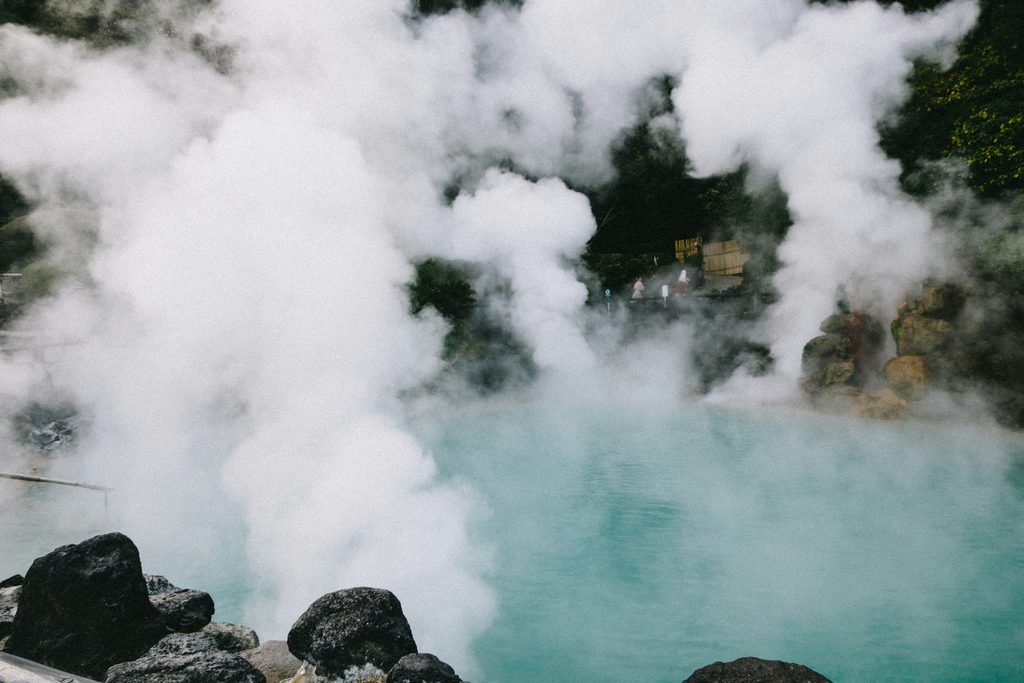
Alkaline simple spring, clear, odourless, and soft on the skin — the opposite end of the spectrum from Kusatsu’s acid or Arima’s iron.
It emerges at a temperature requiring no heating and no cooling, which is unusual and is part of why the spring has been used continuously for so long.
The sensation is smooth rather than dramatic. People with sensitive skin do well here.
Expert Tip
Read Botchan before you come. It is short, it is funny, it is available in English translation, and it is set in the streets you will be walking. Matsuyama has built a substantial part of its visitor identity on a novel that mocks it affectionately, and understanding the joke turns a town full of unexplained references into one of the more charming places in Japan.
Inside the Honkan
The building is designated an Important Cultural Property and it is a working public bath, which is a rare combination.
The Baths
Kami-no-Yu, the Bath of the Gods, is the main bath — granite tubs under a high wooden ceiling, with the water entering through a stone spout.
Tama-no-Yu, the Bath of the Spirits, is smaller and quieter, historically the more exclusive of the two.
Ticket tiers determine which baths you may use and whether you get access to the upstairs tatami rest rooms, where tea and a sweet are served after bathing and you sit in a yukata looking out at the street. That upstairs portion is a large part of the experience and is worth the higher tier.
Yushinden
The imperial bath, built in 1899 for the exclusive use of the imperial family, and the only surviving dedicated imperial bathing suite in Japan.
You cannot bathe in it. You can tour it — a guided walk through the preparation rooms, the changing room, and the bath itself, with its granite tub and its separate entrance.
It was used only a handful of times. The security arrangements built into the layout, and the reasoning behind them, are the interesting part.
The Restoration
The Honkan underwent a long phased conservation programme beginning in 2019, during which parts of the building were sheeted and access was restricted while it remained partially open. The work completed in 2024 and the building is open again in full.
Because access arrangements changed repeatedly over those years, a great deal of the English-language information online describes a state that no longer applies. Check the official Matsuyama city site for current ticket tiers and opening hours rather than relying on an older article.
Etiquette and Reality
This is a public bath in the ordinary Japanese sense: full nudity, wash thoroughly before entering, no photography inside, no towel in the water.
It is also busy. The Honkan is the town’s main attraction and the baths are not large. Early morning — it opens at six — is when locals use it and when the building is at its best.
The Other Two Bathhouses
Most visitors do not realise there are three, and one of the others is frequently the better bath.
Asuka-no-Yu
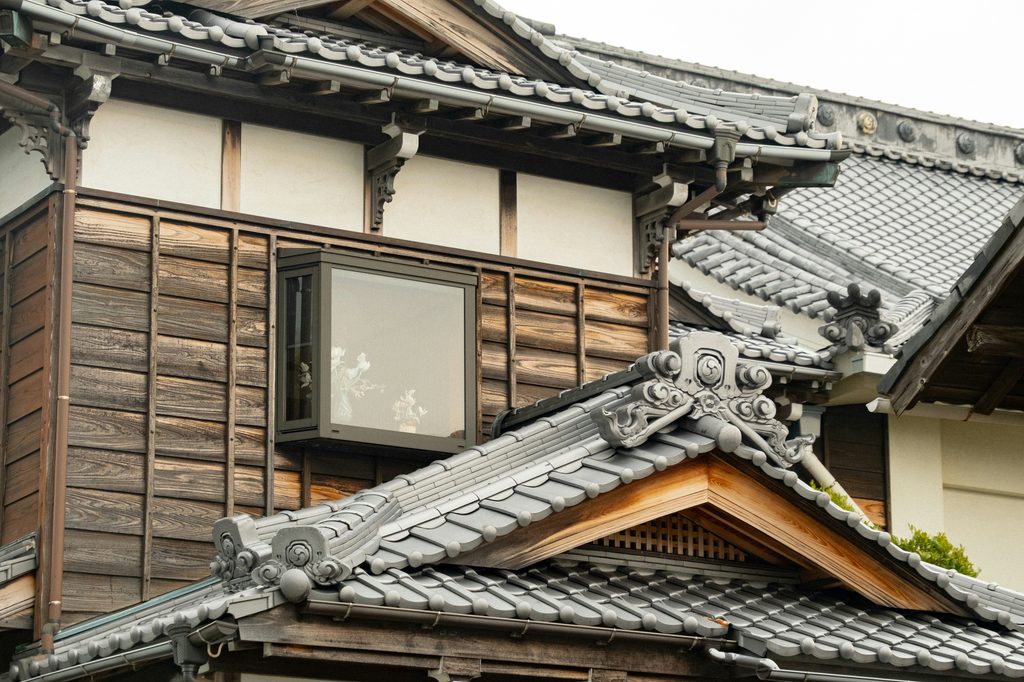
Opened in 2017, a few minutes from the Honkan, built in the architectural style of the Asuka period — the era in which Dogo first appears in the written record.
The interior showcases contemporary Ehime crafts: Tobe ceramics, Iyo kasuri textiles, and mizuhiki cord work, commissioned specifically for the building. There are private rooms, a family bath, and an outdoor bath.
It is newer, larger, cleaner, and considerably less crowded than the Honkan. For an actual bath rather than a historical building, this is the one we would send most travelers to.
Tsubaki-no-Yu
The local bathhouse, a short walk from the other two, used by Matsuyama residents and priced accordingly.
Plain, large, no tourists, no queue. Same water.
If you want to bathe rather than to visit, this is the honest answer, and it costs a fraction of the Honkan.
Doing All Three
Entirely feasible in an evening and a morning, and it is a genuinely good way to spend a night in Matsuyama.
The pattern that works: Asuka-no-Yu in the late afternoon for the bath, the Honkan early the next morning for the building and the upstairs tea room, and Tsubaki-no-Yu at some point in between if you want the local version.
Combination tickets are sold. Ask at any of the three.
The Town and the Clock
Dogo is a compact onsen district at the end of a tram line, and it is walkable in its entirety.
The Botchan Karakuri Clock
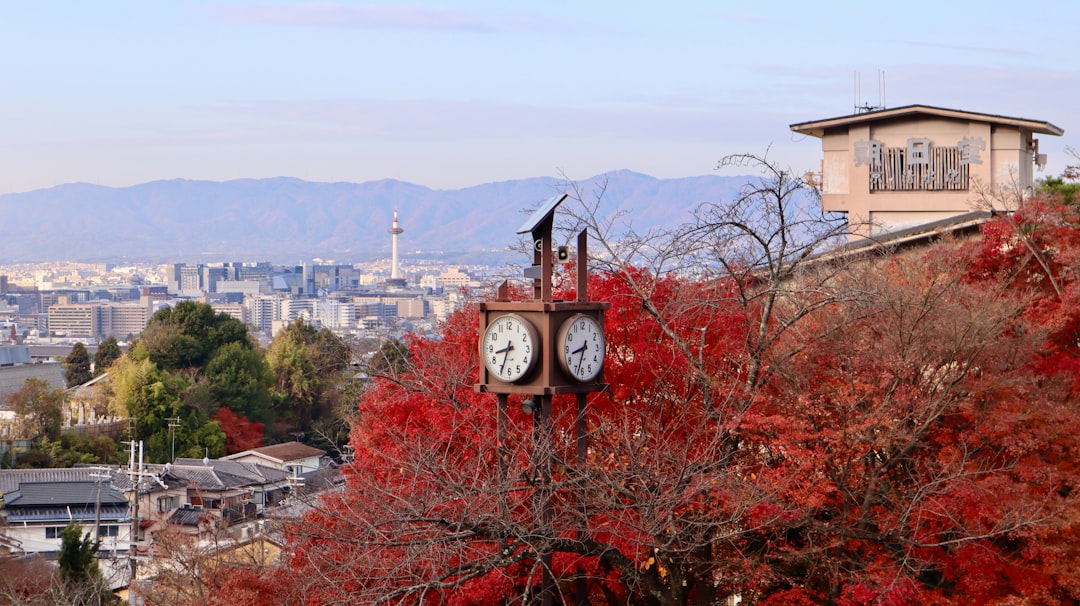
In the square outside Dogo Onsen Station, a mechanical clock opens on the hour and characters from Botchan rise out of it to music.
It runs several times a day and takes a few minutes. It is unabashedly a tourist attraction and the crowd it draws is cheerful.
Beside it is a free footbath, which is the more useful of the two and a good place to wait.
Dogo Haikara Street
The covered shopping arcade running from the station to the Honkan, about 250 metres, lined with sweet shops, craft sellers, and restaurants.
Local products worth attention: mikan citrus in every possible form including juice from taps, Imabari towels, Tobe pottery, and jakoten — fried fish cake from the Uwajima area, eaten hot.
Everyone walks this in yukata from their inn. It is the standard evening.
The Botchan Train
A replica of the Meiji-era steam locomotive that once ran here, now diesel-powered, operating on the tram lines through Matsuyama as a working service.
It runs a limited schedule for a supplementary fare. Watching the crew manually turn the locomotive on a turntable at the terminus using nothing but their own weight is the best part.
The ordinary trams run frequently and are how you actually get around.
Expert Tip
Bathe at six in the morning. The Honkan opens at dawn and the first hour belongs to Matsuyama residents doing this before work — no queue, no coach parties, and the building doing the job it has done for 130 years. It is also the only time you will get the upstairs tatami room quiet. Every guide recommends visiting Dogo at night for the lit facade; almost none of them mention that the interior is best at six.
Matsuyama Castle and Onward
Dogo is a district of Matsuyama, not a separate town, and the city justifies the stay on its own.
Matsuyama Castle
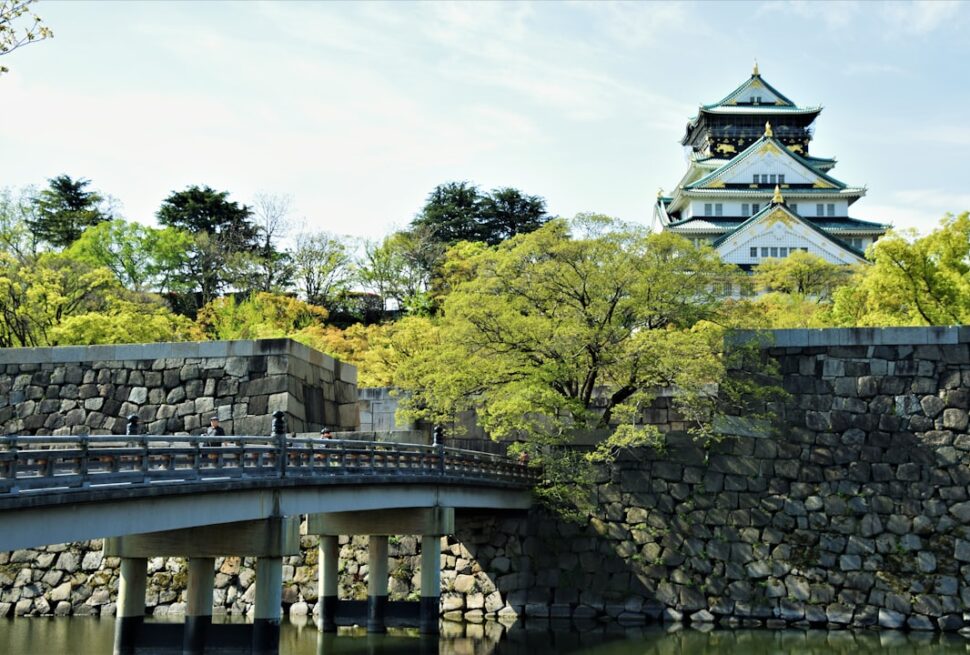
One of only twelve castles in Japan with an original surviving keep rather than a postwar reconstruction, on a hill in the middle of the city.
Access is by ropeway or single-seat chairlift up Mount Katsuyama, then a walk through a well-preserved sequence of gates and courtyards designed to trap attackers. The wooden interior of the keep is the real thing — steep ladder stairs, no glass, and views over the city to the Seto Inland Sea.
Take the chairlift rather than the ropeway. It is open-air, it takes a few minutes, and it is more pleasant.
Allow two hours including the approach. It is twenty minutes from Dogo by tram.
Ehime Products
Imabari, an hour north, produces the finest cotton towels in Japan and arguably in the world, and the difference between an Imabari towel and a supermarket one is immediately obvious in the hand. They are sold throughout Matsuyama.
Ehime is also Japan’s citrus prefecture, producing dozens of varieties beyond the common mikan. The juice bars and the citrus sweets in Dogo are genuinely worth the attention they get.
The Shimanami Kaido
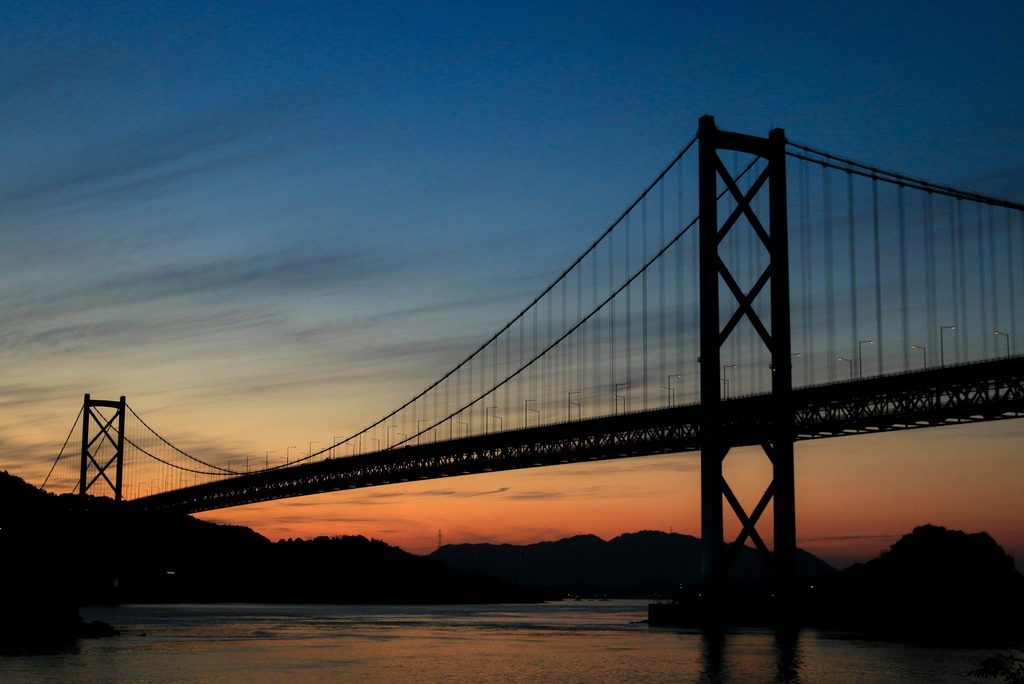
From Imabari, the Shimanami Kaido runs 70 kilometres across six islands of the Seto Inland Sea to Onomichi in Hiroshima Prefecture, on a dedicated cycling route across a series of long suspension bridges.
It is among the best cycling routes in the world and it is entirely doable by an ordinary person over one or two days, with bicycle rental and one-way drop-off at terminals along the route.
If you are in Matsuyama with two spare days and any interest in cycling, this is why you would extend the trip.
Dogo Onsen: Frequently Asked Questions
Do I need to book in advance to bathe at the Honkan?
No. Tickets are sold at the door on the day and there is no reservation system for standard bathing. What you do choose is the ticket tier, which determines which baths you may use and whether you get the upstairs tatami rest room with tea afterwards. At busy times there can be a queue and access to the upper-tier rooms may be limited by capacity. Arrive early in the morning or after eight in the evening to avoid this entirely.
Is the Honkan fully open after the restoration?
Yes. The phased conservation work that began in 2019 completed in 2024 and the building is open in full. During the intervening years access varied considerably, with parts of the building sheeted and certain rooms closed, which means a lot of English-language travel writing describes conditions that no longer apply. Check the official Matsuyama tourism site for current hours and ticket tiers before you go rather than trusting an undated article.
How do I get to Dogo from Matsuyama Airport or JR Matsuyama Station?
From Matsuyama Airport, a limousine bus runs directly to Dogo Onsen in around forty minutes. From JR Matsuyama Station, take the Iyotetsu tram to Dogo Onsen terminus, roughly twenty-five minutes on a single line with no changes. Note that JR Matsuyama Station and Matsuyama City Station are different stations serving different operators, which catches people out — the trams to Dogo run from both, but the routes differ. The tram terminus at Dogo is in the square with the clock, a few minutes’ walk from the Honkan.
Related Tours
Conclusion
See the Honkan for the building and bathe at Asuka-no-Yu for the bath. Those are two different activities and treating them as one is why people come away from Dogo describing a queue rather than a hot spring.
Then stay a second night and go up to the castle. Matsuyama has an original seventeenth-century keep, a working tram network, the best towels in Japan, and a novel written about it that people still read a century later, and almost nobody on a two-week Japan itinerary ever crosses the water to see any of it.
Plan Your Japan Trip with Local Experts
Our team has guided 40,000+ travelers across Japan. Tell us about your trip and we’ll get back to you within 24 hours.