In this article:
- What Grand Front Osaka Is, and Why It Sits Where It Does
- Reading the Layout: South Building, North Building, and the Plaza
- Eating at Grand Front Osaka
- Beyond the Shops: Rooftop Terraces, Grand Green Osaka, and Rainy Days
- Grand Front Osaka: Frequently Asked Questions
Introduction
Grand Front Osaka is the place most travelers walk past on their first evening in Umeda and come back to on their third.
The first encounter is usually accidental. You leave JR Osaka Station by the north side, follow an elevated walkway because it looks like the way out, and find yourself inside a mall that is calmer, lighter, and better organised than the station you just left. Nobody planned to be there. Twenty minutes later they are reading a menu on the eighth floor.
That is the right way to think about it. Grand Front is not a sight in the way Osaka Castle or Dotonbori are sights. It is infrastructure for a good day in the north of the city: somewhere to eat well without a reservation, to wait out rain, to kill two hours before a train with your luggage, or to buy a well-made gift without the scrum of a department store food hall. Used that way, it earns its place in an itinerary.
What Grand Front Osaka Is, and Why It Sits Where It Does
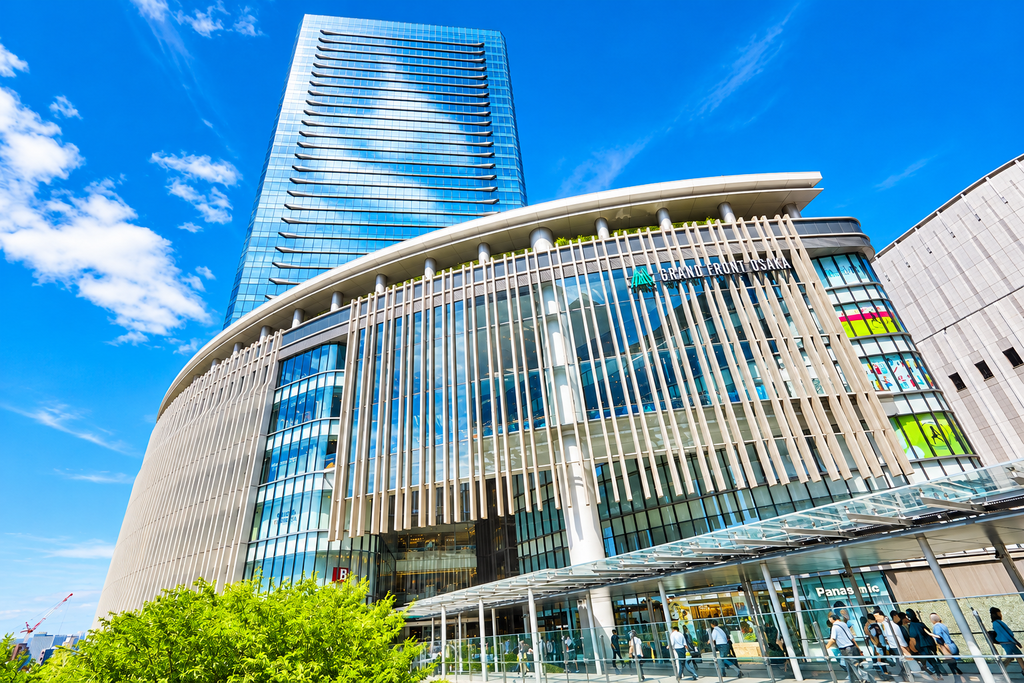
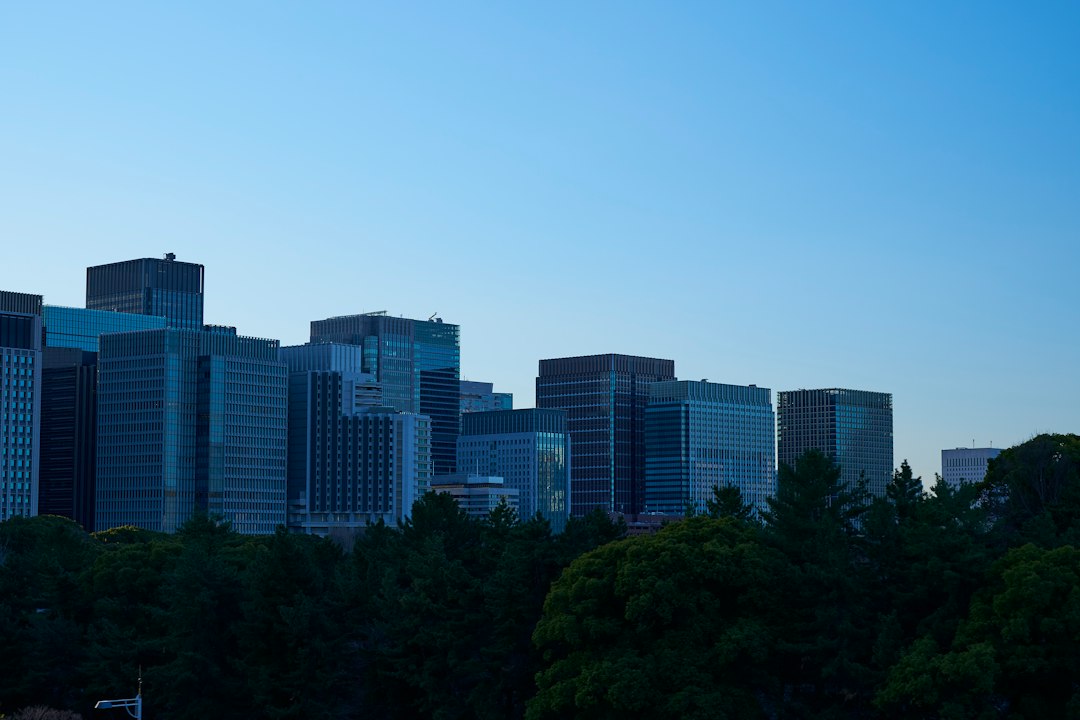
The complex opened in April 2013 on land that used to be a railway freight yard. That history explains its odd position, pressed against the north edge of the busiest station in western Japan, and also its scale.
From Freight Yard to the First Phase of Umekita
For most of the twentieth century, the land north of Osaka Station was sidings and warehouses. When the freight operations moved out, the city and a group of developers began turning the site into a new district called Umekita, short for “Umeda North”.
Grand Front Osaka was the first phase. The second, Grand Green Osaka, sits immediately to the west and began opening in September 2024, with Umekita Park at its centre. If you visited Umeda before 2024 and remember a fenced construction site behind Grand Front, that site is now a park.
This matters for planning because the two phases now read as one walkable area. A visit to Grand Front naturally extends into the park, and we think it should.
Getting There From Osaka Station and Umeda
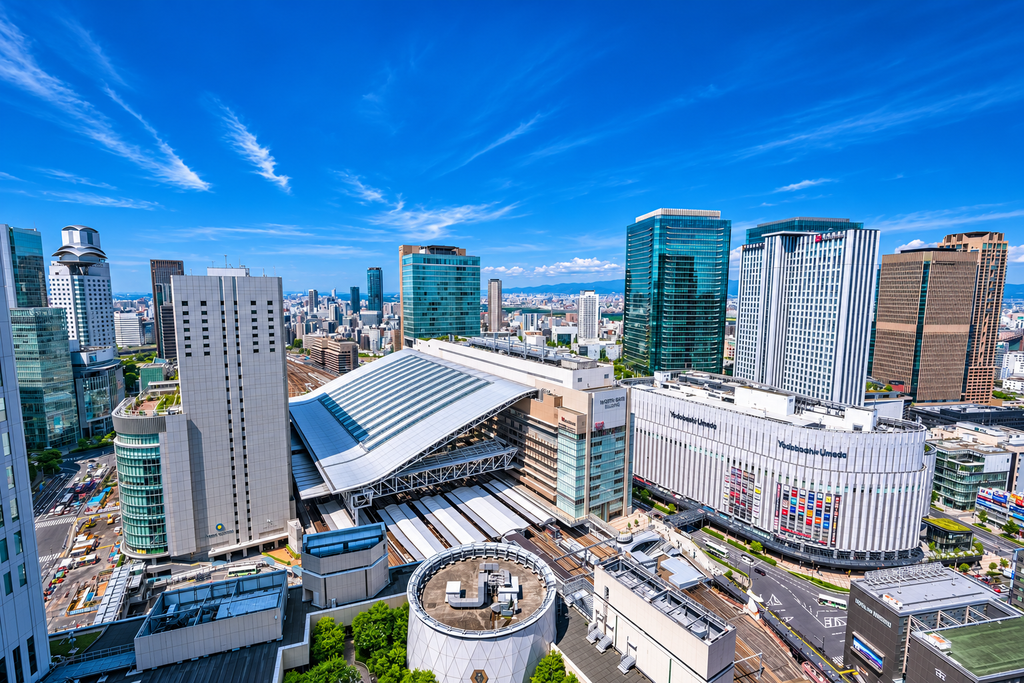
The South Building is connected to JR Osaka Station by an elevated walkway, and the walk from the station’s north side takes a few minutes. From the Osaka Metro Midosuji Line or the Hankyu and Hanshin Umeda stations, allow a little longer, mostly underground or under cover.
There is one change worth knowing about. Since March 2023, the Haruka airport express has stopped at new underground platforms on the west side of Osaka Station, in the area JR West calls Umekita. For travelers arriving from Kansai Airport, that puts Grand Front and Grand Green within easy reach of the train door.
If you are coming up from Namba, the Midosuji Line runs straight to Umeda. An ICOCA card covers the fare, and it is far easier than buying single tickets in a station this size.
Hours and the Basics
According to the Osaka Convention and Tourism Bureau, shops generally open from 11:00 to 21:00 and restaurants from 11:00 to 23:00, with no fixed closing days. Individual stores set their own hours, so check the specific shop if you are going for one thing in particular.
Entry is free. Toilets are clean and plentiful, which in central Umeda is a practical reason to know the building.
Reading the Layout: South Building, North Building, and the Plaza
The complex looks confusing from outside because it is several buildings joined by bridges. Once you know which one does what, it becomes easy.
South Building: Fashion Below, Restaurants Above
The South Building is the one closest to the station and the one most people enter first. Its lower floors are fashion, cosmetics, and interiors, leaning toward considered mid-to-upper brands rather than fast fashion.
The upper floors are restaurants, grouped under the name Umekita Dining. Above them, on the ninth floor, is a rooftop terrace garden. That vertical order is the simplest way to remember the building: shops at the bottom, food in the middle, green at the top.
North Building: Knowledge Capital, the InterContinental, and Everyday Shops
A walkway from the South Building’s second floor leads to the North Building, which is larger and quieter. It holds more shops and restaurants, the Knowledge Capital, and the InterContinental Osaka in one of its towers.
Knowledge Capital is a set of showrooms, labs, and exhibition spaces built around technology and research, where companies and universities present work to the public. Some of it is excellent and some of it is corporate display. Treat it as a free browse if you are passing, not a destination in its own right.
The North Building is also where we send travelers who need practical things. A MUJI store is here, which is the quickest place in the area to replace a forgotten phone charger, buy a travel-size toiletry, or pick up a plain cotton shirt after a hot morning.
Umekita Plaza and the Walkways
Umekita Plaza is the open space between the South Building and the station, with a shallow water feature and room for seasonal events. Below it sits part of the Umekita Cellar food floor.
In practice, most people move between buildings on the second-floor walkways rather than at street level. They are covered, they avoid the traffic lights, and they give you a clear view back toward the station roofline.
Expert Tip
Enter from Osaka Station and go straight up to the South Building’s restaurant floors before 11:30 on a weekday. Lunch queues in Umeda build quickly from noon, and Grand Front is no exception. Arriving a little early is the difference between choosing a restaurant and choosing whichever line is shortest.
Eating at Grand Front Osaka
Food is the strongest reason to come here. The complex has three distinct ways to eat, and picking the right one for the moment saves a lot of wandering.
Umekita Dining for a Sit-Down Meal
The South Building’s restaurant floors are where you go for a proper meal. The mix covers Japanese and international cooking, with a lean toward regional Japanese food that is hard to find in one place elsewhere in Umeda.
That is the reason we like it. If someone in your group wants tonkatsu, another wants a bowl of noodles, and a third wants a glass of wine, you can walk one corridor and settle it. Menus posted at the entrances let you compare prices before committing.
Evenings are calmer than lunch. After a long day in the south of the city, a table here at 19:30 is often easier to get than anything comparable around Dotonbori.
Umekita Cellar for Something Quick
Umekita Cellar sits in the basement levels of the South Building and the plaza. It is closer to a food hall than a restaurant floor: bakeries, sweets, takeaway counters, and casual seats.
Use it for a quick breakfast-style stop when the restaurants are not yet open, or for picking up food to eat on a shinkansen. It is not a depachika in the Hankyu or Daimaru sense. That said, it is far less crowded, and the queue for a decent coffee is shorter.
Umekita Floor When You Cannot Agree
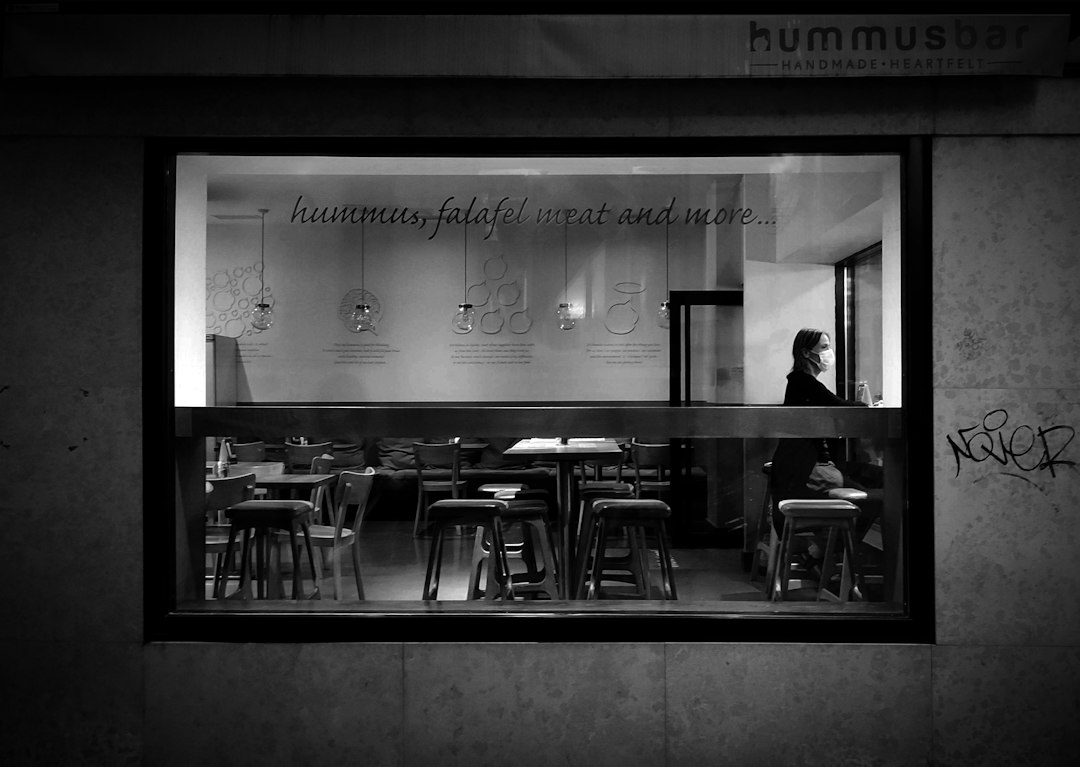
The sixth floor of the North Building is Umekita Floor, a food floor of small bars and restaurants arranged around shared space. Grand Front describes it as a place where you can order from any shop, wherever you are sitting.
For mixed groups, this is the most useful feature in the building. One person orders grilled skewers, another orders pasta, and nobody needs to compromise on a single kitchen. It also tends to stay open later than the rest of the complex, which makes it a reasonable last stop on a night in Kita.
Beyond the Shops: Rooftop Terraces, Grand Green Osaka, and Rainy Days
The hour we enjoy most at Grand Front is usually not inside a shop at all.
The Ninth-Floor Terraces
Both the South and North Buildings have terrace gardens on their ninth floors, planted and laid out with benches. They are not observation decks, and they do not try to be. You look across at office towers and the station roofline, with planting close enough to touch.
That is precisely the appeal. After a morning of crowds, ten minutes of open air nine floors above Umeda resets the day. The South Building terrace has hosted seasonal events such as a summer beer garden, so check what is running if you are visiting between May and September. Access can also close in bad weather.
Walking Into Grand Green Osaka and Umekita Park
West of the North Building, Grand Green Osaka has added shops, hotels, and the open lawns of Umekita Park. The southern part of the park opened in 2024, and the remaining northern section is scheduled to open in spring 2027.
This is the part of Umeda that has changed most in recent years. Grand Front was once a self-contained mall at the edge of a building site. Now it sits beside one of the larger green spaces in central Osaka, and an afternoon that starts with lunch on the eighth floor can end on the grass.
If you want a high view rather than a garden one, the Umeda Sky Building and its Floating Garden Observatory are a short walk further west.
A Rain Plan and a Transit-Day Plan
Osaka in June and July can be wet for days at a time. Grand Front, linked to the station and to Umeda’s underground passages, is one of the few places in the city where you can spend half a day without an umbrella. Our rainy season travel tips cover the wider strategy, but in Osaka this building is usually our first answer.
Travel days are the other use. If you check out of a hotel at 11:00 and your train leaves at 16:00, put your bags in a station locker or at your hotel, then spend the gap here. You can eat, buy last gifts, and sit on a terrace, all within walking distance of the platforms.
Expert Tip
Japan’s tax-free shopping system changed on November 1, 2026. Stores now charge the full price including consumption tax, and the refund is processed when customs confirms the goods on your departure. Bring your passport when you shop, and keep tax-free purchases in your carry-on rather than checked luggage, because customs may ask to see them.
Grand Front Osaka: Frequently Asked Questions
How long should I spend at Grand Front Osaka?
For most travelers, two to three hours is right: a meal, a walk through the South Building, and time on a terrace. If you add Umekita Park and a proper browse of the North Building, it fills an afternoon. It is not worth a full day unless shopping is the main point of your trip.
Is Grand Front Osaka worth visiting if I do not want to shop?
Yes, for the food and the terraces. The restaurant floors are one of the easier places in Umeda to get a good meal without a booking, and the ninth-floor gardens are free. If you have no interest in either, spend the time in Umekita Park or at the Umeda Sky Building instead.
Can I walk from Grand Front Osaka to the Umeda Sky Building?
Yes. It is a short walk west from the North Building, partly under cover. Many travelers combine the two, eating at Grand Front first and reaching the observatory in time for sunset.
Related Tours

Conclusion
Do not plan a day around Grand Front Osaka. Plan a day in Umeda and let the complex carry the practical parts: lunch, a pause above the city, a dry route when it rains, and a place to wait for a train.
Our recommendation is to arrive from Osaka Station shortly before 11:30, eat on the South Building’s restaurant floors, then walk the second-floor bridge to the North Building and out into Umekita Park. Finish on a terrace or at the Sky Building in the late afternoon. It costs nothing beyond what you eat, and it shows you the newest part of the city in a single loop.
Plan Your Japan Trip with Local Experts
Our team has guided 40,000+ travelers across Japan. Tell us about your trip and we’ll get back to you within 24 hours.