In this article:
- Understanding Obon
- Traditional Rituals: Fires and Lanterns
- Bon Odori: The Summer Dances
- Navigating Peak Summer Travel
- Regional Calendar Differences
- Obon in Japan: Frequently Asked Questions
Introduction
Obon is one of the most meaningful times in the Japanese year, when ancestral spirits are believed to return home and families gather to welcome them. It is marked by small fires to guide the spirits, lanterns floated down rivers to send them back, and communal summer dances that anyone can join.
It is also, practically speaking, one of the busiest travel weeks in Japan, when much of the country moves at once. Understanding both the beauty and the logistics lets you experience Obon well.
Understanding Obon
The customs make more sense once you understand the belief behind them.
Spirits Returning Home
Obon is rooted in Buddhist tradition, centered on the belief that the spirits of ancestors return to visit the family home each summer. The rituals of the season are all about welcoming those spirits, hosting them, and respectfully sending them off again.
Cucumber Horses and Eggplant Cows
A charming custom is the making of shoryo-uma: a cucumber fashioned into a horse to bring spirits home quickly, and an eggplant made into a cow to carry them back slowly. These small handmade figures, placed as offerings, capture the tender, domestic spirit of the holiday.
A Time for Reunion
Beyond the spiritual, Obon is one of the year’s main occasions for relatives to reunite, with people traveling back to family hometowns. It functions much as a major family holiday does elsewhere — which is exactly why the transport network strains under it.
Traditional Rituals: Fires and Lanterns
Welcoming and Sending Fires
Families light small fires — mukae-bi to welcome the spirits at the start of Obon, and okuri-bi to see them off at the end — often at the doorstep. These quiet flames bookend the season, guiding the ancestors home and away again.
Floating Lanterns
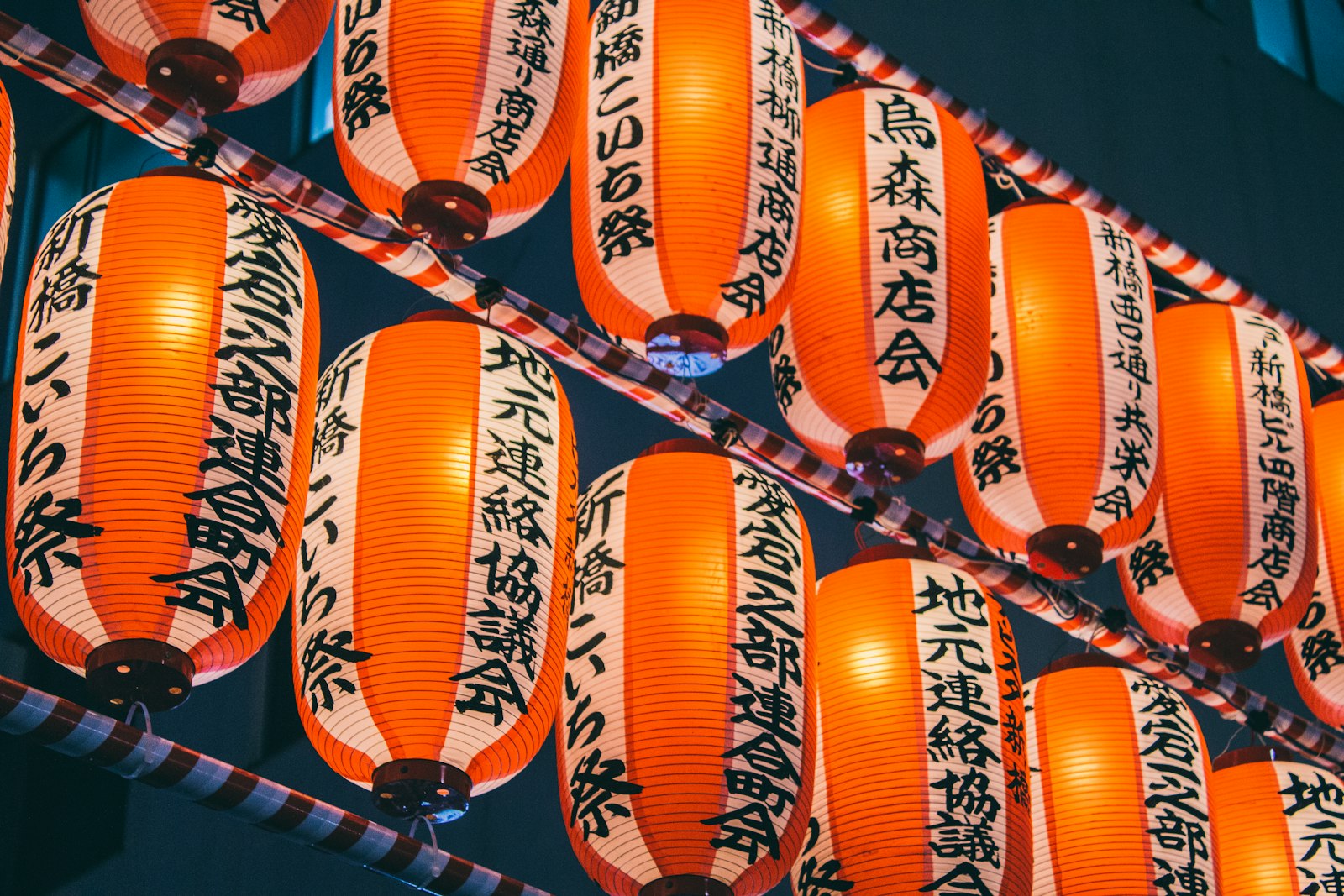
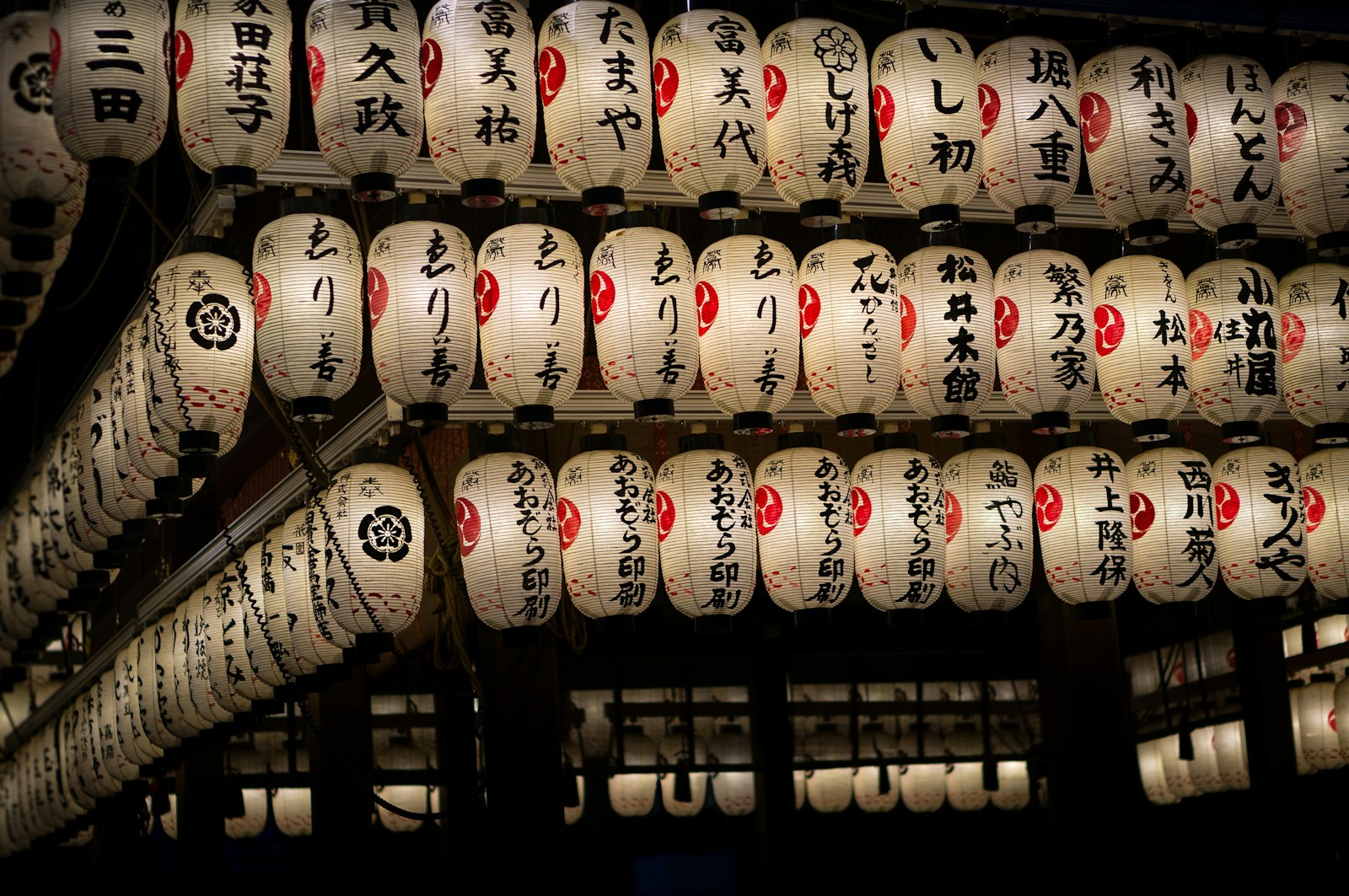
Toro nagashi, the floating of paper lanterns down rivers and out to sea, is among the most beautiful sights of Obon. The shimmering lights drifting on the water symbolize the spirits’ return to the other world, and watching them is genuinely moving.
Visiting Graves
Ohakamairi, the visiting and cleaning of family graves, is central to Obon. Families tend the tombstones, offer fresh flowers and incense, and pay their respects. If you pass a cemetery during Obon, you will see it carefully tended and busy with visitors.
Bon Odori: The Summer Dances
Dancing Around the Yagura
Bon Odori are the folk dances of the season, performed in circles around a raised wooden tower (yagura) to the beat of taiko drums, with many dancers in yukata. Held at temples, parks, and neighborhoods, they are the joyful, communal face of Obon.
Open to Everyone
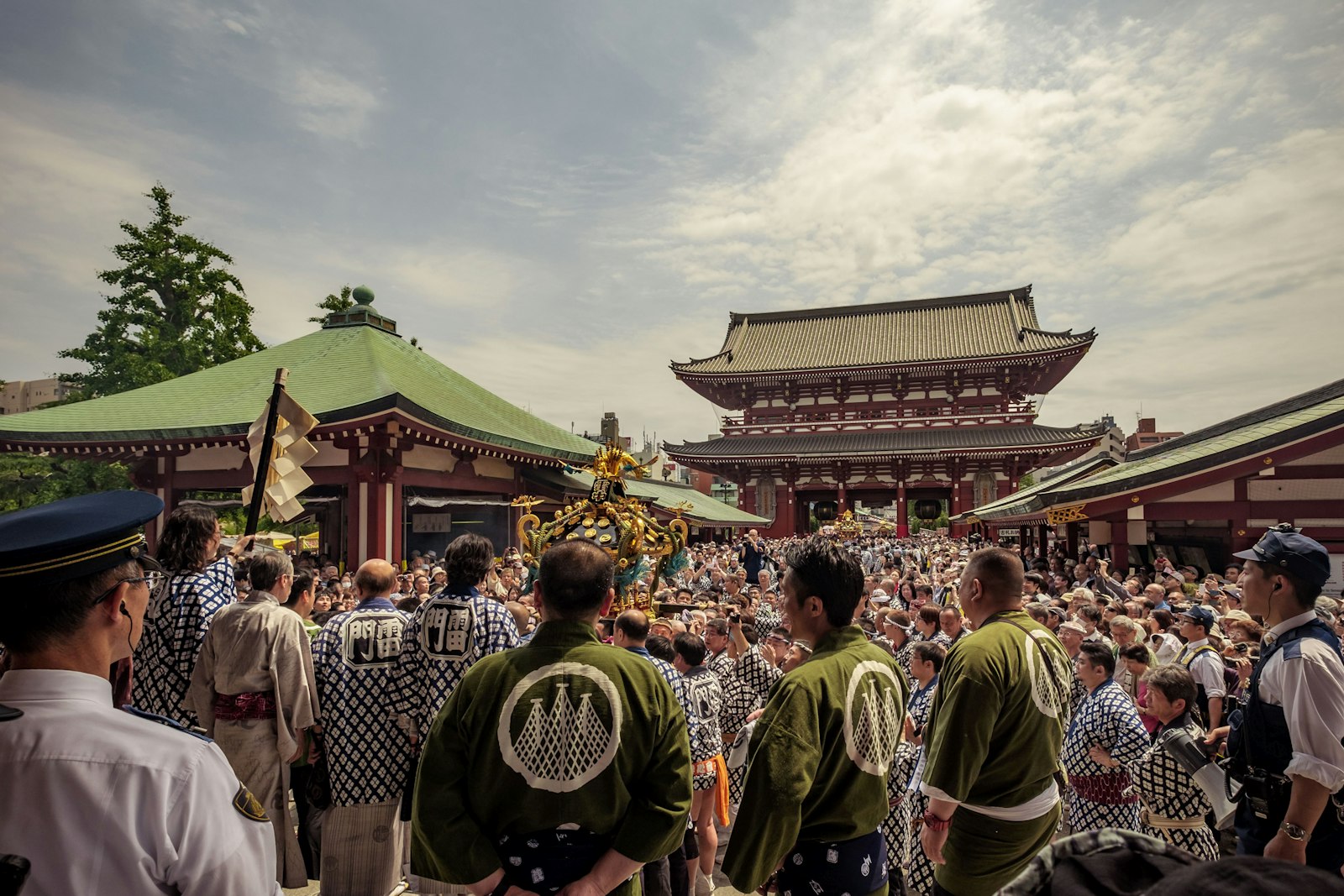
You do not need experience or an invitation. Local Bon Odori circles are open to all, and the steps are simple and repetitive by design — just join the circle and follow along. It is one of the easiest and warmest ways for a visitor to take part in Japanese community life.
Famous Festivals
Some Bon Odori are spectacles in their own right: Gujo Odori in Gifu, which dances through the night for days, and Awa Odori in Tokushima, one of Japan’s largest dance festivals. If your trip aligns, either is worth planning around.
Expert Tip
If you want the atmosphere of Obon without the travel chaos, stay put in one city and go local. Seek out a neighborhood Bon Odori or a riverside lantern floating rather than trying to move between regions during the peak. The trains and highways are jammed and hotels are full mid-August, but the season’s most beautiful moments — a local dance, lanterns on the water — happen wherever you already are.
Navigating Peak Summer Travel
The Obon Rush
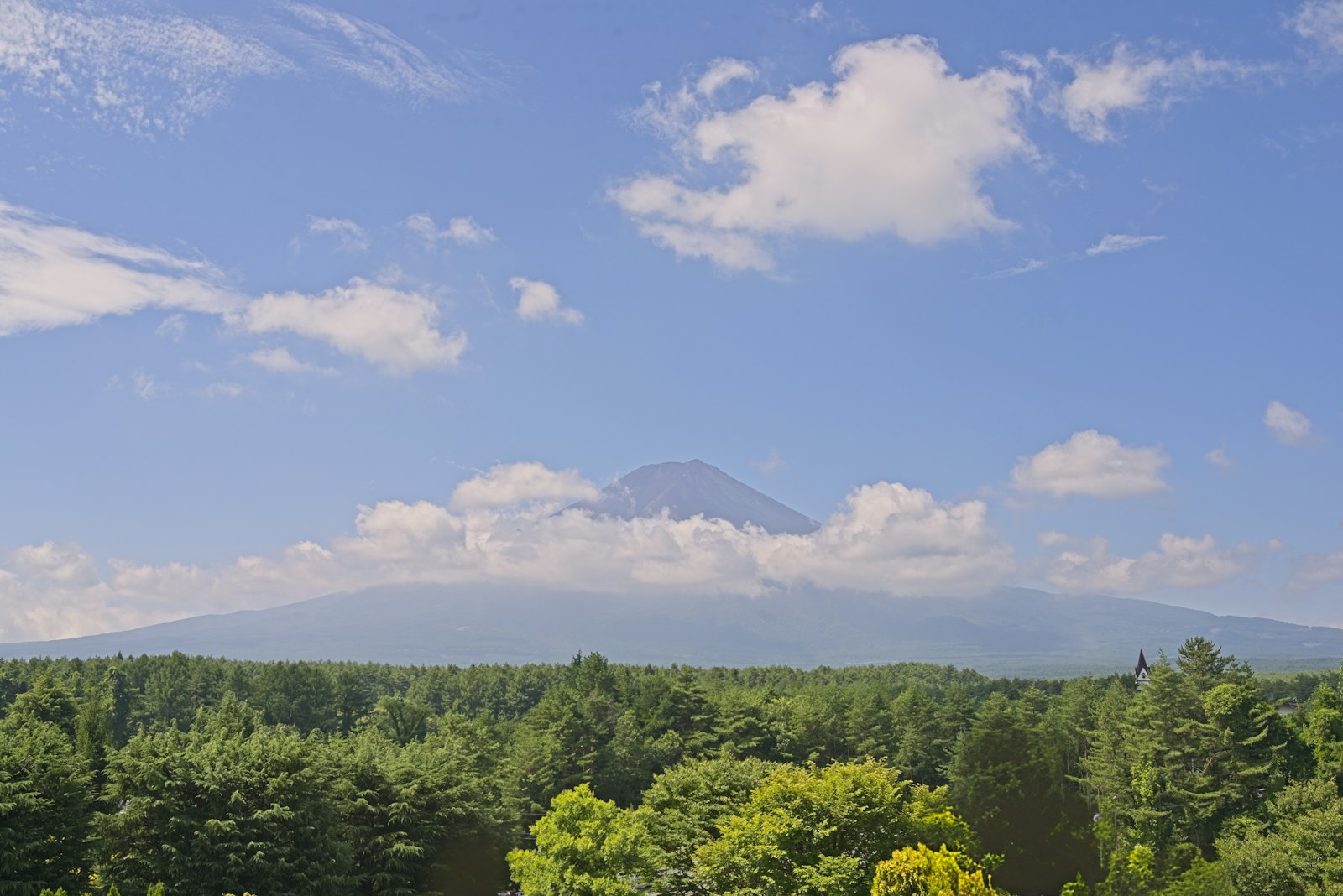
The core Obon travel window, roughly August 13th to 16th, sees enormous congestion as the country travels at once. Expect packed bullet trains, jammed highways, and full flights. If you can avoid long-distance travel on these exact dates, do.
Book Trains Early
Reserved Shinkansen seats during Obon sell out well in advance, and traveling without a reservation can mean standing for hours or not boarding. Book your reserved seats as early as you can — weeks ahead is not too soon for this period.
Business Closures
Many family-run shops, restaurants, and small businesses close during Obon week as owners return home. Major attractions and city businesses generally stay open, but do not count on smaller local spots. Check ahead if a specific place matters to your plans.
Regional Calendar Differences

Tokyo’s July Obon
Confusingly, Obon is not observed on the same dates everywhere. Parts of Tokyo and some regions mark it in mid-July, following the solar calendar. If you are in the capital, you may encounter Obon customs a month before the rest of the country.
The August Standard
Most of Japan observes Obon in mid-August, which is why that is the peak travel week. When people speak of the Obon rush, they mean this August period. Plan your logistics around it.
Kyoto’s Gozan no Okuribi
Kyoto’s send-off is spectacular: Gozan no Okuribi, giant bonfires lit in the shapes of characters on the mountains surrounding the city each August. Watching these enormous fires blaze on the hillsides is one of the most dramatic Obon experiences in Japan.
Obon in Japan: Frequently Asked Questions
Are attractions and department stores open during Obon? Major tourist attractions and city department stores generally stay open through Obon, though some smaller, family-run businesses close. Confirm hours for specific smaller venues, but big attractions and shops are usually fine.
Can tourists join Bon Odori in casual clothes or a rental yukata? Yes. Bon Odori welcomes everyone, and you can join in casual clothing or a rental yukata. Wearing a yukata adds to the fun and fits right in, but it is not required to take part.
How far ahead should I reserve Shinkansen for mid-August? Book as early as possible — several weeks ahead is wise for reserved seats during the Obon peak, as they sell out. Traveling unreserved on the busiest dates risks standing the whole way or missing trains.
Related Tours


Conclusion
Obon is Japan at its most heartfelt — welcoming fires, lanterns on the water, and dances that anyone can join, all in honor of the ancestors. For a visitor, it offers some of the most atmospheric experiences of the entire year.
Plan Your Japan Trip with Local Experts
Our team has guided 40,000+ travelers across Japan. Tell us about your trip and we’ll get back to you within 24 hours.