In this article:
- Why Ishigaki
- Kabira Bay and the Coast
- Reefs, Mantas, and Safety in the Water
- Day Trips to Taketomi and Iriomote
- Eating on Ishigaki
- Ishigaki Island: Frequently Asked Questions
Introduction
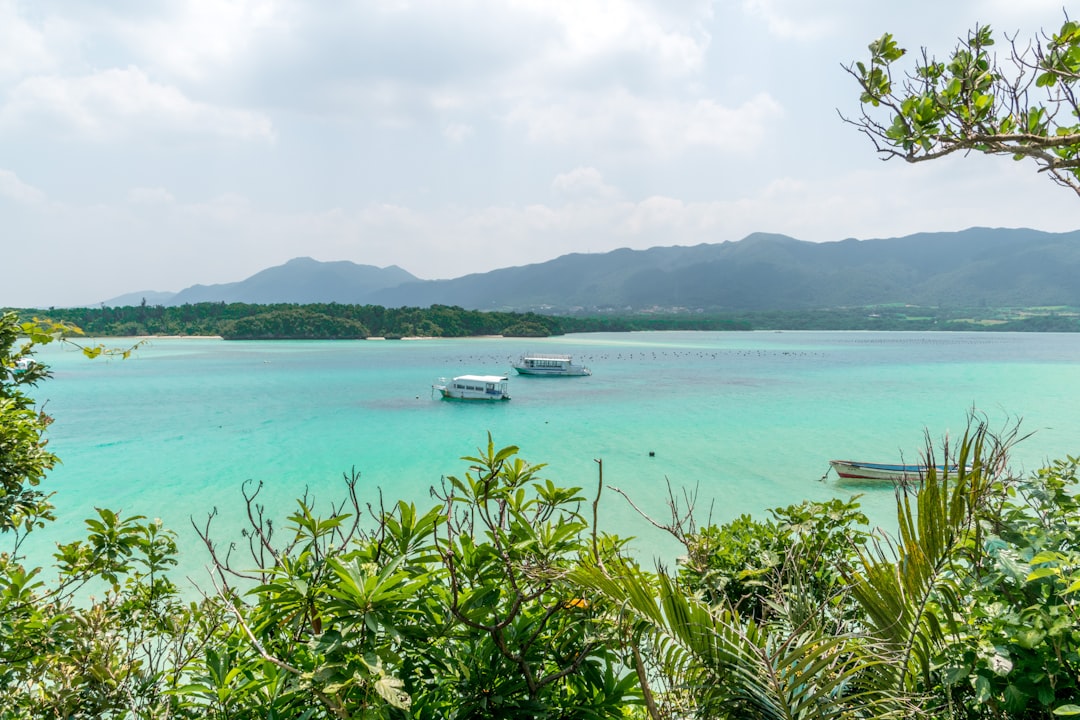
Ishigaki is closer to Taipei than to Tokyo, and it does not feel like the same country as Kyoto.
The vegetation is subtropical, the roofs carry red tiles held down with mortar against typhoons, the local language is a Ryukyuan one rather than Japanese, and the water off the north coast holds manta rays that turn up in the same place reliably enough that the dive site is named after it.
It is the administrative and transport centre of the Yaeyama Islands, which means it is both a destination and the place you sleep while visiting better ones. Both roles matter, and travelers who plan for only the first tend to under-book their time.
Why Ishigaki
Three things distinguish it from the rest of Okinawa.
The Reefs
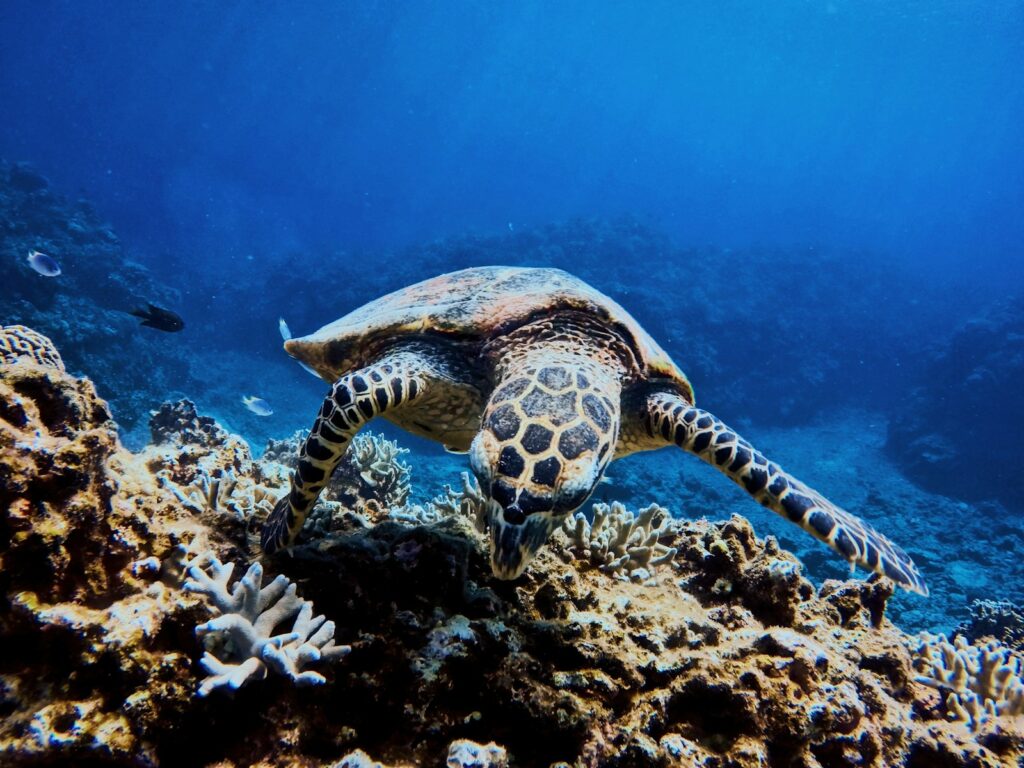
Ishigaki is surrounded by fringing coral reef, and the Sekisei Lagoon between Ishigaki and Iriomote is the largest coral reef area in Japan.
Reef health has suffered from bleaching events over the past decade and this is not a place to pretend otherwise — some areas are visibly degraded. Others remain excellent, and the difference is largely a matter of knowing which sites to visit.
Water clarity is high, water temperature is comfortable for much of the year, and the shallow reef allows serious snorkelling rather than only diving.
The Gateway Function
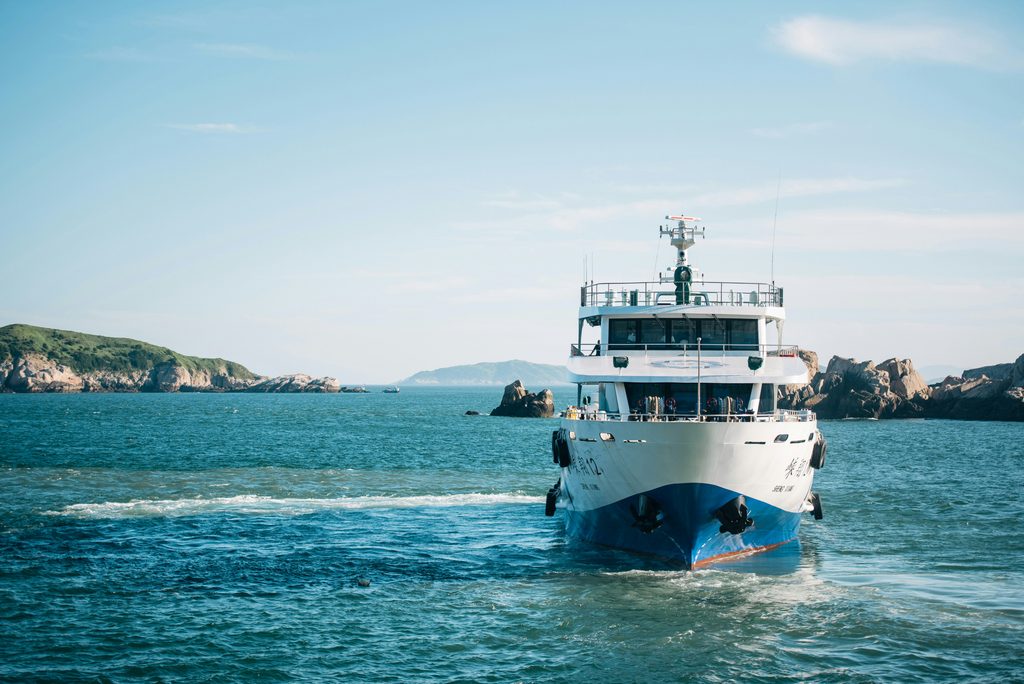
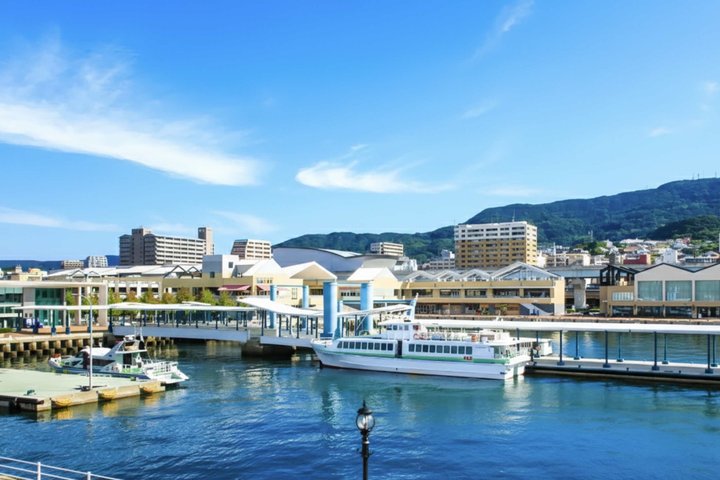
The Ishigaki ferry terminal is the hub for the Yaeyama group. Taketomi is ten to fifteen minutes away. Kohama, Kuroshima, and Hatoma are within half an hour. Iriomote, the second-largest island in Okinawa Prefecture and almost entirely jungle, is forty to fifty minutes.
This is the practical argument for basing yourself here. You can be on a completely different island by nine in the morning and back for dinner.
Yonaguni, the westernmost point of Japan and a serious hammerhead diving destination, is further out and requires a flight or a long ferry.
The Sky
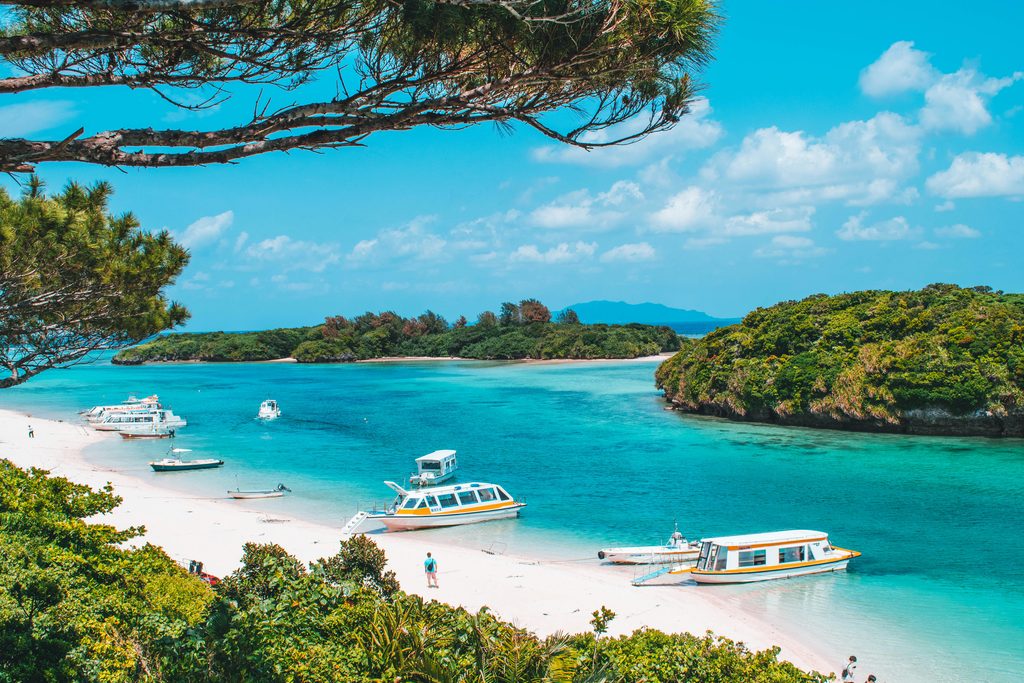
The Iriomote-Ishigaki National Park was certified as an International Dark Sky Place, and the seeing here is exceptional by any standard, let alone a Japanese one.
Ishigaki is far enough south that the Southern Cross is visible low on the horizon in the months around spring — one of very few places in Japan where this is possible.
There is a public astronomical observatory on the island. On a clear moonless night, driving ten minutes out of town and simply looking up is enough.
Expert Tip
Rent a car for the whole stay, and book it before you book the flights. Ishigaki’s public buses exist but run infrequently and do not reach most of what you came for, and the island is around thirty kilometres end to end. Rental supply is genuinely limited, particularly in summer and Golden Week, and it sells out before accommodation does. Travelers who arrive without a car spend their week on taxis and regret it.
Kabira Bay and the Coast
The island’s landmarks are on the north and west coasts, all within a forty-minute drive of the town.
Kabira Bay
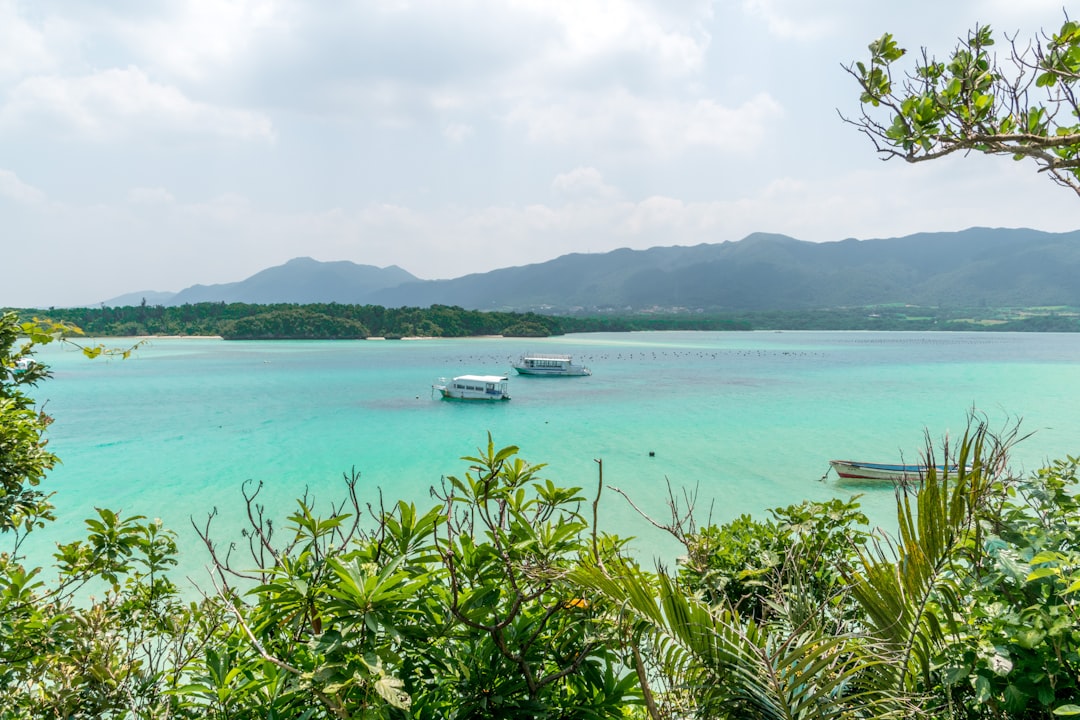
The postcard view: white sand, green islets in the near distance, and water that shifts through several distinct shades of blue and green depending on the depth and the light.
You cannot swim here. The bay has strong currents and is used for cultivating black pearls, and entering the water is prohibited. This surprises and disappoints a lot of visitors who have driven forty minutes with a towel.
Glass-bottom boats operate continuously from the beach, run about thirty minutes, and are the intended way to see the reef here. They are worth doing.
The viewpoint above the bay is free, takes five minutes, and is where the photographs come from. Come in the morning when the sun is behind you.
Tamatorizaki Observatory
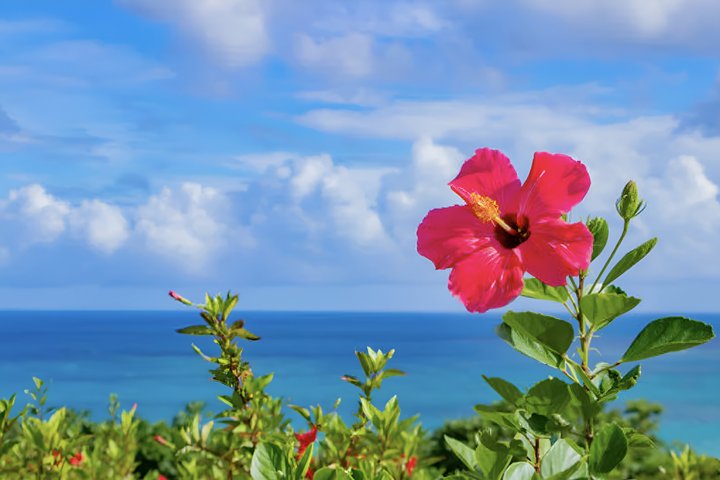
A headland on the northeast coast with a 270-degree view over the reef, planted with hibiscus and lilies.
It is a ten-minute stop and one of the better views on the island, particularly with the sun low. The path up from the car park is short and paved.
Hirakubozaki
The northernmost point, marked by a white lighthouse at the end of a long, thin peninsula.
The drive up is the attraction — an hour from town along a coast road with very little on it, past sugarcane and cattle. At the end, cliffs, open ocean, and usually nobody.
Combine it with Sukuji Beach or Yonehara on the way back.
Beaches
Sukuji Beach near Kabira is shallow, calm, and good for children. Fusaki Beach is close to town with sunset views. Sunset Beach at the northwestern end is quieter than most.
Many of Ishigaki’s beaches have no lifeguard and no facilities. The managed ones have both, plus jellyfish nets in season, and those are the ones to use if you are swimming rather than snorkelling.
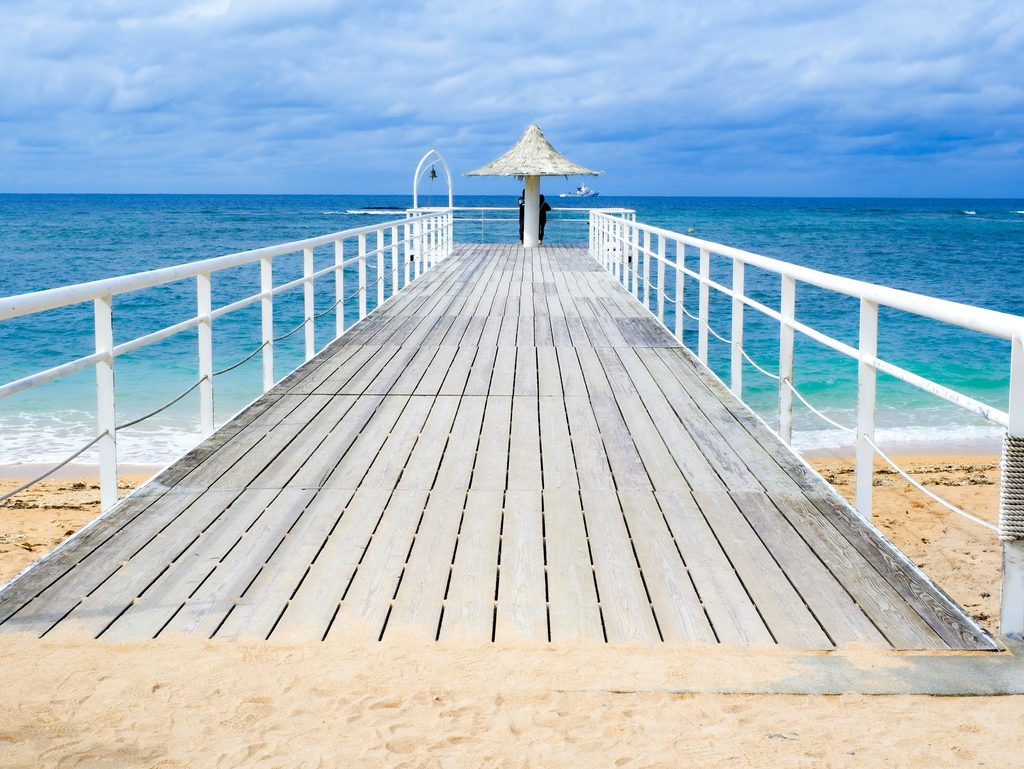
Reefs, Mantas, and Safety in the Water
The water is the reason to come, and it carries hazards that are not obvious from the shore.
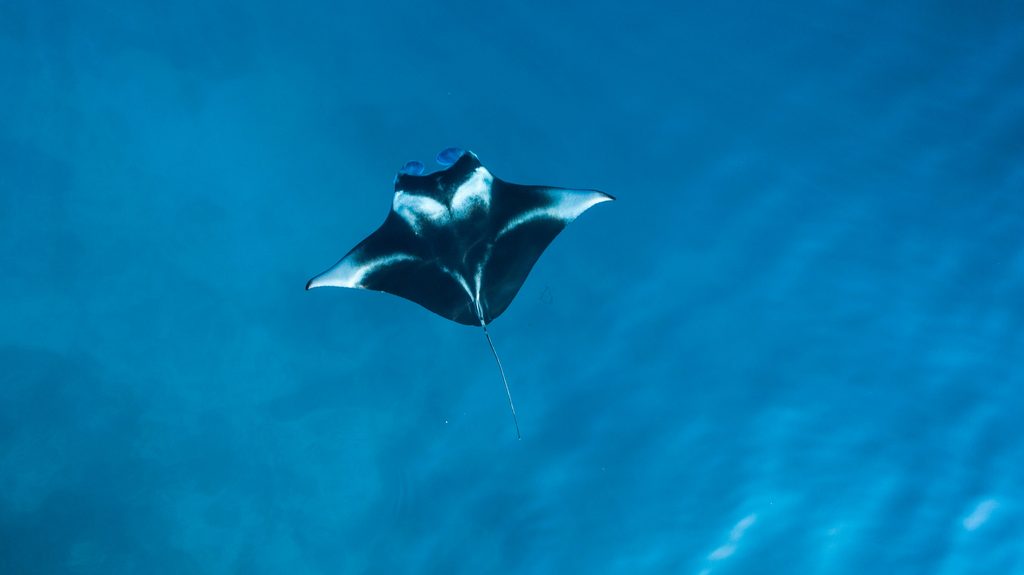
Manta Scramble
A dive site off the Kabira coast where manta rays congregate at cleaning stations, reliably enough that it is one of the most consistent manta encounters in Asia.
Season runs broadly from spring through autumn, with the highest frequency in summer and early autumn. Encounters are not guaranteed on any given dive, and operators will tell you the recent hit rate honestly if you ask.
Snorkelling trips run to nearby sites, though the mantas at Manta Scramble sit at a depth that favours divers. If seeing a manta is the priority and you are not certified, ask specifically about snorkel-accessible manta sites rather than assuming.
Yonehara Beach
The best shore-entry snorkelling on the island: a shallow coral garden a short swim out, with a good range of reef fish, accessible without a boat.
It is also the site with the most incidents. There is a break in the reef with a strong outgoing current, and people are swept through it every year. Stay inside the reef, do not go near the channel, and check locally before entering.
There is no lifeguard. Snorkel with someone, wear a flotation vest, and treat the reef edge as a boundary rather than a suggestion.
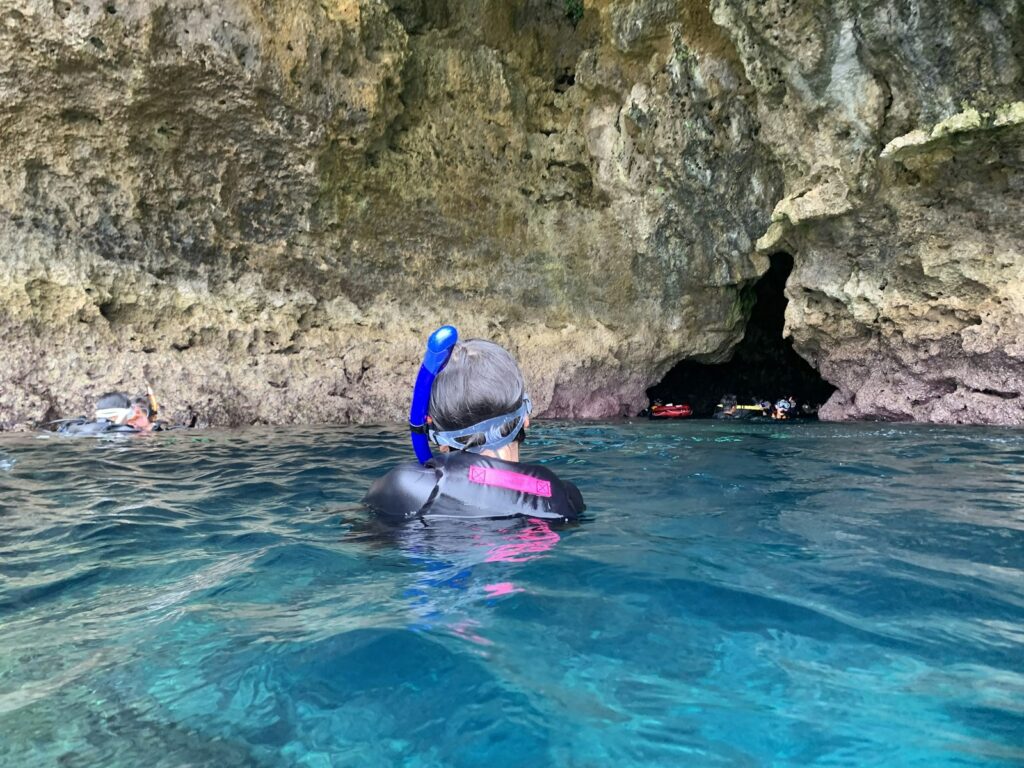
The Blue Cave
A sea cave on the northern coast reached on guided kayak or snorkel trips, with the characteristic blue light that comes from sunlight entering underwater.
Access is by tour rather than independently. Trips typically combine it with reef snorkelling and run half a day.
Hazards Worth Knowing About
Habu jellyfish — box jellyfish — are present in the warmer months, broadly May to October, and their sting is medically serious. Managed beaches install nets during the season; unmanaged ones do not. A full-length rash guard or wetsuit is the standard precaution and is what local operators wear.
Stonefish and lionfish sit on the reef and are camouflaged. Do not stand on coral, wear reef shoes, and do not put hands into crevices.
Cone shells and sea snakes are present and are left alone by anyone who knows the water. Nothing here is a reason to stay out of the sea; all of it is a reason to go with a local operator the first time.
Day Trips to Taketomi and Iriomote
The two essential ones, and they are entirely different from each other.
Taketomi
Ten to fifteen minutes by ferry, and the single best half-day in the Yaeyamas.
The village is a preserved traditional settlement — single-storey houses with red tile roofs, coral stone walls, sand lanes, and shisa lion figures on every roof. Building regulations are strict and the effect is unified rather than staged.
Get around by rented bicycle or by water buffalo cart, which sounds like a tourist gimmick and is in fact pleasant, slow, and accompanied by a driver playing sanshin.
Kaiji Beach has hoshizuna — star sand, which is the skeletons of foraminifera and genuinely star-shaped. Taking it is now discouraged and in places prohibited; look at it and leave it.
Go early or stay overnight. Between about eleven and three the village fills with day visitors and the lanes lose their quality entirely.
Iriomote
Forty to fifty minutes by ferry, and a completely different proposition: ninety percent jungle, with mangrove rivers, waterfalls, and the world’s only population of the Iriomote cat.
The standard trip is a boat up the Urauchi River followed by a walk to Kanpire Falls, or kayaking in the mangroves. Both are half-day activities and both are worth doing.
Iriomote is a UNESCO Natural World Heritage site and access to parts of the interior is now regulated with permits and guide requirements. Book through an operator rather than planning to wander.
A day trip works. Two nights on the island is considerably better, and the accommodation is limited enough to require booking well ahead.
The Ferries
Anei Kanko and Yaeyama Kanko Ferry both operate from Ishigaki’s terminal with frequent departures to the main islands. Tickets are bought on the day at the terminal.
Multi-island passes exist and are worth it if you are visiting three or more. Services are cancelled in high seas and during typhoons, which in summer is a real planning factor.
Check the last return sailing before you leave. It is earlier than you think, and being stranded on Iriomote is expensive.
Expert Tip
Typhoon season runs roughly July to October and Ishigaki sits directly in the corridor. A typhoon here does not mean rain — it means flights cancelled, ferries suspended, and shops shuttered for two or three days, with the island genuinely closed. If you travel in that window, build slack at the end of the trip and take travel insurance that covers weather disruption. Locals plan around this as a normal feature of the calendar and visitors frequently do not.
Eating on Ishigaki
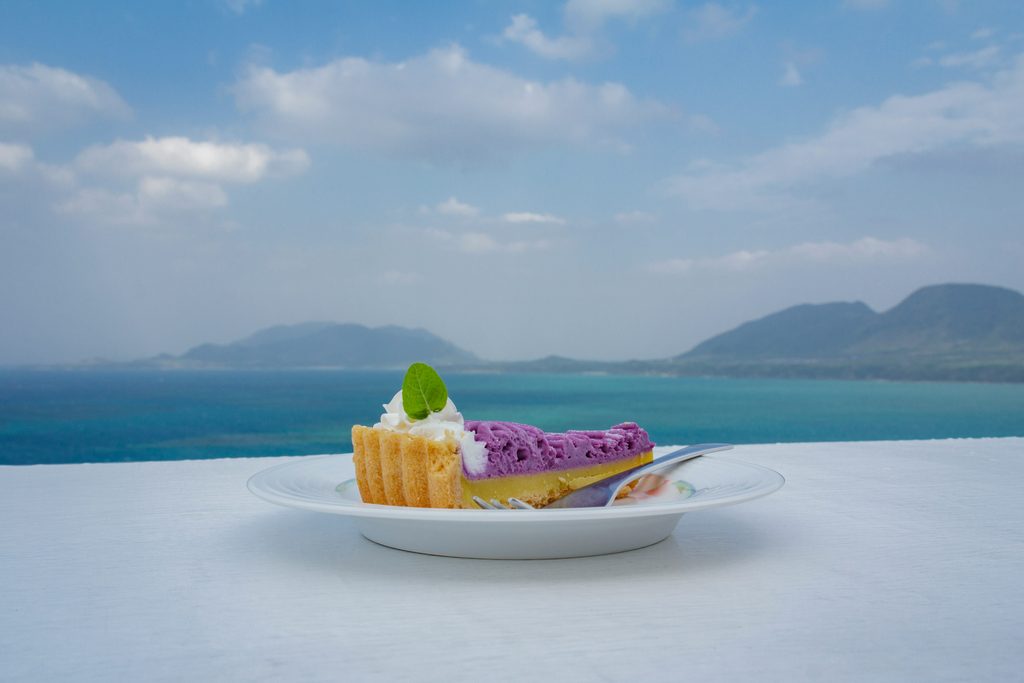
The food here is Okinawan rather than Japanese, and the local produce is genuinely distinctive.
Ishigaki Beef
Ishigaki-gyu is wagyu raised on the island, and the Yaeyama herds have historically supplied calves to mainland producers — including some that end up branded elsewhere.
Eaten locally as yakiniku, as steak, or in a sushi form where a thin slice is seared over rice. Prices are substantially lower than for equivalent grades in Tokyo.
Book dinner. The good yakiniku places in Ishigaki town fill every night in season.
Yaeyama Soba
Not buckwheat. Okinawan soba is a wheat noodle, thicker and rounder in the Yaeyama version, in a clear pork and bonito broth with sliced pork and kamaboko.
Eaten at lunch, cheap, and served everywhere. The standard condiment is pīpāzu — a ground long pepper unique to the islands, warm and slightly numbing, which sits on the table alongside the chilli-infused awamori.
That chilli awamori, koregusu, is a local staple. A few drops, not a spoonful.
Seafood and the Night Market
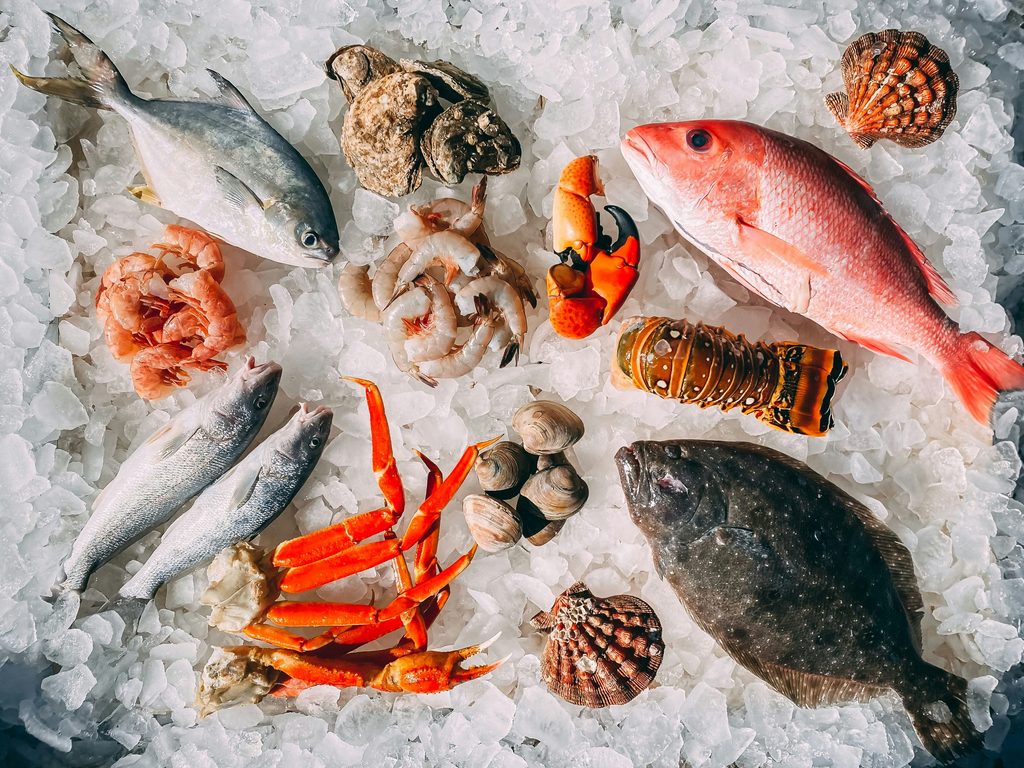
Reef fish here are brightly coloured in a way that alarms visitors and tastes fine — parrotfish, snapper, and the local favourite gurukun.
Fresh tuna is landed on the island and is excellent and inexpensive. Look for the sashimi sets at the fishermen’s cooperative rather than at restaurants aimed at visitors.
The town has a public market with an upstairs food area, and a number of izakaya where sanshin players perform in the evening. Awamori, the Okinawan distilled spirit, is what you drink with it; ask for a local Yaeyama brand rather than a mainland Okinawan one.
Ishigaki Island: Frequently Asked Questions
Do I need a rental car?
Effectively yes. Buses run on limited routes at low frequency and do not serve most beaches, viewpoints, or dive shops. Taxis exist and the fares add up quickly over a week. The island is about thirty kilometres end to end with good roads and almost no traffic, and driving here is easy. Book the car before you book anything else — supply is limited and it sells out earlier than hotels do, particularly in summer, Golden Week, and the New Year period. An International Driving Permit is required for foreign licence holders.
Why can I not swim at Kabira Bay?
Two reasons: currents and pearls. The bay has strong tidal currents that make swimming genuinely dangerous despite the calm appearance, and it is used for black pearl cultivation with equipment in the water. Swimming is prohibited and enforced. The intended way to see it is the glass-bottom boats, which run continuously from the beach and take about thirty minutes. For swimming, use Sukuji Beach a few minutes away, or Yonehara for snorkelling.
What is the best time of year to visit?
April to June, and October to November. Those months give warm water, settled weather, and low typhoon risk, and they fall outside the domestic holiday peaks. July and August have the best water temperature and the highest manta activity but also the peak of typhoon season, the highest prices, and jellyfish. Winter is mild — around 18 to 20 degrees — but the north wind brings grey days and rough seas, and ferries are cancelled more often. Avoid Golden Week in early May and mid-August, when domestic demand makes flights and cars expensive and scarce.
Related Tours
Conclusion
Book the rental car first, then the flights, then the hotel. That order sounds wrong and it reflects what is actually scarce on Ishigaki.
Then give at least two of your days to other islands. Ishigaki is a good base with a handful of genuinely fine spots, and Taketomi at seven in the morning and the Urauchi River on Iriomote are the things people describe when they get home.
Plan Your Japan Trip with Local Experts
Our team has guided 40,000+ travelers across Japan. Tell us about your trip and we’ll get back to you within 24 hours.