In this article:
- What Makes Kusatsu Different
- The Yubatake
- Yumomi
- The Bathhouses Worth Your Time
- Getting Here and Staying
- Kusatsu Onsen: Frequently Asked Questions
Introduction
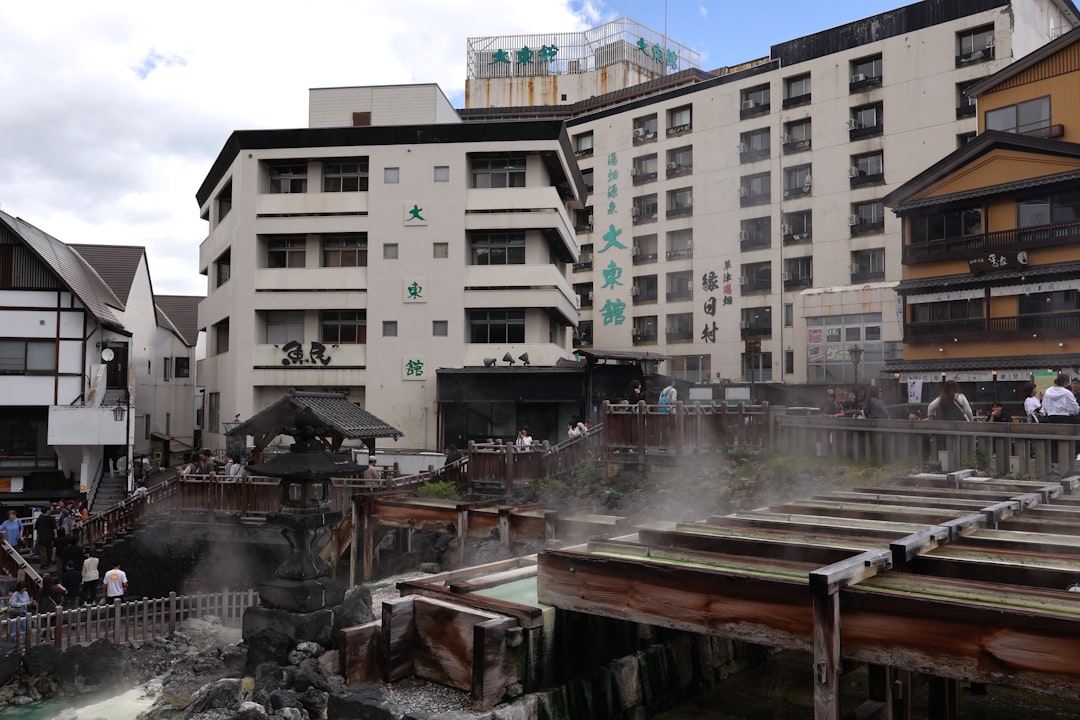
There is a field of boiling water in the middle of the town, and everything else in Kusatsu is arranged around it.
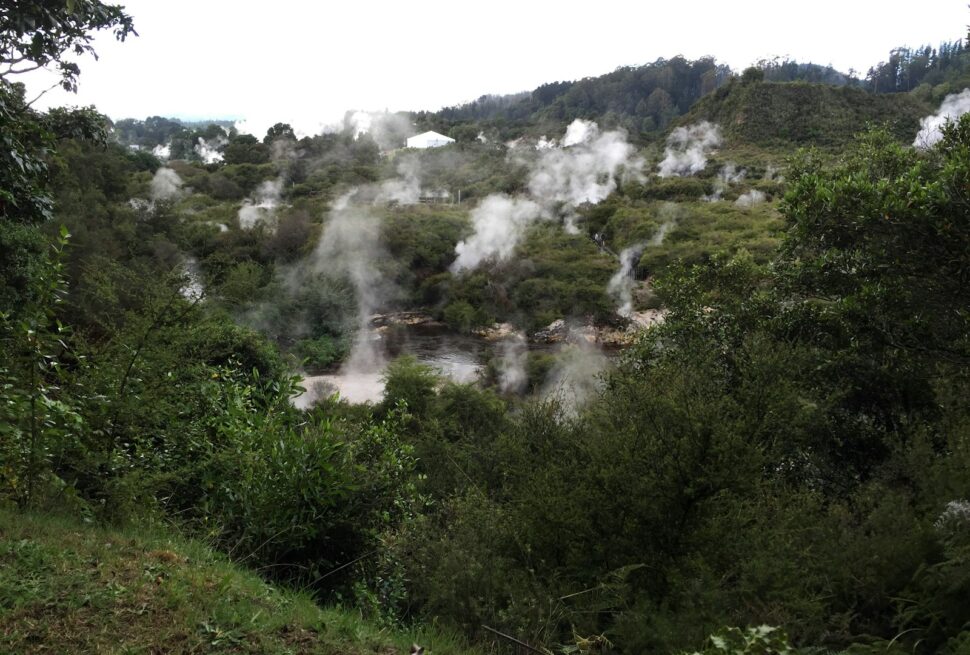
The Yubatake is roughly the size of a small car park, filled with wooden channels through which hot spring water runs and cools, sending up steam that is visible from every street that leads into the square. It is not decorative. It is the town’s plumbing, working in public.
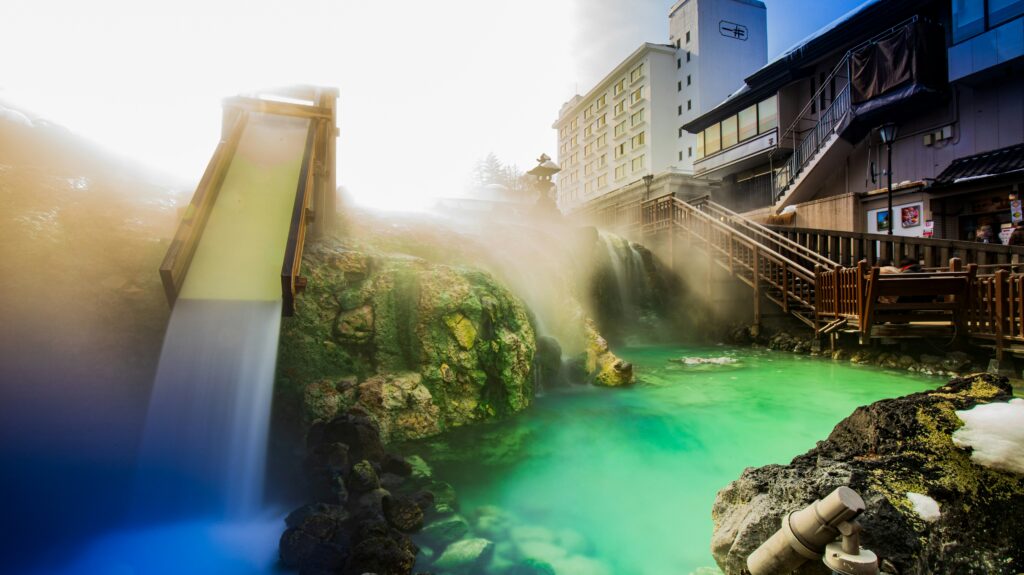
Kusatsu is ranked among the three most celebrated hot springs in Japan and it produces more water than any other — a figure commonly cited at over 32,000 litres a minute, all of it flowing naturally without pumping. The water is highly acidic, and the town has spent several centuries working out what to do about that.
What Makes Kusatsu Different
Volume, chemistry, and altitude, in roughly that order of importance.
The Volume
Every bath in Kusatsu is kakenagashi — free-flowing, continuously replenished from source, with nothing recirculated, filtered, or reheated.
This is the standard that serious onsen visitors care about and that a great many resort baths quietly fail. Kusatsu meets it everywhere because it has more water than it can use.
The practical effect is that the water in the tub in front of you was underground an hour ago. It smells of sulphur and it feels different from treated water in a way that is immediately obvious.
The Acidity
Kusatsu’s water is strongly acidic, with a pH around 2 at the main sources — comparable to lemon juice. It is naturally antibacterial, and the town’s historical reputation was medical rather than recreational.
There is a local claim that the water will dissolve a coin or a nail in a week. Take it as folklore that points at something true: this is genuinely aggressive water, and it will sting a cut, a shaving nick, or your eyes.
The medical tradition was serious. Kusatsu was a treatment destination for centuries, and the German physician Erwin Bälz, who advised the Meiji government on medicine, promoted it as the equal of any European spa.
The Altitude
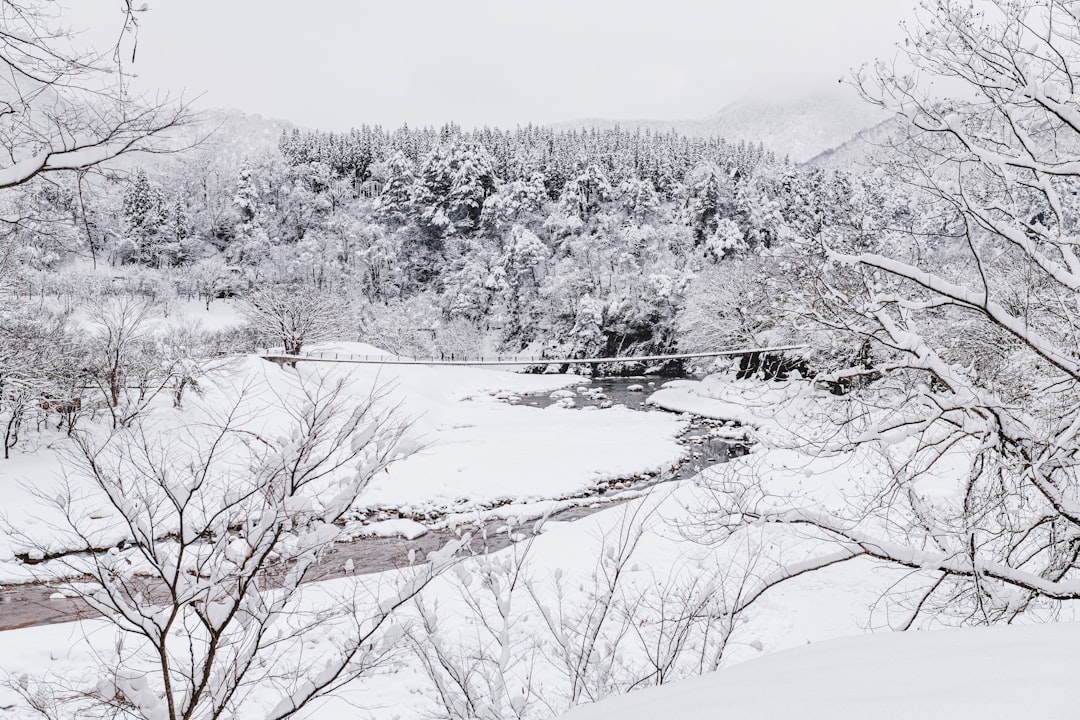
The town sits at around 1,200 metres in the mountains of Gunma, which makes it several degrees cooler than the plain and gives it real winter.
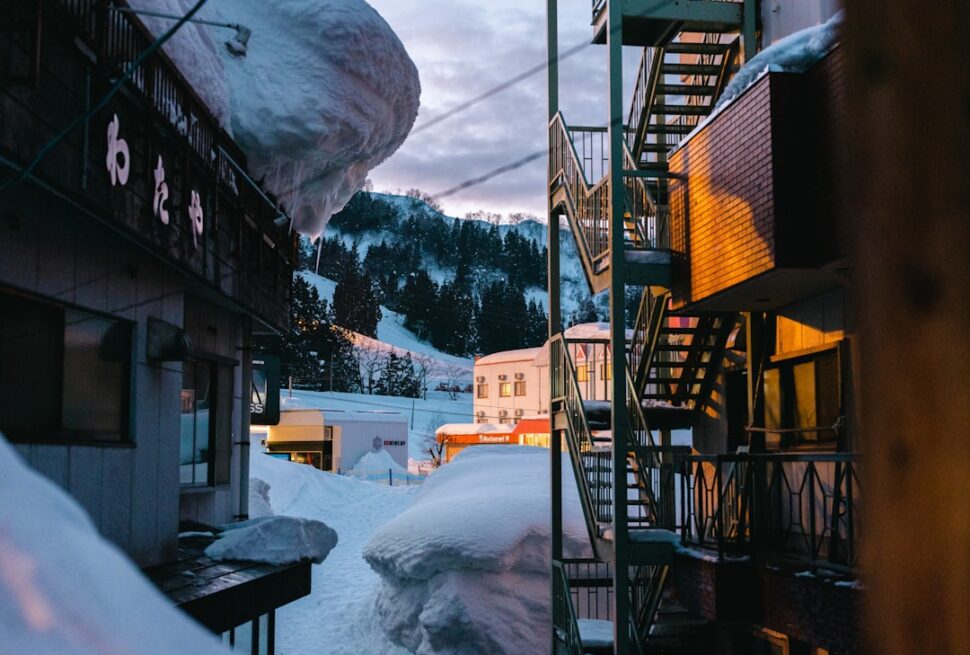
Snow from December through March, cold clear air, and a ski area a short bus ride away. The combination of deep snow and an outdoor bath is the reason many people come in winter specifically.
Summer here is a genuine escape from Tokyo’s heat and is underrated for it.
Expert Tip
Rinse the acid off before you dress, and do not shave the morning you arrive. Kusatsu’s water at pH 2 will find every small cut you have, and the sting is memorable. Many bathhouses provide a fresh-water rinse for exactly this purpose. People with sensitive skin should also rinse rather than air-drying the mineral residue, which is the standard practice elsewhere but not the right one here.
The Yubatake
The hot spring field, and the centre of the town in every sense.
What It Does
Water emerges from the source at around 50 to 90 degrees depending on the vent, far too hot to bathe in. Cooling it with cold water would dilute the minerals, which the town has always refused to do.
The solution is the Yubatake: seven long wooden channels through which the water runs in the open air, shedding heat as it goes, before being distributed to the bathhouses and inns around the square.
Sulphur deposits crystallise in the channels and are harvested — yunohana, sold in the shops as bath powder. It is the actual mineral rather than a manufactured product.
At Night
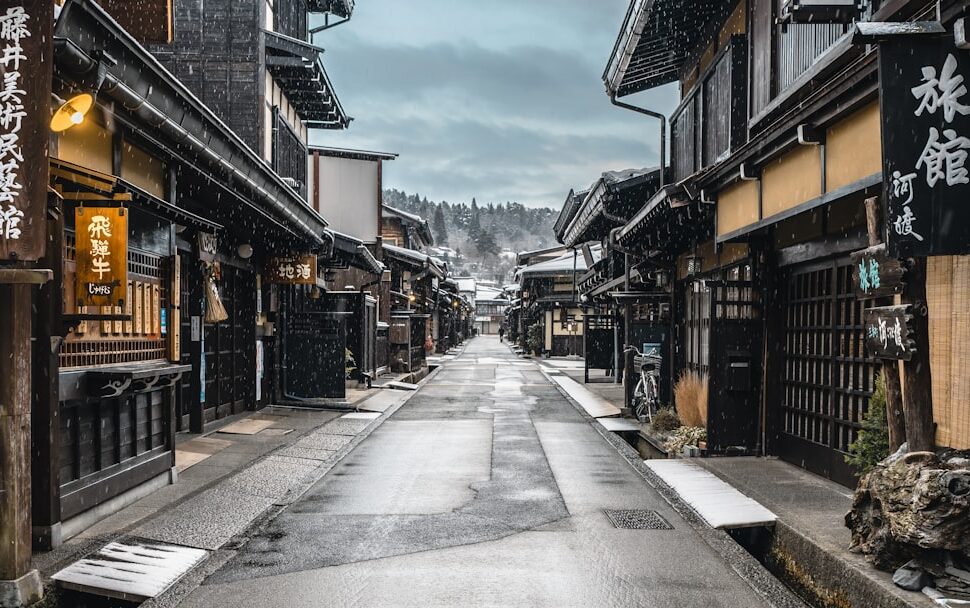
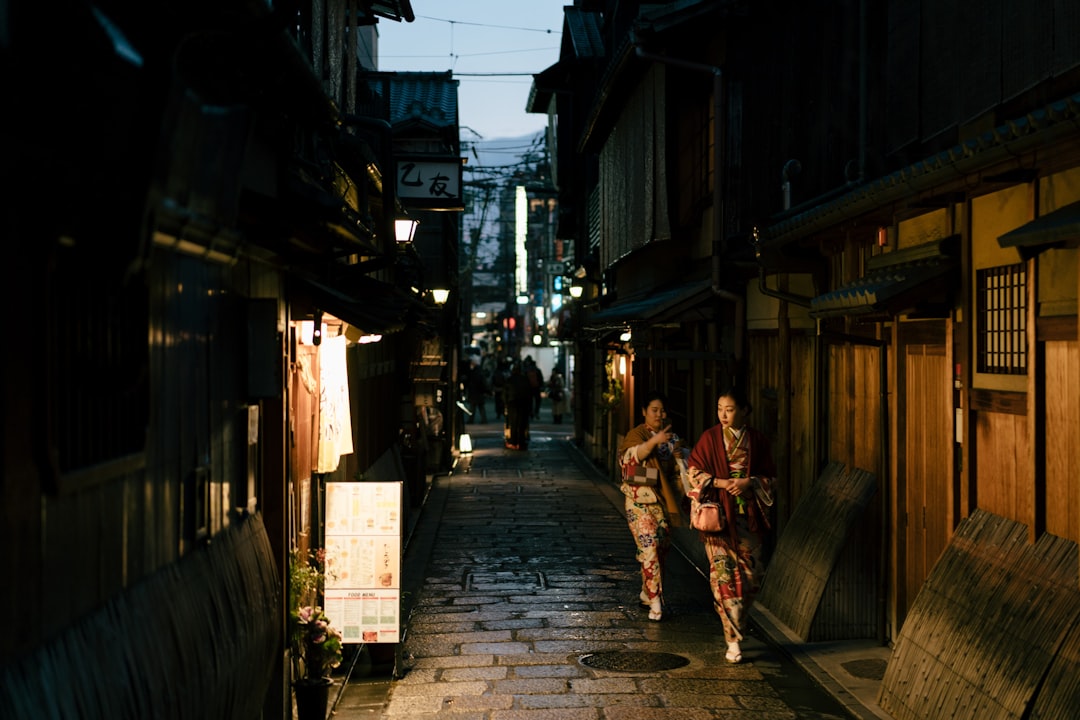
The square is illuminated after dark and this is when to see it. Steam catches the light, the surrounding wooden buildings are lit low, and the whole thing looks staged and is not.
Guests wander the perimeter in yukata and geta from the inns, which is entirely normal here. The sound of wooden clogs on stone is a large part of what makes Kusatsu at night distinct from an ordinary Japanese town.
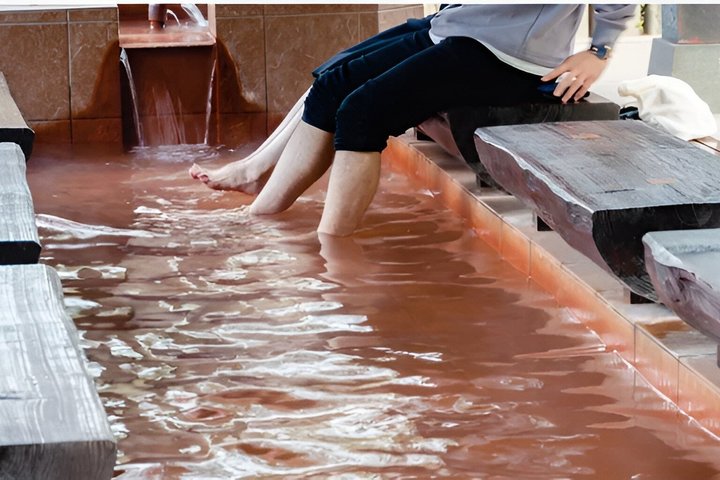
Allow half an hour. There are benches, and there is a free footbath on the square.
The Footbaths
Several free ashiyu are scattered around the town, including at the Yubatake itself. Sit, roll your trousers up, and put your feet in.
Bring a small towel. Nobody provides one and walking away with wet feet in winter at 1,200 metres is unpleasant.
These are the easiest way to try the water without committing to a full bath, and they are free.
Yumomi
The town’s signature performance, and it exists for a practical reason.
What It Is
Yumomi means churning the water. Long wooden boards, around a metre and a half, are worked through the bath in unison to cool it by agitation — again, without adding cold water.
It is done rhythmically, to song, by a team working both sides of a bath. The songs are the Kusatsu Bushi folk melodies, and the practice dates to a period when the water was cooled this way before every bathing session.
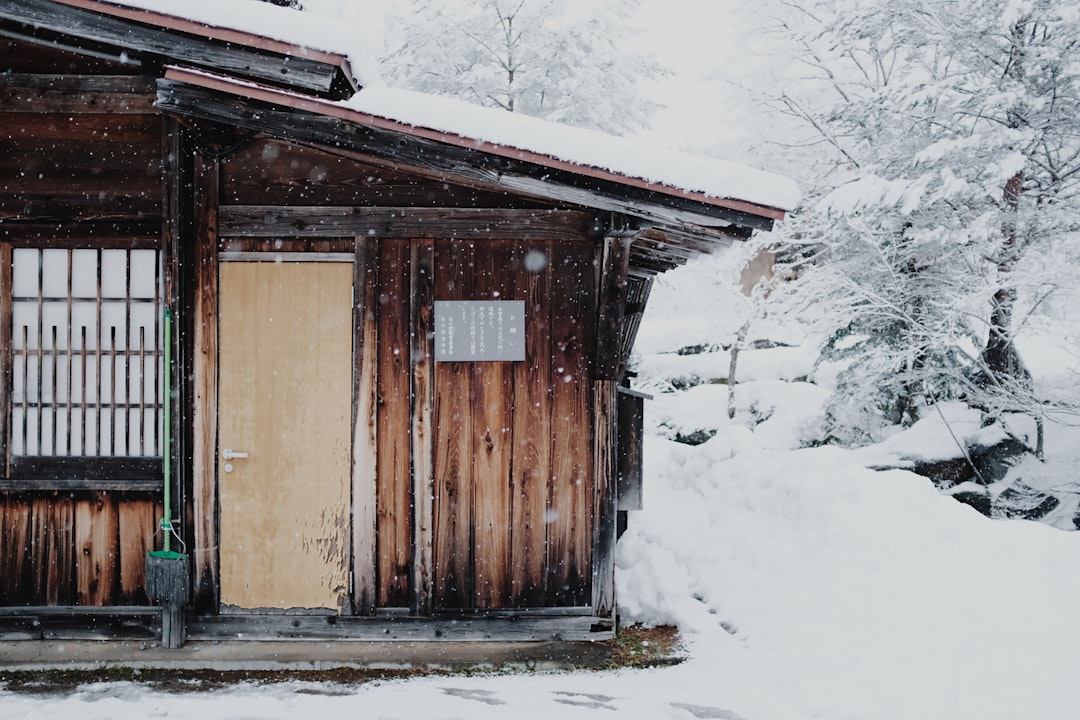
It is now performed rather than functional, several times daily at Netsu-no-Yu on the Yubatake square, and it is a genuine tradition rather than a reconstruction.
Seeing It
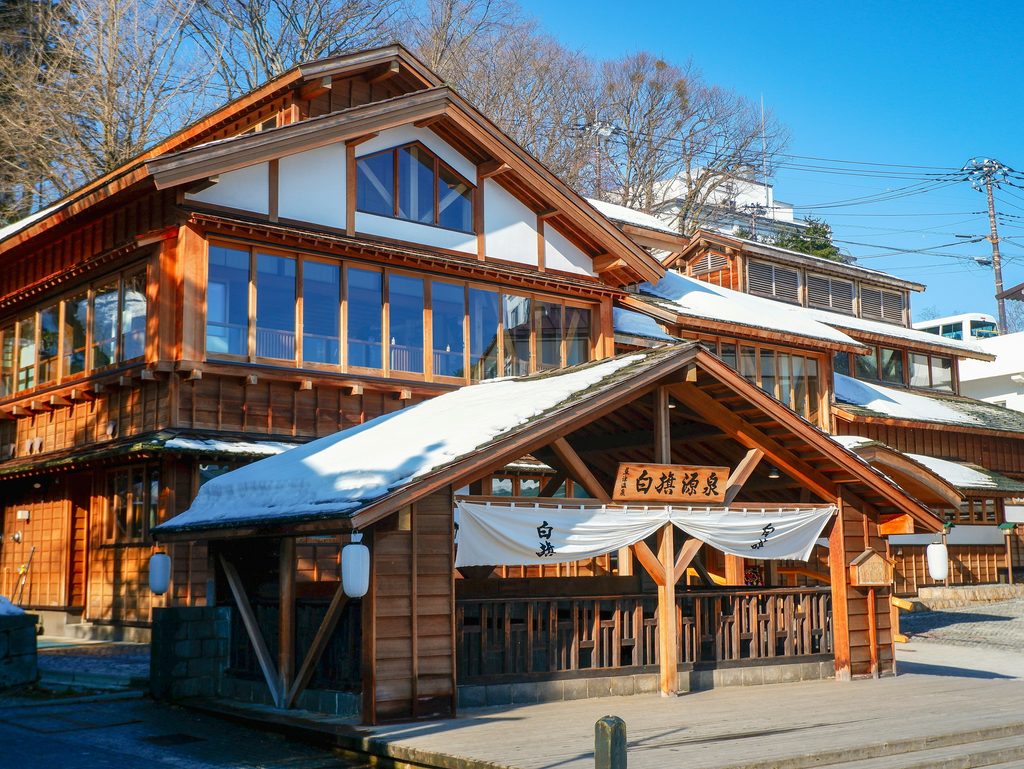
Performances run at set times through the day at Netsu-no-Yu, the wooden building on the square, with a modest ticket price.
The show lasts around twenty minutes and includes the singing, the churning, and a short dance. It is small-scale and unpolished in a way that works in its favour.
Buy the ticket at the door. Times are posted outside and on the town’s website.
Trying It
Audience members are invited up to work a board at some performances, and children in particular are encouraged.
The boards are heavier than they look and getting the rhythm wrong in front of a room is the point of the exercise. Ten seconds of it explains more about the tradition than the explanation does.
The Bathhouses Worth Your Time
Kusatsu has three major public bathhouses and a scattering of small local ones, and they are different enough that doing more than one is worthwhile.
Sainokawara Rotenburo
The big one: a very large open-air bath at the top of Sainokawara Park, a ten-minute walk up from the Yubatake through a valley where hot water runs over the rocks in the open.
Capacity is substantial and the setting is forest on all sides. In snow it is the best bath in the town by a distance, and in autumn colour it is not far behind.
The walk up through the park is part of it. Steam rises from the stream the whole way and there are footbaths along the path.
Otaki-no-Yu
The bathhouse to visit for awase-yu: a series of small wooden tubs at graduated temperatures, from around 38 degrees up to 46, which you move through in order.
Working up the sequence is the traditional method for acclimatising to water this hot, and it is a genuinely different experience from getting into one tub. The final tub is hotter than most visitors expect and there is no shame in stopping short of it.
Larger indoor and outdoor baths, a sauna, and a rest area as well. This is the most complete facility in town.
Goza-no-Yu
On the Yubatake square itself, a reconstructed Edo-period wooden bathhouse with two baths fed from two different sources — so you can compare water from different vents in the same visit.
Compact, atmospheric, and central. Twenty minutes, and easy to fit in before dinner.
The Local Baths
Kusatsu maintains around eighteen small bathhouses for residents, scattered through the back streets, and a number are open to visitors free of charge.
They are basic — a changing room, a tub, no amenities at all — and they are the most authentic bathing in the town. Bring your own towel and soap, observe the etiquette exactly, and be quiet.
Some are restricted to local residents. Signs indicate which; ask at your inn if unsure.
Expert Tip
The water in Kusatsu’s baths runs hotter than in most Japanese onsen, frequently 44 degrees and above. Get in slowly, sit still rather than moving around, and start with three minutes rather than fifteen. Overheating is the most common problem visitors have here, and the acid water compounds the effect. Drink water before and after, and do not bathe immediately after drinking alcohol.
Getting Here and Staying
Kusatsu is not close to anything, which is a large part of why it is worth the trip.
By Train
The JR limited express from Ueno runs to Naganohara-Kusatsuguchi, followed by a bus of around twenty-five minutes into the town. Total journey time is roughly three to three and a half hours.
The limited express runs on a limited daily schedule rather than hourly. Check departures before planning, because missing one means a substantially slower local route.
The Japan Rail Pass covers the train portion but not the bus.
By Bus
Direct highway coaches run from Shinjuku to Kusatsu Onsen bus terminal in about four hours, with no changes. For travelers with luggage this is often the better option despite being slower.
Book ahead in winter and at weekends. These services fill.
Staying the Night
Kusatsu works far better as an overnight than a day trip, and this is the recommendation we make to essentially everyone.
The town at night with the Yubatake lit and people walking in yukata is the experience; arriving at one in the afternoon and leaving at four gets you a bath and a car park.
Ryokan here range from large hotels to small family inns. Rates rise sharply in the snow season and over New Year. Book two to three months ahead for winter weekends.
Eating and Walking
The streets radiating from the Yubatake are lined with shops selling onsen manju — small steamed buns with red bean filling, served hot, and handed out as free samples with an insistence that becomes a running joke over a two-day stay.
Try one from a shop where they are being steamed rather than sitting in a display case. Local specialities also include soba and Gunma’s konjac, which is produced in the prefecture in quantity.
The town is compact and entirely walkable. In snow, the streets are gritted and the geta from your inn are a bad idea; wear your own shoes.
Kusatsu Onsen: Frequently Asked Questions
Is the acidic water safe for sensitive skin?
For most people, yes, and the water’s antibacterial quality is why it was historically used as a treatment. But at around pH 2 it will sting open cuts, shaving nicks, and eyes, and people with eczema, psoriasis, or broken skin can react. The practical advice is to keep the first bath short, rinse with fresh water afterwards rather than letting the residue dry on your skin, and avoid shaving on the day. If you have a diagnosed skin condition, ask your inn — they deal with this question constantly and will point you to the milder sources in town.
Can I visit Kusatsu as a day trip from Tokyo?
It is possible and we do not recommend it. Travel is three to four hours each way, which leaves roughly four usable hours in the town after allowing for connections — enough for one bath, the Yubatake, and lunch, with the yumomi performance likely squeezed out. The town’s strongest quality is the evening: the illuminated hot spring field, the sound of geta on the street, and a second bath before bed. Stay one night and it becomes one of the better trips available from Tokyo. Stay two and you can add Sainokawara in the morning before the crowds.
Can I wear the ryokan yukata around town?
Yes, and in Kusatsu it is normal rather than merely tolerated. Guests walk between the inn, the bathhouses, and the Yubatake in yukata and the wooden geta provided, and the town is designed around it. Wear it left side over right — the reverse is used for the dead — and take the outer haori jacket the inn provides, because 1,200 metres in the evening is cold. In snow, wear your own shoes rather than geta. Yukata is for the town and the inn, not for a formal restaurant outside it.
Related Tours
Conclusion
Stay the night. Every recommendation about Kusatsu reduces to that one, because the town’s character is entirely nocturnal and the journey is too long to see it any other way.
Then bathe three times: Goza-no-Yu before dinner for the comparison between sources, Sainokawara in the morning with the steam coming off the valley, and one of the small free local baths in a back street where nobody is speaking English. The third one is the one you will remember.
Plan Your Japan Trip with Local Experts
Our team has guided 40,000+ travelers across Japan. Tell us about your trip and we’ll get back to you within 24 hours.