In this article:
- How Daiso Works
- Kitchen and Household
- Travel and Packing
- Beauty and Stationery
- Souvenirs, and What to Skip
- Daiso Japan Must Buy: Frequently Asked Questions
Introduction
The reason a Daiso in Japan is a different proposition from a Daiso in London or Los Angeles is that the export version carries a few thousand of the safest lines at three or four times the price.
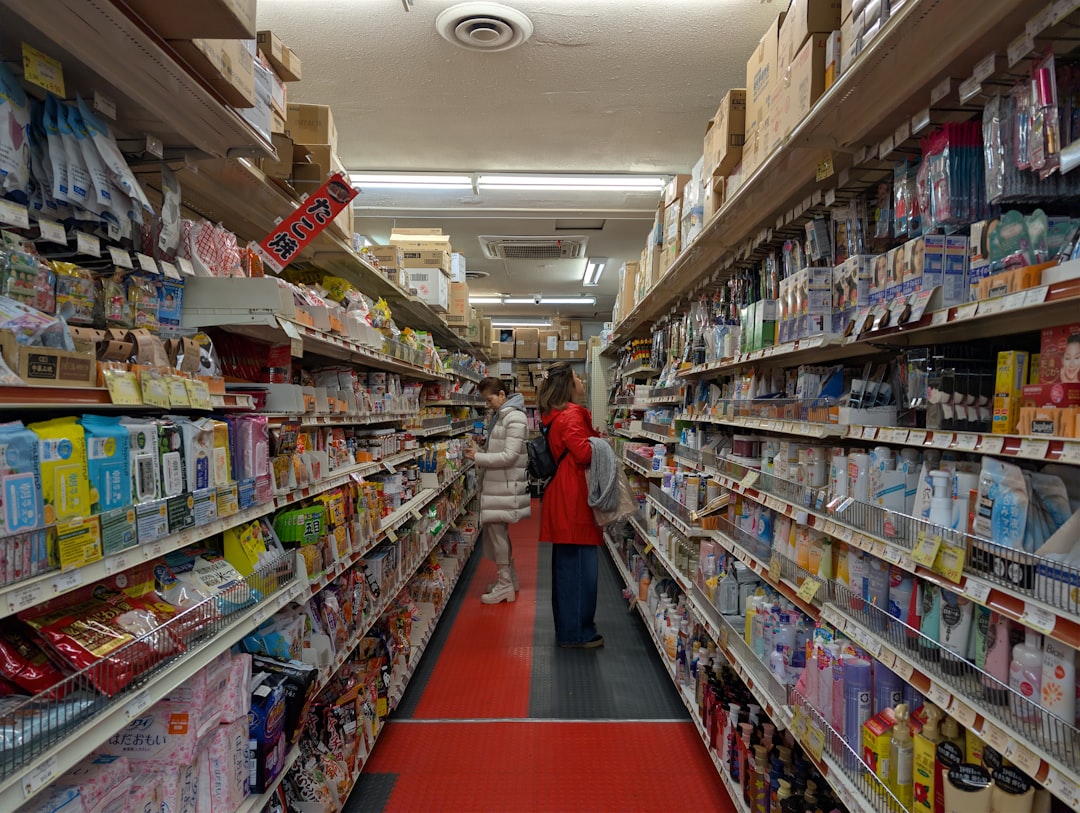
A Japanese flagship carries tens of thousands, priced at ¥110 including tax, and the range extends into things you would not expect a hundred-yen shop to attempt at all — decent knives, functional camping gear, a cosmetics line with genuine formulation behind it.
Not all of it is good. Roughly a third of any Daiso is disposable rubbish and a small number of items are as well made as anything at ten times the price. This article is about telling them apart.
How Daiso Works
The pricing model has more layers than the name suggests.
The Base Price
¥100 before tax, ¥110 with consumption tax added, and this is the price of the overwhelming majority of the stock.
Prices are not marked on most items. If there is no price tag, it is ¥110.
The Higher Tiers
Daiso also sells at ¥200, ¥300, ¥500, ¥700, and ¥1,000 price points, and these items carry a visible price label.
The higher tiers are frequently where the genuinely good products are — better materials, more considered design, things that would cost several times as much elsewhere.
Do not skip them because you came for the hundred-yen shop. A ¥500 Daiso item is often the best value in the store.
The Sister Brands
Standard Products is Daiso’s design-led line — muted colours, natural materials, simple forms, priced mostly at ¥300 to ¥1,000. It reads like a cheaper version of a well-known Japanese lifestyle retailer and the quality is respectable.
Threeppy is the pastel, decorative sibling at ¥300.
Larger locations house all three under one roof, which is the shop to look for.
The Competitors
Seria is the other major hundred-yen chain and is more consistently design-conscious than Daiso, with everything at ¥110 and a stronger stationery and kitchen range.
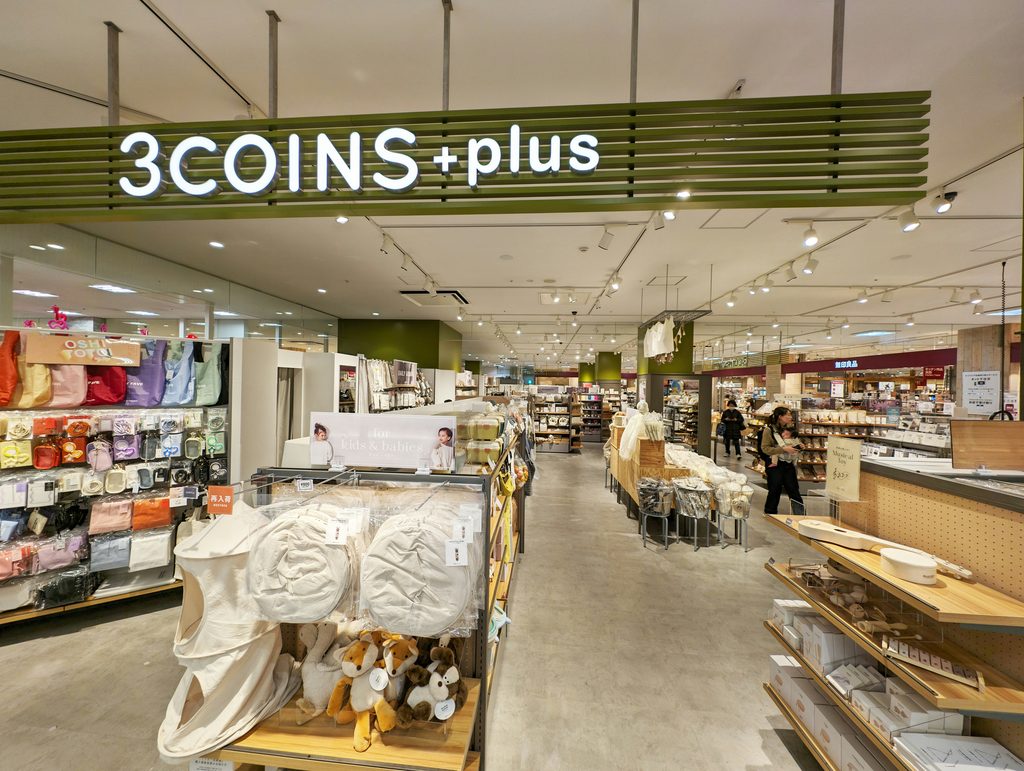
Can Do is the third. 3Coins works at a ¥300 base price with a homeware focus.
If you have time for two, do Daiso for breadth and Seria for taste.
Expert Tip
Go to a flagship rather than a neighbourhood branch. The multi-floor stores — the Harajuku location on Takeshita-dori, Ginza, Shibuya, and the large suburban ones — carry many times the range of a small shop and are the only places you will see the full spread including the sister brands. A small Daiso in a shopping centre will show you a fraction of what the chain actually sells and give you an unfairly poor impression of it.
Kitchen and Household
The strongest category and the one Japanese customers actually shop.

The Genuinely Clever Ones
The egg timer: a small plastic disc dropped into the pan with the eggs, which changes colour from the outside in as the water heats, marking soft, medium, and hard. It costs ¥110 and it works.
Onigiri moulds in various shapes, which turn making rice balls from a technique into a five-second operation.
Silicone stretch lids that seal over any bowl or cut fruit, replacing cling film.
Vegetable peelers, ginger graters, and a range of small kitchen tools that are noticeably better designed than the equivalents in a Western supermarket.
Melamine Sponges
Sold in packs, cut into blocks, and used damp with no detergent. They remove marks from surfaces by micro-abrasion.
They are a genuine Japanese household staple and considerably cheaper here than the branded versions sold abroad.
Bento Supplies
Bento boxes, dividers, silicone cups, sauce bottles shaped like small fish, picks, and rice moulds.
This entire category barely exists outside Japan and is charming and functional. If you have children, or make packed lunches, this is where to spend your ¥2,000.
Storage
Drawer dividers, stackable containers, cable organisers, and hooks in every configuration.
Japanese homes are small and the storage products reflect decades of solving that problem. The dimensions are designed around Japanese furniture, which occasionally makes them a poor fit for a Western kitchen — check the measurements.
Travel and Packing
Directly useful for the trip you are currently on.
Compression Bags
Vacuum bags that expel air by rolling rather than requiring a pump, in several sizes.
They work, they cost ¥110 to ¥330, and they are the single most useful thing to buy at Daiso mid-trip when your souvenirs have outgrown your suitcase.
The Extra Bag
Foldable duffel bags and packable totes at ¥550 to ¥1,100, which pack down small and hold a surprising amount.
The standard use case: you have bought too much, you need a second bag for the flight home, and you do not want to spend real money on it.
Toiletry Bottles and Organisers
Refillable travel bottles, jars, contact lens cases, pill organisers, cable ties, and pouches.
The travel section near the front of most stores is well stocked and is genuinely competitive with dedicated travel retailers at a tenth of the price.
Small Practicalities
Phone stands, earphone cases, luggage tags, folding hangers, shoe bags, and the small clip-on fans that make a Japanese summer bearable.
The clip fans in particular are worth the ¥550. Everyone in Japan has one in August.
Beauty and Stationery
Two categories that outperform their price by more than anything else in the shop.
UR GLAM
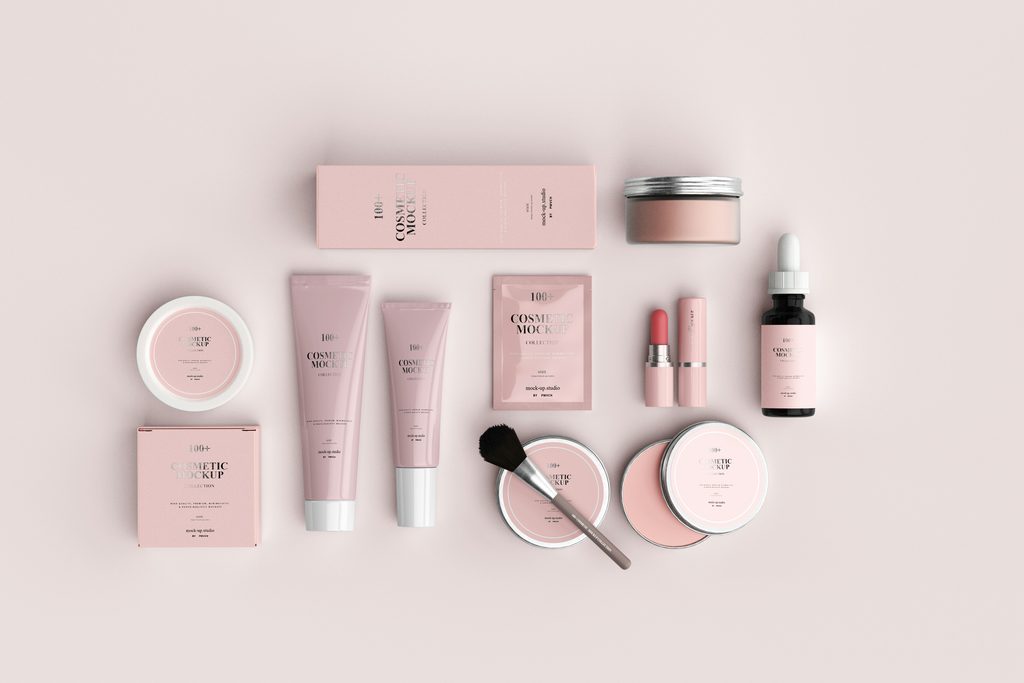
Daiso’s own cosmetics line, developed with a Japanese cosmetics manufacturer, and considerably better than a hundred-yen product has any right to be.
The eyeshadow palettes, brow pencils, and brushes are the strong items. Reviews on Japanese cosmetics platforms rate several of them alongside products at ten times the price.
It will not replace your foundation. As a way to try a colour, or to travel light, it is excellent.
Skincare Accessories
Sheet mask covers — silicone shapes that sit over a sheet mask to hold it against the face and stop it drying out. A very Japanese solution to a problem nobody else has bothered to solve.
Also: facial rollers, gua sha stones, hair clips for washing, and a full range of applicators and sponges.
Stationery
Washi tape in hundreds of patterns, notebooks, pens, sticky notes, letter sets, and stickers.
Japanese stationery is a global category and Daiso’s version is the cheap end of a very high standard. Seria is better again for this specifically.
Washi tape is close to the perfect souvenir: light, flat, inexpensive, distinctly Japanese, and useful.
Craft and Origami
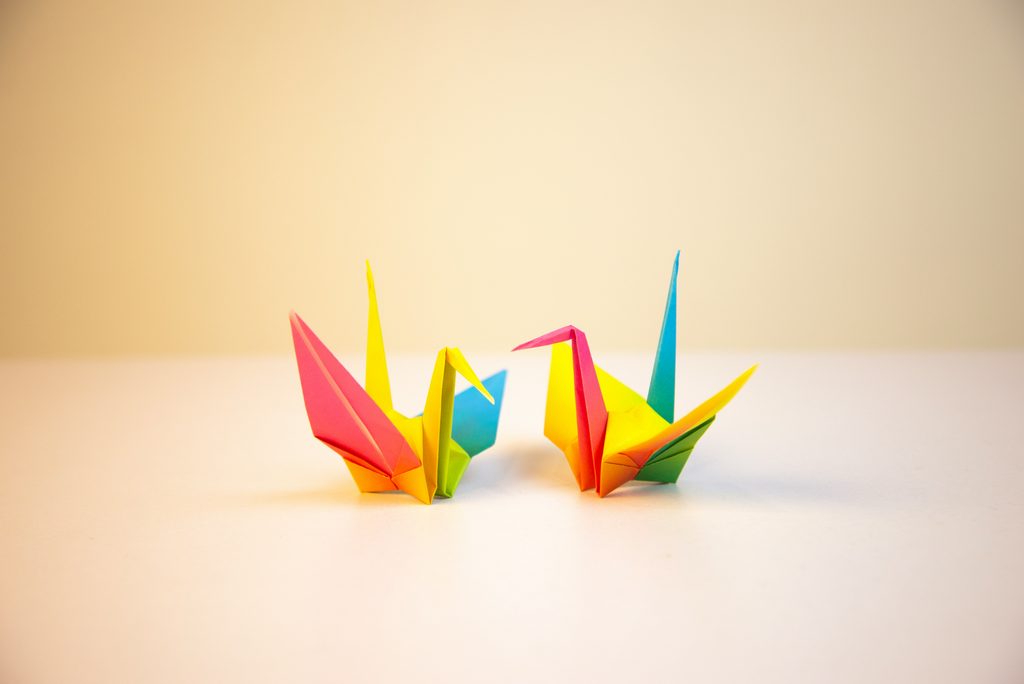
Origami paper in traditional patterns, calligraphy brushes, and craft materials.
Good origami paper at ¥110 for a large pack is a better gift for a child than most things costing five times as much.
Expert Tip
Not everything at Daiso is worth buying, and the general rule is to avoid anything with a motor, a battery, or a heating element. Electrical items at ¥110 to ¥550 are the weakest category, they fail quickly, and lithium batteries and battery-powered devices raise complications for air travel. Buy the tools, the storage, the stationery, and the cosmetics; buy your electronics somewhere else.
Souvenirs, and What to Skip
Daiso is an underrated place to buy gifts and a poor place to buy some of what it sells.
Good Souvenirs
Chopsticks and chopstick rests, in proper Japanese designs at ¥110 to ¥330. Tenugui cotton cloths with traditional patterns. Small ceramic dishes, which are made in Japan more often than you would expect. Folding fans. Furoshiki wrapping cloths.
Japanese snacks and confectionery, sold in a food section at most branches, at genuinely low prices.
Green tea, sencha, and matcha powder in bags — not high-grade, and perfectly good for cooking and everyday drinking.
For someone buying twenty small gifts to take home, an hour in a large Daiso does the whole job for a few thousand yen.
Check the Origin
Much of Daiso’s stock is manufactured in China and elsewhere, which is how the price works. A portion — particularly ceramics, some stationery, and certain food items — is made in Japan and is marked as such.
If the point of a gift is that it comes from Japan, look for 日本製 on the packaging. It is not hard to find and it is worth the extra ten seconds.
What to Skip
Electronics, as above. Anything structural or load-bearing. Knives beyond the basic level, where a proper Japanese knife shop is a far better use of the money.
Cheap plastic homeware you will use twice. The temptation at ¥110 is to fill a basket, and a large proportion of that basket becomes waste.
Buy fewer things and better ones. The ¥300 and ¥500 tiers reward this.
Daiso Japan Must Buy: Frequently Asked Questions
Do Daiso stores take cards and IC cards?
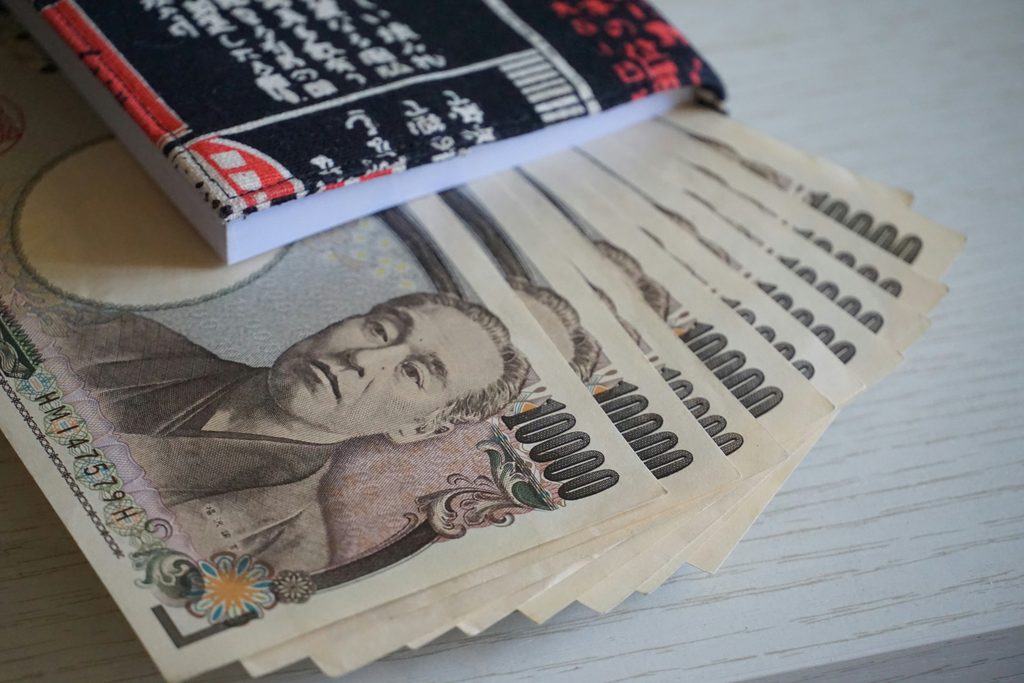
Most now do. Daiso moved to cashless acceptance across its Japanese stores, and major credit cards, transit IC cards such as Suica and ICOCA, and QR code payments are taken at the great majority of branches. Smaller and older locations may still be cash-only, and the machines occasionally decline foreign cards. Carry a few thousand yen in cash as a fallback, which is sound advice for Japan generally.
How is Daiso in Japan different from Daiso abroad?
Substantially. Japanese stores carry a range several times larger — tens of thousands of items against a few thousand — including whole categories the export stores do not stock at all. Prices are ¥110 against the equivalent of two to four dollars overseas. And the Japanese stores carry the sister brands, Standard Products and Threeppy, which do not exist in most export markets. If you have been to a Daiso in another country and were unimpressed, the Japanese original is a different shop.
Can tourists shop tax-free at Daiso?
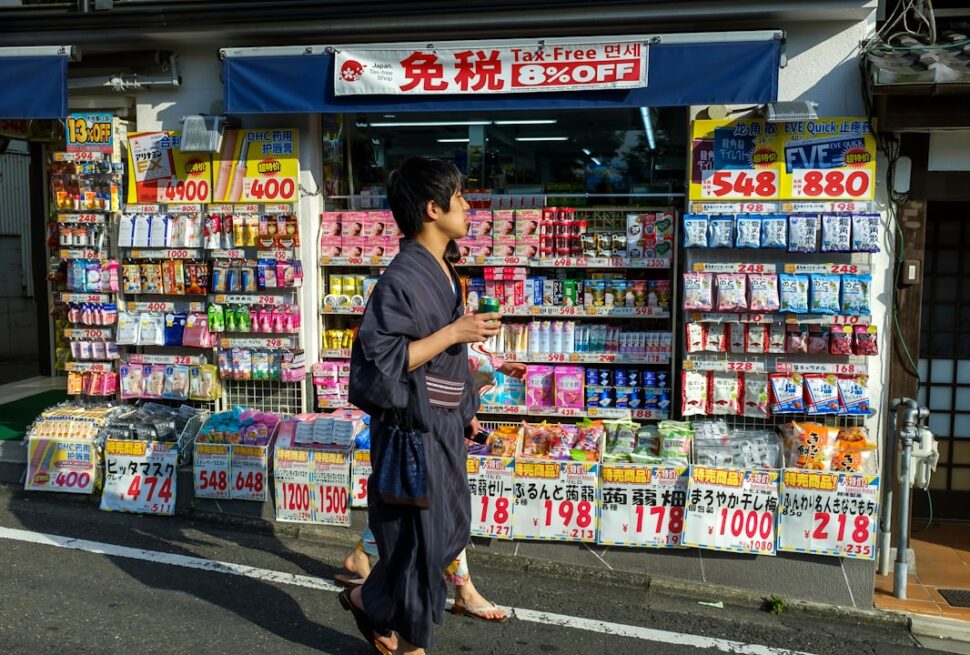
At some branches. Larger Daiso stores in tourist areas are registered for tax-free sales and will process an exemption on qualifying purchases above the threshold with a passport, and they display the tax-free signage at the entrance. Small neighbourhood branches are generally not registered. Note that Japan’s tax-free system for visitors is scheduled to change to a refund-at-departure model, so check the current arrangement before planning around it. Either way, carry your physical passport when shopping — a photograph is not accepted.
Related Tours


Conclusion
Find a multi-floor flagship rather than a branch in a shopping centre, and give it an hour. Kitchen tools, bento supplies, travel organisers, washi tape, and chopsticks will fill a basket for under three thousand yen and cover most of the gifts you need to take home.
Then spend a little more than you meant to on the ¥500 shelf. The higher price tiers are where Daiso is genuinely good rather than merely cheap, and a ¥550 item that lasts five years is a better souvenir than five ¥110 ones that do not survive the flight.
Plan Your Japan Trip with Local Experts
Our team has guided 40,000+ travelers across Japan. Tell us about your trip and we’ll get back to you within 24 hours.