In this article:
- A Shogun’s Retreat That Became a Zen Temple
- Walking the Grounds in the Order You Meet Them
- Planning Your Visit: Hours, Fees, and Getting There
- When to Go, and What to Pair It With
- Ginkakuji Temple: Frequently Asked Questions
Introduction
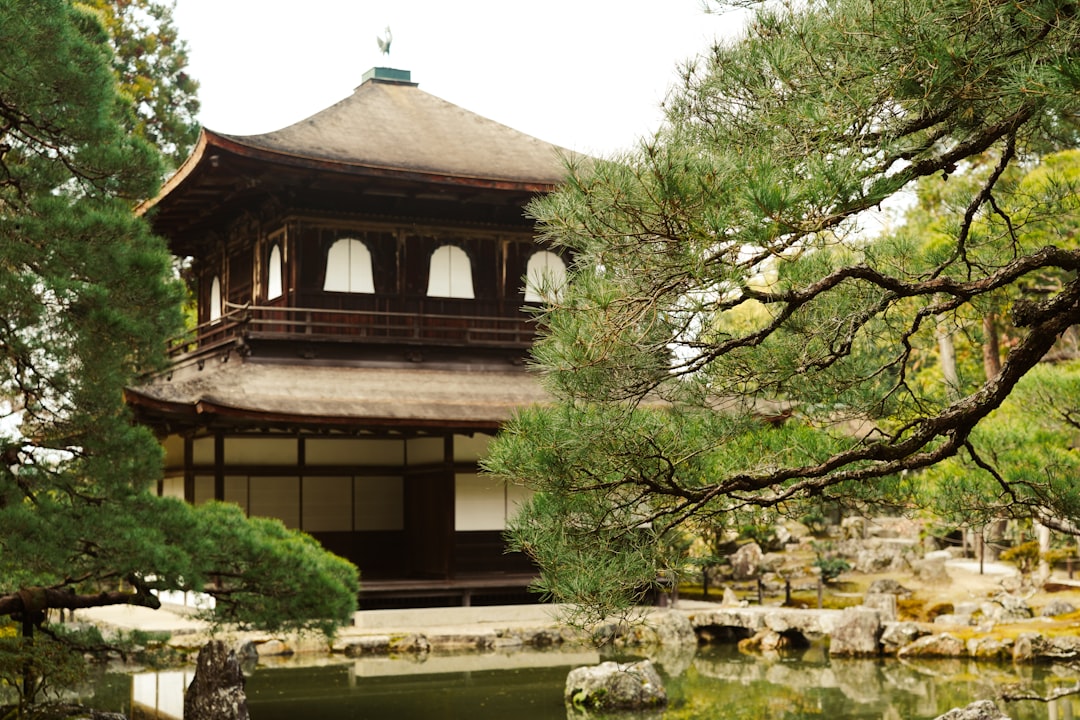
Ginkakuji temple is the quieter of Kyoto’s two famous pavilions, and the one that asks more of you. There is no gold leaf, no mirror-image shimmer on a lake. Instead there is a dark, modest two-story building, a cone of raked sand that looks almost modern, and a hillside of moss that most visitors walk past too quickly.
Walk through at half past eight on a weekday and the place makes immediate sense. The sand is freshly raked, the gardeners are still sweeping the paths, and the only sound is water running down from the hill. Arrive at eleven and you will be moving in a single file of school groups along a narrow loop, and the garden becomes something you photograph rather than something you sit with.
That difference is most of what we want to explain here. The temple is small, the visit is short, and the quality of it depends almost entirely on how and when you approach it.
A Shogun’s Retreat That Became a Zen Temple
Ginkakuji began as a private villa, not a place of worship. Its official name is Jisho-ji, and it belongs to the Shokoku-ji branch of Rinzai Zen, the same organisation that looks after Kinkakuji.
Ashikaga Yoshimasa and the Higashiyama Culture
The villa was built for Ashikaga Yoshimasa, the eighth Ashikaga shogun, as a retirement retreat in the eastern hills. Construction of the pavilion itself began in 1482, not long after the Onin War had left much of Kyoto in ruins. Yoshimasa was a poor ruler by most accounts. As a patron of the arts, however, he was extraordinary.
The circle around his villa shaped what historians call Higashiyama culture: the tea gathering, flower arrangement, ink painting, and the restrained style of interior that later became the template for the Japanese room. When you look at a tatami room with an alcove and a writing desk anywhere in Japan today, you are looking at a descendant of what was worked out here.
After Yoshimasa died in 1490, the villa was converted into a Zen temple, as he had arranged.
Why the Silver Pavilion Has No Silver
The building was never covered in silver. The most common explanation is that Yoshimasa intended to apply silver foil and died before the work was done, though historians disagree on whether the plan was ever serious. The nickname Ginkaku, “silver pavilion”, only came into use in the Edo period, well over a century later.
We think the missing silver is the point, whether or not anyone intended it. The dark wood and the moonlit sand in front of it fit the temple’s aesthetic far better than any metal would. If the idea of beauty in the unfinished and the weathered interests you, our guide to wabi-sabi and Japanese aesthetics covers the thinking behind it.
Ginkakuji and Kinkakuji: Two Different Ideas of a Villa
Kinkakuji, the Golden Pavilion, was built by Yoshimasa’s grandfather Ashikaga Yoshimitsu, and Yoshimasa is generally thought to have had it in mind. The comparison is irresistible and slightly misleading. Kinkakuji is a statement of power, designed to be seen from across the water. Ginkakuji is a place designed to be lived in, looked out from, and walked through.
Both are worth seeing. Still, they reward different moods, and we rarely schedule them back to back.
Walking the Grounds in the Order You Meet Them
The visit follows a one-way route, which makes it easy to understand if you know the sequence in advance. Most of the experience is garden rather than building.
The Hedged Approach
After the outer gate, the path turns into a long corridor between tall clipped hedges over a bamboo fence. It is a deliberate transition. The shops and noise of the approach road disappear, and you arrive at the inner gate with your attention narrowed. Walk it slowly; it is part of the design rather than a waiting area.
The Sea of Silver Sand and the Moon-Viewing Platform
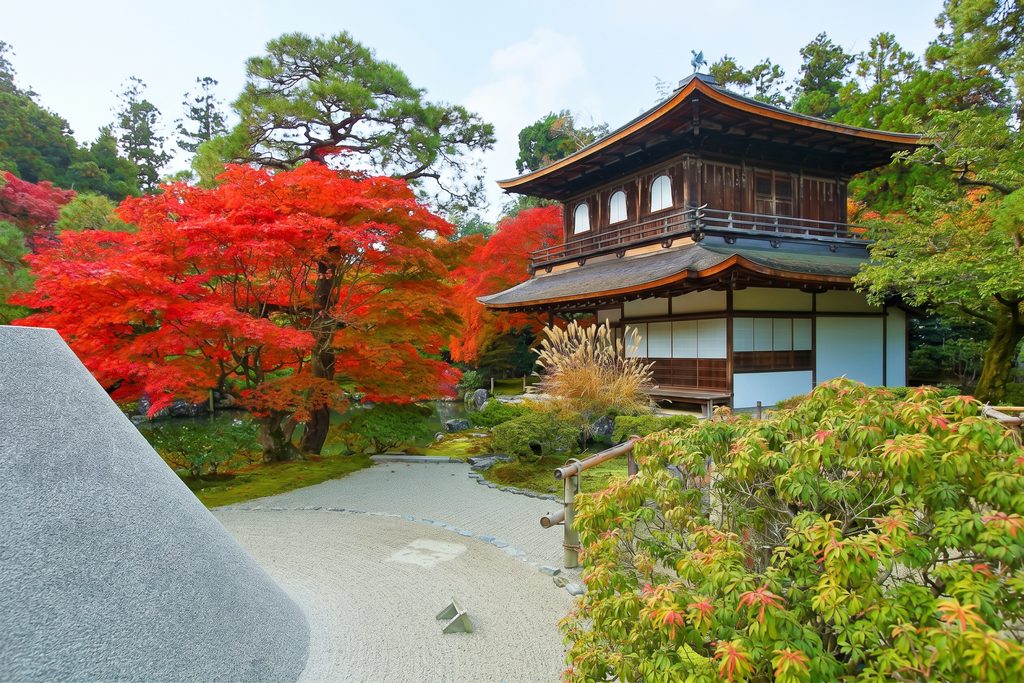
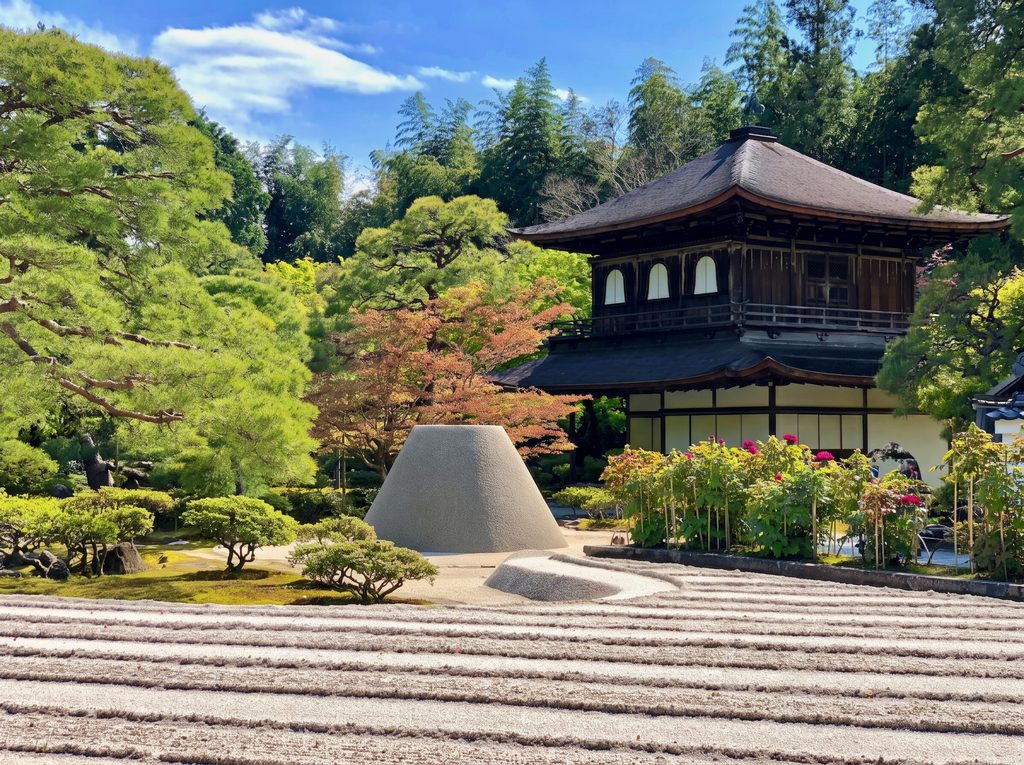
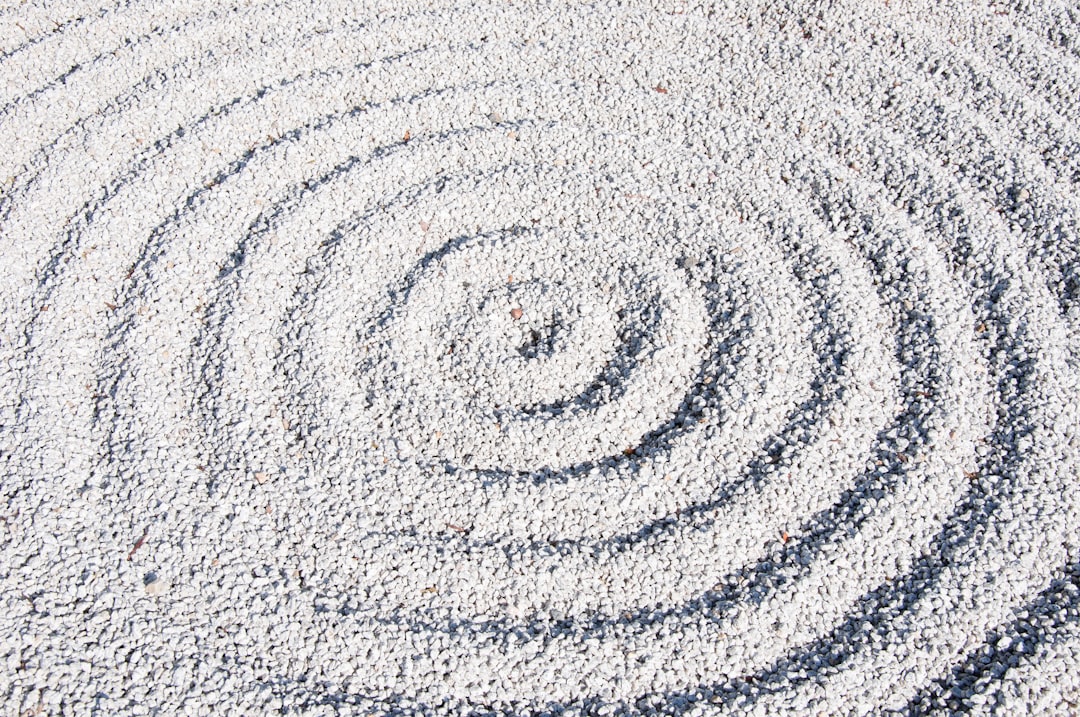
The first thing you see inside is the dry garden in front of the main hall. The broad, flat, raked terrace of white sand is the Ginshadan, the “sea of silver sand”, and beside it stands the Kogetsudai, a flat-topped cone of sand usually translated as the moon-viewing platform.
Both are generally thought to be later additions, shaped in the Edo period rather than in Yoshimasa’s time. That said, they have become the image of the temple. The temple describes the cone as appearing to sit on the eastern hills and hold the moon, and the pale sand as catching moonlight. In the flat light of early morning the ridged lines of the raking are sharper than at any other time of day.
The Kannon-den and the Togudo
The Silver Pavilion itself, properly the Kannon-den, sits beside the pond. Its lower floor is in a residential style, the upper floor in a Zen temple style, and a bronze phoenix stands on the roof. It is a National Treasure, and it is one of only two structures that survive from Yoshimasa’s time.
The other is the Togudo, a small hall to the side that was Yoshimasa’s private chapel and study. Inside is a four-and-a-half mat room called the Dojinsai, usually cited as the oldest surviving example of the shoin style of room that shaped Japanese interiors. It is also a National Treasure, and you will see it only from the outside on a normal visit.
Expert Tip
Stand on the far side of the pond from the Kannon-den before you move on to the moss garden. From there you see the pavilion, the sand, and the hillside behind it in one frame, which is how the garden was composed to be read. Most people photograph the pavilion from the path directly in front of it and never see the full arrangement.
The Moss Garden and the Hillside Path
Beyond the pond the path climbs into a moss garden under maples, past a small waterfall and a spring once used for tea water. This is the section people rush, and the section we would slow down for. The mosses vary in texture and colour across a few metres, and on a damp morning the whole slope is a deeper green than seems possible.
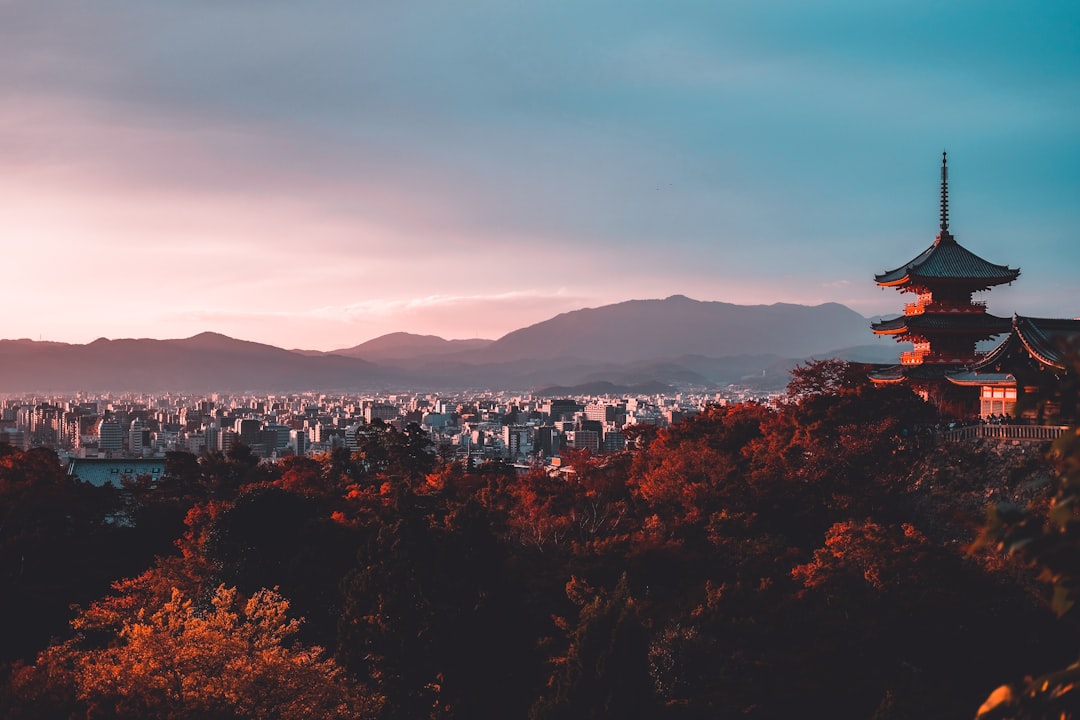
The path then rises to a viewing point on the hillside. From here you look down over the pavilion and the sand garden, with the rooftops of Kyoto and the western mountains beyond. It is the best view in the temple, and it comes at the end, which is exactly where it should be.
Planning Your Visit: Hours, Fees, and Getting There
The practical side of Ginkakuji is straightforward. The one thing to update from older guides is the fee.
Opening Hours and the 2026 Admission Fee
According to the temple, Ginkakuji opens from 8:30am to 5:00pm between March and November, and from 9:00am to 4:30pm between December and February. There are no regular closing days.
Admission was raised in April 2026 to ¥1,000 for adults, with a reduced rate for primary and middle school students. Many websites still show the old ¥500 figure. Bring cash; small temple ticket windows in Kyoto are not a reliable place to pay by card.
By Bus, or on Foot Along the Philosopher’s Path
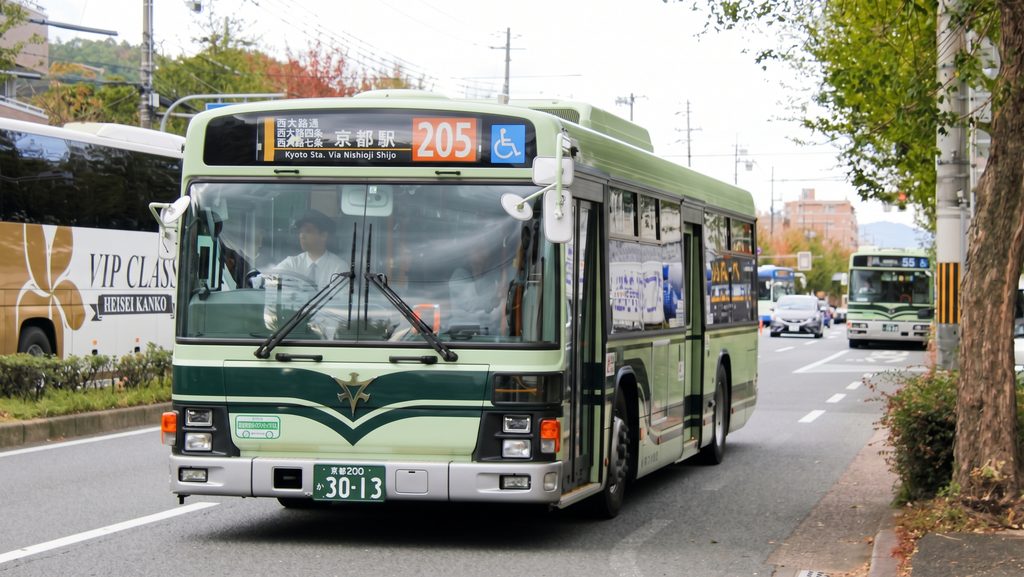
Several Kyoto city bus routes stop at Ginkakuji-michi, including the 5 from Kyoto Station, and a few others stop at Ginkakuji-mae. From either stop it is a short walk east and uphill along a street of souvenir shops and snack stalls to the gate. Expect the bus from Kyoto Station to take well over half an hour in normal traffic, and longer in peak season.
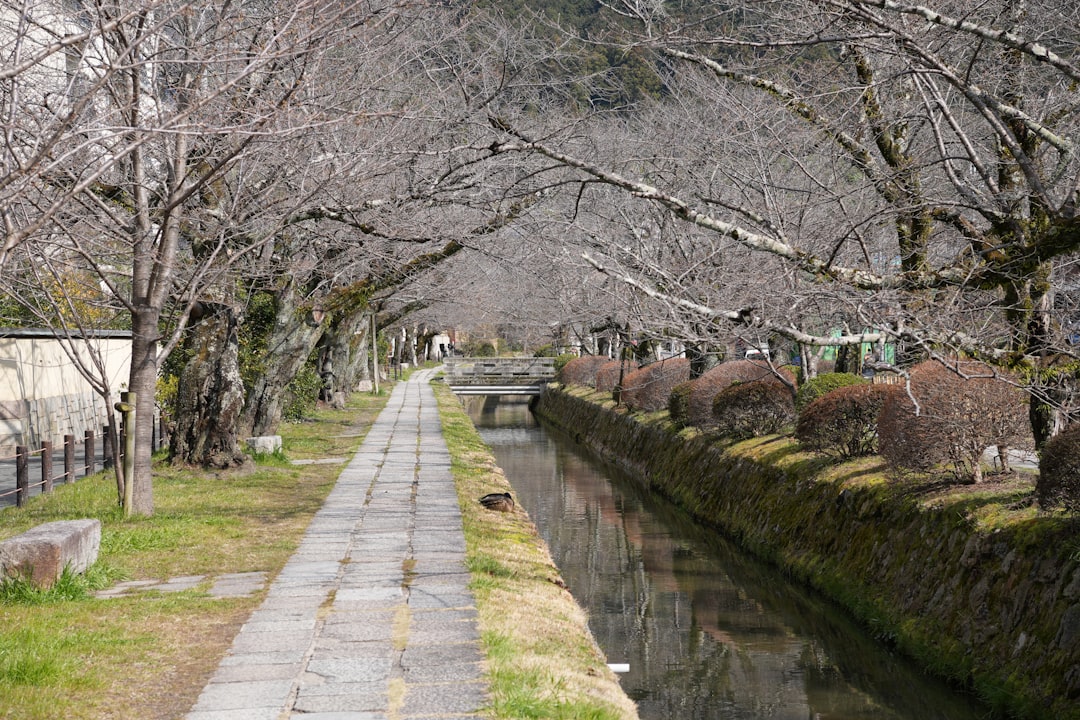
The better way to arrive, in our view, is on foot. Ginkakuji sits at the northern end of the Philosopher’s Path, the canal-side walk that runs south towards Nanzen-ji. Our guide to the Philosopher’s Path covers the route in detail.
Special Openings of the Interiors
On an ordinary day you visit the gardens only. The temple opens some interiors, including the Togudo and the abbot’s quarters, during limited special openings in spring and autumn, usually for an additional fee. Dates change each year, so check the temple’s own site close to your trip rather than relying on older listings. If you have a serious interest in Japanese architecture, the Dojinsai alone is worth planning around.
When to Go, and What to Pair It With
Timing matters more at Ginkakuji than at most Kyoto temples, because the route is narrow and the garden depends on stillness.
The First Hour and the Last Hour
We recommend arriving at opening time. The coaches and school groups tend to arrive from mid-morning, and by late morning the hillside path becomes a slow procession. In the first hour, by contrast, you can stop at the viewing point for as long as you like.
The last hour before closing is the second-best option. The light turns warm over the western hills, and the crowd thins as the tour groups head back to their hotels. It suits travelers who would rather not start early, and it pairs well with an afternoon walk up the Philosopher’s Path.
Weekends and public holidays are busier throughout. If your dates are flexible, a weekday morning is the right choice.
Seasons at Ginkakuji
Autumn is the busiest season, when the maples on the hillside turn and the contrast with the pale sand is at its strongest. The rainy season in June is underrated. Moss responds to humidity, and a soft grey morning makes the garden look the way it was meant to.
Winter is quiet and occasionally spectacular. On the rare mornings when snow settles on the Kogetsudai and the pavilion roof, the temple is at its best, and those mornings are worth changing plans for. Spring brings cherry blossom crowds to the Philosopher’s Path, although the temple garden itself is less about blossom than about moss and pine.
Expert Tip
The temple opens at 8:30am, but the approach road starts filling before then. Aim to be at the bottom of the slope by about 8:15, walk up while the shops are still shuttered, and you will be among the first through the gate. Those fifteen minutes decide whether the sand garden is empty when you reach it.
Building a Northern Higashiyama Morning
Ginkakuji works best as one stop in a walking morning rather than as a destination reached by taxi and left the same way. A sequence we like: begin at Ginkakuji at opening, walk south along the canal, stop at Honen-in, a small temple with a thatched gate just off the path, and continue towards Eikan-do and Nanzen-ji for lunch in the area.
Walking it the other way, south to north, has its own logic. You finish at Ginkakuji in the late afternoon with the light behind the city. Either way, avoid the common pattern of seeing Ginkakuji and Kinkakuji on the same morning. They sit at opposite corners of the city, and the bus between them eats the best part of the day.
This is the kind of routing our private Kyoto tour is built around. There is no fixed itinerary, so a guide can put Ginkakuji at opening, adjust the order to the crowds, and move on when a garden has had its due. The same logic runs through our early-morning walking tour, which reaches Kinkaku-ji before the coaches; the reasoning behind that approach is set out in our piece on why early mornings change Kyoto.
Ginkakuji Temple: Frequently Asked Questions
How long do you need at Ginkakuji?
The temple itself suggests about thirty minutes, and that is enough to walk the loop. We would allow forty-five minutes to an hour if you want to sit with the sand garden and linger on the hillside path. Add the walk up the approach road, and time on the Philosopher’s Path if you are combining the two.
Can you go inside the Silver Pavilion?
No. On a normal visit you see the Kannon-den and the other buildings from the garden paths only. Some interiors, such as the Togudo and the abbot’s quarters, open to the public during limited special openings in spring and autumn, but the pavilion itself is viewed from outside.
Is Ginkakuji worth visiting if I have already seen Kinkakuji?
Yes, and arguably more so. The two temples are often presented as a pair, but they offer very different experiences. Kinkakuji is a single striking view. Ginkakuji is a garden you move through, with the sand, the moss, and the hillside view each changing how you read the pavilion. If you only have time for one and prefer quiet to spectacle, we would choose Ginkakuji.
Related Tours


Conclusion
Ginkakuji is not a temple to tick off. It is short, it is modest in scale, and it gives back in proportion to the attention you bring. The travelers who come away most affected are the ones who arrived early, walked the hedge corridor slowly, and stayed at the hillside viewpoint longer than they planned.
Plan it as the first stop of a morning, not the third stop of an afternoon. Take the bus or a taxi to the gate for opening time, bring ¥1,000 in cash per adult, and leave yourself an unhurried hour afterwards for the walk south along the canal.
Plan Your Japan Trip with Local Experts
Our team has guided 40,000+ travelers across Japan. Tell us about your trip and we’ll get back to you within 24 hours.