In this article:
- Certification and What It Means
- Halal Japanese Food
- Prayer Facilities
- Apps and Directories
- Convenience Stores and Labels
- Halal Food in Japan: Frequently Asked Questions
Introduction
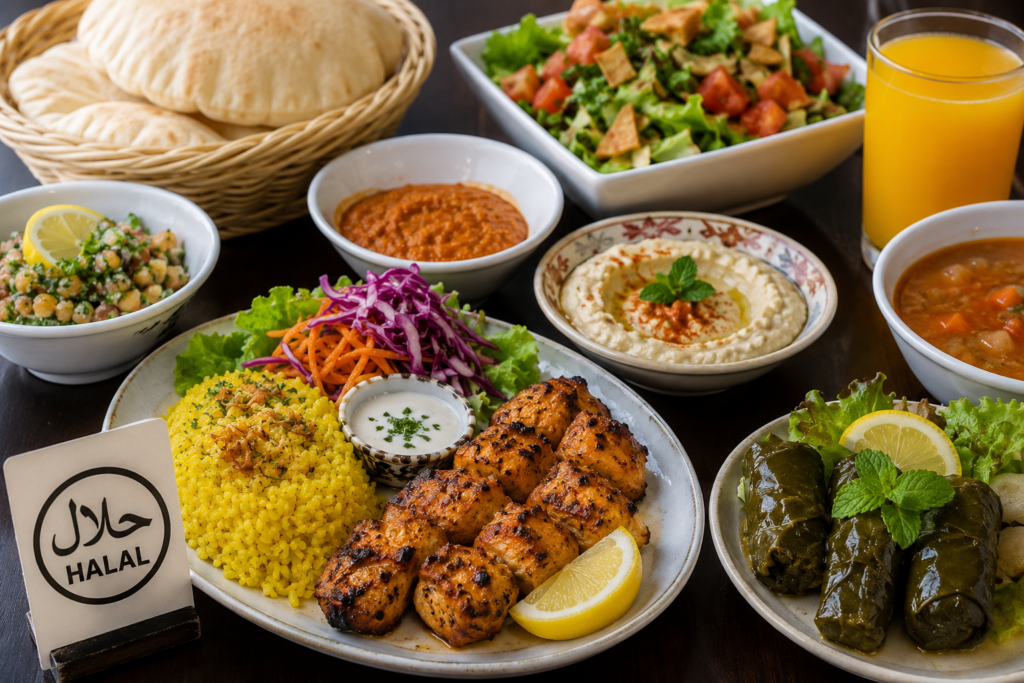
Japan has a small Muslim population and, until recently, very little halal infrastructure. That has changed substantially as visitor numbers from Indonesia, Malaysia, and the Gulf have grown — certified restaurants now operate in every major city, and airports and shopping centres have added prayer rooms.
It remains uneven. Tokyo, Osaka, and Kyoto are workable; a regional town may have nothing. Planning ahead matters more here than in most destinations.
Two specific ingredients cause most of the difficulty and neither is obvious: mirin, the sweet rice wine used in a large share of Japanese savoury cooking, and pork-derived gelatin and fat in processed foods.
Certification and What It Means
The distinction between full certification and Muslim-friendly is the first thing to understand.
The Growing Scene
Japan now has several hundred halal-certified or Muslim-friendly restaurants, concentrated in Tokyo, Osaka, Kyoto, Fukuoka, and Hokkaido. Several certification bodies operate, including the Japan Halal Association and the Japan Islamic Trust.
Certification is not centralised as it is in Malaysia or Indonesia, so certificates differ. Reputable restaurants display the certificate and the issuing body on the wall or at the entrance.
Certified vs Muslim-Friendly
Fully certified means the whole kitchen, supply chain, and preparation have been audited — no pork or alcohol on the premises at all.
Muslim-friendly is a looser and unregulated description. It may mean a halal menu prepared in a kitchen that also serves pork, or simply that pork-free options exist. If the distinction matters to you, ask directly which one applies rather than relying on the label.
Mirin and Gelatin
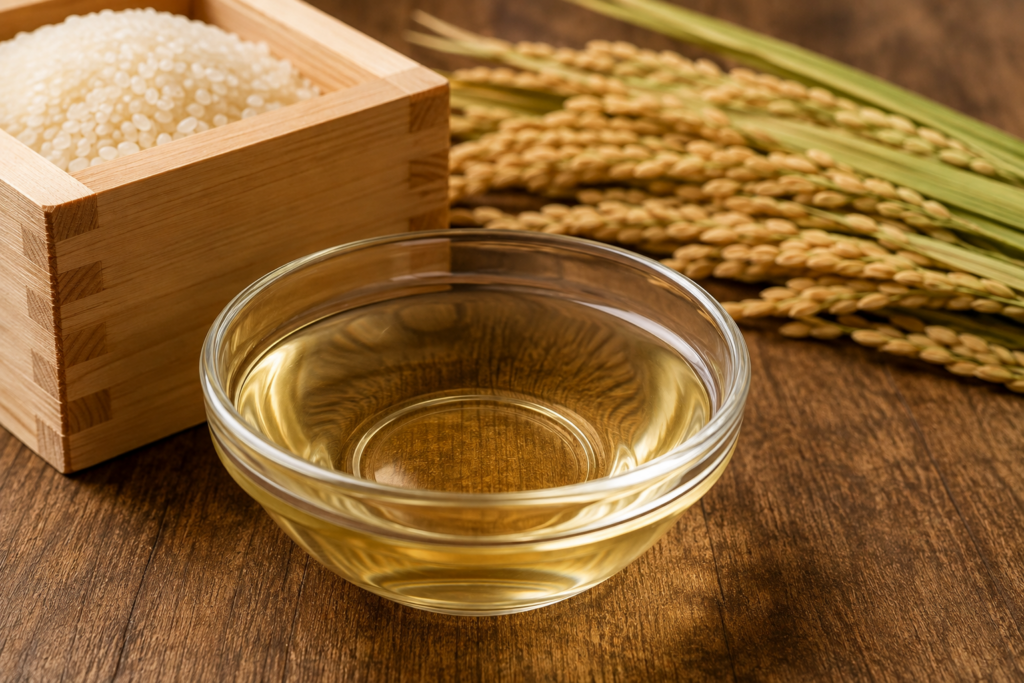
Mirin is a sweet rice wine used in teriyaki, simmered dishes, sauces, and glazes across Japanese cooking. Cooking sake is used similarly. Both are alcohol and both are largely invisible in the finished dish.
Pork gelatin appears in desserts, sweets, and some sauces. Lard is used in ramen broths and fried food. Even seemingly plain dishes frequently contain one of these, which is why certified restaurants rather than ingredient-checking is the more practical approach in Japan.
Expert Tip
Ask about mirin specifically, not just about alcohol. Japanese cooks generally do not think of mirin as an alcoholic drink — it is a seasoning that lives next to the soy sauce. A question about whether a dish contains alcohol will often get an honest no from a kitchen that used mirin in it. The word to use is mirin, and staff will understand immediately.
Halal Japanese Food
The certified options now cover most of what a visitor would want to eat in Japan.
Halal Ramen
Ramen is normally impossible — pork bone broth, pork chashu, lard. Certified shops have rebuilt it on chicken or seafood stock.
Naritaya near Senso-ji in Asakusa is fully halal certified and one of the best known. Ayam-YA operates halal ramen in Tokyo and Kyoto with chicken-based broth. Honolu has halal branches in several cities. Check current status before travelling; the scene changes.
Halal Wagyu
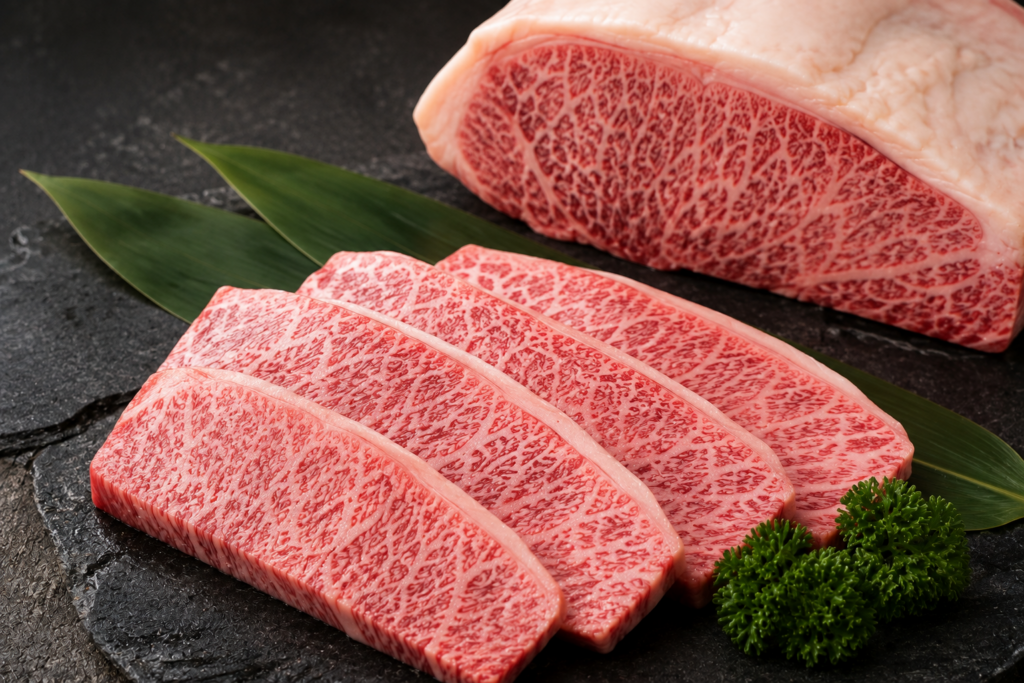
Halal-certified wagyu yakiniku restaurants operate in Tokyo and Kyoto, sourcing from certified slaughterhouses. This is the meal most visitors most want and it is genuinely available.
Prices are higher than non-halal equivalents because the supply chain is smaller. Reservations are recommended, particularly in Kyoto where the number of restaurants is limited.
Tempura, Curry, and Sushi
Halal tempura restaurants use dedicated oil and alcohol-free batter. Halal Japanese curry is available at several outlets, and some kaiseki restaurants will prepare halal courses with advance notice.
Sushi is easier than most dishes — fish and rice — but sushi rice vinegar sometimes contains alcohol, and soy sauce is a fermented product on which opinion differs among scholars. Certified sushi restaurants exist and remove the question.
Prayer Facilities
Prayer room provision has improved substantially and is now reasonable in transport hubs and major retail.
Airports
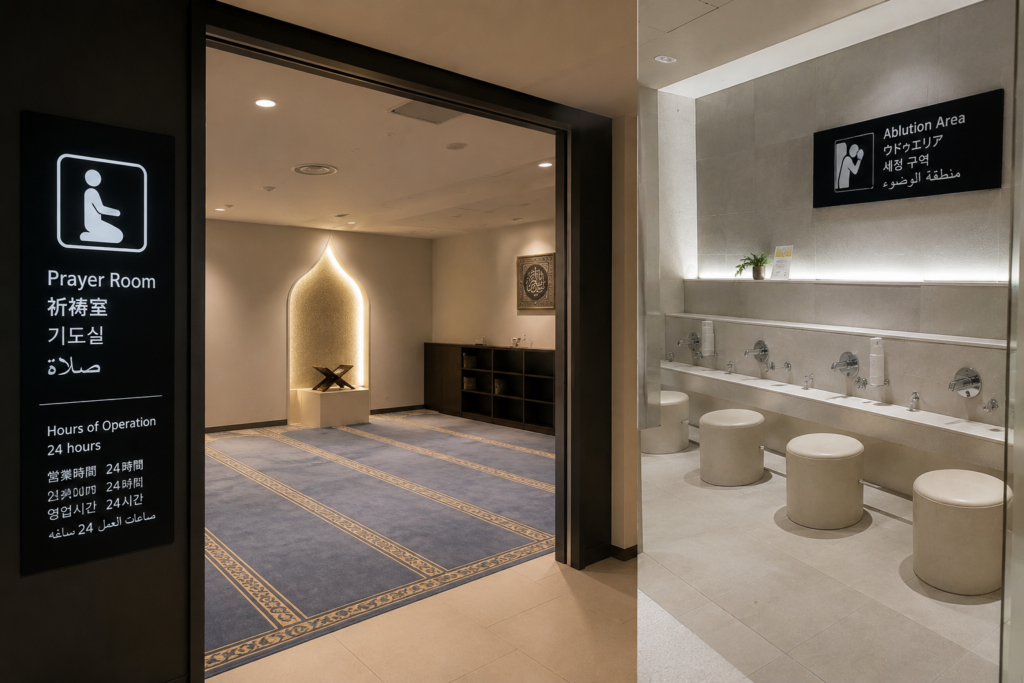
Haneda, Narita, and Kansai all have dedicated prayer rooms with ablution facilities, in both domestic and international terminals. Chubu Centrair and New Chitose also provide them.
Locations are marked on terminal maps as prayer rooms or multipurpose rooms. Information counters will direct you if the signage is unclear.
Stations and Shopping Centres
Kyoto Station, Tokyo Station, and several major department stores and shopping complexes now provide prayer rooms, as do some large tourist facilities.
Provision remains inconsistent outside major hubs. The apps listed below map these, and it is worth checking your day’s route in advance rather than assuming.
Mosques

Tokyo Camii in Yoyogi-Uehara is Japan’s largest mosque, built in Ottoman style with a Turkish cultural centre attached. It welcomes visitors outside prayer times and offers tours.
Kobe Mosque, completed in 1935, is Japan’s oldest and survived both the wartime bombing and the 1995 earthquake. There are now more than a hundred mosques nationwide, including in most major cities.
Apps and Directories
Digital tools do most of the work of finding halal food in Japan.
Halal Navi
Halal Navi maps halal and Muslim-friendly restaurants with GPS, user reviews, and certification status, and has good coverage of Japan.
User reviews are the valuable part, since they report whether a listed restaurant is genuinely certified or loosely Muslim-friendly. Listings change, so check recent reviews rather than the listing alone.
Official Tourism Guides
The Japan National Tourism Organization and several prefectural boards publish Muslim traveler guides covering restaurants, prayer facilities, and mosques, available free online and at tourist information centres.
Kyoto, Osaka, and Hokkaido have produced particularly thorough versions. They are more reliable for prayer room locations than crowd-sourced apps.
Booking Ahead
For higher-end meals — halal kaiseki, wagyu, or a ryokan dinner — advance booking is essential rather than advisable. These are prepared to order with sourced ingredients.
Give at least a week’s notice for a ryokan, and specify mirin and cooking sake explicitly alongside the pork and alcohol requirement.
Convenience Stores and Labels
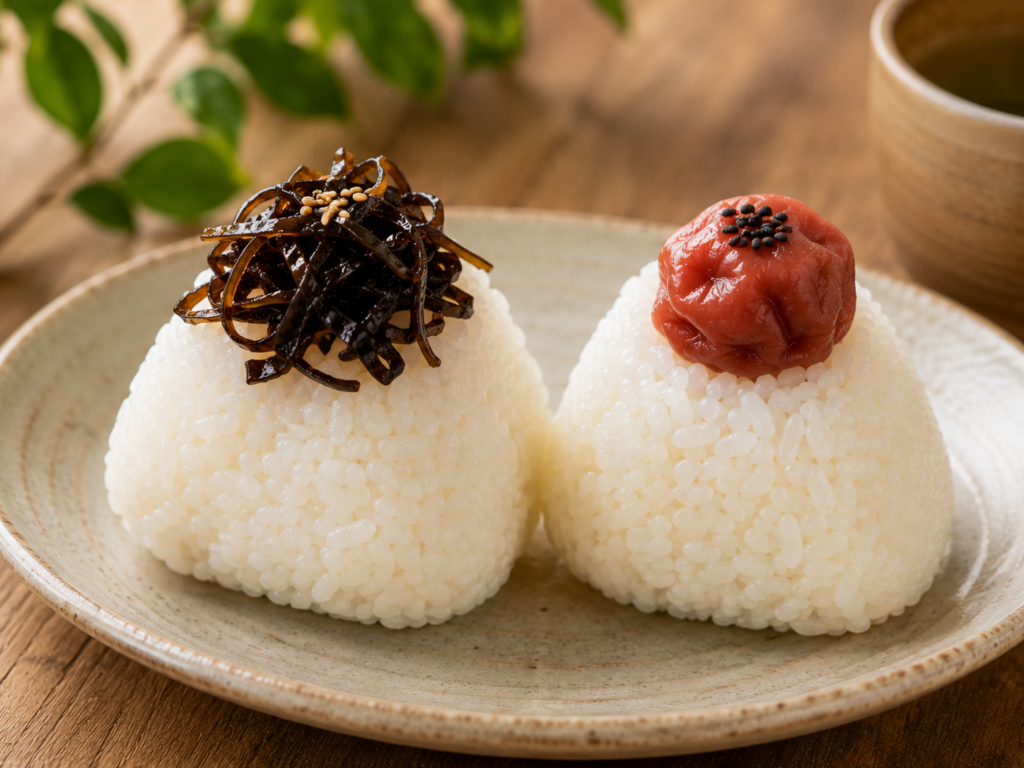
Konbini require care but offer workable options.
Characters to Recognise
豚肉 is pork, 豚脂 or ラード is lard, 酒 is alcohol, みりん is mirin, and ゼラチン is gelatin. Japanese packaged food carries a full ingredients list.
Note that gelatin is not required to specify its source, so it should be assumed unsafe unless certified. Translation apps handle labels adequately, but recognising these directly is faster.
Safer Picks
Salted and umeboshi onigiri, plain rice balls, fresh fruit, nuts, plain yoghurt, edamame, and unflavoured dairy are generally straightforward.
Seafood onigiri such as tuna mayonnaise and salmon are usually fine on ingredients, though mayonnaise and seasonings should be checked. Anything fried or processed should be treated with caution.
Certified Products
Some Japanese manufacturers now produce halal-certified products for export and domestic sale, including snacks, instant foods, and seasonings.
Larger supermarkets in areas with Muslim populations, and international food shops in Tokyo and Osaka, stock halal meat and certified goods. Kobe and parts of Tokyo have established halal butchers.
Expert Tip
Ryokan and traditional inns can often accommodate halal requirements with sufficient notice, but the request needs to be specific. Stating no pork and no alcohol is not enough — mirin and cooking sake are used throughout Japanese cuisine and will not be understood as covered by that phrasing. Name them explicitly in writing when you book.
Halal Food in Japan: Frequently Asked Questions
Is halal food available outside the major cities? Coverage is good in Tokyo, Osaka, Kyoto, Fukuoka, and parts of Hokkaido, and thin elsewhere. For regional travel, plan around supermarkets, seafood and vegetarian options with careful questioning, and carry certified snacks. Some regional tourist boards now publish local Muslim guides.
Are seafood or vegetarian restaurants automatically halal? No. Mirin and cooking sake are used extensively in both, and many vegetarian dishes are seasoned with them. Kitchens may also handle pork. Vegetarian and seafood restaurants are a useful starting point but still require asking about mirin specifically.
Where are wudu facilities in airports? Haneda, Narita, and Kansai prayer rooms include ablution areas. Facilities vary between terminals — check the airport’s own website for the specific terminal, or ask at an information counter, where staff will know the location.
Related Tours
Conclusion
Use certified restaurants rather than trying to assess ordinary ones. Japanese cooking uses mirin so widely, and so invisibly, that ingredient-by-ingredient checking is unreliable in a way it is not in most cuisines.
Book the special meals a week ahead and name mirin and cooking sake in the request. For everything else, Halal Navi and the official prefectural guides will keep you fed in any major Japanese city.
Plan Your Japan Trip with Local Experts
Our team has guided 40,000+ travelers across Japan. Tell us about your trip and we’ll get back to you within 24 hours.