In this article:
- What an izakaya actually is
- The best Tokyo neighborhoods for izakaya
- What to order: the essential izakaya food and drink
- Izakaya culture: how to behave, what to know
- Guided vs. self-guided izakaya touring
- Practical tips and budget
- Frequently asked questions
Introduction
The izakaya — Japan’s informal drinking establishment, closer in character to a British pub than a restaurant — is the social institution most central to how Tokyo actually functions after work hours. The after-work ritual of stopping for drinks and small plates with colleagues before the commute home is not just common; it’s structural to the city’s social fabric. The company you work for, the year you joined, the section you belong to — these are negotiated and reinforced at the izakaya table as much as at the desk.
For visitors, the izakaya offers something genuinely difficult to access elsewhere: the version of Tokyo that isn’t oriented toward tourism. The good ones don’t have English menus. The best ones don’t have visible storefronts. A table at a serious izakaya at 7pm on a Wednesday in a neighborhood like Shinjuku or Yurakucho, with the ordering done correctly and the seasonal specials identified, produces the most specifically Tokyo experience available at any price point.
This guide covers how to find the right izakaya, what to order, and how to navigate the culture.
What an Izakaya Actually Is
The Format
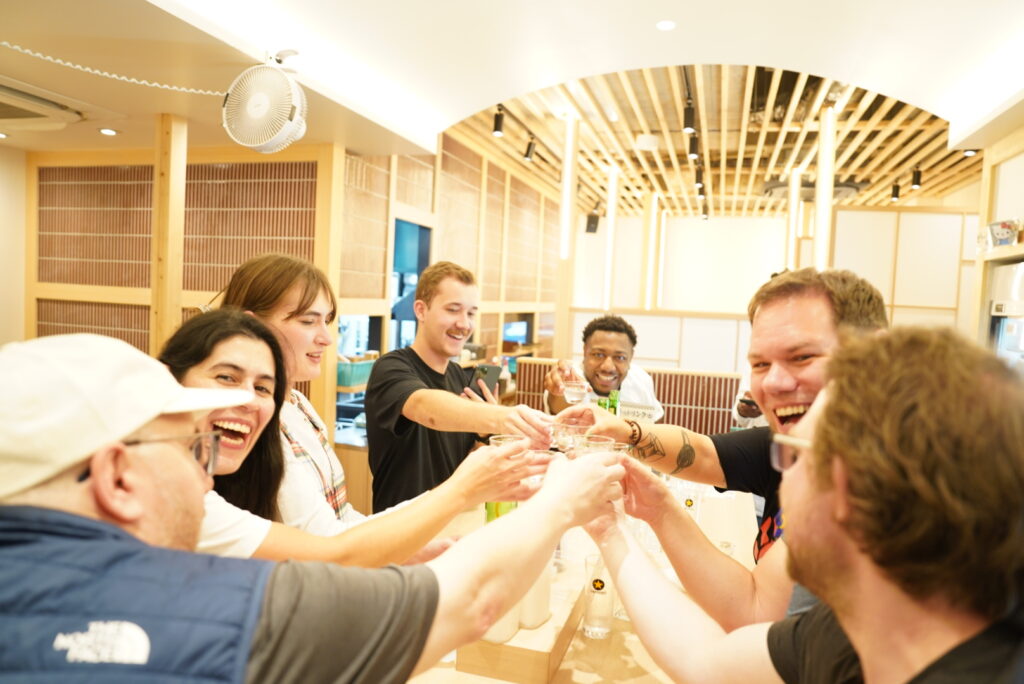
Izakaya are drinking establishments that serve food — the opposite emphasis of a restaurant that happens to have a bar. The standard format: you sit down, drinks are ordered immediately (beer, highball, sake, shochu), food is ordered in waves rather than as a progression, and the session runs as long as it runs. There’s no course structure, no pacing imposed by the kitchen.
The food tends to be small plates, designed for sharing and for sustaining a long evening: yakitori (grilled chicken skewers), edamame, karaage (fried chicken), agedashi tofu (fried tofu in broth), dashimaki (egg roll), salted cabbage, seasonal dishes specific to the region and the kitchen. The menu changes with the season.
Tachinomi: Standing Bars
A subset of izakaya culture is tachinomi (standing drinking) — smaller, louder, cheaper, and more ephemeral than table-service izakayas. Standing bars are common near train stations, under elevated tracks, and in neighborhood alley systems. They’re accessible entry points: no reservation, no commitment, ¥500–800 per drink, easy to stay for one round and move on. They’re also where office workers congregate at 5pm on a Friday, and the atmosphere reflects this.
The Best Tokyo Neighborhoods for Izakaya
Yurakucho Under the Tracks
The stretch of izakayas and yakitori stalls beneath the elevated Yamanote Line tracks between Yurakucho and Shimbashi is one of the most specifically Tokyo eating environments in the city. The industrial context — rusted iron columns, the overhead rumble of trains every few minutes, smoke from charcoal grills — is at odds with the Ginza financial district directly across the street. Office workers in suits eat skewers at plastic tables. Beer is served in large frosted mugs.
This is one of the only places in central Tokyo where you can eat excellent yakitori for ¥2,500–3,500 per person, and the experience has been continuous, roughly in this form, since the 1950s.
Shinjuku: Scale and Variety
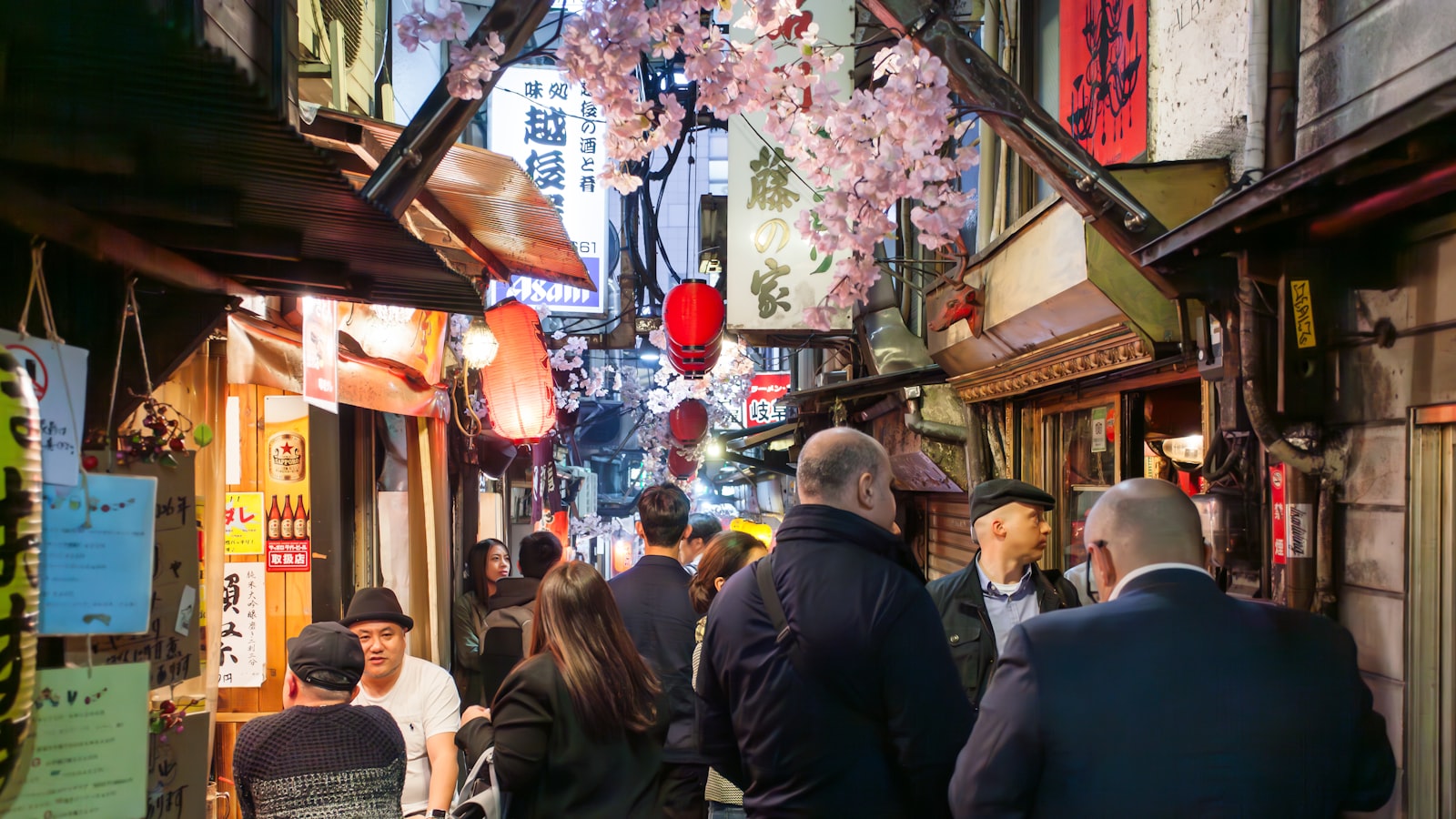
Shinjuku has the greatest concentration and range of izakayas in Tokyo — from the smallest standing counter in Golden Gai (10 people maximum) to large chain izakayas (Torikizoku, Watami, Tsubo-Hachi) with table service and picture menus to the yakitori specialists under Omoide Yokocho’s low roof. A bar crawl across these formats in a single evening covers more of izakaya culture than most visitors encounter in a week of individual meals.
Shibuya, Shimokitazawa, and Western Tokyo
Shimokitazawa’s izakayas serve a neighborhood that skews younger and more independent-minded than Shinjuku’s salarymen culture. The places here are often slightly grungier, with more craft beer and natural wine alongside the shochu, and crowds that include musicians and artists alongside office workers. For travelers interested in contemporary Tokyo culture alongside the classic izakaya format, the western neighborhoods offer a different version.
What to Order
Drinks
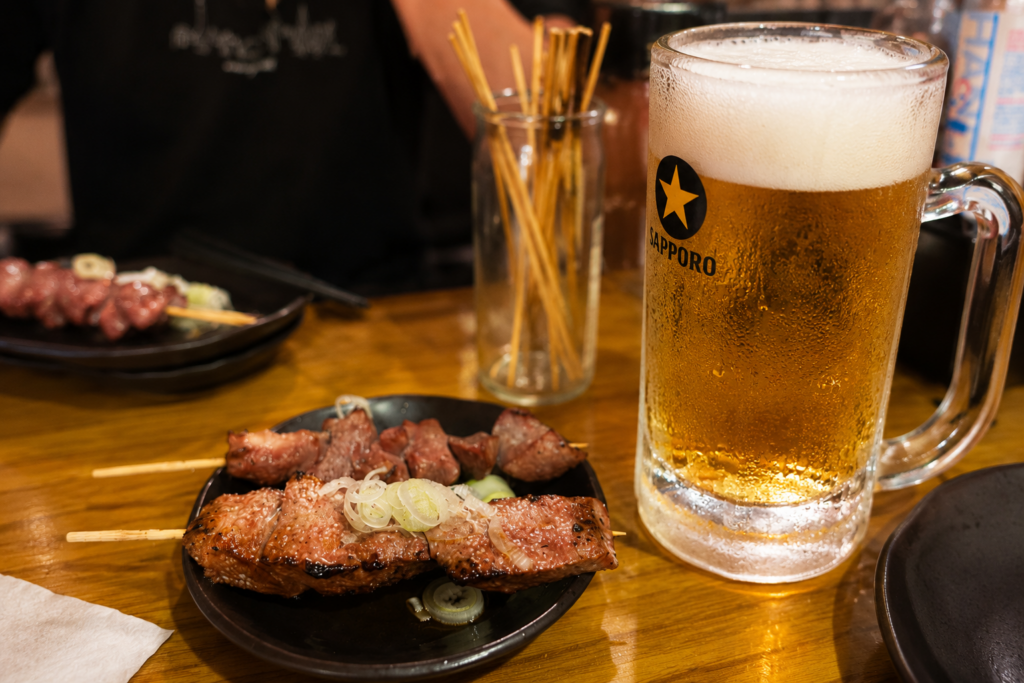
The standard first order at a Japanese izakaya is beer — typically draft lager (Sapporo, Kirin, Asahi, Suntory) served very cold in a frosted mug. After the first round, the options expand: highball (Japanese whisky and soda, ¥400–600), shochu (distilled spirit, served with hot water, cold water, or on the rocks), sake by the carafe, or umeshu (plum wine, sweeter and lower alcohol).
Japanese craft beer is increasingly available at izakayas in younger neighborhoods — Yo-Ho Brewing, Coedo, Baird Beer are reliable names if you see them on tap.
Food
Order in waves rather than all at once — the kitchen produces things at different speeds and the format rewards ongoing ordering. Good first orders at any izakaya: edamame (free at some, ¥200–300), dashimaki tamago (sweet rolled egg), karaage (fried chicken, typically excellent), and whatever the seasonal special is if the server mentions one.
For yakitori specifically: thigh (momo), skin (kawa), and the specific piece that mixes dark meat, green onion, and leek (negima) are reliable entry points. Heart (hatsu) and liver (reba) are worth trying if you eat offal — the treatment is clean and the freshness at a good yakitori counter makes them different from what you might expect.
The Otoshi (Table Charge)
Many izakayas charge an otoshi — a small cover charge (¥300–700 per person) that arrives at the table as a small appetizer when you sit down. This is not a scam; it’s standard practice equivalent to a cover charge. The appetizer that accompanies it varies but is usually appropriate and sometimes very good.
Expert Tip
The seasonal specials (osusume) are the best food at any izakaya — the kitchen ordered something specific that day because the supply was exceptional, and those dishes disappear first. If your server mentions something when you sit down, or there’s a handwritten board near the counter, those are the items worth ordering before the table next to you gets them. Ask your guide, or point to the board and say “kore mo” (this too) when ordering.
Izakaya Culture: How to Behave
The social norms at an izakaya are relaxed by Japanese standards. Volume is higher, conversation is less filtered, and the rules that govern other social environments (formal restaurants, temples, public transit) are loosened. Still, some behaviors mark you as either understanding the culture or not:
Pour for others before pouring for yourself — this is the basic social gesture of the izakaya table. When someone fills your glass, make a gesture of receiving it with two hands or a slight lean forward. At the first round, wait for someone to call kampai (cheers) before drinking. These are small gestures that make a real difference to how the evening feels.
Don’t ask to split items on the bill. The izakaya operates on the assumption that the table shares everything and settles collectively at the end.
Practical Tips and Budget
Budget for a serious izakaya evening with multiple drinks and substantial food: ¥3,000–5,000 per person. For Yurakucho yakitori (standing or small tables under the tracks), ¥2,000–3,500 covers a full evening with drinks. Golden Gai bars add ¥500–1,000 per venue as table charges.
Cash is preferred at older izakayas and almost all yakitori stalls. Carry ¥5,000–8,000 for a multi-stop evening.
Frequently Asked Questions
Do izakayas in Tokyo have English menus? Tourist-area izakayas often do. Neighborhood izakayas typically don’t. The best izakayas — the ones that have been doing this for decades — are almost always in the second category. A guided tour, or the Google Translate camera function, closes the gap.
Is it okay to go to an izakaya alone? Completely normal. Many izakayas, especially those with counter seating, are designed for solo customers. The bar culture in Japan is entirely solo-friendly.
How late do izakayas stay open? Most in Shinjuku and Shibuya run until 1–2am or later. Yurakucho’s stalls tend to close earlier (midnight on most nights). Standing bars near major stations often close when the last train has run and the clientele have departed.
Related Tours

Conclusion
The izakaya is where Tokyo is most itself — the hierarchy and formality of Japanese professional life suspended for an evening over shared plates and cold beer. Getting this experience right requires knowing where to go and how to order, but the ingredient that can’t be provided by any guide is genuinely wanting to participate in the culture rather than observe it. The difference between watching an izakaya evening and being part of one is as much attitude as logistics.
Plan Your Japan Trip with Local Experts
Our team has guided 40,000+ travelers across Japan. Tell us about your trip and we’ll get back to you within 24 hours.