In this article:
- Meeting Nara’s Sacred Deer
- Feeding Shika Senbei and the Bow
- Todai-ji and the Great Buddha
- Safety Guidelines
- Beyond the Main Park
- Nara Deer Park: Frequently Asked Questions
Introduction
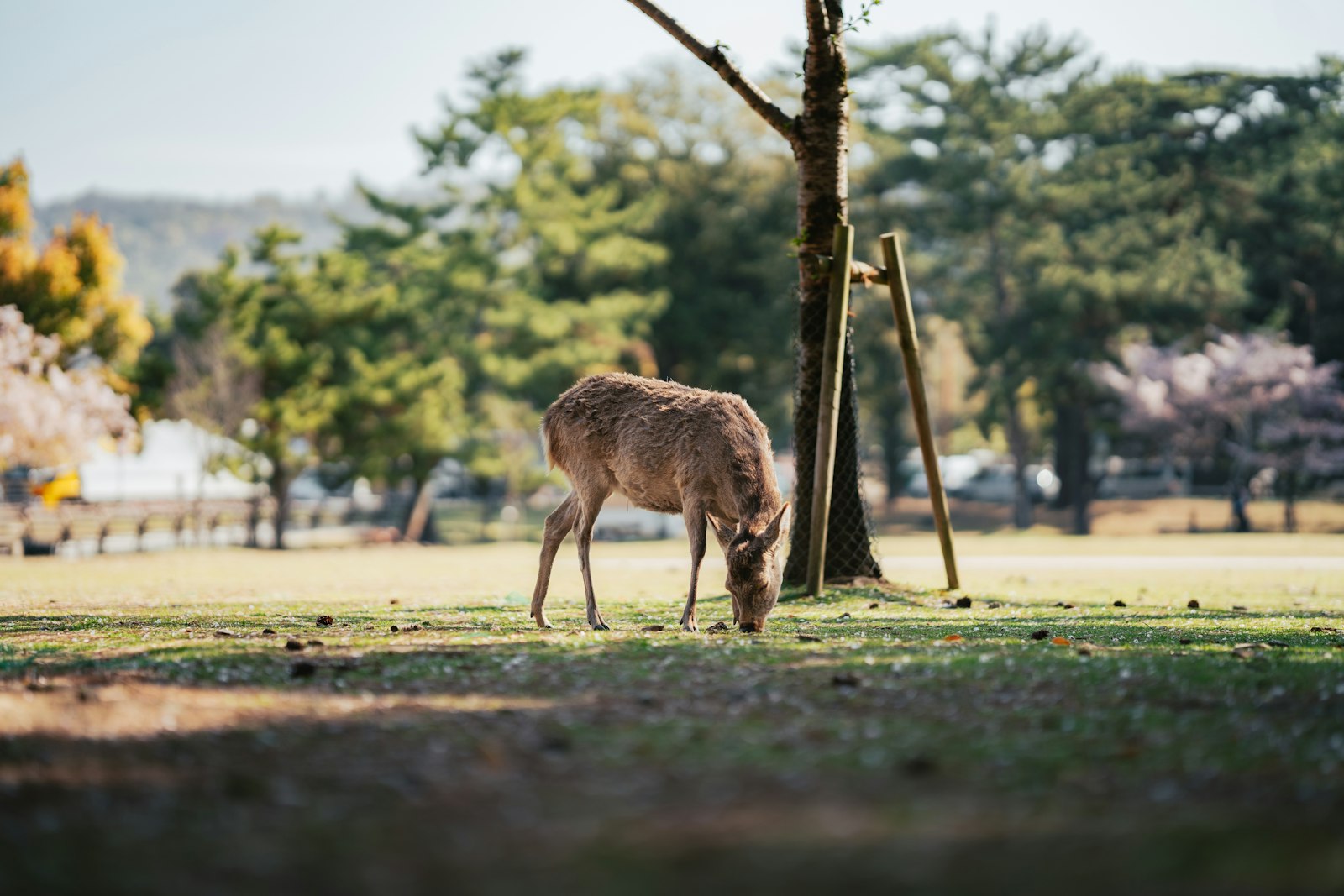
Nara was Japan’s capital more than 1,200 years ago, and it holds temples of extraordinary scale and age. But most visitors come first for the deer. More than a thousand of them roam the park freely, unbothered by the crowds, and some have learned to bow their heads at people holding the crackers sold throughout the park.
It is charming, occasionally chaotic, and easy to get slightly wrong. Here is how to enjoy the deer, see the great temples around them, and keep both yourself and the animals safe.
Meeting Nara’s Sacred Deer
The deer are not simply a tourist attraction; they carry real cultural weight.
Protected as Sacred
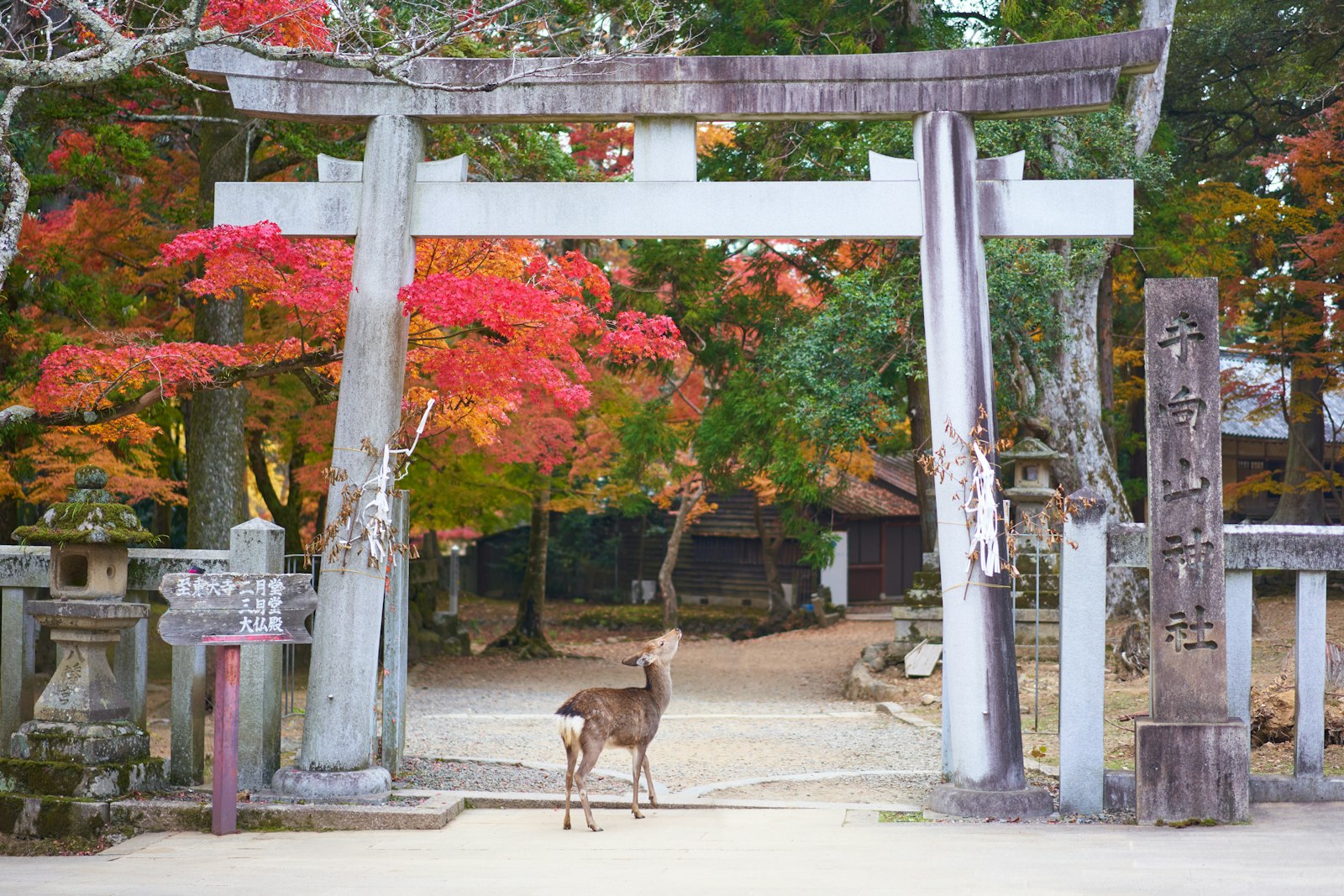
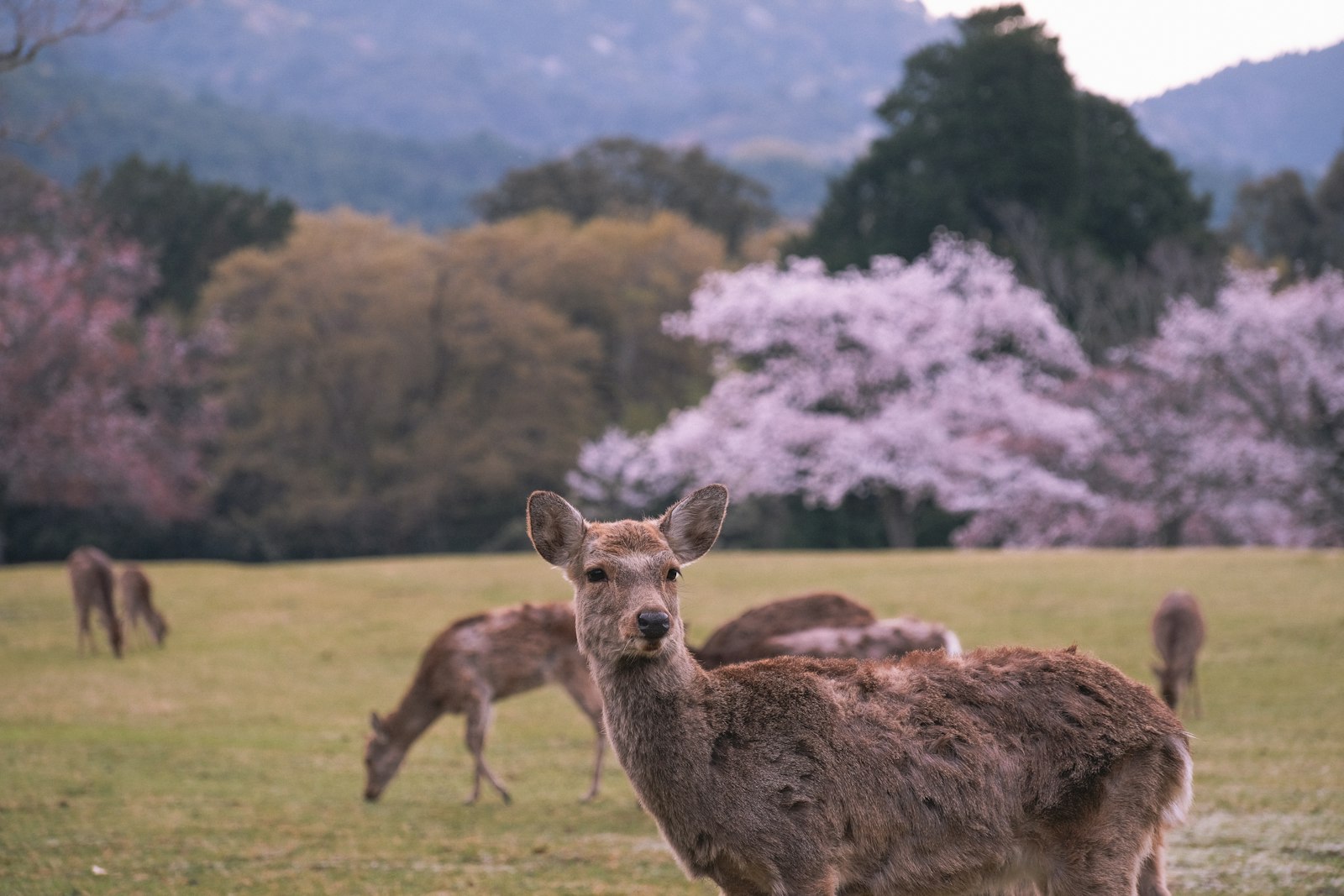
Nara’s deer are wild animals that live freely across the park and surrounding streets, and they are protected as a natural treasure. Rather than being penned, they share the space with people, wandering the lawns, sidewalks, and temple approaches as they please.
The Legend of Kasuga Taisha
The deer’s sacred status traces to the legend of Kasuga Taisha shrine, in which a deity is said to have arrived in the region riding a white deer. From that story, the deer came to be regarded as messengers of the gods, and their protection became a local tradition that endures today.
Living Alongside People
Watching the deer move calmly among traffic, shops, and visitors is part of Nara’s charm. They are habituated to people but genuinely wild, which is worth remembering: they are not tame pets, and they behave on their own terms.
Feeding Shika Senbei and the Bow
Buying the Crackers
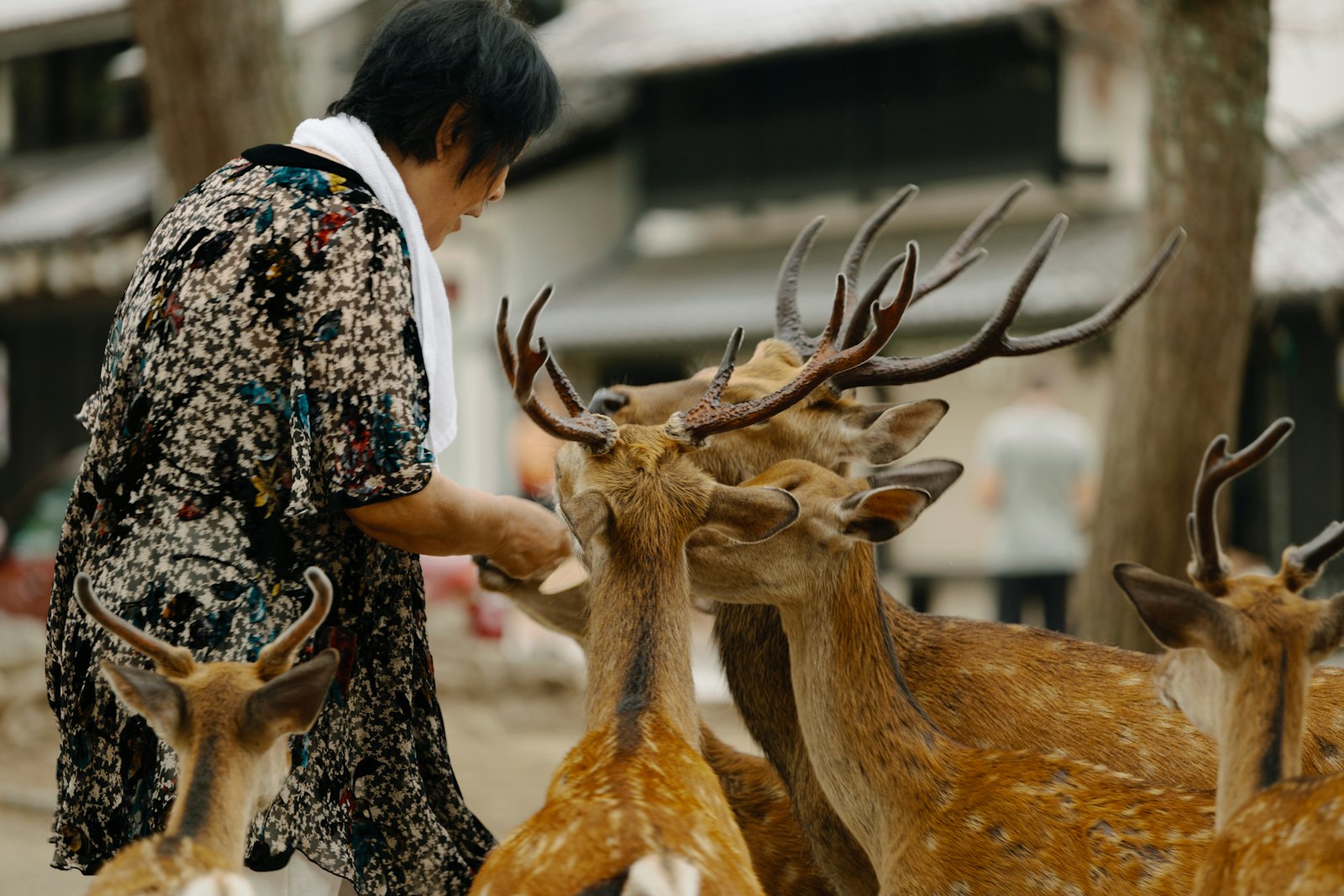
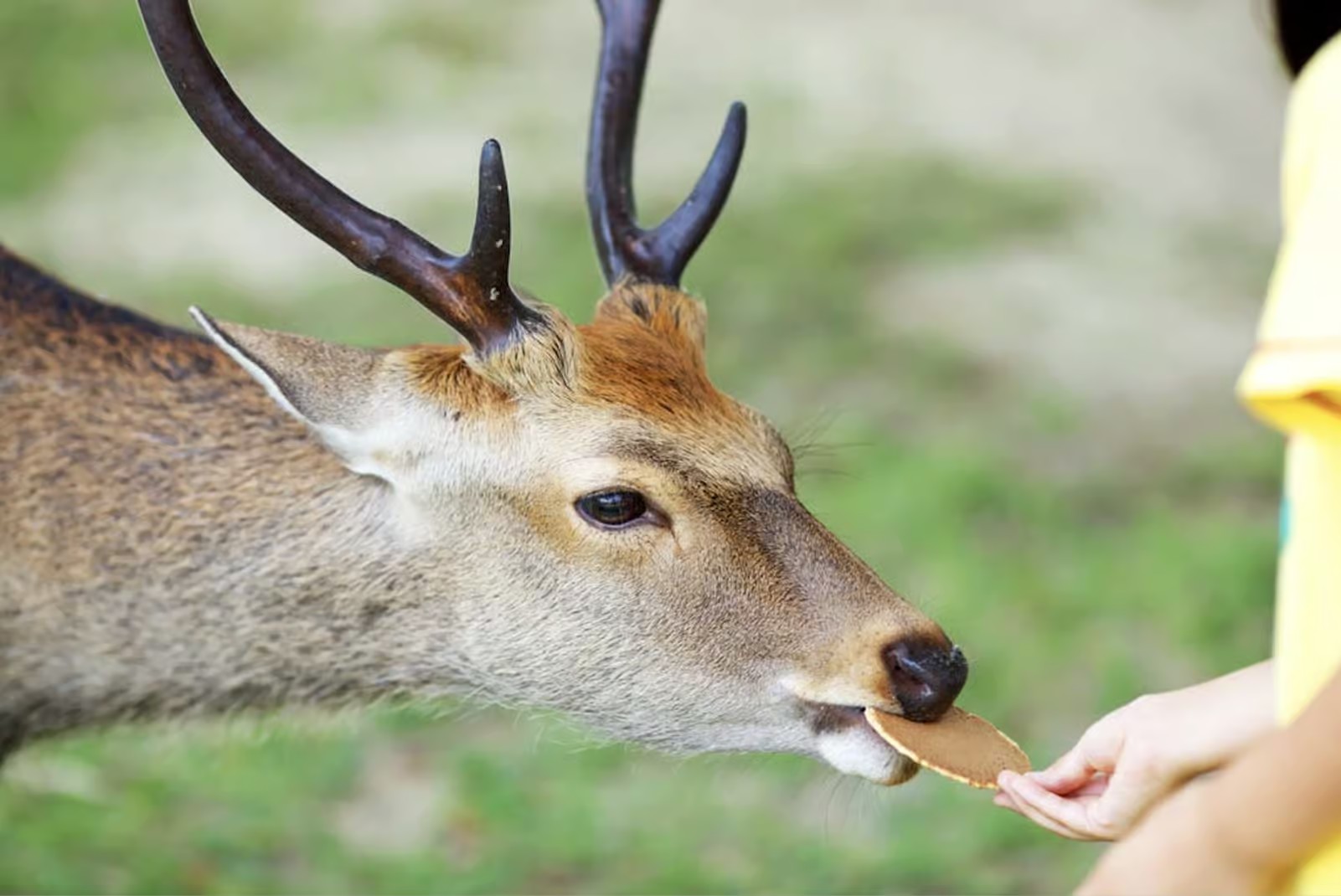
Vendors throughout the park sell shika senbei, special rice-bran crackers made specifically for the deer and safe for them to eat. Buy these rather than feeding the deer anything else — human food and snacks can harm them, and the official crackers are cheap and everywhere.
How to Get a Bow
Some deer have learned to bow their heads for food. Hold up a cracker, and a bowing deer may lower its head to you in a nod; a small bow back is part of the fun. Not every deer bows, and the behavior is learned rather than universal, so treat a bow as a bonus, not a guarantee.
Hide Your Crackers Between Feeds
Once the deer see you have crackers, a group may gather quickly and press in. Feed them promptly and keep the crackers out of sight — inside a bag — between feeds, or you may be followed and nudged persistently. Do not tease the deer by withholding food you have shown them, as it encourages nipping.
Expert Tip
Buy your deer crackers only when you are ready to feed, and hand them out quickly rather than posing for a long photo with a stack in your hand. The moment the deer see the crackers, several will converge, and a slow feeder holding the whole bundle is the one who gets nibbled and jostled. Feed briskly, keep the rest hidden, and the encounter stays delightful instead of overwhelming.
Todai-ji and the Great Buddha
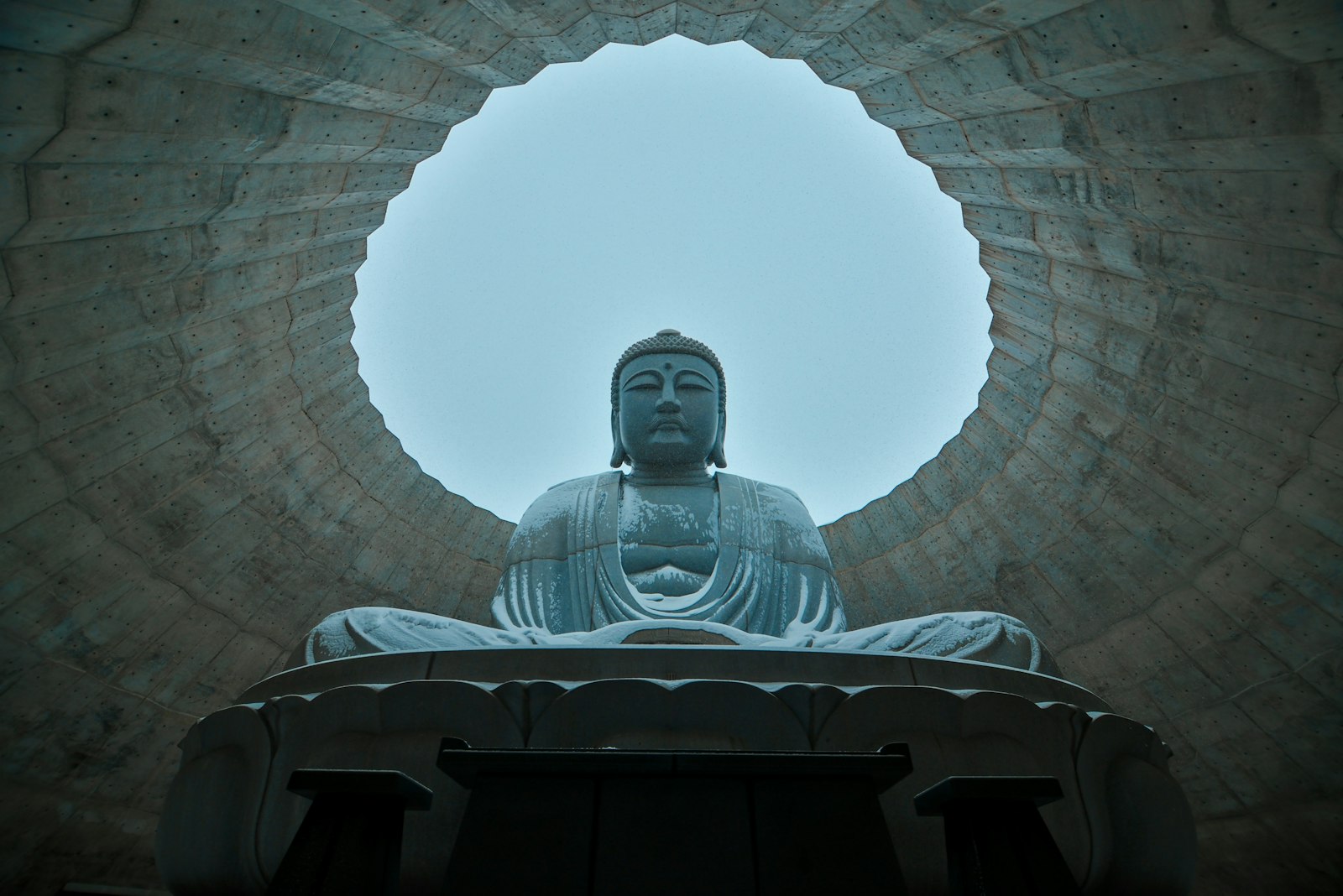
The Daibutsuden
Todai-ji’s Great Buddha Hall, the Daibutsuden, is one of the largest wooden buildings in the world, and its scale is genuinely humbling as you approach through the deer-filled grounds. Even among Japan’s many temples, this one stops people in their tracks.
The Great Buddha
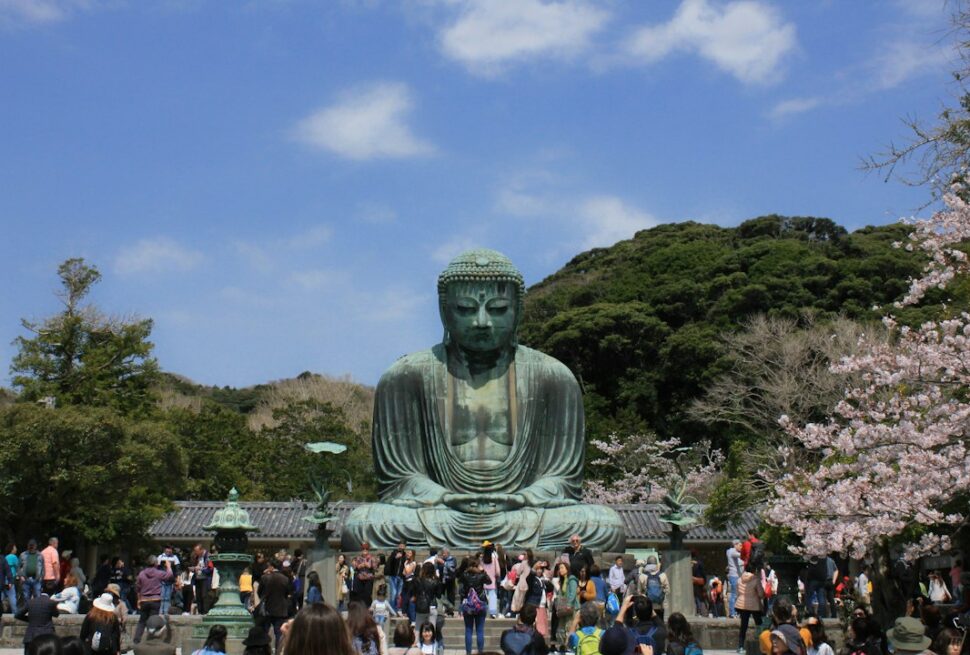
Inside sits the Daibutsu, a bronze Buddha some 15 meters tall, cast over 1,200 years ago. Standing beneath it, looking up at a statue of this age and size, is the reason Todai-ji ranks among Japan’s essential sights. Give yourself time inside as well as out.
The Pillar Squeeze
One of the hall’s wooden pillars has a hole at its base said to be the size of the Great Buddha’s nostril, and squeezing through it is a local tradition thought to bring good fortune. Children slip through easily; adults, less so. It is a lighthearted moment inside a solemn hall.
Safety Guidelines
Reading the Deer
The deer are usually gentle but are wild animals that can nip, headbutt, or push when excited by food. Watch for signs of agitation and give any pushy deer space. Small children should feed under close supervision, as an eager deer at a child’s height can be intimidating.
Do Not Let Them Eat Plastic
Deer will grab at bags and wrappers, and plastic is dangerous if swallowed. Keep wrappers and any rubbish secure and off the ground, both for your convenience and, more importantly, for the animals’ health. This is a genuine welfare issue in the park.
Caution in Rutting Season
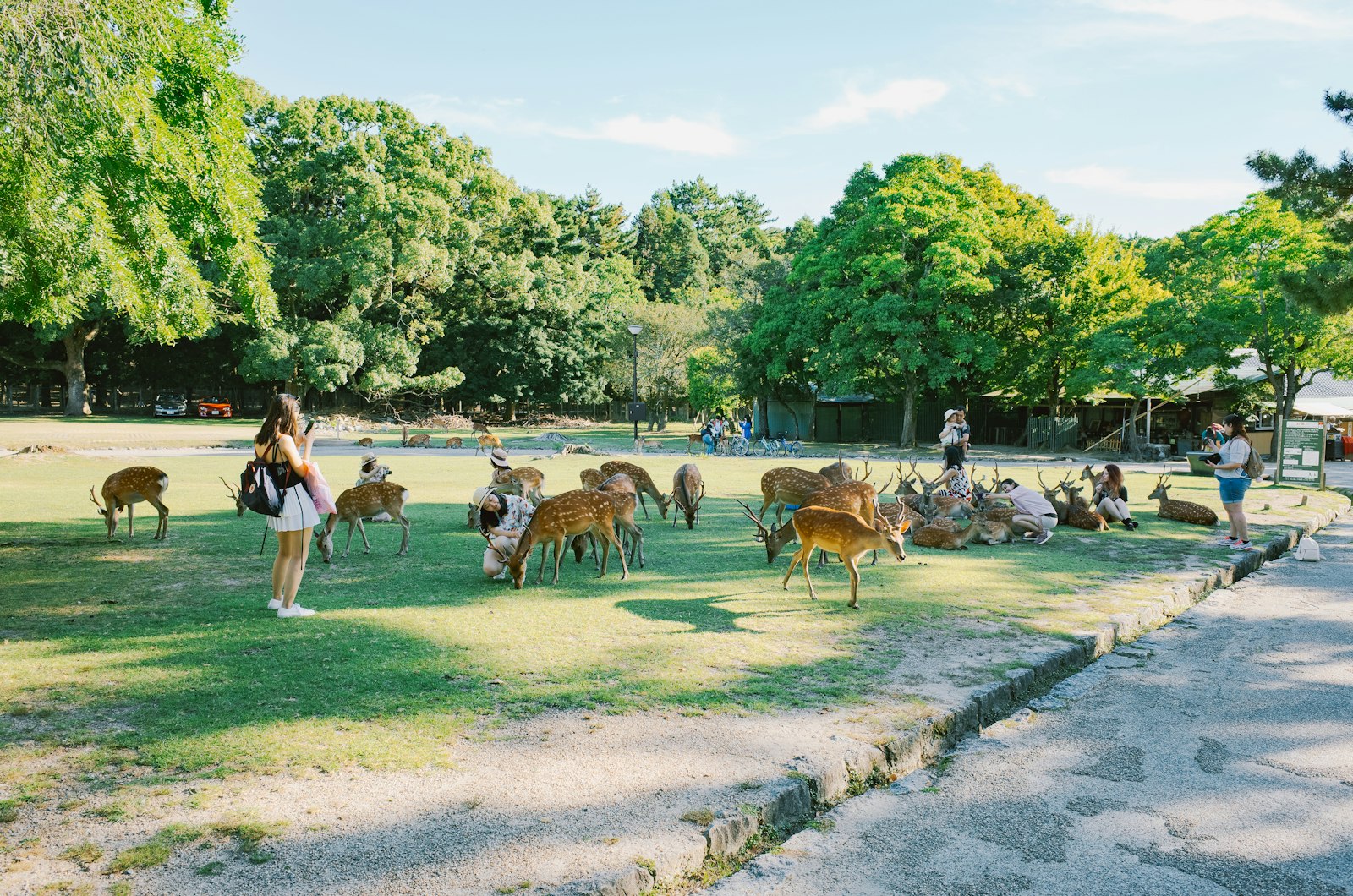
In autumn, male deer are more assertive during the mating season and have their antlers. Keep extra distance from bucks in this period and be especially careful with children. The park posts warnings; heed them.
Beyond the Main Park
Kasuga Taisha
Kasuga Taisha, the shrine at the heart of the deer legend, sits at the end of a lantern-lined path through ancient forest. Its thousands of stone and bronze lanterns and its deep-woods setting make it one of Nara’s most atmospheric sites, and a natural continuation from the deer lawns.
Mount Wakakusa
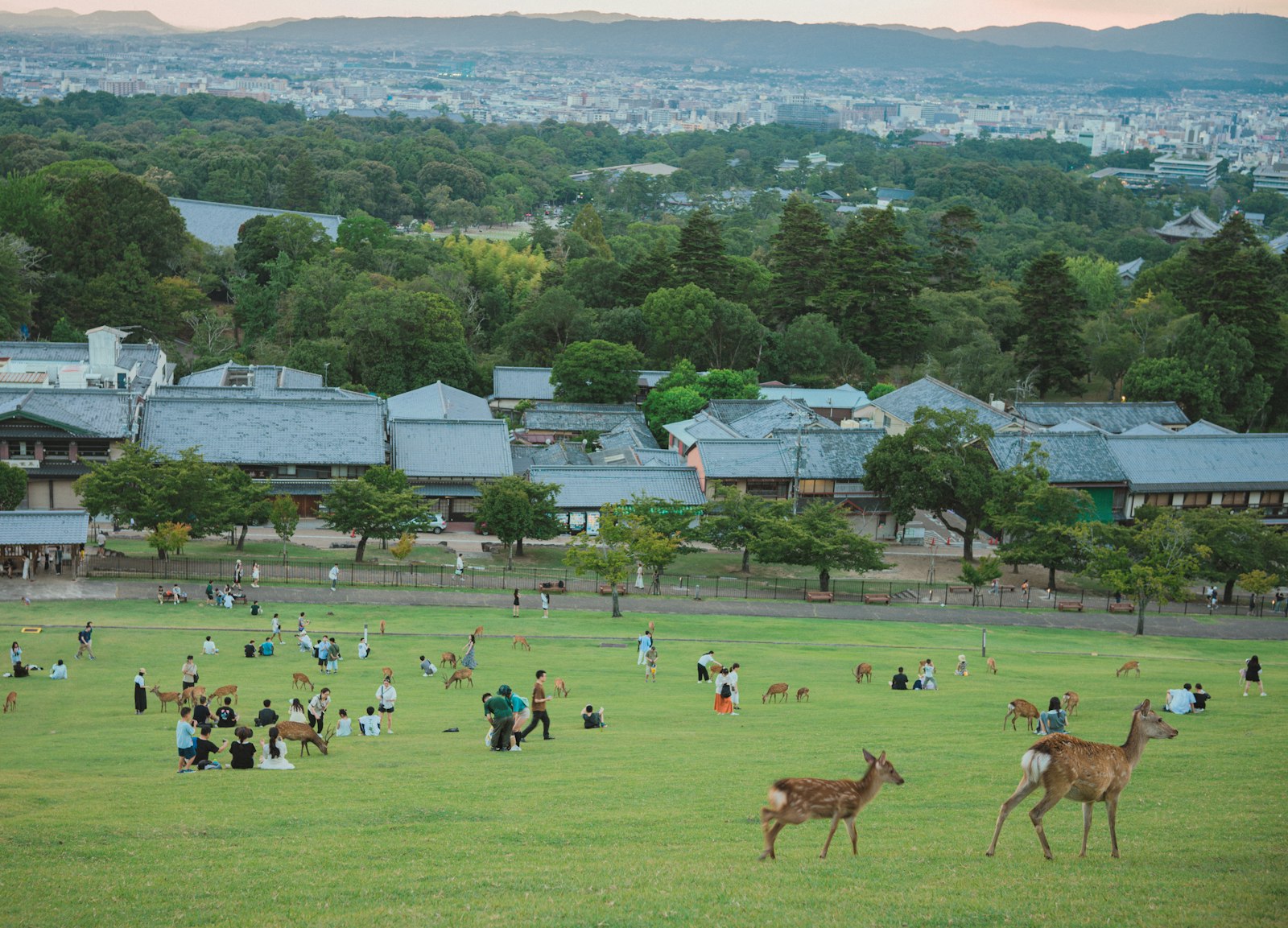
Behind the park rises the grassy slope of Mount Wakakusa, which rewards a short climb with a wide view over the Nara basin. On a clear day it is a lovely, quieter counterpoint to the busy temple grounds below.
Kofuku-ji
Kofuku-ji, with its striking five-story pagoda, stands near the park’s western edge and forms part of Nara’s iconic skyline. It is easily combined with the deer and Todai-ji on a single day’s walk.
Nara Deer Park: Frequently Asked Questions
Do the deer roam all year, even in winter? Yes. The deer live in and around the park year-round, including through winter. They are always present, though the crowds feeding them are thinner in the colder months.
How do I get to Nara from Kyoto or Osaka? Nara is an easy day trip by train from both cities, roughly 45 minutes to an hour depending on the line, with the park a short walk or bus ride from the main stations. It makes a straightforward addition to a Kyoto or Osaka base.
Are the deer aggressive, and what if a group surrounds me? They are generally gentle but can be pushy around food. If a group surrounds you, hide your crackers, show the deer your empty open hands, and calmly move away; without visible food they lose interest quickly.
Related Tours
Conclusion
Nara pairs one of Japan’s most charming animal encounters with some of its greatest temples, and the two belong together — the sacred deer wandering the approach to a 1,200-year-old Great Buddha. Buy the official crackers, feed quickly, respect the animals’ wildness, and keep children close.
Plan Your Japan Trip with Local Experts
Our team has guided 40,000+ travelers across Japan. Tell us about your trip and we’ll get back to you within 24 hours.