In this article:
- Two Districts, Two Characters
- Where to Stay: Hotels, Noise, and Who Each Suits
- Getting Around: Which Base Takes You Further
- After Dark: Lantern Alleys or Rooftop Bars
- Shinjuku vs Shibuya: Frequently Asked Questions
Introduction
Shinjuku vs Shibuya is the question we are asked more than any other when travelers book their first Tokyo hotel. The two stations sit a few stops apart on the same loop line. Both are packed with neon and department stores. From a distance, they look interchangeable.
They are not. Stand at the east exit of Shinjuku at 8pm. You are facing a district that sprawls in every direction. It stretches from skyscraper hotels in the west to the lantern smoke of Omoide Yokocho and the alleys of Golden Gai. Shibuya at the same hour is tighter, younger, and louder, a valley of fashion buildings funnelling toward one famous crossing.
Choosing between them is less about which is better and more about how you plan to spend your days and evenings. We walk both districts several nights a week with guests. The right answer depends on a handful of practical questions. Here is how we would decide.
Two Districts, Two Characters
The quickest way to understand the difference is scale. Shinjuku is a city within a city; Shibuya is a neighborhood with a very large station.
Shinjuku: Scale, Range, and a Postwar Undercurrent
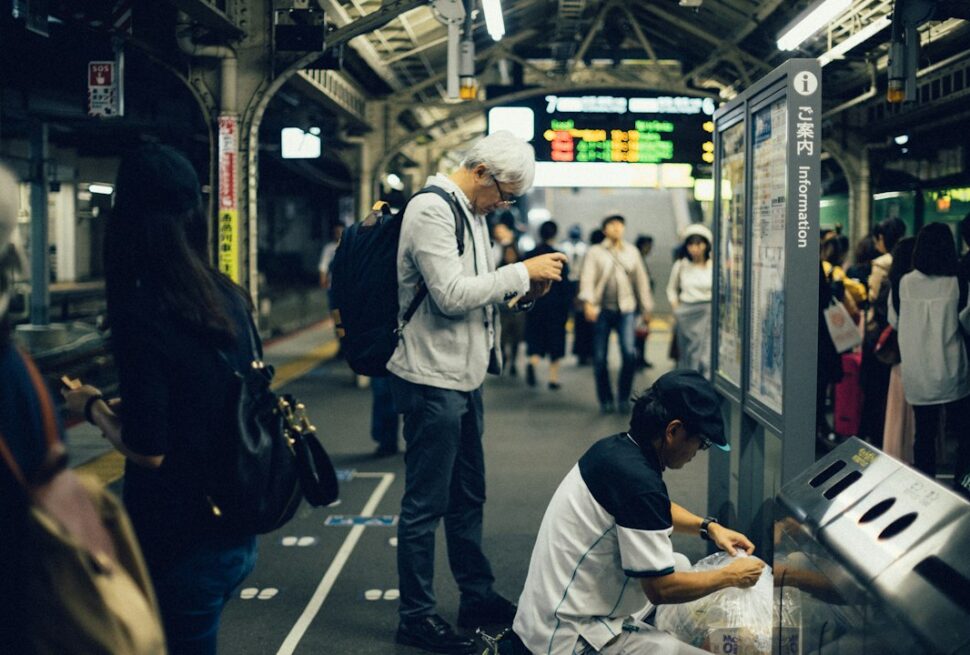
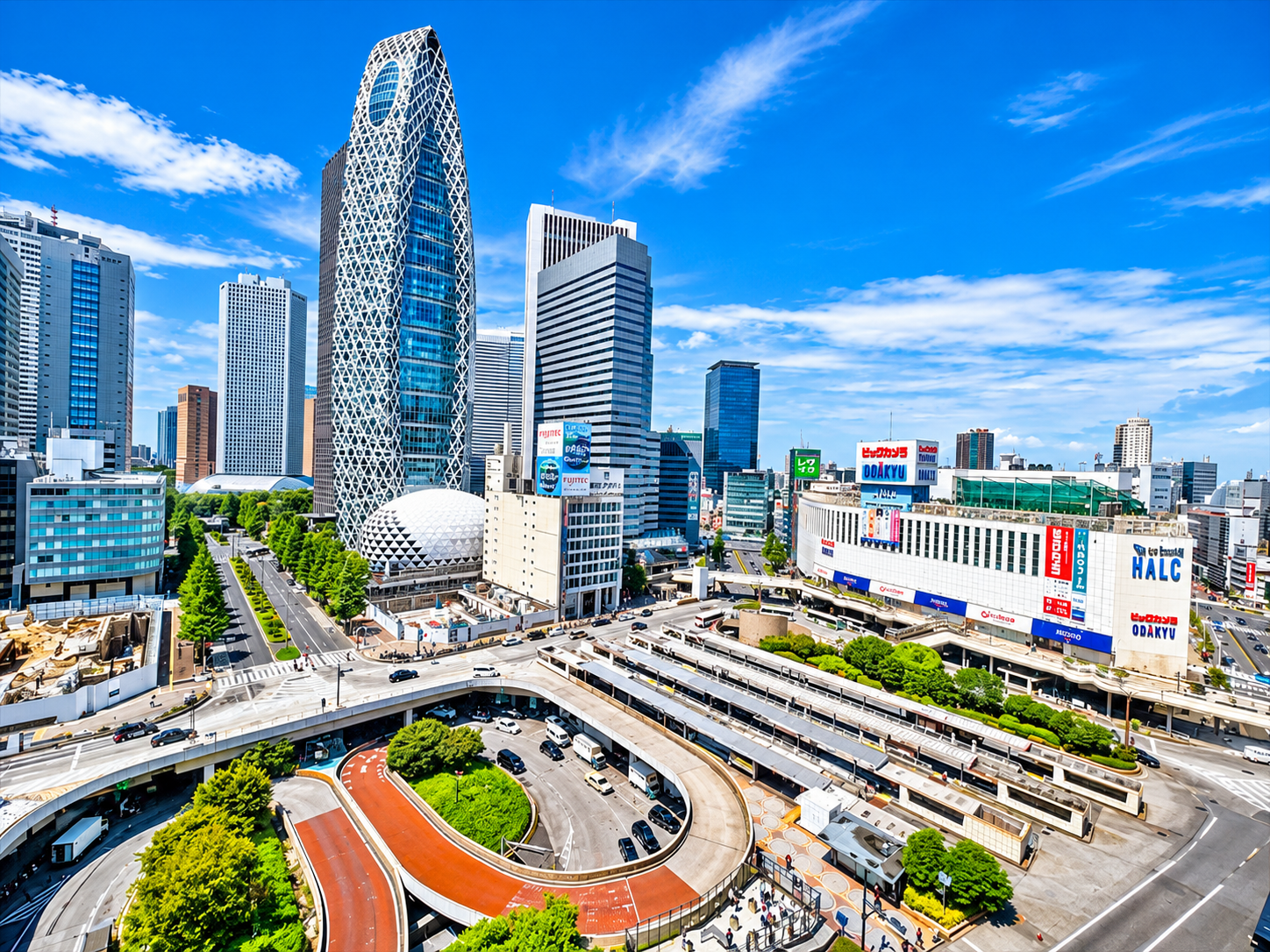
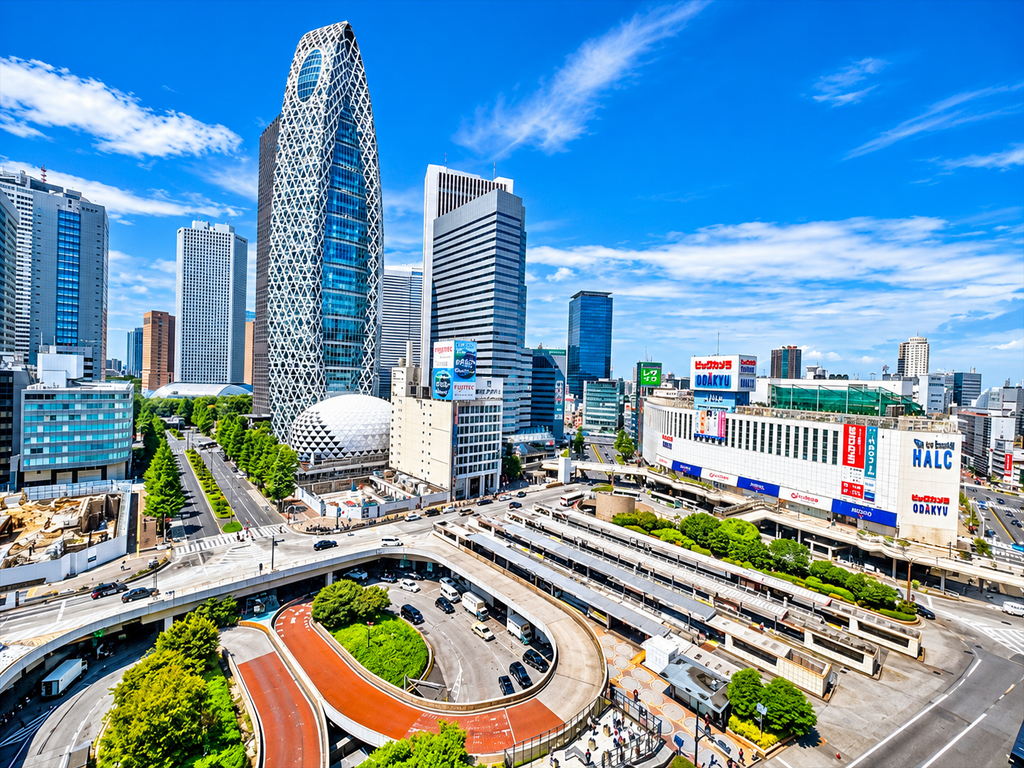
Shinjuku Station is listed by Guinness World Records as the busiest railway station in the world, with an average of roughly 2.7 million passengers a day in 2022. The district around it splits cleanly by exit. West Shinjuku is office towers, large hotels, and the Tokyo Metropolitan Government Building. The east side holds the department stores, Kabukicho, and the older drinking lanes.
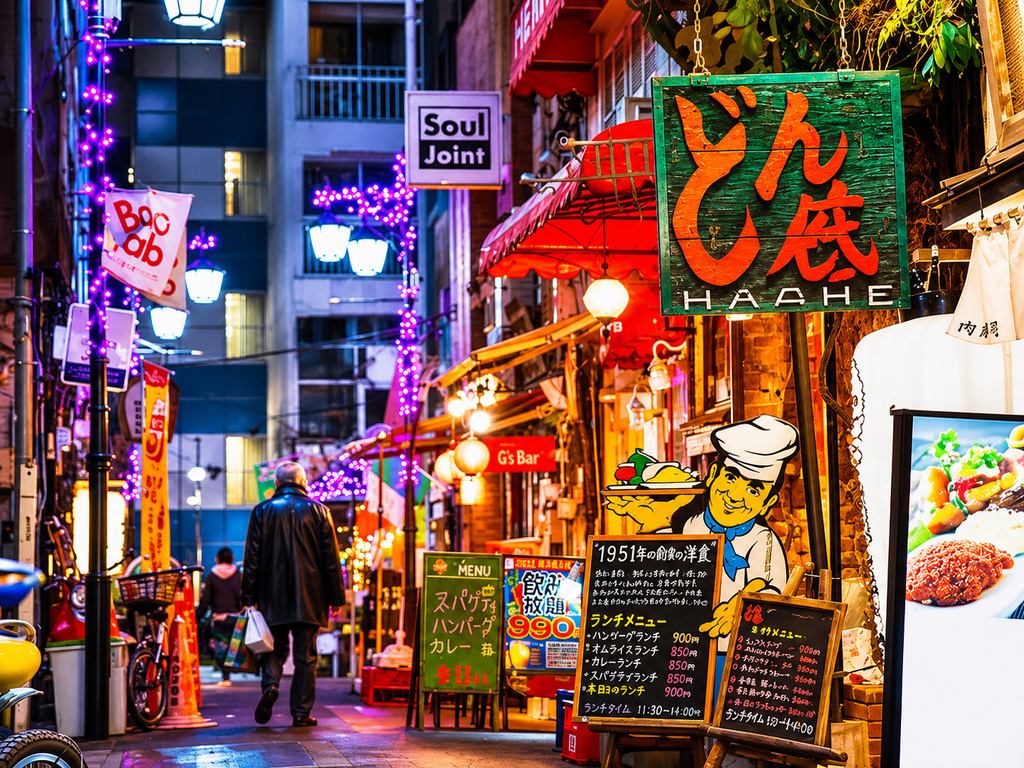
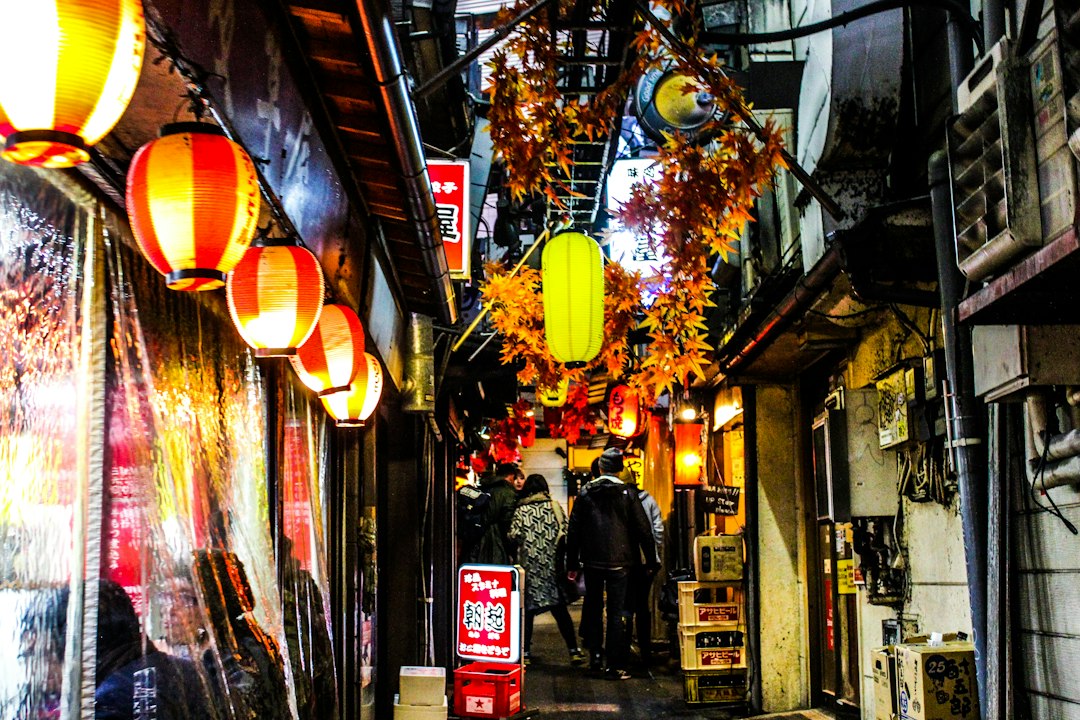
That older layer is what gives Shinjuku its depth. Omoide Yokocho grew out of the black markets that followed the war, and its counters still seat a handful of people under paper lanterns. A few minutes away, Golden Gai packs more than two hundred tiny bars into six narrow alleys. Very few places in Tokyo let you move from a 45th-floor view to a five-seat bar in fifteen minutes on foot.
Shibuya: Youth, Fashion, and a Tighter Footprint
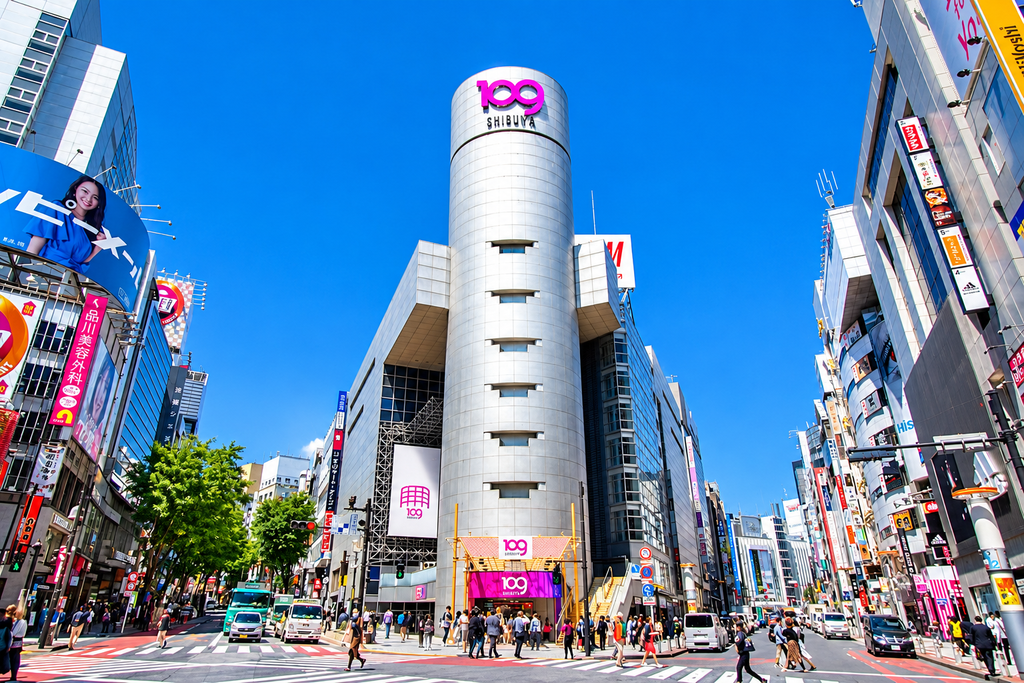
Shibuya runs younger. Its identity was built on street fashion, music, and the department stores that fed them, and the crowd on a Saturday afternoon skews well under thirty.
The district has also changed faster than Shinjuku over the last decade. Large redevelopment projects around the station, including Shibuya Scramble Square and the rebuilt Miyashita Park, have given it polished rooftops and new hotels stacked directly above the tracks. Walk five minutes uphill, however, and you reach quieter residential streets toward Daikanyama and Ebisu, which Shinjuku largely lacks.
What Each Does Best by Day
Shinjuku’s daytime strengths are space and views. Shinjuku Gyoen is one of the largest gardens in central Tokyo and the calmest place to spend a morning anywhere near a major station. The observation decks at the Tokyo Metropolitan Government Building are free, which is unusual for a view of this height.
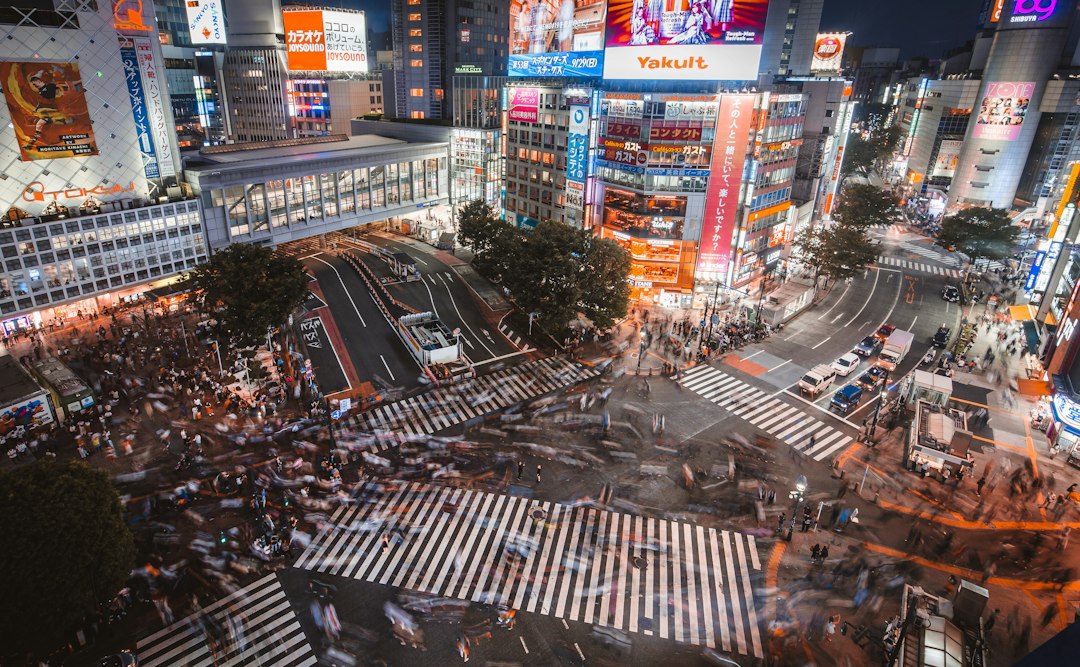
Shibuya’s daytime draw is the crossing itself, best watched from above. The Shibuya Crossing can carry up to around three thousand people in a single light change. Harajuku and Omotesando are a short walk north, so a Shibuya base puts Tokyo’s fashion streets within walking distance.
Expert Tip
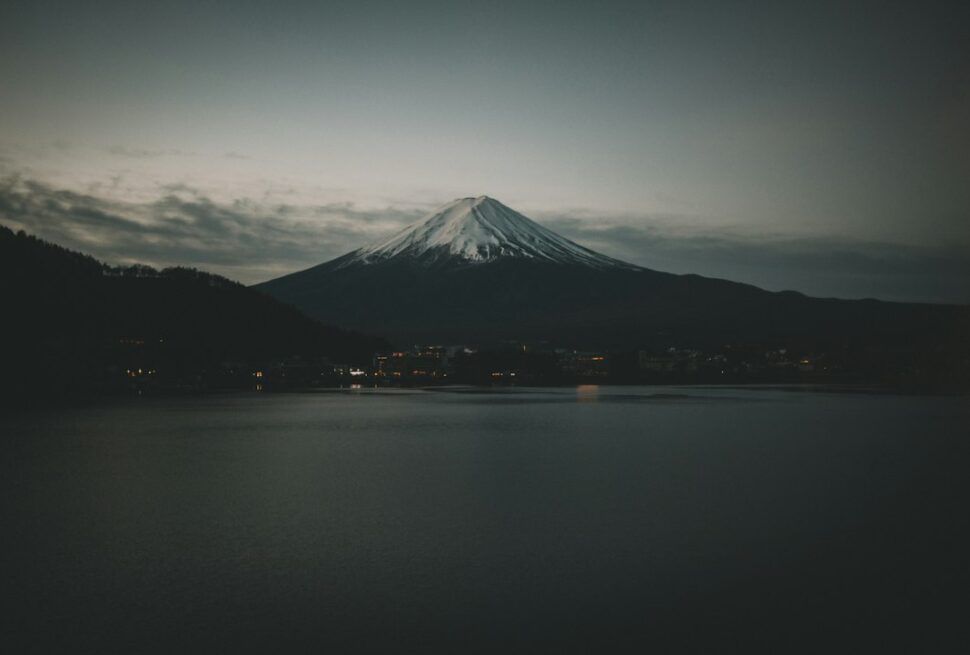
Visit the free Metropolitan Government Building observation decks on the afternoon you arrive. It is a fast way to see how Tokyo fits together, and on a clear winter day Mount Fuji is often visible to the west. Check the official opening hours before you go, as the two towers keep different schedules and close on different days.
Where to Stay: Hotels, Noise, and Who Each Suits
Which side of the station you sleep on matters more than which district you choose. A hotel in the wrong pocket of either neighborhood can mean a long walk with luggage or a window facing a karaoke sign.
Picking the Right Side of Shinjuku
West Shinjuku is where we place most of our guests. The large hotels here are surrounded by offices, so the streets go quiet after dark, and the walk to the station is through covered passages rather than crowds. You trade atmosphere for sleep, which on a first trip with jet lag is usually the right trade.
The east side is livelier and closer to the evening. That said, avoid booking inside Kabukicho itself unless you specifically want to be in it. The area is not dangerous for visitors, but the late-night street noise and touts do not suit everyone, especially families.
Staying in Shibuya
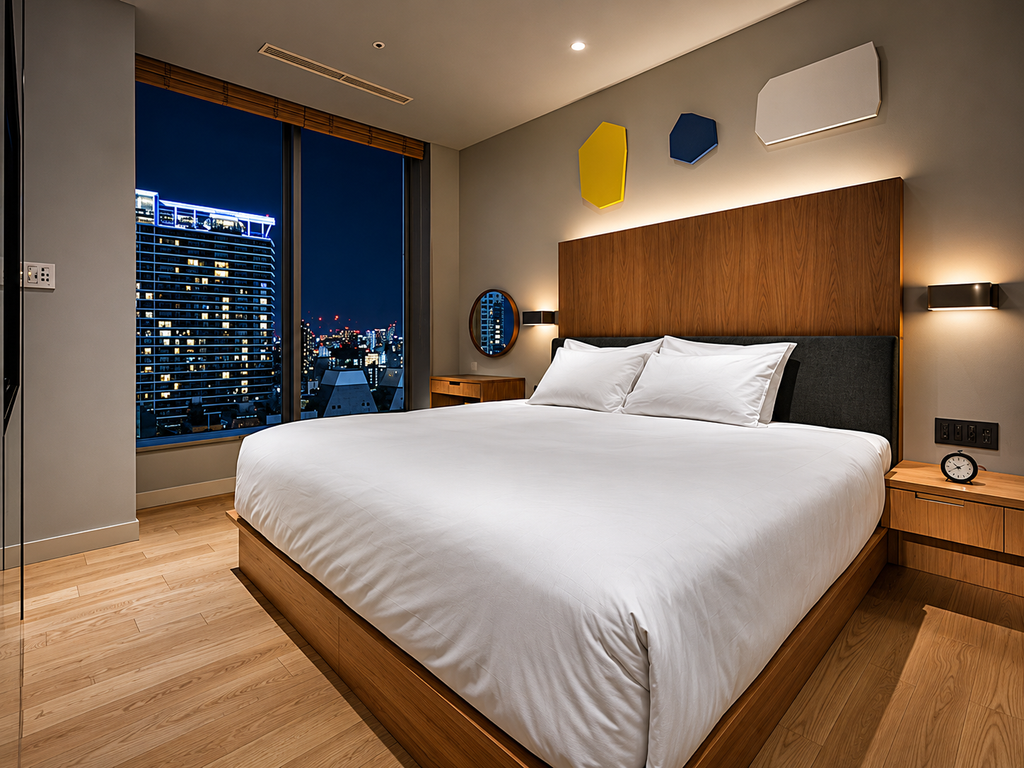
Shibuya’s newer hotels sit in or beside the redeveloped towers around the station, often with direct indoor access. These are the most convenient rooms in the district and the ones we recommend for travelers who want to step out of the lift and into the city.
By contrast, the streets around Center-gai are busy until very late and on weekends can feel more like a nightclub queue than a neighborhood. If you want Shibuya’s location without its volume, look at hotels on the slopes toward Shibuya’s south side or near Ebisu, one stop away.
Our Recommendation by Traveler Type
For a first visit, especially with day trips planned, we recommend Shinjuku, specifically the west side. The transport links are unmatched and the quiet streets make the first few nights easier.
For couples or friends who care more about cafes, shopping, and stylish bars than about day trips, Shibuya is the better fit. Families with children usually find west Shinjuku more relaxed. Our Tokyo neighborhood guide covers the alternatives, such as Ginza and Asakusa, if neither feels right.
Getting Around: Which Base Takes You Further
Both stations are major hubs, and both sit on the JR Yamanote Line, under ten minutes apart. The difference shows up when you leave central Tokyo.
Airport Connections
The Narita Express stops at both Shinjuku and Shibuya, so arriving from Narita is equally simple to either. Airport limousine buses serve hotels and stations in both districts as well.
From Haneda, reaching either district by train involves a change, so many travelers with luggage take the limousine bus or a taxi instead. In practice, airport access should not decide this choice for you.
Day Trips: Hakone and Mount Fuji from Shinjuku
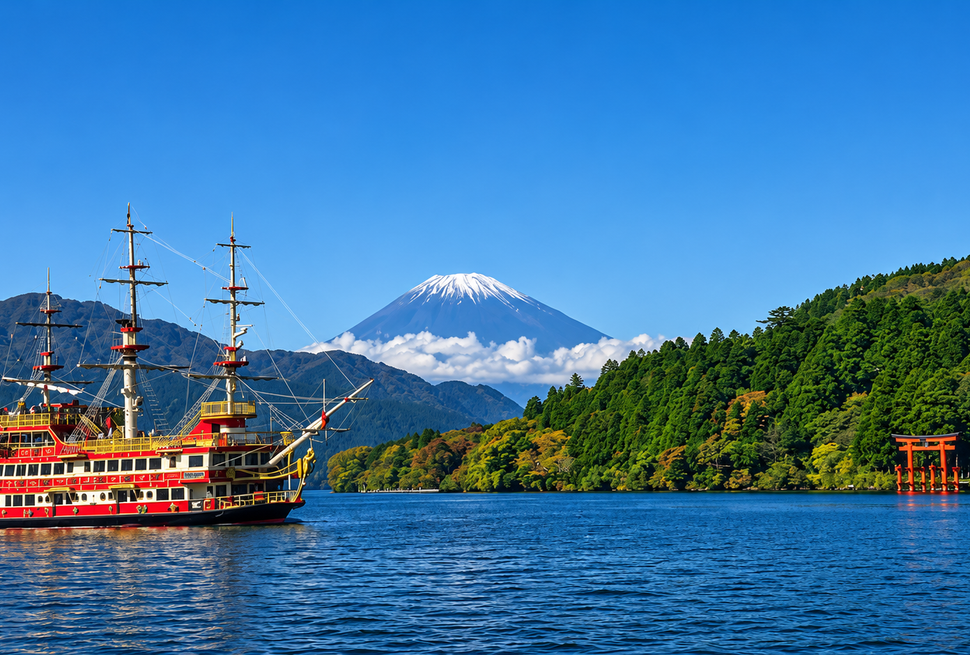
This is Shinjuku’s decisive advantage. The Odakyu Romancecar runs from Shinjuku directly to Hakone-Yumoto in about 85 minutes, with no change of train. Busta Shinjuku, the expressway bus terminal above the south side of the station, runs buses to Hakone and to the Mount Fuji Five Lakes area.
If your itinerary includes Hakone or Fuji, staying in Shinjuku saves a transfer at the start of a long day. The JR Chuo Line also runs west from Shinjuku toward Kichijoji and Mitaka, home of the Ghibli Museum.
Shibuya’s Western and Southern Lines
Shibuya wins on a different set of destinations. The Tokyu Toyoko Line runs to Daikanyama, Nakameguro, and on to Yokohama, and the Keio Inokashira Line reaches Shimokitazawa, Tokyo’s secondhand clothing and live music neighborhood.
For travelers who want to explore Tokyo’s smaller residential neighborhoods rather than take long day trips, these lines are more useful than anything Shinjuku offers. Still, if you only have five or six days, Shinjuku’s reach usually counts for more.
After Dark: Lantern Alleys or Rooftop Bars
Evenings are where the two districts feel most different, and where we have the most first-hand opinion. We run a bar and izakaya crawl in each, and the rooms, the crowds, and even the pace of ordering are not the same.
Shinjuku at Night
Shinjuku’s nightlife is about range. Within a short walk of the east exit you have the yakitori smoke of Omoide Yokocho, the neon of Kabukicho, the micro-bars of Golden Gai, and Shinjuku Ni-chome, the center of Tokyo’s LGBTQ bar scene. Few cities put that much variety within ten minutes on foot.
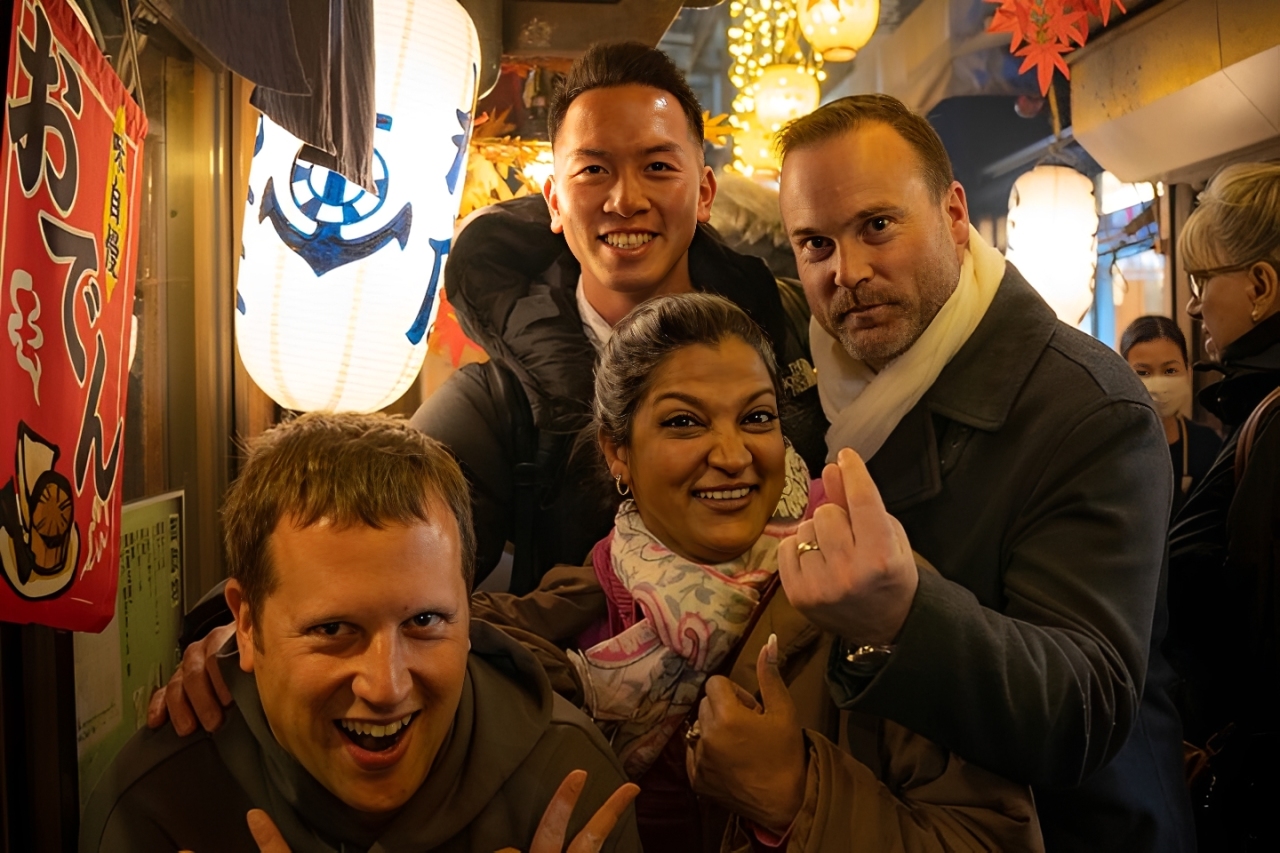
Our Shinjuku evening begins in front of Kitakata Ramen Bannai in Omoide Yokocho, about five minutes from the east exit. Over three hours it moves through Kabukicho to a local izakaya, then a sake bar, then out through Golden Gai to a karaoke bar. Guests who arrived expecting a party district usually say afterwards that the small counters were what stayed with them. Our guide to eating and drinking in Omoide Yokocho explains how those counters work.
Shibuya at Night
Shibuya’s evenings are younger and more social. The bars draw a local crowd in their twenties and thirties, the clubs run late, and the atmosphere is closer to a night out in London or New York than to anything in Golden Gai.
The Shibuya route we walk starts at the Mizuho Bank branch outside the station. From there it goes up to Shibuya Scramble Square for a view of the crossing, then to an izakaya, a bar on the Miyashita Park rooftop, and finally a small counter in the lanes behind Center-gai. The rooftop is usually where conversations start with the people at the next table, which happens less often in Shinjuku’s tighter rooms.
Safety and Touts
Both districts are safe by international standards. The one habit worth adopting is simple: do not follow street touts into a bar, particularly in Kabukicho. Choose the places you enter yourself, and walk on if someone approaches you on the street.
Carry cash as well. Many of the smallest bars in both districts do not take cards, and some charge a small seating fee that appears on the bill.
Expert Tip
If you want to see both districts at night on a short trip, stay in one and spend an evening in the other. The Yamanote Line runs until around midnight, and a taxi between the two is short. Most of our guests who stay in west Shinjuku spend at least one night in Shibuya, and the reverse works just as well.
Shinjuku vs Shibuya: Frequently Asked Questions
Is Shinjuku or Shibuya better for first-time visitors to Tokyo?
For most first-time visitors we recommend Shinjuku, staying on the west side of the station. It has the strongest rail links, including direct trains and buses to Hakone and the Mount Fuji area, and the hotel streets are quiet at night. Shibuya suits travelers who prioritize shopping, cafes, and nightlife over day trips.
How long does it take to travel between Shinjuku and Shibuya?
Under ten minutes on the JR Yamanote Line, and trains run every few minutes through the day. The Fukutoshin subway line connects the two as well. Because the trip is so short, the choice of base matters less for sightseeing within Tokyo than for day trips beyond it.
Is Kabukicho safe to stay near?
Kabukicho is generally safe for visitors walking through it. However, the late-night noise and the presence of touts make it a less comfortable base than west Shinjuku or the south side of the station. If you stay nearby, decline any invitation from a tout and choose bars yourself.
Related Tours

Conclusion
Decide by your day trips first. If Hakone or Mount Fuji is on the itinerary, book west Shinjuku and enjoy leaving from your own station. If your days are about Harajuku, Daikanyama, and long cafe afternoons, Shibuya will put you closer to how you want to spend them.
Then plan one evening in whichever district you are not sleeping in. The two are close enough that you never have to choose between them entirely, and seeing a night in Golden Gai alongside a night above the Shibuya crossing is the clearest way to understand how varied Tokyo is.
Plan Your Japan Trip with Local Experts
Our team has guided 40,000+ travelers across Japan. Tell us about your trip and we’ll get back to you within 24 hours.