In this article:
- How to Shape Five Days in Tokyo
- Days 1 and 2: Asakusa, Ueno, Tsukiji, and the East Side
- Days 3 and 4: Meiji Jingu, Shibuya, and Shinjuku
- Day 5: Nikko, Hakone, Kamakura, or Tokyo at Your Own Pace
- Tokyo Itinerary for 5 Days: Frequently Asked Questions
Introduction
Most first attempts at a Tokyo itinerary for 5 days go wrong in the same way. They put Asakusa and Shibuya on the same morning, cross the city three times before lunch, and spend the best hours of the trip underground.
Tokyo is not one centre with suburbs around it. It is a cluster of districts, each with its own hours and its own crowd, and the distances between them are longer than the subway map suggests. Senso-ji at half past six in the morning and Senso-ji at eleven are the same buildings and a different experience. The same is true of Meiji Jingu, the Tsukiji stalls, and the lantern-lit lanes of Omoide Yokocho after dark.
What follows is the plan we would give a first-time visitor who wants to see the city well rather than completely: two days in the older east, two in the west, and a fifth day that either leaves Tokyo or slows it down. The evenings are part of the plan, because an itinerary that ends at six misses half of Tokyo.
How to Shape Five Days in Tokyo
Divide the city in two and give each half two days.
East Side First, West Side Second
Tokyo’s older districts sit on its eastern side: Asakusa, Ueno, the temple lanes of Yanaka, and the market streets around Tsukiji. The newer centres of gravity, Harajuku, Shibuya and Shinjuku, are strung along the western arc of the Yamanote line. Pair neighbourhoods within each half and the daily travel shrinks to a few stops.
We start in the east for a practical reason. Jet lag has many long-haul travelers awake before dawn for the first few days, and the east side rewards early risers. The west comes alive later. By the third day your body clock has usually caught up with it.
Where to Stay: One Base Near the Ginza Line
Stay in one hotel for all five nights. Changing mid-week costs half a day, and in Tokyo there is nothing to gain from it.
We suggest the Ginza, Nihonbashi or Marunouchi side of central Tokyo. The Tokyo Metro Ginza line runs from Asakusa through Ueno and Ginza to Omotesando and Shibuya, so both halves of this itinerary are one train ride from your door. Tokyo Station, where the Shinkansen and the JR line to Kamakura depart, is a short walk or taxi away.
Shinjuku is the obvious alternative, and the one we would steer most first-time visitors away from. The station is vast. Finding the right exit can take longer than the ride that brought you there.
Getting Around and the Monday Problem
An IC card covers every train and subway on this itinerary, from the JR Yamanote line to the Tokyo Metro and Toei subways. Our guide to getting a Suica card explains the options, including adding one to an iPhone before you land.
Then check which day of the week your trip starts. The Tokyo National Museum and Shinjuku Gyoen both close on Mondays, and when a Monday is a national holiday they close on the Tuesday instead. The Tsukiji Outer Market, meanwhile, is quiet on Sundays, national holidays and some Wednesdays, when many shops shut. If your first day is a Monday, swap days one and two. If Tsukiji lands on a Sunday, move it to another morning.
What to Book Before You Fly
Three things need booking ahead. Shibuya Sky, the open-air roof deck on top of Shibuya Scramble Square, releases timed tickets online two weeks before each date at midnight Japan time, and the sunset slots go first. teamLab Planets in Toyosu also sells timed entry. Reserve any dinner you care about, whether a sushi counter or a kaiseki room, before you arrive.
Expert Tip
Keep the evening you land completely free. Buy your IC card at the airport, check in, walk around the block near your hotel, eat at the first ramen counter or convenience store you pass, and sleep. The itinerary below assumes day one starts early, and it works far better if you have not tried to fit Shibuya into the night you arrived.
Days 1 and 2: Asakusa, Ueno, Tsukiji, and the East Side
The first two days belong to the older city, and both start before breakfast.
Day 1, Early Morning: Senso-ji Before the Shops Open
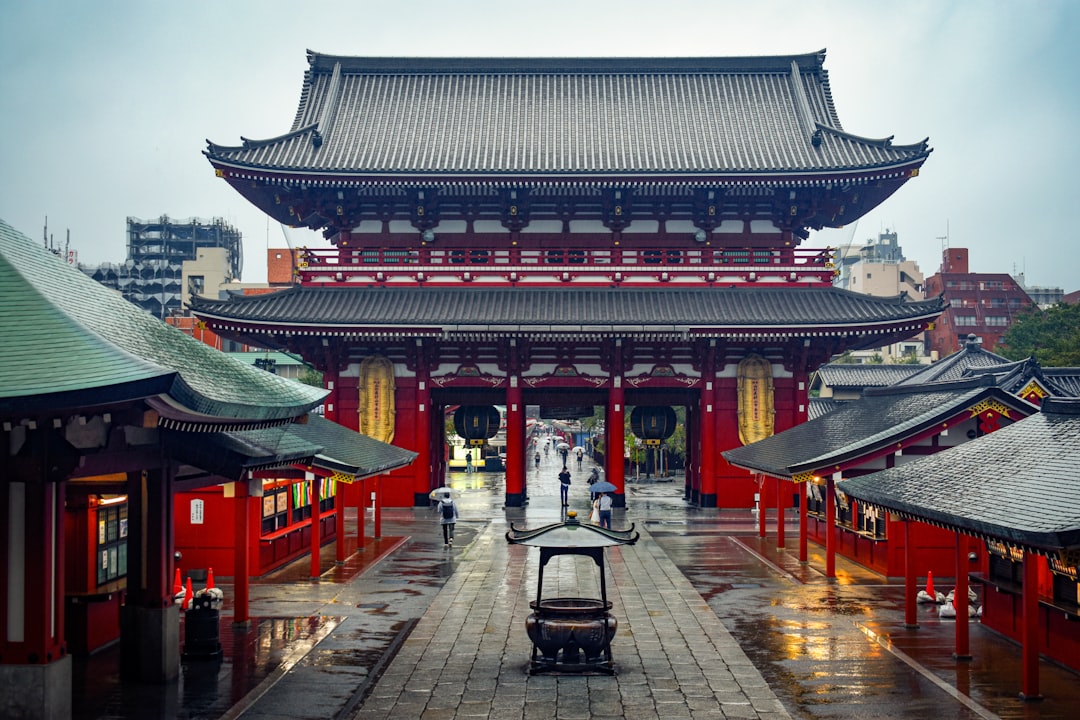
Senso-ji dates its founding to 628, and by mid-morning its approach is shoulder to shoulder. The grounds are open around the clock, and the main hall opens at 6am (6:30am from October to March). Come then.
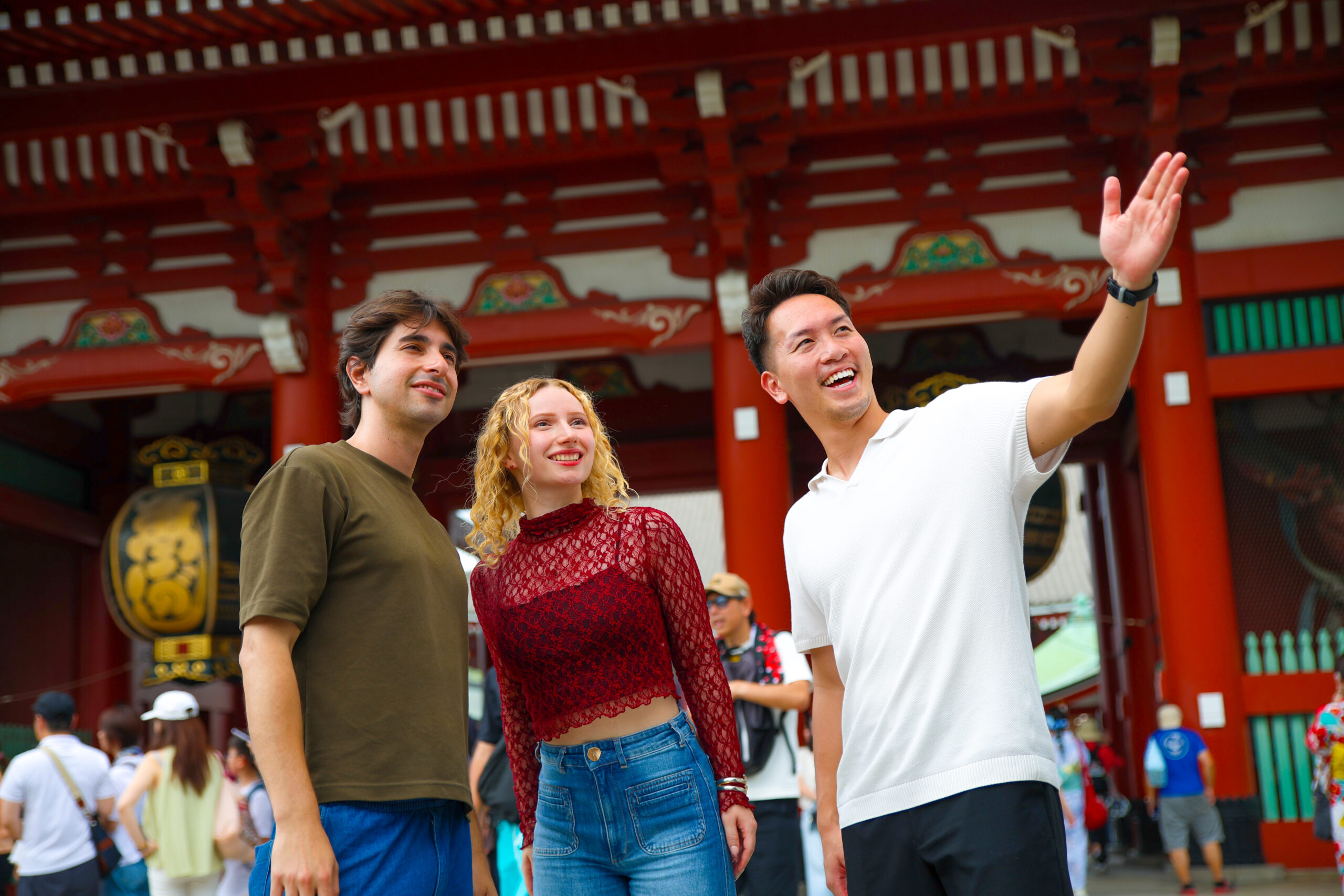
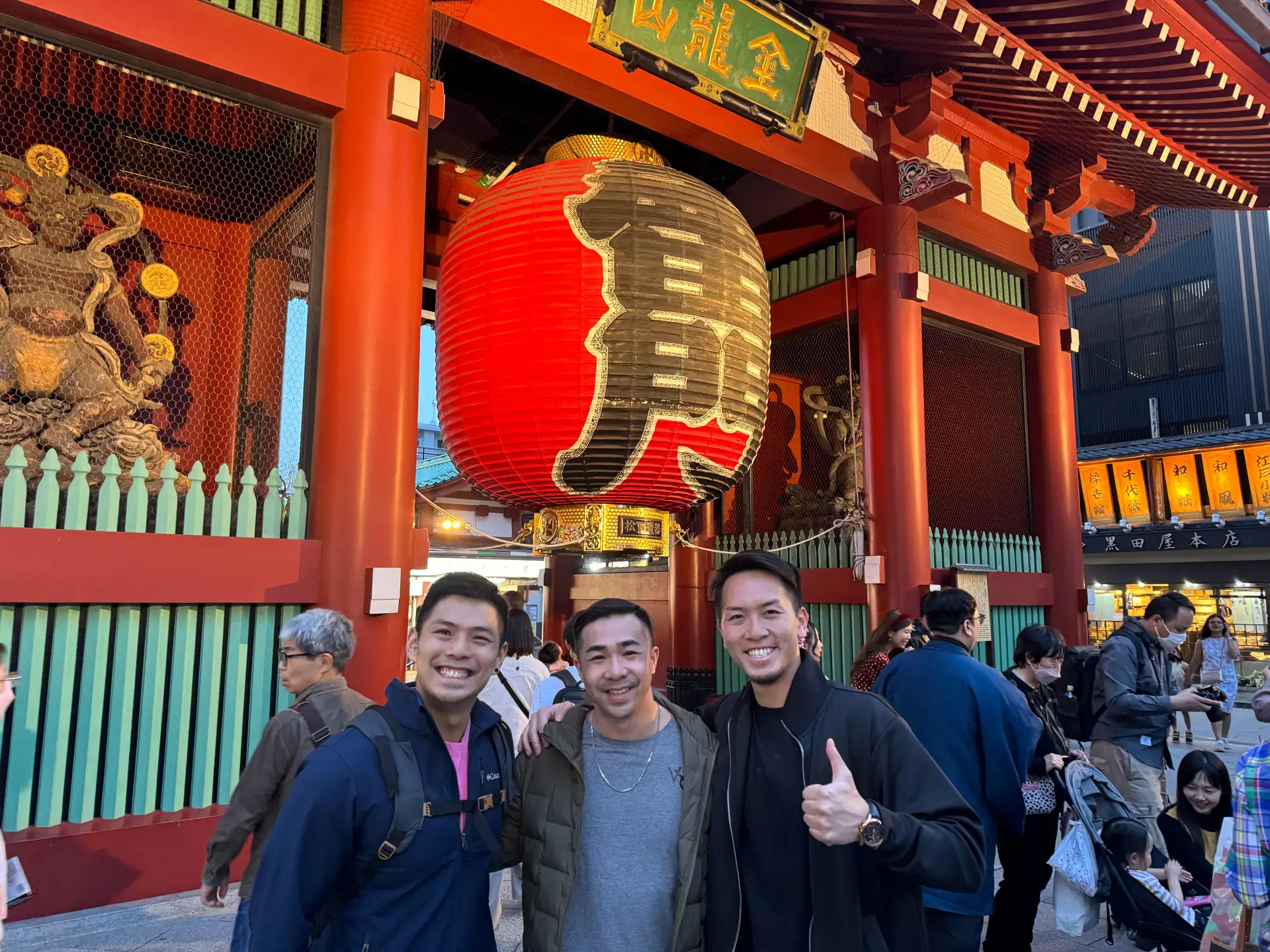
Walk in under Kaminarimon, the gate with the great red lantern, and up Nakamise-dori while the shutters are still down. Incense drifts from the large burner in front of the main hall. The people around you at this hour are locals on the way to work, stopping for a minute to pray, and the temple feels like a place of worship rather than an attraction.
Afterwards, walk west to Kappabashi, the street where Tokyo’s restaurants buy their knives, lacquer trays and plastic food models. For anyone who cooks, it is the most useful shopping street on this itinerary.
Day 1, Afternoon: Ueno Park, the National Museum, and Yanaka
From Asakusa, the Ginza line reaches Ueno in a few minutes. If you visit only one museum in Tokyo, make it the Tokyo National Museum at the northern end of Ueno Park. Its main building, the Honkan, runs chronologically through Japanese art: swords, lacquer, ceramics, painted screens. Two hours there gives shape to everything else you see during the week, and general admission is ¥1,000.
With energy left, walk on into Yanaka, a district of temples, old cemeteries and low wooden houses. It is the quietest place on this itinerary, and the one most visitors leave out. That is a good reason to go.
Then go back to the hotel and rest. By mid-afternoon you have been on your feet since six.
Day 1, Evening: Asakusa After Dark
Return to Asakusa for dinner. Once the day visitors leave, the district changes. Senso-ji is lit from below and close to empty, and the open-fronted izakaya on Hoppy Street, with their tables spilling onto the pavement, fill with regulars.
This is the evening our Asakusa food tour is built around: a walk through the temple after dark, then fifteen dishes and two drinks across Hoppy Street, a small backstreet bar and a counter on Tanuki Street, over about three hours. If you would rather go on your own, walk the length of Hoppy Street first and choose the place where the regulars look most settled.
Day 2: Tsukiji, Hamarikyu, and Ginza
The wholesale fish auction moved to Toyosu in 2018. What remains at Tsukiji is the outer market, a grid of retail stalls, knife shops and small restaurants, and it still makes one of the finest breakfasts in the city. Arrive around nine, when the professional buyers’ hours end and the stalls turn to the public. Eat standing up: tamagoyaki cut from the block, grilled scallops, a bowl of rice under raw tuna.
Our guide to eating at the Tsukiji Outer Market goes stall by stall. From there, Hamarikyu Gardens is a short walk south. It is a former shogunal garden with a tidal pond fed from Tokyo Bay and a teahouse on an island in the water, and the glass towers of Shiodome rise directly behind it. Admission is ¥300, and we think the contrast between garden and towers is the clearest single view of what Tokyo is.
Spend the afternoon in Ginza. On weekend afternoons the main avenue, Chuo-dori, closes to cars. Go down into a department store food hall, the depachika, where melons sit in wooden boxes and wagashi are arranged like jewellery. If you booked teamLab Planets, Toyosu is a short ride away and fits into this afternoon instead.
Days 3 and 4: Meiji Jingu, Shibuya, and Shinjuku
The western half of Tokyo is where the city is most modern, and where its quiet corners are most surprising.
Day 3, Morning: Meiji Jingu at Opening Time
Meiji Jingu opens at sunrise and closes at sunset, so its hours shift with the months: the gates open at 5:20am in September and 6:10am in November. Admission is free.
The approach from Harajuku station runs through a forest planted by hand a century ago, and within a few minutes of the first torii the traffic noise has gone. Gravel crunches underfoot. Light comes down through the canopy in long, pale shafts. By mid-morning the tour groups arrive, and that is your signal to move on.
Day 3, Afternoon: Omotesando and Shibuya
Walk down Omotesando, the zelkova-lined avenue running from Harajuku toward Aoyama. The architecture is the attraction here: Tadao Ando’s Omotesando Hills, and the glass lattice of Herzog & de Meuron’s Prada building a few streets on. Takeshita Street, across from the station, is Harajuku as it appears in photographs, with crepes, costume shops and crowds. Give it fifteen minutes or leave it out.
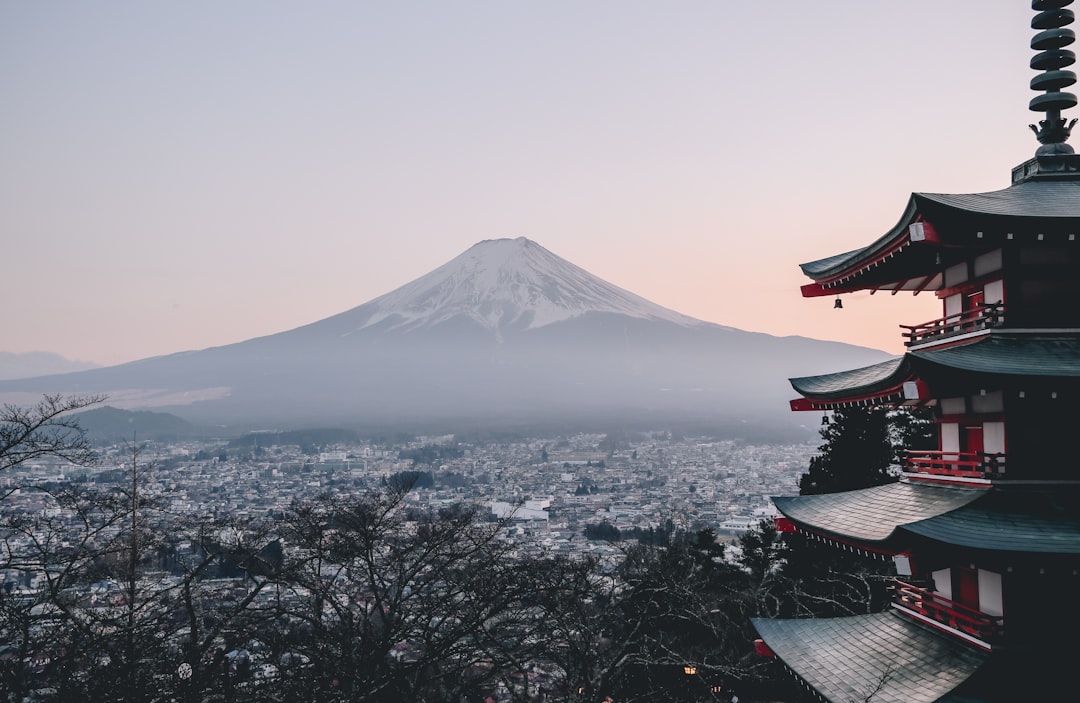
Finish in Shibuya. See the scramble crossing from above before you walk across it. From Shibuya Sky at sunset you watch the city go from grey to lit, and on clear days Mount Fuji shows on the western horizon. Then go down and cross it at night.
Day 4, Daytime: Shinjuku Gyoen and the View From Tocho
Take the fourth morning slowly. Shinjuku Gyoen opens at 9am, costs ¥500, and holds three garden styles in one walled park: a traditional Japanese garden, an English landscape garden and a formal French one. On a weekday morning the lawns are almost empty.
In the late afternoon, cross to the west side of Shinjuku station for the Tokyo Metropolitan Government Building, known as Tocho, whose observation decks are free. The view is lower than the one from Shibuya Sky. Still, it is the easiest way to understand how far Tokyo extends.
Day 4, Evening: Omoide Yokocho, Kabukicho, and Golden Gai
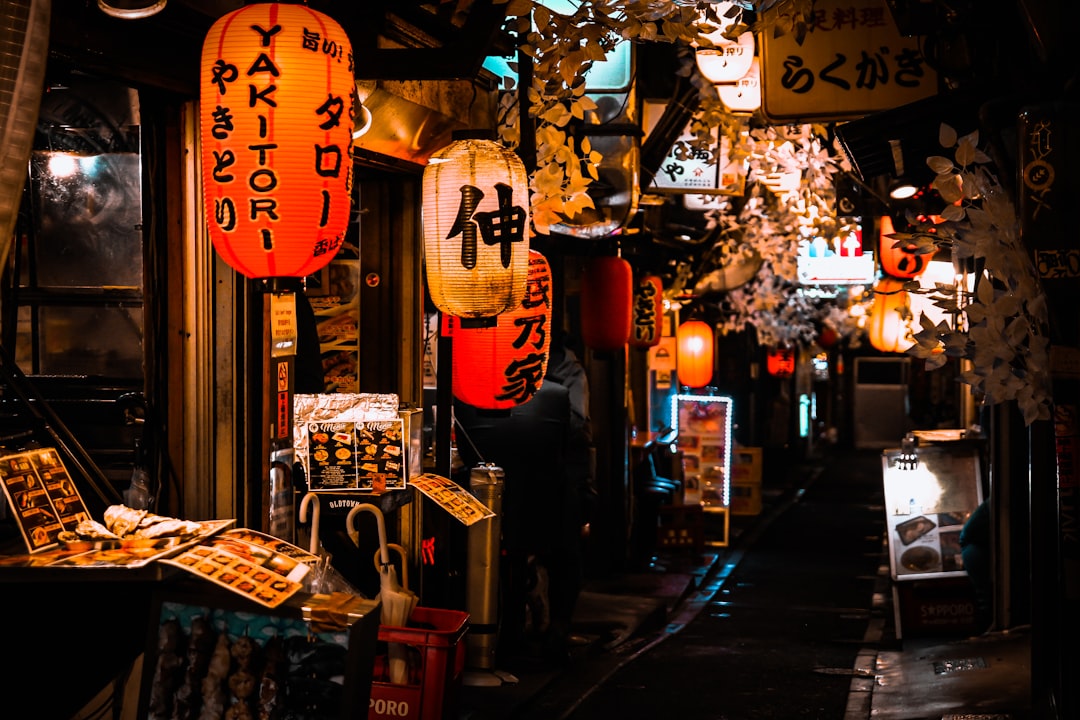
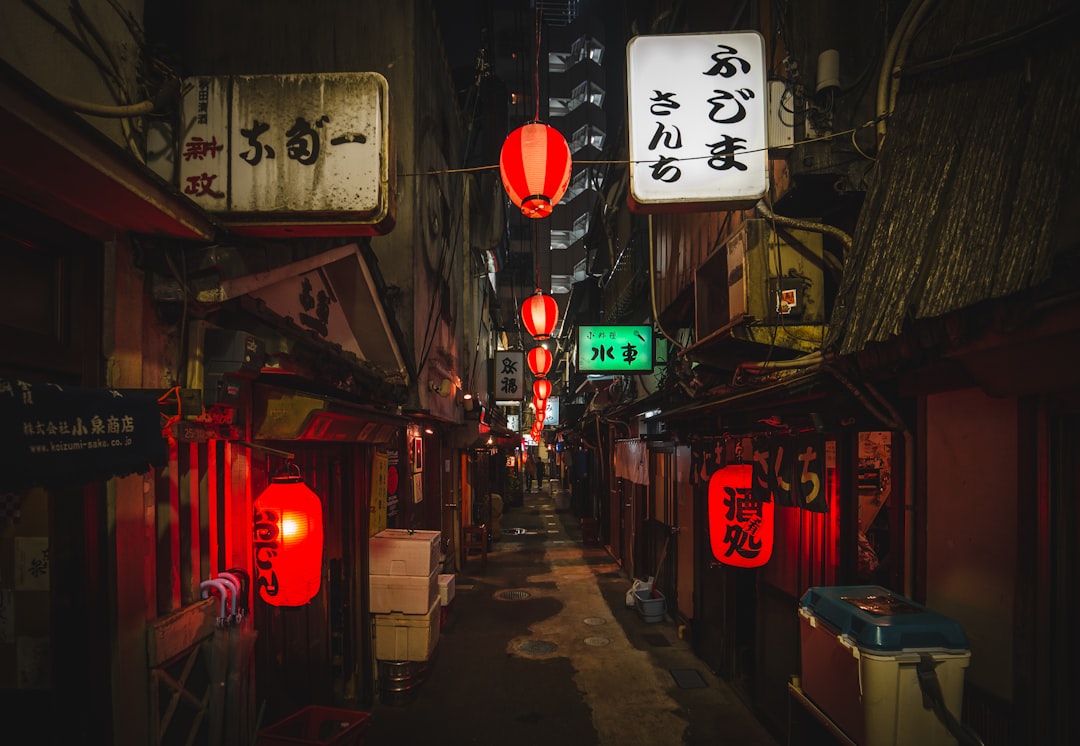
Shinjuku at night is where this itinerary has been heading. Omoide Yokocho, a lane of tiny yakitori counters beside the tracks, grew out of the black markets that followed the war, and the charcoal smoke and paper lanterns have barely changed. Golden Gai, on the far side of Kabukicho, packs more than two hundred bars into six narrow alleys, some of them seating five people. Many charge a seating fee, so read the sign on the door before you step in.
This is also the route our Shinjuku bar and izakaya crawl follows over three hours: Omoide Yokocho, a walk through Kabukicho, a local izakaya and a sake bar, then Golden Gai and a karaoke bar to finish. It starts in front of Kitakata Ramen Bannai in Omoide Yokocho, five minutes from the station’s east exit. Food and drinks are paid as you go, so bring cash.
Expert Tip
Before you get off the train at Shinjuku, check which named exit is closest to where you are going, whether East, West, South, New South or one of the others, and follow the signs for that exit from the platform. Coming up at the wrong one can leave you ten minutes and a major road away from your destination.
Day 5: Nikko, Hakone, Kamakura, or Tokyo at Your Own Pace
Four days in the city covers its core. The fifth is better spent somewhere that moves at a different speed.
Nikko, for Shrines in the Cedars
Tobu’s limited express trains run from Asakusa to Tobu-Nikko in about 1 hour 50 minutes, which suits a base on the Ginza line. Toshogu, the shrine where the first Tokugawa shogun is enshrined, is covered in carving and gold leaf and stands in a forest of old cedars. It is the reason to go. Take an early train and you are back in Tokyo for dinner.
For travelers who have already seen Kyoto, Nikko is our choice of the three. Toshogu’s ornament is the opposite of Kyoto’s restraint.
Hakone, for Hot Springs and a Chance of Fuji
The Odakyu Romancecar runs direct from Shinjuku to Hakone-Yumoto. From there, a chain of mountain railway, cable car, ropeway and lake boat loops past the volcanic vents at Owakudani to Lake Ashi. Our guide to the Hakone loop covers the order and the tickets.
As a day trip, Hakone is rushed. We would stay the night in a ryokan with its own hot spring instead, because an evening bath in the mountains is most of what Hakone offers.
Kamakura, or a Slower Day in Tokyo
Kamakura, a little under an hour from Tokyo Station on the JR line, is the easiest of the three. It offers the Great Buddha, a handful of Zen temples in wooded valleys, and the sea at the bottom of the town.
Alternatively, stay in the city. A fifth day in Tokyo without a plan, spent returning to a neighbourhood you liked or the museum you rushed, is a reasonable choice. On a first trip it is often the better one.
Tokyo Itinerary for 5 Days: Frequently Asked Questions
Is five days enough time in Tokyo?
For a first visit, yes. Five days covers the east and west sides of the city properly, with evenings in Asakusa and Shinjuku and one day out of town. It will not cover everything, but it leaves room to stand still, which is the first thing shorter plans cut. If you can find a sixth day, add it to Tokyo before adding another city.
Do I need a Japan Rail Pass for five days in Tokyo?
No. Most of this itinerary runs on the Tokyo Metro and Toei subways, which the pass does not cover, and the most direct routes to Nikko and Hakone are private railways. An IC card with a few thousand yen on it is all you need. The pass only makes sense when Tokyo is the start of a longer trip with several Shinkansen rides.
Can I see Mount Fuji on a five-day Tokyo trip?
Possibly, but plan for the chance rather than the view. On clear days the mountain is visible from Shibuya Sky and from the Hakone area, and visibility is generally better in the colder months and earlier in the day. In summer, haze and cloud hide it often. If Fuji matters to you, keep day five flexible and choose it the evening before, once you have seen the forecast.
Related Tours
Conclusion
Plan by district, not by attraction. The difference between a Tokyo trip that feels hurried and one that feels spacious is rarely how much is on the list. It is how many times a day you cross the city.
Before you go, do three things. Check which day of the week your trip starts, set a reminder for the Shibuya Sky ticket release two weeks out, and book the dinners you care about. Then keep the arrival evening empty. The first morning at Senso-ji starts early, and it is worth being awake for.
Plan Your Japan Trip with Local Experts
Our team has guided 40,000+ travelers across Japan. Tell us about your trip and we’ll get back to you within 24 hours.