In this article:
- Hakone and Mount Fuji: Peaks and Forest Springs
- Kyoto’s Imperial Heart: Historic Machiya Inns
- Kyushu’s Hidden Valleys
- What Sets an Elite Ryokan Apart
- Booking a Private Rotenburo
- Booking Elite Ryokan: Frequently Asked Questions
Introduction
A good ryokan gives you a memorable night. A great one gives you a stay you plan a whole trip around. At the highest level, these inns combine centuries of craft, service refined to near-invisibility, and settings — a Kyoto garden, a Hakone valley, a Kyushu gorge — that justify the price on their own.
What follows is a curated selection of regions and houses we point discerning travelers toward, along with the details that separate a truly elite ryokan from a merely expensive one. Rates and availability change, so treat specifics as a starting point and confirm directly when you book.
Hakone and Mount Fuji: Peaks and Forest Springs
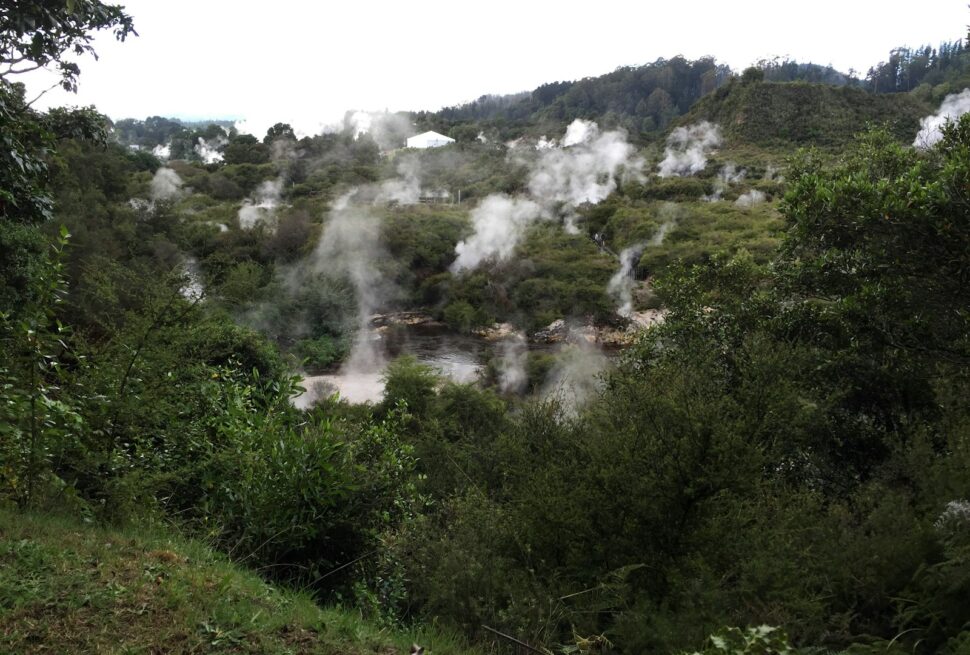
Hakone, within easy reach of Tokyo, pairs mountain hot springs with some of Japan’s most celebrated luxury inns.
Gora Kadan
Gora Kadan occupies the site of a former imperial family retreat, and the sense of privileged calm still runs through it. Refined architecture, a serene spa, and impeccable kaiseki make it a benchmark for high-end Hakone. It is the kind of place that rewards doing very little for a day.
Hakone Ginyu
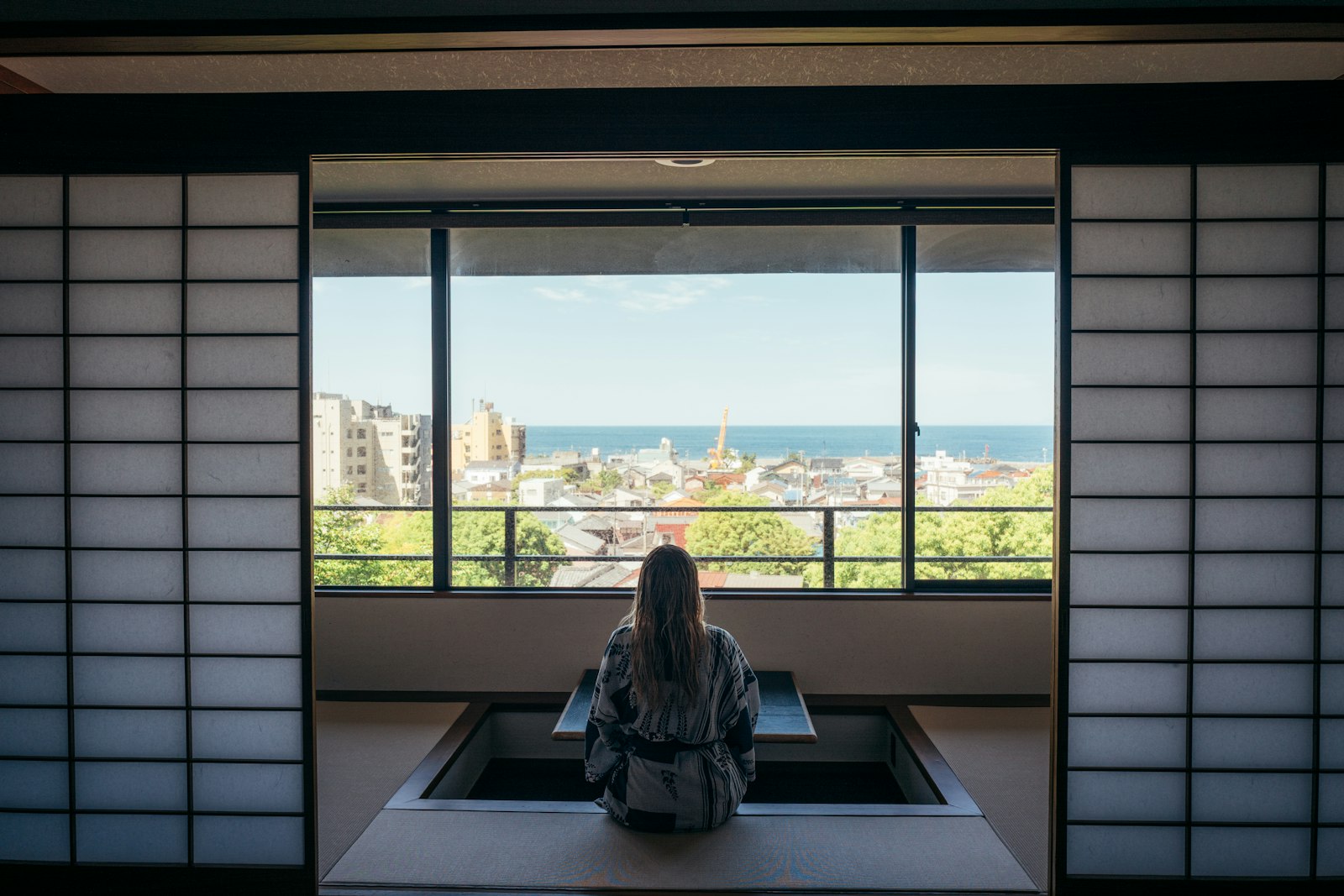
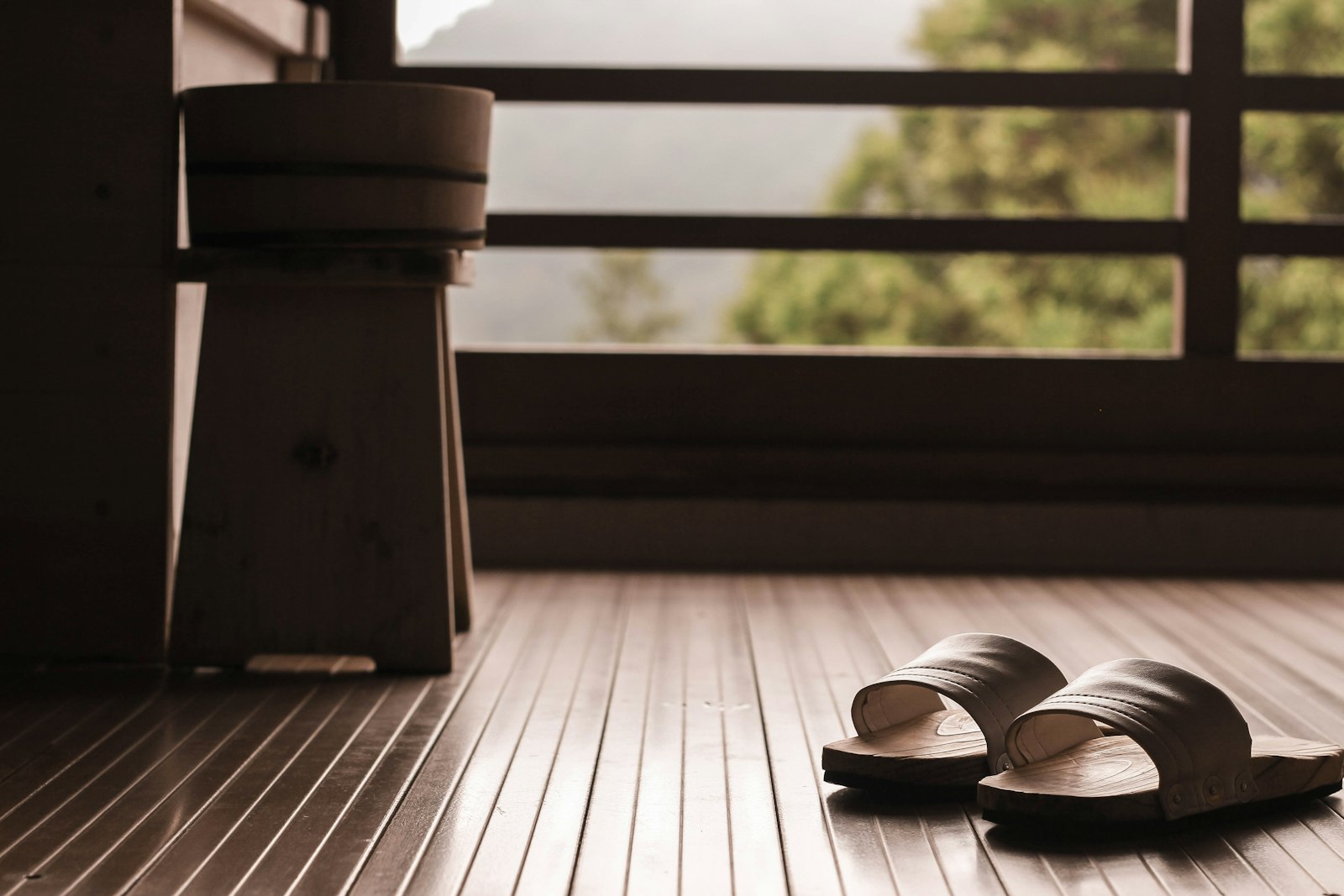
Hakone Ginyu is built into the hillside so that its rooms look out across the valley, many with a private open-air bath on the balcony. Soaking in your own rotenburo with the forested gorge falling away below is the image most people have in mind when they imagine a luxury ryokan.
Getting There
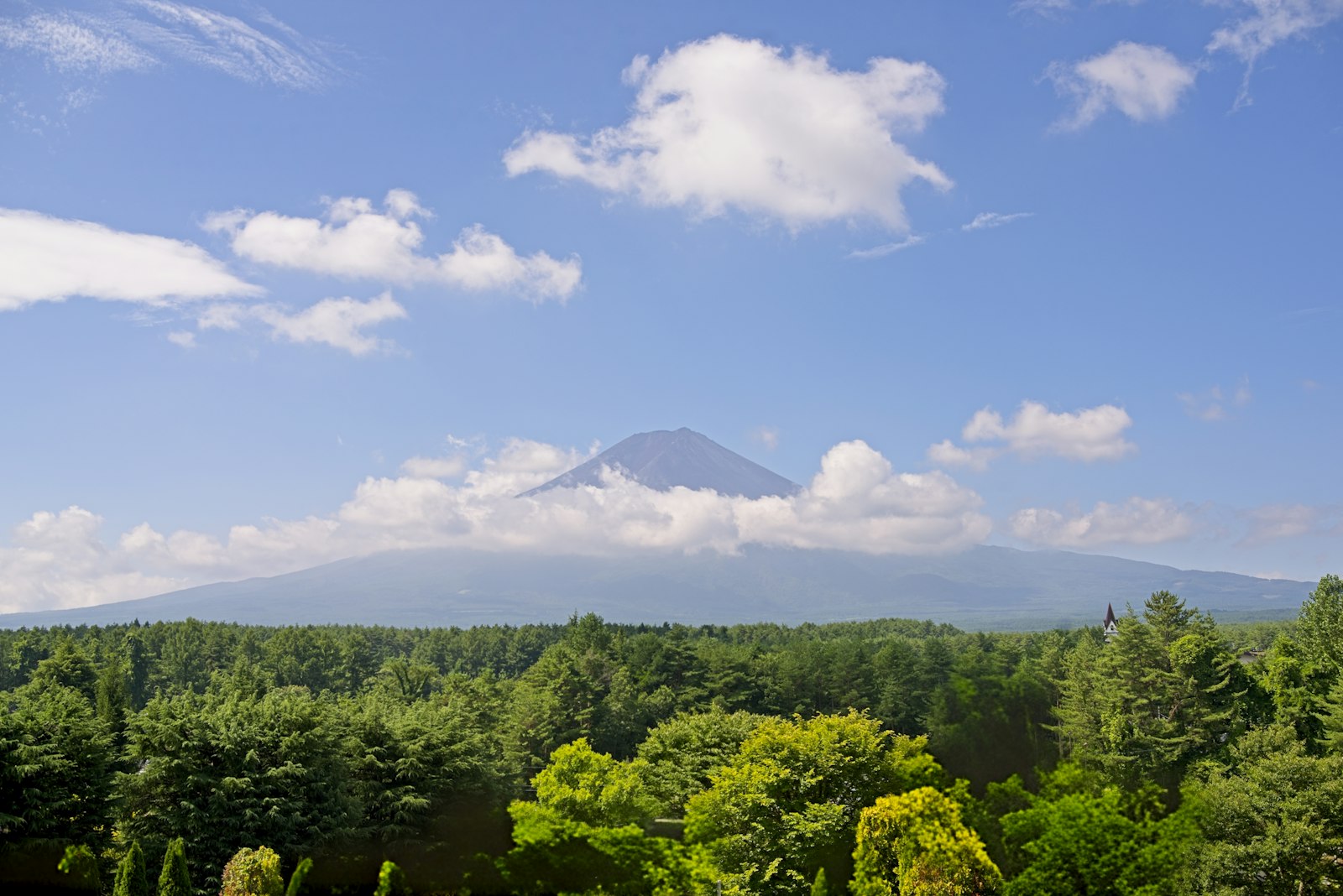
The Odakyu Romancecar runs directly from Shinjuku toward Hakone, turning the journey into a relaxed part of the trip rather than a chore. From the Hakone hub, most top ryokan arrange transfers for arriving guests.
Kyoto’s Imperial Heart: Historic Machiya Inns
Hiiragiya
Hiiragiya has welcomed guests for around two centuries and long hosted writers, artists, and visiting dignitaries. Its rooms balance antique detail with quiet comfort, and its reputation rests on a hospitality so practiced it feels effortless. Staying here is a stay inside Kyoto’s living history.
Tawaraya
Tawaraya is among Kyoto’s oldest and most exclusive inns, revered for its woodwork, its gardens, and a standard of service spoken of with something close to awe. It is understated to the point of secrecy — which is precisely the point. Rooms are few and booked far ahead.
Quiet in the City
What makes these Kyoto machiya inns remarkable is finding this depth of calm — private gardens, hushed corridors — in the middle of a working city. You step off a busy lane through an unmarked entrance into another century.
Kyushu’s Hidden Valleys
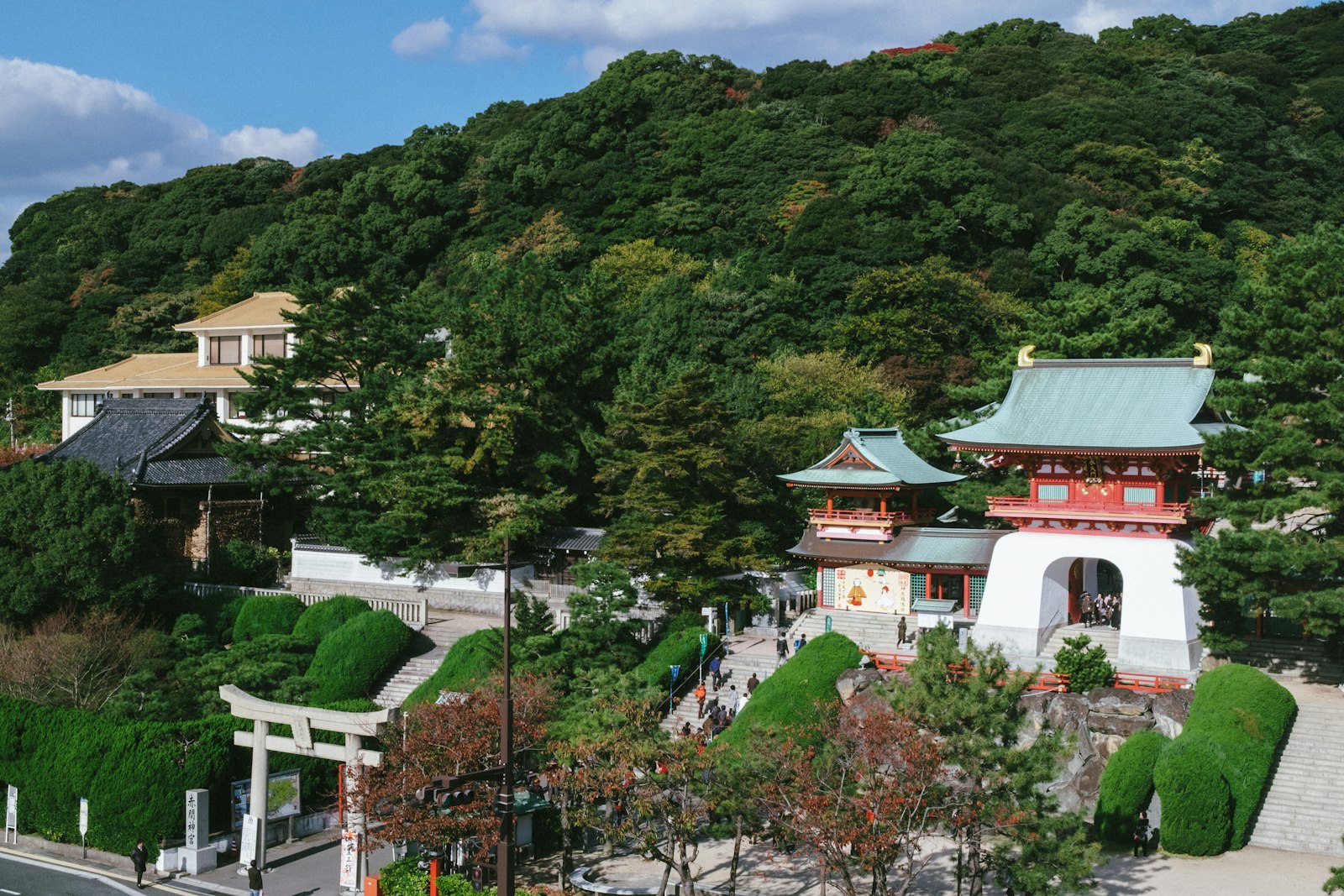
Kurokawa Onsen
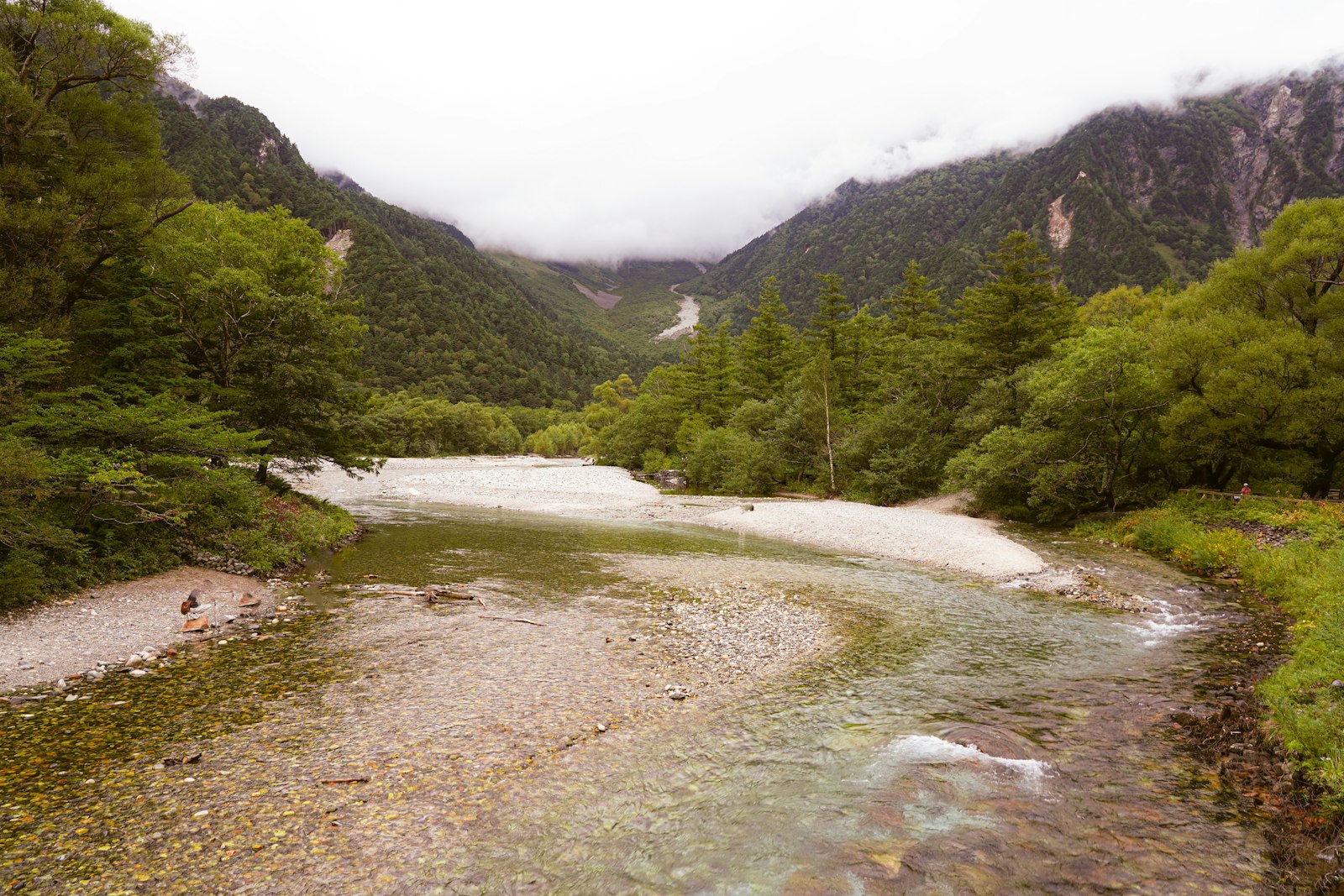
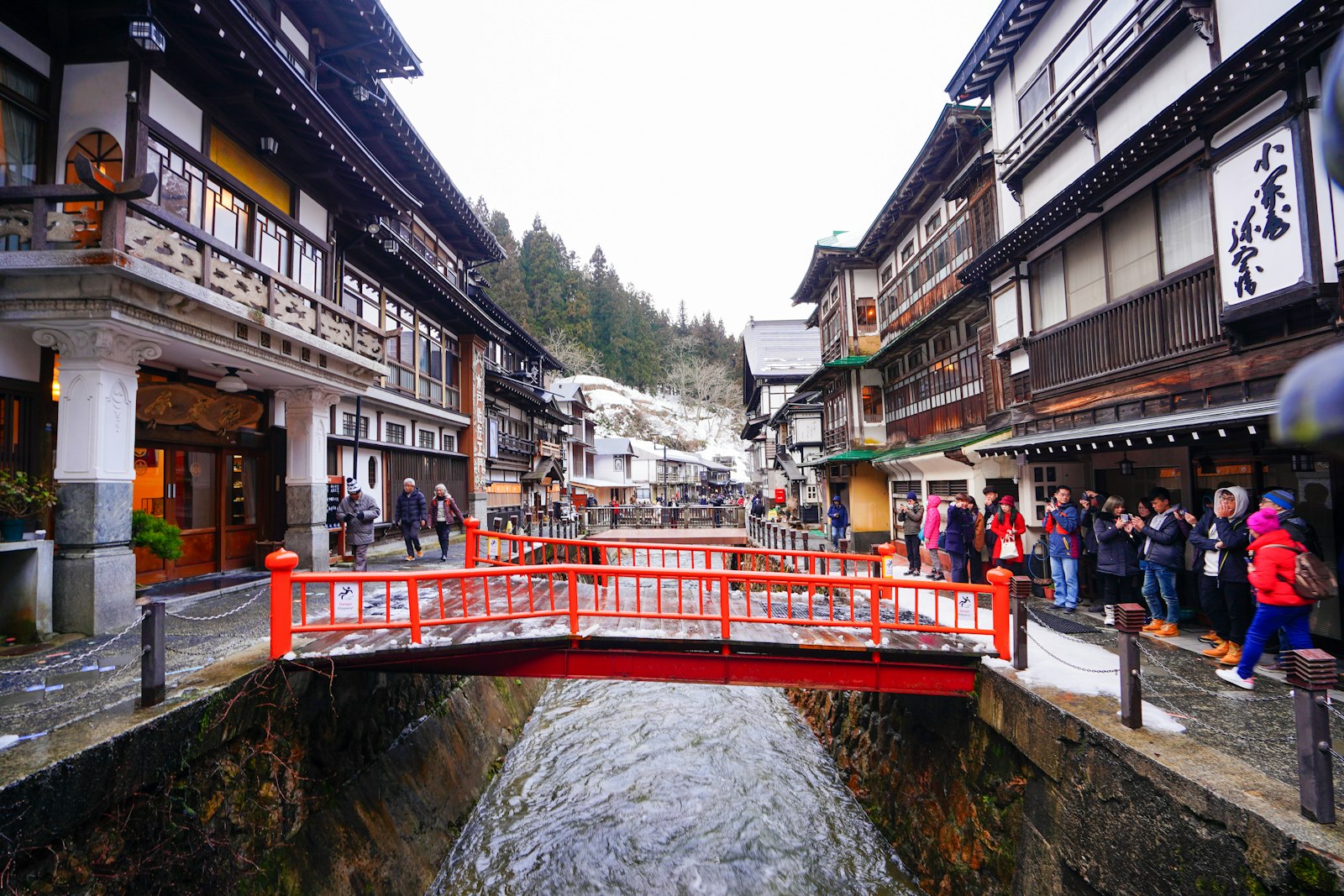
Kurokawa, in the mountains of Kumamoto, is a hot-spring town of earthy, understated ryokan set along a creek among bamboo and trees. It has deliberately avoided neon and high-rises, keeping a wooden, lantern-lit character. Many inns here sell a pass for bathing across several open-air baths around town.
Yufuin
Yufuin sits under the twin peaks of Mount Yufu, its ryokan drawing on mineral-rich waters and a gentler, arts-inflected pace. It pairs restorative bathing with galleries, cafes, and a walkable rural setting — a softer luxury than the grand inns of Hakone or Kyoto.
Kyushu Hospitality
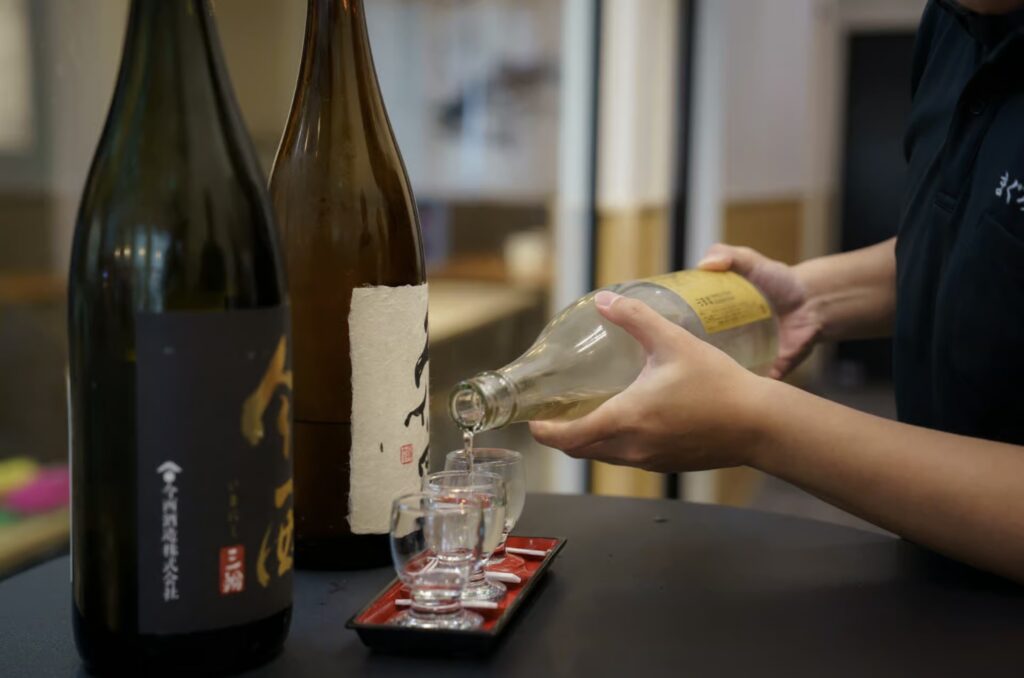
Kyushu’s ryokan lean into their region: rock baths carved into the landscape, local sake pairings at dinner, and a warmth that feels a shade less formal than the mainland’s grandest houses. For travelers who want luxury without stiffness, it is a rewarding choice.
What Sets an Elite Ryokan Apart
Hyper-Seasonal Kaiseki
At this level, the kaiseki is the headline. Kitchens work with the narrowest seasonal windows, sourcing regional seafood at its peak and serving A5 wagyu and rare local produce plated to a Michelin standard. Dinner is not an amenity here; it is a reason to come.
Traditional Architecture
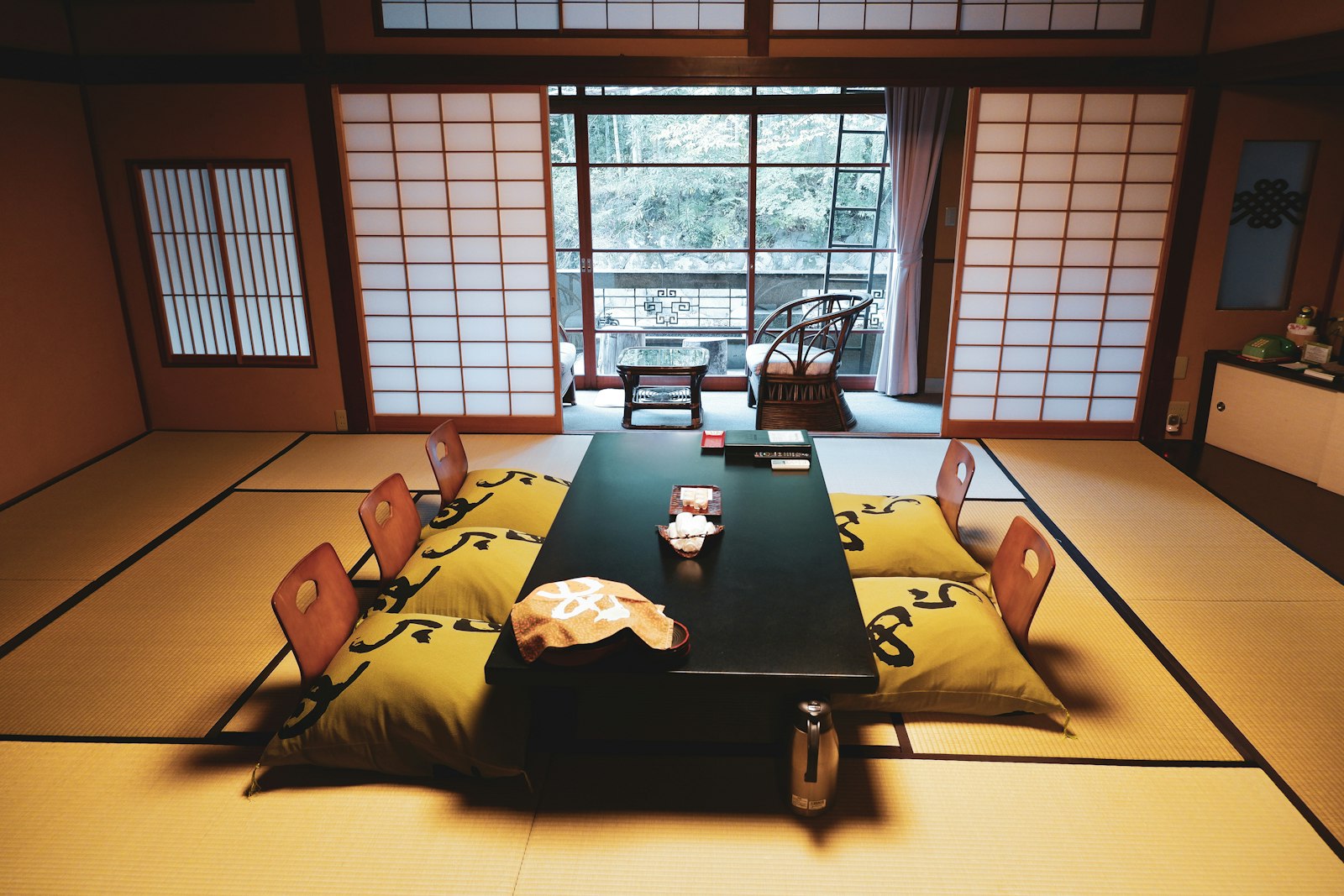
Elite ryokan are exercises in craft — polished hinoki cypress floors, hand-plastered walls, joinery assembled without nails. Walking these buildings barefoot, you feel the difference in materials the moment you arrive. The architecture is part of what you are paying for.
Personal Stewards
Dedicated room stewards anticipate the arc of your stay, from the tea on arrival to the timing of your bath and dinner. The service aims to be present when needed and invisible otherwise — the hardest kind to deliver, and the surest mark of a great house.
Expert Tip
If your budget allows a single splurge on your whole trip, put it into one night’s room with a private open-air bath rather than two nights in a standard room. A room-attached rotenburo — soaking privately at dawn or under the stars, with no one else around — is the experience people remember for years, and it is worth trading nights to secure it.
Booking a Private Rotenburo
Rooms with a Private Bath
A room with its own outdoor bath is the definitive luxury-ryokan upgrade. It gives you the onsen experience on your own schedule and in complete privacy, which for many travelers is worth every yen of the premium. These rooms are limited and book first.
Reserving a Kashikiri Bath
If a private in-room bath is beyond your budget, many ryokan offer kashikiri-buro — a private bath you reserve by the hour for your family or couple. It is a more affordable way to have the water to yourselves, ideal for those uncomfortable with communal bathing.
Bathing Under the Stars
The finest moment of a ryokan stay is often the quietest: a late-night soak in an open-air bath with the forest silent around you and the sky overhead. Whether private or shared, seek out that midnight bath. It is the memory that lingers.
Booking Elite Ryokan: Frequently Asked Questions
How far ahead should I book? For the most famous inns, several months is wise, and peak seasons — autumn leaves, cherry blossom, New Year — can sell out further out still. The smallest, most storied houses have very few rooms, so book as early as your dates allow.
What should I expect to pay? Top-tier ryokan are typically priced per person and include an elaborate dinner and breakfast. Expect a significant nightly rate that reflects the cuisine and service; rooms with private baths command a further premium. Confirm current rates directly, as they vary by season and room.
Are there child or quiet policies? Some exclusive ryokan cater to couples and set age restrictions or quiet expectations. If you are traveling with young children, check each inn’s policy before booking to find one that welcomes families.
Luxury Onsen in Kyoto: Where the Hot Springs Actually Are
Kyoto is not an onsen town in the way Hakone or Kinosaki are, and travelers searching for a luxury onsen in Kyoto often assume otherwise. The hot-spring options here are fewer, and they sit outside the city centre.
The real hot springs sit at the city’s edges. Arashiyama in the west, Yunohana in the hills beyond it, and the forested north each have their own source. In our experience, the best Kyoto trip splits the difference: a night or two in a historic machiya inn downtown, then a final night by the water where you can soak before breakfast.
Arashiyama: Suiran
Suiran sits on the bank of the Hozu River in Arashiyama, a short walk from Tenryu-ji and the Togetsukyo Bridge. It has 39 rooms, and 17 of them come with a private open-air bath filled from the Arashiyama hot spring. Two more private baths, set in the garden, can be reserved by the hour.
Choose one of the 17 rooms with a private open-air onsen bath. Staying in Arashiyama lets you enjoy the area early in the morning, before many day-trippers arrive. Suiran is a luxury hotel that blends modern accommodation with traditional Japanese design, dining, and hot-spring experiences.
Northern Kyoto: Aman Kyoto
Aman Kyoto occupies a forest garden in Takagamine, close to Kinkaku-ji. It is not a ryokan in the traditional sense. Still, its spa is built around mineral-rich spring water that rises near the property, and the suites follow a pared-back ryokan aesthetic.
For travelers who want onsen bathing with the privacy and service of an international luxury resort, Aman Kyoto offers a distinctive option in the city.
Japan’s Most Luxurious Onsen Ryokan Beyond the Classic Routes
Hakone and Kyoto are where most itineraries start. Some of the finest luxury onsen in Japan, however, sit a train change or two away from either. These two houses are where we send travelers who have already done the obvious and want the water, the food, and the silence at a higher register.
Beniya Mukayu, Yamashiro Onsen
Beniya Mukayu stands in Yamashiro Onsen in Ishikawa, in the old Kaga domain. Every room has its own open-air bath facing the garden, which removes the one compromise that even the grandest ryokan usually ask of you. The MICHELIN Guide has recognised it with a Key.
What sets it apart is restraint. The rooms are spare, the kaiseki leans on Kaga produce and local lacquer and ceramics, and the pace is slow by design. It pairs well with a few days in Kanazawa, which is close by.
Asaba, Shuzenji
Asaba has hosted guests in Shuzenji, on the Izu Peninsula, for centuries, and the family’s history there reaches back to the fifteenth century. Its signature is a Noh stage that stands over a large pond, with a bamboo grove behind it. Performances are staged there through the year.
Few ryokan in Japan feel this complete. Sitting on the veranda at dusk, looking across the water to the stage, you understand that the building, the garden, and the bath were conceived as one experience. Travelers who care about traditional performing arts should ask about the calendar before choosing dates.
How We Judge a Luxury Onsen
Price alone tells you little. We look first at the water: whether the inn has its own source and whether the bath is gensen kakenagashi, fed continuously from the spring rather than filtered and recirculated. That single detail changes how the water feels on your skin.
After that, look at privacy. A room-attached open-air bath, or at least a bookable private bath, matters more than the size of the communal one. If you are new to bathing customs, our onsen etiquette guide covers the basics, and our ryokan guide explains what to expect from check-in to breakfast.
Related Tours
Conclusion
The finest ryokan in Japan are not really hotels at all. They are the country’s hospitality, cuisine, and craft distilled into a single stay, in settings — a Hakone valley, a Kyoto garden, a Kyushu gorge — that you carry home with you.
Plan Your Japan Trip with Local Experts
Our team has guided 40,000+ travelers across Japan. Tell us about your trip and we’ll get back to you within 24 hours.