In this article:
- Macaques in the Hot Spring
- Hiking the Forest Trail
- Rules for Safety and Welfare
- Getting There from Nagano
- Nearby Yudanaka and Shibu Onsen
- Snow Monkey Park: Frequently Asked Questions
Introduction
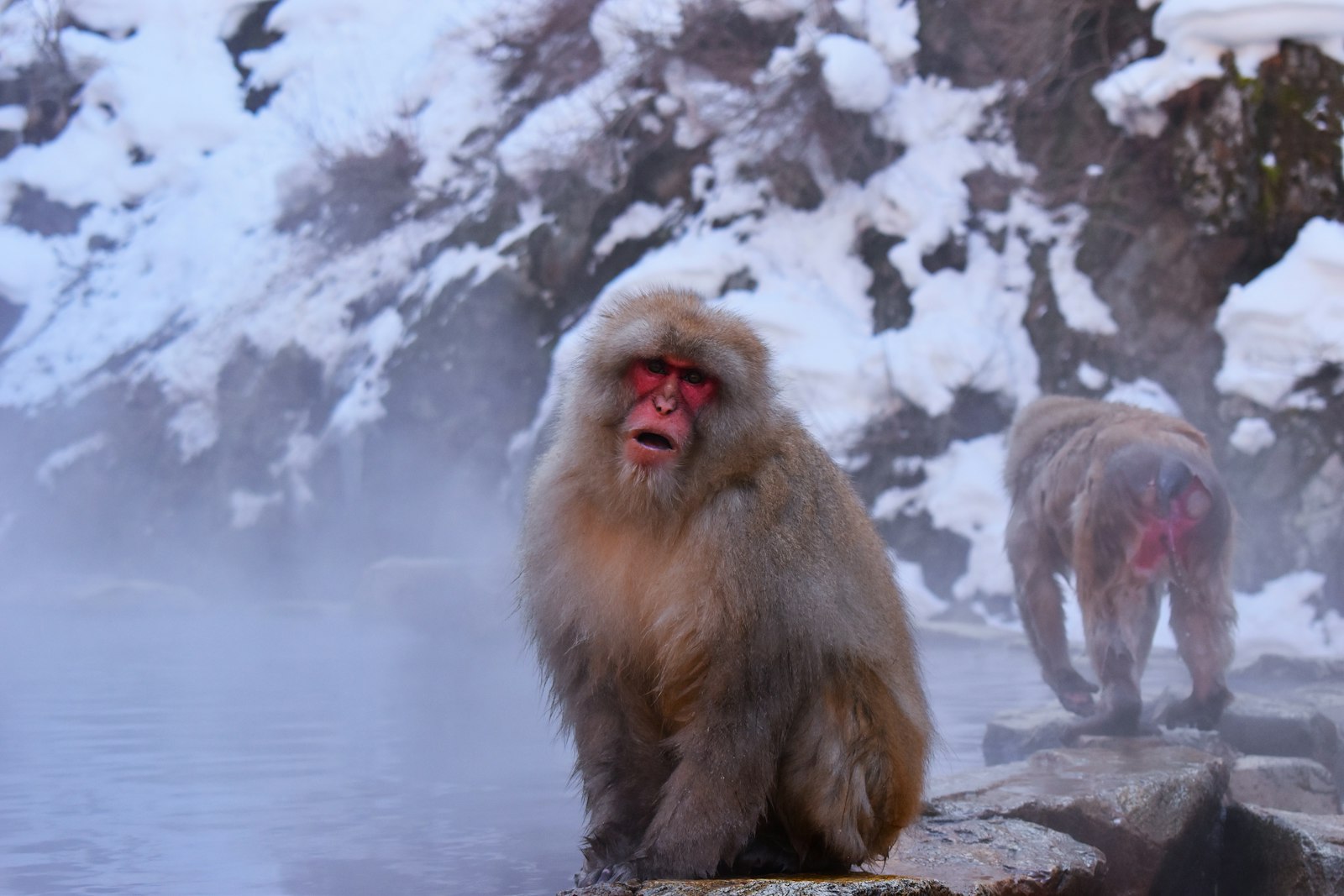
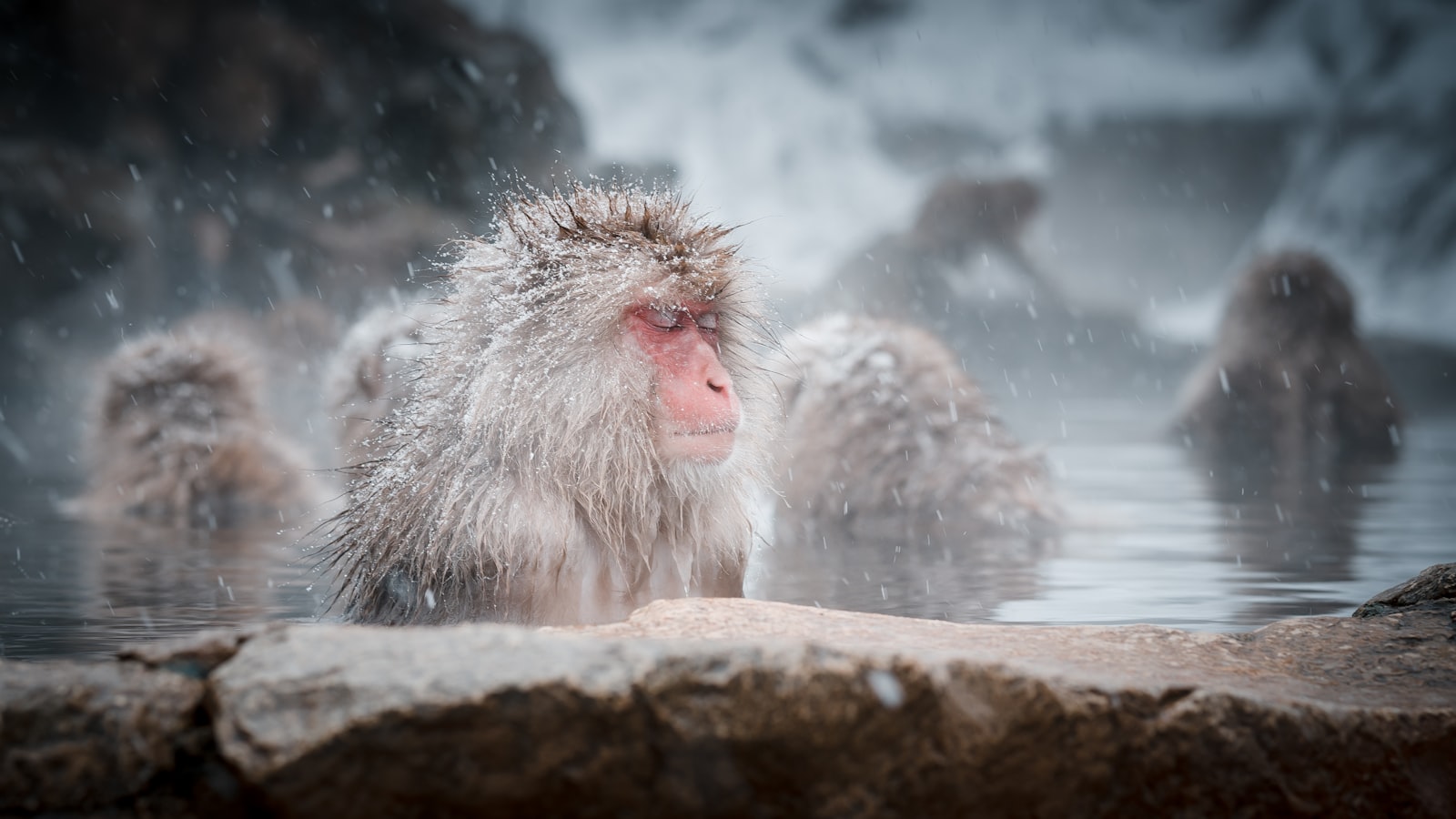
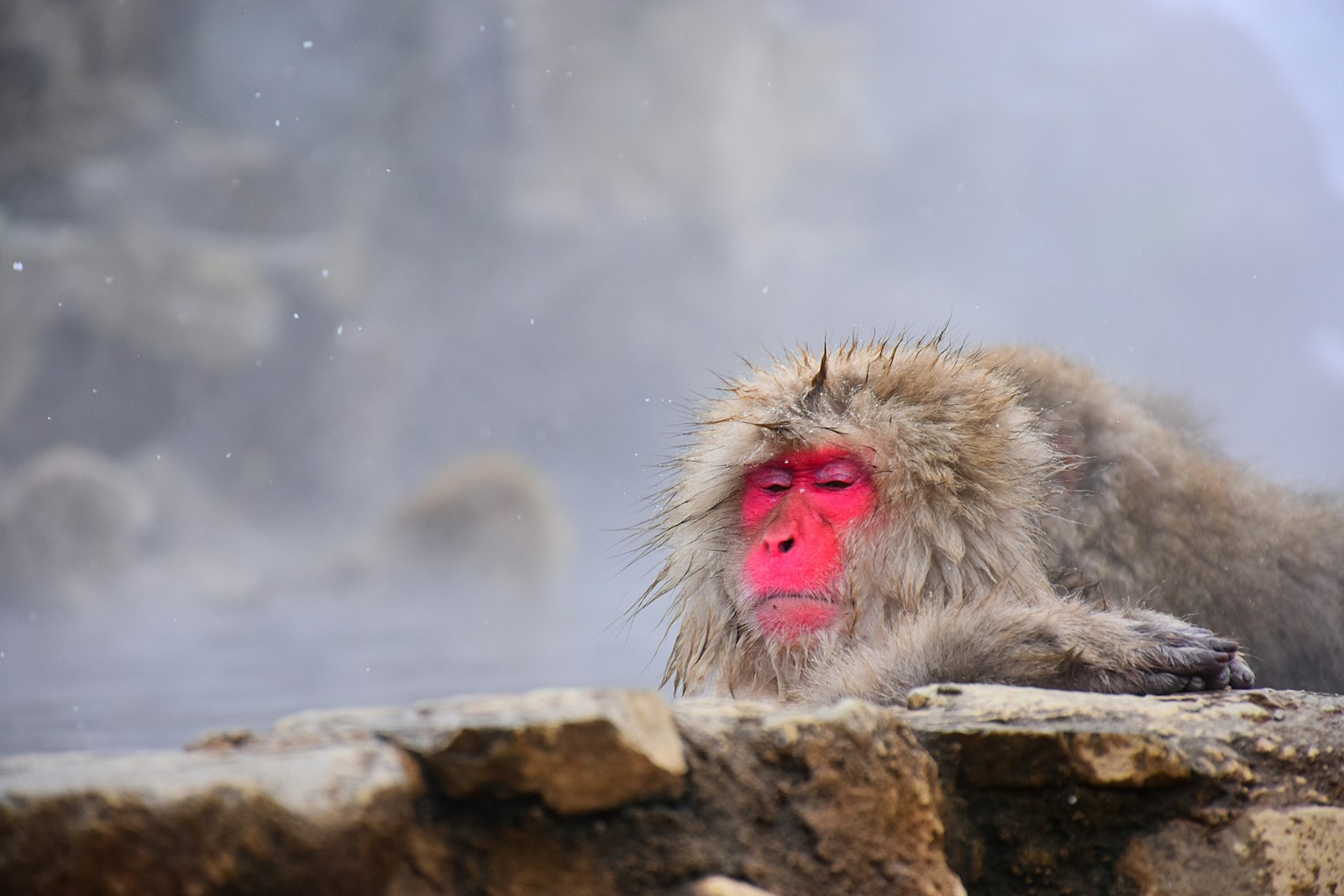
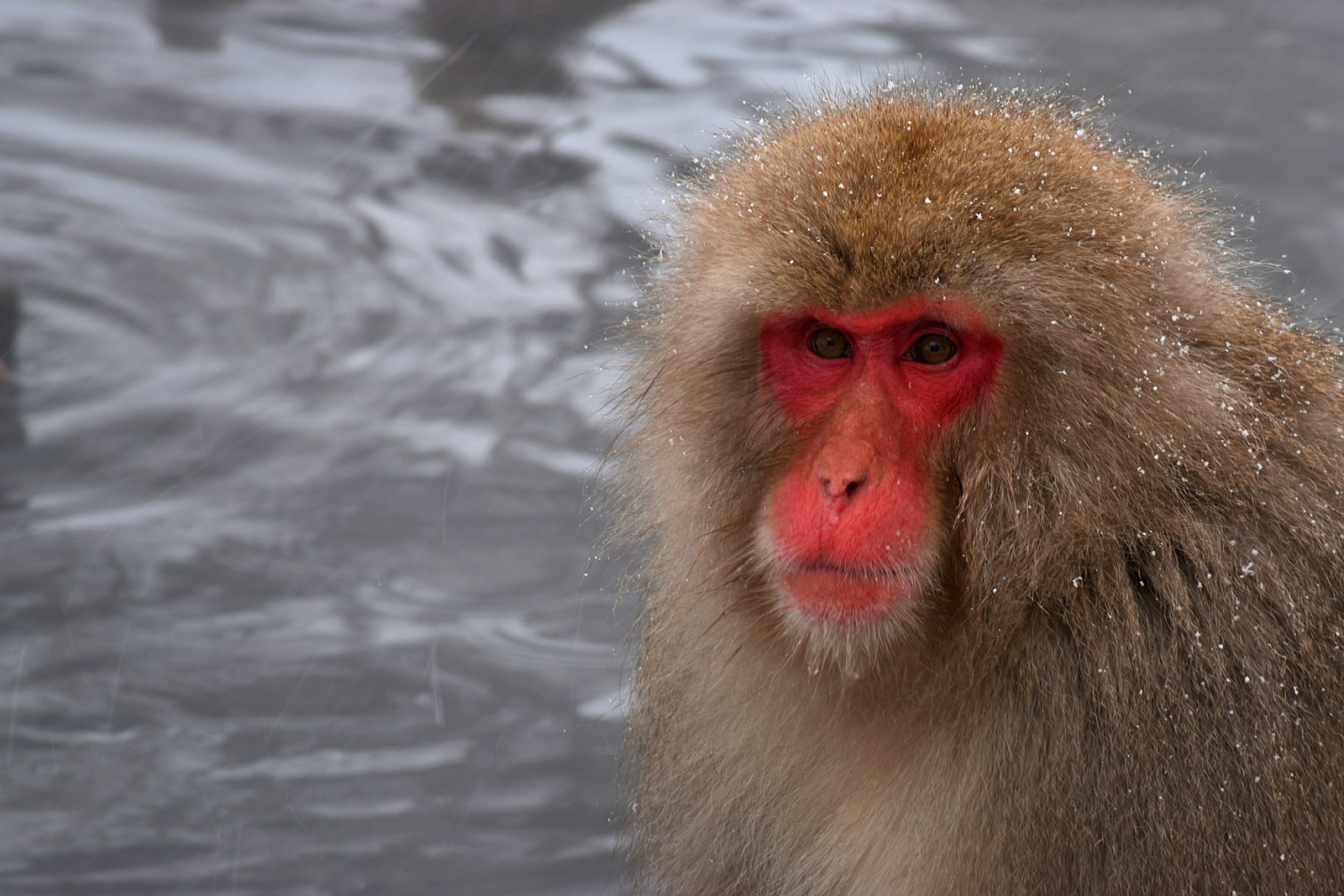
The image is famous for a reason: a wild monkey chest-deep in steaming water, snow settling on its fur, looking utterly content. Jigokudani, the “Hell Valley,” is the only place you reliably see it, and standing a few feet from these macaques as they bathe is one of the most memorable wildlife encounters in Japan.
It takes a little effort — a mountain forest walk that ices over in winter — and a real respect for the rules. Here is how to visit well.
Macaques in the Hot Spring
The monkeys are wild, and their behavior is the whole show.
Wild Monkeys in Natural Onsen
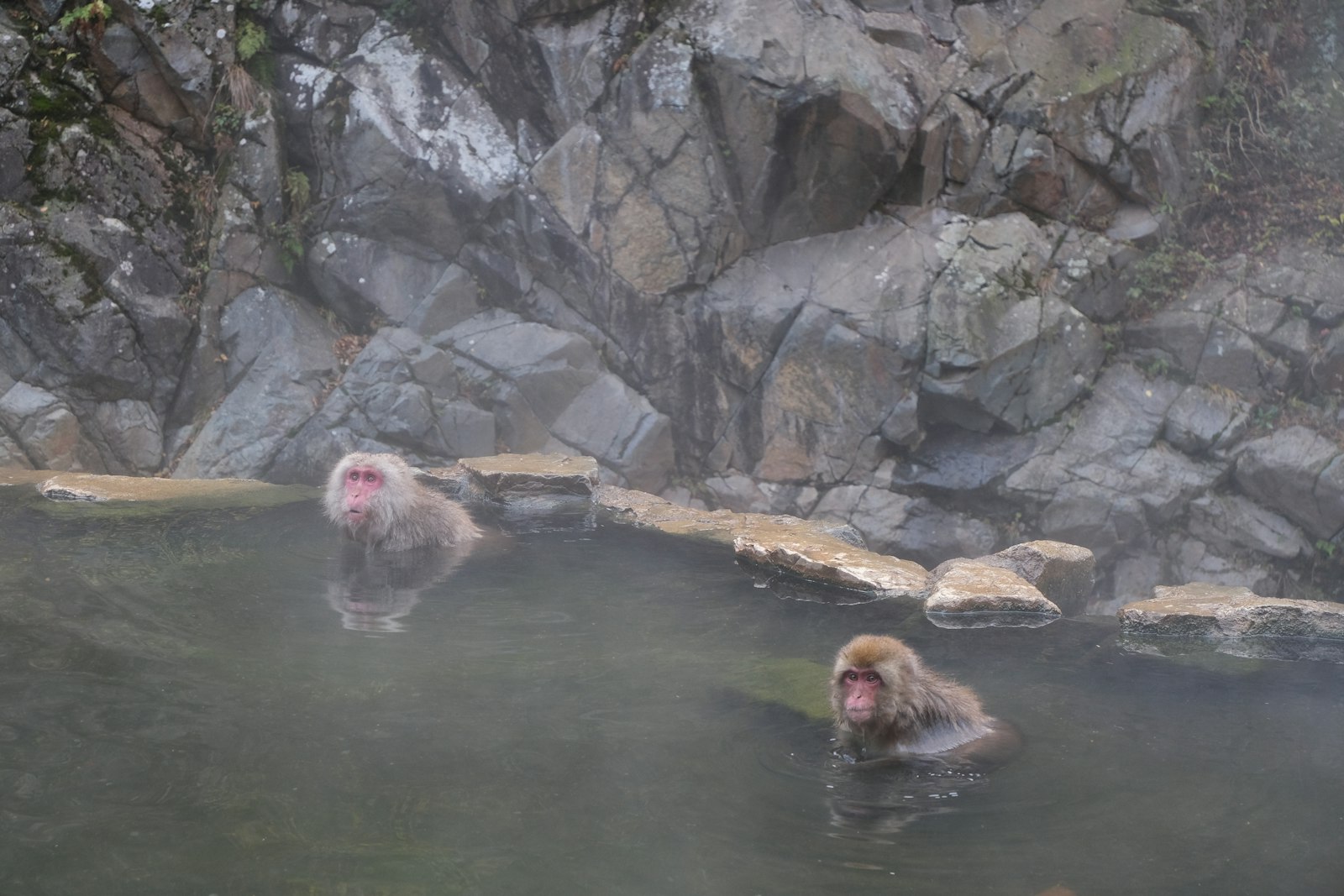
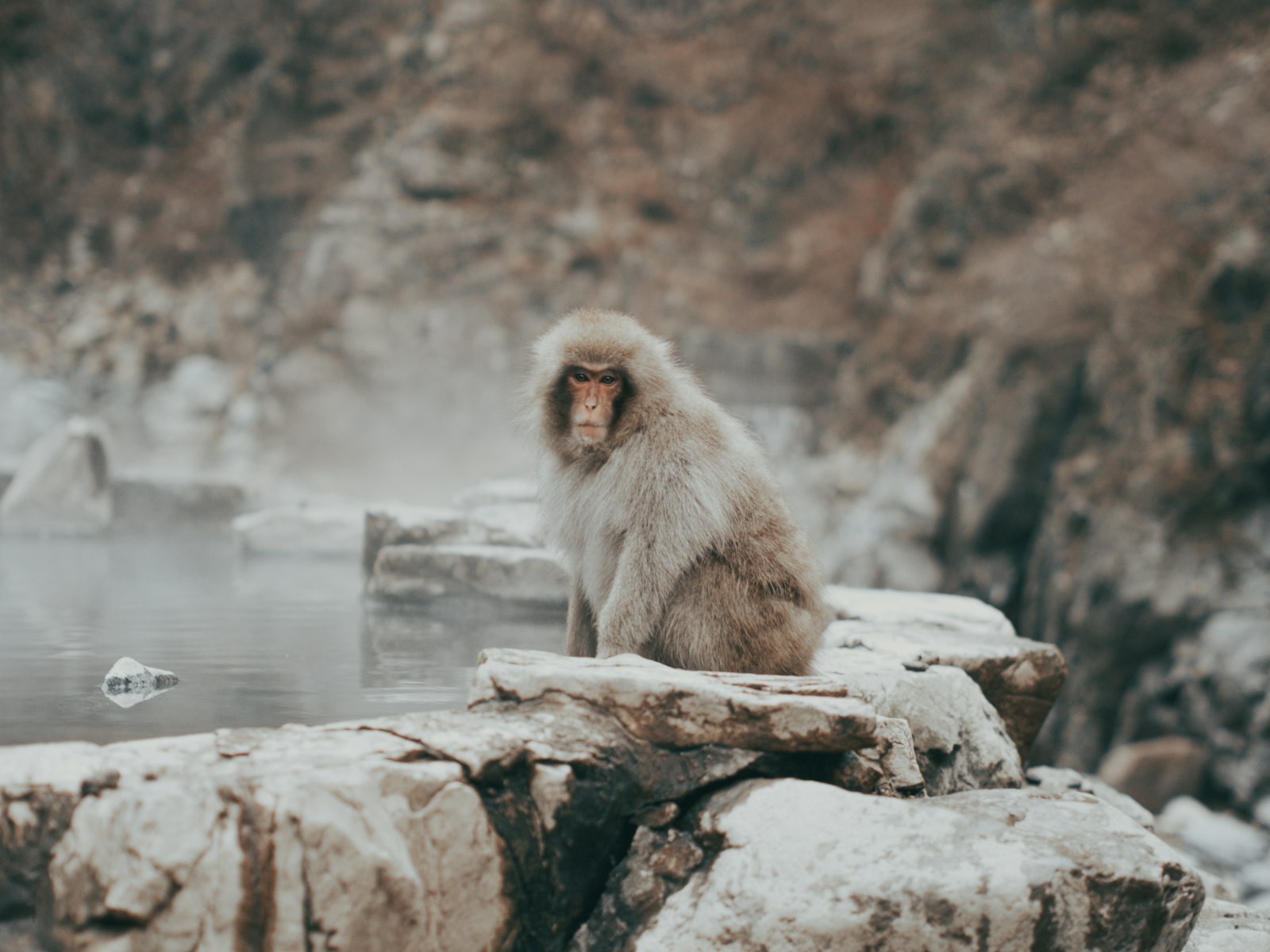
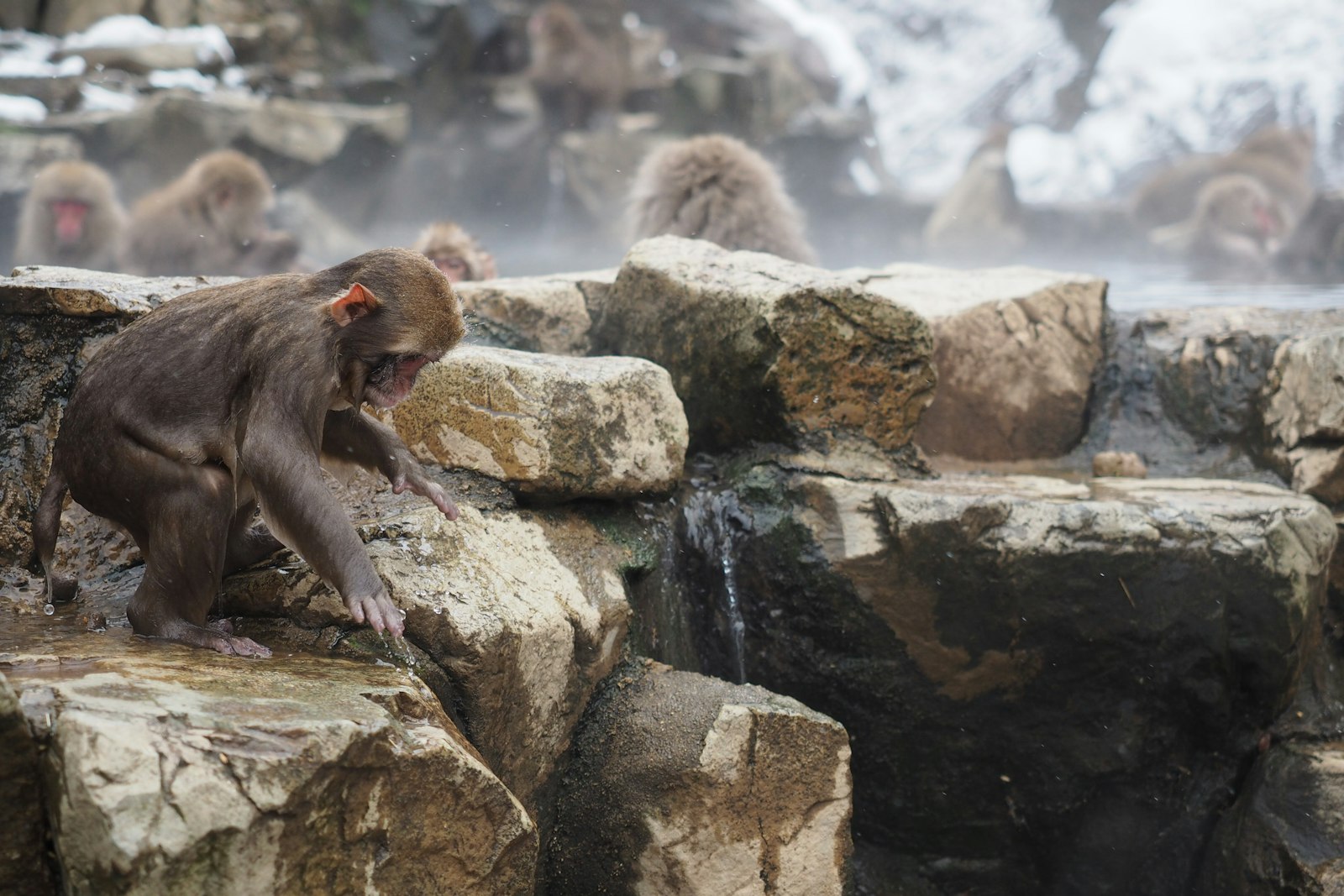
The macaques of Jigokudani descend from the surrounding forest to bathe in a hot-spring pool within the park, a behavior they adopted decades ago and pass down through the troop. They are genuinely wild animals choosing to soak, not a captive display, which is what makes the sight so remarkable.
Winter vs. Summer
The iconic snow-framed scene happens in the cold months, roughly December through March, when the monkeys bathe most and the setting is at its most beautiful. In warmer months they visit the pool far less, since they have less reason to warm up. For the classic image, come in winter.
Troop Behavior
Beyond the bathing, watching the troop is fascinating: the grooming rituals, the hierarchy, mothers with infants, the social dynamics playing out at close range. Take time to observe rather than only photographing — the behavior is as compelling as the postcard shot.
Hiking the Forest Trail
The Forest Footpath
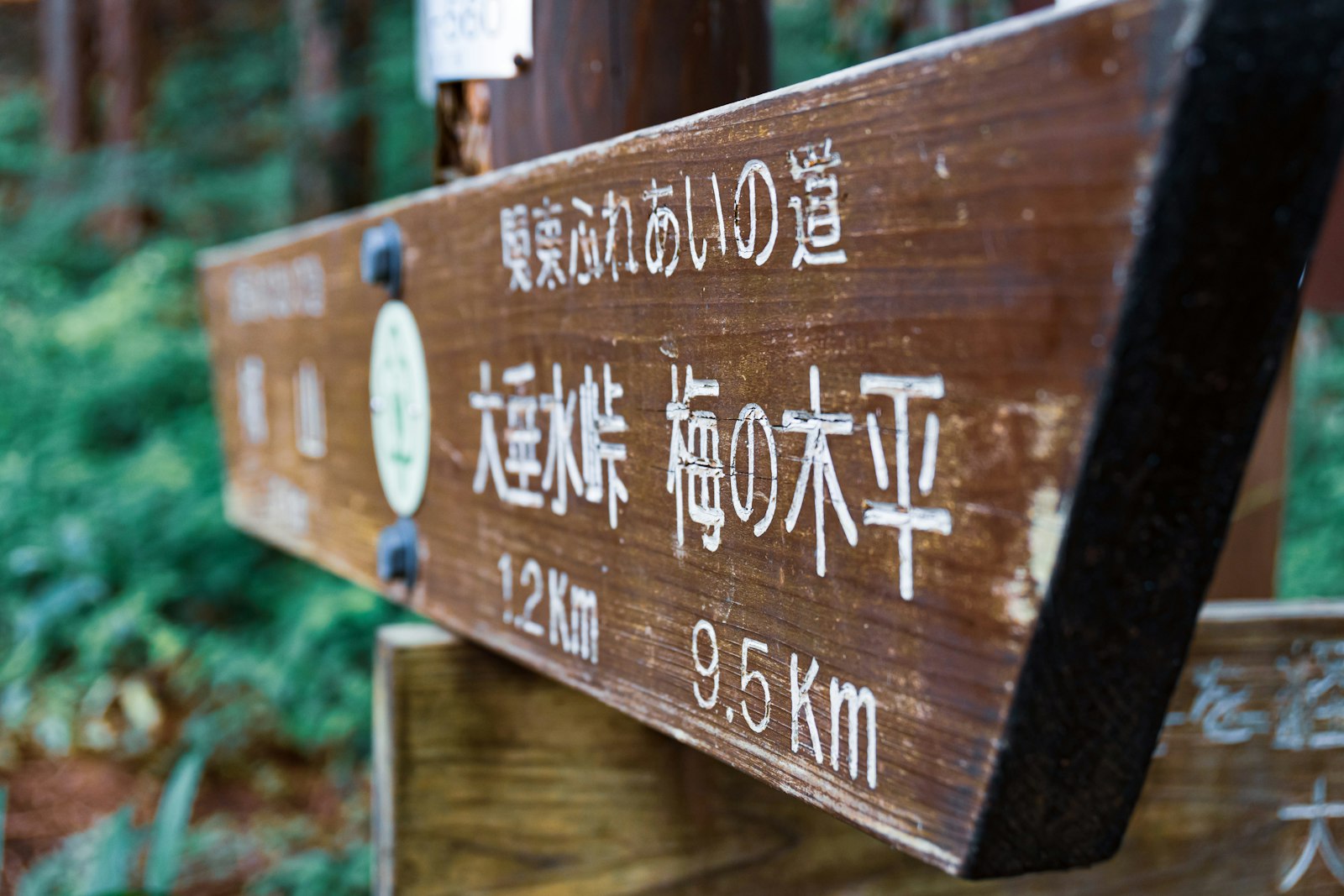
The park is not at the car park. From the entrance near Kanbayashi Onsen, a forest footpath of roughly 1.6 kilometers leads to the monkeys, winding through cedar woods along the valley. It is a pleasant walk in good weather and a genuine consideration in deep winter.
Footwear Matters
In winter the trail is snowy, icy, and sometimes muddy, and ordinary sneakers are a mistake. Waterproof boots with good grip, or clip-on ice spikes over your shoes, make the walk safe and comfortable. This is the single most important thing to get right for a winter visit.
Dress for the Cold
The valley sits in the mountains and gets seriously cold, especially with the wind. Layer up with thermals, a warm jacket, hat, and gloves. You will be standing still watching the monkeys, when the cold sets in fastest, so dress warmer than the walk alone suggests.
Rules for Safety and Welfare
Keep Your Distance
These are wild animals, and the park forbids touching them or staring them down, which monkeys read as a threat. Keep a respectful distance, avoid direct eye contact, and let them move around you. Follow staff guidance, and the encounter stays safe for everyone.
Hide All Food
Do not eat, drink, or even show food near the monkeys, and keep snacks and plastic bags out of sight in a closed bag. Monkeys associate bags with food and may grab them. Keeping food hidden protects both you and the animals’ natural diet.
Camera Etiquette
Turn off your flash, which distresses the animals, and skip the selfie stick, which can alarm them and get in others’ way. Photograph calmly and quietly. The monkeys are used to visitors, but only because visitors behave.
Getting There from Nagano
Bus or Train
From Nagano Station, you can take the direct Snow Monkey Express bus toward Kanbayashi, or the Nagano Electric Railway train to Yudanaka and a local bus from there. Both get you to the trailhead; the express bus is the simplest single connection. Check timetables, as services are less frequent than city transit.
The Snow Monkey Pass
The Snow Monkey Pass bundles the round-trip transport and park entry at a saving over buying separately. If you are making the trip from Nagano for the day, it is usually the most economical and convenient option. Buy it at the station.
Luggage Storage
You do not want to carry a suitcase up an icy forest trail. Use the coin lockers at Nagano or Yudanaka stations to store large bags and walk to the monkeys with just a day pack. Travel light for the hike.
Nearby Yudanaka and Shibu Onsen
Historic Onsen Towns
The nearby towns of Yudanaka and Shibu Onsen are atmospheric hot-spring villages with traditional ryokan and old wooden streetscapes. Staying a night here turns a rushed day trip into a proper onsen escape, and lets you reach the monkeys early before the crowds.
The Nine Baths of Shibu
Shibu Onsen is famous for a stroll between nine public bathhouses, a traditional bath-hopping pilgrimage guests undertake in yukata and geta. It is a wonderful, old-fashioned way to spend an evening after a day in the cold valley.
Footbaths
Free public footbaths (ashiyu) in the area let you soak tired feet after the forest hike without a full bath. They are a small, welcome comfort and a nice way to warm up between activities.
Expert Tip
Come in winter, wear the right boots, and arrive early. The snow-framed bathing scene only reliably happens in the cold months, the trail demands proper grippy, waterproof footwear or clip-on spikes, and the park is calmest and the light best soon after it opens. Nail those three things — season, shoes, timing — and you get the iconic experience without the cold-weather mishaps that catch unprepared visitors.
Snow Monkey Park: Frequently Asked Questions
Do the monkeys bathe in summer? Rarely. The bathing is mainly a cold-weather behavior, so summer visits show the monkeys around the grounds but seldom in the pool. For the classic hot-spring scene, visit in winter, roughly December to March.
Is the trail wheelchair or stroller friendly? No. The 1.6-kilometer forest path is uneven and, in winter, snowy and icy, so it is not suitable for wheelchairs or strollers. It requires a moderate walk in sturdy footwear.
How much time should I allow? Budget around 30 to 40 minutes each way on the trail, plus at least an hour observing the monkeys, so a couple of hours minimum at the park itself, more with transport from Nagano.
Related Tours
Conclusion
Jigokudani offers something you cannot see anywhere else: wild monkeys soaking in a hot spring, snow on their heads, entirely on their own terms. It rewards a winter visit, proper boots, and quiet respect for the animals and their rules.
Plan Your Japan Trip with Local Experts
Our team has guided 40,000+ travelers across Japan. Tell us about your trip and we’ll get back to you within 24 hours.