In this article:
- What Is Yakiniku?
- Understanding the Cuts
- Sauces, Sides, and Rice
- How to Grill Like a Pro
- Where to Eat Yakiniku
- Japan Yakiniku: Frequently Asked Questions
Introduction
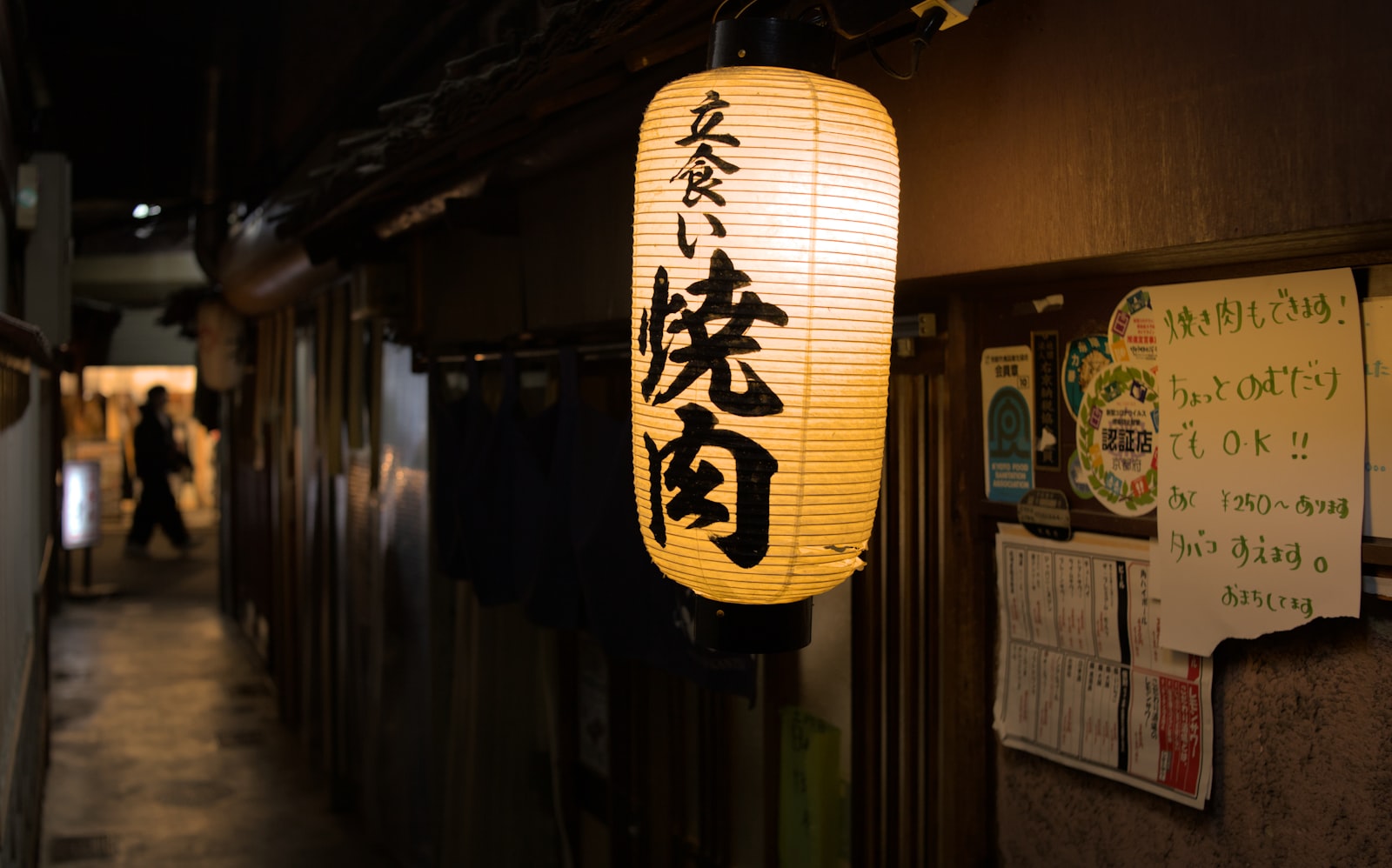
Yakiniku is dinner as activity: a grill set into your table, plates of beautifully marbled beef, and a couple of hours of cooking, eating, and drinking with friends. You are the cook, which is half the fun, and the quality of Japanese beef makes even a novice’s efforts taste extraordinary.
There is a little craft to doing it well — which cuts, which sauce, when to flip. Get those right and you eat like a local. Here is how.
What Is Yakiniku?
The format shapes the whole experience.
Grilling at Your Table
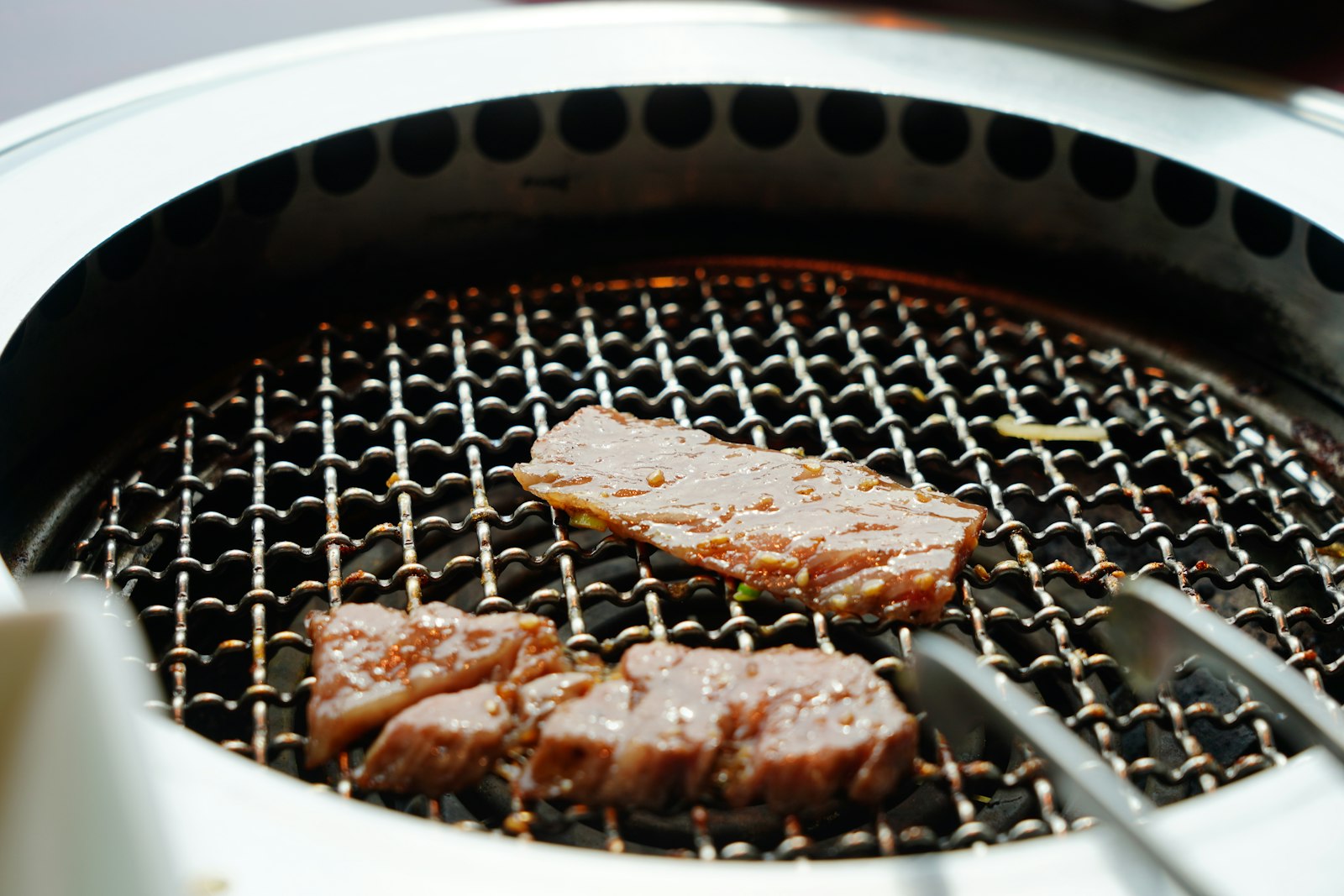
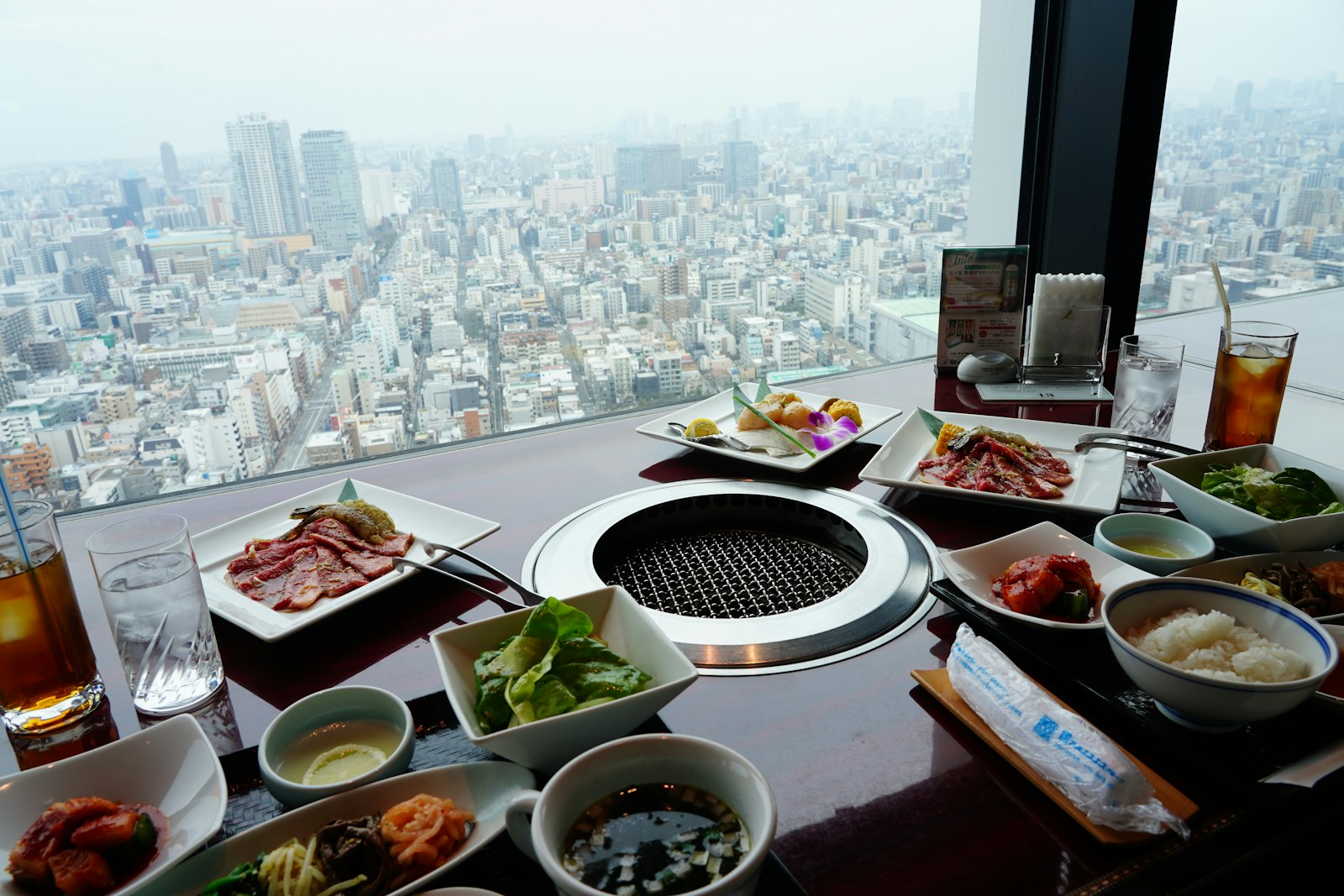
Yakiniku means “grilled meat,” and the experience centers on cooking bite-sized pieces of premium beef over a charcoal or gas grill built into your table. You order plates of raw meat and cook them to your liking, at your own pace. It is interactive, unhurried, and deeply sociable.
Japanese vs. Korean BBQ
Yakiniku shares roots with Korean barbecue but has its own character: often thinner cuts, an emphasis on the quality of the beef itself, and a balance of dipping sauce and simple salt. Both are wonderful; Japanese yakiniku leans toward showcasing the meat.
Smokeless Roasters

Many modern yakiniku restaurants use smokeless roasters with downdraft extraction, so you leave without smelling of smoke. This engineering means you can enjoy the grilling experience even in a nice outfit — a small but appreciated touch.
Understanding the Cuts
The Popular Cuts
Start with the classics: karubi (short rib), rich and marbled; harami (skirt), beefy and satisfying; and rosu (loin), a leaner, tender option. These cover the core of most menus and are a great introduction to the range of textures and fat levels.
Specialty Cuts
Adventurous eaters should try gyutan (thinly sliced beef tongue), a yakiniku favorite with a pleasant chew, and horumon (offal cuts), prized by enthusiasts for their varied textures and flavors. These are where yakiniku gets interesting beyond the steakhouse cuts.
Wagyu Grading
The pinnacle is wagyu, Japanese beef graded for marbling, with A5 the highest — intensely marbled, buttery, and rich enough that a few slices satisfy. A5 wagyu on the grill, seared briefly and eaten simply, is one of the great eating experiences in Japan. A little goes a long way.
Sauces, Sides, and Rice
Sauce vs. Salt and Lemon
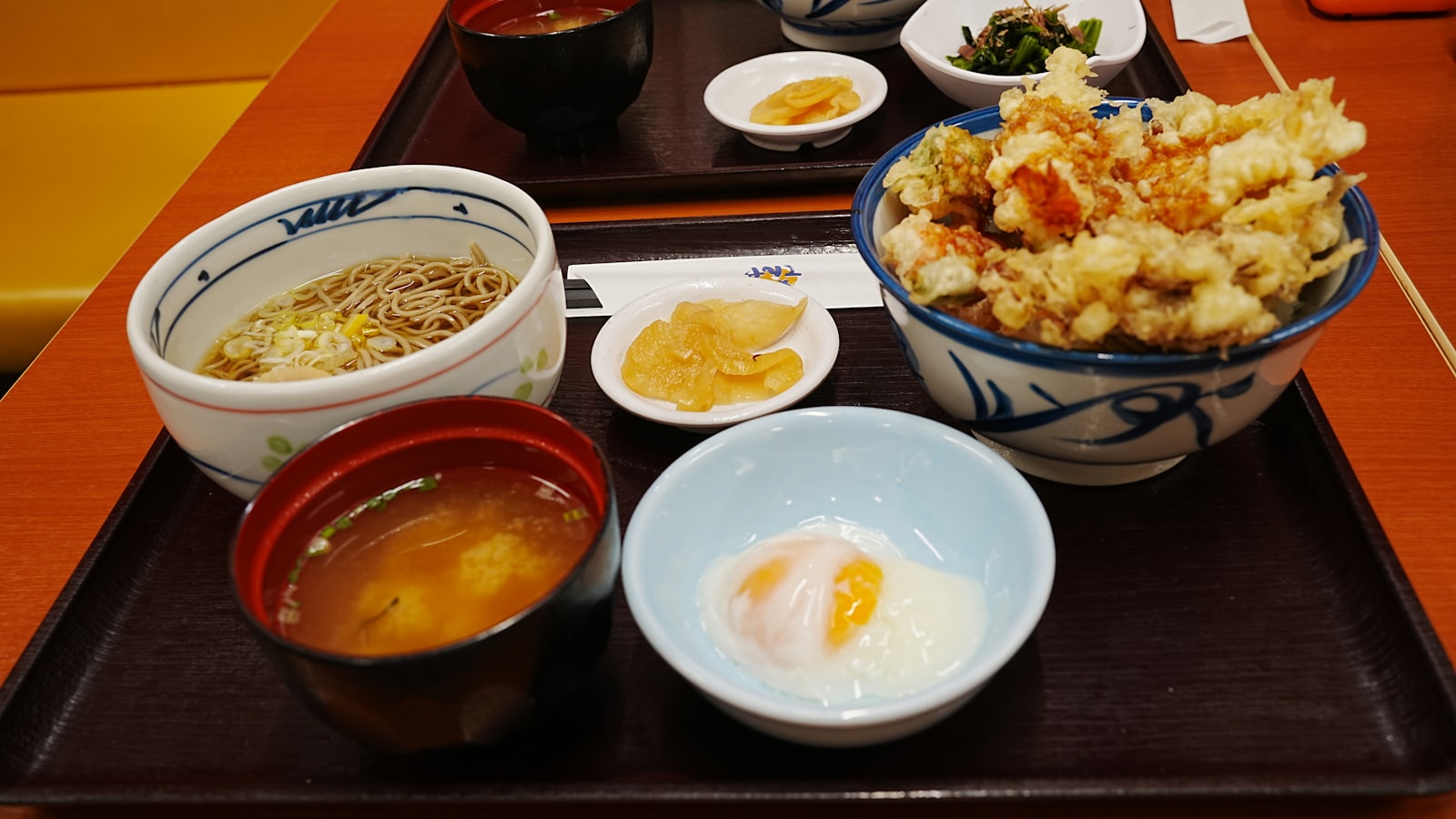
Match the seasoning to the cut. Richer, fattier meats shine with a sweet-savory dipping tare sauce, while leaner cuts and gyutan are often best with just salt and a squeeze of lemon, which cut through and brighten. Knowing which to use is the mark of an experienced yakiniku diner.
Essential Sides
Order sides to balance the meat: seasoned namul vegetables, tangy kimchi, and bowls of hot white rice. These lighten and refresh between rich bites, and a bit of rice with sauced beef is a classic, satisfying combination.
Finishing Dishes
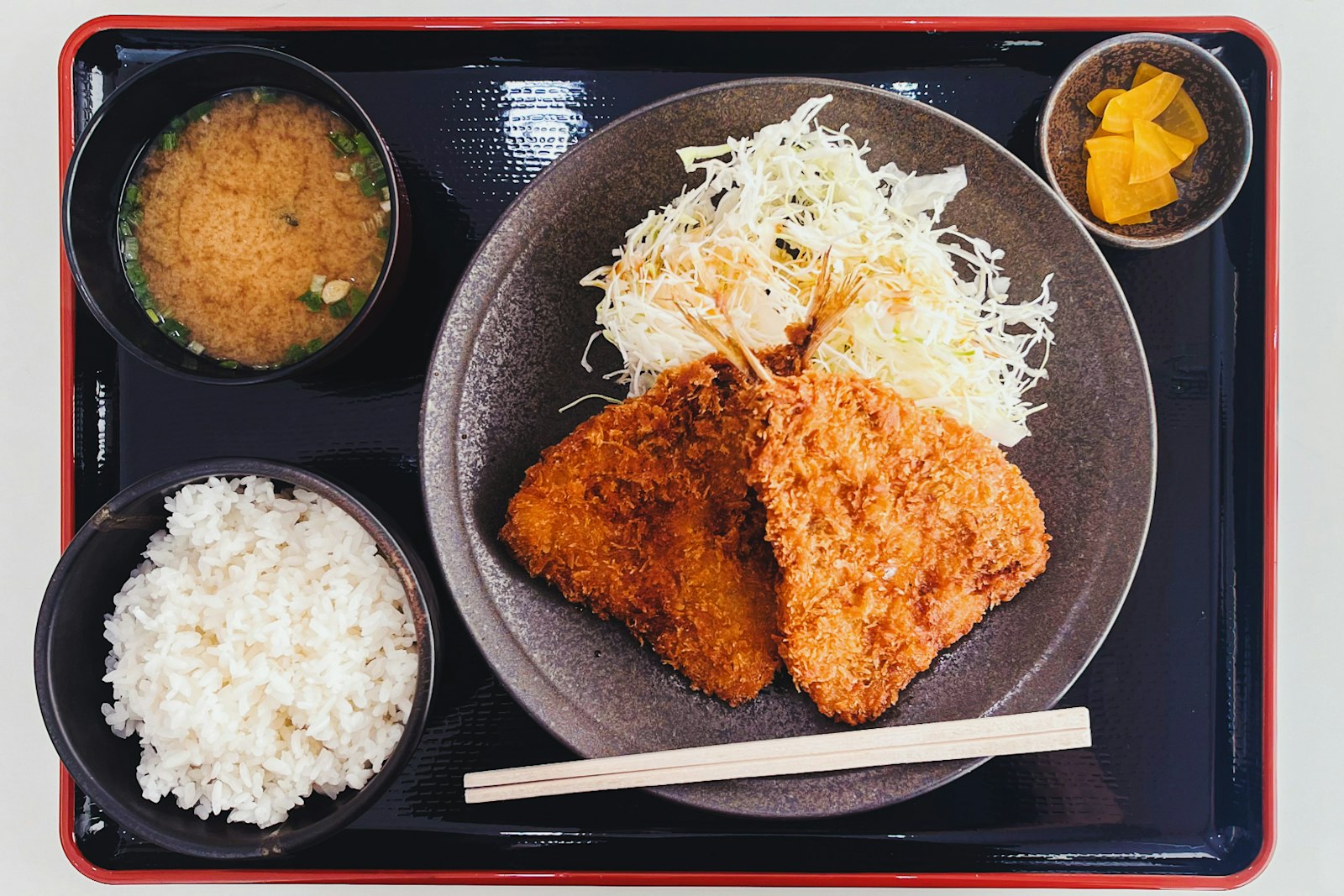
Yakiniku meals often end with something to round off, like cold reimen noodles or a bibimbap rice bowl. These finishing dishes settle the meal after all the grilled meat. Save room, or share one, to close properly.
How to Grill Like a Pro
Grill in the Right Order
Start with lighter, salted cuts like gyutan before moving to the richer, fattier meats, so the fat does not overwhelm the grill or your palate early. Grilling in order — light to rich — keeps the flavors clean and the grill manageable throughout the meal.
Manage the Fire
Fatty cuts drip and cause flare-ups, so grill them a little more carefully and spread pieces out. When the grill net gets charred and sticky, ask staff to change the ami (metal grill) — a normal, polite request that keeps everything cooking cleanly.
Do Not Overcook
Thin, high-quality cuts cook fast — often just a brief sear per side. Resist the urge to leave them on too long, which dries them out and wastes good beef. For marbled wagyu especially, a quick sear is all it needs. Watch closely and pull promptly.
Where to Eat Yakiniku
Casual Chains
Reliable chains like Gyukaku, Jojoen, and the solo-friendly Yakiniku Like make yakiniku accessible and consistent, good for a first try or a casual meal. They are affordable, everywhere, and welcoming to visitors unsure of the format.
All-You-Can-Eat
Tabehoudai (all-you-can-eat) yakiniku offers great value for hearty eaters, with set time limits and a menu of cuts to grill freely. It is a fun, budget-friendly way to feast, though the very top wagyu is usually reserved for à la carte ordering.
High-End Counters
At the luxury end, counter-style yakiniku and wagyu omakase serve exceptional cuts with expert guidance, sometimes grilled for you. For a special occasion, these high-end houses turn yakiniku into fine dining. Book ahead for the best.
Expert Tip
Order in courses rather than all at once. Yakiniku is best eaten in waves — start with a plate of lighter salted cuts like gyutan, see how the grill behaves, then order the richer marbled cuts once you are warmed up. Piling the grill with everything at the start leads to overcooking and flare-ups. A steady rhythm of ordering, grilling, and eating keeps each cut at its best and the meal relaxed.
Japan Yakiniku: Frequently Asked Questions
How do restaurants keep the air clean? Modern yakiniku venues use smokeless roasters with built-in extraction that pulls smoke down and away as you grill, so the room and your clothes stay largely odor-free. It is a common feature of contemporary restaurants.
How much is all-you-can-eat yakiniku? Tabehoudai prices vary by restaurant and the tier of meat included, but it generally offers strong value for a filling meal. Higher tiers with better cuts cost more; check what each course includes when booking.
Can solo travelers eat yakiniku? Yes. Solo-friendly chains like Yakiniku Like offer individual grills and counter seating designed for one, so you can enjoy yakiniku alone without awkwardness. Many other restaurants also welcome solo diners.
Related Tours

Conclusion
Yakiniku is Japan’s most hands-on feast: superb beef, a fire at your table, and a couple of hours of grilling and sharing. Learn the cuts, match sauce to fat, grill light to rich, and pull the meat before it overcooks.
Plan Your Japan Trip with Local Experts
Our team has guided 40,000+ travelers across Japan. Tell us about your trip and we’ll get back to you within 24 hours.