In this article:
- The Art of Teppanyaki
- Kobe Beef and Regional Wagyu
- A Full Teppanyaki Course
- High-End vs. Casual Teppan
- Reservations and Dress Codes
- Japan Teppanyaki: Frequently Asked Questions
Introduction
Teppanyaki turns a meal into a performance. You sit at a counter facing a broad iron griddle, and a chef cooks each course in front of you — searing wagyu, flaming lobster, crisping garlic — with knife skills and timing honed over years. The sizzle, the aroma, the precision: it engages every sense before you take a bite.
At the high end it is one of Japan’s most memorable dining experiences. Here is what to expect and how to do it well.
The Art of Teppanyaki
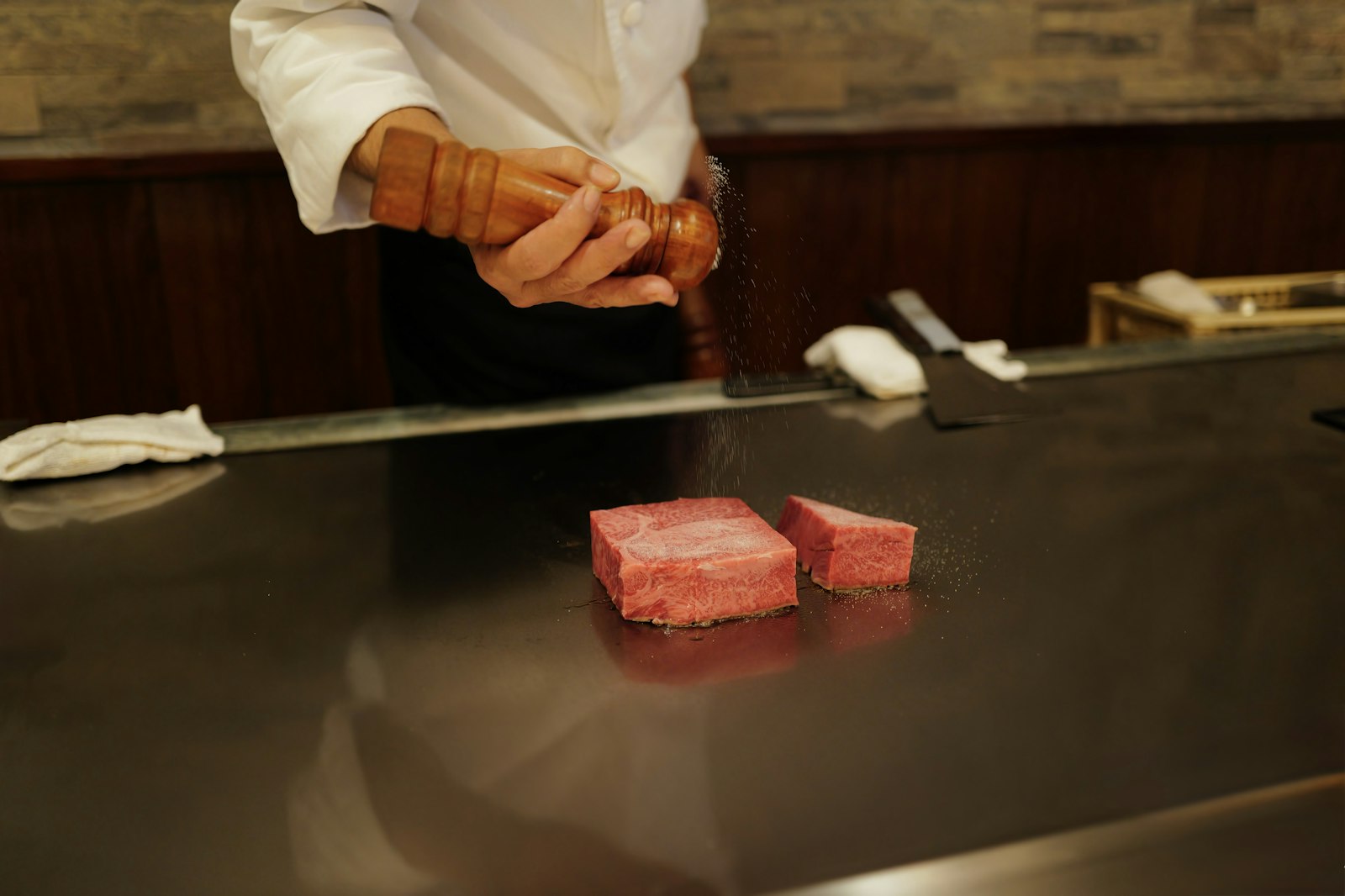
The experience is as much about the chef as the food.
The Live Performance
The teppanyaki chef cooks at your counter, combining precise knife work, controlled flames, and exact grilling into a quiet performance. Watching a master handle a perfect piece of wagyu — judging the sear, resting it, slicing it — is part of what you are paying for. It is culinary theater at its most refined.
Premium Ingredients
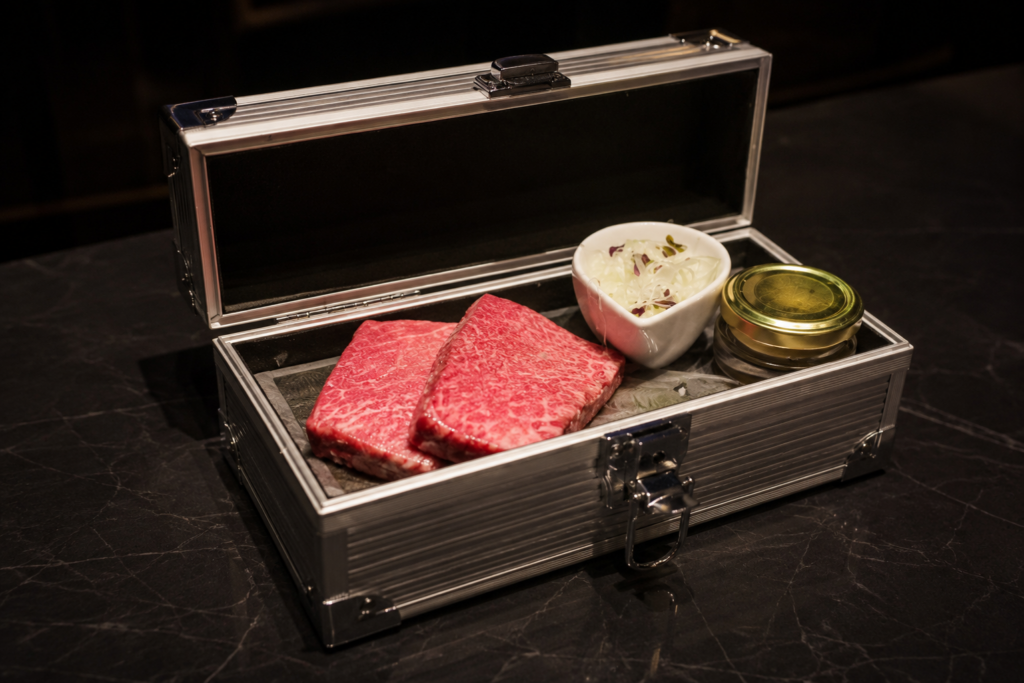
Teppanyaki showcases the finest ingredients: A5 wagyu, spiny lobster, abalone, seasonal vegetables, and the famous garlic fried rice. The quality of the raw materials is exceptional, and the simple, direct cooking lets each one shine. This is luxury eating built on the best produce.
A Feast for the Senses
Beyond taste, teppanyaki delights the ears and nose — the sizzle of beef hitting the plate, the aroma of garlic butter, the occasional controlled flame. Dining right at the griddle immerses you in the cooking in a way few restaurants can. It is an experience as much as a meal.
Kobe Beef and Regional Wagyu
Authentic Kobe Beef
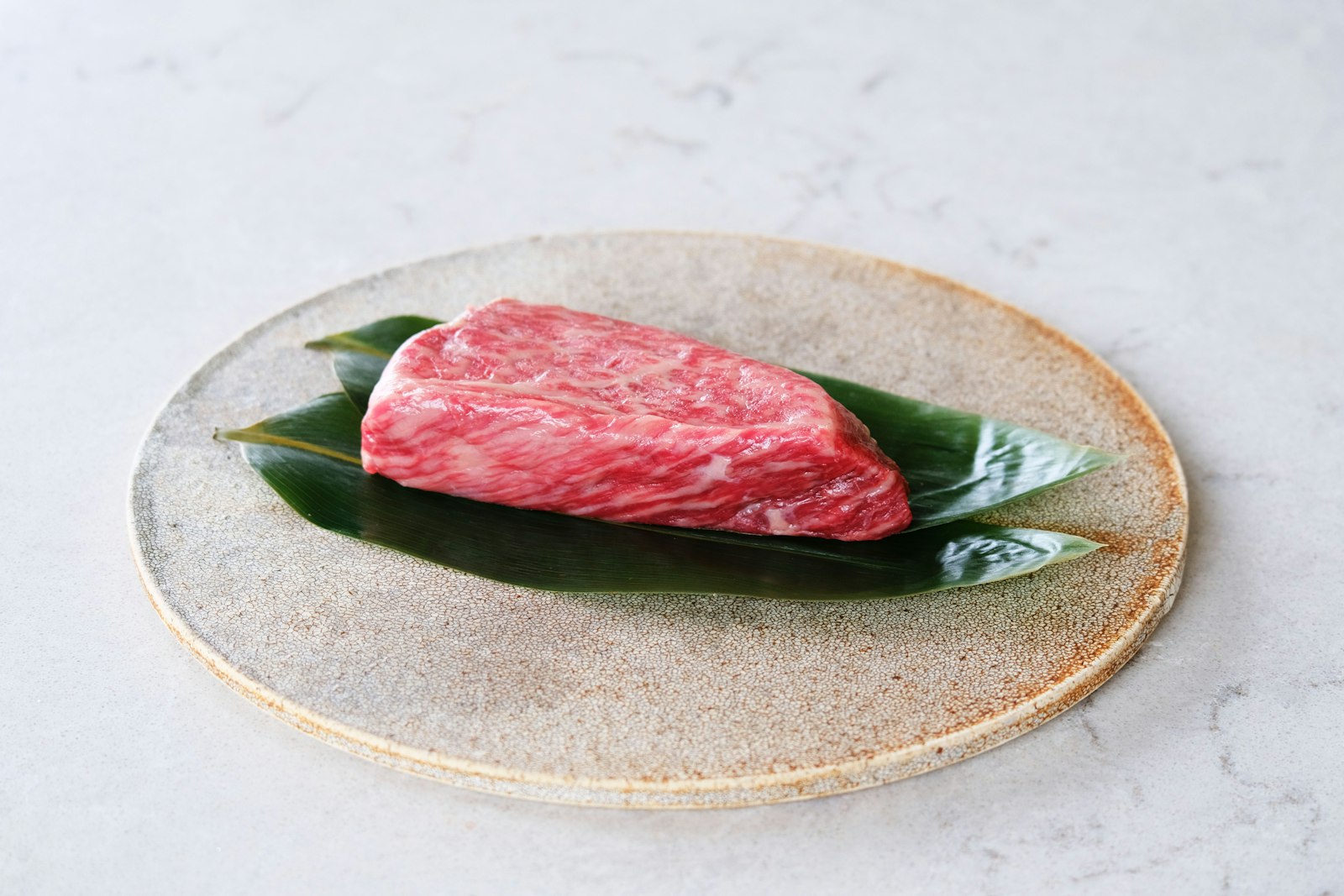
Kobe beef, among the world’s most famous wagyu, is a teppanyaki centerpiece, and the teppanyaki houses of Kobe city itself serve it at the source. Genuinely certified Kobe beef, seared on the iron and eaten simply, is a bucket-list experience for many travelers.
Regional Wagyu
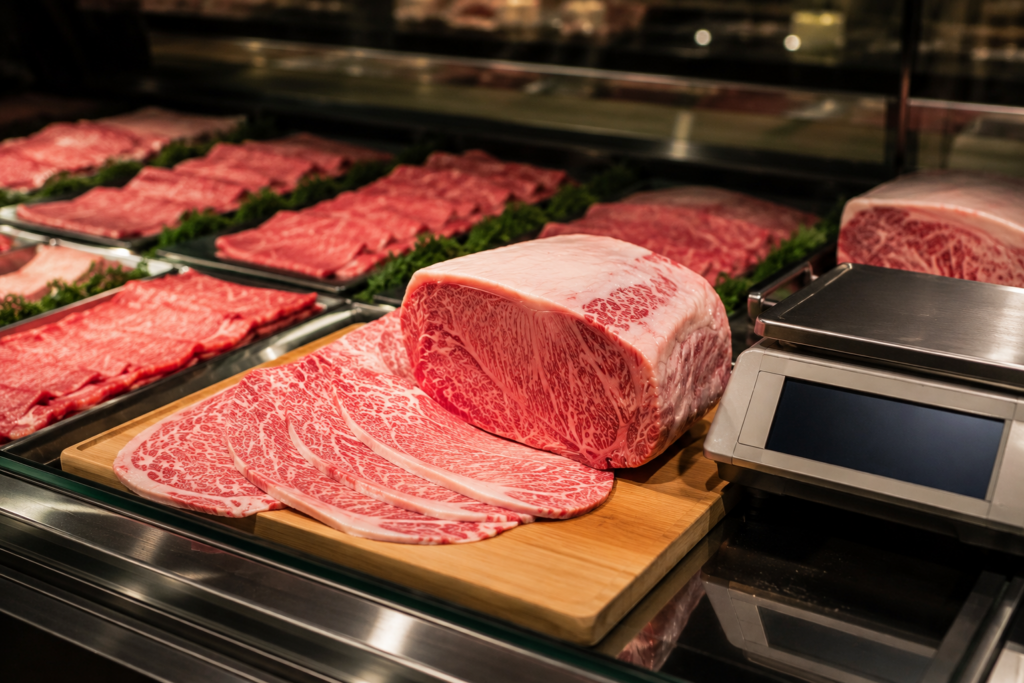
Kobe is not the only prized beef. Matsusaka and Omi are other celebrated wagyu brands, each with its own character of marbling and flavor, and teppanyaki is a superb way to taste them. Exploring beyond Kobe reveals just how varied top Japanese beef can be.
Sirloin vs. Fillet
When choosing a cut, sirloin offers rich, intense marbling, while the tenderloin (fillet) is leaner and exceptionally soft. Neither is better; it depends on whether you want the full buttery richness or a more delicate tenderness. The chef can advise based on the day’s beef.
A Full Teppanyaki Course
Appetizers and Seafood
A full teppanyaki course usually opens with lighter dishes and seafood — grilled abalone, perhaps foie gras, and seasonal vegetables — before the main event. These early courses set the pace and show the chef’s range beyond beef.
The Wagyu Peak
The centerpiece is the wagyu steak, seared to order and served with accompaniments like fresh wasabi, rock salt, and crisp garlic chips that flatter the beef without masking it. This is the course the whole meal builds toward, and it lives up to the anticipation.
The Garlic Fried Rice Finish
A signature finale is garlic fried rice cooked on the griddle in the beef’s rendered fat and drippings, turning what would be waste into a golden, savory finish. It is a beloved teppanyaki tradition and, for many diners, a highlight in its own right.
Dessert and Coffee
Many teppanyaki restaurants move you to a separate lounge for dessert and coffee, a relaxed transition after the intensity of the counter. It is a graceful way to end, letting the meal settle before you leave.
High-End vs. Casual Teppan
Fine Dining Institutions
The finest teppanyaki lives in hotel restaurants and Michelin-recognized counters, especially in Tokyo, where impeccable ingredients meet flawless technique. These are special-occasion destinations, priced accordingly, and worth it for a landmark meal.
Neighborhood Teppan Bars
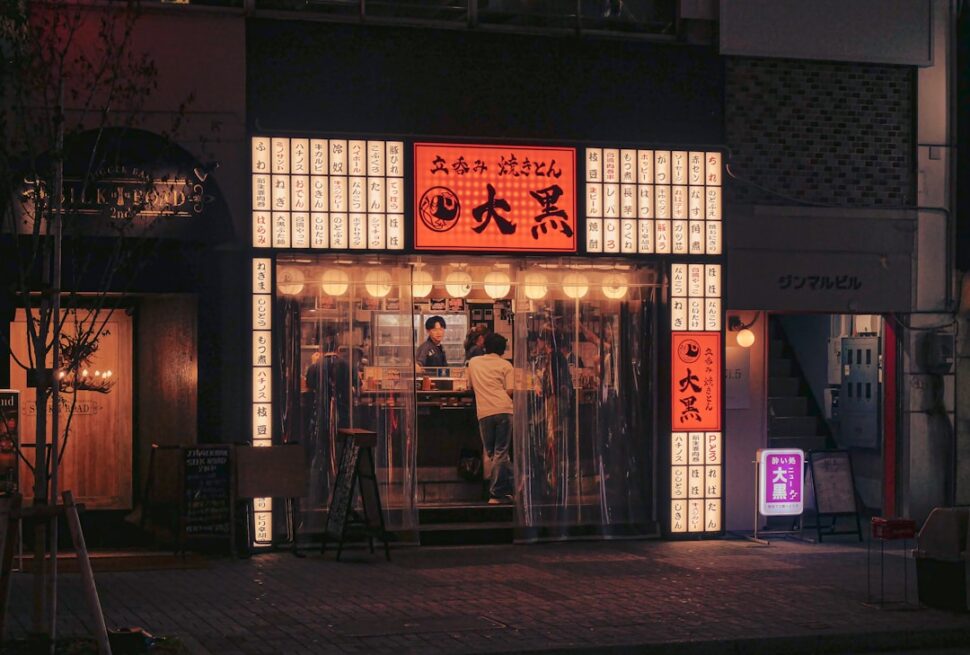
At the casual end, neighborhood teppan bars serve iron-plate dishes in a relaxed, izakaya-like setting for a fraction of the price. They offer the griddle experience without the formality, perfect for an everyday version of the pleasure.
Okonomiyaki and Monjayaki
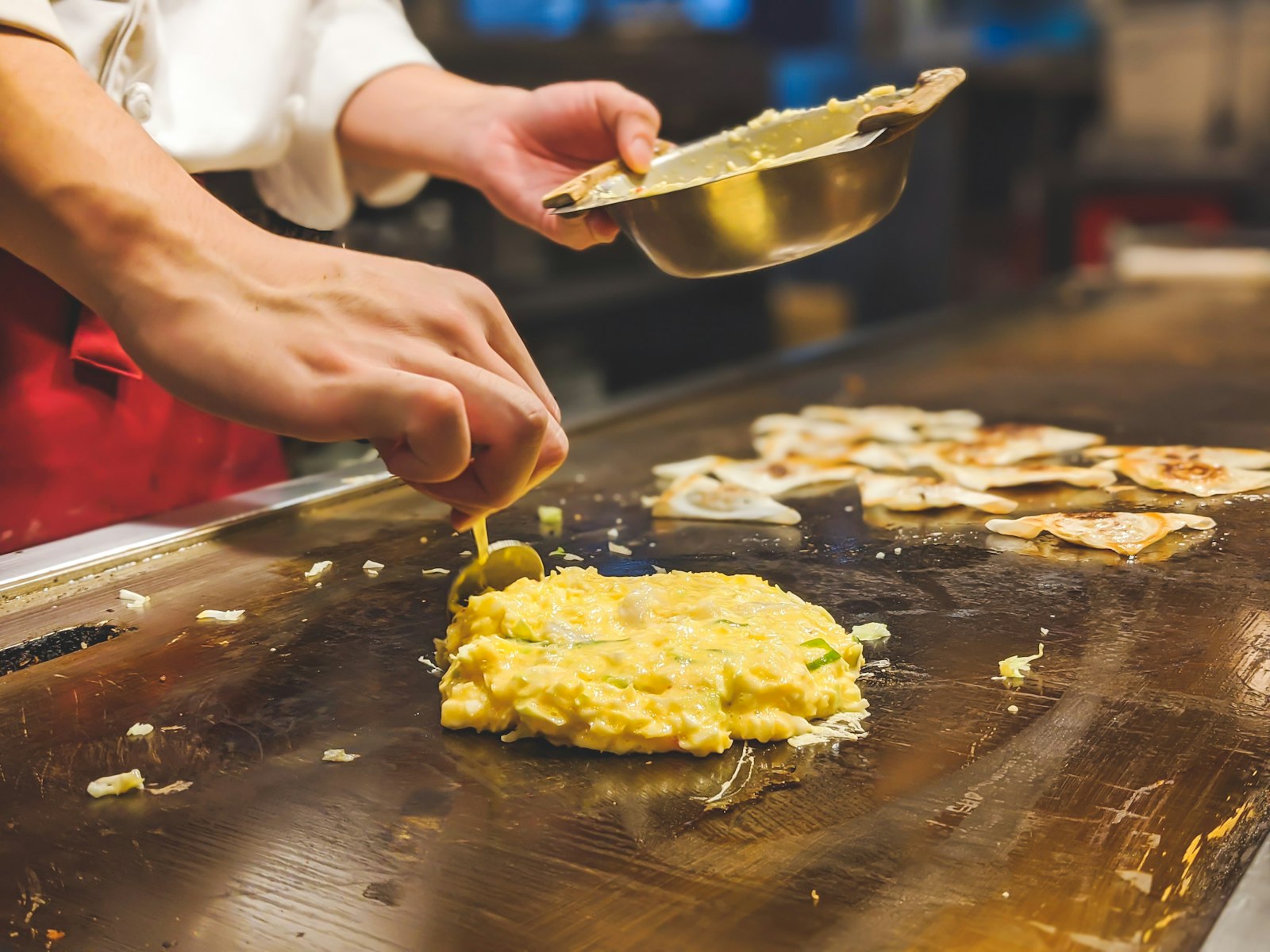
The most casual teppan cooking of all is the okonomiyaki and monjayaki you grill yourself, common across Osaka and Tokyo. Different in spirit from luxury teppanyaki but part of the same iron-plate family, they are fun, affordable, and hands-on.
Reservations and Dress Codes
Book Well Ahead
Top hotel and Michelin-starred teppanyaki counters have limited seats and book out well in advance, so reserve as early as you can for a specific date. For a special dinner, treat the reservation as the first thing to lock in.
Dress Smart Casual
High-end teppanyaki generally expects smart-casual attire — neat clothing, no need for black tie, but not beachwear either. When in doubt, dress up slightly. It suits the occasion and the setting of a fine counter.
Lunch for Value
Many luxury teppanyaki restaurants offer a lunch course featuring Kobe or wagyu beef at a notably lower price than dinner. For travelers who want the experience without the full evening cost, lunch is the smart way in. Book it just as far ahead.
Expert Tip
Book the lunch course for a fraction of the dinner price. Many of the same high-end teppanyaki counters — including ones serving genuine Kobe beef — offer a midday course that delivers the full chef’s performance and premium wagyu at a substantially lower cost than dinner. For travelers who want the landmark teppanyaki experience without the top-tier evening bill, a weekday lunch is the insider move. Reserve it as early as you would dinner.
Japan Teppanyaki: Frequently Asked Questions
What is the difference between teppanyaki and yakiniku? In teppanyaki, a chef cooks premium ingredients on a flat iron griddle in front of you, often as a multi-course meal; in yakiniku, you grill bite-sized meat yourself over a grill at your table. Teppanyaki is chef-led and often upscale; yakiniku is hands-on and social.
How expensive is a Kobe beef teppanyaki dinner? A high-end Kobe beef teppanyaki dinner is a significant splurge, reflecting the ingredient and the experience, with lunch notably cheaper. Confirm the course price when booking, and consider lunch for a more accessible option.
Is teppanyaki suitable for non-beef eaters? Yes. Teppanyaki courses include seafood, vegetables, and other proteins, and restaurants can often tailor a menu around abalone, lobster, and produce. Mention your preferences when booking so the chef can plan accordingly.
Related Tours

Conclusion
Teppanyaki is Japanese fine dining at its most engaging: a master chef, a hot iron plate, and the finest wagyu and seafood cooked before your eyes, finished with garlic rice made from the beef’s own fat. It feeds every sense.
Plan Your Japan Trip with Local Experts
Our team has guided 40,000+ travelers across Japan. Tell us about your trip and we’ll get back to you within 24 hours.