In this article:
- Why Okinawa Snorkeling Is World-Class
- Top Spots on the Main Island
- The Kerama Islands
- Best Seasons
- Tours, Gear, and Safety
- Okinawa Snorkeling: Frequently Asked Questions
Introduction
Most people do not think of Japan when they picture tropical snorkeling, which is exactly why Okinawa surprises them. This subtropical island chain in the far south offers warm, glass-clear seas, thriving coral, and sea turtles you can swim beside — the kind of water travelers usually fly much further to find.
Getting the most from it means knowing where to go, when, and how to do it safely and without harming the reefs. Here is your guide to snorkeling Okinawa.
Why Okinawa Snorkeling Is World-Class
The conditions genuinely rival famous tropical destinations.
Crystal-Clear Water
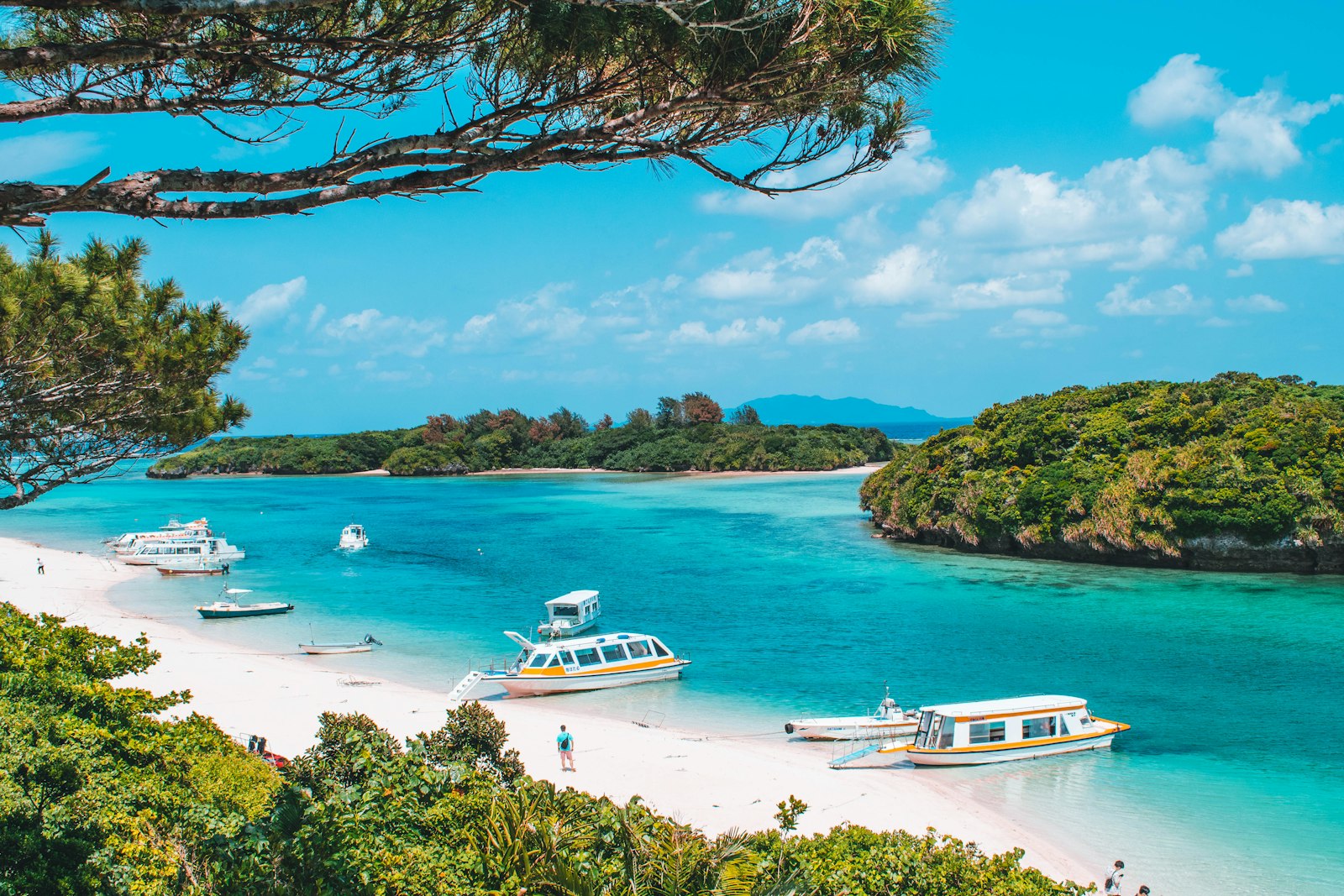
Okinawa’s subtropical seas offer remarkable visibility, with clear water over healthy reef systems making for superb snorkeling. On a good day, the clarity is breathtaking. This is the foundation of what makes the region special beneath the surface.
Rich Marine Life
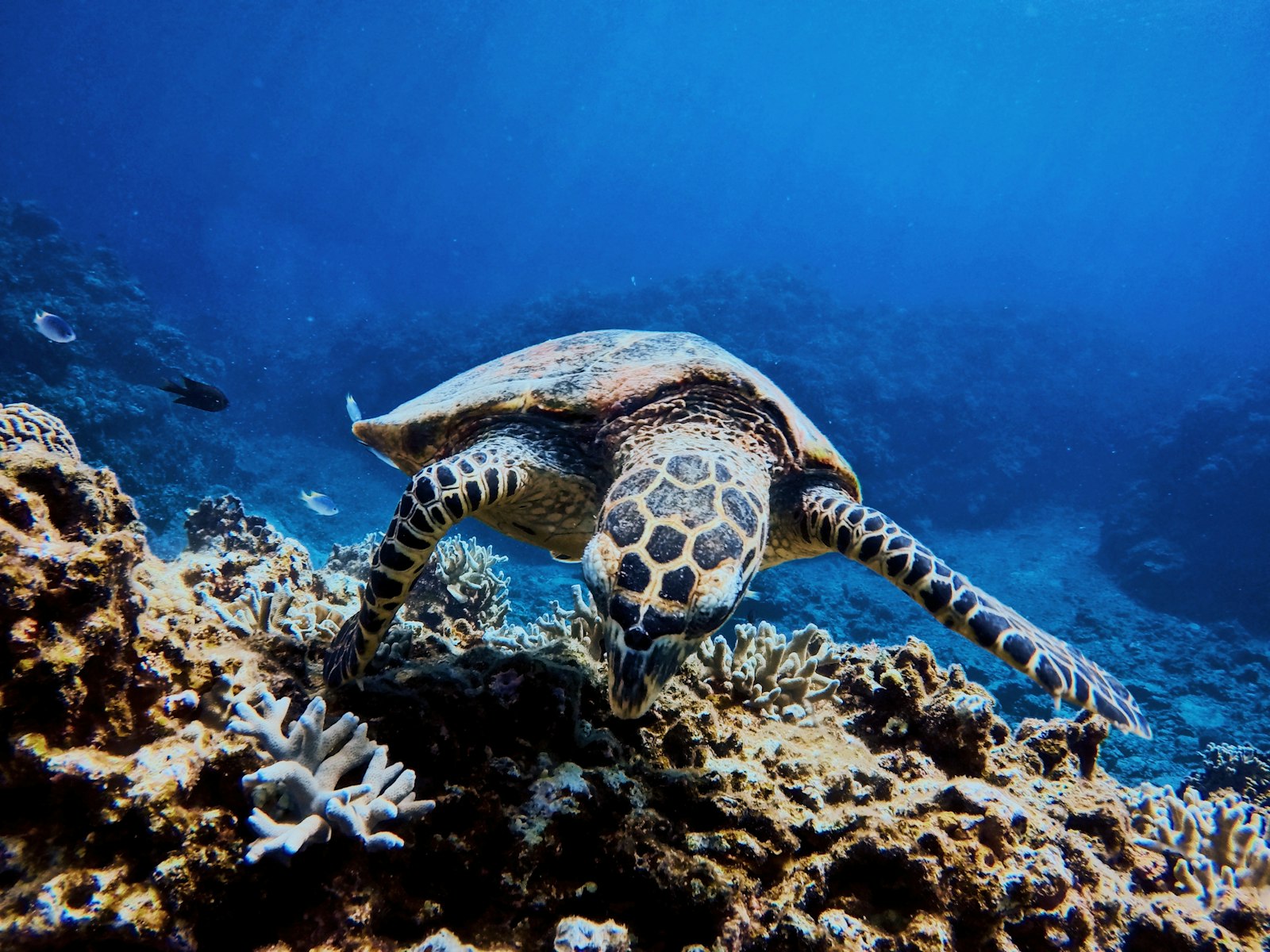
The reefs teem with life — wild sea turtles, clownfish, and a kaleidoscope of coral and tropical fish. Swimming alongside a green turtle grazing on the seabed is a genuine possibility here, not just a brochure promise. The biodiversity is the real draw.
Easy Access
Much of the best snorkeling is accessible directly from powder-white beaches or via short guided boat trips, so you do not need to be a diver to enjoy it. This accessibility makes Okinawa welcoming to casual snorkelers and families, not just experienced divers.
Top Spots on the Main Island
The Blue Cave
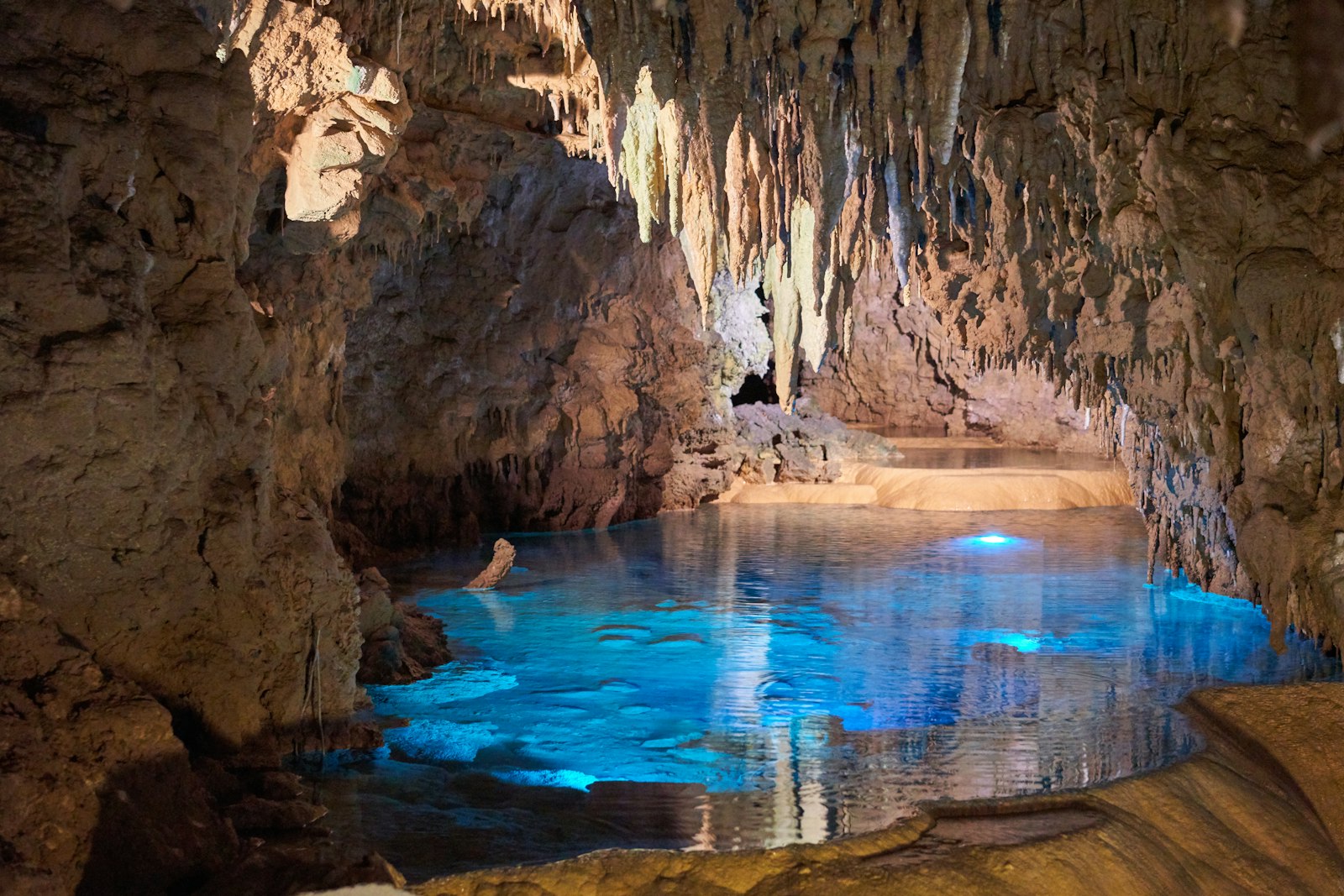
The Blue Cave at Cape Maeda in Onna Village is Okinawa’s signature spot: a sea cavern where sunlight refracts through the water to glow an unreal, radiant blue. Snorkeling into that luminous blue light is unforgettable. It is popular, so go early or with a good tour.
Family-Friendly Beaches
Beaches like Busena and other calm, shallow reef areas offer gentle, protected water ideal for families and less confident swimmers. These sheltered spots let children and beginners enjoy the reef safely. They are a great place to start.
Gorilla Chop
Gorilla Chop, near Motobu, is known for beautiful coral gardens in water sheltered from strong winds, a favorite of snorkelers and divers. Its calm conditions and healthy coral make it a rewarding, reliable spot on the main island.
The Kerama Islands
Kerama Blue
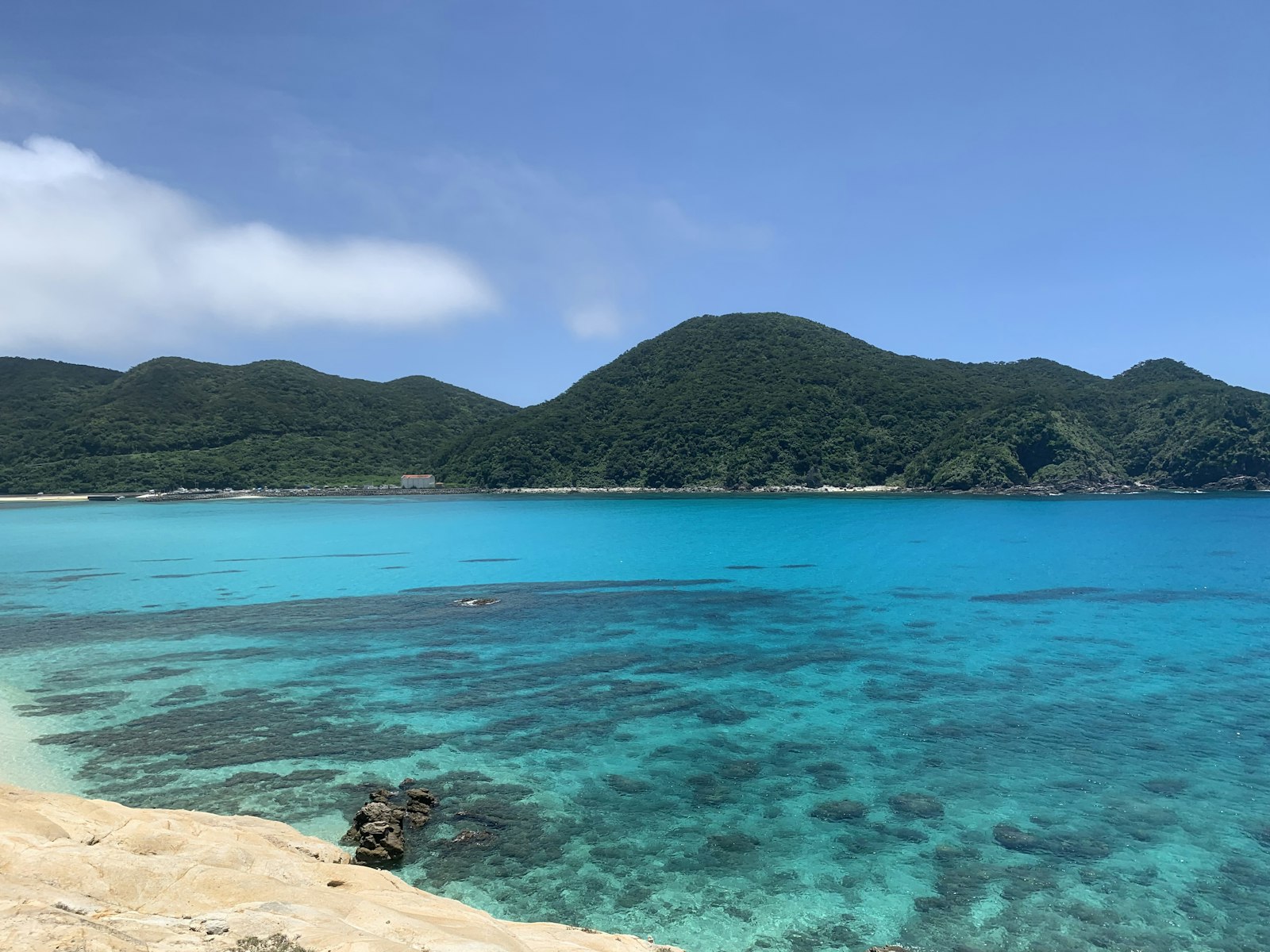
The Kerama Islands, a marine park a short ferry ride from Naha, are famed for “Kerama Blue” — water of a clarity and color that has to be seen to be believed. A day trip here, roughly a 50-minute high-speed ferry to Zamami or Tokashiki, delivers some of Japan’s finest snorkeling.
Swimming with Turtles
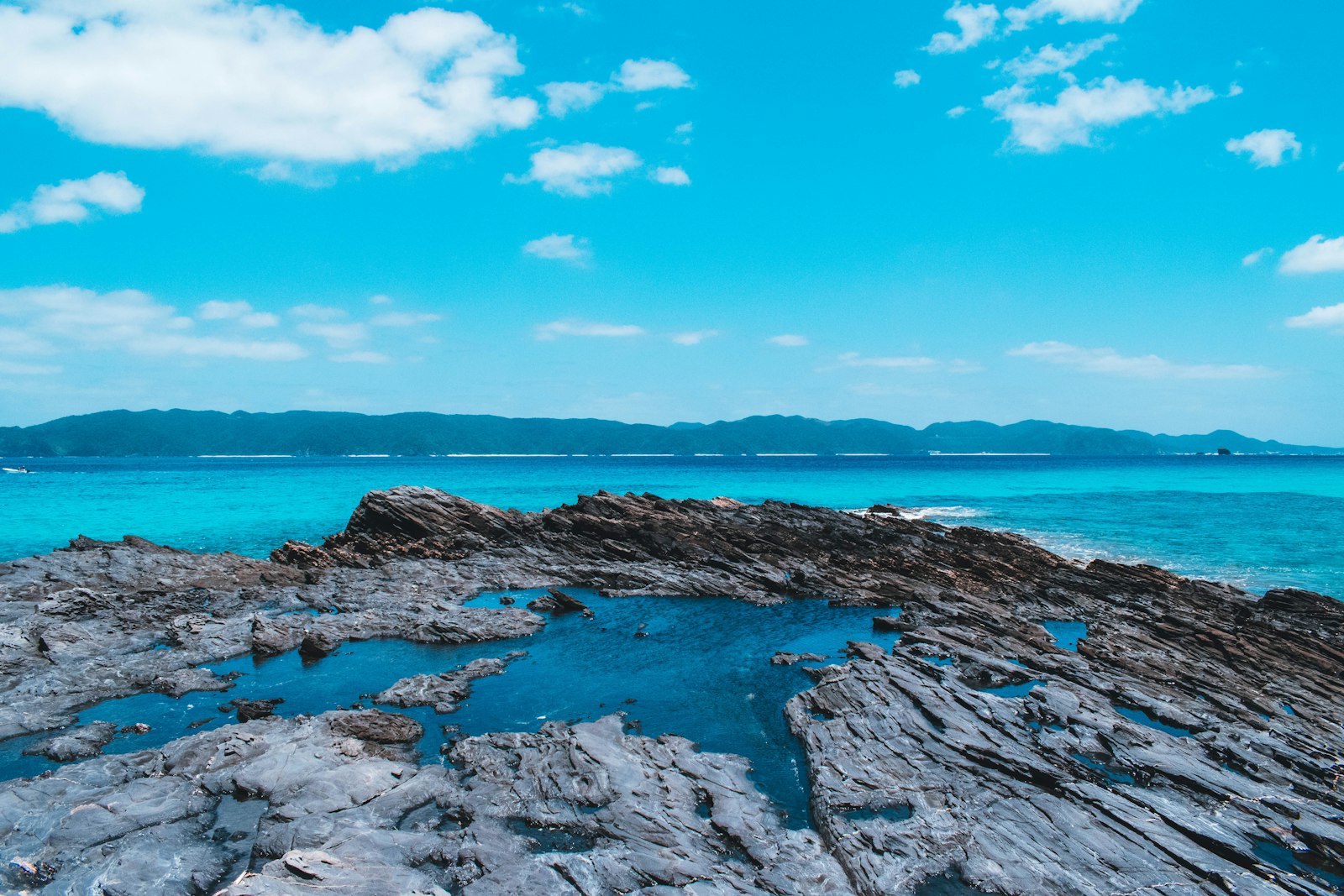
The Keramas are one of the best places in Japan to snorkel with sea turtles, with spots like Ama Beach on Zamami known for green turtle encounters. Floating quietly above a grazing turtle in Kerama Blue water is a highlight of any Okinawa trip.
Quiet Island Reefs
Smaller islands like Aka offer untouched coral and quiet beaches away from the crowds, for those wanting a more secluded reef experience. Island-hopping within the Keramas rewards you with pristine, peaceful snorkeling. Build in time to explore beyond the main beaches.
Best Seasons
Summer to Autumn
The prime window is roughly June to October, when the water is warmest and visibility at its best. This is peak snorkeling season, with the most comfortable conditions for long sessions in the water. Plan for these months if snorkeling is your priority.
Watch for Typhoons
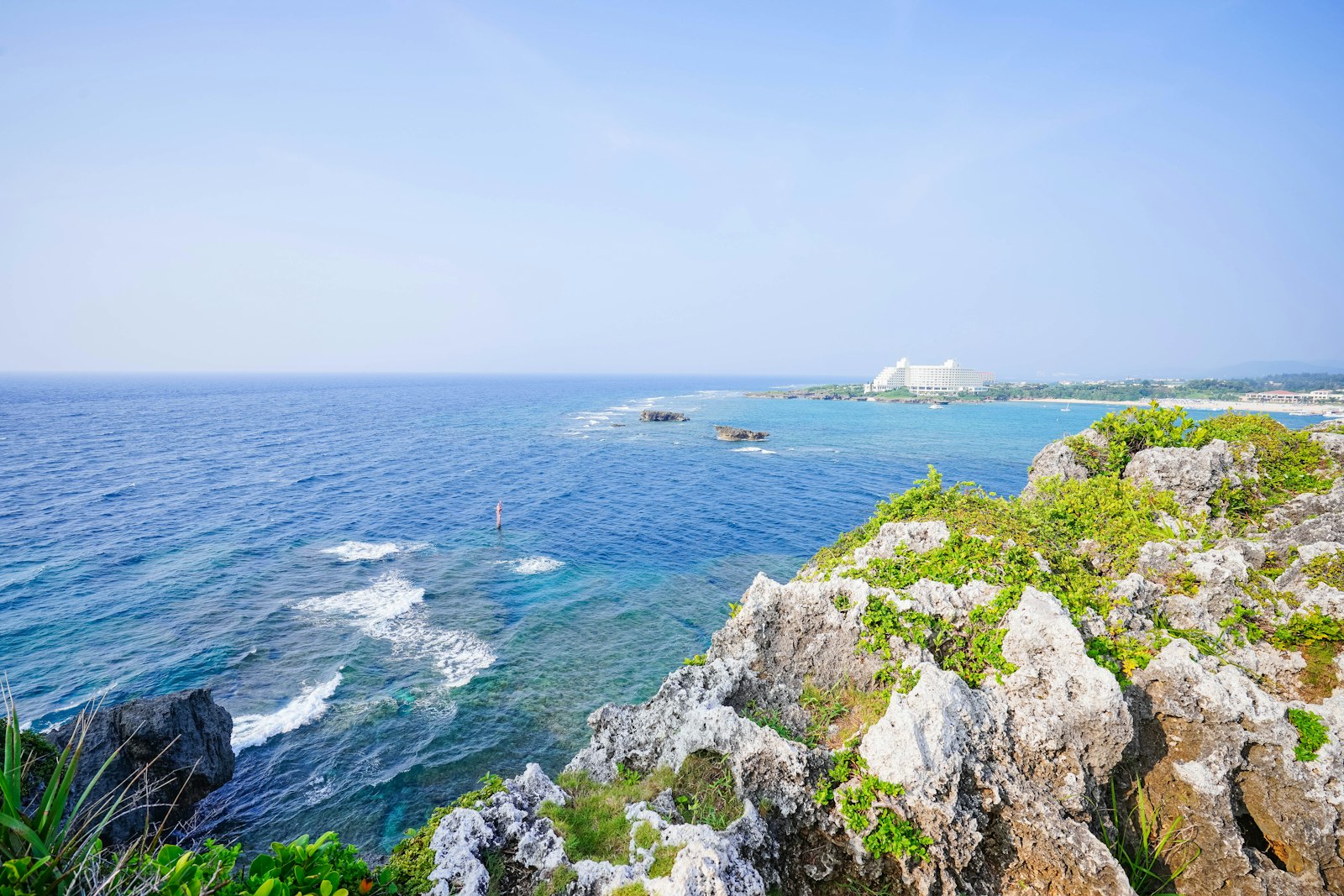
Late summer, especially August and September, brings typhoon risk that can disrupt trips and rough up the sea. Check forecasts closely and build flexibility into your plans during these months. A typhoon can close spots for days, so keep an eye on the weather.
Shoulder and Winter Seasons
Okinawa’s water stays snorkelable well beyond summer; in spring, autumn, and even winter, a wetsuit lets you enjoy the often-clear cold-season water with fewer crowds. Bring or rent appropriate neoprene for cooler months and you can snorkel much of the year.
Tours, Gear, and Safety
Guided Tours
Joining a guided boat tour with licensed local instructors is the safest and often best way to reach the finest reefs, including the Blue Cave and Kerama spots. Guides know the conditions, handle logistics, and keep you safe. For most visitors, a tour is the way to go.
Safety First
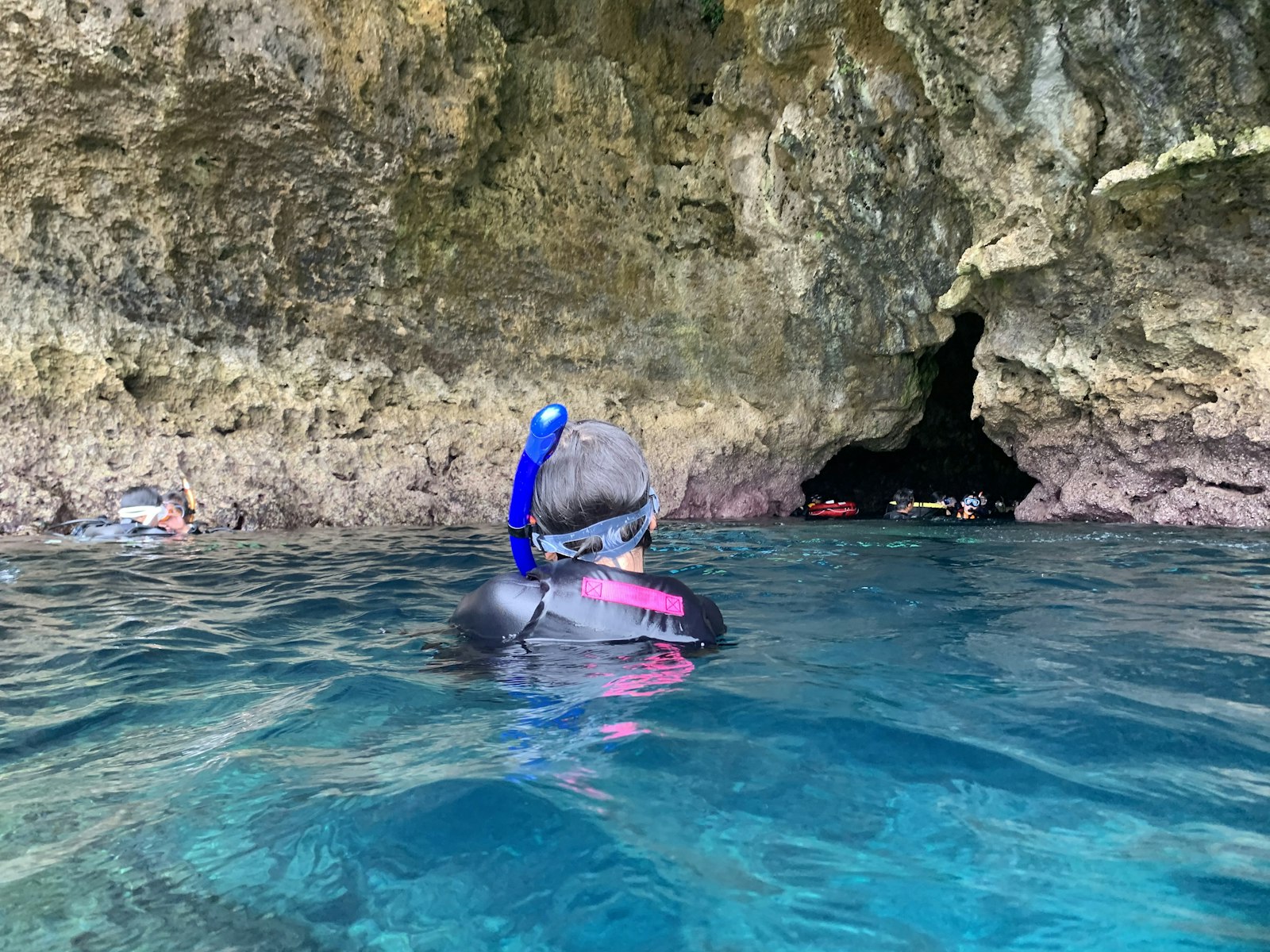
Wear a life vest where provided, respect strong coastal currents and rip tides, and never snorkel beyond your ability or alone in unfamiliar water. Okinawa’s seas are beautiful but can be powerful. Follow your guide’s instructions and know your limits.
Protect the Reef
Use reef-safe sunscreen to avoid harming the delicate coral, do not touch or stand on the reef, and keep your distance from turtles and marine life. The reefs are fragile and precious; snorkeling responsibly ensures they remain for others. Small choices protect the ecosystem.
Expert Tip
Take a Kerama Islands day trip, not just the main-island beaches. The Blue Cave is spectacular but crowded, whereas a 50-minute ferry to Zamami or Tokashiki opens up “Kerama Blue” water of a clarity that outshines anything near Naha, with excellent odds of swimming beside a wild sea turtle. Book a guided boat tour, bring reef-safe sunscreen, and go on a calm-weather day. It turns a good snorkeling trip into a world-class one.
Okinawa Snorkeling: Frequently Asked Questions
Do I need to be a strong swimmer? For guided tours with life vests in calm spots, you do not need to be a strong swimmer, and instructors assist beginners. For more exposed conditions, greater confidence helps. Choose a tour matched to your ability and tell the guide your experience level.
When is the best time to see turtles in Kerama? Green turtles are seen in the Keramas across the warmer months, with the summer-to-autumn season offering the most comfortable and reliable conditions. Spots like Ama Beach on Zamami are known for encounters. Guides know where they gather.
Do I need a wetsuit in spring or autumn? The water is snorkelable in the shoulder seasons, but a wetsuit keeps you warm and comfortable for longer sessions in cooler months. Rentals are available; for spring and autumn, neoprene is recommended over just a rashguard.
Related Tours

Conclusion
Okinawa is Japan’s tropical surprise: glass-clear seas, thriving coral, and sea turtles, from the glowing Blue Cave to the legendary Kerama Blue. It offers snorkeling to rival the world’s famous reefs, a short domestic flight from the mainland.
Plan Your Japan Trip with Local Experts
Our team has guided 40,000+ travelers across Japan. Tell us about your trip and we’ll get back to you within 24 hours.