In this article:
- Nagoya Castle and Honmaru Palace
- Toyota, Trains, and the Planetarium
- Atsuta Jingu
- Hitsumabushi, Miso Katsu, and Tebasaki
- Nagoya Morning Culture
- Visiting Nagoya: Frequently Asked Questions
Introduction
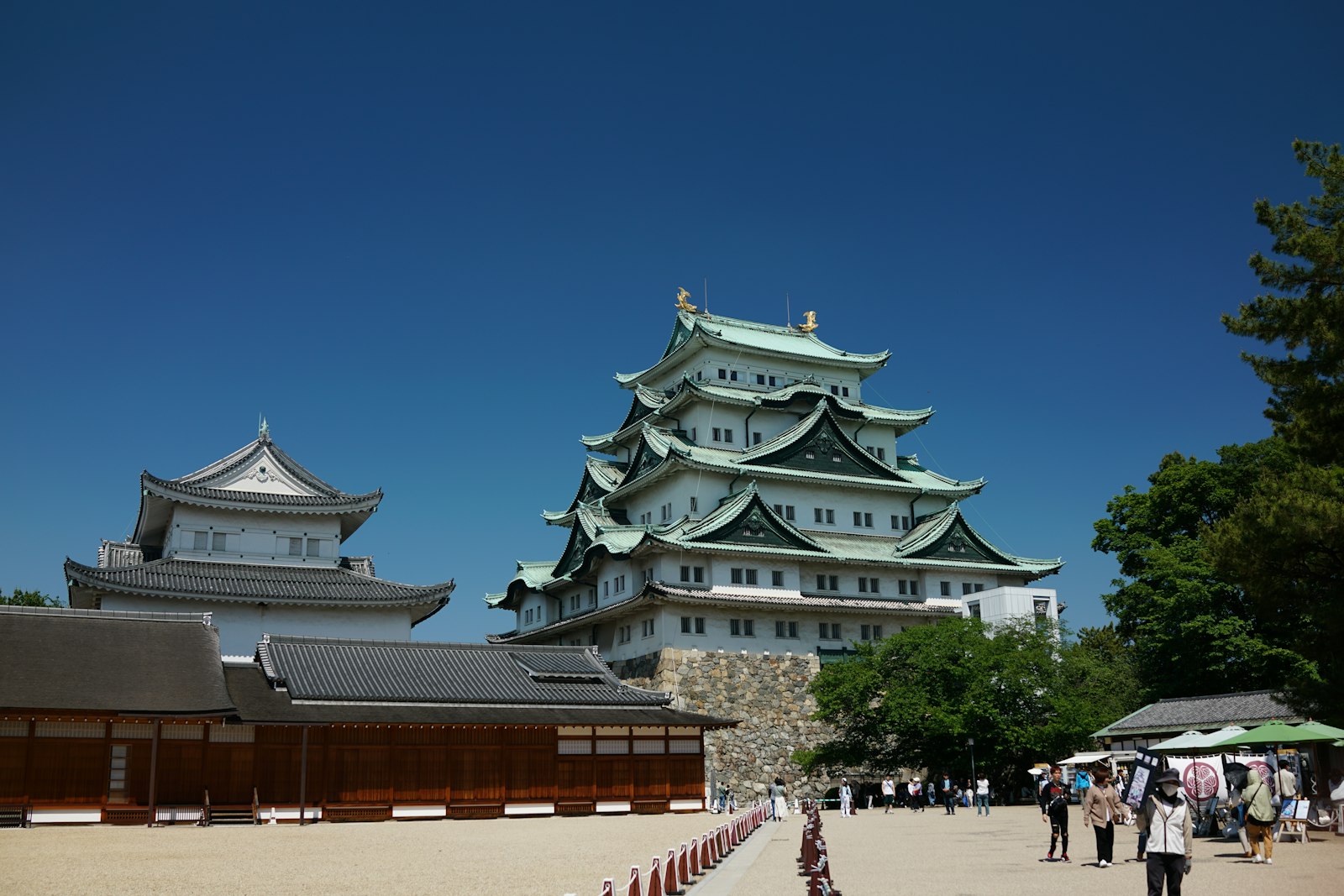
Three of the warlords who unified Japan — Oda Nobunaga, Toyotomi Hideyoshi, Tokugawa Ieyasu — came from this area. Four centuries later the region produces Toyota, and the mindset has not changed much: things get made here, carefully, and the city is not particularly interested in explaining itself to visitors.
That reticence is why Nagoya gets skipped. Every Tokaido shinkansen stops here, and almost everyone stays on the train.
What they miss is a city with two world-class industrial museums, a shrine older than most of Kyoto’s, and a food culture built on red miso that exists in this form nowhere else. One full day is enough to see why it deserves the stop.
Nagoya Castle and Honmaru Palace
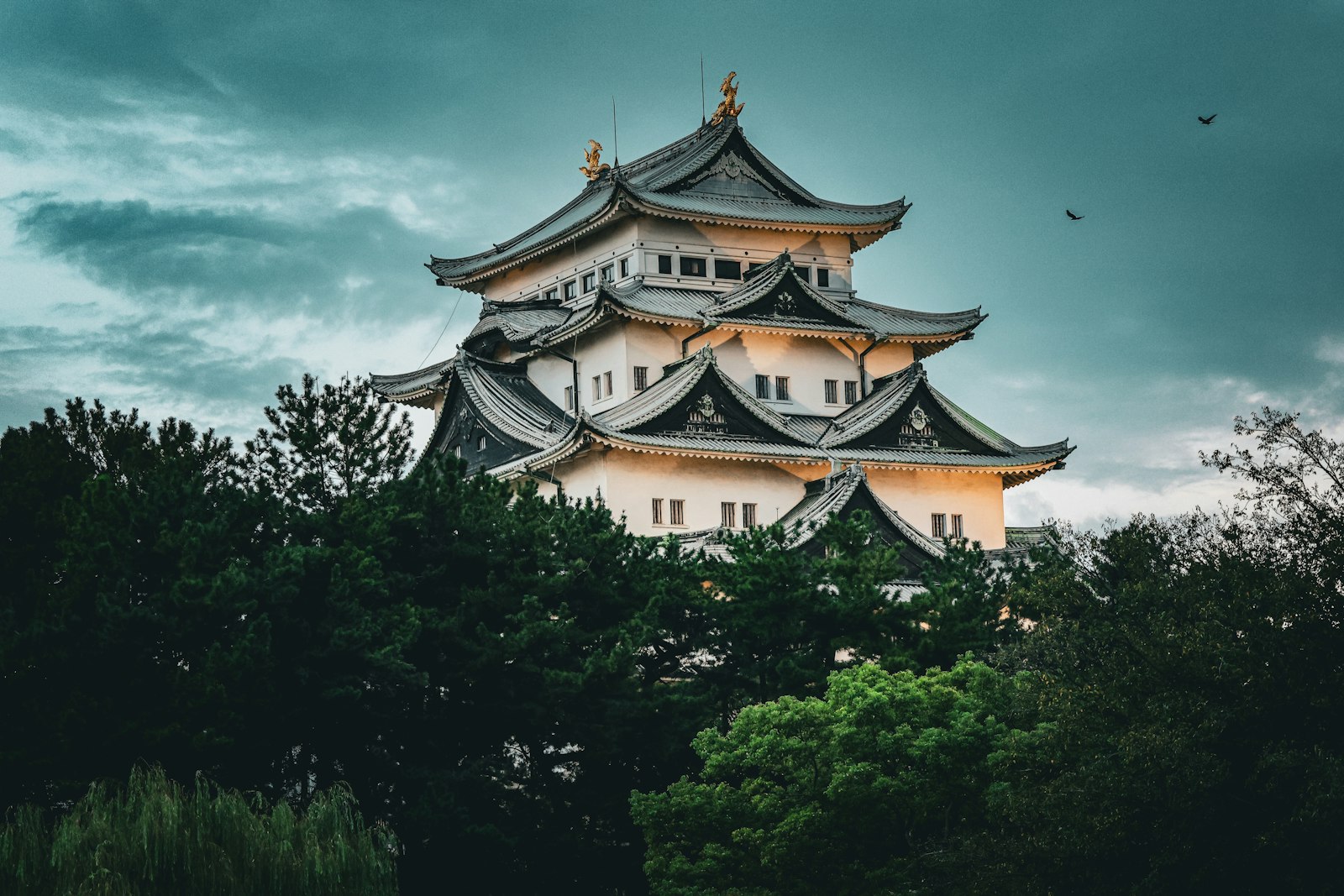
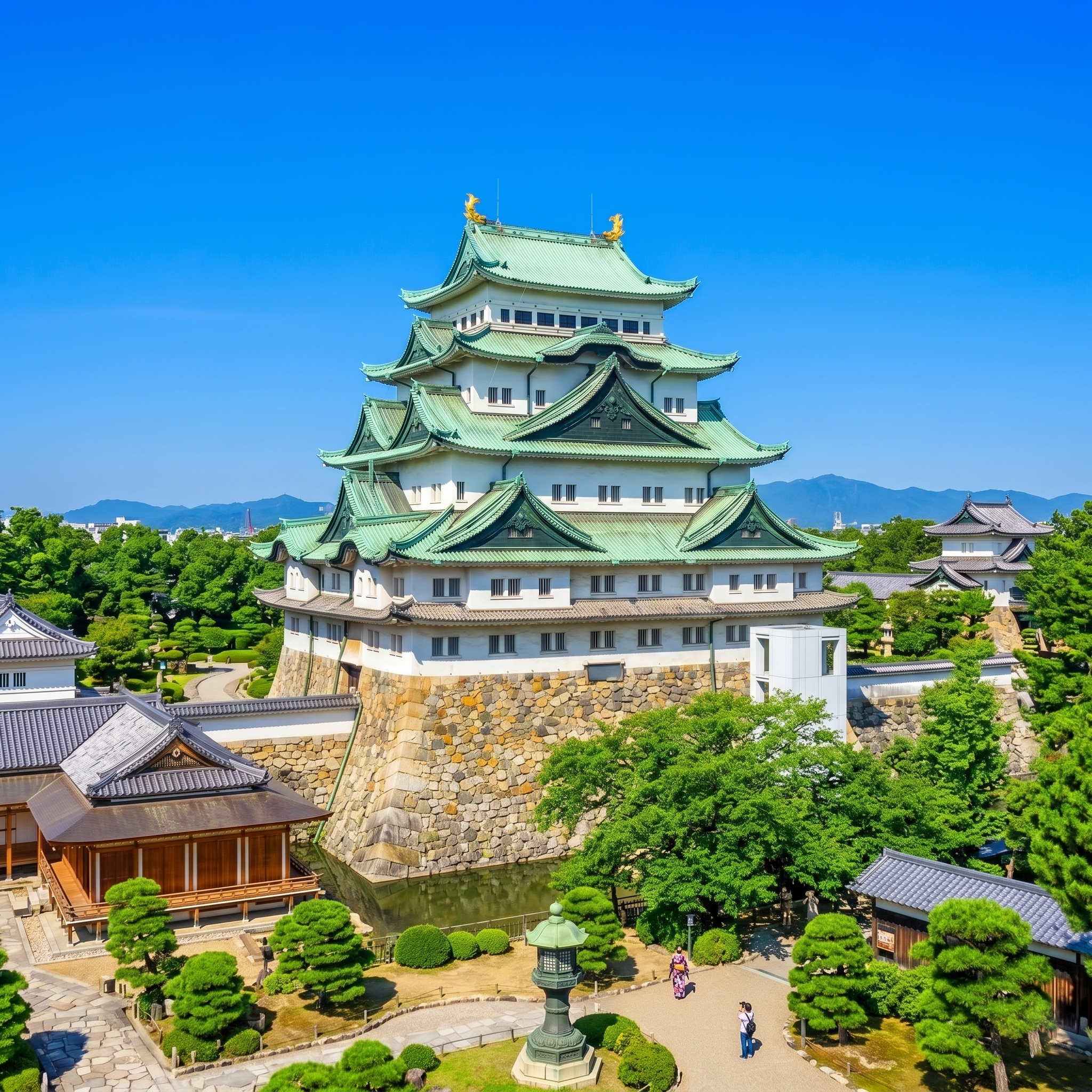
The castle is the city’s emblem, though what you can actually enter has changed in recent years.
The Keep and the Golden Shachihoko
A pair of golden shachihoko — mythical creatures with a tiger’s head and a carp’s body — sit on the roof ridge, and they are the symbol of Nagoya. The originals were melted down after the 1945 firebombing that destroyed the castle; the current pair date to the 1959 concrete reconstruction.
That reconstruction was closed to visitors in 2018 over earthquake safety, and a project to rebuild the keep in wood using the original Edo drawings is underway with no confirmed completion date. Check the current status before you go; the grounds and palace remain open regardless.
Honmaru Palace
The palace is the reason to visit now. Completed in 2018 after a decade of work, it reproduces the 1615 original using the same techniques — hinoki cypress, hand-planed joinery, and gold-leaf screen paintings recreated by Kano school successors.
The reception rooms progress from relatively plain to overwhelming as you move inward, which was the point: rank determined how far in you got. It is the most convincing historical reconstruction in Japan.
Meijo Park
The park north of the castle holds around 2,000 cherry trees along the outer moat, and it is one of Nagoya’s main hanami sites in early April.
Outside blossom season it is simply a large, quiet park with a Dutch-style windmill and good views back to the keep. Entry is free, unlike the castle grounds themselves.
Expert Tip
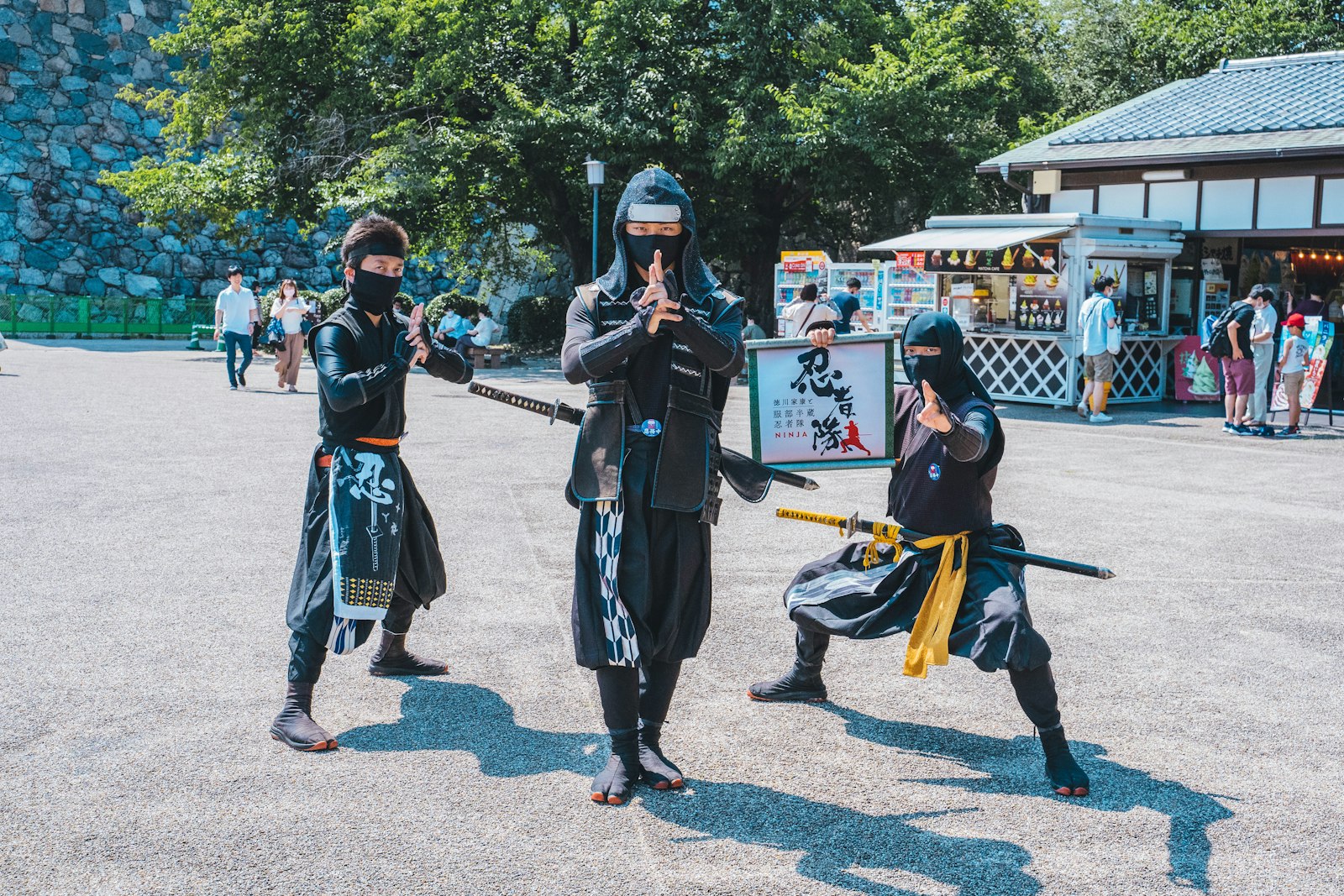
Ninja and samurai performers — the Nagoya Omotenashi Busho-tai — appear in the castle grounds on weekends and public holidays, in character as Nobunaga, Hideyoshi, and Ieyasu. It sounds like a gimmick and largely is, but the performances are free, genuinely well done, and the best opportunity in Japan to photograph full period armour up close.
Toyota, Trains, and the Planetarium
Nagoya’s museums are the strongest argument for the city, and two of them are among the best of their kind anywhere.
Toyota Commemorative Museum of Industry and Technology
Built in the original Toyoda textile mill, this museum starts with automatic looms — the business the family was in before cars — and works forward. Machines are run live by staff throughout the day rather than displayed static.
The metalworking hall demonstrates casting, forging, and machining on working equipment, and the automobile hall covers the transition into car manufacturing. It takes three hours and holds the attention of people with no interest in either textiles or cars.
SCMAGLEV and Railway Park
JR Central’s museum in the port district displays 39 vehicles, including a 0 Series shinkansen from 1964, a C62 steam locomotive, and the MLX01-1 maglev that holds a world speed record of 581 km/h.
The full-scale shinkansen driving simulator requires a same-day lottery entry at the entrance; the conductor simulators are first-come. Go early on weekends if the simulators matter to you.
Nagoya City Science Museum
The science museum’s planetarium dome is 35 metres across, among the largest in the world, and the projection quality is genuinely exceptional.
Shows run in Japanese only. Tickets sell out on weekends and during school holidays — buy on arrival, not after lunch. The building’s exterior, with the silver sphere suspended between two wings, is worth seeing regardless.
Atsuta Jingu
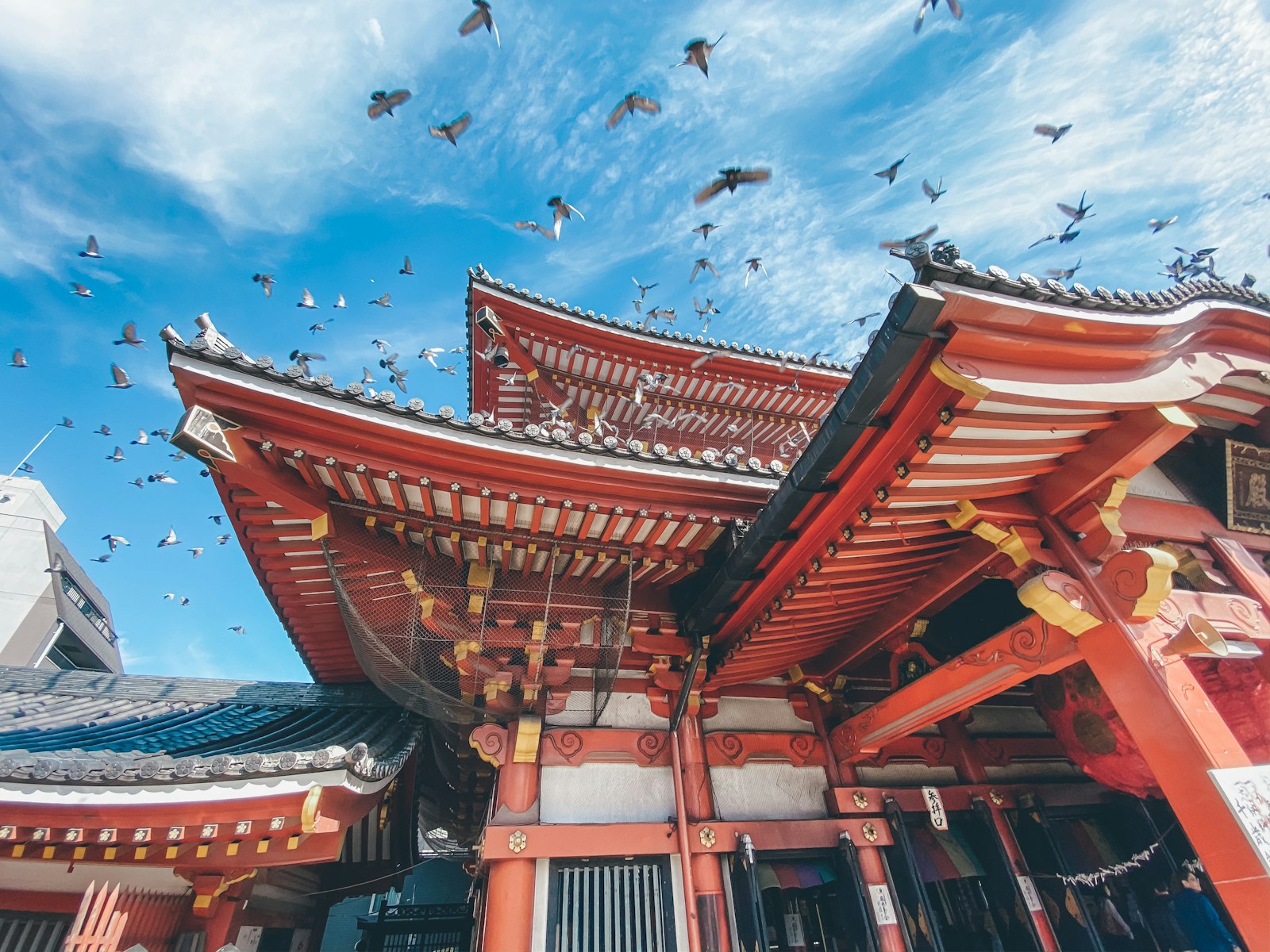
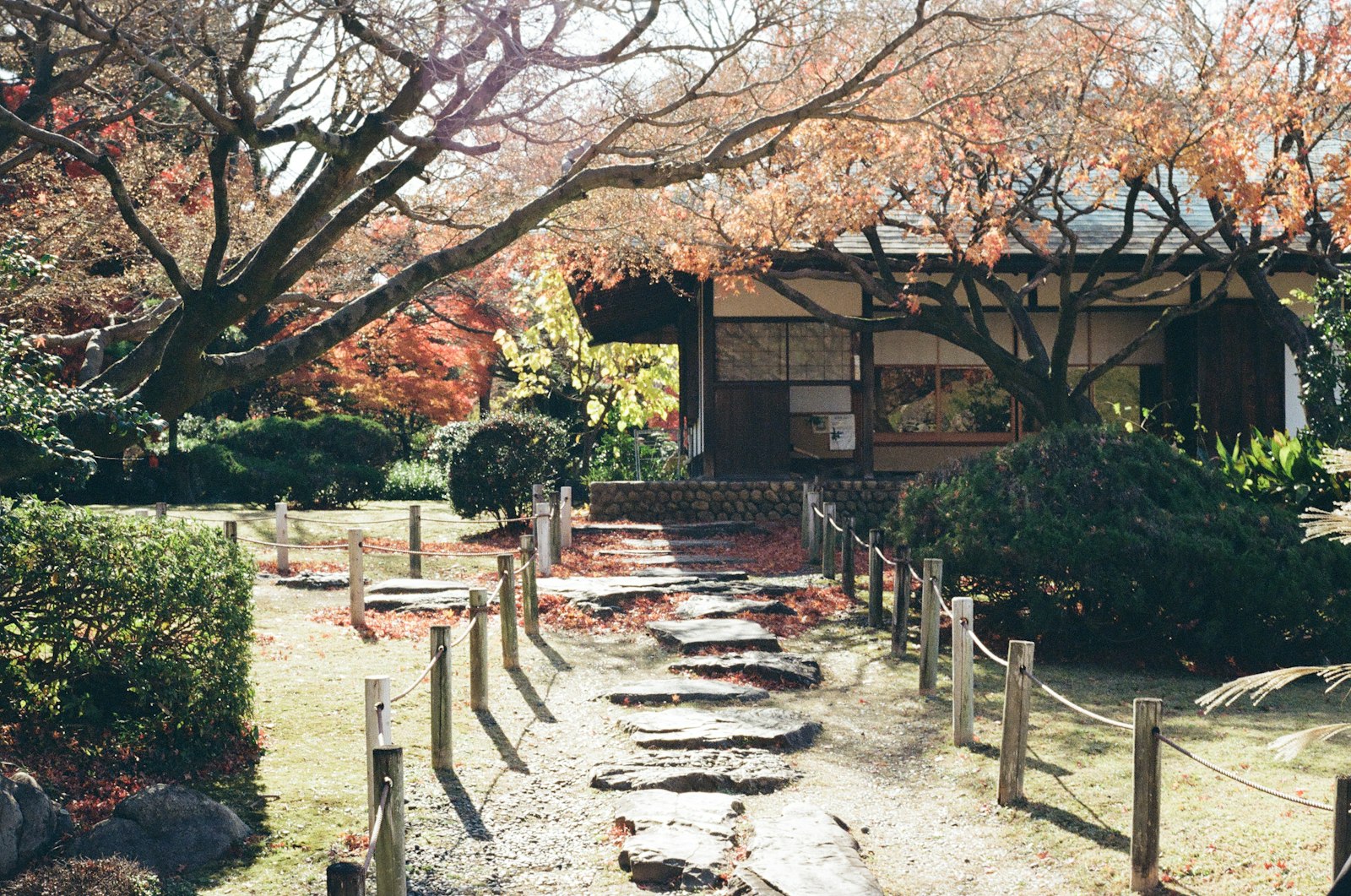
Sixty acres of forest in the middle of a city of two million, and one of the two or three most important shrines in the Shinto religion.
The Shrine
Atsuta ranks second only to Ise among Shinto shrines and has been in continuous operation for roughly 1,900 years. The buildings are plain unpainted cypress in the same style as Ise — no vermilion, no gold.
Around nine million people visit annually, mostly at New Year. On an ordinary weekday morning the main approach is close to empty, and the contrast with Kyoto’s shrines is instructive.
Kusanagi-no-Tsurugi
The shrine holds the Kusanagi sword, one of the three Imperial Regalia of Japan alongside the mirror at Ise and the jewel at the Imperial Palace. It has never been publicly displayed and only a handful of priests have reportedly seen it.
The treasure hall exhibits several thousand other items — swords, masks, documents — and rotates its display monthly. It is a small extra fee and worth twenty minutes.
The Grounds
The approach runs through dense forest, including a camphor tree said to have been planted by the monk Kukai around 1,200 years ago. The trunk is hollow and enormous.
Kishimen — Nagoya’s flat wheat noodles — are served at a small restaurant inside the grounds, in a broth heavy on dried sardine. It is the standard way to end a visit here.
Hitsumabushi, Miso Katsu, and Tebasaki
Nagoya meshi is its own regional cuisine, built around red hatcho miso and unapologetically strong flavours.
Hitsumabushi
Grilled eel over rice, served in a wooden tub with instructions: divide into four. Eat the first quarter plain, the second with spring onion, wasabi, and nori, the third with dashi broth poured over it, and the fourth however you preferred.
The sequence is not ceremony — the eel genuinely tastes different each way, and the dashi version is the one most people are surprised by. Atsuta Horaiken near the shrine is the originator and has queued since the 1870s.
Miso Katsu
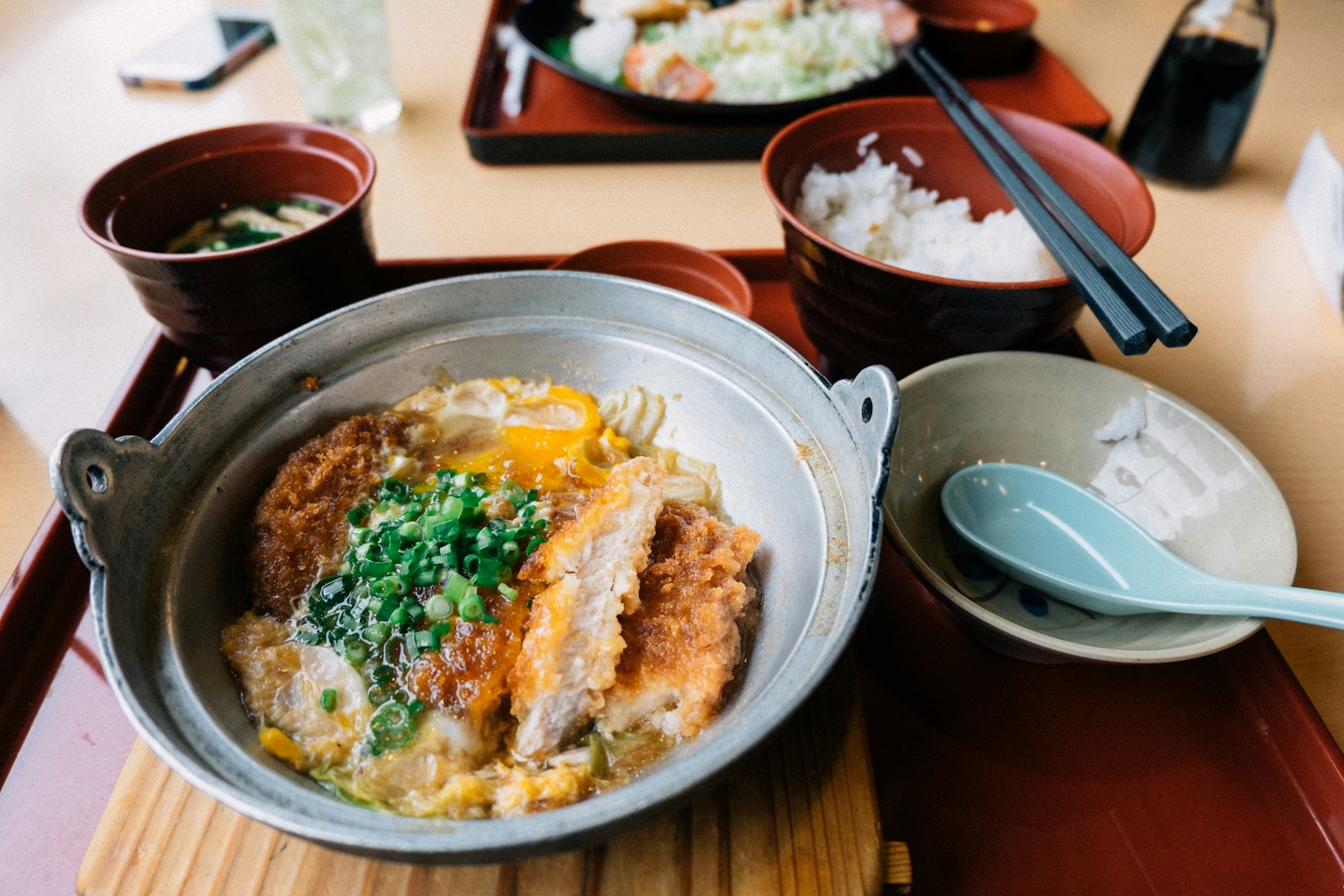
A pork cutlet under a thick, dark sauce of red miso, mirin, and sugar. The sauce is closer to a glaze than a gravy and considerably less sweet than it looks.
Red hatcho miso is fermented for two to three years in wooden barrels under river stones, producing something far more intense than the pale miso used elsewhere in Japan. It is the flavour underlying most of the city’s cooking.
Tebasaki
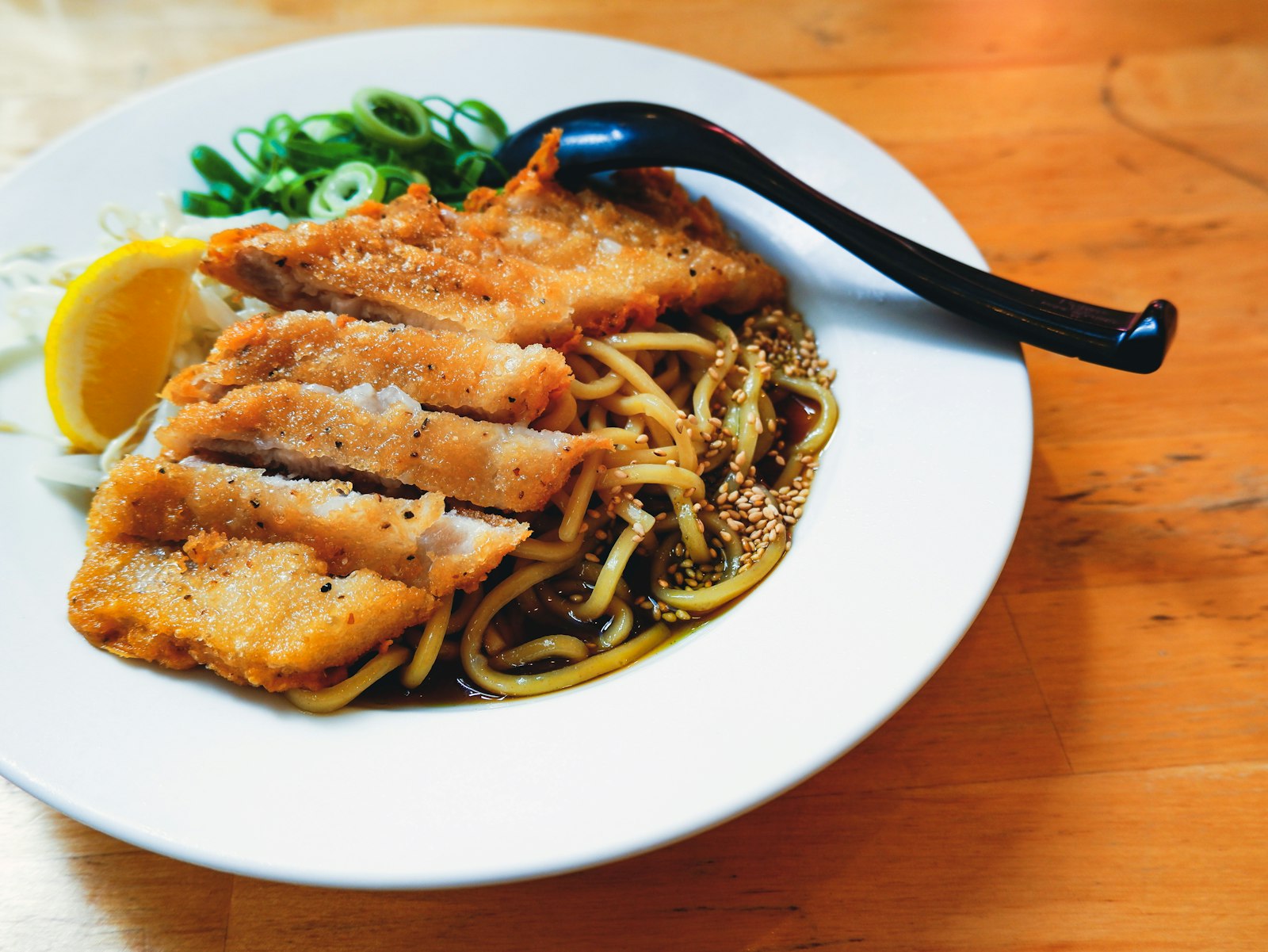
Nagoya’s chicken wings are fried twice without batter, then brushed with a sweet-salty glaze and dusted heavily with white pepper and sesame. They are served by the plate in izakaya and eaten with beer.
Two chains — Yamachan and Furaibo — dominate and both are reliable. The pepper level is higher than most visitors expect and is the defining characteristic.
Nagoya Morning Culture
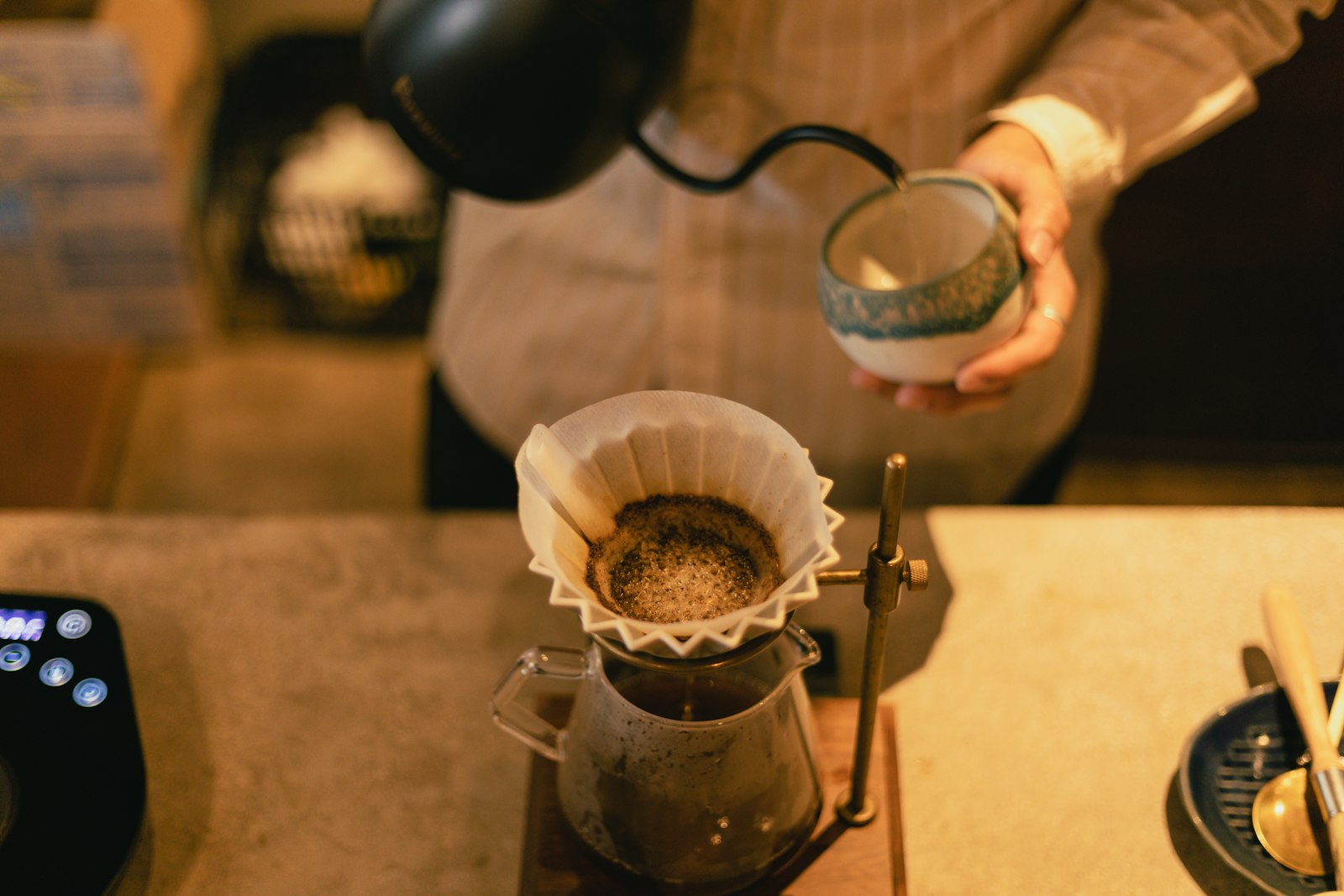
The city has more coffee shops per capita than anywhere else in Japan, and a custom attached to them that exists nowhere else.
The Morning Service
Order a coffee at almost any Nagoya kissaten before around eleven and it arrives with toast and a boiled egg at no extra charge. The practice began in the 1950s in the textile district, where merchants used cafes as meeting rooms and owners competed on what they threw in.
Prices run 400 to 600 yen for the whole thing. Some shops extend it further — small salad, fruit, red bean paste — and the competition is still genuine.
Komeda’s Coffee
Komeda started in Nagoya in 1968 and has grown to over 900 branches nationwide while keeping the dark wood, red velour booths, and generous portions.
The local order is an iced coffee with shironoir — a warm Danish pastry with soft-serve ice cream on top. It is exactly as excessive as it sounds and Nagoya is entirely comfortable with that.
Osu Shopping District
Osu is a covered arcade district around Osu Kannon temple, mixing second-hand clothing, electronics parts, anime shops, and street food across several hundred businesses.
It is scruffier and more interesting than the polished areas around the station. The area around Banshoji temple is where the food stalls concentrate.
Expert Tip
Nagoya’s subway day pass — the Donichi Eco Kippu — costs 620 yen on weekends and public holidays, against 870 yen on weekdays for the standard version. It also gives discounted entry at the castle, both major museums, and the science museum. If your itinerary is flexible, a Saturday in Nagoya is measurably cheaper than a Tuesday.
Visiting Nagoya: Frequently Asked Questions
Is Nagoya worth a stop between Tokyo and Kyoto? Yes, and the geography makes it easy — every Tokaido shinkansen stops here, and coin lockers at the station handle luggage. One full day covers the castle, one museum, and Atsuta. Two days lets you do both museums properly.
How do I get on the maglev simulator at the Railway Park? The shinkansen driving simulator runs a same-day lottery; enter at the entrance when you arrive, and results are posted at set times. The conductor and other simulators are first-come with separate small fees. Weekday visits have significantly better odds.
Where can I eat hitsumabushi near Nagoya Station? Several established restaurants operate in the station complex itself, including branches in the Esca underground mall and the department store restaurant floors. Queues run 30 to 60 minutes at peak times. Atsuta Horaiken’s main branch near the shrine is the destination version if you have the time.
Related Tours
Conclusion
If you have one day, do Honmaru Palace in the morning, the Toyota museum after lunch, and eat hitsumabushi in the evening. That sequence covers what Nagoya is actually about — craftsmanship, manufacturing, and a regional cuisine with no interest in being subtle.
Start it in a kissaten. The morning service is a genuine local institution rather than a novelty, and it costs less than a coffee alone in Tokyo.
Plan Your Japan Trip with Local Experts
Our team has guided 40,000+ travelers across Japan. Tell us about your trip and we’ll get back to you within 24 hours.