In this article:
- Why Uji
- The Historic Houses
- Matcha Sweets
- A Half-Day in Uji
- Buying It and Making It at Home
- Best Matcha in Kyoto: Frequently Asked Questions
Introduction
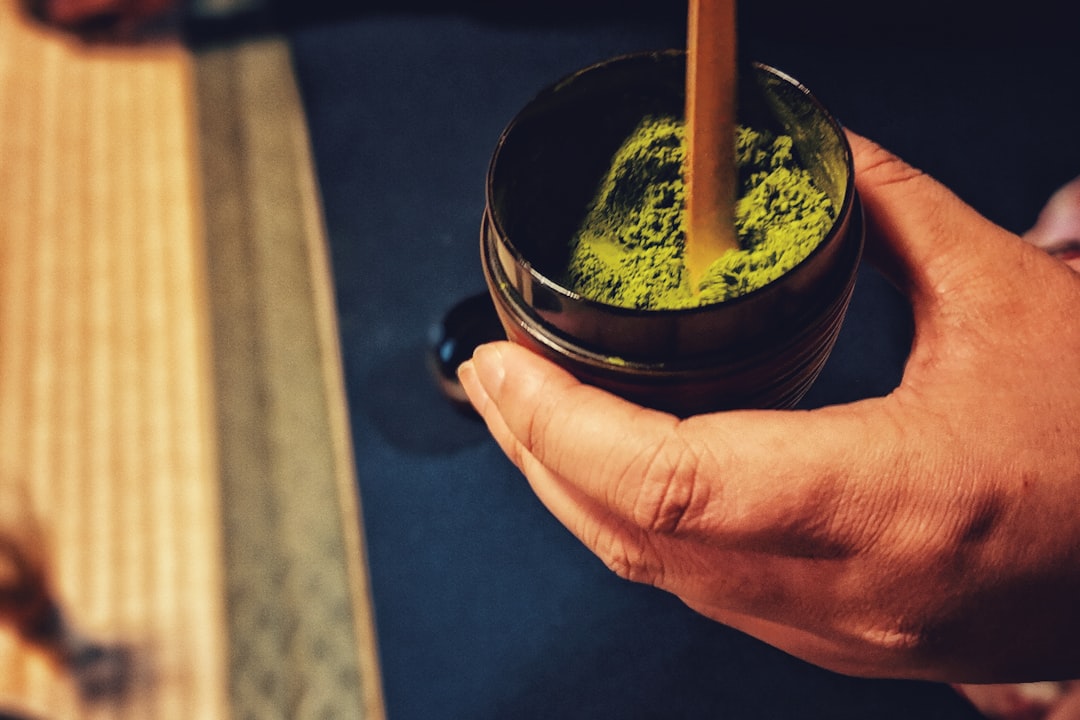
Matcha in Kyoto ranges from a bowl of tea whisked at your table by someone whose family has sold it since 1717 to a bright green soft-serve in a cone on a temple approach, and both are legitimate.
What is worth understanding is that they are not made from the same thing. The powder in a good bowl of usucha is shaded tencha leaf, stone-ground at about forty grams an hour, and costs many times what the powder in the soft-serve costs.
Kyoto is where you can taste the difference directly, in the same afternoon, for a few thousand yen. That comparison is the most useful thing a visitor can do with matcha here, and almost nobody does it.
Why Uji
The reputation is not marketing. It rests on a technique developed in a specific valley.
Shading
For roughly three to four weeks before harvest, Uji’s tea bushes are covered — traditionally with reed screens and straw, now often with black synthetic netting — cutting sunlight by up to ninety percent.
The plant responds by producing more chlorophyll and more theanine, and less catechin. That is the whole trick: the colour goes deep green, the umami rises, and the bitterness falls.
Leaves grown this way and then steamed and dried without rolling are tencha. Tencha ground into powder is matcha. Everything else about quality follows from the field.
The Grinding
Matcha is ground on granite mills at a rate of around thirty to forty grams an hour. Grinding faster generates heat and destroys the aroma.
That figure is the reason good matcha is expensive. A single mill running all day produces less than a kilogram.
The particle size is a few microns, which is what gives matcha its texture in the mouth and why it suspends in water rather than dissolving.
Uji Itself
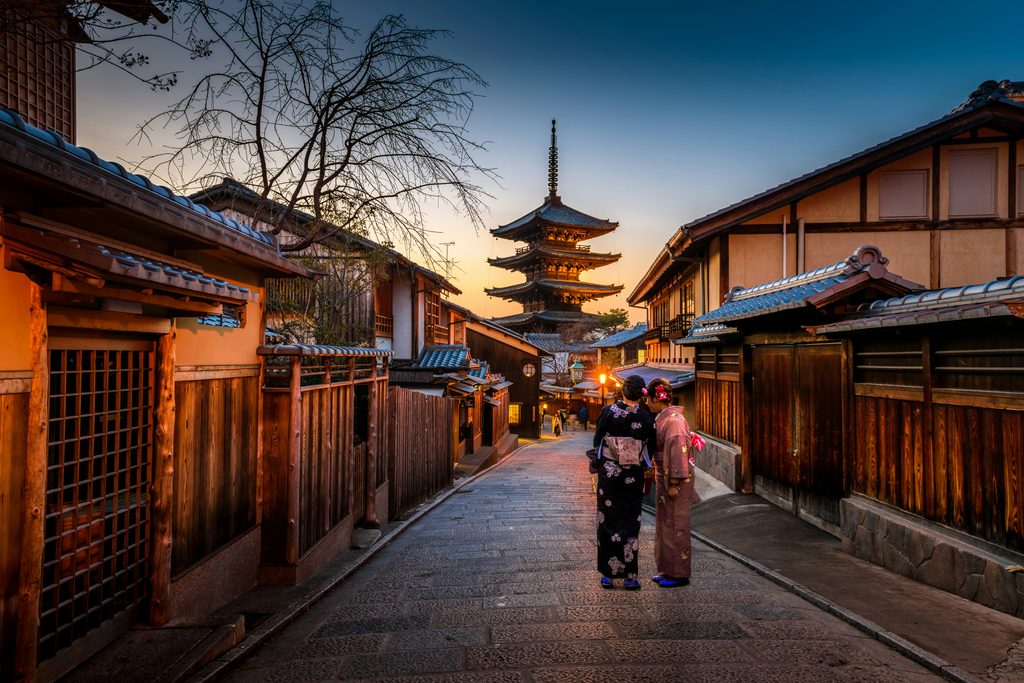
Tea has been grown here since the thirteenth century, and the shading method is credited to Uji growers in the sixteenth. The major houses — Ippodo, Tsujiri, Nakamura Tokichi, Marukyu Koyamaen, Yamamasa Koyamaen — are Uji or Kyoto names with long continuous histories.
Uji is twenty minutes from Kyoto Station on the JR Nara line. It is the single best half-day trip in Kyoto Prefecture for anyone who cares about this.
Expert Tip
“Ceremonial grade” is not a Japanese classification. It is a Western retail term with no legal or industry definition, and no Japanese tea house uses it. Producers sell named grades instead — each house has its own hierarchy of blends with proper names, ordered by price. If a tin’s only quality claim is “ceremonial grade”, you are looking at marketing. If it carries a producer’s name, a blend name, and a price that reflects a position in that producer’s range, you are looking at tea.
The Historic Houses
Three names dominate, and they do different things well.
Ippodo
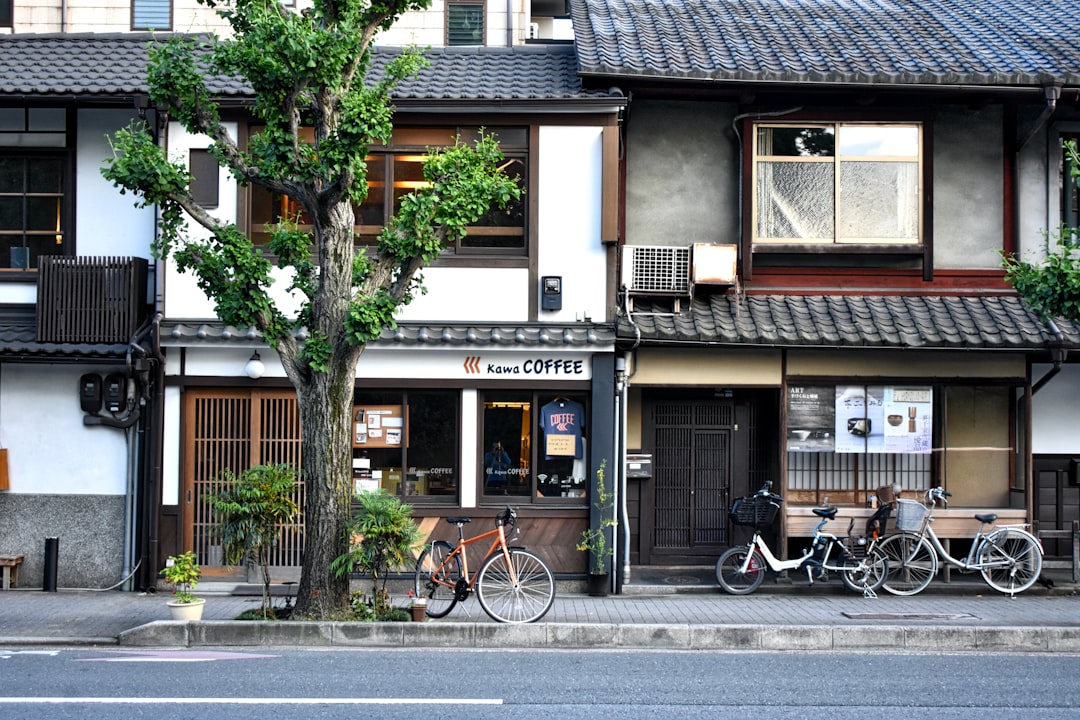
Founded in 1717, with the main shop on Teramachi-dori in central Kyoto and the attached Kaboku tea room.
This is the place to actually learn something. You choose a tea, staff bring the leaf, the ware, and hot water at the correct temperature, and you make it yourself at the table with instructions. For matcha they whisk it or guide you through it.
The shop sells the full range of their blends with clear price laddering, and staff will explain the differences without condescension. It is the best hour a visitor can spend on Japanese tea in Kyoto.
Buy here. Their packaging, dating, and storage advice are the most rigorous of the major houses.
Tsujiri
An Uji name dating to 1860, now appearing under several related brands. Gion Tsujiri, on Shijo in the Gion district, is the one most visitors encounter.
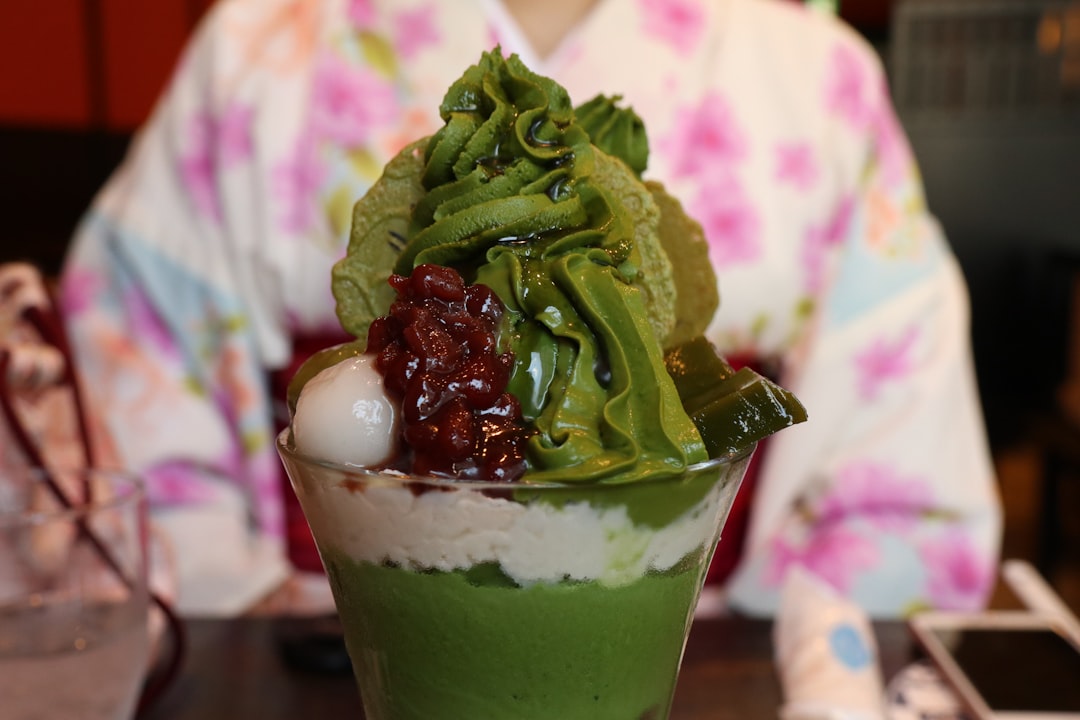
The parfaits are the draw and they are genuinely good — properly bitter matcha soft-serve rather than the sweetened green ice cream sold elsewhere, layered with mochi, red bean, jelly, and castella.
There is a queue at almost every hour. It moves.
Nakamura Tokichi
Founded in Uji in 1854, and the main shop there is the destination. The building is a preserved merchant house with a garden.
The signature is the matcha jelly served in a bamboo cup — jelly, soft-serve, red bean, and shiratama, in a section of green bamboo. It is the most photographed dessert in Uji and it earns it.
There is also a branch at Kyoto Station, which is convenient and lacks the building.
The Producers Worth Knowing
For buying rather than drinking, Marukyu Koyamaen and Yamamasa Koyamaen are Uji producers whose matcha is what a great many tea schools actually use.
They are less visible to visitors and their product is what serious buyers seek out. Marukyu Koyamaen’s blends are widely available in Kyoto tea shops.
Matcha Sweets
Kyoto’s matcha dessert economy is enormous, and the quality range within it is wide.
Parfaits
The standard form: a tall glass layered with matcha soft-serve, matcha jelly, red bean, mochi balls, sponge, cornflakes for texture, and cream.
The variable is the soft-serve. A good one is properly bitter and tastes of tea; a bad one is sweetened green-coloured vanilla. You can tell in one spoonful.
Gion Tsujiri, Nakamura Tokichi, and Saryo Tsujiri all serve serious versions. So do a number of smaller places with no queue.
Tiramisu and the Wooden Box
Maccha House near Kawaramachi serves matcha tiramisu in a masu — the square wooden box traditionally used for sake — and it has been one of the most photographed desserts in Kyoto for years.
It is good and it is a queue. Booking is not possible; go early or late.
Soft-Serve on the Approach
Every temple approach in Kyoto sells matcha soft-serve, and much of it is mediocre.
Look for shops that state the producer of the matcha they use, and for cones offered in graded strengths — some sell the same soft-serve at several levels of matcha concentration, which is both a good sign and a genuinely interesting thing to taste through.
The strongest grade is bitter enough to be divisive. Order it.
Wagashi
The traditional pairing is not a dessert but a small sweet eaten before the tea, to set the palate against the bitterness.
Kyoto’s wagashi makers are among the best in Japan and a proper tea room will serve one with the bowl. If you are buying tea to take home, buy a box of higashi — dry pressed sugar sweets — alongside it.
A Half-Day in Uji
Twenty minutes from Kyoto Station, and the best thing on this list.
Getting There
JR Nara line local from Kyoto Station to Uji, around twenty minutes. The Keihan line also serves it from the Gion side.
Note that the Nintendo Museum is two stops before Uji at Ogura, which makes a combined day possible if you have won the ticket lottery.
Byodoin and the Approach
Byodoin, built in 1053, is the Phoenix Hall on the reverse of the ¥10 coin — one of the most important surviving Heian-period buildings in Japan, sitting in a reflecting pond.
The approach street between the station and the temple is lined with tea houses, roasters, and shops that have been trading for centuries. The smell of roasting hojicha along it is the reason to walk rather than take a taxi.
Allow an hour for the temple, including the museum behind it, which holds the original phoenixes and bodhisattva carvings from the hall.
Taiho-an
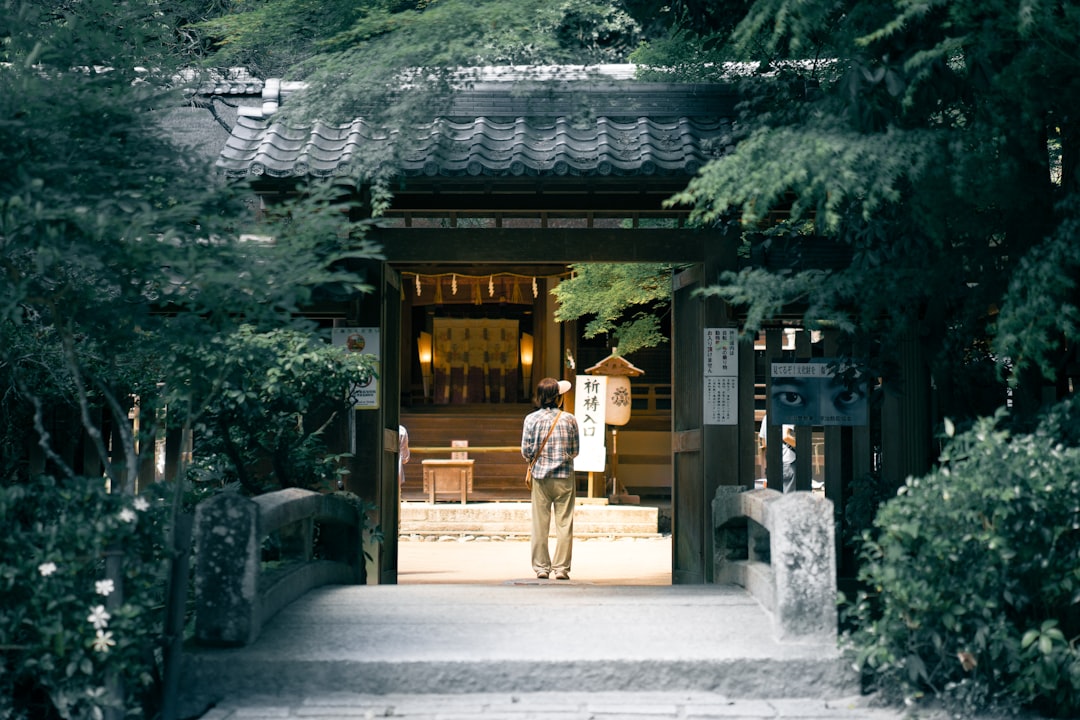
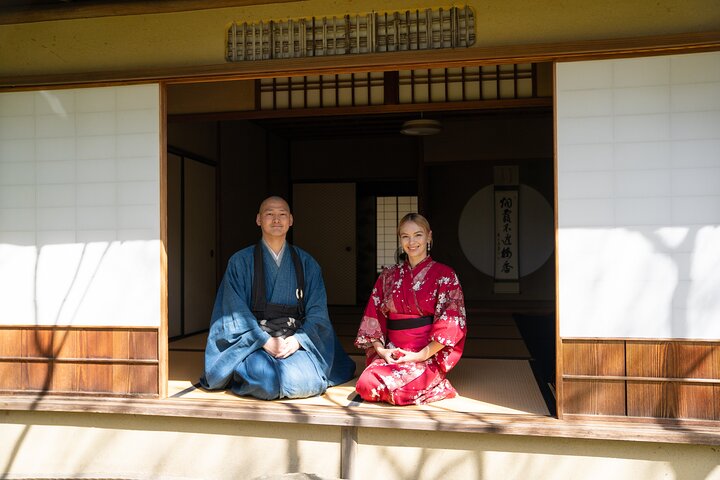
The municipal tea house beside the river near Byodoin, where you can sit a formal tea ceremony for a small fee without a reservation.
It is short, it is inexpensive, and it is conducted properly. For a visitor who wants to experience the ceremony rather than a demonstration, this is one of the most accessible options in Japan.
Check opening days before going.
Buying in Uji
This is where to buy. The Uji shops sell direct, staff know their product, and prices are better than in central Kyoto’s tourist areas.
Ask to be shown two grades and to have the difference explained. Most shops will let you smell the powder, and the difference in aroma between a mid-range and a top blend is obvious even to a beginner.
Buy small tins. Matcha oxidises quickly once opened and a large tin is a false economy.
Expert Tip
Buy matcha at the end of your trip, not the beginning. Ground matcha begins losing aroma from the moment it is milled and degrades quickly once the tin is opened — a good one is at its best within weeks. Carrying a tin around Japan for two weeks in a warm bag is the worst thing you can do to it. Buy on your last day, keep it sealed and cool, and refrigerate it at home in the unopened tin.
Buying It and Making It at Home
What to look for, and how not to waste it.
Reading a Tin
Ignore “ceremonial grade” for the reasons above. Look instead for the producer’s name, a blend name, a milling or best-before date, and a price that sits somewhere identifiable in that producer’s range.
Colour is a genuine indicator: good matcha is vivid, almost fluorescent green. Dull, yellowish, or khaki powder is either low grade, old, or made from unshaded leaf.
Aroma is the other. Fresh good matcha smells sweet and marine. Old matcha smells of hay.
Thin and Thick
Usucha, thin tea, is what almost everyone drinks: roughly two grams of powder to sixty or seventy millilitres of water, whisked to a foam.
Koicha, thick tea, uses around four grams to twenty millilitres and produces something closer to paint than to a drink. It requires a high grade — a cheaper matcha made as koicha is undrinkable — and it is the form used at the heart of a formal ceremony.
If you buy one tin, buy for usucha.
The Equipment
A chasen — the bamboo whisk with eighty or a hundred tines — is the one item without a substitute. A milk frother produces foam but not the same suspension.
A chawan bowl with a wide flat base, and a chashaku bamboo scoop. A fine sieve matters more than people expect, because matcha clumps and sifting it before whisking is the difference between a smooth bowl and a lumpy one.
Buy the whisk in Japan. They are inexpensive here and expensive everywhere else.
Water Temperature
Around 70 to 80 degrees for usucha. Boiling water scorches the powder and makes it harsh, which is the single most common mistake.
Boil, then let it stand a couple of minutes, or pour between two vessels to drop the temperature.
Whisk briskly in a W motion rather than a circle, then slow down at the end to break the large bubbles. Drink it immediately — matcha separates within a minute or two.
Best Matcha in Kyoto: Frequently Asked Questions
What is the difference between ceremonial and culinary grade?
In Japan, nothing — neither term is a Japanese classification and no Japanese tea house uses them. They are Western retail labels with no legal definition. What does exist is a real quality range: matcha made from young shaded first-harvest leaf, stone-ground slowly, is vivid green, sweet, and expensive, and matcha made from later harvests and coarser leaf is duller, more bitter, and cheap enough to use in ice cream and lattes. Japanese producers sell named blends at ascending prices rather than labelling grades. Buy by producer, blend name, and price position, and look at the colour.
Where should I buy tins of matcha in Kyoto?
Ippodo on Teramachi for the best combination of range, information, and packaging rigour — staff will explain the ladder and let you compare. In Uji, buy direct from the producers’ own shops, where prices are better and the choice is wider. Marukyu Koyamaen is worth seeking out specifically. Avoid the tins sold at temple gift shops and at Kyoto Station’s general souvenir floors, which are priced for convenience and frequently old. Buy on your last day and keep it sealed.
Is Uji an easy afternoon trip from Kyoto Station?
Very. Twenty minutes on a local train on the JR Nara line, and everything — Byodoin, the tea street, Taiho-an, and the main shops — sits within a fifteen-minute walk of Uji Station. Half a day covers it comfortably: leave central Kyoto after breakfast, do the temple and the tea, and be back by mid-afternoon. It is also a much quieter experience than anywhere in Higashiyama, and combining it with the Nintendo Museum two stops away makes a good full day if you have tickets.
Related Tours
Conclusion
Sit down at Ippodo and make a bowl yourself, then walk out and buy a soft-serve on the next temple approach. Those two things, an hour apart, teach you more about matcha than any amount of reading.
Then take the train to Uji on your last morning and buy the tin there. It is twenty minutes each way, the tea is better and cheaper at source, and you get Byodoin and a proper tea ceremony thrown in for the price of a local train ticket.
Plan Your Japan Trip with Local Experts
Our team has guided 40,000+ travelers across Japan. Tell us about your trip and we’ll get back to you within 24 hours.