In this article:
- The Sixteen Holidays
- Golden Week
- Obon and the Autumn Cluster
- New Year
- Travelling Through a Peak
- Japan Public Holiday: Frequently Asked Questions
Introduction
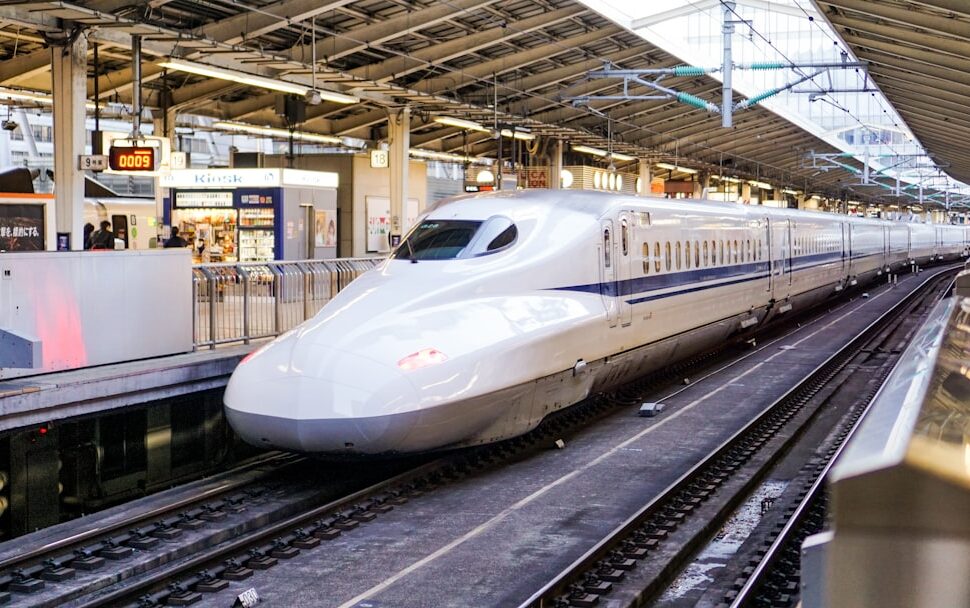
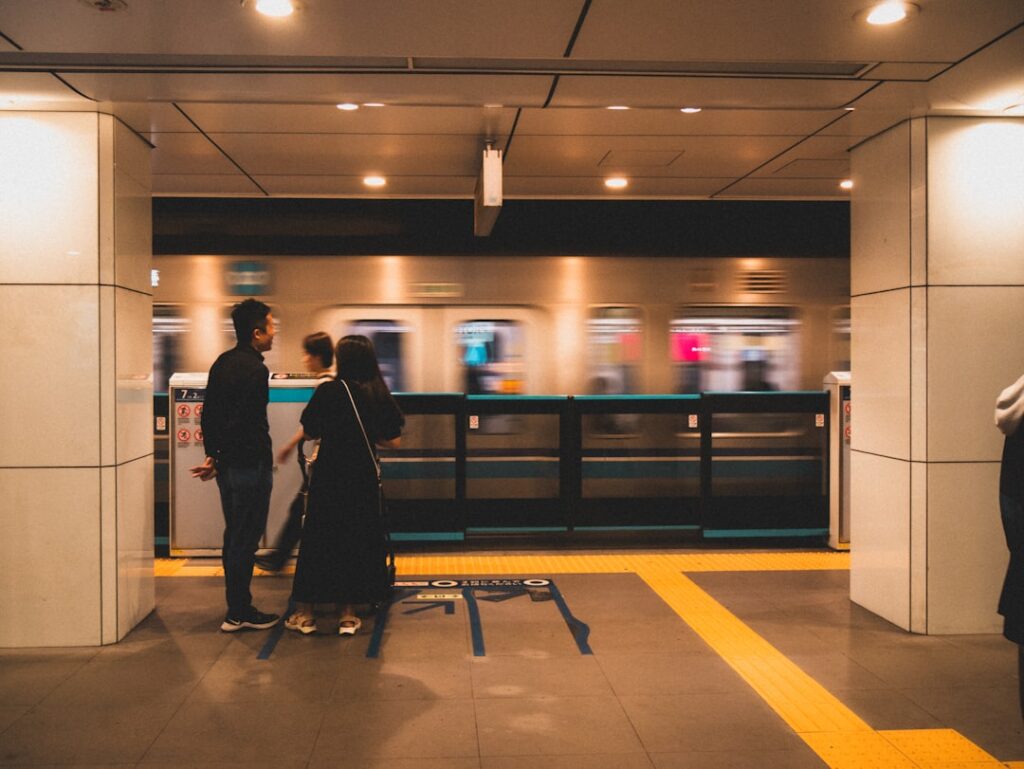
The Shinkansen from Tokyo to Kyoto on the second day of Golden Week runs full, every train, all day, and the non-reserved carriages have people standing in the vestibules for two and a half hours.
Japan takes its holidays simultaneously. Annual leave is taken sparingly and the national holidays are when the country moves — which produces three periods where domestic demand for transport and accommodation is several times normal, and prices follow.
For a foreign visitor the practical question is simple: are your dates inside one of those windows, and if so, what changes. Everything else about Japan’s holiday calendar is trivia.
The Sixteen Holidays
Public holidays here are frequent, and most of them affect a visitor very little.
The Calendar
January: New Year’s Day, and Coming of Age Day on the second Monday.
February: National Foundation Day on the 11th, the Emperor’s Birthday on the 23rd.
March: Vernal Equinox Day, which moves by a day depending on the astronomical calendar.
April and May: Showa Day on 29 April, then Constitution Memorial Day, Greenery Day, and Children’s Day on 3, 4, and 5 May — the Golden Week block.
July and August: Marine Day on the third Monday of July, Mountain Day on 11 August.
September: Respect for the Aged Day on the third Monday, and Autumnal Equinox Day.
October: Sports Day on the second Monday.
November: Culture Day on the 3rd, Labour Thanksgiving Day on the 23rd.
The Happy Monday System
Four holidays were moved to fixed Mondays by legislation to create three-day weekends — Coming of Age Day, Marine Day, Respect for the Aged Day, and Sports Day.
Each of these produces a busy weekend rather than a week-long disruption. Domestic travel rises, popular destinations fill, and Shinkansen reserved seats sell out on the Friday evening and the Monday afternoon.
Manageable. Book seats, avoid the peak direction, and it barely registers.

Substitute Holidays
When a national holiday falls on a Sunday, the following Monday becomes a substitute holiday. This shifts the calendar year to year and is why holiday patterns are not fixed.
There is also a provision creating a holiday out of a single working day sandwiched between two holidays, which is how the occasional autumn Silver Week appears in certain years.
Check the actual dates for your travel year rather than assuming. Japanese government and JNTO sites publish them.
Expert Tip
Museums in Japan close on Mondays, and when a Monday is a public holiday they open and close the following Tuesday instead. This catches out a large number of visitors who plan a museum day around a holiday Monday, arrive on Tuesday, and find the doors shut. On any holiday weekend, check the closure day of anything you specifically want to see.
Golden Week
Late April into the first week of May, and the single busiest travel period of the Japanese year.
What It Is
Four national holidays falling within a week: Showa Day on 29 April, then Constitution Memorial Day, Greenery Day, and Children’s Day on 3, 4, and 5 May.
Depending on which days of the week those land on, and how much leave people take to bridge the gaps, the effective break runs from four days to ten.
Almost everyone travels. Domestic tourism, family visits, and overseas trips all peak simultaneously.
What Happens
Shinkansen reserved seats sell out weeks ahead. Expressways run at a standstill with traffic reports quoting queues of forty kilometres. Airports operate at capacity.
Hotel rates double or triple. Popular destinations — Kyoto, Hakone, Kanazawa, Okinawa, the Fuji Five Lakes — are as busy as they get all year.
Shops, restaurants, and attractions are open and often extend hours. This is a leisure period, not a shutdown, and the crowds are the issue rather than closures.
If Your Dates Are Fixed
Book everything the moment booking opens. Shinkansen reserved seats go on sale one month before departure, at ten in the morning Japan time, and the popular trains sell within minutes on Golden Week dates.
Stay in one city and use it as a base rather than moving. The transport is the pinch point; a week in Tokyo with day trips is far more pleasant than a five-city itinerary.
Go early. Any famous site at seven in the morning is a different place from the same site at eleven, and this is doubly true during Golden Week.
Consider going where Japanese people are not: Tohoku, Shikoku, San’in, and the smaller cities absorb the increase far better than Kyoto does.
Obon and the Autumn Cluster
The second peak, and the one visitors most often stumble into unaware.
Obon
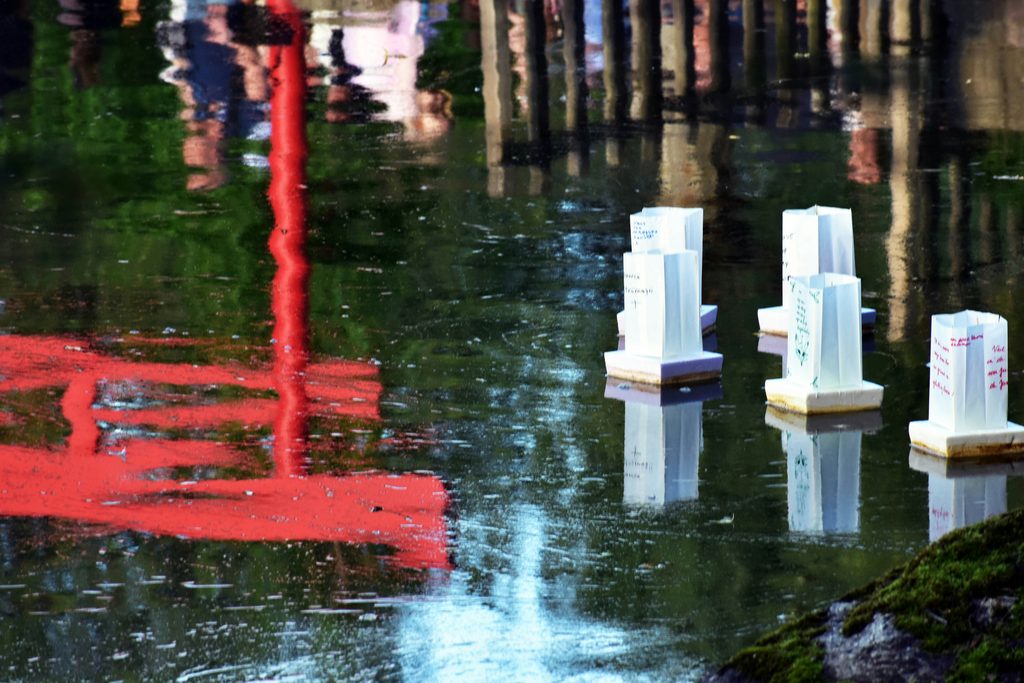
Mid-August, conventionally the 13th to the 16th, when families return to their ancestral homes to observe the return of the dead.
It is not a national holiday. Companies close anyway and the travel volume rivals Golden Week, concentrated on movement between cities and the countryside.
August is also the hottest and most humid part of the Japanese year, which compounds the experience. Trains, roads, and airports are full, and rural inns near family homes book out.
Festivals during this period are extraordinary — Awa Odori in Tokushima, the Kyoto Gozan bonfires, Nebuta in Aomori — and are a genuine reason to travel in Obon rather than avoid it, provided you book far ahead.
Silver Week
An occasional autumn run of holidays created when Respect for the Aged Day and the Autumnal Equinox fall close enough for the intervening day to become a holiday.
It happens only in certain years and is much shorter than Golden Week. Where it occurs, treat it as a busy long weekend.
November
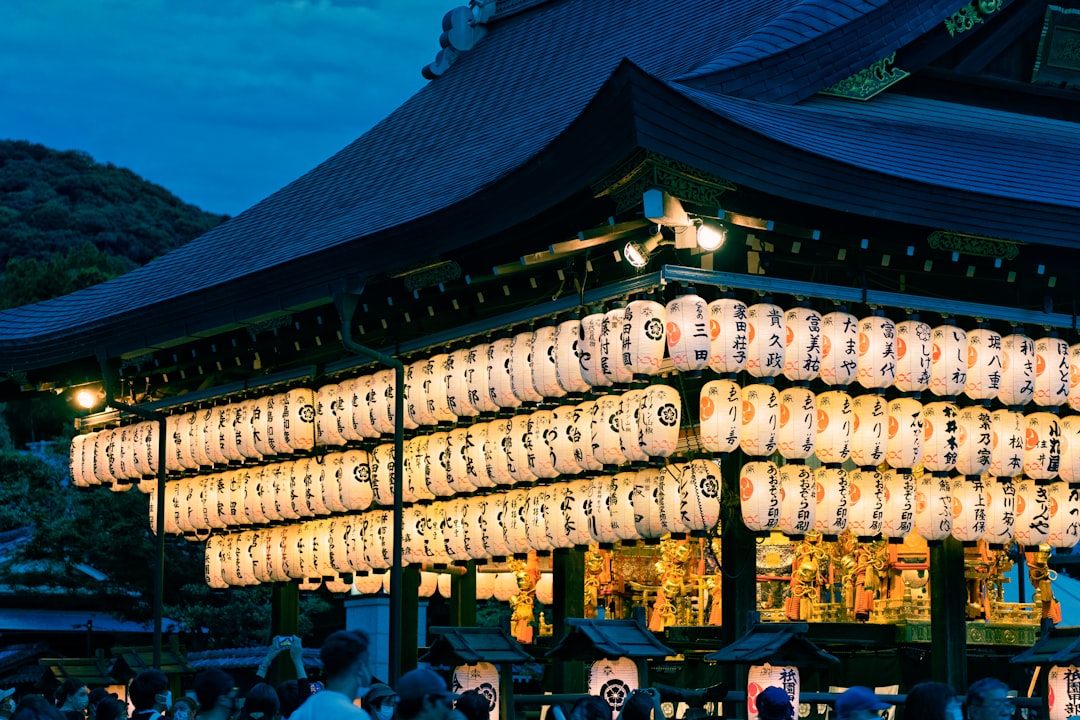
Culture Day on the 3rd and Labour Thanksgiving on the 23rd fall within the autumn colour season, which is when Kyoto is at its most crowded.
Neither is a long break, and both add a substantial weekend surge to a month that is already the peak of domestic sightseeing.
A November weekend in Kyoto is genuinely difficult. A November Tuesday in Kyoto is one of the best days available in Japan.
New Year
Roughly 29 December to 3 January, and the only period where things actually close.
What Closes
This is the important distinction from the other peaks. Small restaurants, family-run shops, many museums, and some attractions close for several days around New Year, and some for a full week.
Department stores close on 1 January and reopen with enormous sales. Chain restaurants and convenience stores stay open. Transport runs, in some cases more than usual.
If your trip falls here, check the opening dates of anything specific you want to do. The websites will say.
Hatsumode
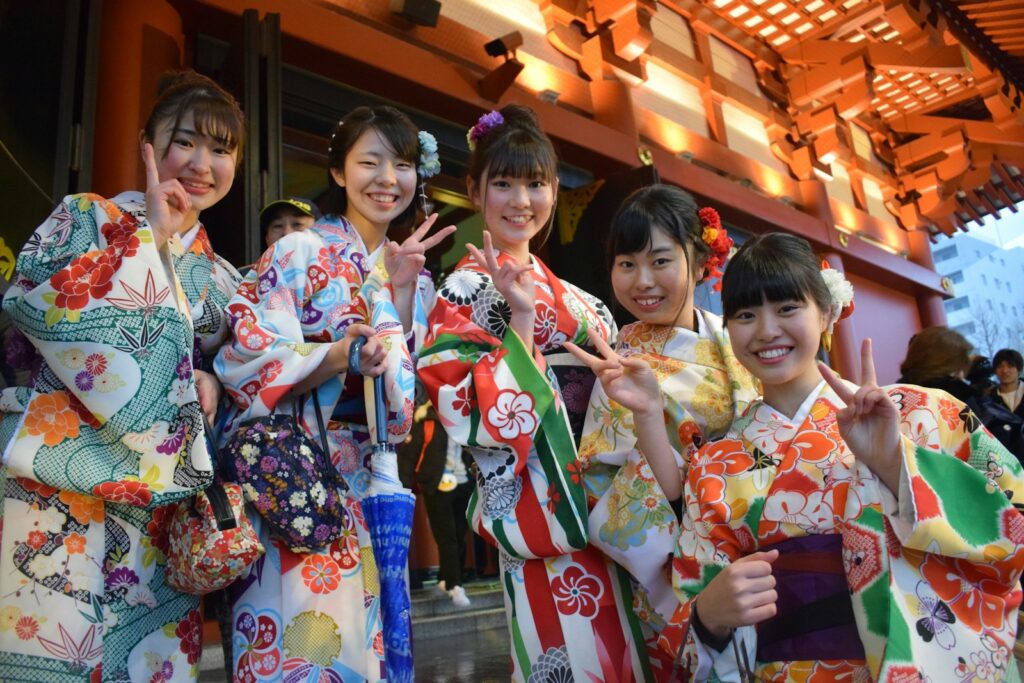
The first shrine visit of the year, made by a very large proportion of the Japanese population in the first three days of January.
Meiji Jingu in Tokyo receives around three million visitors over that period. Fushimi Inari, Sensoji, and the other major shrines are comparable in intensity.
It is worth seeing once and it is not a calm experience. Go late at night on the 1st or on the 3rd, when the crush eases, or visit a smaller neighbourhood shrine instead, which is a considerably better experience.
New Year’s Eve
Tokyo, Kyoto, and Osaka run all-night train services on 31 December, which is unusual and genuinely useful.
Temples ring their bells 108 times from late evening. Toshikoshi soba is eaten before midnight. There is no fireworks tradition of the Western kind.
The Trade
The first three days of January are quiet in a way Japan never otherwise is — empty offices, closed shutters, families at home. It has a distinct atmosphere and some travelers love it.
Against that: reduced choice, closed restaurants, and the highest accommodation prices of the year. Know which you are choosing.
Expert Tip
Reserved Shinkansen seats go on sale exactly one month before departure at 10am Japan time, and for peak dates the good trains are gone within minutes. Register for the online reservation service — SmartEX or EX for the Tokaido and Sanyo lines, or the regional JR equivalents — before you travel, so you are logged in and ready rather than working out the interface while the seats disappear.
Travelling Through a Peak
Four tactics, in order of effectiveness.
Book Absurdly Early
Accommodation in Kyoto for Golden Week or the autumn colour weekends should be booked six months ahead, and the good ryokan longer.
This is not caution. It is the normal booking horizon for Japanese domestic travelers and you are competing with them.
Trains: one month, to the minute.
Do Not Move
The single biggest improvement to a peak-period itinerary is reducing the number of city changes.
Base yourself in one place and take day trips. You avoid the worst of the transport crush, you do not lose half-days to check-in and check-out, and you can shift plans by weather and crowd.
Invert the Day
Be at the famous site at seven in the morning and at dinner by six. Domestic crowds are heavily concentrated between ten and four.
Fushimi Inari at dawn, Kiyomizudera at opening, Arashiyama before eight. All three are entirely different places at those hours, and during Golden Week the difference is dramatic.
Go Where They Are Not
Japanese domestic travel concentrates on a known set of destinations. Everywhere else absorbs the peak with barely a ripple.
Tohoku, Shikoku, the San’in coast, Kyushu outside Fukuoka, and the smaller castle towns are quiet during Golden Week in a way Kyoto could not be.
If your dates are locked into a peak, changing the destination is a better lever than changing the tactics.
Japan Public Holiday: Frequently Asked Questions
Are attractions open on public holidays?
Yes, and busier. Public holidays in Japan are leisure days, so theme parks, museums, castles, and digital art venues open normally and often extend their hours. The exception is the New Year period, when many museums and smaller attractions close for several days. Note the Monday rule: museums that close on Mondays stay open when the Monday is a holiday and close the following Tuesday instead, which catches out a lot of visitors. Check specific opening dates for anything you have set your heart on.
Should I avoid Golden Week entirely?
If your dates are flexible, yes — it is the most expensive and most crowded week of the Japanese year, and the same trip a fortnight later costs substantially less and is far more pleasant. If your dates are fixed, it is entirely workable: book accommodation months ahead, reserve every Shinkansen seat the moment booking opens, base yourself in one city rather than moving, start each day at dawn, and consider a region outside the main tourist circuit. The weather in early May is among the best of the year, which is some compensation.
Do shops, ATMs, and trains run normally on holidays?
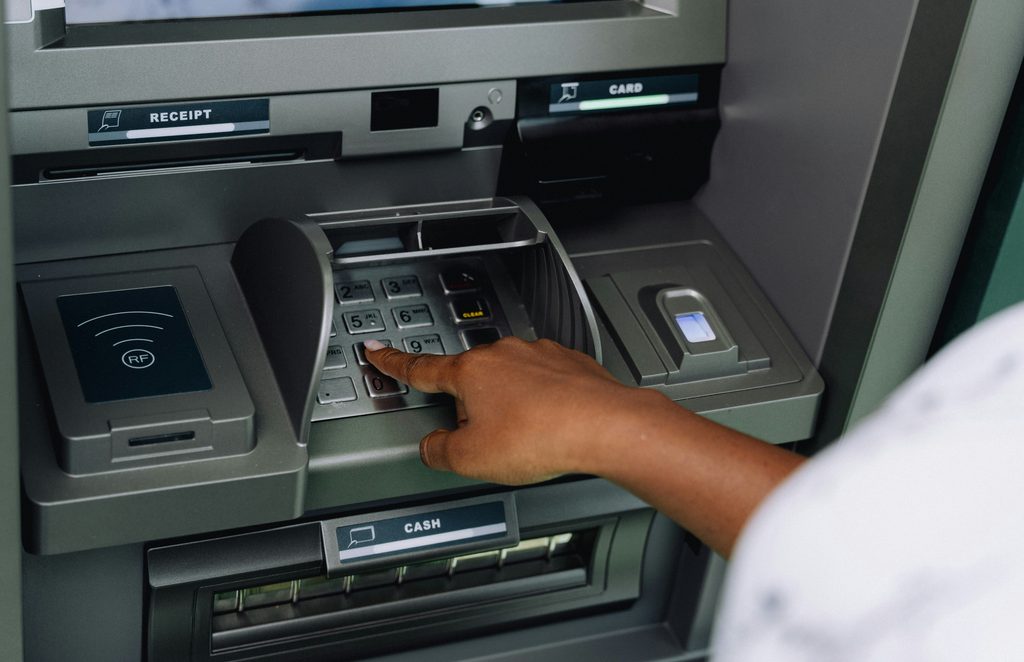
Yes on all three, with New Year as the exception. Convenience stores are open every day of the year including 1 January. ATMs at convenience stores and Japan Post operate normally, though some bank branch ATMs have reduced hours over New Year. Trains and subways run on holiday timetables, which usually means the weekend schedule — slightly less frequent at commuter times and normal otherwise. Post offices and banks close on national holidays; government offices close; hospitals run emergency services only.
Related Tours
Conclusion
Check your dates against Golden Week, mid-August, and 29 December to 3 January before you book anything. Those three windows are the only part of Japan’s holiday calendar that will materially change your trip, and moving your dates by a week is the cheapest fix available.
If the dates cannot move, pick one city and stay in it. Almost every difficulty of travelling in Japan during a peak is a transport difficulty, and an itinerary that does not require a train solves most of it before it starts.
Plan Your Japan Trip with Local Experts
Our team has guided 40,000+ travelers across Japan. Tell us about your trip and we’ll get back to you within 24 hours.