In this article:
- Choosing Your Train on the Sanyo Shinkansen
- Tickets and Passes: What to Buy
- Departure Day: Shin-Osaka, Luggage, and the Ride
- Day Trip or Overnight?
- Osaka to Hiroshima: Frequently Asked Questions
Introduction
The journey from Osaka to Hiroshima is shorter than most travelers expect. Board a Nozomi at Shin-Osaka at eight in the morning and you can be standing in front of the Atomic Bomb Dome before ten, with the whole day still ahead of you.
That speed changes how you plan. Hiroshima stops being a separate leg of the trip and becomes something you can attach to a Kansai stay, either as a long day out or as a single night between Osaka and the rest of western Japan. The decisions left are practical ones: which of the four train types to take, whether a rail pass is worth buying, and how much time the city and Miyajima actually deserve.
We run private days in both cities, and the question of how to link them comes up with almost every traveler who books Hiroshima. What follows is the answer we give them.
Choosing Your Train on the Sanyo Shinkansen
Every fast route between the two cities runs on the Sanyo Shinkansen, from Shin-Osaka Station to Hiroshima Station. There is no shinkansen from Osaka Station itself, which catches out a surprising number of first-time visitors.
Four train types share the line, and they are not interchangeable.
Nozomi and Mizuho: The Fastest Option
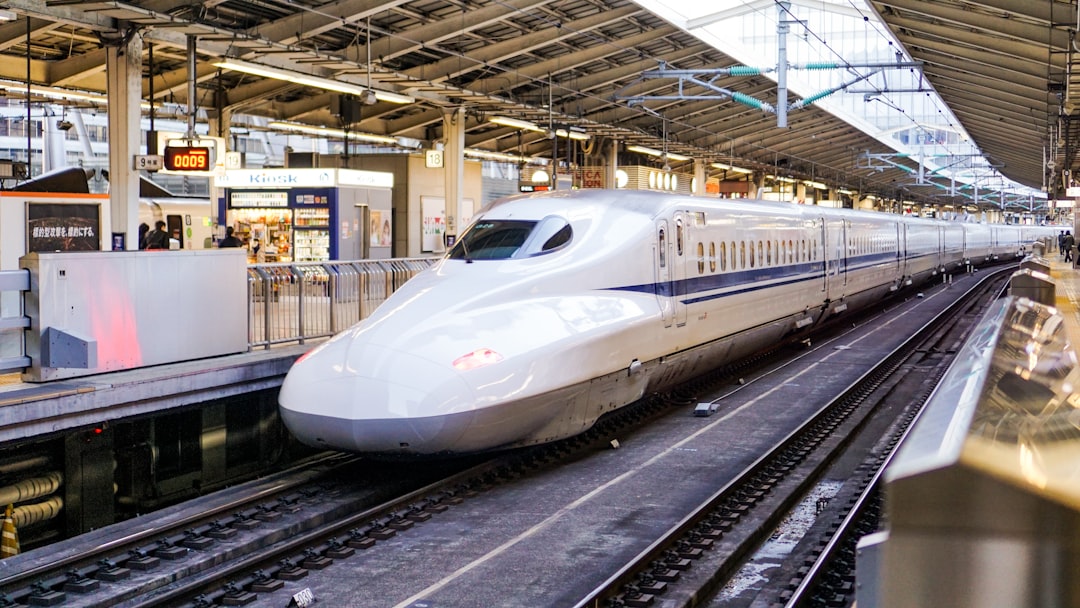
Nozomi and Mizuho trains make the fewest stops and cover the distance in roughly 1 hour 20 to 30 minutes. Nozomi runs through from Tokyo and continues to Hakata; Mizuho starts at Shin-Osaka and runs on into Kyushu. For a traveler paying a regular fare, one of these is the obvious choice.
Nozomi departures are frequent through the day, so there is rarely a reason to plan around a specific train. Pick a comfortable time, reserve it, and go.
Sakura and Hikari: The Pass Holder’s Trains
Sakura trains also run from Shin-Osaka toward Kyushu and are only slightly slower than Mizuho, stopping at a few more stations along the way. Hikari trains stop more often again and take noticeably longer.
These matter mainly for anyone travelling on a Japan Rail Pass or a JR West regional pass, because they are the trains those passes cover without extra charge. For a pass holder, a Sakura is the one to aim for. The time difference against a Nozomi is small enough that most people would not notice it.
Why Buses, Planes, and Local Trains Rarely Make Sense
Highway buses run from Osaka to Hiroshima, both by day and overnight, and they cost roughly half the shinkansen fare. The daytime journey takes around five hours. For a traveler with a week or two in Japan, that trade is hard to justify.
Flying is not realistic on this route. By the time you have reached an airport, cleared security, and travelled in from Hiroshima Airport, which sits a long way east of the city, the train would have delivered you to the center hours earlier.
Local trains are cheaper again and take the better part of a day with several changes. We would only suggest them to someone who wants the slow journey for its own sake.
Expert Tip
Sit on the right-hand side of the train, in the direction of travel, heading west. Shortly after the train leaves Shin-Kobe you pass Himeji, and the white keep of Himeji Castle is briefly visible from the north side of the line. It is a few seconds at speed, and most passengers are looking at their phones when it goes by.
Tickets and Passes: What to Buy
The right ticket depends almost entirely on how much other rail travel you are doing. For a single round trip, a standard ticket is usually the simplest option. For a route that also takes in Kyoto, Kobe, or Miyajima over several days, a pass starts to pay for itself.
Standard Tickets and Reserved Seats
At regular-season prices, a reserved seat on a Nozomi or Mizuho from Shin-Osaka to Hiroshima costs ¥10,950 one way. A reserved seat on a Sakura or Hikari is ¥10,420, and a non-reserved seat on any train is ¥9,890. Fares rise slightly in peak periods and fall slightly in quiet ones.
Tickets can be bought at the machines and ticket offices at Shin-Osaka, or in advance online through smartEX, the official booking service for the Tokaido, Sanyo, and Kyushu Shinkansen. Online booking lets you choose your seat before you arrive at the station, which is the main reason we recommend it.
We would reserve rather than gamble on the non-reserved cars. The saving is a few hundred yen, and on a busy morning the non-reserved cars can fill before the train reaches you. During the major holiday periods, Nozomi trains run with reserved seats only, so an advance booking is required.
The Japan Rail Pass and the Nozomi Supplement
The nationwide Japan Rail Pass covers the Sakura and Hikari on this route. It does not cover the Nozomi or Mizuho outright. Pass holders who want those trains must buy a separate supplement ticket for the journey.
In practice, few people bother. The Sakura is nearly as fast, runs from the same platform, and costs nothing extra on the pass. Unless the timing of a particular Nozomi matters to your day, take the Sakura.
Whether the national pass is worth buying at all is a separate calculation, and it depends on the rest of your itinerary. A trip that only moves between Tokyo, Kyoto, Osaka, and Hiroshima once each often comes out cheaper on individual tickets.
The Kansai-Hiroshima Area Pass
For travelers based in Kansai, JR West’s Kansai-Hiroshima Area Pass is usually the better tool. It costs ¥17,000 for five consecutive days and covers the Sanyo Shinkansen between Shin-Osaka and Hiroshima, JR lines in the Kansai and Hiroshima areas, and the JR West Miyajima Ferry.
A single round trip on a Nozomi reserved seat is ¥21,900 at regular fares, so the pass is cheaper before you have used it for anything else. Like the national pass, it covers the Sakura and Hikari but not the Nozomi or Mizuho.
The pass is sold only to visitors entering Japan on a foreign passport as temporary visitors. Buy it online through JR West’s reservation site before you travel and collect it at a station machine or ticket office.
Departure Day: Shin-Osaka, Luggage, and the Ride
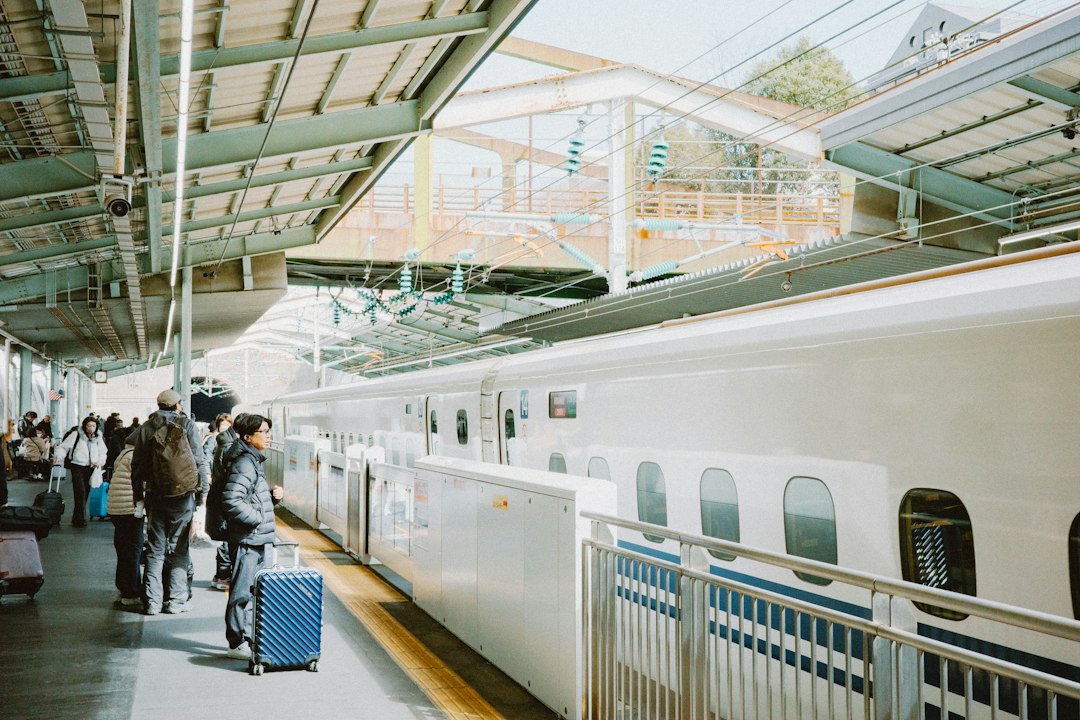
Shin-Osaka is a transit hub rather than a destination, and it works best if you treat it that way. Arrive with twenty minutes in hand, find your platform, buy something to eat, and board.
Getting to Shin-Osaka from Namba and Umeda
From Namba and Shinsaibashi, the Midosuji subway line runs directly to Shin-Osaka. From Osaka Station in Umeda, it is one stop north on the JR line. Both routes are straightforward with an IC card, and neither requires a ticket purchase if you already carry an Osaka base in Namba or Umeda.
The Midosuji line is crowded at the morning rush. If you are travelling with large suitcases, leave before about 7:30 or after 9:30, or take a taxi, which from Namba is a short ride outside peak traffic.
Oversized Luggage Rules
The Tokaido-Sanyo-Kyushu Shinkansen has a specific rule for large bags. Any piece whose length, width, and height add up to more than 160 cm needs a reserved seat that comes with an oversized baggage area. The seat costs the same as a normal reserved seat, but it has to be booked in advance.
Board with an oversized bag and no such reservation and you will be charged a ¥1,000 fee and asked to move. Bags over 250 cm in total cannot be taken on board at all.
Most standard check-in suitcases fall under 160 cm, but the larger ones often do not. Measure before you book. The cleaner answer for a family with several large bags is to send them ahead with a courier and travel with a small bag each; our guide to luggage forwarding in Japan covers how that works.
What You See on the Way
The Sanyo Shinkansen runs through a great deal of tunnel, and the views between the tunnels are mostly of small towns, rice fields, and the hills of the inland route. It is not a scenic line in the way the Tokaido is when Mount Fuji is out.
That makes it a good ninety minutes for eating. Shin-Osaka has a wide selection of ekiben, the boxed meals sold for train journeys, and a well-chosen one is a better lunch than most of what you would find near Hiroshima Station at noon.
Day Trip or Overnight?
Hiroshima can be done as a day trip from Osaka. Whether it should be depends on whether you want to include Miyajima, and on how much time you want in the Peace Memorial Museum.
The Case for a Day Trip
A day trip works well if Hiroshima itself is the focus. Take a morning train, spend the late morning and early afternoon in the Peace Memorial Park and the museum, eat okonomiyaki in the downtown, and return to Osaka in the evening.
Our guide to the Peace Memorial Park covers the memorials and the museum in detail. The short version is that the museum needs longer than people plan for. Some visitors want an hour there, some want three, and it is not a place to rush for the sake of a train.
Adding Miyajima to the same day is possible. It is also a very full day, and the island is at its best when you do not have a shinkansen to catch.
Why We Usually Recommend a Night
Stay one night and the day changes shape. The park takes the morning, the island takes the afternoon, and you can remain on Miyajima into the evening after the day visitors have left, when the shrine and the torii are lit and the streets are quiet.
Our private Hiroshima day is built around exactly that sequence: the Peace Memorial Park and the Atomic Bomb Dome, Shukkei-en, the ferry to Miyajima, and okonomiyaki in the city. Guests arriving from Osaka meet their guide at the Starbucks on the second floor of Minamoa, the building attached to Hiroshima Station, so the handover from train to tour takes a few minutes.
One night also relieves the pressure on the Osaka side. We generally suggest giving Osaka its own full day rather than trying to squeeze it around Hiroshima. Osaka is a city where the eating is the itinerary, and it rewards an unhurried day more than most.
Getting from Hiroshima Station to Miyajima
From Hiroshima Station, take the JR Sanyo Line to Miyajimaguchi and cross on the ferry. The whole journey is around forty minutes. The JR West ferry is covered by both the Japan Rail Pass and the Kansai-Hiroshima Area Pass.
Every visitor to the island pays a ¥100 Miyajima visitor tax, collected with the ferry fare. It is small, and it funds the upkeep of the island’s facilities.
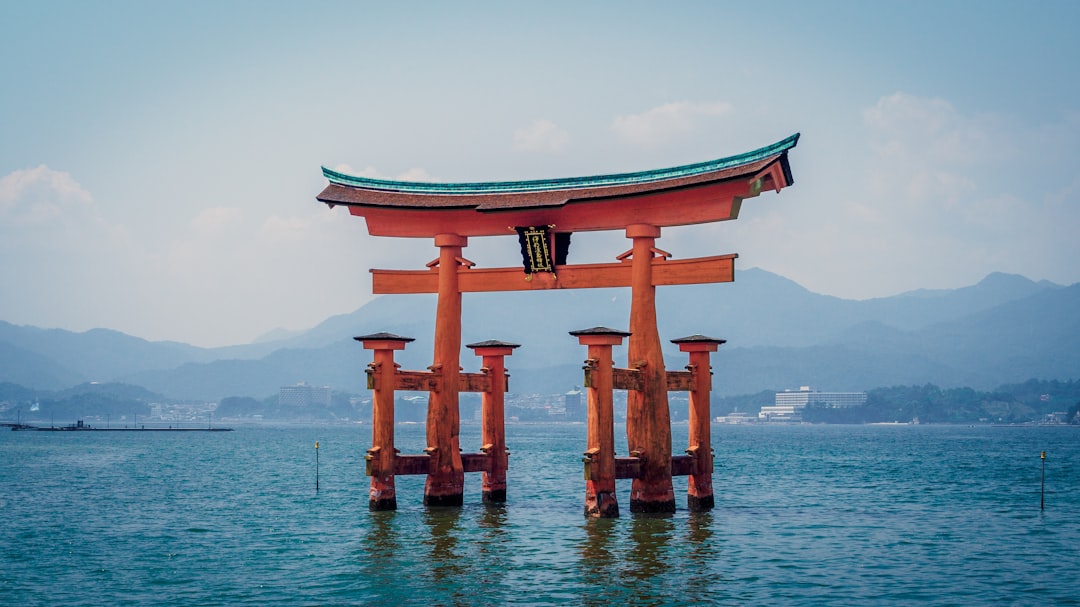
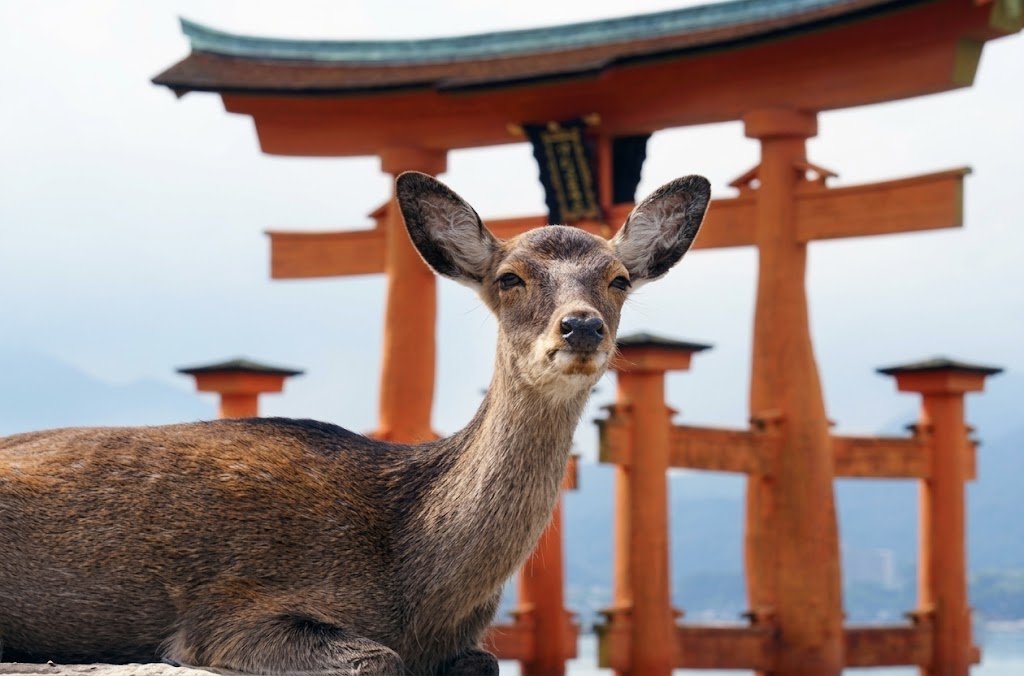
Check the tide table before you go. At high tide the great torii stands in the water and the shrine appears to float; at low tide you can walk out to the gate across the sand. Both are worth seeing, but most travelers have a strong preference, and the tide times are published well in advance.
Expert Tip
If you take a morning shinkansen from Osaka and plan to see both the park and Miyajima in one day, visit the park first. The museum is best seen before you are tired, and the island is at its quietest in the late afternoon once the tour groups start heading back to the ferry.
Osaka to Hiroshima: Frequently Asked Questions
How long does the shinkansen from Osaka to Hiroshima take?
The fastest trains, Nozomi and Mizuho, take roughly 1 hour 20 to 30 minutes from Shin-Osaka to Hiroshima. Sakura trains are only a little slower, and Hikari trains take longer again. Allow extra time to reach Shin-Osaka from central Osaka, since the shinkansen does not stop at Osaka Station.
Is the Nozomi covered by the Japan Rail Pass?
Not outright. Pass holders need a separate supplement ticket to ride a Nozomi or Mizuho. The Sakura and Hikari are covered at no extra cost, and on this route the Sakura is close enough in speed that we recommend it to anyone on a pass. The Kansai-Hiroshima Area Pass has the same restriction.
Do I need to reserve a seat?
Outside the major holiday periods, it is not required, since most trains carry non-reserved cars. We recommend reserving anyway, particularly on weekend mornings. You will need a reservation if any of your bags exceeds 160 cm in total dimensions, and during peak holiday periods Nozomi trains run with reserved seats only.
Related Tours

Conclusion
The train is the easy part. Book a reserved seat from Shin-Osaka, take a Sakura if you hold a pass and a Nozomi if you do not, and check your suitcase sizes before you reach the platform. That covers nearly everything that goes wrong on this route.
The harder decision is how much time to give Hiroshima once you arrive. If you can spare it, take one night rather than a day trip. The Peace Memorial Park deserves an unhurried morning, and Miyajima is a different place in the evening once the ferries thin out. Check the tide table for your date, then plan the day around it.
Plan Your Japan Trip with Local Experts
Our team has guided 40,000+ travelers across Japan. Tell us about your trip and we’ll get back to you within 24 hours.