In this article:
- Kuromon Market: Osaka’s Kitchen, and What It Has Become
- Tsuruhashi: The Market Osaka Still Shops At
- Kizu and the Wholesale Side of the City
- How to Use Osaka’s Markets Well
- Osaka Market: Frequently Asked Questions
Introduction
Ask ten visitors which Osaka market they went to and nine will say Kuromon. Ask ten people who live in Osaka where they buy their fish and kimchi, and the answers get more interesting.
That gap is the useful thing to understand before you plan a morning around an Osaka market. The city has a market for grazing, a market for real household shopping, and a market where restaurant buyers do business before most visitors are awake. Each is worth an hour of your time. They reward different hours, different appetites, and different expectations.
We walk these markets with travelers most weeks, and the pattern is consistent. People who arrive knowing what kind of market they are in enjoy it. People who expect a quiet, local fish market and find themselves in a weekend crowd queuing for wagyu skewers leave disappointed. What follows is how we would choose.
Kuromon Market: Osaka’s Kitchen, and What It Has Become
Kuromon is the market most guidebooks mean when they say “Osaka’s kitchen,” and the title was earned long before tourism arrived.
From Enmyoji’s Black Gate to a 580-Metre Arcade
The market grew up in the late Edo period, when merchants gathered near Enmyoji Temple in Nipponbashi to sell fish. The temple had a black gate, and “Kuromon” means exactly that. The temple itself is gone, but the name stayed, and the market was officially recognised in 1902.
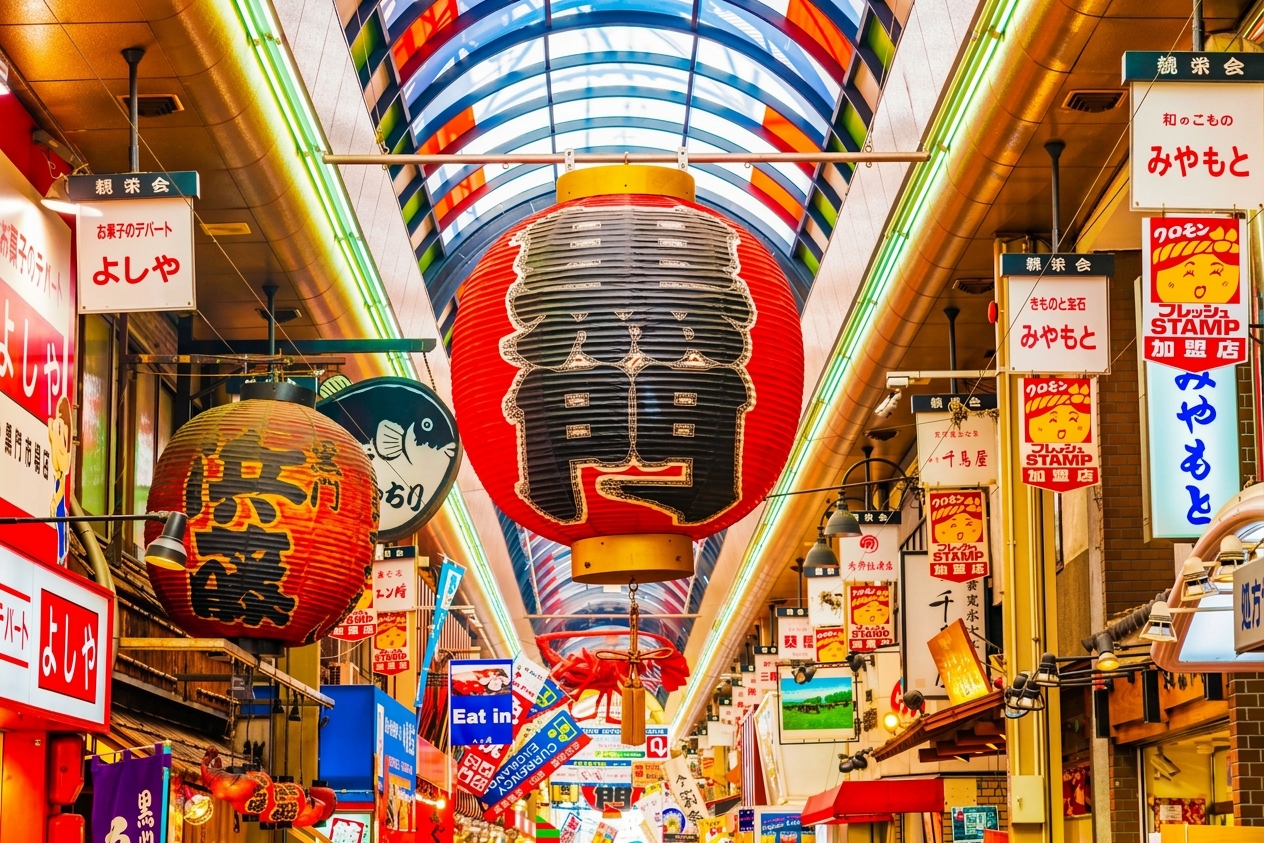
Today it is roughly 150 shops under a covered arcade of about 580 metres, a few steps from Nipponbashi Station on the Sakaisuji and Sennichimae subway lines. From Namba it is a ten-minute walk. For decades the customers were Minami’s restaurant cooks and the households around them.
What to Eat, and What to Skip
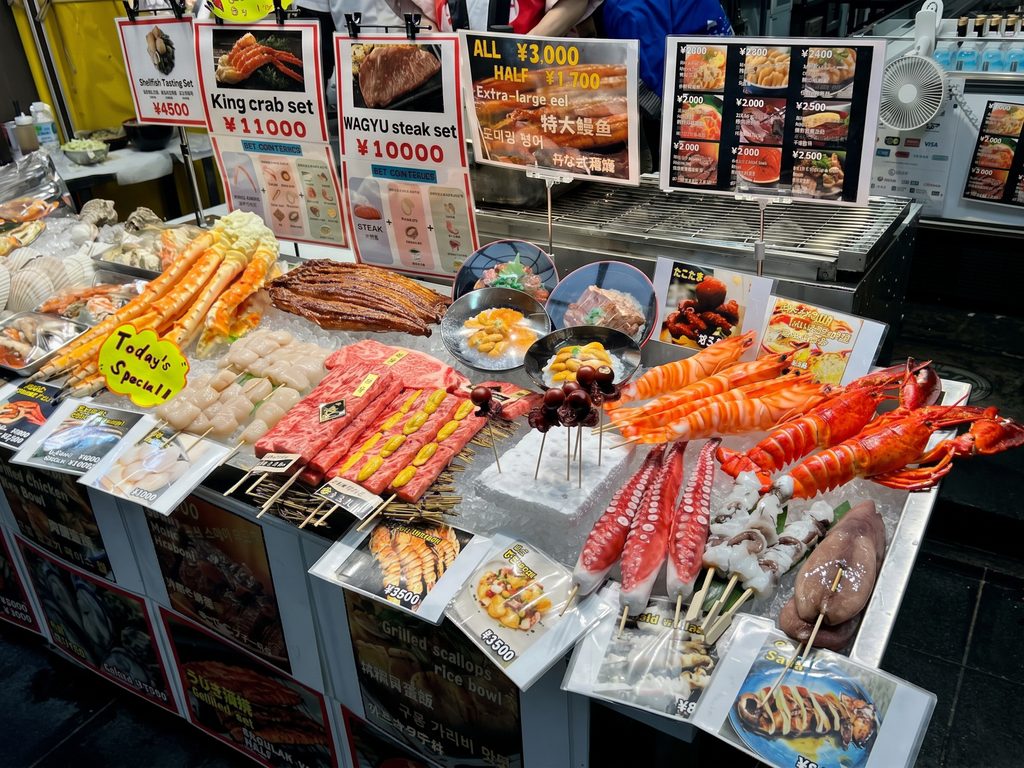
In recent years, Kuromon has turned its face toward visitors. Many stalls now grill scallops, oysters, and crab legs to order, sell sea urchin by the tray, and skewer wagyu over a small burner. The produce is real and often very good. The pricing reflects who is buying.
Our view is straightforward. Eat seafood here, because the fish shops still know what they are doing, and buy fruit from the stalls that sell to regulars as well as visitors. Skip the premium wagyu skewer unless you want it as a photograph; you will eat better beef for the same money at a proper yakiniku counter in the evening.
The quieter pleasures sit in the shops that have not changed their business at all: pickles, dried fish, tamagoyaki, and the quick, exact knife work of a fishmonger breaking down the morning’s catch. Those are the moments people remember.
Timing: Mornings, Not Afternoons
Opening hours vary by shop. Most run from roughly the morning into the early evening, and a considerable number close on Sundays and national holidays. Arriving late in the afternoon means walking past shutters.
We plan Kuromon for mid-morning on a weekday. By then the stalls are fully set up, the grills are going, and the tour-group wave has not yet peaked. Early afternoon at weekends is when the arcade is at its most crowded and least pleasant.
Expert Tip
Walk the full length of Kuromon once before you buy anything. The same grilled scallop or cut fruit is sold at several stalls, and the queues differ far more than the quality does. Decide on two or three things on the first pass, then go back for them.
Tsuruhashi: The Market Osaka Still Shops At
Step off the train at Tsuruhashi and the smell of grilling beef reaches you before the ticket gate does.
A Postwar Market Around Three Railway Lines
Tsuruhashi Market began after the Second World War as a black market in a burned-out part of the city. It never tidied itself up. Today there are about 800 shops spread across a warren of covered lanes around Tsuruhashi Station, served by the JR Osaka Loop Line, the Kintetsu Line, and the Osaka Metro Sennichimae Line.
The area is also the centre of Osaka’s Korean community, and that history shapes almost everything you see. Yakiniku restaurants cluster around the station. Further in, the lanes shift between Korean grocers, fishmongers, dried-goods sellers, and shops selling traditional clothing.
Kimchi, Chijimi, and the Fish Hall
Kimchi here is sold by weight from open tubs, and the range surprises most first-time visitors: cabbage, radish, cucumber, whole perilla leaves, and seafood versions. Buy a small tub of two or three kinds rather than a large one of a single kind. Chijimi, the Korean savoury pancake, is sold hot or packed to take away.
The fish section is the part most visitors miss. According to the local promotion association, it supplies chefs from both Osaka and Kyoto, and it has the unhurried, practical atmosphere of a place where nobody is performing for anyone. In our experience this is the best place in the city to watch Osaka’s ordinary food economy at work.
Getting Lost on Purpose
The lanes are narrow and poorly signposted. That is fine. Tsuruhashi is compact enough that any wrong turn brings you back to the station within a few minutes.
We suggest late morning to mid-afternoon. Many of the market shops close earlier than the yakiniku restaurants, so an evening visit gives you dinner but not the market.
Kizu and the Wholesale Side of the City
Kizu is the market that is not really meant for you, which is exactly why it is worth the effort.
The Kizu Morning Market for the Public
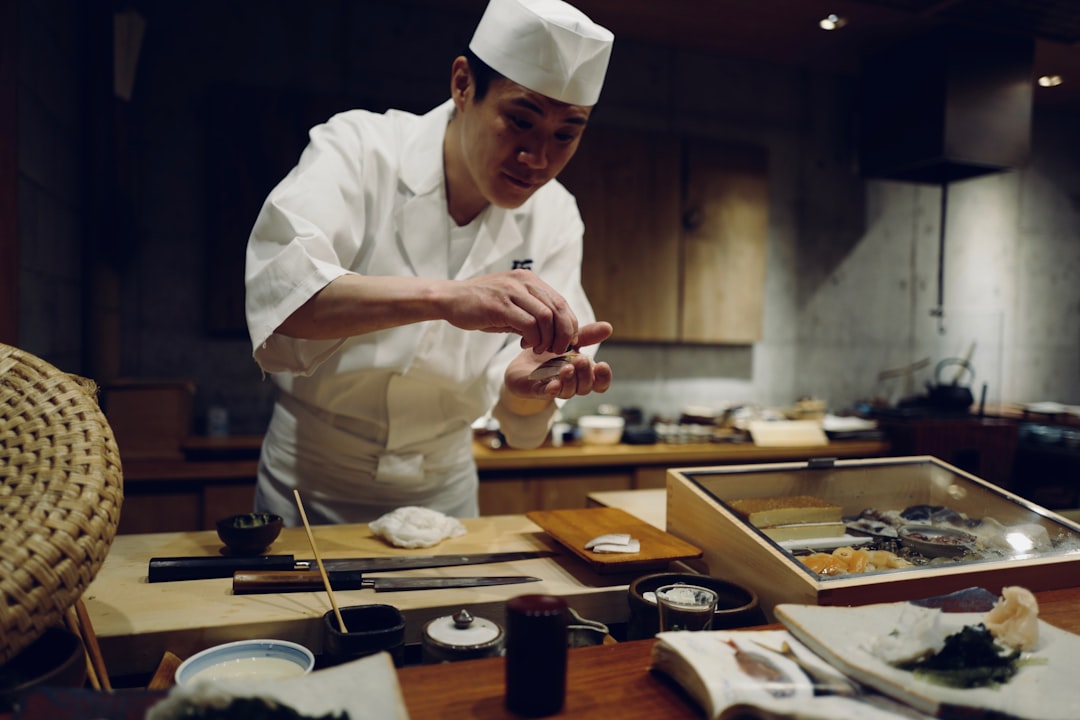
Kizu Wholesale Market is a private regional wholesale market with a history of more than 300 years, three minutes’ walk from Exit 1 of Daikokucho Station, one stop south of Namba on the Midosuji Line. On ordinary days its customers are restaurant owners and retailers, and trading starts early. Many shops are done by early afternoon.
On the second and last Saturday of each month, the market holds the Kizu Morning Market, open to the general public. This is the version we recommend to travelers. You get the working market’s produce and seafood without standing in the way of professionals trying to do their jobs.
On other days, keep your visit short and stay out of the loading lanes. A wholesale market is a workplace first.
Tenjinbashisuji and the Long Shopping Streets
Many lists of Osaka markets include Tenjinbashisuji, a covered shopping street that runs for roughly 2.6 kilometres in the north of the city. Strictly speaking it is a shotengai, a neighbourhood shopping street, rather than a market. Still, it has food shops, croquette stands, and old-fashioned delis along much of its length, and it feels far more residential than Kuromon.
It works well as a slow afternoon walk. The Tenma end, close to the station, turns into a dense izakaya district after dark.
Food Halls Are Not Markets
Search results for an Osaka market now include Time Out Market Osaka, a food hall that opened in 2025 at Grand Green Osaka next to Osaka Station. It is comfortable and convenient, with multiple kitchens under one roof.
It is also a different thing. A food hall curates restaurants for diners; a market sells ingredients to people who cook. If you want to see how Osaka eats, choose one of the markets above and use the food hall for an easy dinner near your hotel.
How to Use Osaka’s Markets Well
The best Osaka market day is usually a single market done properly, not three done in a rush.
Matching the Market to the Day
If you have one morning and you are staying in Namba, go to Kuromon on a weekday and treat it as breakfast. If you have more curiosity than time pressure, go to Tsuruhashi for lunch and stay for yakiniku. If your trip includes the second or last Saturday of a month, plan around the Kizu Morning Market.
On a three-day Osaka itinerary, we typically place a market on the first or second morning, when appetite and energy are both high. Sundays are the weakest day for Kuromon, because so many of its shops are closed.
Kuromon and Tsuruhashi are easier to combine than they look on a map. Nipponbashi and Tsuruhashi both sit on the Osaka Metro Sennichimae Line, so a short direct ride connects them. That said, we would still pick one as the main event and treat the other as a brief look, because two full market meals in one day is more than most appetites can manage.
For travelers on a private day with us, the itinerary is built around where to eat, and lunch is often at Kuromon, chosen stall by stall according to what the guide rates that day. The value is less the market itself than knowing which three counters out of 150 to stop at.
Eating Where You Buy, and Paying
Eat at the stall, or in the stall’s own seating area, rather than on the move. Kuromon’s arcade is narrow, and a skewer carried through a crowd is a problem for everyone around you. Many stalls provide a small counter or a few stools for exactly this reason, and some shops run eat-in corners for sushi and seafood bowls.
Hold on to your rubbish until you find the stall’s own bin or the place you bought from. Public bins are scarce in Japan, and markets are no exception.
Some of the larger stalls take cards, but acceptance varies shop by shop. Carry cash in small notes and coins, especially at Tsuruhashi and Kizu.
Buying Food to Take Home
Fresh fish and meat are for eating in Osaka, not for your suitcase. What travels well is the dry end of the market: kelp, bonito flakes, dried shiitake, sesame, and the packaged seasonings that give Osaka cooking its particular depth. These are also what a good home cook will get the most use from.
Before you buy, check what your own country allows through customs. Rules on meat, dairy, and some plant products are strict in many of the places our travelers fly home to, and a confiscated gift is a poor end to a good morning.
Expert Tip
Treat a market visit as a meal, not a snack stop. Arrive hungry, share every plate between two or three people, and stop after four or five items. Sharing lets you taste twice as many stalls, and it keeps room for the lunch or dinner you actually planned.
When the Markets Close: Namba After Dark
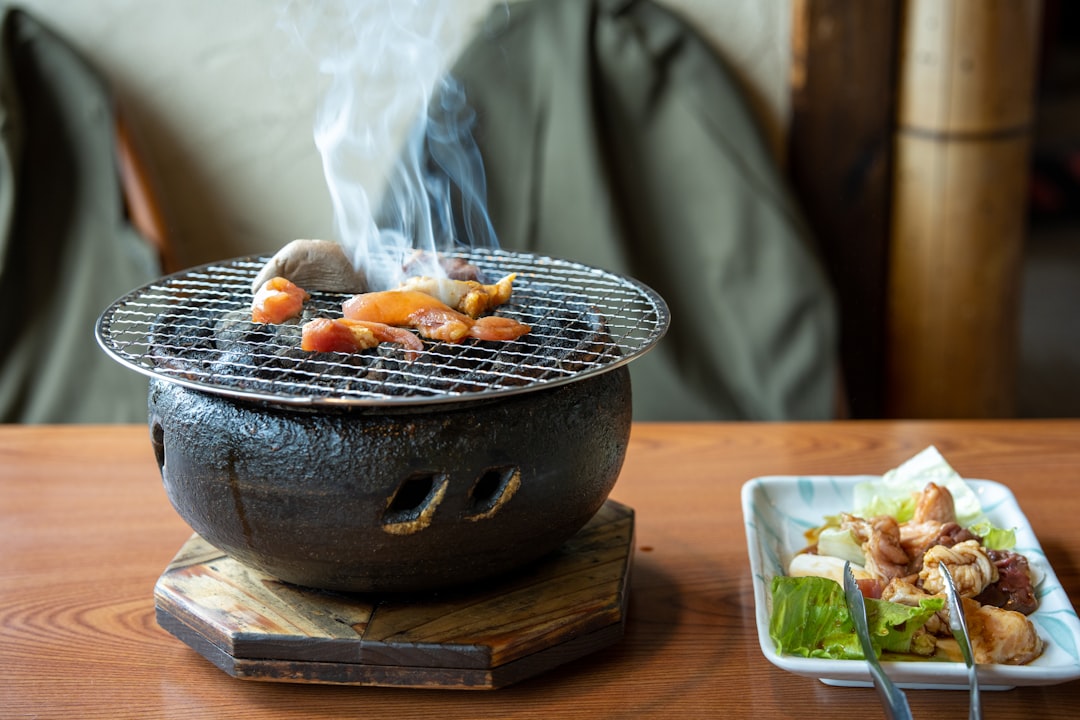
Osaka’s markets wind down by early evening, which is when the city’s other eating life begins. The natural sequence is market in the morning, a rest in the afternoon, and the backstreets at night.
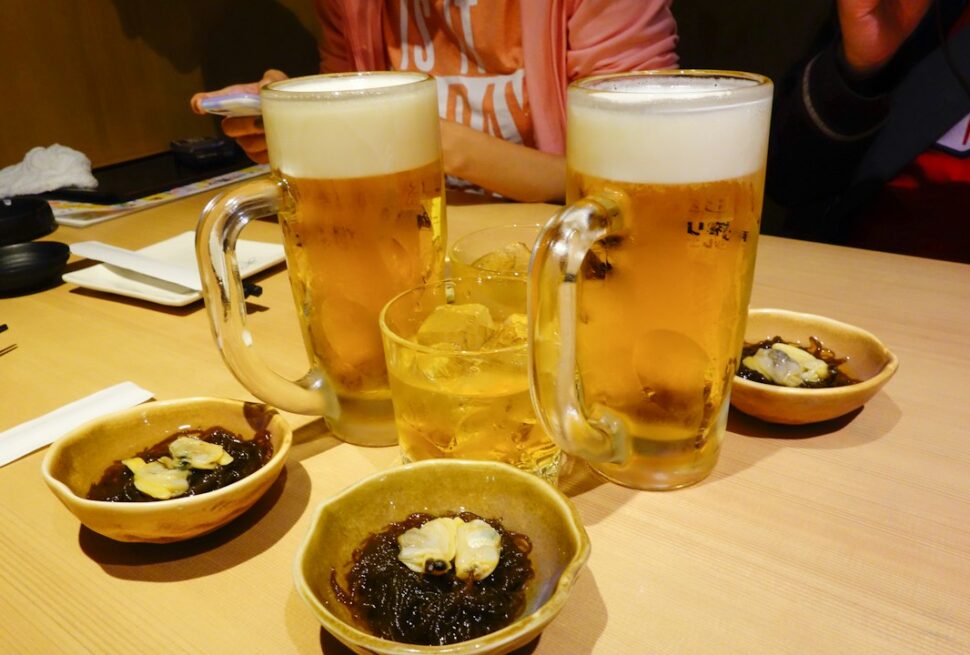
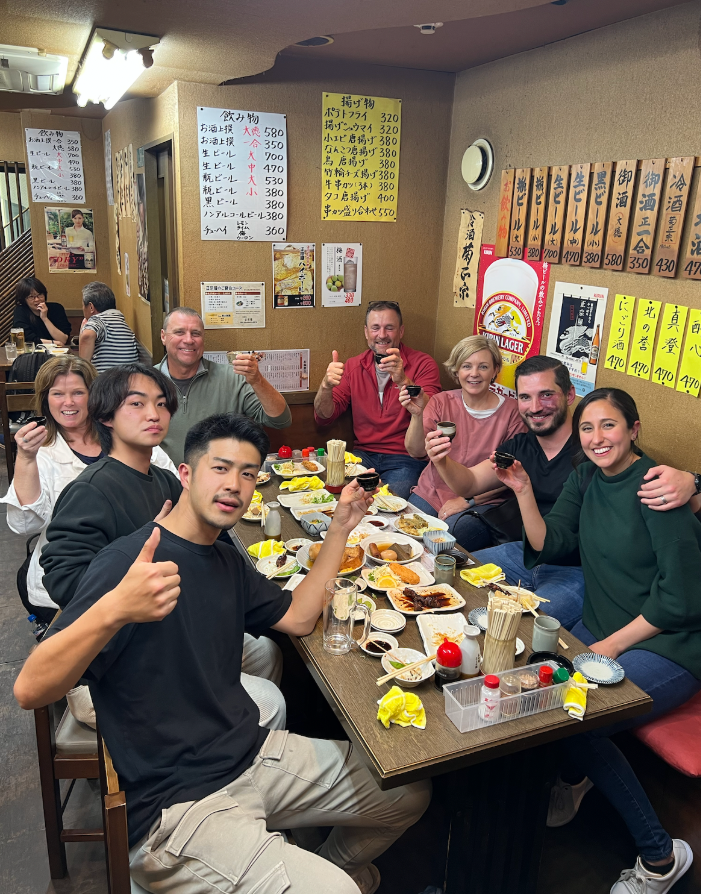
From Kuromon, Ura-Namba is a short walk west. It is where Minami’s cooks and office workers eat after work, in small izakaya and standing bars that serve very little to impress anyone and a great deal worth eating. Our evening food tour starts at a FamilyMart in Namba 1-chome, takes in the neon of Dotonbori only briefly, and spends most of its three hours on a takoyaki stall, an izakaya, and a tachinomiya, a standing bar.
If you would rather explore alone, our guide to Osaka food and Dotonbori street snacks covers what to order and where.
Osaka Market: Frequently Asked Questions
Is Kuromon Market worth visiting, or is it a tourist trap?
It is worth visiting, provided you know what it is. Kuromon is now largely a grazing street for visitors, with prices to match, but its fish and fruit shops still sell good produce and the setting has real history. Go on a weekday morning, eat seafood rather than luxury skewers, and it is a very good hour. If you want a market with fewer visitors, go to Tsuruhashi instead.
What time does Kuromon Market open and close?
There are no single market hours. Each shop sets its own, and most operate from around the morning until the early evening, with a considerable number closing on Sundays and national holidays. For the fullest selection, arrive mid-morning on a weekday and aim to finish well before the late-afternoon wind-down.
Which Osaka market is best for local food rather than tourist food?
Tsuruhashi. With around 800 shops, it is still a market where residents buy kimchi, fish, and household goods, and it is the centre of the city’s Korean food culture. For wholesale produce and seafood, the Kizu Morning Market on the second and last Saturday of each month is the other strong choice.
Related Tours

Conclusion
Choose one Osaka market by what you want from it. Kuromon is for a morning of grilled seafood in a historic arcade, Tsuruhashi is for seeing how the city actually shops, and Kizu is for the working market on the right Saturday. Trying to cover all three in a day turns each of them into a walk-through.
Check the calendar before you commit. A Sunday at Kuromon, or an evening at Tsuruhashi, is a different and thinner experience than the same place on a weekday morning, and a Kizu visit only makes sense on the second or last Saturday of the month. Get the timing right, bring cash, and leave room for dinner in the backstreets of Namba.
Plan Your Japan Trip with Local Experts
Our team has guided 40,000+ travelers across Japan. Tell us about your trip and we’ll get back to you within 24 hours.