In this article:
- What Namba Yasaka Shrine Is
- The Lion-Head Hall
- Festivals Worth Planning Around
- Visiting: Access, Timing, and Etiquette
- Namba Yasaka Shrine: Frequently Asked Questions
Introduction
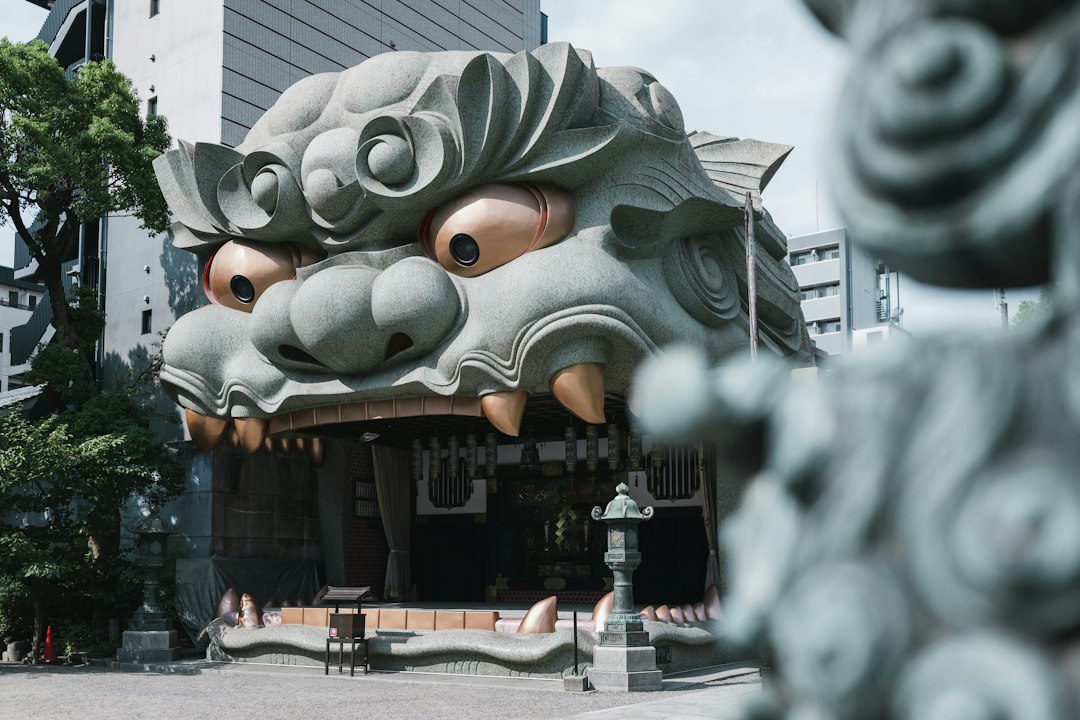
You walk west from the department stores of Namba, into a quieter grid of apartment blocks and small offices, and then a lion’s head the height of a four-storey building is staring at you with its mouth wide open. That is Namba Yasaka Shrine, and nothing on the approach prepares you for it.
The shrine itself is modest. It is a local shrine in a residential pocket of Naniwa Ward, the kind of place where office workers stop to bow on the way to the station and grandparents bring small children on festival days. What makes it unusual is the lion: a stage built in the shape of a lion-dance mask, with eyes, teeth and a mouth large enough to hold a group of musicians.
We include it on a lot of Osaka days for a simple reason. It takes twenty minutes, it is free, it sits between the places people already want to go, and it gives you something to look at that no other city in Japan has. What follows is everything you need to visit it well.
What Namba Yasaka Shrine Is
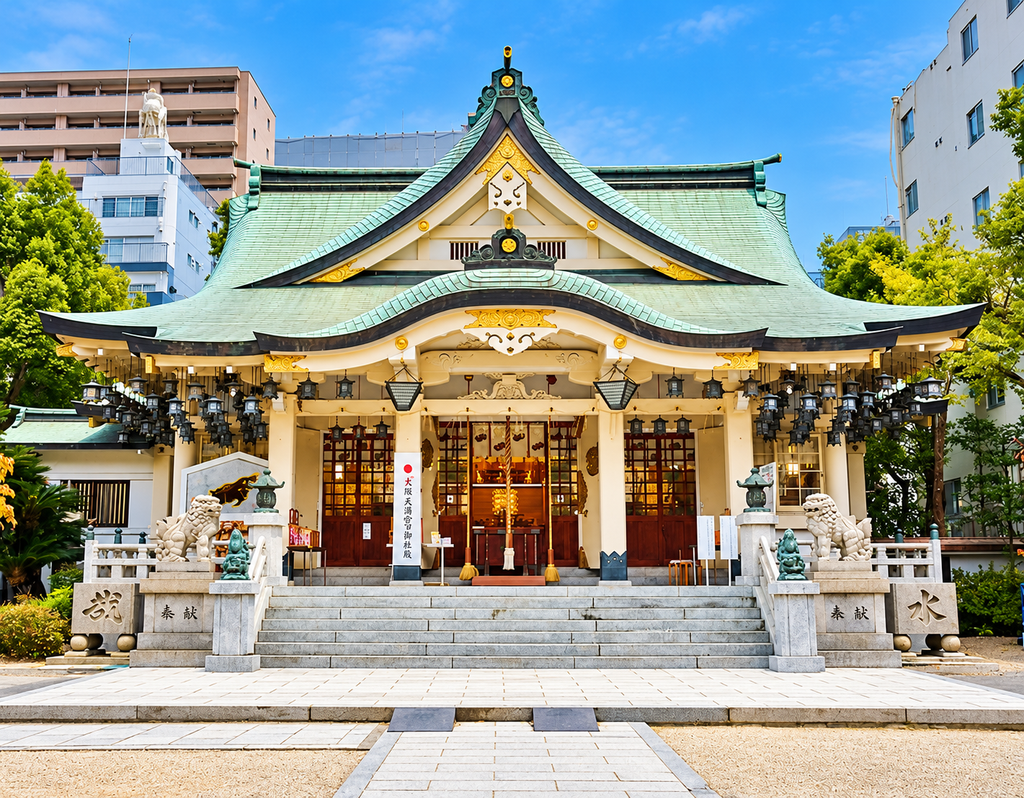
Strip away the lion and you have an old, working neighbourhood shrine with a longer history than its concrete buildings suggest.
A Neighbourhood Shrine With an Old Name
No document records exactly when the shrine was founded. According to the shrine’s own account, it was known in earlier centuries as Namba Shimo-no-Miya and served as the guardian shrine of the whole Namba area. By the Enkyu era, around 1069 to 1073, it was already recognised as an established shrine to the deity worshipped at Gion.
The principal deity is Susanoo-no-Mikoto, the storm god of Japanese myth, best known for slaying an eight-headed serpent. That story matters here. It explains both the shrine’s main festival and why protection against misfortune is the blessing most people come for.
Like most shrines before the Meiji period, it once shared its grounds with Buddhist institutions. Those were abolished when Shinto and Buddhism were formally separated in the late nineteenth century. If the distinction between the two is still hazy for you, our guide to shrines versus temples covers how to tell them apart on sight.
Rebuilt After 1945
The original buildings were lost in the air raids on Osaka during the Second World War. What you see today is largely post-war, and the current main hall was completed in May 1974.
That date is the key to the whole place. Rather than simply restoring what had been there, the rebuilding added the lion-head hall, a deliberate piece of civic theatre. Osaka has always had a taste for the oversized and the slightly outrageous, and the lion is very much in that tradition.
The Smaller Shrines in the Grounds
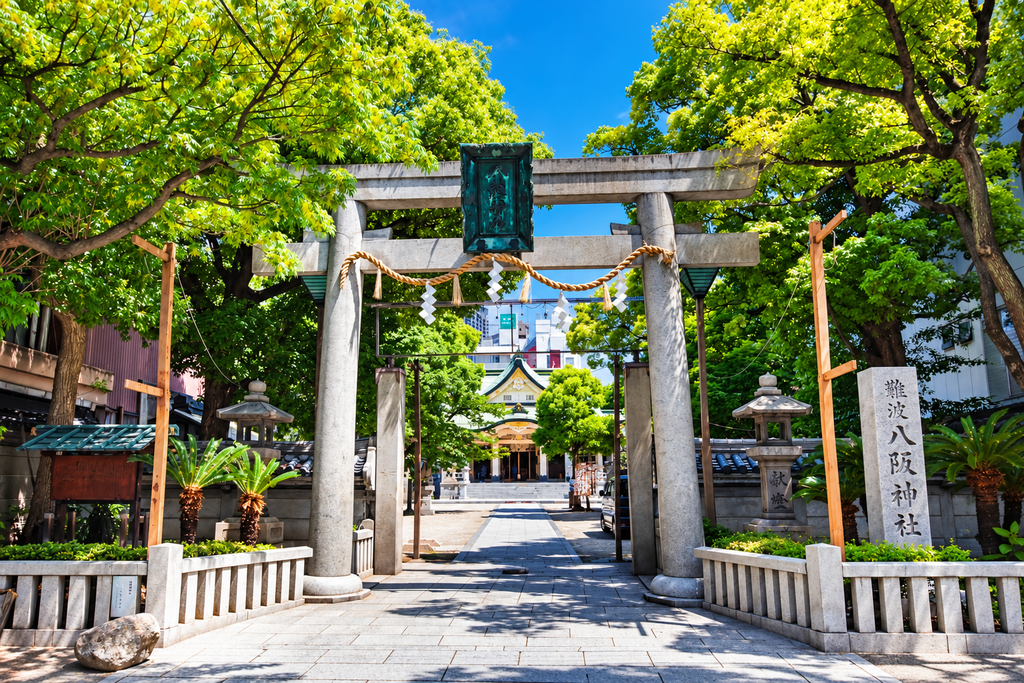
Around the edges of the precinct sit five smaller shrines, which most visitors walk straight past. They are worth thirty seconds each.
The Inari shrine is dedicated to harvests and business, a fitting choice in a merchant district. Shinoyama Shrine honours Shinoyama Jubei Kageyoshi, an Edo-period Osaka magistrate credited with gaining official approval for Namba’s vegetable market, and it was founded in 1880. There are also small shrines to the kitchen and fire deities and to safe travel by sea. Together they read like a list of what a working Osaka neighbourhood needed protecting.
The Lion-Head Hall
The lion is the reason almost everyone comes, and it does not disappoint in person the way famous objects sometimes do.
Twelve Metres of Open Mouth
The hall, called the Shishiden, stands about twelve metres tall. Its design draws on the lion dance, a performance long associated with driving away evil and popular in this area, and the building is shaped like a lion-dance mask: wide nostrils, bared teeth, heavy brows.
It is not purely sculpture. The open mouth is a stage, and during festivals it is used for lion dances and performing arts offered to the deity. The shrine describes it, with typical Osaka understatement, as the largest lion stage in Japan.
Photographs flatten it. Standing in front of it, the scale is closer to a building than a statue, and the eyes are set high enough that you look up into them.
What People Pray For Here
The open mouth is said to swallow evil spirits. By extension the lion is associated with good fortune in exams, in competition and in business, and you will see students and small-business owners praying in front of it.
You do not need to share the belief to take part. Stand in front of the mouth, make a short prayer, and move on. The gesture is the same one locals make, and nobody expects a visitor to perform it perfectly.
Photographing It Well
The precinct is compact, so the best photographs come from standing back near the entrance rather than from directly beneath the lion. A wide lens or the 0.5x setting on a phone helps.
Morning is quieter. By late afternoon on weekends, tour groups and social media visitors arrive in waves, and you will be waiting for a gap in the queue for the front-on shot. We suggest arriving before ten if photographs matter to you; after that, patience becomes part of the visit.
Expert Tip
Take your front-on photograph first, then walk to the side of the precinct and look at the lion in profile. The angle shows how deep the head is, which the head-on view hides entirely. It is also the route to the smaller shrines that most visitors miss.
Festivals Worth Planning Around
On an ordinary day the shrine is a twenty-minute stop. On its two main festival dates it becomes one of the more interesting things happening in central Osaka.
The Tug-of-War Ritual in January
The Tsunahiki Shinji, or tug-of-war ritual, is held on the morning of the third Sunday of January. A huge rope is braided into the shape of a serpent with eight heads and eight tails, a direct reference to the serpent Susanoo defeated. Participants then pull it in the direction considered auspicious for that year, and afterwards the rope is enshrined before the deity.
The prayers attached to it are practical ones: protection from illness and disaster, good harvests from sea and land, steady livelihoods, household safety and prosperous business. Its origins are unclear, though it appears in printed guides from the Edo period. In 2001 it became the first event designated an intangible folk cultural property by the City of Osaka.
If your trip overlaps with mid-January, this is the reason to rearrange a morning. It is a neighbourhood event, not a staged performance, and that is exactly its appeal.
The Summer Festival and the Boat Procession
The summer festival runs on 13 and 14 July. Over both days, portable shrines and drums are carried through Sennichimae, Dotonbori and Ebisubashi-suji, lion dances and other performances are offered on the lion stage, and rice cakes are thrown to the crowd.
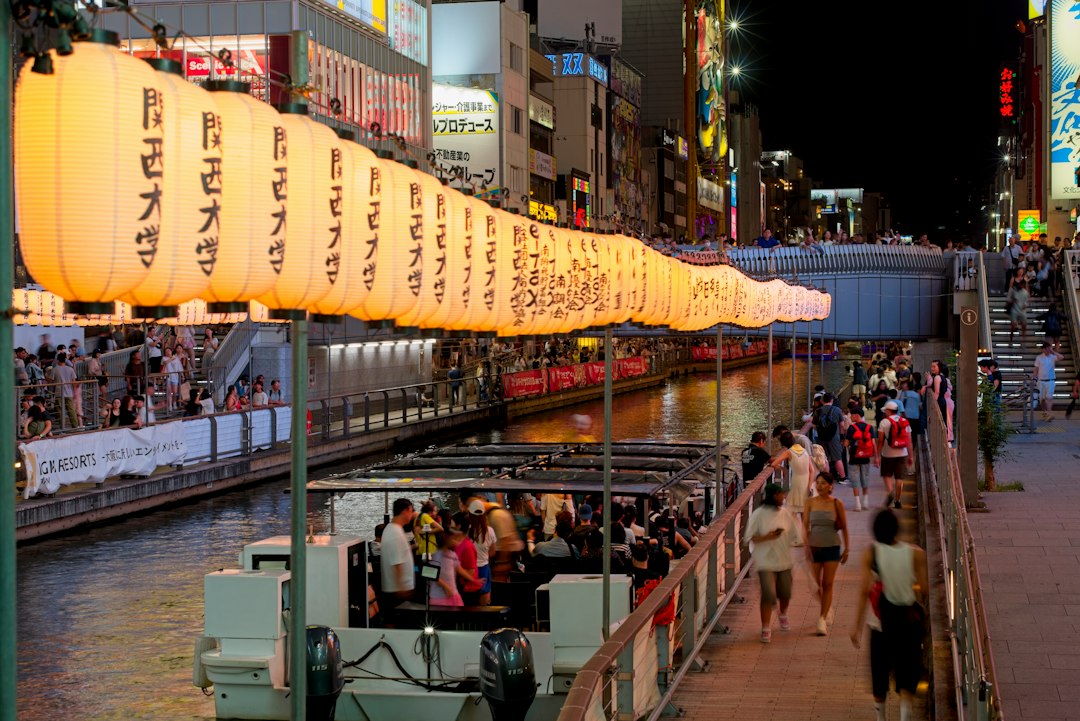
On the evening of 13 July there is also a boat procession on the Dotonbori River. The shrine revived it in 2001 after a gap of roughly 230 years. Seeing festival boats pass under the neon of Dotonbori is a reminder that the canal was a working waterway long before it became a photograph.
July in Osaka is hot and humid. Go in the evening, carry water, and expect crowds along the river.
Visiting: Access, Timing, and Etiquette
Namba Yasaka Shrine is easy to reach and quick to visit, which is precisely why it works so well as part of a longer day.
Getting There
The shrine is at 2-9-19 Motomachi, Naniwa Ward. It is about a six-minute walk from Namba Station on the Osaka Metro Midosuji and Yotsubashi lines, about six minutes from Nankai Namba Station, and about seven minutes from Daikokucho Station.
If you are coming from Namba Parks, it is roughly five minutes on foot. The walk takes you out of the shopping district and into ordinary streets almost immediately, and that contrast is part of the experience. Use a map app on the final stretch, because the shrine is set back from the main roads and the lion is not visible until you are close.
Admission is free. The Osaka tourist board lists the grounds as open at all hours.
When to Go
Early morning is the best time. The light is softer, the precinct is nearly empty, and you will see the shrine as it is actually used, with locals stopping to pray on the way to work.
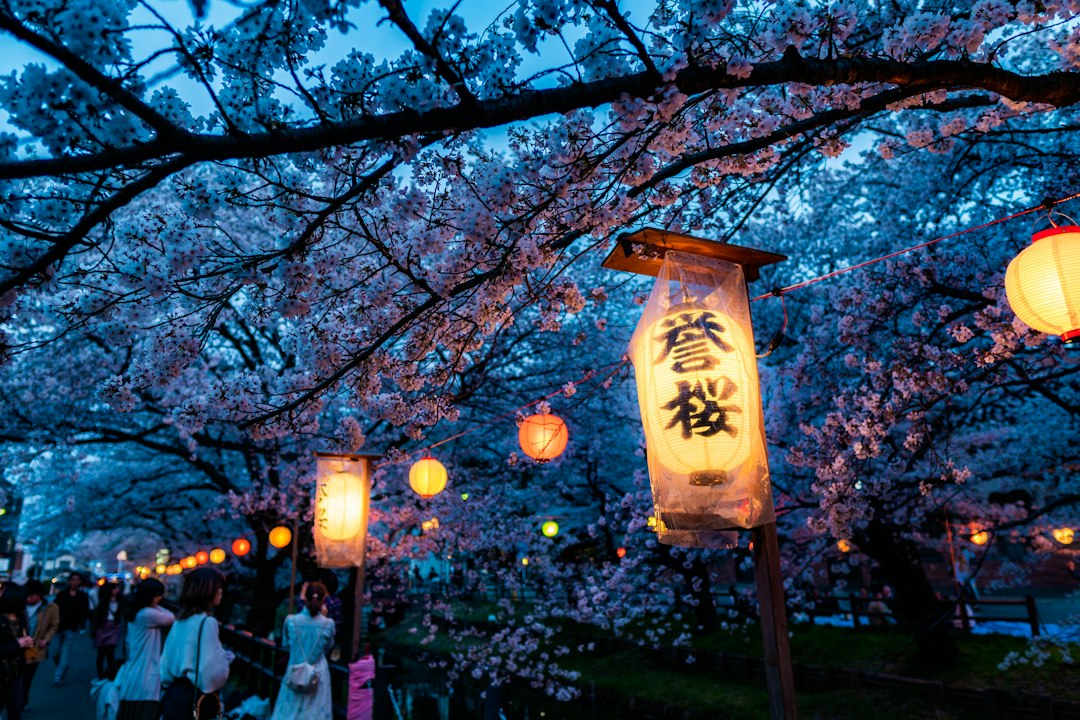
If you want an amulet or a goshuin stamp, come during the day, when the shrine office is staffed. Early evening visits are fine for the lion itself, but do not count on the office being open. Spring brings a few cherry trees into flower, though we would not plan a visit around them; Osaka has far better places for hanami.
A Short Note on Etiquette
Standard shrine etiquette applies. Rinse your hands and mouth at the water basin near the entrance if you wish, then at the offering box bow twice, clap twice, and bow once more.
Keep your voice down while others are praying, and do not climb onto the lion’s stage. Photographs of the buildings are fine; photographing people mid-prayer at close range is not.
Building It Into a Namba Day
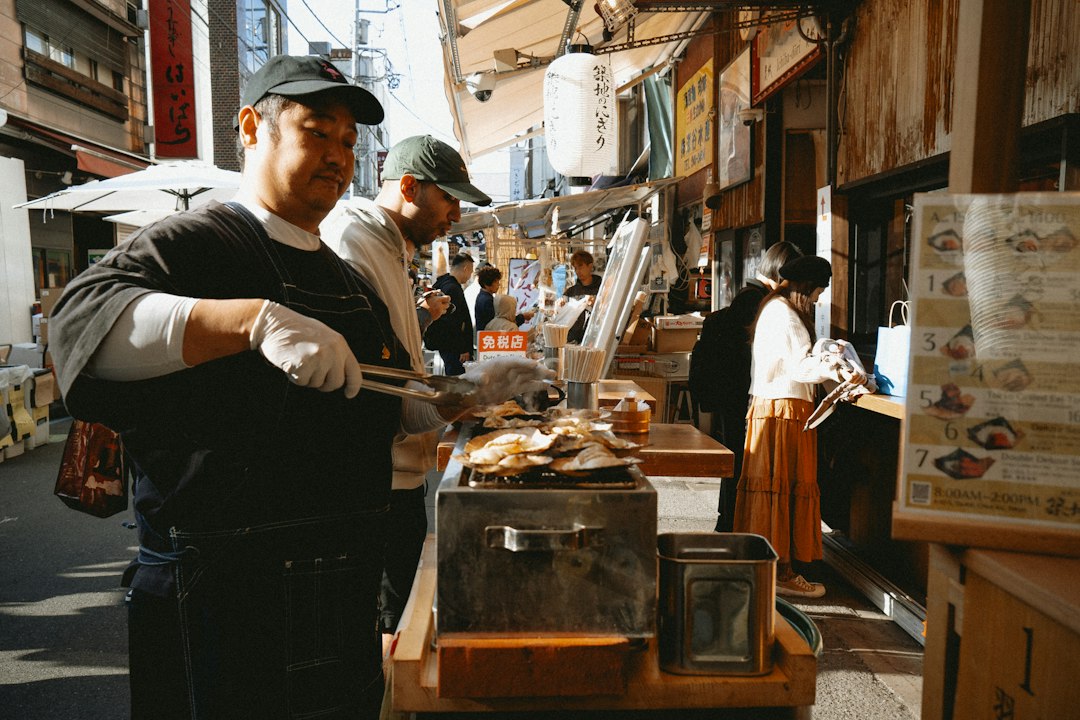
The shrine sits within walking distance of most of what visitors come to Namba for. A sensible morning runs from here to Kuromon Market for a late breakfast of grilled scallops and fresh fruit, then on toward Dotonbori and Shinsekai. In the evening, the narrow lanes of Ura Namba, on the other side of Namba Station, are where the neighbourhood eats.
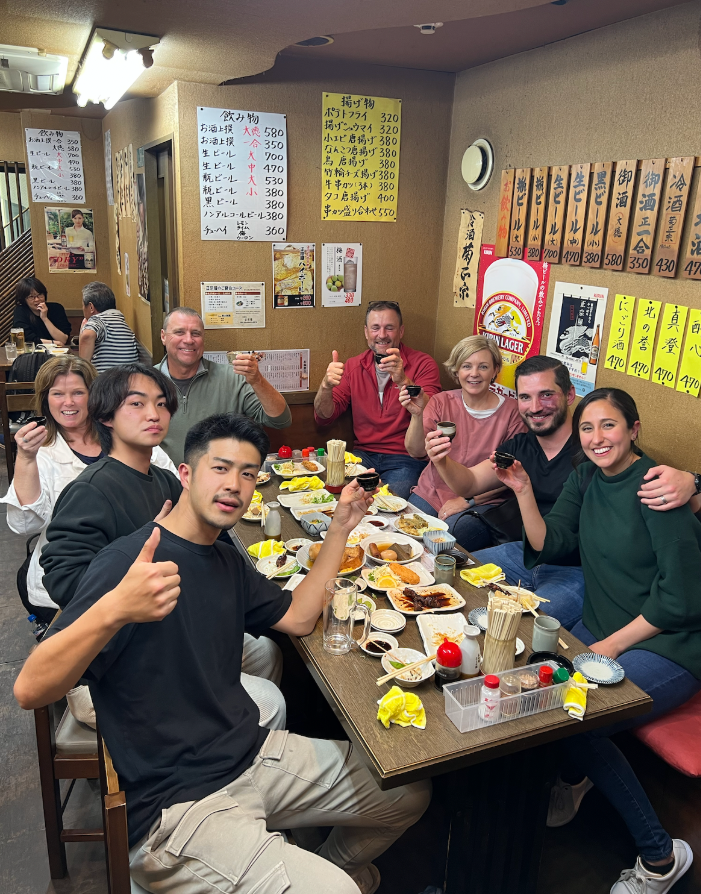
On our private Osaka days, Namba Yasaka is one of the usual candidates alongside Osaka Castle, Shinsekai, Kuromon Market and Dotonbori. Guests choose three or four, and the lion often makes the cut because it adds something unexpected for very little time. Our Dotonbori food tour, which meets at a FamilyMart in Namba 1-chome, makes a good evening follow-on if you have spent the afternoon at the shrine and in the shops nearby.
Expert Tip
Pair the shrine with Kuromon Market in the morning rather than with Dotonbori at night. The shrine is at its best when it is quiet and the market is at its best before the lunch crowds, so the two reward the same early start. Dotonbori, by contrast, is better after dark, and saving it for the evening gives the day a natural shape.
Namba Yasaka Shrine: Frequently Asked Questions
Is there an entrance fee for Namba Yasaka Shrine?
No. Entry to the grounds is free, and you can walk up to the lion-head hall and photograph it without paying anything. The only costs are optional: an offering at the prayer box, or an amulet or goshuin stamp from the shrine office during the day.
How long should I spend at Namba Yasaka Shrine?
Twenty to thirty minutes is enough for most visitors. That covers the lion, the main hall, the smaller shrines and a few photographs. On festival days, especially the January tug-of-war or the July summer festival, allow a couple of hours, because the point is to watch what happens rather than to tick off the building.
Can I walk from Dotonbori to Namba Yasaka Shrine?
Yes. The shrine is south-west of Namba Station, and from Dotonbori it is a comfortable walk through the Namba shopping streets. Most visitors combine the two on foot. If you would rather save your legs, take the Osaka Metro to Namba Station and walk about six minutes from there.
Related Tours

Conclusion
Namba Yasaka Shrine rewards a small amount of planning. Go early, give it half an hour, and you will have the lion largely to yourself before the rest of Namba wakes up.
If your dates are flexible, check whether you will be in Osaka on the third Sunday of January or on 13 and 14 July. A festival day turns a quick photograph into one of the more memorable mornings or evenings of a trip, and it shows you a side of Osaka that most visitors never see. Otherwise, treat it as the first stop of the day and walk on to Kuromon Market for breakfast.
Plan Your Japan Trip with Local Experts
Our team has guided 40,000+ travelers across Japan. Tell us about your trip and we’ll get back to you within 24 hours.